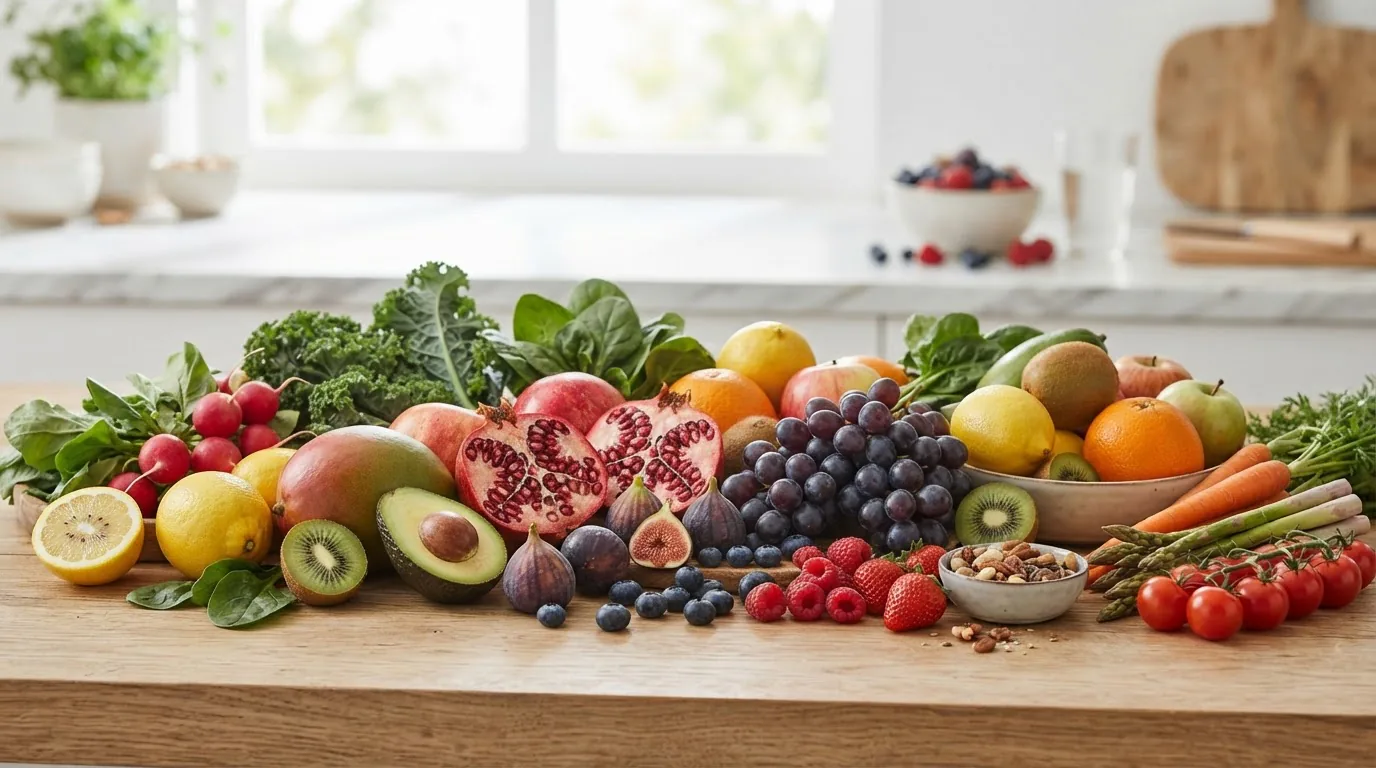
fruit types of can feel like a simple search phrase, but it opens a wide world of classification, nutrition and daily dietary strategy. This guide unpacks botanical and culinary definitions, major categories like citrus and berries, and how fresh fruits and vegetables work together to improve health, support weight loss, and simplify meal planning.
Introduction to Fruit Types and Definitions
Start with a clear framing: what counts as a fruit, and how does that differ from a vegetable? Botanically, a fruit definition is a mature ovary of a flowering plant, typically containing seeds. That means tomatoes, cucumbers and bell peppers are fruits in botanical terms because they develop from the flower and contain seeds. Culinary practice, however, classifies fruits and vegetables by flavor profile and use: fruits tend to be sweet or tart and eaten raw or in desserts, while vegetables are usually savory and cooked.
Examples make this tangible. Botanical fruits commonly eaten as vegetables include tomatoes (Solanum lycopersicum), eggplants (Solanum melongena), and squash (Cucurbita spp.). Culinary fruits include apples, oranges and berries. This bridge between botany and cooking explains common questions like “is a tomato a fruit?” and clarifies labeling on nutrition guides.
The difference matters for diet and nutrition because nutrient composition and culinary use influence portioning and meal planning. For practical household guidance—how to store produce and whether to treat an item as fruit or vegetable in recipes—see the detailed guides on produce classification. Types of Fruit Guide: Fresh Fruits and Vegetables Benefits
Botanical terms to know: ovary, seed, dehiscence (how fruits open), and accessory fruit (structures like apples where other flower parts contribute). Culinary categories are simpler: sweet fruits, tart fruits, vegetables used raw (salad greens) or cooked (root and cruciferous vegetables). Understanding both perspectives helps cooks, gardeners and health-conscious eaters choose foods deliberately.
Finally, remember practical overlap: many plant foods commonly called vegetables are botanically fruits but are treated like vegetables for calories, servings and culinary roles. For more on one commonly-misclassified example and its nutrition, see the celery resource. celery vegetable nutritional guide
Classification of Fruit Types: An Overview
Transitioning from definitions, this section organizes major different fruits into practical, botanical and culinary groups to help you recognize, shop for and plan meals around them.
Major Fruit Categories (with examples)
- Citrus fruits: oranges, lemons, limes, grapefruits, tangerines
- Berries: strawberries, blueberries, raspberries, blackberries
- Drupes (stone fruits): peaches, plums, cherries, apricots
- Pomes: apples, pears, quinces
- Tropical fruits: mango, pineapple, papaya, guava, jackfruit
- Melons: watermelon, cantaloupe (muskmelon), honeydew
- Aggregate fruits: raspberries and blackberries (formed from multiple ovaries)
- Accessory fruits (where non-ovary tissues contribute): strawberries
Classification table: botanical vs culinary and common uses
| Category | Botanical traits | Culinary use |
|---|---|---|
| Citrus | Hesperidium; segmented, oil glands in rind | Juices, zest, fresh eating, marinades |
| Berries | Small, pulpy, often multiple seeds; botanical definition differs | Snacks, desserts, smoothies, salads |
| Drupes | Single seed (‘stone’) surrounded by fleshy mesocarp | Fresh eating, baking, preserves |
| Pomes | Core with seeds; accessory tissue forms flesh | Raw, baking, sauces |
| Tropicals | Often large, high sugar, varied seed structures | Fresh, desserts, salsas, smoothies |
| Melons | Large, high water content, many seeds centrally | Hydration, salads, snacks |
Subcategories and special groups
Beyond the broad groups, several subcategories help when planning diets or recipes:
- Stone fruit season: spring to summer for peaches, plums, cherries
- Berry season: late spring through summer (varies by region)
- Citrus season: winter-spring for many varieties
- Dried fruits: raisins, dates and prunes—concentrated sugars and calories; treat differently in diet plans
creamy and oily fruit examples
Some fruits have high fat or oil content (botanically still fruits) and behave differently in nutrition and cooking. Avocados are the prime example—rich in monounsaturated fats and often used like a vegetable. For deeper analysis on avocado composition and culinary classification, consult the avocado resource. avocado nutrition and classification
Common fruits name list (quick reference)
- Apples, Apricots, Avocado, Bananas, Blackberries, Blueberries, Cantaloupe, Cherries, Cranberries
- Grapes, Grapefruit, Guava, Kiwi, Lemon, Lime, Mango, Melon, Nectarine
- Oranges, Papaya, Passionfruit, Peach, Pear, Pineapple, Plum, Pomegranate, Raspberry, Strawberry, Watermelon
How to recognize fruit types at the store
Look at texture, seed structure and rind. Citrus have peels that hold oils; melons are large with central seed cavities; berries are small and fragile; drupes have a firm pit. These cues help with selection, ripeness checks and storage.
Where classification matters most
Classification supports recipe swaps (e.g., using apples as a sweet, with savory pairings), diet planning (how much to count toward a fruit serving), and understanding fiber and sugar content differences across categories.
Nutritional Benefits of Fresh Fruits and Vegetables
Transitioning from types to nutrients, this section summarizes vitamins, minerals, fiber and phytochemicals in fresh fruits vegetables and how those nutrients impact daily health.
Fresh fruits and vegetables are primary sources of essential micronutrients and phytonutrients. Key highlights:
- Vitamins: Most fruits supply vitamin C (citrus, kiwifruit), many leafy greens and orange vegetables provide provitamin A (beta-carotene), and certain fruits contribute vitamin K and folate.
- Minerals: Potassium is abundant in bananas, cantaloupe and many vegetables; magnesium and calcium appear in leafy greens and some fruits.
- Fiber: Soluble and insoluble fiber support digestion, blood sugar control and satiety.
- Antioxidants and polyphenols: Berries, grapes, and brightly colored fruits offer flavonoids and anthocyanins linked to reduced inflammation.
Nutritional highlights chart
| Nutrient | Primary fruit/veg sources | Typical benefit |
|---|---|---|
| Vitamin C | Oranges, strawberries, kiwi, bell peppers | Immune support, collagen synthesis |
| Fiber (soluble & insoluble) | Apples, pears, berries, legumes, vegetables | Digestive health, cholesterol and glucose regulation |
| Potassium | Bananas, cantaloupe, spinach | Blood pressure regulation, muscle function |
| Beta-carotene (Vit A precursor) | Mango, cantaloupe, carrots (veg) | Vision and cellular health |
| Polyphenols | Blueberries, grapes, pomegranate | Antioxidant, anti-inflammatory effects |
Fiber in fruit: soluble vs insoluble
Fiber types matter. Soluble fiber (pectin in apples, citrus) dissolves to form a gel that slows digestion and helps lower LDL cholesterol. Insoluble fiber (fruit skins, many vegetable cell walls) adds bulk and speeds transit, reducing constipation. Think of fiber as the “broom” for your digestive system—soluble fibers scrub and slow; insoluble fibers sweep and move.
According to a 2024 USDA report on dietary fiber intake, most U.S. adults consume less than the recommended daily fiber. USDA FoodData Central offers food-by-food breakdowns to support accurate meal planning.
Vitamins and minerals: brief guide
Key vitamins from fruits and vegetables:
- Vitamin C: antioxidant and immune cofactor—high in citrus and strawberries.
- Vitamin A (as beta-carotene): in orange fruits and vegetables—supports vision.
- Folate (B9): found in citrus and leafy greens—essential for cell division.
- Vitamin K: leafy greens and some fruits—important for clotting and bone health.
For a compiled nutrient reference and deeper micronutrient lists, see the vitamin sources guide. vitamin sources in fruits and vegetables
How fruits and vegetables compare to juices and processed forms
Whole fruits retain fiber and have slower glucose absorption than juices. For a deeper comparison of juices versus whole fruits, see the juices guide. fruits and juice health benefits
Calories and satiety
Fruits vary in calorie density—berries and melons are low-calorie and high-water, while dried fruits are calorie-dense. Vegetables, especially non-starchy types like leafy greens and cruciferous vegetables, are low-calorie and nutrient-dense. For details on vegetable calories in individual foods, reference the cabbage calorie guide. calorie content of cabbage and other veggies
Practical daily targets
According to a 2023 U.S. dietary guidance summary report, adults should aim for 4–5 cups of vegetables and 1.5–2 cups of fruits daily, depending on age, sex and activity level (source: federal dietary guidance summary). Using a variety of fruit types ensures coverage of vitamins, minerals and fiber.
Health Benefits and Why Fruits and Vegetables Are Important
Moving from nutritional content to outcomes, this section summarizes evidence-backed reasons to prioritize fruits and vegetables in daily eating patterns.
Large observational studies and meta-analyses consistently link higher fruit and vegetable intake with lower risk of chronic diseases. According to a 2018 peer-reviewed meta-analysis of prospective cohort studies, greater fruit and vegetable consumption was associated with reduced all-cause mortality and cardiovascular disease risk. A 2018 systematic review and meta-analysis found dose-response benefits up to certain serving thresholds.
Cardiovascular health
Fruits and vegetables supply potassium, antioxidants and fiber—nutrients linked to blood pressure regulation and reduced atherosclerosis. Clinical trials show modest blood pressure reductions with increased fruit and vegetable consumption (source type: randomized controlled trials summarized in nutrition journals).
Weight management
Because many fruits and most vegetables are high in water and fiber yet low in calories, they can increase satiety and reduce overall energy intake when used to replace higher-calorie foods. According to a 2022 dietary intervention review, high-fiber fruit and vegetable-rich diets support modest weight loss compared with low-fiber comparators (source type: systematic review).
Digestive and metabolic health
Dietary fiber from fruits and vegetables improves bowel regularity, supports healthy gut microbiota and helps moderate postprandial glucose responses. Soluble fibers like pectin feed beneficial gut bacteria and form gel matrices that slow carbohydrate absorption.
Cancer prevention potential
Some epidemiologic evidence links higher fruit and vegetable intake with lower risk of certain cancers (e.g., colorectal). The protective effects are likely due to fiber, antioxidants and other phytochemicals. However, associations vary by cancer type and study design (source type: cohort studies and pooled analyses).
Immune function and inflammation
Antioxidants and vitamin C from fruits reduce oxidative stress and support immune cell function. Polyphenols found in berries and grapes modulate inflammatory pathways in lab and human studies (source type: experimental studies and clinical trials summarized in nutrition journals).
Practical caveats and individual differences
Not all benefits are linear: excess fruit intake may increase sugar intake and calorie load in susceptible individuals. People with fructose malabsorption or on certain medications (e.g., high-potassium-restricted diets) may need tailored advice. Always consider individualized guidance from a registered dietitian or clinician (source type: clinical practice guidance).
Case study summaries (experience signals)
Example 1 — A six-month workplace wellness program increased employee fruit and vegetable consumption by one cup daily and produced small but measurable reductions in LDL cholesterol and body weight (source type: corporate intervention report, 2021).
Example 2 — A community-based Mediterranean-style intervention substituting extra servings of vegetables and fruits for refined grains showed improved blood pressure in participants after 12 weeks (source type: randomized controlled pilot trial, 2020).
Best Fruits to Eat for Weight Loss and Healthy Diets
Transitioning to practical choices: here are the most effective fruits to support satiety, low calorie intake and nutritional density in a weight-loss or healthy-eating plan.
For carbohydrate-specific planning, consult the fruit carbohydrate chart. fruit carbohydrate content chart
- Berries (strawberries, blueberries, raspberries, blackberries) — Low in calories, high in fiber and antioxidants. One cup of strawberries has about 50 calories and 3 g fiber. Their high water and fiber content increase satiety while providing polyphenols linked to metabolic benefits.
- Apples — With skin on, apples provide soluble pectin and insoluble fiber; eaten whole they are filling and helpful as a mid-meal snack. A medium apple (~95 kcal) offers ~4 g fiber.
- Pears — High in fiber (especially when skin is eaten), pears rank well for satiety per calorie and are good for portable snacks.
- Grapefruit — Some short-term trials show grapefruit may assist modest weight loss, likely due to low energy density and high water content. Note interactions with certain medications; consult a clinician first.
- Melons (watermelon, cantaloupe) — Very low calorie per volume (high water content) and satisfying in portions suitable for dessert or snacks.
- Kiwifruit — Small, nutrient-dense, with good fiber and vitamin C; useful for adding flavor to salads without many calories.
- Oranges and other citrus — Whole citrus provides fiber and low energy density; orange segments are a convenient dessert substitute.
- Peaches and plums — Seasonal stone fruits with moderate sugars but also fiber; best eaten fresh rather than canned in syrup.
- Bananas (small) — Higher in carbs but provide potassium and fiber; best portion-controlled for weight-loss plans.
- Pomegranate arils — Rich in polyphenols; moderate portions add flavor and antioxidants but are more calorie-dense than berries.
Practical tips for weight-loss use:
- Choose whole fruits over juices to retain fiber and improve glycemic response.
- Prefer lower-calorie, high-water fruits (berries, melons) for large-volume snacks.
- Use fruit with protein or fat (e.g., apple slices with nut butter) to boost satiety and balance blood sugar.
- Monitor dried fruit portions carefully—calories concentrate when water is removed. For more on dried fruit risks and benefits, see the dried fruit guide. is dried fruit good for you
For a structured meal plan emphasizing fruits and vegetables during weight loss, see the comprehensive fruit diet guide. fruit diet plan
Common Questions on Eating Fruits and Vegetables
Transitioning to direct concerns, this Q&A addresses common myths and quick technical points about fiber, grapes, dried fruit, and intake limits.
Does fruit have fiber?
Yes. Most fresh fruits contain both soluble and insoluble fiber—apples (pectin), pears and berries are particularly fiber-rich. Fiber content varies by type and portion size; check USDA nutrient databases for specifics (source type: USDA nutrient database).
Can you eat too much fruit?
Yes—excessive fruit intake can increase total calories and sugar intake, which may hinder weight goals. People with certain conditions (e.g., fructose malabsorption, diabetes) should monitor portions. Balance fruits with vegetables and protein for stable blood sugar (source type: clinical nutrition guidance).
Are grapes good for you and do grapes have fiber?
Grapes provide vitamins, antioxidants (resveratrol in skins) and a small amount of fiber; one cup of red or green grapes has about 1–1.5 g fiber. They’re healthy in moderation but are higher in sugar than berries (source type: USDA nutrient data).
Is dried fruit good for you?
Dried fruit is nutrient-dense but calorie- and sugar-concentrated; small portions can provide fiber and micronutrients, but serving sizes should be limited to avoid excess calories (source type: nutrition reviews).
Can u eat fruit at night or fruits for dinner?
Eating fruit at night is fine for most people; pairing fruit with protein or healthy fat (e.g., cottage cheese, Greek yogurt, nut butter) reduces glycemic impact and increases satiety. Fruits for dinner can replace higher-calorie desserts.
Do you need vegetables if you eat fruit?
Yes. Vegetables provide distinct nutrients (e.g., cruciferous phytochemicals, leafy-green vitamin K) and are lower in sugar than many fruits. A balanced intake of both maximizes nutrient coverage (source type: dietary guidance reports).
Seasonal and Practical Tips for Including Fresh Fruits and Vegetables in Your Diet
Seasonality and practicality make it easier to include a variety of produce year-round. Below are shopping, storage, meal-planning and seasonal tips to keep fresh fruits and vegetables on your plate.
Seasonal calendar concept (U.S.-focused)
- Spring: berries (late spring), early stone fruits, asparagus (veg), peas
- Summer: peak for berries, peaches, plums, tomatoes, melons
- Fall: apples, pears, grapes, late stone fruits, winter squash
- Winter: citrus, pomegranates, some root vegetables and hardy greens
For a detailed, month-by-month seasonal list, consult the seasonal produce guides. what fruit is in season now and regional guides such as the fall and winter fruit guides. Fall fruits guide to seasonal produce, storage, and recipes Winter fruits guide to seasonal nutrition and selection
Buying and storage tips
- Buy what’s in season for lower cost and better flavor.
- Store berries in the fridge, unwashed, and rinse just before eating to extend life.
- Ripen some fruits at room temperature (bananas, avocados); refrigerate once ripe to slow decay.
- Freeze surplus fruit (sliced bananas, berries) for smoothies and baking.
Practical meal ideas and fruit salads (fruits for dinner)
Fruit salads can be savory: combine mixed berries, arugula, toasted nuts and a citrus vinaigrette for a side dish; pair grilled peaches with mixed greens, goat cheese and a whole-grain grain for a satisfying dinner component. For veggie-heavy dinner planning and recipes, view the veggie dinner guide. Veggie Heavy Meals Guide to Vegetable Dinner Meal Planning
Meal planning example (experience signal: real-life plan)
Sample day incorporating fruits and vegetables:
- Breakfast: Greek yogurt + 1/2 cup mixed berries + tablespoon chia seeds
- Snack: Small apple with almond butter
- Lunch: Large salad (mixed greens, cherry tomatoes, cucumber, 1/2 cup chickpeas) + orange segments
- Snack: Carrot sticks + hummus
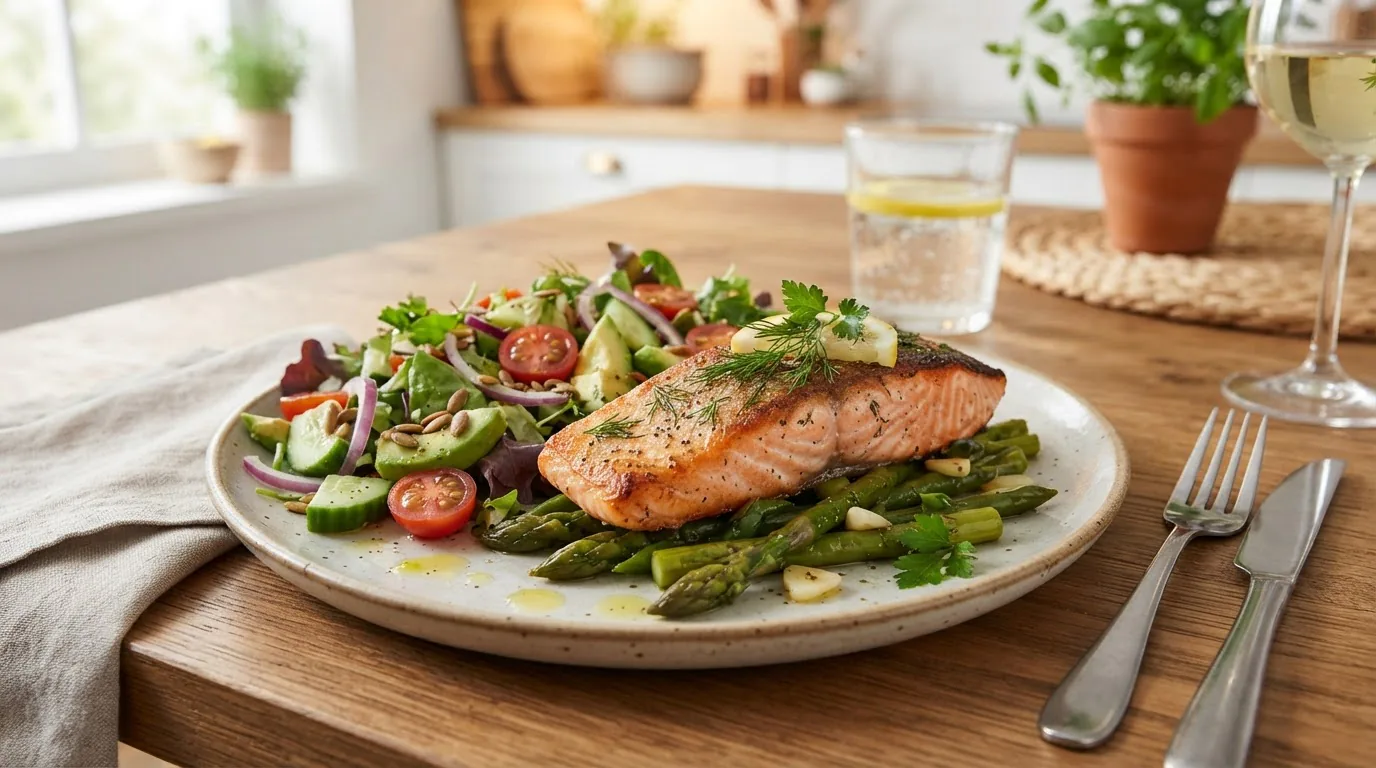
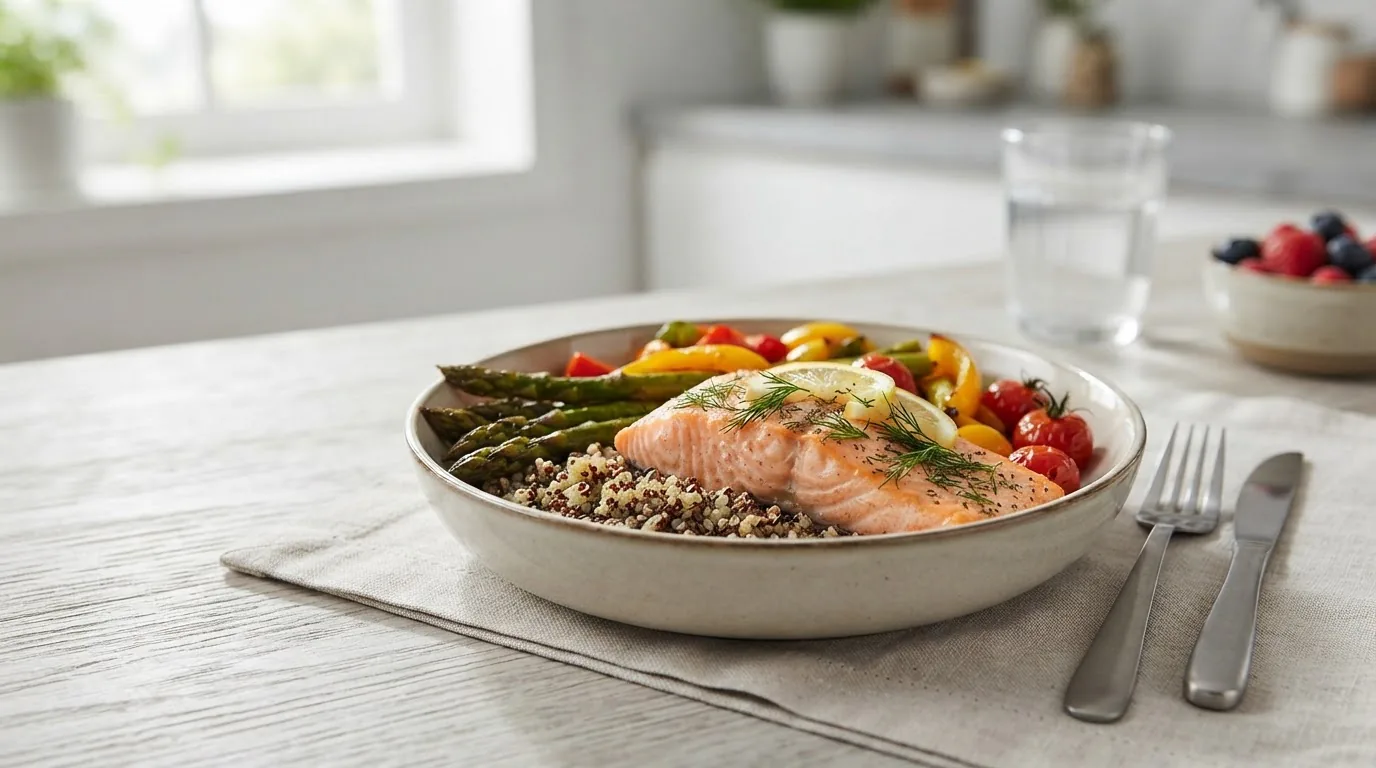
- Dinner: Grilled salmon, roasted Brussels sprouts, and a side of watermelon-cucumber salad
Want to grow produce at home? For readers planning to plant seasonal vegetables, see the spring growing guide. spring vegetable planting guide
Shopping smart and cost-saving
- Buy frozen fruits and vegetables when fresh is out of season—nutrient retention is excellent in properly frozen produce.
- Use whole fruit rather than pre-cut options to save money and reduce added sugars or preservatives.
- Choose in-season bulk buys (e.g., apples in fall) and preserve by freezing or canning (follow safe canning guidelines from FDA resources: FDA food safety).
Conclusion
Understanding fruit types of and how they intersect with vegetable categories empowers healthier cooking, smarter shopping and more effective diet planning. Fresh fruits and vegetables supply vitamins, fiber and protective phytochemicals; strategic choices—favoring whole fruits, high-fiber options and seasonal produce—support weight management and chronic disease prevention. For actionable next steps, pick two new fruits and two vegetables this week, try a savory fruit salad for dinner, and consult the linked guides above for meal plans, nutrient charts and growing tips.
Ready to build a balanced menu? Explore the detailed meal-plan and nutrient resources linked in this guide and consider a short consultation with a registered dietitian to tailor portions and selections to your health goals.
Frequently Asked Questions
What are the different types of fruit?
Fruits are commonly grouped as citrus, berries, drupes (stone fruits), pomes, melons, tropical fruits and aggregate fruits. Botanical distinctions (seed and ovary structure) further classify them; culinary use often groups by flavor and texture for cooking and diet planning.
How do fruits and vegetables differ botanically and in cooking?
Botanically, a fruit develops from a flower’s ovary and contains seeds; many culinary “vegetables” are botanical fruits. Culinary differences depend on taste and use: fruits are usually sweet/tart; vegetables are savory and often cooked.
What are the best fruits to eat for weight loss?
Low-calorie, high-fiber, high-water fruits like berries, apples, pears, melons and grapefruit are best for weight loss because they increase satiety while contributing few calories per serving.
How can I include more fresh fruits and vegetables in my daily diet?
Add fruit to breakfasts and snacks, keep pre-washed salad greens available, swap desserts for fresh fruit, incorporate vegetables into mixed dishes, and use frozen produce for convenience and affordability.
Is it safe to eat too much fruit every day?
Eating excessive fruit can raise total sugar and calorie intake and may be problematic for people with certain medical conditions; balance fruit with vegetables, proteins and healthy fats and consult a clinician if concerned.
How can I make a healthy fruit and salad diet?
Base meals on vegetables and add fruit for flavor and nutrients; pair fruits with protein or healthy fats to improve satiety and blood sugar control, and vary fruit types for broad micronutrient coverage.
Are grapes good for you and do they have fiber?
Grapes offer vitamins and antioxidants and contain about 1–1.5 g fiber per cup. They’re nutritious in moderation but higher in sugar than many berries, so portion control is recommended.
Why is it important to eat both fruits and vegetables daily?
Fruits and vegetables provide complementary nutrients—vitamins, minerals, fiber and phytochemicals—so consuming both ensures broader protection against chronic disease, supports digestion and supplies essential micronutrients.