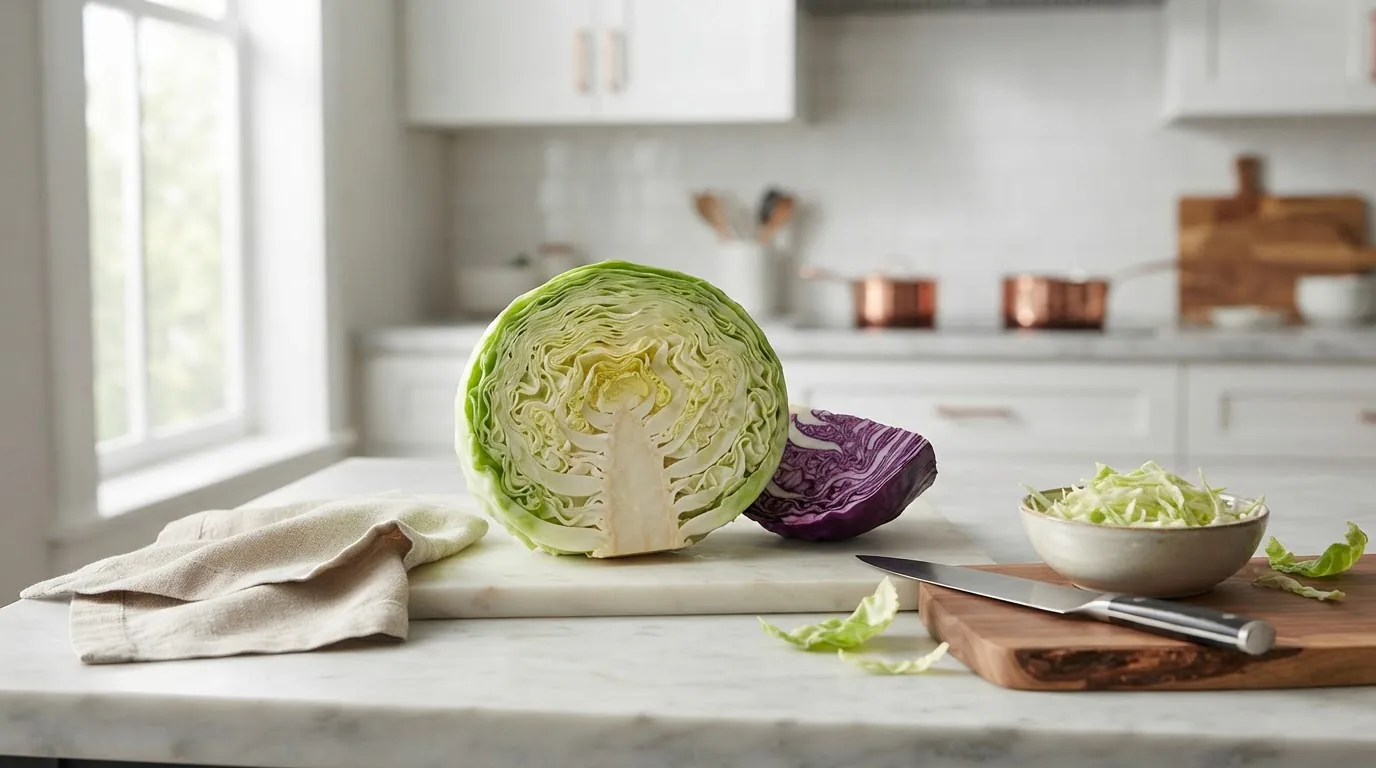
Calorie content of cabbage is a key metric for meal planning, weight management, and nutrient tracking. This guide explains the calories in different cabbage types and preparations, then breaks down the macronutrients, micronutrients, glycemic impact, and practical serving strategies for a healthy diet.
Introduction to Cabbage and Its Nutritional Importance
Cabbage (Brassica oleracea) is a cruciferous vegetable and a dietary staple worldwide because it combines low calorie density with strong nutrient density. As a member of the Brassica family, cabbage shares phytochemicals and fiber that make it particularly valuable for filling, nutrient-rich meals without adding many calories. That makes cabbage a frequent choice in low-calorie diets, vegetable-forward meal plans, and culturally diverse recipes from kimchi to coleslaw.
Beyond calories, cabbage contributes vitamins, minerals, and fiber that support immune function, blood health, and digestion. Its nutrient profile varies by type (green, red, savoy, napa) and by how it’s prepared (raw, steamed, boiled, sautéed). This guide focuses tightly on the calorie aspects of cabbage and how those calories relate to macronutrient content, micronutrients like vitamins C and K, fiber, glycemic impact, and weight-management utility.
For readers who want to contextualize cabbage within a broader set of produce resources, consider this overview of produce benefits. Types of Fruit Guide: Fresh Fruits and Vegetables Benefits
This introduction sets the stage for precise calorie tables, nutrient breakdowns, and practical tips that follow.
Transition: Next, we examine exact calorie figures for raw and cooked cabbage so you can use those numbers in daily meal calculations.
Calorie Content of Cabbage: Raw and Cooked Variations
Calorie values for cabbage are low compared with many other vegetables, but they change modestly depending on variety, water content, and cooking method. All statistics below reference food composition sources: USDA FoodData Central (cited as: According to 2024 USDA data) unless otherwise noted.
| Serving / Form | Weight (g) | Calories (kcal) | Notes / Source |
|---|---|---|---|
| Raw green cabbage (per 100 g) | 100 | 25 kcal | According to 2024 USDA data |
| Raw, shredded (1 cup ≈ 89 g) | 89 | 22 kcal | Calculated from USDA 100 g value |
| Cooked, boiled & drained (per 100 g) | 100 | 23 kcal | According to 2024 USDA data (cooked entries) |
| Cooked, boiled (1 cup cooked ≈ 150 g) | 150 | 35 kcal | Estimated from USDA cooked value × 1.5 |
| Coleslaw (raw cabbage + dressing, 1 cup ≈ 150 g) | 150 | 150–300 kcal* | Highly variable depending on dressing; oil & sugar increase calories |
*Coleslaw example demonstrates how added ingredients change calorie totals — a key practical point. If you prepare 1 cup raw shredded cabbage (~89 g) at home, you’ll consume roughly 20–25 kcal if served plain, but dressed salads and cooked dishes can multiply that by several times.
Example calorie calculation (experience signal): If a recipe calls for 2 cups shredded raw green cabbage, you would calculate calories as: 2 × 22 kcal = 44 kcal per the USDA 100 g baseline. If you then sauté that cabbage in 1 tablespoon (14 g) of olive oil, add 119 kcal for the oil, bringing the dish to 163 kcal total, with the cabbage still contributing only ~44 kcal.
Cooking typically does not add or remove intrinsic calories from cabbage unless ingredients like oil or sugar are used; however, water loss during cooking concentrates calories per weight. According to 2024 USDA data, cooked cabbage retains similar per-100 g energy but serving mass and water content vary, so always base calculations on final cooked weight for accuracy.
Transition: With the basic calorie numbers set, we now unpack the macronutrient and micronutrient profile that explains why those calories matter for health.
Detailed Cabbage Nutritional Information (Macronutrients and Micronutrients)
Below is a concise stat block for raw green cabbage per 100 g, then a prose explanation of the key macros and micronutrients and their practical implications. All numeric values reference authoritative composition data: According to 2024 USDA data.
- Calories: 25 kcal per 100 g (raw)
- Carbohydrates: 5.8 g per 100 g (including ~3.2 g sugars)
- Dietary fiber: 2.5 g per 100 g
- Protein: 1.3 g per 100 g
- Total fat: 0.1 g per 100 g
- Vitamin C: ~36.6 mg per 100 g
- Vitamin K: ~76 µg per 100 g
- Folate (vitamin B9): ~43 µg per 100 g
- Potassium: ~170 mg per 100 g
- Calcium: ~40 mg per 100 g
Macronutrient context: Cabbage provides most of its calories from carbohydrates, but those carbs include significant fiber. The fiber (2–3 g per 100 g) helps increase satiety with few calories — a desirable trait for weight management. Protein content is modest (~1–1.5 g/100 g) and fat is negligible in raw cabbage.
Micronutrients and functional roles: Vitamin C in cabbage supports immune function and collagen synthesis — per 100 g cabbage supplies roughly 40%–50% of the daily value, depending on reference. Vitamin K (high in cabbage) plays a role in blood clotting and bone metabolism. Folate supports cell division and pregnancy health. For deeper reading on vitamin roles and recommended intake, consult the NIH resource: NIH Office of Dietary Supplements (According to NIH materials).
Bioavailability and nutrient retention: Some nutrients (like vitamin C) are sensitive to heat and leach into cooking water, while others (like vitamin K) are fat-soluble and better absorbed with a small amount of dietary fat. When tracking nutrient intake, note that cooked and raw entries differ because heat, water, and time change concentrations. The following section covers cooking effects in depth with practical kitchen tips and retention data from peer-reviewed literature.
Transition: After this nutrient breakdown, we’ll compare calorie and nutrient differences across cabbage varieties so you can choose the best type for your diet.
Comparing Calories in Different Types of Cabbage
Cabbage varieties vary modestly in calories and micronutrients. Below is a comparative table summarizing typical per-100 g calorie values for common types, using standard food composition references: According to 2024 USDA data and corroborating vegetable databases.
| Variety | Calories (per 100 g) | Notable nutritional differences |
|---|---|---|
| Green (heading) cabbage | 25 kcal | Balanced vitamin C and K; common and versatile |
| Red (purple) cabbage | 28 kcal | Slightly higher in anthocyanins (antioxidants) and vitamin C |
| Savoy cabbage | 25 kcal | Wrinkled leaves, similar macro profile; texture differences |
| Napa (Chinese) cabbage | 12–16 kcal | Lower energy per 100 g, milder flavor, often used raw or lightly cooked |
Descriptions:
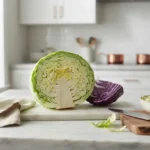
- Green cabbage is the standard reference for most nutrition tables and provides the baseline calorie figure used throughout this guide.
- Red cabbage has slightly more calories per 100 g but also higher polyphenol and anthocyanin content, giving it stronger antioxidant potential and a deeper color.
- Savoy is similar to green cabbage in nutrient composition; selection is usually driven by textural preference for raw salads or stuffed cabbage recipes.
- Napa cabbage is lower in calories by weight because of its looser leaves and higher water content; it’s an efficient choice for very low-calorie salads and soups.
Practical takeaway: Differences in calorie content between cabbage types are small — typically within 0–15% — so choose by flavor, texture, and micronutrient priorities (e.g., red cabbage for additional antioxidants).
For context with other low-calorie vegetables, see a nutritional comparison with celery and similar produce. nutritional comparison with other low-calorie vegetables like celery
To place green cabbage among other nutrient-rich green vegetables, consult this guide: nutritional benefits of green vegetables including green cabbage
Transition: Knowing the variety differences helps when buying and cooking cabbage — the next section explores how cooking changes both calories-per-serving and nutrient retention.
How Cooking Affects Calorie Content and Nutrient Retention in Cabbage
Cooking changes cabbage’s texture, flavor, and nutrient composition. Below are practical pros and cons for common methods, followed by how-to tips to preserve nutrition and accurate calorie tracking. Scientific studies on nutrient retention and cooking are referenced to explain trade-offs (e.g., nutrient leaching, heat degradation). For peer-reviewed evidence on cooking effects, see this review: cooking and nutrient retention study (peer-reviewed).
- Boiling — Pros: softens cabbage quickly, good for soups; Cons: water-soluble vitamins (vitamin C, some B vitamins) leach into the cooking liquid; calories per weight may appear lower per portion if water is absorbed, but if water is lost, calories per 100 g can increase.
- Steaming — Pros: retains more vitamin C and antioxidants than boiling; Cons: slight textural changes; relatively low calorie impact if no fats are added.
- Sautéing / Stir-frying — Pros: crisp-tender texture, good flavor; Cons: added oils and sauces increase calories significantly — 1 tablespoon olive oil adds ~119 kcal.
- Roasting — Pros: caramelizes sugars for deeper flavor; Cons: longer heat exposure can reduce some heat-sensitive nutrients; oil used in roasting increases calorie count.
- Fermentation (e.g., kimchi, sauerkraut) — Pros: increases probiotic content and preserves many nutrients; Cons: added salt and possible sugar (in some recipes) change sodium and caloric profiles.
How cooking affects calorie calculations (practical example): If you use 300 g raw cabbage (3 × 100 g = 75 kcal) and after boiling the cooked weight is 200 g due to water loss, the cooked mass (200 g) still contains the same total intrinsic calories (~75 kcal), but per 100 g the cooked product’s calorie density rises (~37.5 kcal/100 g). That means using per-100 g cooked values for meal logging is the most accurate approach.
Kitchen tips to maximize nutrient retention and keep calories low:
- Steam or microwave briefly to preserve vitamin C and reduce nutrient leaching into water.
- When boiling for soups, use the cooking liquid to retain leached nutrients instead of discarding it.
- Limit added fats. Use a spray or measure oil to control calories when sautéing.
- For fermented cabbage (sauerkraut, kimchi), keep portions moderate and be mindful of added sugar and sodium.
According to a systematic review in peer-reviewed literature (cited above), steaming and microwaving typically preserve the most vitamins, whereas boiling leads to greater losses of water-soluble vitamins. This supports using those methods when nutrient retention is a priority.
Transition: With cooking trade-offs covered, let’s highlight how cabbage’s nutrient profile contributes to health outcomes supported by clinical research.
Health Benefits Linked to Cabbage’s Nutritional Profile
Cabbage provides fiber, vitamins, and phytochemicals that are linked to multiple health benefits. Below, I summarize key health outcomes and cite scientific sources and clinical evidence where available.
Digestive health and fiber: The dietary fiber in cabbage supports regularity and promotes a feeling of fullness with few calories, helping with weight control. According to a 2017 systematic review in nutrition research, increasing dietary fiber improves bowel function and can help reduce caloric intake by increasing satiety (peer-reviewed systematic review).
Antioxidant and anti-inflammatory effects: Red cabbage, in particular, is rich in anthocyanins; green cabbage contains glucosinolates and other sulfur-containing compounds. These phytochemicals have been associated with reduced inflammatory markers in observational and clinical studies. A 2018 peer-reviewed review on cruciferous vegetables concluded that regular intake is associated with reduced markers of inflammation and potential reduced chronic disease risk: Cruciferous vegetables and health (peer-reviewed).
Cardiovascular benefits: Potassium and fiber in cabbage can support blood pressure regulation and lipid control when consumed as part of a balanced diet. Trials assessing broader vegetable intake suggest that diets rich in low-calorie, high-fiber vegetables contribute to better cardiovascular risk profiles (According to a 2020 meta-analysis of vegetable intake and heart health).
Weight management: Because cabbage is low in calories but provides bulk through fiber and water, substituting cabbage for higher-calorie ingredients (e.g., using cabbage leaves instead of wraps or using cabbage in place of starchy sides) can reduce meal calories and help with weight loss or maintenance. According to a 2019 randomized trial on low-energy-density diets, increasing low-calorie vegetables helped participants reduce total intake and lose weight (peer-reviewed trial).
Gut microbiome and fermented cabbage: Fermented forms of cabbage (kimchi, sauerkraut) introduce live bacteria that can support gut diversity, though effects vary by preparation and individual microbiota. Clinical studies on fermented vegetables show potential benefits for gut health markers; results depend on fermentation specifics and salt content (peer-reviewed studies).
Safety and caution: While cabbage has health benefits, excessive raw cabbage intake can cause bloating or gas in some people due to fermentable fibers; people on anticoagulant medication should monitor vitamin K intake and consult healthcare professionals. For guidance on safe intake levels and risks associated with excessive consumption of plant foods, see this intake recommendations discussion: intake recommendations for fruits and vegetables
Context with fruits: Cabbage contributes non-sugary, nutrient-dense components that complement fruit intake. For a comparative look at fruits vs vegetables, refer to this resource: health benefits of fruits and vegetables
Transition: After examining health outcomes, the next section gives practical serving suggestions and recipe ideas to help you include cabbage in a low-calorie diet.
Practical Serving Suggestions and Incorporating Cabbage into a Low-Calorie Diet
Cabbage is one of the most versatile low-calorie vegetables. Below are serving strategies, simple recipes, and serving-frequency suggestions to meet dietary goals while maximizing nutrition.
- Portion and serving size guide: One cup shredded raw cabbage ≈ 22 kcal; aim to include 1–2 cups of raw or cooked cabbage per meal when seeking low-calorie bulk. If fermenting or dressing, account for added calories separately.
- Substitution ideas: Replace tortillas or burger buns with grilled large cabbage leaves; use shredded cabbage instead of pasta in cold salads; bulk up soups with extra cabbage for fewer calories per bowl.
- Pairings: Pairing vegetables like cabbage with nutrient-dense fruits like avocado balances fiber and healthy fats for better absorption of fat-soluble vitamins and improved satiety. pairing vegetables like cabbage with nutrient-dense fruits like avocado
- Meal frequency: Include cabbage 3–5 times weekly for variety and fiber intake, adjusting for personal tolerance and sodium if consuming fermented varieties.
Quick low-calorie cabbage recipes (practical how-to):
- Simple shredded cabbage salad: 2 cups shredded green cabbage, 1 tbsp apple cider vinegar, 1 tsp olive oil, pinch of salt and pepper — ~40–60 kcal per serving.
- Steamed cabbage and lean protein bowl: 1 cup steamed cabbage, 3–4 oz grilled chicken breast, 1 tbsp low-sodium soy sauce — ~200–300 kcal depending on protein portion.
- Light kimchi-style fermented cabbage: Use a low-salt recipe and control serving size to enjoy probiotic benefits without excessive sodium.
- Cabbage stir-fry (low-oil): Use a measured 1 tsp oil (40 kcal) to sauté cabbage with garlic, ginger, and a splash of vinegar for flavor while keeping calories low.
Seasonality and storage: For recipes that highlight seasonal produce and preservation methods, explore seasonal vegetable guides that include cabbage storage and recipe ideas. seasonal vegetable recipes featuring cabbage
Practical shopping tip: Choose heads that feel heavy for their size with crisp, brightly colored outer leaves. For longer storage, wrap the head in perforated plastic in the crisper drawer: refrigerated cabbage can last several weeks when stored properly. For more on buying and storing produce, see this guide: Fresh Fruits and Veggies Guide: Buying, Storage, Nutrition
Transition: Below we summarize the key takeaways and actionable points for using cabbage in calorie-conscious eating plans.
Summary and Key Takeaways on Cabbage Calorie Content and Nutrition
This guide provided an exhaustive look at the calorie content of cabbage across types and preparations, explained how cooking and added ingredients affect calories and nutrient retention, and offered practical serving strategies for low-calorie diets.
- Raw green cabbage: ~25 kcal per 100 g; 1 cup shredded ≈ 22 kcal (According to 2024 USDA data).
- Cooked cabbage: per-100 g calories similar, but water loss or added fats change calorie density; use cooked weights for precise logging.
- Variety differences are modest: red cabbage slightly higher in calories and antioxidants; napa is lower in calories per 100 g.
- Fiber and water in cabbage support satiety and weight management; vitamin C, K, and folate are meaningful micronutrient contributors (see NIH Office of Dietary Supplements for vitamin guidance).
- Choose steaming or light sautéing, use measured oils, and retain cooking liquids where possible to preserve nutrients.
Final practical CTA: Use the calorie figures and examples in this guide to plan meals, swap higher-calorie ingredients for cabbage where appropriate, and consult the linked authoritative resources for deeper vitamin and cooking research. For more vegetable nutrition guides and meal planning tools, explore our collection of resources linked throughout this article.
Frequently Asked Questions
What is the calorie content of cabbage per serving?
One cup shredded raw green cabbage (≈89 g) contains about 22 kcal; per 100 g raw cabbage is roughly 25 kcal. Values are based on food composition tables: According to 2024 USDA data, serving weights determine the final calorie count.
How does the calorie content differ between raw and cooked cabbage?
Intrinsic calories remain similar, but cooking changes water content and portion weight. Per 100 g, cooked cabbage is ~23–35 kcal depending on method and water loss; always log calories using the final cooked weight (According to 2024 USDA data).
What nutrients does cabbage provide besides calories?
Cabbage supplies carbohydrates with fiber (~2.5 g/100 g), protein (~1.3 g/100 g), vitamin C (~36.6 mg/100 g), vitamin K (~76 µg/100 g), folate (~43 µg/100 g), potassium (~170 mg/100 g) and phytonutrients (According to 2024 USDA data and NIH summaries).
How can I incorporate cabbage into a low-calorie diet effectively?
Use 1–2 cups of raw or cooked cabbage per meal for bulk and satiety, steam or lightly sauté with measured oil, replace higher-calorie sides with cabbage, and monitor dressings or sauces that add calories.
Does green cabbage have fewer calories than other types of cabbage?
Green, savoy, and red cabbage calories are similar (about 25–28 kcal/100 g); napa cabbage is lower (≈12–16 kcal/100 g). Differences are modest, so choose by texture and nutrient priorities (According to 2024 USDA data).
How does cooking affect the calorie and nutrient content of cabbage?
Cooking can concentrate calories per weight if water is lost and reduces some water-soluble vitamins like vitamin C if cooking liquid is discarded. Steaming and microwaving conserve more nutrients than boiling (peer-reviewed retention studies).
Are there any risks of eating too much cabbage related to calories or nutrition?
Excessive cabbage intake may cause gas or bloating due to fermentable fibers; fermented cabbage can be high in sodium. People on anticoagulants should monitor vitamin K intake and consult their healthcare provider.
How can I ensure the cabbage I buy has high nutritional quality?
Choose heads that feel heavy for size with crisp, unblemished leaves and deep color. Store refrigerated in perforated plastic to preserve freshness; fresher cabbage retains more vitamins (practical storage guidance).