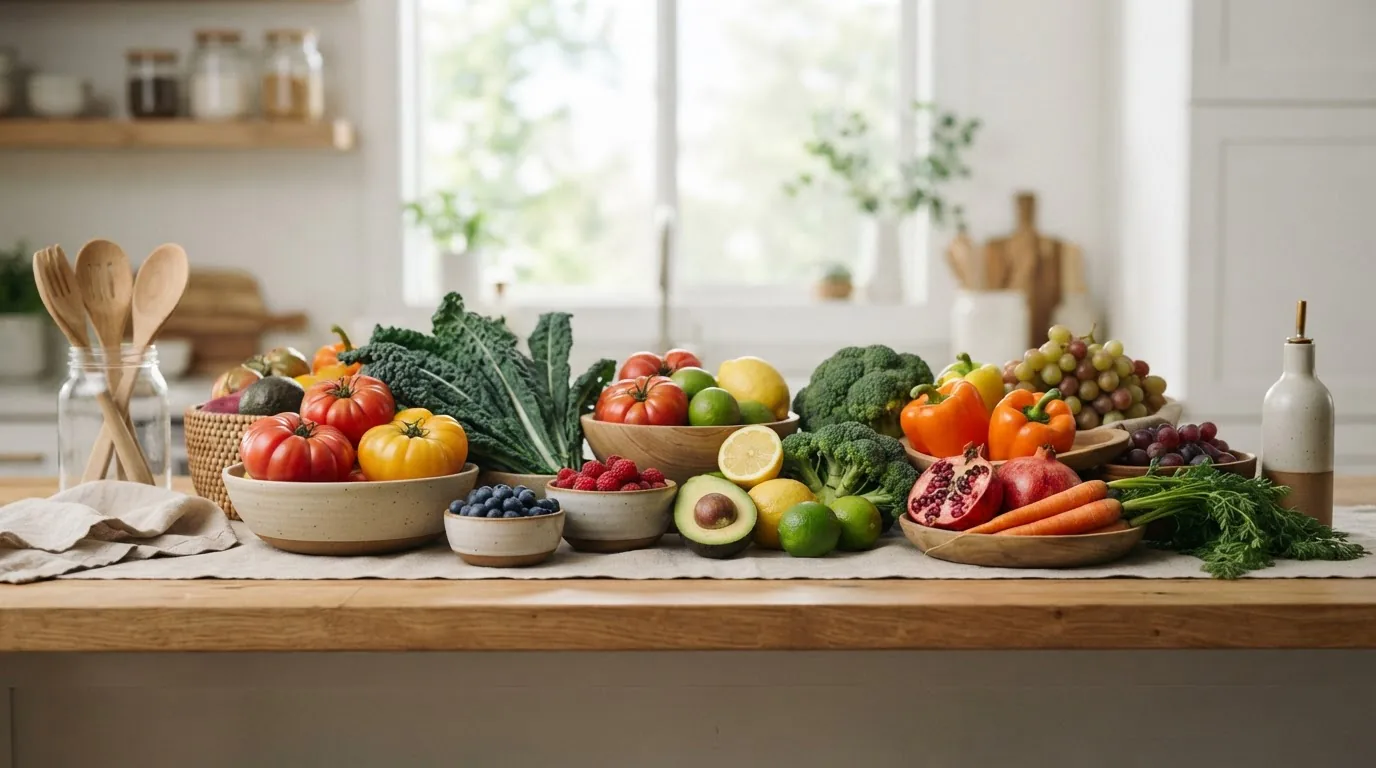
Fresh fruits and veggies are a cornerstone of a healthy lifestyle—vibrant, nutrient-dense, and versatile. This guide walks you through practical buying strategies, proven storage methods, and clear nutrition guidance so you can choose better produce, keep it fresh longer, and get the most health benefit from every bite.
Introduction to Fresh Fruits and Veggies
Eating a variety of fresh produce supports weight management, digestive health, and chronic disease prevention by supplying vitamins, minerals, fiber, and antioxidants. Produce quality affects both flavor and nutrients: fresher items tend to retain higher levels of volatile compounds and water-soluble vitamins. Use this guide to understand the basics of produce quality, freshness indicators, and everyday habits that make fruits and vegetables more appealing and usable.
Knowing the difference between highly perishable items and longer-lived staples helps shopping plans and reduces food waste. If you want a deeper taxonomy and benefits overview, check the pillar resource for types and broad benefits of fruits and vegetables below.
Types of Fruit Guide: Fresh Fruits and Vegetables Benefits
Transition: Next, learn practical, store-ready buying tips that help you select the freshest produce without overspending.
How to Buy Fresh Fruits and Vegetables
-
Plan and shop with purpose.
Make a short weekly list based on meals and snacks to avoid impulse buys that spoil. Plan for 3–7 days of fresh produce per trip depending on household size and fridge capacity; this reduces waste and keeps selection fresh.
-
Know seasonal availability and value.
Buying seasonally usually gives better flavor and price. Farmers markets and grocery seasonal displays help—ask vendors about peak times and storage tips. For growers and seasonality context, see a practical planting overview: spring vegetables growing guide.
-
Inspect for ripeness and freshness.
Look, feel, and smell: bright color, firm texture (with give for delicate items like peaches), smooth skin (no deep bruises or mold), and fresh stems for grapes/berries signal good quality. For leafy greens, check crisp stems and no sliminess. For root vegetables, avoid soft spots or wrinkles indicating dehydration.
-
Understand labels but read them critically.
“Organic” indicates certification practices; it doesn’t directly mean higher nutrient content. Check the PLU codes at stores: 9xxxx means organic, 4xxxx conventional, 8xxxx (rare) genetically modified in some contexts. Prices vary—buy what you’ll use or freeze.
-
Choose by use-case: immediate vs later use.
If you’ll eat today, choose riper produce; if you need it to last several days, select slightly underripe items that will ripen at home. For example, choose firmer avocados if using in 3–5 days; select soft-ripe ones for same-day consumption.
-
Buy value packs vs singles depending on use and storage.
Bulk berries often cost less per ounce but spoil faster—buy single containers if you’ll consume within 2–3 days; otherwise, choose frozen or split bulk into smaller storage containers at home.
-
Ask vendors questions at farmers markets.
Ask about harvest date, handling, and local storage practices—small farms often harvest to order and can tell you when produce was picked, which strongly influences freshness and flavor.
-
Avoid hidden damage from packaging and transit.
Check bottom of clamshells and bags for crushed or moldy items; compression damage often appears underneath. Look at stem and crown areas for signs of rot (e.g., at the base of berries or broccoli).
-
Balance organic vs conventional choices for your priorities.
When budget is a concern, prioritize organic for produce with higher pesticide residues (per various monitoring reports) and conventional for low-residue items. We discuss the organic vs conventional trade-offs later.
-
Use sensory checks at home after purchase.
Re-check produce after transport: refrigeration, brief drying of wet items, and removing damaged parts can extend life. Always perform a smell and visual check before using.
Practical buying examples and tips:
- Choose firm, heavy-for-size citrus with smooth skin for juiciness.
- Pick bunches of herbs with bright leaves; avoid limp stems—store wrapped in a damp paper towel in a loose bag.
- For tomatoes, buy at room temperature and keep out of the fridge until ripe to preserve flavor unless you need to slow ripening.
- With avocados, if you want to speed ripening, place them in a paper bag with an apple or banana for 1–2 days—see the avocado deep dive for more specifics: avocado nutrition and cost.
Price and value considerations:
- Compare unit price (per pound or per item) and factor in usable yield—pre-cut produce saves prep time but costs more and may spoil faster.
- Frozen produce often delivers equal or better nutrient retention for off-season items and can be a cost-effective way to maintain variety.
- Store brands and local farm stands can offer better value if you plan to use produce promptly.
Transition: Once you bring produce home, storage practices determine how long it stays fresh—next are clear techniques to maximize shelf life.
Proper Storage Techniques for Fresh Produce
Good storage starts with sorting: separate damaged items, group ethylene producers away from ethylene-sensitive items, and set appropriate temperatures. Understanding storage temperature ranges and ethylene interactions is key for extending shelf life.
Step-by-step storage workflow
-
Sort immediately on return from store.
Remove bruised or crushed pieces; set aside produce that will be used in 1–2 days. Damaged items release moisture and microbes that accelerate spoilage.
-
Do not wash everything before storage.
Wash produce just before use. Excess moisture promotes mold; exceptions include hard-skinned items that benefit from gentle rinsing then drying (e.g., apples) and herbs if you will store them pre-washed in a salad spinner with gentle drying.
-
Control temperature zones in your fridge.
Designate the crisper drawers for ethylene-sensitive and ethylene-producing groups separately when possible. Keep fridge between 32–40°F (0–4°C). For specific temperature guidance, follow current food safety recommendations: FDA food safety guidance.
-
Use breathable packaging and proper containers.
Perforated bags, reusable produce bags, and vented containers balance humidity and airflow. For herbs and salad greens, layered paper towels in a sealed container reduce moisture while preserving crispness.
-
Isolate ethylene producers.
Store apples, bananas, pears, and ripe avocados separately from leafy greens, cucumbers, and berries, which are ethylene-sensitive and will age faster near producers.
-
Use quick-freeze or blanch-and-freeze for items you can’t eat soon.
Freezing halts spoilage and preserves many nutrients. For best texture, blanch vegetables (brief boiling then ice bath) before freezing; fruits freeze well on a tray then transferred to a container.
-
Regularly inspect and rotate stock.
Use FIFO: first in, first out. Check produce every 2–3 days and remove any items starting to spoil to prevent cross-contamination.
-
Use humidity control for leafy greens and delicate produce.
High-humidity drawers slow wilting for greens; lower humidity is better for onions, garlic, and potatoes (which prefer cool, dark, dry storage outside the fridge).
Ethylene sensitivity and temperature overview
Ethylene is a natural plant hormone that speeds ripening. Classifying produce by ethylene production and sensitivity helps prevent premature spoilage. Below are practical groupings with storage recommendations.
| Produce Category | Ethylene Role | Best Storage Location | Typical Shelf Life (Home Conditions) |
|---|---|---|---|
| Berries (strawberries, blueberries) | Low producer; very sensitive | Refrigerator, single layer in breathable container; use within 3–7 days | 3–7 days |
| Leafy greens (lettuce, spinach) | Sensitive | High-humidity crisper, wrapped in paper towel, sealed container | 5–10 days |
| Apples, pears | High producer | Refrigerator away from sensitive items; can be stored in crisper | 3–8 weeks depending on variety |
| Bananas | High producer | Counter until ripe, then fridge (peel darkens but fruit remains firmer) | 2–7 days at room temp; refrigerated 5–10 days after ripening |
| Tomatoes | Moderate producer; flavor loses in cold | Counter until ripe; refrigerate only if overly ripe or to extend use by a few days | 3–7 days at room temp; refrigeration can extend 5–10 days but impacts flavor |
| Root vegetables (carrots, beets) | Low producer; durable | Refrigerator in low-humidity drawer or cool, dark place for potatoes | 2–4 weeks (carrots), several months (beets/potatoes in cool dark storage) |
| Avocados | Moderate producer | Counter to ripen; refrigerate to slow ripening once soft | 2–7 days depending on ripeness at purchase |
| Onions & garlic | Low producer; prefer dry | Cool, dark, dry pantry; avoid refrigeration which causes sprouting | Several weeks to months |
Practical packaging tips:
- Keep berries in their original vented packaging until ready to wash; move to a shallow tray if washing and refrigerating.
- Store mushrooms in a paper bag, not sealed plastic, to reduce moisture buildup.
- For celery and carrots, wrap in aluminum foil after removing green tops to slow moisture loss and keep crispness longer.
- Use airtight containers for herbs when prepped; store stems in water like cut flowers for herbs like parsley and cilantro, covering loosely with a bag in the fridge.
Longevity-extending hacks
- Quickly freeze overripe bananas for smoothies—peel and freeze in portions.
- Make a “use-first” jar: chop older vegetables and keep in a clear container at eye level to use in stir-fries or soups.
- Vacuum-seal herbs or delicate produce to reduce oxidation if you plan to freeze them.
- Keep a small “ripening box” for fruits you want to speed up; include an apple or banana to increase ethylene concentration.
Food safety and handling: follow current guidelines on washing, separating produce from raw proteins, and refrigerator temperatures. For official produce safety and handling recommendations, consult the USDA and FDA guidance: USDA FoodData Central and FDA food safety guidance.
Transition: With storage practices in place, you’ll get the most food and nutrition from your produce—next, the key nutritional benefits to prioritize when choosing fruits and vegetables.
Nutritional Benefits of Fresh Fruits and Veggies
Fresh produce supplies a broad array of essential nutrients while being relatively low in calories. Vegetables and fruits deliver dietary fiber, vitamins (A, C, K, several B vitamins), minerals (potassium, magnesium), and phytonutrients like carotenoids and flavonoids that act as antioxidants.
According to 2024 USDA data, nutrient levels vary by variety, ripeness, and handling, but general patterns hold: leafy greens are rich in vitamin K and folate, citrus delivers vitamin C, orange/yellow produce supplies beta-carotene (vitamin A precursors), and many fruits provide potassium and soluble fiber.
Visit trusted resources for precise nutrient values per 100g or per serving; the USDA FoodData Central is a primary source for nutrient facts: USDA FoodData Central.
Below are nutrient highlights by broad fruit and vegetable categories to guide balanced choices.
- Leafy greens — High in vitamins A (as beta-carotene), C, and K; excellent folate; low calorie density; high fiber per serving. Examples: spinach, kale, collards.
- Cruciferous vegetables — Rich in vitamin C, fiber, and glucosinolates (sulfur compounds linked to cellular health); examples: broccoli, Brussels sprouts.
- Root vegetables — Provide complex carbs, fiber, and minerals like potassium; carrots offer beta-carotene.
- Berries — High in vitamin C, fiber, and polyphenol antioxidants (anthocyanins); low-to-moderate sugars relative to other fruits.
- Citrus fruits — Excellent source of vitamin C, flavonoids, and water for hydration.
- Tropical fruits — Provide vitamin C, potassium, and varied fiber; some are higher in natural sugars (mango, pineapple).
- Alliums (onion family) — Contain sulfur compounds with flavor and potential health benefits; modest vitamins and minerals.
- Legume vegetables (fresh peas, green beans) — Good plant protein, fiber, and B vitamins.
- Avocado — Unique for healthy monounsaturated fats, vitamin E, potassium, and fiber. For more on avocado choices and costs: avocado nutrition and cost.
Key nutrient priorities for most adults:
- Dietary fiber: Aim for a variety of fruits and vegetables to hit ~25–38 g/day depending on age/sex. Fiber supports bowel regularity and satiety.
- Vitamin C: Important for immune function and collagen synthesis; citrus, berries, and peppers are rich sources.
- Vitamin A (beta-carotene): Important for vision and cell health; found in orange/yellow produce and dark leafy greens.
- Potassium: Often underconsumed in U.S. diets; bananas, potatoes, avocados, and leafy greens are good sources. For a broader look at vitamin sources across produce, see the comprehensive vitamins resource: vitamin-rich produce sources.
Calories and carbohydrate guidance:
- Most vegetables are low-calorie and nutrient-dense—excellent for weight management. A focused example for cabbage calorie content is available here: calorie content of cabbage.
- If you monitor carbs, consult a detailed fruit carbohydrate reference: fruit carbohydrates chart.
Scientific context on organic vs conventional nutrition:
Studies show mixed results on nutrient differences between organic and conventional produce; some meta-analyses report small increases in certain antioxidants in organic produce, while others find no meaningful differences in major vitamins. According to a 2022 systematic review (research summary), nutritional differences are small and often outweighed by freshness, variety, and total produce intake when it comes to health outcomes.
Practical nutrition tips:
- Eat a “rainbow” of colors across the week to cover diverse phytonutrients.
- Pair vitamin C-rich fruits with plant-based iron sources (e.g., spinach + orange) to enhance iron absorption.
- Include both raw and cooked vegetables; cooking can increase bioavailability of some nutrients (e.g., lycopene in tomatoes) while reducing others like vitamin C.
- For calorie-conscious eating, prioritize non-starchy vegetables and whole fruits over juices; for comparison between juices and whole fruits, see fruits and juice health benefits.
Transition: Knowing the nutrition helps decide what to buy and how long you can store it—next, tailored buying and storage advice by common produce categories.
Common Produce Vegetables and Their Specific Buying & Storage Needs
Leafy Greens (lettuce, spinach, kale)
- Buying: Choose crisp leaves, firm stems, and bright color; avoid sliminess and yellowing. For packaged greens, check the “use by” date and inspect for moisture accumulation.
- Storage: Wash only before use. Store in high-humidity crisper with a paper towel to absorb excess moisture; sealed container or produce bag extends life. Use within 5–10 days for most varieties.
- Tip: For long-term use, blanch and freeze spinach or kale for smoothies and cooked dishes.
- For a specific leafy example and storage: celery nutritional profile.
Berries (strawberries, blueberries, raspberries)
- Buying: Choose containers free of juice stains on the bottom and with firm, plump fruit. Smell can indicate ripeness for some berries (strawberries).
- Storage: Refrigerate unwashed in original vented container or shallow layer; use within 3–7 days. Freeze surplus by spreading on a tray first to avoid clumping.
- Tip: Check for mold and remove any affected berries immediately to protect the rest.
Citrus (oranges, lemons, limes, grapefruit)
- Buying: Select firm, heavy-for-size fruits with smooth skin. Heavier usually means juicier.
- Storage: Refrigerate to extend life to several weeks; counter storage is fine for short-term use.
- Tip: Whole citrus keeps longer than cut; store cut pieces wrapped in airtight containers in fridge for 2–3 days.
Tomatoes
- Buying: Choose slightly firm tomatoes with intact skin for flavor and texture; avoid deep blemishes. Aroma at the stem is a good ripeness cue.
- Storage: Store at room temperature until ripe. Refrigerate only if overripe or to prolong use by a few days—expect texture and flavor loss when chilled.
- Tip: Store stem-side down to slow moisture loss and preserve shape.
Root Vegetables (carrots, beets, potatoes)
- Buying: Choose firm, unwrinkled roots with no soft spots; for potatoes avoid green patches (indicates solanine).
- Storage: Most do best in cool, dark, dry storage; refrigerate carrots and beets in vented bags or drawers. Potatoes prefer a pantry or cellar environment, not the fridge.
- Tip: Remove green tops from carrots and beets to prolong root life.
Avocados
- Buying: Choose firmness by intended use. For immediate use, pick soft-yielding fruit; for later use, select firm and allow to ripen at room temperature.
- Storage: Ripen on the counter; refrigerate once ripe to extend by several days. To store a cut avocado, leave the pit in, sprinkle with lemon or lime, and wrap tightly.
- Tip: For guidance on avocado cost and buying, see the avocado guide: avocado nutrition and cost.
Alliums (onions, garlic)
- Buying: Choose firm bulbs with papery skins; avoid sprouting.
- Storage: Store in cool, dark, dry, ventilated area outside the fridge. Once cut, refrigerate in a sealed container and use within 7–10 days.
- Tip: Keep onions separate from potatoes; gases from potatoes can speed sprouting.
Peppers
- Buying: Look for shiny, firm skins without wrinkling or soft spots.
- Storage: Refrigerate in crisper drawer; store whole for 1–2 weeks. Roast and freeze for long-term use.
- Tip: Sweet peppers will last longer if stems are intact.
Fresh peas and green beans
- Buying: Choose plump pods without blemishes or dryness.
- Storage: Refrigerate in a breathable bag; use within 3–7 days for peak sweetness and texture.
- Tip: Freeze quickly after blanching to retain color and nutrients.
Transition: Good buying and storage are necessary, but cutting waste and planning use keep produce out of the trash—next are practical tips to reduce spoilage and save money.
Tips to Reduce Waste and Maximize Fresh Produce Use
Reducing food waste saves money, improves food access, and reduces environmental impact. According to a 2023 industry report by ReFED (food waste nonprofit), better home storage and meal planning could prevent a significant portion of household produce waste. Below are actionable tips based on proven practices.
-
Meal plan around perishable items first.
Place quick-use produce at the top of your list (berries, herbs, leafy greens) and plan recipes that use them early in the week.
-
Use “prep-to-preserve” sessions.
Once home, do a 15–30 minute prep: wash and dry salad greens for immediate meals, chop vegetables for stir-fries, and freeze extras. Prepping increases the likelihood you’ll use produce.
-
Freeze strategically.
Freeze ripe bananas, chopped bell peppers, blanched greens, or berries. Label containers with date and use within 6–12 months for best quality.
-
Make use of wilting produce.
Slightly limp greens can be revived in an ice bath or used in soups, stews, or smoothies. Overripe fruit is ideal for baking or smoothies.
-
Compost scraps.
Composting peels and cores diverts organic waste from landfill and creates soil for home gardens if feasible. Consider municipal composting programs where available.
-
Use clear storage and labeling.
Transparent containers and visible “use-by” notes prevent forgotten items at the back of drawers. FIFO rotation reduces spoilage.
-
Batch-cook and freeze meals using excess produce.
Soups, sauces, and casseroles freeze well and use large volumes of vegetables before spoilage.
-
Preserve by pickling or fermenting.
Pickled cucumbers, fermented cabbage (sauerkraut), or quick-pickled onions keep weeks to months and add variety to meals.
-
Store smarter for longevity.
Follow storage methods in this guide to maximize days of use; small changes (e.g., removing green tops from carrots) can extend life by weeks.
-
Shop frequency vs quantity trade-off.
Smaller, more frequent trips can reduce waste for singles/ small households. Bulk purchases suit families with freezer plans or preservation strategies.
Case study example (hypothetical household):
Household of two: Weekly shopping includes 7 days of produce—greens for 4 salads, berries for breakfasts, citrus for snacks, and carrots/potatoes for sides. By prepping greens, freezing half the berries, and storing carrots wrapped in foil, the household reduces produce waste by an estimated 40% compared with no-prep shopping. According to a 2022 consumer survey (industry survey), households that set aside 15 minutes for prep reduced weekly produce waste by an average of 30–50%.
Transition: Armed with selection, storage, nutrition, and waste-reduction strategies, here are clear reminders to apply daily for lasting change.
Conclusion and Practical Takeaways for Everyday Life
Fresh produce improves diet quality when chosen, stored, and used thoughtfully. Remember these key actions: shop with a short plan; inspect and sort produce immediately; separate ethylene producers from sensitive items; use proper fridge zones and breathable storage; and prep or preserve excess to avoid waste. Prioritize variety—pairing colors and textures delivers fiber, vitamins, minerals, and antioxidants that support overall health. Start small: commit to one prep session per week and one preservation method (freeze, pickle, or compost) to see immediate savings and fresher meals.
For more recipes, seasonal lists, and visual guides, explore sibling articles in this series to expand your knowledge and make fresh produce a simple, sustainable part of daily eating.
Frequently Asked Questions
What are fresh fruits and veggies?
Fresh fruits and veggies are unprocessed plant foods—whole fruits, leafy greens, roots, and vegetables harvested for immediate consumption. They are nutrient-dense sources of fiber, vitamins, minerals, and phytonutrients that support overall health and provide low-calorie, high-volume foods for meals and snacks.
How do I know if fresh produce is ripe and ready to eat?
Check color, firmness, smell, and stem condition: ripe fruit often has vibrant color, slight give to gentle pressure, and a pleasant aroma; leafy greens should be crisp and bright. Avoid bruises, soft spots, or off smells, which indicate overripeness or spoilage.
What is the best way to store fresh fruits and vegetables to keep them fresh longer?
Sort and remove damaged items, store ethylene producers separately, use crisper drawers with appropriate humidity, keep most vegetables refrigerated at 32–40°F, and delay washing until use. Use breathable bags and airtight containers with paper towels for moisture control.
Are organic fruits and vegetables better than conventional ones?
Organic farming limits synthetic pesticide use and has environmental benefits, but nutrient differences versus conventional produce are generally small. Choose organic if pesticide exposure or farming practices matter to you; otherwise prioritize freshness, variety, and total produce intake.
How much do fresh fruits and veggies typically cost in the USA?
Prices vary by season, region, and store; per-pound costs range widely—berries and leafy greens are pricier per pound than carrots or potatoes. According to a 2024 consumer price snapshot, seasonal local produce is often 10–30% less expensive than out-of-season imports.
Why do some fruits spoil faster even when stored properly?
Faster spoilage can result from pre-existing bruises, microbial contamination, high ethylene exposure, temperature fluctuations, or excess moisture. Even small damage accelerates decay and can ruin nearby items if not removed promptly.
How can I wash fresh produce to ensure safety and remove pesticides?
Rinse produce under running water and rub firm surfaces with a brush; for leafy greens, use a cool water soak followed by thorough drying. Most guidelines discourage commercial “detergents”; use water and mechanical action to remove residues and soil.
What signs indicate that fruits or vegetables have gone bad and should be discarded?
Discard produce with mold, sliminess, foul odors, extensive softening, leaking juices, or discoloration beyond normal ripening. For some items, localized damage can be trimmed, but widespread spoilage requires disposal to avoid foodborne illness.