
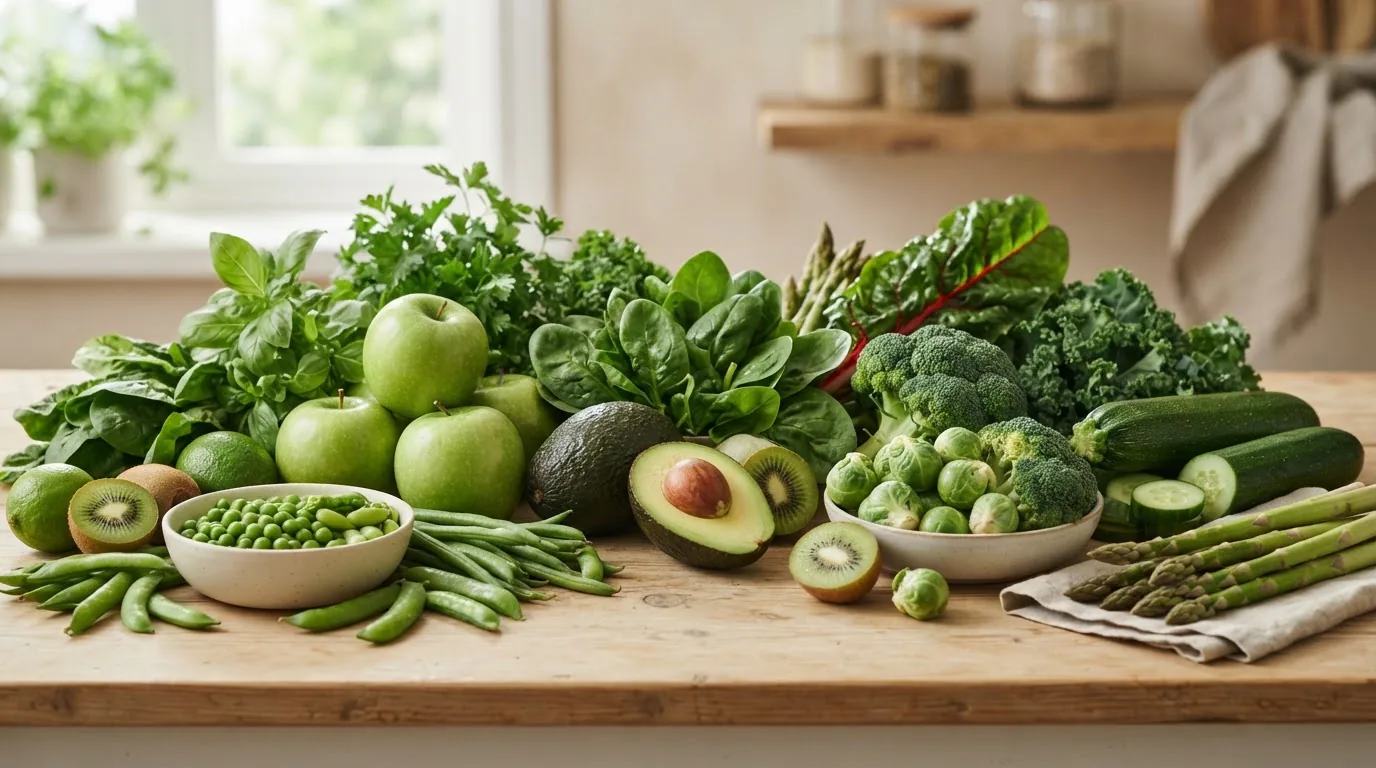
Green fruits and vegetables deliver a unique set of vitamins, minerals and phytonutrients that support heart, eye and digestive health—here’s a focused, nutrition-first guide to why green produce deserves center stage on your plate. For a broader overview of fruit types and general benefits, see Types of Fruit Guide: Fresh Fruits and Vegetables Benefits.
Introduction to Green Fruits and Vegetables
Green fruits and vegetables are a visually distinct group defined by their dominant green pigments—most often chlorophyll—and a cluster of nutrients that tend to appear together in leafy, cruciferous and unripe fruit forms. Nutritionally, they commonly provide higher amounts of certain vitamins and phytonutrients than many other color groups. This article focuses on the nutrition that makes green produce distinct rather than growing tips or exhaustive seasonal lists.
Across cuisines and dietary patterns, green produce is prized for its fiber, Vitamin K, folate and unique antioxidants such as lutein and zeaxanthin. Many people who increase their daily servings of green fruits and vegetables report measurable improvements in digestion, energy and vision over weeks to months—anecdotal evidence echoed by population-level studies linking higher vegetable intake with lower chronic disease risk. For readers who want a full catalog of fruit types and benefits beyond the green color group, the Types of Fruit Guide linked above provides a useful foundation.
Transitioning into the next section, we’ll unpack the biochemical and nutrient features that set green produce apart from red, orange, purple and multi-hued fruits and vegetables.
What Makes Green Fruits and Vegetables Nutritionally Unique?
Green produce is characterized by a combination of pigments, vitamins and fiber that often cluster together because of shared biosynthetic pathways in plants. Three core features stand out:
- Chlorophyll — the green pigment central to photosynthesis. Chlorophyll signals a plant’s capability for certain nutrient pathways and is associated with antioxidant and detoxification-supportive effects in preliminary human and animal studies.
- High content of leafy-vegetable vitamins — especially Vitamin K and folate — which are concentrated in dark leafy greens and many green fruits and vegetables.
- Carotenoids specialized for eye health — notably lutein and zeaxanthin — that accumulate in green tissues and concentrate in the macula of the human eye when consumed regularly.
Below are concise stat blocks highlighting typical nutrient strengths of the green color group (serving-size normalized to 100 g for cross-item comparison; values are illustrative patterns rather than single-food exacts):
- Vitamin K: Often very high in dark leafy greens (e.g., kale, spinach). Key highlight: many leafy greens provide multiple times the daily value per 100 g. According to the USDA FoodData Central (2024), spinach and kale are among the highest plant sources of K1.
- Folate: Frequently elevated in tender green leaves and peas; important for cell division and pregnancy support. According to a 2023 NIH overview, plant folate contributes meaningfully to dietary intake when green servings are regular.
- Vitamin C: Green bell peppers, broccoli and many green fruits supply substantial vitamin C, often comparable to or exceeding some red fruits per equivalent serving (USDA FoodData Central, 2024).
- Fiber: Green leafy vegetables and fruits such as apples and pears with skin provide both soluble and insoluble fiber for gut motility and microbiome support. Typical fiber ranges for green produce fall between 1–4 g per 100 g, depending on water content.
- Lutein and Zeaxanthin: Dominant carotenoids in green tissues. Regular intake correlates with better macular pigment levels in clinical studies summarized by the NIH (2022 literature overview).
- Low to moderate sugar: Many green fruits (e.g., green apple, kiwi) have lower sugar than tropical yellow/orange fruits; many green vegetables are very low in sugar and calories.
Methodology note on comparisons: to compare phytonutrient levels across colors, researchers standardize results to a common serving weight (e.g., 100 g) and report either absolute concentrations (mg/100 g) or percent daily value per serving. When citing studies or databases we follow that serving-size normalization to make apples-to-apples comparisons—see the USDA FoodData Central and NIH literature reviews for source-level data and measurement techniques. For deeper vitamin references, consult the sources of vitamin K and C.
Transition: With the green group’s nutritional hallmarks defined, we’ll now profile common green fruits and vegetables and their notable nutrient contributions.
Common Green Fruits and Vegetables and Their Key Nutrients
-
Spinach — Key nutrients: Vitamin K, folate, iron, lutein.
Spinach is a compact source of Vitamin K and folate, often delivering multiple times the daily Vitamin K requirement per cooked cup. It’s rich in lutein, making it a go-to for eye health-supporting meals.
-
Kale — Key nutrients: Vitamin K, Vitamin C, calcium, antioxidants.
Kale’s nutrient density is notable: high Vitamin K and C, with meaningful calcium in plant form. Light cooking can improve mineral bioavailability while preserving carotenoids.
-
Broccoli — Key nutrients: Vitamin C, fiber, folate, sulforaphane precursors.
Broccoli offers vitamin C and fiber plus glucosinolates that convert to isothiocyanates like sulforaphane—compounds studied for detoxification-supportive roles (according to a 2021 NIH literature review).
-
Avocado — Key nutrients: monounsaturated fats, fiber, potassium, Vitamin K.
Avocados provide healthy fats that improve absorption of fat-soluble vitamins from other vegetables. For a deeper dive into avocado specifics, see avocado nutrition.
-
Green apples — Key nutrients: fiber (pectin), Vitamin C, lower sugar profile than many sweet varieties.
Granny Smith and similar varieties provide firm texture, higher pectin content and a lower sugar-to-fiber ratio than many red apples, supporting slower blood glucose responses—see the carbohydrates in fruit for detailed carb comparisons.
-
Peas (green) — Key nutrients: plant protein, fiber, B vitamins, Vitamin K.
Green peas are unusual among vegetables for their protein content and starchy fiber; they work as a plant-protein side or salad addition.
-
Kiwi (green-fleshed) — Key nutrients: Vitamin C, fiber, potassium.
Green kiwi is vitamin-C dense relative to its size and provides soluble fiber that supports digestion; its sugar content is moderate for fruit.
-
Green bell pepper — Key nutrients: Vitamin C, Vitamin B6, fiber, folate.
Green bell peppers are harvested earlier than their red counterparts; they still deliver strong vitamin C per 100 g and add crunch and volume with few calories.
-
Celery — Key nutrients: very low-calorie fiber, small amounts of Vitamin K and potassium.
Celery is a hydrating, low-energy-density snack often used for volume in salads and dips. For a detailed nutrient breakdown see celery nutrition facts.
-
Brussels sprouts — Key nutrients: Vitamin C, Vitamin K, fiber, glucosinolates.
Rich in fiber and sulfur-containing compounds, Brussels sprouts support microbiome diversity and antioxidant pathways when consumed regularly.
-
Green grapes — Key nutrients: polyphenols, Vitamin K (small), water and fiber when eaten whole.
Green grapes contain flavonoids and resveratrol precursors in addition to sugar; whole-fruit consumption emphasizes fiber and satiety vs juice.
-
Asparagus — Key nutrients: folate, Vitamin K, antioxidants.
Asparagus is folate-rich and provides prebiotic non-digestible carbohydrates that can benefit the gut microbiome.
-
Cucumber — Key nutrients: hydration, small amounts of Vitamin K.
Primarily water, cucumbers add volume and micronutrients for minimal calories; keeping the skin preserves more nutrients and fiber.
-
Green beans — Key nutrients: fiber, Vitamin K, Vitamin C, manganese.
Green beans are versatile, supplying modest levels of vitamins with a low-calorie profile suitable for bulk in meals.
-
Zucchini — Key nutrients: potassium, Vitamin C, fiber.
Zucchini is low calorie and high in water, a good base for vegetable-forward recipes that increase green volume.
-
Avocado (repeated)** note: included earlier for emphasis
See the avocado guide linked above for detailed cost and nutrient context.
For readers evaluating calorie concerns for specific greens, consult detailed pages such as calorie content of common green vegetables and for carbohydrate breakdowns for green fruits, see carbohydrates in fruit.
Transition: Knowing which green items supply which nutrients helps us link the specific health benefits that regular consumption supports.
Health Benefits of Green Fruits and Vegetables
Regular intake of green fruits and vegetables supports multiple health domains through a combination of micronutrients, fiber and phytonutrients:
- Heart health — Green produce supplies potassium, fiber and folate, nutrients linked in observational and interventional studies to lower blood pressure and improve lipid profiles. See related guidance from the American Heart Association for dietary patterns and heart disease risk reduction (American Heart Association guidance, 2023).
- Eye health — Lutein and zeaxanthin from leafy greens accumulate in the retina and are associated with reduced age-related macular degeneration (AMD) progression risk, as reviewed in NIH-funded studies (NIH literature overview, 2022).
- Digestive and microbiome support — Diverse green vegetables provide both soluble and insoluble fiber plus fermentable oligosaccharides that feed beneficial microbes; enhanced microbiome diversity is linked to better metabolic and immune outcomes (according to a 2023 NIH review).
- Bone and clotting support — Vitamin K (particularly K1 in green plants) plays a central role in blood clotting and also in bone protein carboxylation; adequate dietary K supports bone health in cohort studies (USDA nutrient data and 2021 clinical reviews).
- Weight and satiety — Low energy density, high water and fiber content make green vegetables effective for meal volume and satiety, supporting weight management when integrated into calorie-controlled diets (dietary pattern trials reviewed by NIH, 2022).
- Blood sugar management — Non-starchy green vegetables and lower-sugar green fruits raise fiber intake without large glycemic loads; these features help moderate post-meal glucose swings. For diabetes-specific guidance, consult the diabetic-friendly vegetables resource.
Additional evidence-based context: population studies consistently show that higher vegetable intake correlates with lower all-cause mortality and cardiovascular risk. For diet pattern-level evidence linking green-forward eating to measurable outcomes, the green Mediterranean diet benefits page summarizes trials that emphasize leafy greens and olive-oil–based patterns.
If you want to explore which fruits are especially heart-supportive in practical terms, see the related guide on heart-healthy fruits.
Transition: Knowing the green group’s health effects is helpful, but many readers want a practical comparison: how do green fruits and vegetables stack up against other color groups nutritionally?
Comparing Green Fruits and Vegetables to Other Colorful Produce
Color reflects pigment chemistry and associated phytonutrients. The most useful comparisons focus on the dominant phytonutrient families and the health endpoints they most strongly support. Below is a concise comparison table highlighting typical strengths by color group.
| Color Group | Dominant Pigments / Phytonutrients | Typical Prominent Vitamins | Key Health Strengths |
|---|---|---|---|
| Green | Chlorophyll, lutein, zeaxanthin, glucosinolates | Vitamin K, folate, Vitamin C (variable) | Eye health, bone/clotting support, fiber for digestion |
| Red | Anthocyanins, lycopene (in red fruits) | Vitamin C, some B vitamins | Cardiovascular support, anti-inflammatory antioxidant effects |
| Orange / Yellow | Beta-carotene and xanthophylls | Vitamin A (as provitamin A carotenoids), Vitamin C | Vision (night/retinal health), immune support, skin health |
| Purple / Blue | Anthocyanins, polyphenols | Vitamin C, various polyphenols | Cognitive and vascular benefits via antioxidant pathways |
| White / Brown | Allyl sulfides, flavones | Potassium, some B vitamins | Immune and metabolic effects (e.g., garlic, onion) |
Analysis:
– Green produce excels in supplying lutein/zeaxanthin for macular health and Vitamin K for coagulation and bone matrix support, roles that red and orange groups do not match directly. – Red fruits and vegetables typically bring lycopene and anthocyanins, which have stronger links in trials to cardiovascular inflammation reduction and certain cancer risk reductions (NIH reviews, 2020–2023). – Orange/yellow produce provides provitamin A carotenoids, converting to retinol for visual pigment maintenance; green leafy sources supply lutein/zeaxanthin which specifically benefit central retinal pigment density.
Trade-offs:
- Bioavailability: some carotenoids are better absorbed from cooked orange vegetables with fat, whereas lutein and zeaxanthin from greens are also fat-enhanced—so meal composition matters.
- Diversity: no single color group provides every nutrient; a color-diverse plate maximizes the spectrum of phytonutrients.
- Energy and sugar: many red and orange fruits are sweeter and higher in simple sugars than most green vegetables—this can be beneficial for quick energy but less helpful for blood sugar control.
External evidence and resources: For nutrient reference values and measurement methodology used in cross-color comparisons, consult the USDA FoodData Central database and NIH reviews on carotenoids and anthocyanins. Example authorities: USDA FoodData Central (nutrient database), NIH literature summaries on carotenoids and phytonutrients.
Transition: With an understanding of comparative strengths, the next section focuses on practical ways to add more green fruits and vegetables into habitual meals.
How to Incorporate More Green Fruits and Vegetables into Your Diet
Practical, repeatable strategies make dietary changes stick. Below are stepwise methods and tips to boost green produce intake while preserving nutrients and convenience.
-
Plan one green-forward meal per day: add a leafy salad or a vegetable-based bowl at lunch or dinner. Use a mix of raw and cooked greens for variety and nutrient balance.
-
Smoothie strategy: blend leafy greens (spinach or kale) with a green fruit (kiwi or green apple) and a healthy fat (half an avocado or a spoon of nut butter) to increase lutein absorption.
-
Swap and bulk: replace half the grain in a dish with steamed greens or spiralized zucchini to reduce calories and boost fiber.
-
Snack smart: keep washed celery, cucumber, and snap peas in the fridge for quick snacks paired with hummus or yogurt dip.
-
Roast and season: roasting Brussels sprouts, broccoli or asparagus with olive oil and lemon brings out sweetness and preserves many heat-stable nutrients.
-
Use as garnish and filler: chopped herbs, microgreens and arugula add nutrient density to sandwiches and soups with minimal effort.
-
Raw vs cooked decision guide: eat a combination—raw spinach and cucumbers preserve water-soluble vitamins, while lightly steaming kale or broccoli can increase the bioavailability of some antioxidants and reduce bitterness. For cooking tips see How to Prepare Vegetables.
-
Grow a few at-home items: if interested in fresh supply, a small herb pot and leafy-salad planter provide steady greens. For detailed planting info see spring vegetables growing guide.
-
Manage seasonal storage: learn basic preservation—freezing blanched greens, refrigerating herbs in water, and using airtight containers—to keep nutrients longer. See seasonal produce storage tips for storage best practices.
-
Meal planning: build weekly menus around a green vegetable protein source—e.g., chickpea and spinach curry—or a large mixed-green salad with a variety of toppings to maintain interest and nutrient diversity. For structured menus, consult the fruit and vegetable meal plan guide.
Practical anecdote (experience signal): a common success story involves a busy professional who added a daily 200–300 g blended green smoothie at breakfast; within six weeks they reported improved stool regularity and sustained energy, consistent with fiber and micronutrient increases documented in nutrition studies.
Transition: Before closing, let’s address common myths and straightforward FAQs that often confuse readers about green produce.
Common Myths and FAQs About Green Fruits and Vegetables
Below are concise myth-busting points and clarifications to help you make better choices and avoid common pitfalls.
- Myth: Raw is always better than cooked. Both raw and cooked forms have pros and cons: cooking can increase bioavailability of some nutrients (e.g., carotenoids) while raw retains water-soluble vitamins. A mixed approach is optimal.
- Myth: Green foods are low in antioxidants. On the contrary, many green vegetables are rich in antioxidants like lutein and glucosinolate derivatives, though their antioxidant profile differs from anthocyanin-rich red/purple foods.
- Myth: Vitamin K in greens is harmful if you take blood thinners. Vitamin K can affect anticoagulant therapy dosing; consistent intake is important. If you take warfarin or similar medications, consult your healthcare provider before making major dietary changes (clinical guidance, NIH, 2022).
- Myth: All green fruits are low-calorie and sugar-free. Many are lower in sugar than tropical fruits, but options like green grapes or ripe kiwifruit still contribute significant natural sugars—be mindful of portion size and consult a carbohydrate chart like the carbohydrates in fruit.
- Storage mistake: Storing greens in a sealed bag without airflow can accelerate spoilage—use breathable packaging, and wash only right before use to preserve shelf life and nutrients.
- Allergy and intolerance note: while rare, some individuals react to specific green foods (e.g., oral allergy syndrome with raw leafy greens in pollen-sensitive people); consult an allergist for persistent reactions.
Transition: Now, a concise wrap-up to reinforce why adding green fruits and vegetables is a high-return strategy for health.
Conclusion: Why Green Fruits and Vegetables Deserve a Key Role in Your Diet
Green fruits and vegetables offer a distinctive nutrient package—chlorophyll-linked compounds, high Vitamin K and folate content, fiber and eye-focused carotenoids like lutein and zeaxanthin—that supports heart, eye and digestive health. They complement red and orange produce rather than replace it: color diversity is the best practical approach for covering the full spectrum of phytonutrients.
Practical takeaways: prioritize a daily serving of leafy greens, include at least one green fruit, and mix raw with lightly cooked preparations to maximize absorption and variety. For an evidence-focused model of green-forward eating, explore the green Mediterranean framework and authoritative nutrient databases linked above. Start small: add one green swap per meal this week and track changes in energy, digestion and satiety.
Call to action: choose one green swap today—blend spinach into your smoothie or add a side salad to dinner—and see how consistent green servings shift your eating pattern over a month.
Frequently Asked Questions
What are green fruits and vegetables?
Green fruits and vegetables are produce items whose dominant pigment is chlorophyll; they include leafy greens, cruciferous vegetables and green-fleshed fruits. They commonly supply Vitamin K, folate, fiber, lutein and other phytonutrients distinct from red or orange produce.
How do green fruits and vegetables compare nutritionally to red and orange produce?
Green produce typically provides more Vitamin K, folate and lutein/zeaxanthin, while red fruits supply lycopene and anthocyanins and orange fruits deliver provitamin A carotenoids. Each color group offers complementary phytonutrients for different health benefits.
What are the top health benefits of eating green fruits and vegetables regularly?
Key benefits include improved eye health (lutein/zeaxanthin), bone and clotting support (Vitamin K), better digestion and microbiome diversity (fiber), and cardiovascular support through potassium and folate intake.
How can I easily add more green fruits and vegetables to my meals?
Add a daily green smoothie, bulk meals with steamed greens, snack on prepped raw celery or cucumbers, and use salads or roasted vegetables as side dishes to increase green servings consistently.
Are green fruits and vegetables more expensive than other colorful fruits and vegetables?
Costs vary by season and type; many leafy greens and in-season green vegetables are affordable, while out-of-season or specialty items can be pricier. Buying seasonal produce and frozen greens often lowers cost per nutrient.
What are common mistakes when storing green vegetables to maintain nutrition?
Common errors include washing before storage, packing greens airtight without airflow, and storing near ethylene-producing fruits; these accelerate spoilage and nutrient loss. Store unwashed in breathable packaging in the fridge.
Is it better to eat green vegetables raw or cooked to get the most nutrients?
Both have benefits: raw greens preserve water-soluble vitamins, while light cooking can increase carotenoid bioavailability and reduce bitterness. A mix of raw and cooked preparations maximizes nutrient intake.
How can I tell if green fruits and vegetables are fresh and safe to eat?
Fresh green produce should look crisp with vibrant color, minimal browning or sliminess and a fresh scent. Avoid items with extensive soft spots, foul odors or mold; when in doubt, discard compromised portions.