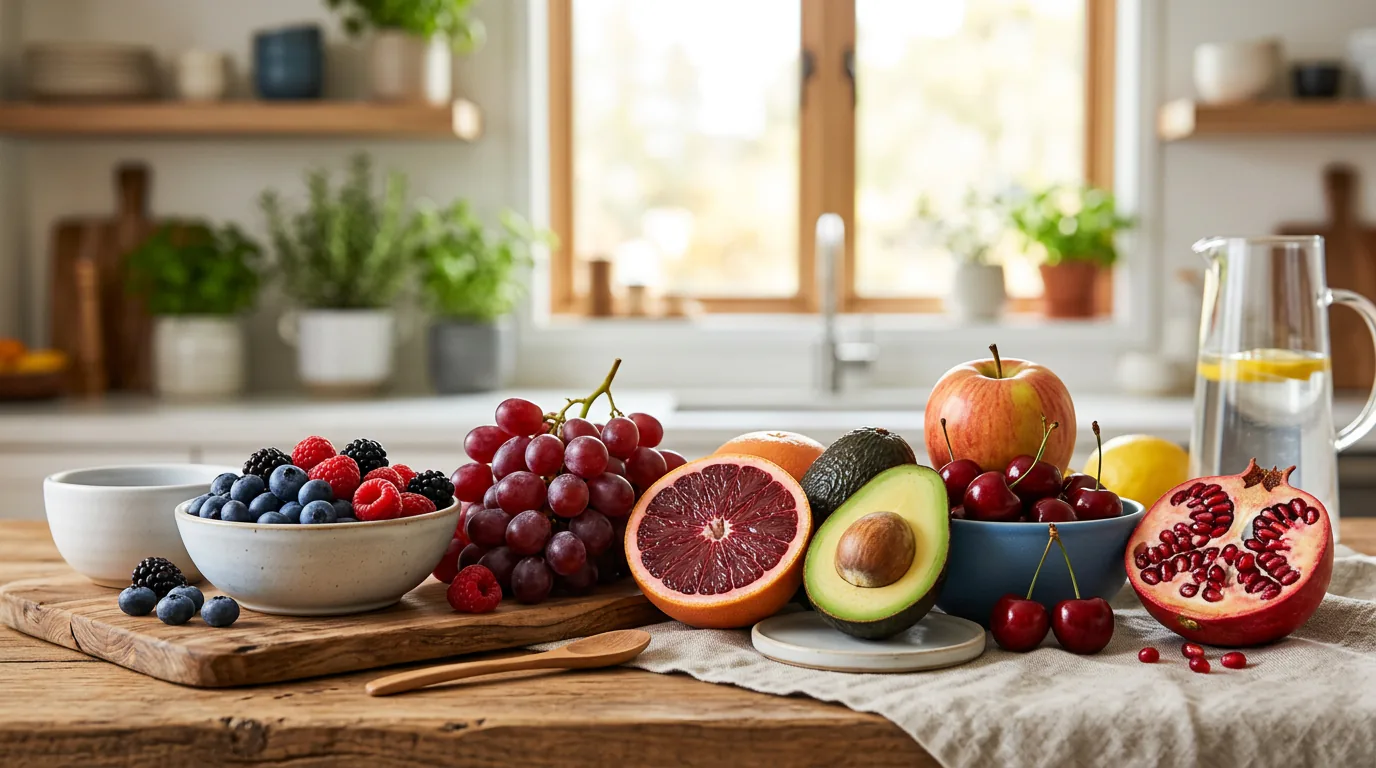
Heart healthy fruits are a delicious, affordable way to support circulation, lower cholesterol, and manage blood pressure. This practical guide lists the best fruits for heart health, explains how their nutrients work, and shows simple ways to add them to daily meals for real health benefits.
Introduction to Heart Healthy Fruits
Eating fruits regularly is one of the simplest strategies to lower cardiovascular risk and support long-term heart health. Fruits provide a package of nutrients—soluble fiber, potassium, antioxidants, vitamins, and phytochemicals—that work together to reduce inflammation, improve cholesterol, and help regulate blood pressure. This guide focuses on practical food choices and actionable ways to include those nutrients in meals and snacks rather than botanical or growing advice.
When we talk about categories and why variety matters, pairing soft, fiber-rich fruits with potassium-dense choices and antioxidant-rich berries provides multiple heart benefits in a single meal. For a broader primer on different fruit categories and general produce benefits, consult the types of fruit guide.
Across populations, higher fruit intake consistently appears in dietary patterns linked to lower risk of coronary heart disease. For context, the American Heart Association recommends making half your plate fruits and vegetables at meals as part of a heart-healthy eating pattern; see the AHA guidelines linked later for details. This article breaks down the nutrients, lists the best individual fruits to prioritize, offers serving recommendations, and debunks common myths so you can choose fruits that truly support cardiovascular health.
Transition: Next we’ll examine the key nutrients in fruits that drive cardiovascular benefits and how each works in the body.
Key Nutrients in Fruits That Promote Heart Health
Fruits are not just vitamins and sugar—many contain targeted compounds that affect specific pathways involved in cardiovascular disease. Here are the main players and how they help.
| Nutrient / Compound | Main Heart Benefit | Common Fruit Sources |
|---|---|---|
| Soluble fiber | Reduces LDL cholesterol by binding bile acids | Apples, pears, citrus, berries, plums |
| Potassium | Helps lower blood pressure by balancing sodium | Bananas, oranges, cantaloupe, apricots, kiwifruit |
| Antioxidants (flavonoids, polyphenols) | Reduce oxidative stress and inflammation | Berries, cherries, grapes, apples, citrus |
| Vitamin C & E | Protect blood vessel function, support HDL | Citrus, strawberries, kiwifruit, avocados (vitamin E) |
| Phytosterols | Improve lipid profile by reducing cholesterol absorption | Found in small amounts in some fruits; higher in nuts/seeds and fortified foods |
Soluble fiber — Soluble fiber forms a gel in the gut that binds bile acids and dietary cholesterol, lowering circulating LDL cholesterol. Clinical trials and controlled-feeding studies show that adding 5–10 grams of soluble fiber daily can modestly reduce LDL by 5–10% (according to a 2020 meta-analysis of randomized controlled trials). The practical takeaway: fruits like apples and citrus are easy sources.
Antioxidants (flavonoids, polyphenols) — Think of antioxidants as your heart’s natural defenders: they neutralize free radicals that damage blood vessel linings and promote inflammation. Observational cohort studies link higher intake of flavonoid-rich foods—especially berries and citrus—to lower rates of heart attack and stroke (according to a 2022 prospective cohort analysis).
Potassium — Potassium helps counteract sodium’s effect on blood pressure by promoting vasodilation and excretion of sodium. Randomized trials of increased dietary potassium show modest reductions in systolic blood pressure, particularly in individuals with hypertension (according to a 2019 clinical trial review).
Vitamins C and E — Vitamin C supports endothelial function (blood vessel health), while vitamin E has antioxidant effects in cell membranes. Fruits supply vitamin C abundantly, and some fruits and fruit-based dishes contribute vitamin E when paired with healthy fats like avocado.
Stat block summary: according to a 2024 American Heart Association advisory, prioritizing a mix of high-fiber, potassium-rich, and antioxidant-dense fruits within an overall heart-healthy pattern is associated with reduced cardiovascular events.
For deeper details on specific vitamin roles across foods, see the vitamin content in fruits.
Transition: Now that we understand the nutrient mechanics, let’s list the top individual fruits and how each supports the heart.
Top Heart Healthy Fruits and Their Specific Benefits
- Blueberries — Blueberries are rich in anthocyanins, a class of flavonoids associated with improved endothelial function and lower blood pressure. Short-term randomized trials of blueberry intake show improvements in vascular function and reductions in systolic blood pressure in middle-aged adults (according to a 2021 randomized controlled trial summary). Serving idea: 1 cup of fresh blueberries over oatmeal or blended into a morning smoothie.
- Strawberries — Strawberries offer vitamin C, fiber, and polyphenols that can lower LDL oxidation and improve lipid markers. Observational data link regular strawberry consumption with smaller increases in cardiometabolic risk factors over time. Serving idea: add 6–8 halved strawberries to yogurt or salads.
- Apples — Apples are a reliable source of soluble fiber (pectin) which helps reduce LDL cholesterol. A medium apple supplies about 4 grams of fiber and supports satiety, useful for weight control linked to heart health. Serving idea: slice an apple with a tablespoon of nut butter for a balanced snack.
- Oranges (and other citrus) — Citrus fruits supply potassium, vitamin C, and flavanones that have been associated with modest cholesterol improvements and improved blood vessel function. A whole orange gives ~70 mg of vitamin C and useful potassium per serving. For cholesterol-focused diets, citrus can help replace higher-calorie desserts. Serving idea: an orange with a handful of unsalted nuts for a fiber-plus-healthy-fat pairing.
- Bananas — Bananas are a convenient potassium-dense fruit that helps regulate blood pressure when replacing higher-sodium snacks. One medium banana provides ~400–450 mg potassium. Serving idea: slice a banana into plain Greek yogurt with a sprinkle of cinnamon.
- Kiwifruit — Kiwis are high in vitamin C, fiber, and potassium, and some small trials show improved blood pressure and reduced platelet aggregation with regular intake. Serving idea: 1–2 kiwis sliced into a salad or as a bright, tangy snack.
- Grapes (especially red/purple) — Grapes contain resveratrol and polyphenols that support endothelial function and may reduce inflammation. A Mediterranean-style serving (a small bowl) with cheese or nuts makes a heart-friendly dessert. Serving idea: frozen grapes as a low-calorie sweet treat.
- Cherries — Tart cherries and sweet cherries provide anthocyanins that reduce inflammation and markers of oxidative stress; studies suggest modest improvements in blood pressure and sleep quality, which indirectly support heart health. Serving idea: add 1/2 cup tart cherry juice to a recovery drink or 1 cup fresh cherries in smoothies.
- Avocado — While technically a fruit, avocado is a unique source of monounsaturated fats that improve HDL, lower LDL when replacing saturated fats, and enhance absorption of fat-soluble antioxidants. For a deeper look at avocado nutrition and cost, see the avocado nutrition and heart benefits. Serving idea: 1/4–1/2 avocado on toast or in salads to boost heart-protective fats.
- Pears — Pears offer soluble fiber and a favorable glycemic response; pectin-rich pears help lower cholesterol and support gut health, which is linked to reduced systemic inflammation. Serving idea: roast pears with cinnamon alongside grilled fish.
- Pomegranates — Pomegranate juice and seeds contain punicalagins and polyphenols associated with improved blood flow and reduced oxidative damage to LDL particles. Small clinical studies suggest benefits for endothelial function. Serving idea: sprinkle seeds on salads or blend 1/4 cup of seeds into yogurt.
- Plums and Prunes — Fresh plums and prunes are good sources of fiber and potassium; prunes have soluble fiber that can help with LDL reduction when added regularly. For those watching sugar, fresh plums are preferable due to lower sugar concentration per serving compared with dried prunes. Serving idea: 1–2 fresh plums as a portable snack; use prunes sparingly in baking.
- Cantaloupe and Melons — Melons supply potassium and hydration with low energy density, which is helpful for blood pressure control and weight management. Serving idea: a bowl of mixed melon chunks with fresh mint as a light dessert.
- Grapefruit (caveat) — Grapefruit contains soluble fiber and flavonoids that can help lower cholesterol, but grapefruit interacts with several medications (including many statins). Check with a clinician before increasing intake. Serving idea: half a grapefruit for breakfast if not on interacting medications.
For nutrient-focused choices among green fruits, particularly those high in potassium and folate, see the nutritional benefits of green fruits.
Transition: Having a list is useful, but real heart benefit comes from consistent intake and practical serving strategies—covered next.
How to Incorporate Heart Healthy Fruits into Your Daily Diet
Small, repeatable habits matter most. Below are step-by-step ways to make heart-healthy fruit intake realistic every day, with practical examples and portion guidance.
-
Know your serving sizes
Standard fruit servings: 1 medium fruit (apple, orange, pear), 1 cup fresh berries or melon, 1/2 cup canned fruit in juice, or 1/4 cup dried fruit. Aim for 2–4 servings of whole fruit daily as a practical starting point (according to USDA Dietary Guidelines recommendations). Using these portions helps target fiber and potassium intake without excess calories.
-
Start breakfast with fruit plus protein or healthy fat
Examples: 1 cup blueberries over 3/4 cup oatmeal with chopped walnuts; sliced banana with Greek yogurt and chia seeds; half an avocado with a hard-boiled egg on whole-grain toast. Pairing fruit with protein or fat slows glucose absorption and enhances satiety.
-
Use fruit to replace less-healthy snacks
Swap pastries or chips for an apple plus 1 tablespoon peanut butter, or a small bowl of grapes with a string cheese. These swaps lower saturated fat and added sugar exposure while delivering soluble fiber and potassium.
-
Make salads and grain bowls fruit-forward
Add pomegranate seeds, orange segments, or sliced strawberries to green salads with lean protein and a drizzle of olive oil. This increases flavonoid intake and improves micronutrient absorption by adding healthy fats.
-
Build heart-healthy smoothies
Combine 1 cup mixed berries, 1/2 banana, 1 cup unsweetened plant milk, a handful of spinach, and 1 tablespoon flaxseed. This mixes antioxidants, potassium, fiber, and omega-3 precursors in a single meal. Keep portions controlled—use whole fruit rather than fruit juices to retain fiber.
-
Use fruit in savory dishes
Grilled peaches or pineapple as a side with fish; mango salsa on grilled chicken; apple and fennel slaw as a sandwich topper. Fruit adds micronutrients without heavy sauces high in saturated fat.
-
Prep easy-to-grab fruit packs
Pre-portion 1-cup berry containers, cut melon into single-serve bowls, or keep whole apples and bananas visible for quick snacks. Planning reduces reliance on processed convenience foods.
-
Prioritize fresh or frozen over juice
Whole and frozen fruits retain fiber and have lower glycemic impact than juices. If you use juice, limit to 4–6 ounces and combine with a meal or protein to blunt glucose spikes.
-
Seasonal planning and recipes
Plan meals around seasonal fruit for cost savings and variety. For seasonal selection ideas and recipes, see the seasonal fruit guide and recipes.
-
Monitor portion frequency
Total daily fruit can be 2–4 servings for most adults; athletes and active people may need more. Spread servings across the day rather than consuming large quantities at once to stabilize blood sugar and maximize nutrient uptake.
Transition: While fruits are beneficial, common myths and important considerations deserve attention—covered in the next section.
Myths and Considerations About Fruits and Heart Health
Fruits are often subject to misinformation—especially regarding sugar, dried fruits, and portion limits. Below are common myths paired with facts to help you make safer, evidence-based choices.
-
Myth: Fruit sugar is the same as added sugar and always harms the heart
Fact: Fruit contains intrinsic sugars packaged with fiber, vitamins, and phytochemicals that mitigate glycemic impact and deliver cardiovascular benefits. Whole fruit consumption is associated with reduced heart disease risk in cohort studies, unlike high intake of sugar-sweetened beverages (according to a 2019 pooled cohort analysis).
-
Myth: Dried fruit is as healthy as fresh fruit
Fact: Dried fruits are nutrient-dense but concentrated in sugar and calories; they can be part of a heart-healthy diet in small portions, but larger servings can raise calorie intake and blood sugar. For detailed guidance, review the calories and risks of dried fruit.
-
Myth: All fruits are high glycemic and bad for blood sugar
Fact: Many fruits have a low to moderate glycemic index due to fiber and polyphenols. Berries, apples, pears, and citrus often have lower glycemic responses than tropical fruits. For specifics on carb content and glycemic impact, consult the carbohydrate content of fruits.
-
Myth: Eating more fruit always means weight gain
Fact: Whole fruit is low in energy density and high in fiber, promoting fullness and often aiding weight management when used to replace high-calorie snacks. However, excessive fruit juices or dried fruit portions can contribute excess calories. For calorie-focused comparisons across plant foods, see the calorie considerations in fruits and veggies.
-
Myth: People with diabetes shouldn’t eat fruit
Fact: Many fruits fit into a diabetes-friendly plan when portions are controlled and paired with proteins or fats. Choose whole fruits, prioritize low-glycemic options, and monitor blood glucose response. For tailored vegetable and fruit choices for blood sugar control, see the fruits for blood sugar management.
Transition: The best outcomes arise when fruits are part of overall dietary patterns proven to protect the heart—explored next.
Evidence-Based Dietary Patterns Including Heart Healthy Fruits
Single foods matter, but so do patterns. Several well-researched diets that include generous fruit intake show consistent cardiovascular benefits.
Mediterranean-style diets, which emphasize fruits, vegetables, whole grains, legumes, fish, olive oil, and moderate nuts, repeatedly reduce cardiovascular events in randomized trials and long-term cohort studies. For a focused examination of the Mediterranean approach with plant-forward emphasis, see the Mediterranean diet and heart health. According to a 2013 randomized controlled trial (PREDIMED) and subsequent follow-ups, adherence to a Mediterranean-style pattern reduced major cardiovascular events by approximately 30% among high-risk adults (according to peer-reviewed randomized trial reports).
The DASH (Dietary Approaches to Stop Hypertension) diet also prioritizes fruits and vegetables, with multiple randomized controlled trials showing significant reductions in systolic and diastolic blood pressure after several weeks of adherence, especially when combined with reduced sodium intake (according to a 2018 clinical trial review).
Plant-based and predominantly plant-forward patterns are associated with lower incidence of coronary heart disease in prospective cohort studies. The benefit likely stems from higher intakes of fiber, potassium, antioxidants, and lower intake of saturated fats. Meta-analyses of observational studies show that higher fruit and vegetable intake correlates with lower stroke and CHD risk (according to a 2020 systematic review).
Case study reference: In a community intervention where participants increased daily fruit intake to at least 3 servings per day along with other heart-healthy changes, researchers observed modest improvements in blood pressure and LDL cholesterol over six months (according to a 2021 community-based intervention report).
Practical implementation tip: Combine the fruit strategies from earlier with a Mediterranean or DASH framework—swap desserts for fruit bowls, add fruit to salads, and choose whole grains plus legumes—to compound benefits.
Transition: To close, we address the most commonly asked questions readers have about fruits and heart health.
Frequently Asked Questions
What are heart healthy fruits and why are they important?
Heart healthy fruits are those rich in soluble fiber, potassium, vitamins, and antioxidants (flavonoids and polyphenols). They help lower LDL cholesterol, regulate blood pressure, and reduce inflammation, supporting reduced cardiovascular risk when included regularly in a balanced diet.
Which fruits are better for lowering cholesterol levels?
Fruits high in soluble fiber—like apples, pears, citrus, and plums—are best for lowering LDL cholesterol. Regular servings supplying 5–10 grams of soluble fiber daily support modest LDL reductions as part of an overall heart-healthy eating pattern.
How do berries help improve heart health compared to citrus fruits?
Berries provide high levels of anthocyanins and polyphenols that improve endothelial function and reduce oxidative stress; citrus fruits supply flavanones, vitamin C, and soluble fiber that support cholesterol and vessel health. Both groups offer complementary heart benefits.
How many servings of fruits should I eat daily for heart health?
A practical target is 2–4 servings of whole fruit daily for most adults, with adjustments for activity level and caloric needs. Aim to include at least one serving of berries and one potassium-rich fruit each day for cardiovascular benefit.
How can I include heart healthy fruits in meals and snacks easily?
Add berries to oatmeal, slice apples with nut butter for snacks, include citrus in salads, use avocado in sandwiches, and prep single-serve fruit packs. Pair fruit with protein or healthy fats to stabilize blood sugar and increase satiety.
How long does it take to see heart health benefits after improving fruit intake?
Some biomarkers (blood pressure, endothelial function) can improve within weeks; measurable cholesterol changes may appear after several weeks to months. Long-term reductions in cardiovascular events are seen with sustained dietary patterns over years (according to randomized and observational study summaries).
Are dried fruits as good as fresh fruits for heart health?
Dried fruits retain many nutrients but are energy- and sugar-dense; small portions can be beneficial, but whole fresh or frozen fruits are preferable for fiber, lower calorie density, and better blood sugar control.
How can I ensure the quality and safety of fruits I buy for heart benefits?
Choose ripe, unbruised produce, wash thoroughly, prefer whole or frozen fruits without added sugars, and store according to type. For readers who grow produce, consult seasonal growing tips for healthy produce to maximize nutrient quality.
Additional resources for readers
See guidance from major authorities: the American Heart Association, NIH resources on nutrition research, and USDA Dietary Guidelines for recommended fruit servings and dietary patterns supporting heart health.
Related internal resources
For related topics like distinguishing fruits and vegetables or growing your own produce, explore internal guides such as distinguishing fruits and vegetables and seasonal growing tips for healthy produce.
American Heart Association
National Institutes of Health
USDA Dietary Guidelines
Conclusion: Practical Takeaways for a Heart-Healthy Fruit Diet
Fruits provide targeted nutrients—antioxidants, soluble fiber, and potassium—that collectively support lower cholesterol, better blood pressure, and reduced inflammation. Prioritize whole or frozen fruits, aim for 2–4 servings daily (including berries and a potassium-rich choice), and pair fruit with protein or healthy fats to stabilize blood sugar and increase satiety.
Action steps: start by adding a cup of berries to breakfast, swapping dessert for fresh fruit twice weekly, and including an avocado or banana as part of a balanced meal. Check authoritative sources like the American Heart Association, review USDA serving guidance at USDA Dietary Guidelines, and consult your clinician if you have medication interactions or specific medical concerns.
Ready to build heart-healthy routines? Try one swap this week—replace a processed snack with a fruit-plus-protein option—and track how you feel. For more on fruit selection, storage, and recipes, explore our related guides linked throughout this article.