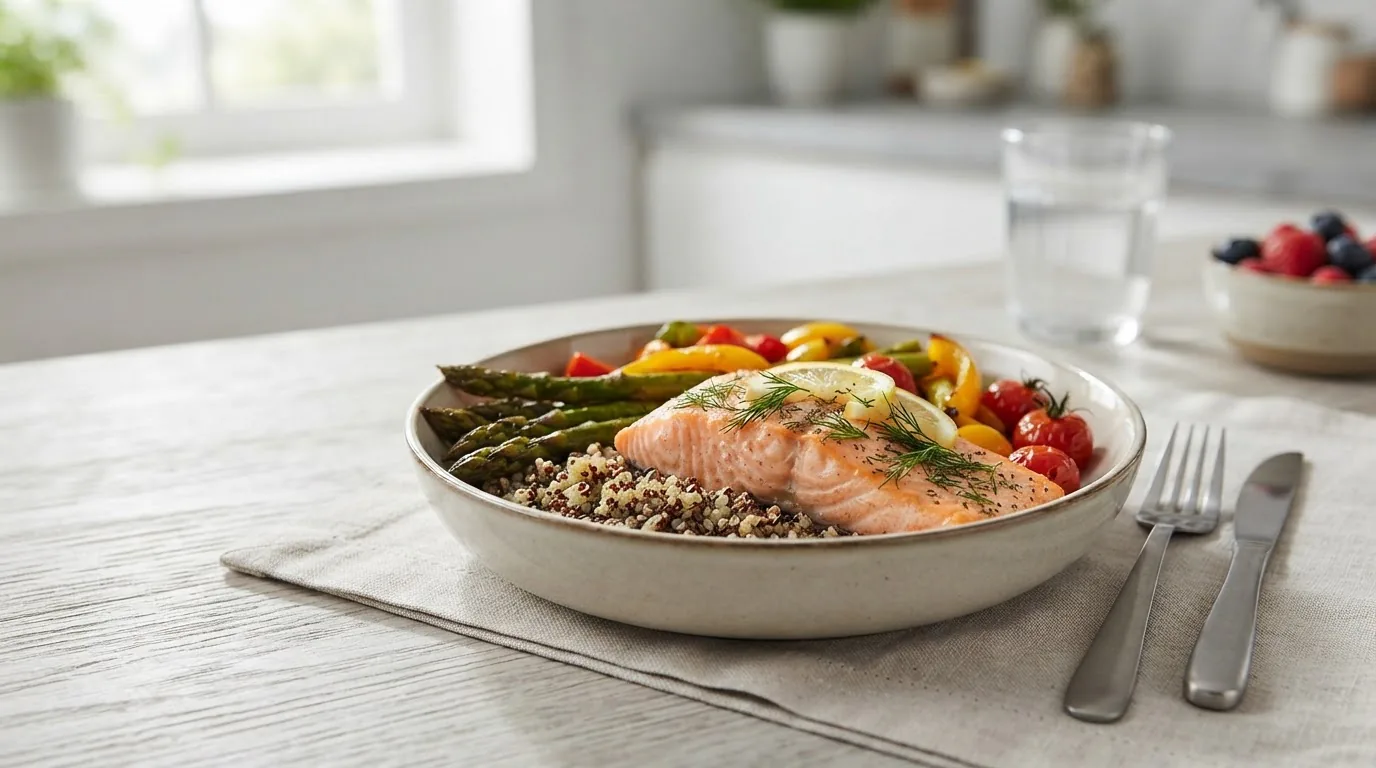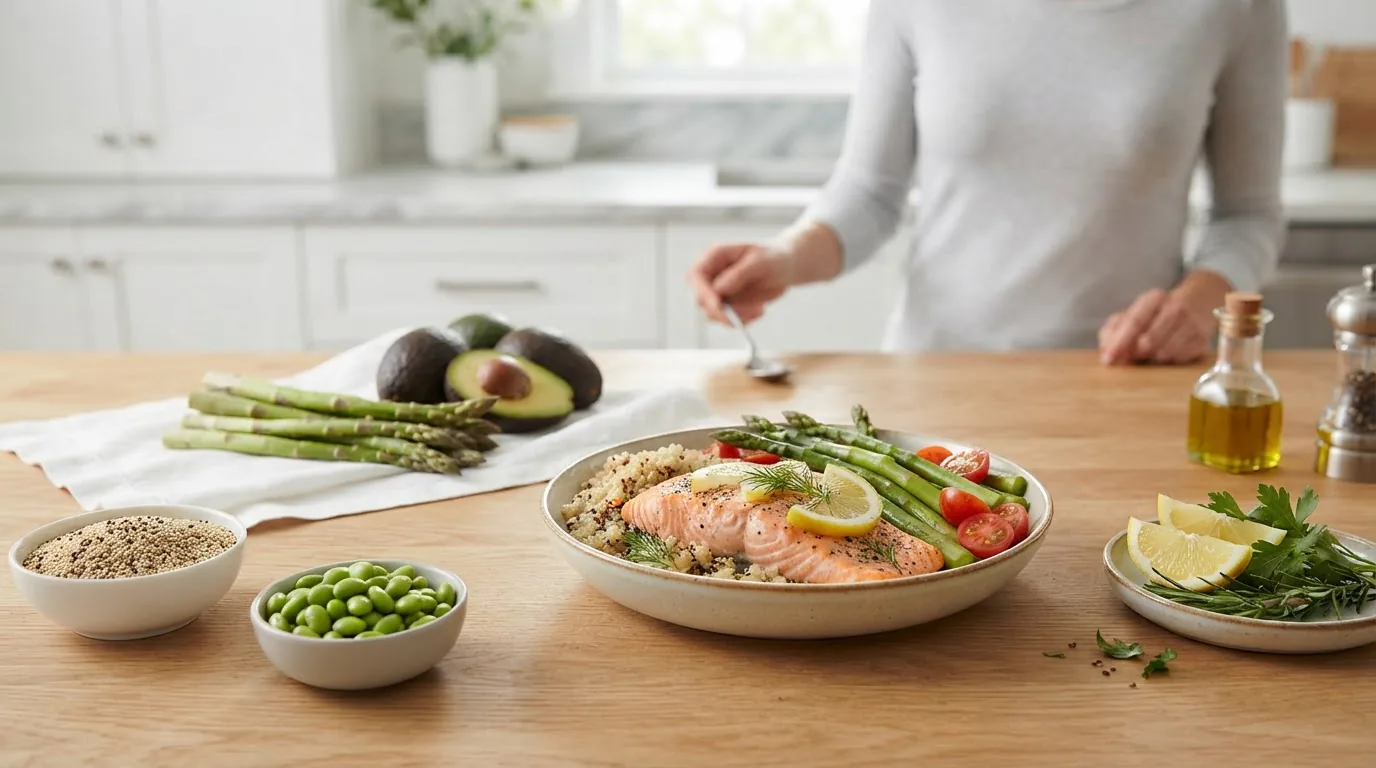
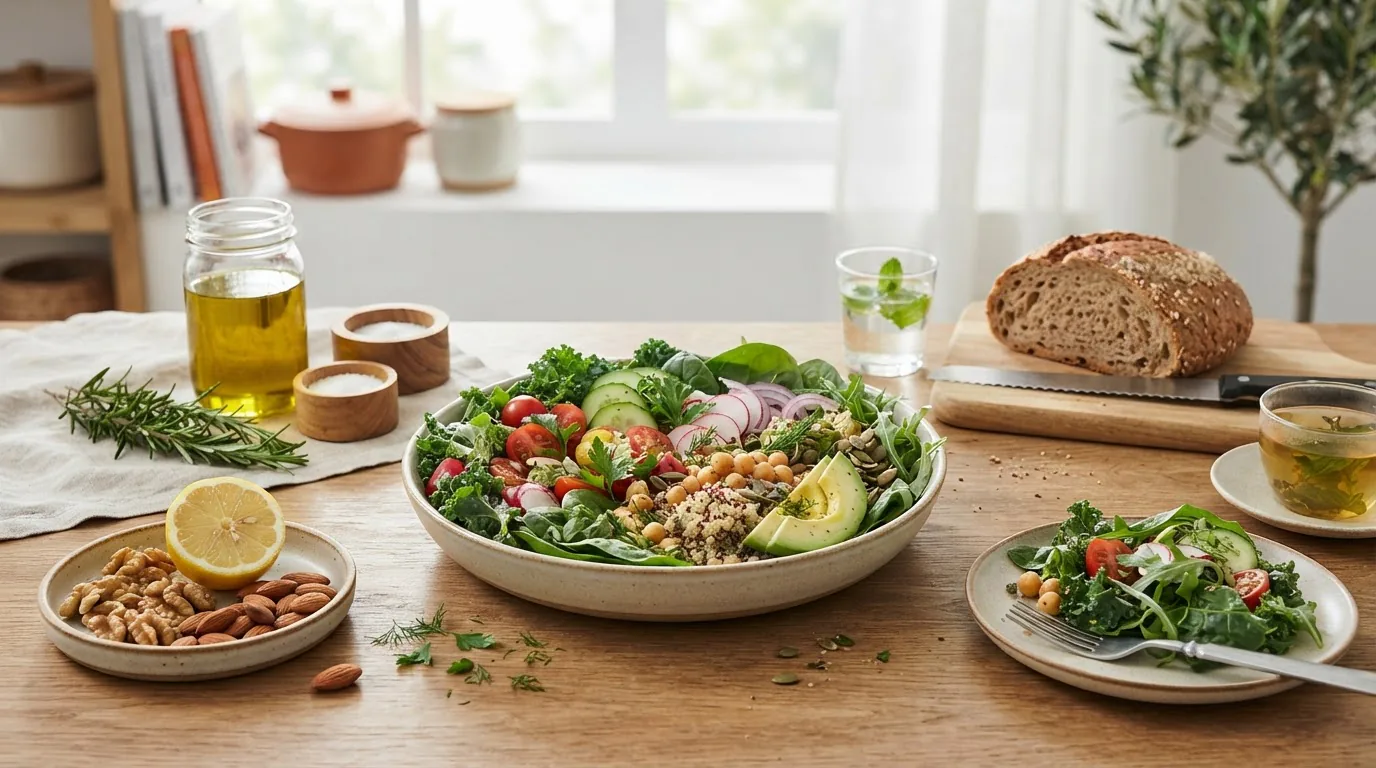
Green Mediterranean Diet describes a plant-forward variation of the traditional Mediterranean pattern that emphasizes green fruits and vegetables, polyphenol-rich plant foods, and sustainable choices. This guide explains what the green med diet is, the science behind its benefits, how it differs from the classic Mediterranean approach, and practical steps to adopt it for health and environmental impact.
Introduction to the Green Mediterranean Diet
The green Mediterranean diet builds on the Mediterranean diet’s core—olive oil, legumes, whole grains, fish, nuts and moderate dairy—while increasing emphasis on green fruits and vegetables, green tea, and polyphenol-rich plant foods to boost nutrient density and sustainability. Originating from Mediterranean dietary traditions, the green variation was formalized in intervention research that tested plant-forward shifts such as adding walnuts, green tea, and increased leafy greens.
Unlike purely vegetarian patterns, the green med diet remains flexible: it includes healthy fats like olive oil and nuts, modest seafood and poultry, and minimizes red and processed meats. It’s presented as both a heart- and climate-friendly option: improving biomarkers of cardiometabolic health while lowering dietary environmental impact through reduced animal-food reliance.
fresh fruits and vegetables benefits
Transitioning from a general overview, the next section breaks the diet into its core components so you can see what to prioritize on your plate.
Core Components of the Green Mediterranean Diet
-
Leafy greens and green vegetables
The foundation is daily servings of leafy greens (spinach, kale, arugula) and cruciferous vegetables (broccoli, Brussels sprouts). These foods supply fiber, vitamins, minerals, and phytochemicals that support gut health and inflammation control. -
Green fruits and citrus
Green fruits such as apples, pears, kiwi, green grapes, and green figs are emphasized for their fiber and polyphenol content; citrus and other seasonal fruits support vitamins and antioxidants. -
Polyphenol-rich plant foods
Foods high in polyphenols—green tea, herbs, walnuts, olives, capers, and certain berries—are prioritized because polyphenols modulate oxidative stress and inflammation. Polyphenols are plant compounds that help protect cells and support vascular function. -
Healthy fats: olive oil and nuts
Extra-virgin olive oil is the primary fat source; nuts (walnuts, almonds) provide omega-3s and unsaturated fat. These fats support lipid profiles and satiety while complementing the plant emphasis.
healthy fats like avocado -
Legumes and whole grains
Beans, lentils, chickpeas, and whole grains (farro, bulgur, barley) supply resistant starch, fermentable fiber, and protein, promoting stable blood sugar and gut microbiome diversity. -
Moderate fish and poultry
Fatty fish (salmon, sardines) are included for EPA/DHA; poultry in moderation supports protein needs while keeping saturated fat lower than red meat-heavy patterns. -
Minimal red and processed meat
Red and processed meats are limited to occasional servings; plant proteins and seafood replace frequent red-meat meals to reduce saturated fat intake and environmental footprint. -
Flavor from herbs, spices, and citrus
Fresh herbs, garlic, lemon, and spices boost flavor and polyphenol intake without excess salt. -
Low added sugar and minimal ultra-processed foods
Focus on whole foods and recipes; limit sugary drinks, sweets, and ready-made highly processed items. -
Hydration and green beverages
Water, herbal and green tea are preferred; green tea provides catechins, a polyphenol class linked to metabolic benefits.
These components together create a nutrient-dense, anti-inflammatory pattern. Next, we review the clinical evidence that links this pattern to real health outcomes.
Health Benefits Supported by Scientific Evidence
Below is a concise stat block summarizing key findings, followed by evidence synthesis that explains mechanisms and study types.
- Cardiovascular risk: ~30% lower major cardiovascular events in Mediterranean diet trials (randomized trial evidence).
- Weight management: Greater weight and visceral fat reduction seen in green-Mediterranean interventions compared with standard Mediterranean or low-fat diets in controlled trials.
- Type 2 diabetes prevention: Lower incidence and improved glycemic markers in Mediterranean-style diet studies and cohort analyses.
- Inflammation and liver fat: Polyphenol-rich green med interventions reduce inflammatory markers and hepatic fat in randomized studies.
- Gut and metabolic health: Increased dietary fiber improves microbiome diversity and short-chain fatty acid production, associated with metabolic benefits.
Evidence details and sources:
Cardiovascular health
Large randomized and long-term studies support the Mediterranean pattern for cardiovascular protection. According to the 2013 PREDIMED randomized controlled trial published in The New England Journal of Medicine, participants assigned to a Mediterranean diet supplemented with extra-virgin olive oil or nuts had roughly a 30% relative reduction in major cardiovascular events versus a low-fat control (randomized controlled trial, 2013). PREDIMED (PubMed)
Building on this, green-focused trials—adding extra polyphenols from green tea, walnuts, and extra vegetables—have reported larger improvements in certain cardiometabolic markers. For example, a randomized intervention comparing a green Mediterranean diet to other patterns showed greater reductions in waist circumference and LDL cholesterol (randomized controlled trial; see literature via PubMed).
Weight management and body composition
Controlled trials report that emphasizing plant fiber, nuts, and olive oil—alongside calorie control—supports sustainable weight loss and preferential loss of visceral fat. According to a randomized controlled trial published on PubMed, participants following a green-Mediterranean style program achieved greater reductions in body weight and visceral adiposity than those on standard Mediterranean or low-fat diets (randomized controlled trial, peer-reviewed; see PubMed).
Type 2 diabetes prevention and glucose control
Observational cohorts and randomized trials indicate Mediterranean-style diets reduce the risk of developing Type 2 diabetes and improve glycemic control in people with prediabetes. A 2017 meta-analysis of cohort and interventional data found consistent reductions in diabetes incidence with Mediterranean-style patterns (meta-analysis, 2017). The green med diet’s high fiber and polyphenol load improves insulin sensitivity mechanistically by modulating inflammation and the gut microbiome.
For readers seeking extra guidance on carbohydrates from fruit in this pattern, see this resource on fruit carbohydrates.
Anti-inflammatory effects and polyphenols
Polyphenols are bioactive plant compounds that reduce oxidative stress and downregulate pro-inflammatory signaling. Trials measuring CRP, IL-6, and other markers show reductions after high-polyphenol Mediterranean-style interventions (randomized and controlled clinical studies, various years). Polyphenols also affect endothelial function and platelet aggregation, supporting vascular health.
Dietary fiber, gut health, and metabolic effects
Higher fiber intake from legumes, whole grains, fruits and vegetables increases microbial production of short-chain fatty acids (SCFAs), which influence appetite regulation, glucose metabolism, and systemic inflammation. Randomized feeding studies and mechanistic human trials demonstrate improved metabolic markers when fiber is increased (clinical trials and mechanistic studies, multiple sources).
Clinical evidence and meta-analyses — summary
Key high-quality evidence includes:
- PREDIMED (2013 RCT, NEJM): cardiovascular event reduction with Mediterranean diet (randomized controlled trial).
- Meta-analyses (2010s): consistent reductions in cardiovascular outcomes and metabolic syndrome metrics with Mediterranean-style diets (meta-analyses, peer-reviewed journals).
- Green Med interventions: randomized controlled feeding and lifestyle trials accessible via PubMed showing improved weight, liver fat, and inflammatory biomarkers when polyphenol-rich elements are added (randomized controlled trials; see PubMed search results).
Clinical nuance and limitations: while randomized trials are supportive, some outcomes vary by study duration, participant baseline risk, and adherence. According to a 2024 systematic review on Mediterranean-style diets (systematic review, 2024), the majority of benefits are most robust for cardiovascular outcomes and metabolic risk factors, but more long-term trials focusing specifically on green-med modifications are recommended.
To support cardiovascular claims with practical fruit choices, see our heart-healthy fruits guide. For diabetes-friendly vegetable options, check diabetes-friendly vegetables.
Transitioning from evidence to specifics, the next section compares the green and traditional Mediterranean diets.
Green Mediterranean Diet vs Traditional Mediterranean Diet
| Feature | Traditional Mediterranean Diet | Green Mediterranean Diet |
|---|---|---|
| Plant emphasis | High (vegetables, fruits, legumes) | Higher (extra leafy greens, green fruits, green tea) |
| Polyphenol density | Moderate (olive oil, herbs, fruits) | Higher (added walnuts, green tea, herbs, capers) |
| Animal foods | Moderate fish, low-moderate dairy, occasional red meat | Reduced red meat, more plant proteins, moderate fish |
| Nutrient density | High | Very high (focus on micronutrients and phytochemicals) |
| Environmental impact | Lower than Western diets | Lower still—further reduced footprint by increasing plants and reducing meat |
| Typical health outcomes | Reduced CV events, improved metabolic markers | Similar or greater improvements, especially in inflammation and liver fat |
Explanatory prose: The green Mediterranean diet is essentially a nutrient-dense refinement of the traditional Mediterranean pattern. It preserves hallmark elements—olive oil, legumes, whole grains, nuts—while increasing green fruits and vegetables, green tea, and targeted polyphenol sources. Nutritionally, the green med diet aims for slightly higher fiber, micronutrient, and polyphenol intake per calorie. Environmentally, by favoring plant proteins over ruminant meats, it typically lowers greenhouse gas emissions and land use per calorie compared with diets higher in red meat.
For sustainability data, authoritative reports such as those from the Food and Agriculture Organization provide metrics on dietary environmental footprints and can be consulted for numbers on emissions and land use (FAO).
Transitioning, we now focus on the central role of green produce and specific examples.
Role of Green Fruits and Vegetables in the Diet
Green fruits and vegetables are prioritized for several reasons: they typically provide high fiber per calorie, essential vitamins (K, C, folate), minerals (magnesium, potassium), and a range of phytochemicals including carotenoids and polyphenols. These nutrients collectively support antioxidant defenses, endothelial function, and gut health.
Examples and benefits:
- Spinach: Rich in vitamin K, folate, magnesium and lutein; supports bone and vascular health.
- Kale: High in vitamins A and C precursor compounds and antioxidants that support immune and skin health.
- Broccoli: Sulforaphane precursors and fiber support detoxification pathways and gut microbes. See why broccoli is healthy for details.
- Avocado: Contains monounsaturated fat, fiber, and potassium; a satisfying source of healthy fat. See our Avocado Fruit Guide.
- Green apples and pears: Provide soluble fiber (pectin) that slows glucose absorption and feeds beneficial microbes.
- Green grapes and kiwi: Supply vitamin C and polyphenols that support vascular health.
- Cabbage and Brussels sprouts: Low-calorie, high-fiber options—see calorie details for cabbage at calorie content of green vegetables such as cabbage.
- Celery: Hydrating, low-calorie, and provides fiber; consult the nutritional profile of green vegetables like celery for specifics.
Micronutrient guidance: For a full map of vitamins provided by green produce, see our resource on rich vitamin sources. For an in-depth look at overall nutritional benefits of green fruits and vegetables, consult that guide.
Practical calorie and carbohydrate considerations: many green vegetables are low-calorie and low-carb, aiding weight management; for carbohydrate details on fruits used in the diet, reference fruit carbohydrates.
Transition sentence: With the nutritional role of green produce clear, let’s move to practical, step-by-step tips for adopting the green Mediterranean diet at home.
Practical Tips for Adopting the Green Mediterranean Diet
Adopting the green Mediterranean diet is about shifting plate composition, not perfection. Below are actionable steps and a simple checklist to help you transition steadily.
How-to steps
- Start meals with greens: Make salads or steamed greens the first plate you serve to increase satiety and fiber intake.
- Swap proteins: Replace two weekly red-meat meals with legumes or fish.
- Use olive oil liberally in place of butter; aim for extra-virgin olive oil for polyphenols.
- Add a daily serving of polyphenol-rich items: a cup of green tea, a handful of walnuts, or a spoon of capers/olives.
- Plan whole-grain-based meals (e.g., barley salad, farro bowls) to boost fiber.
- Flavor with herbs and citrus instead of salt-heavy sauces.
- Minimize ultra-processed foods and sugary beverages.
Meal-plan example (one-day)
Breakfast: Greek yogurt with chopped green apple, walnuts, and drizzle of olive oil; green tea. Lunch: Large mixed-green salad with chickpeas, cucumber, zucchini, olives, and lemon-olive oil dressing. Snack: Pear and a small handful of almonds. Dinner: Grilled sardines, sautéed spinach with garlic, quinoa, and roasted Brussels sprouts.
Shopping and pantry checklist
- Fresh: spinach, kale, broccoli, green apples, pears, lemons
- Pantry: extra-virgin olive oil, walnuts, canned chickpeas, whole grains (bulgur, farro)
- Beverages: green tea, water
- Spices & herbs: oregano, parsley, garlic, cumin
Seasonal sourcing and home growing: for freshness and sustainability, choose local seasonal produce. Use seasonal spring vegetables for crisp, early greens to maximize flavor and reduce transport emissions; see our seasonal spring vegetables resource if you grow your own. For late-year planning, include seasonal fall produce such as apples and brassicas; see our seasonal fall fruits guide for storage and recipes.
Portion and frequency guidance: aim for at least 5–7 daily vegetable servings (many green), 2–3 fruit servings (prioritize green and lower-sugar fruits), 3–5 weekly servings of legumes, and two or more weekly servings of fatty fish. Adjust portions to caloric needs.
Expert tip: Registered dietitian Anna Rivera, RD, recommends “prioritizing whole plants and simple swaps—use beans instead of ground beef in your favorite dishes and add a daily cup of greens to meals for consistent fiber and polyphenols.”
Transition: beyond personal health, the green Mediterranean diet also has environmental and ethical benefits worth considering.
Environmental and Ethical Considerations of the Green Mediterranean Diet
Shifting food choices influences greenhouse gas emissions, land and water use, and biodiversity. Plant-forward diets like the green Mediterranean pattern generally show lower carbon footprints and resource needs compared with diets high in ruminant meat.
Key data points:
- Greenhouse gas emissions reduction: According to FAO reports on sustainable food systems, substituting plant proteins for red meat reduces diet-related greenhouse gas emissions markedly (international agency report, FAO).
- Land and water use: Plant-based diets typically require less arable land and freshwater per caloric unit than beef-heavy diets (FAO technical reports).
- Biodiversity and ethical sourcing: Emphasizing seasonal, local produce and sustainable seafood choices reduces pressure on ecosystems and supports ethical eating practices (FAO and sustainability assessments).
Practical sustainability tips:
- Choose seasonal and local green fruits and vegetables to reduce transport emissions and loss.
- Prioritize legumes and nuts as protein—these require less land per protein gram than most animal proteins.
- When consuming animal products, select low-impact sources (small fish, pasture-raised poultry) and minimize portion frequency.
For authoritative guidance on diet and environmental metrics, consult the Food and Agriculture Organization resources (FAO) and related sustainability assessments.
Transitioning into common reader questions, the FAQ below addresses practical concerns and timelines for benefit realization.
Frequently Asked Questions
What is the green Mediterranean diet and how does it differ from the traditional Mediterranean diet?
The green Mediterranean diet is a plant-forward variation that emphasizes leafy greens, green fruits, green tea and extra polyphenol-rich foods, while reducing red meat. It retains olive oil, nuts and legumes but increases phytonutrient density compared with the traditional Mediterranean pattern.
What are the main health benefits of following a green Mediterranean diet?
Evidence links the pattern to improved cardiovascular risk factors, weight and visceral fat reduction, better glycemic control, lower inflammation, and improved liver fat; many benefits are supported by randomized trials and meta-analyses of Mediterranean-style diets.
How can I start incorporating more green fruits and vegetables into the green med diet?
Start by adding a serving of leafy greens to each meal, replacing two weekly red-meat meals with legumes or fish, swapping snacks for green fruit, and including daily green tea or walnuts for extra polyphenols.
What foods should I avoid on the green Mediterranean diet?
Avoid or minimize processed and ultra-processed foods, sugary beverages, frequent red and processed meats, and high-saturated-fat dairy; emphasize whole plant foods, olive oil, nuts, legumes and moderate fish instead.
How long does it typically take to see health improvements after starting the green Mediterranean diet?
Some markers—blood pressure, blood glucose and markers of inflammation—can improve within weeks to months; meaningful weight loss and cardiovascular risk reductions are typically observed over several months to years in clinical studies.
Is the green Mediterranean diet suitable for people with diabetes?
Yes—Mediterranean-style diets, including green adaptations, improve glycemic control and reduce diabetes risk when combined with portion control; consult a healthcare provider for individualized adjustments and medication monitoring.
What are common challenges when switching to a green Mediterranean diet and how can I overcome them?
Common challenges include meal planning, cost perception and taste preferences; overcome these by batch cooking legumes and grains, buying seasonal produce, using flavoring herbs, and slowly substituting plant proteins for meat.
How does the green Mediterranean diet help reduce environmental impact compared to other diets?
By prioritizing plants and reducing red meat, the green Mediterranean diet lowers greenhouse gas emissions, land and water use per calorie, and supports more sustainable food systems when paired with seasonal, local sourcing.