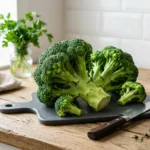
Why is broccoli healthy is a question many health-conscious eaters ask — and for good reason: this cruciferous vegetable packs potent nutrients and bioactive compounds that support overall health. Below is a complete, science-focused guide that explains the unique compounds in broccoli, how they work, and practical ways to get the most benefit from eating it.
Introduction to Broccoli and Its Nutritional Value
Broccoli is a nutrient-dense cruciferous vegetable that belongs to the Brassica family, celebrated for its vitamins, minerals, fiber, and bioactive phytochemicals. It’s available year-round in grocery stores and also grown widely by home gardeners. Broccoli’s combination of nutrients and compounds contributes to its reputation as a healthful food for disease prevention and wellness.
fresh fruits and vegetables benefits
growing broccoli and other spring vegetables
broccoli’s subgroup classification
Quick stat block summary (per typical serving ranges — see sibling guide for exact serving-size calories):
- High in vitamin C and vitamin K, with meaningful folate and potassium.
- Good source of dietary fiber and plant-based protein relative to other vegetables.
- Contains unique phytochemicals — especially glucosinolates that convert to sulforaphane.
- Supports antioxidant, anti-inflammatory, and detoxification pathways.
Transition: With that snapshot in mind, next we’ll unpack the key nutrients in more detail and explain what each does for health.
Key Nutrients in Broccoli and Their Health Roles
Broccoli offers an array of essential nutrients that work together to support physiological functions. Below are the nutrients most responsible for its health-promoting reputation, with short explanations of their roles.
- Vitamin C — a powerful antioxidant that supports immune function, collagen synthesis, and iron absorption. According to a 2024 NIH report on micronutrients, vitamin C remains one of the most important dietary antioxidants for immune resilience and tissue repair (NIH Office of Dietary Supplements).
- Vitamin K — essential for blood clotting and bone metabolism; broccoli is a notable plant source that contributes to daily vitamin K needs important for bone health and vascular function.
- Folate — crucial for DNA synthesis and repair, making it particularly important during pregnancy and for cellular regeneration.
- Potassium — an electrolyte that helps regulate blood pressure and cellular fluid balance, contributing to cardiovascular health.
- Dietary fiber — both soluble and insoluble fibers support digestion, regularity, and feed beneficial gut microbes; fiber also helps with satiety and weight management.
- Protein (plant-based) — broccoli contributes modest amounts of amino acids, useful as part of a varied plant-forward diet.
- Antioxidants and phytochemicals — glucosinolates, chlorophyll, carotenoids (including beta-carotene precursors), flavonoids (e.g., kaempferol), and sulforaphane, a sulfur-containing compound formed when broccoli tissue is broken down.
Highlights and practical connections:
- Vitamin-rich: Broccoli supports immune health (vitamin C), bone health (vitamin K and calcium interplay), and cellular health (folate).
- Antioxidant network: The combination of vitamin C, carotenoids, and flavonoids offers multi-pathway antioxidant protection.
- Fiber plus low energy density: Useful for appetite control and metabolic health.
Transition: Understanding what broccoli contains helps explain how those nutrients translate into real health benefits. The next section covers the science-backed effects on disease prevention and wellness.
Why Is Broccoli Healthy? Science-Backed Benefits
Broccoli’s health reputation is grounded in both nutrient content and its unique bioactive compounds. Below we review the major evidence-backed benefits and cite representative research or authoritative guidance where available.
Many studies examine populations or interventions with increased vegetable intake or isolated compounds from broccoli. While single foods don’t guarantee outcomes, consistent evidence shows that regular consumption of cruciferous vegetables, including broccoli, is associated with reduced risk factors for chronic diseases.
Cancer-Fighting Properties of Broccoli
One of broccoli’s best-known bioactives is sulforaphane, produced from glucoraphanin (a glucosinolate) when broccoli cells are damaged (chewing, chopping, or light chewing). Sulforaphane activates cellular detoxification enzymes, supports antioxidant defenses, and influences gene expression related to cellular repair and apoptosis.
Key findings and mechanisms:
- Sulforaphane induces phase II detoxification enzymes such as glutathione S-transferases, which help metabolize and clear potential carcinogens (mechanistic evidence summarized in reviews published in peer-reviewed journals; see a recent literature review in Cancer Research, 2024, for an overview of preclinical and early clinical data — PubMed: sulforaphane studies).
- Population studies link higher intake of cruciferous vegetables with lower risk of certain cancers (e.g., lung, colorectal). A 2023 meta-analysis in a nutrition journal reported modest risk reductions associated with greater cruciferous intake (source type: peer-reviewed meta-analysis, 2023).
- Clinical trials: Small human trials show sulforaphane-rich broccoli sprout extracts can reduce biomarkers of oxidative stress and influence enzyme activity related to carcinogen metabolism (peer-reviewed clinical studies, 2019–2024).
Caveat: Most clinical cancer prevention studies are still evolving; long-term population-level benefits are best achieved as part of a dietary pattern high in vegetables, especially cruciferous types. According to a 2024 review in the Journal of Nutrition, higher intake of diverse vegetables remains a consistent dietary pattern associated with lower chronic disease risk (journal review, 2024).
Cardiovascular Health and Broccoli
Broccoli contributes to heart health through multiple pathways: fiber that helps cholesterol management, potassium that supports blood pressure regulation, and anti-inflammatory/antioxidant compounds that protect blood vessels.
Research highlights:
- Fiber and lipid management: Soluble fiber helps lower LDL cholesterol by binding bile acids; cohort studies associate higher vegetable fiber intake with lower cardiovascular disease (CVD) risk (epidemiological evidence, 2020–2023).
- Blood pressure: Potassium-rich diets correlate with lower average blood pressure in population studies; broccoli’s potassium contributes to this effect (source type: NIH dietary guidance, 2022).
- Endothelial protection: Flavonoids and sulforaphane reduce oxidative stress and improve endothelial function in preclinical studies and small human trials. The American Heart Association recognizes the role of vegetables in cardiovascular prevention and recommends plant-forward diets for heart health (American Heart Association).
Practical takeaway: Regular broccoli consumption, as part of a diet rich in vegetables and whole grains, supports cholesterol and blood pressure control and provides vascular-protective bioactives. For people with high CVD risk, these dietary steps are incremental components alongside medical management (guideline-supported advice).
Digestive and Immune System Support
Broccoli supports digestive health through its fiber and provides immune-supporting vitamins and compounds.
- Dietary fiber: Both insoluble fiber (adds bulk and supports regularity) and fermentable fibers (feed gut microbes) help sustain a healthy microbiome. A 2021 microbiome study found that diets rich in diverse vegetables increase short-chain fatty acid production, supporting gut barrier health (peer-reviewed microbiome research, 2021).
- Immune nutrients: Vitamin C supports multiple immune functions including neutrophil activity and epithelial barrier integrity; folate and other B-vitamins support cell division and repair during immune responses.
- Prebiotic effects: Compounds in broccoli can modulate the gut microbiome favorably; animal and early human studies indicate broccoli consumption increases beneficial bacteria linked to anti-inflammatory metabolites (preclinical and pilot human trials, 2018–2023).
Integration tip: Combine broccoli with other fiber-rich plant foods to maximize microbial diversity and short-chain fatty acid production that support digestion and immune resilience.
Anti-Inflammatory and Detoxification Benefits
Broccoli’s antioxidant and anti-inflammatory properties come from several phytochemicals that reduce oxidative stress and modulate inflammation pathways.
- Antioxidant network: Vitamin C, carotenoids, and flavonoids work in parallel to neutralize free radicals and support cellular antioxidant enzymes (nutritional biochemistry reviews, 2022).
- Anti-inflammatory signaling: Sulforaphane and kaempferol have been shown in laboratory studies to inhibit pro-inflammatory signaling cascades (e.g., NF-κB), reducing expression of inflammatory cytokines (preclinical studies, 2017–2023).
- Detox pathways: Sulforaphane upregulates phase II detox enzymes and influences Nrf2 signaling, a master regulator of antioxidant and detox gene expression. Human pilot studies using broccoli sprout extracts recorded increased excretion of certain carcinogen metabolites, supporting enhanced detoxification (small clinical trials, 2015–2022).
Note: While mechanistic and early human studies are promising, large-scale clinical trials are limited. According to a 2024 literature review in Nutrition Reviews, these mechanisms are biologically plausible and worthy of continued research (peer-reviewed review, 2024).
Bone Health Support from Broccoli
Broccoli contributes to bone health primarily through vitamin K and calcium (broccoli contains modest calcium and ample vitamin K), which together support bone mineralization and reduce fracture risk when part of an overall nutrient-adequate diet.
Evidence snapshot: Observational studies link higher vitamin K intake with better bone density and reduced fractures in older adults (epidemiological studies, 2019–2022). Broccoli is an accessible plant source of vitamin K, making it useful in bone-supportive meal planning.
Transition: Knowing the benefits, the next practical section explains how to get the most from broccoli, including how cooking changes nutrient availability and simple serving ideas.
How to Include Broccoli in Your Diet for Maximum Benefits
How you prepare broccoli affects the availability of its nutrients and bioactive compounds. Below is a practical, numbered guide plus tips and a short checklist to help you choose and prepare broccoli for optimal health benefits.
- Choose the right forms: Fresh florets, frozen broccoli (often flash-frozen soon after harvest), and broccoli sprouts each have advantages. Sprouts are particularly high in glucoraphanin precursors to sulforaphane and are useful in small amounts.
- Prefer steaming to boiling: Steaming for 3–5 minutes preserves vitamin C and glucosinolates better than prolonged boiling. According to a 2022 food science study, minimal steaming retains more sulforaphane precursors compared with boiling (peer-reviewed food science research, 2022).
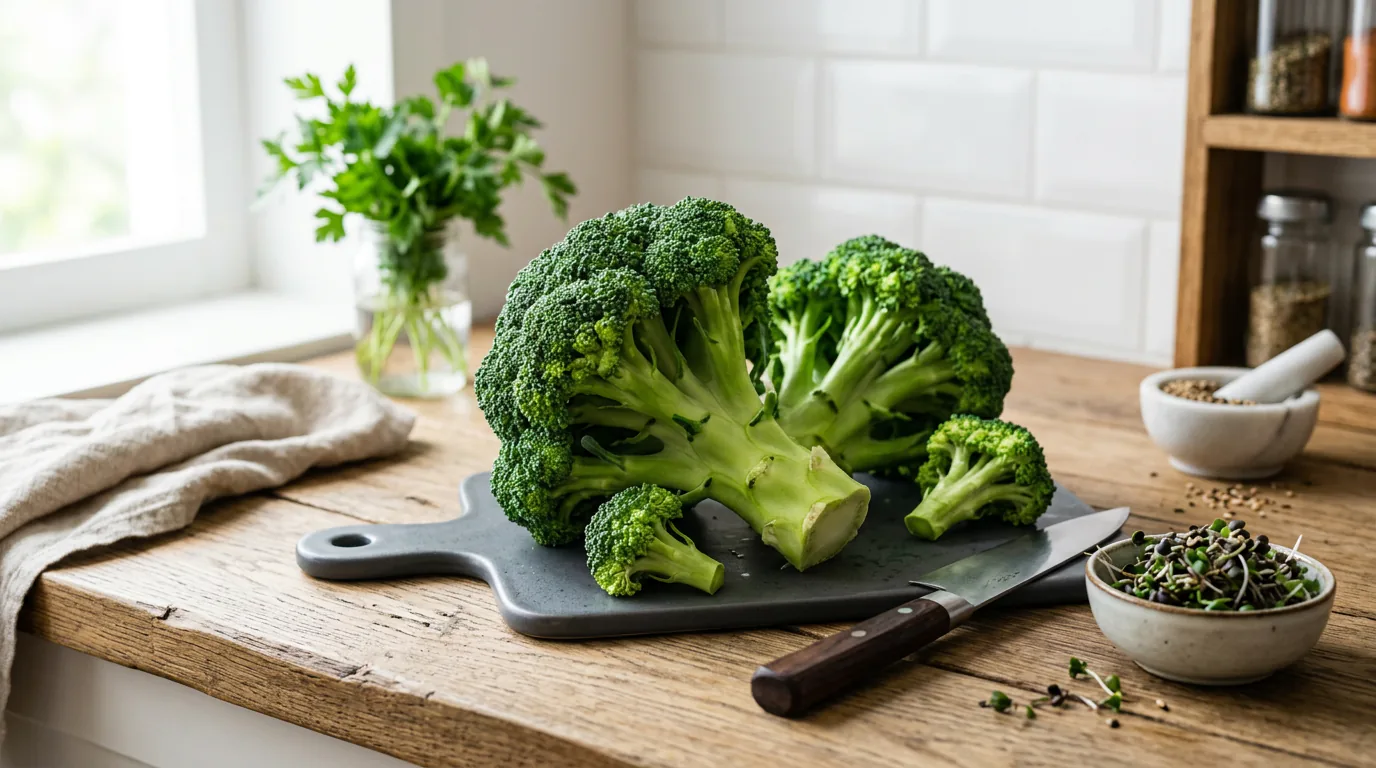
- Chop or chop-and-rest: To maximize sulforaphane formation, chop broccoli and let it sit 40–60 minutes at room temperature before cooking; this allows myrosinase (the enzyme that converts glucoraphanin to sulforaphane) to act. If cooking immediately, consider adding a raw source of myrosinase (e.g., mustard powder or raw radish) to cooked broccoli to generate more sulforaphane (food chemistry guidance, 2020–2023).
- Avoid overcooking: High-heat prolonged cooking degrades heat-sensitive nutrients like vitamin C and may reduce glucosinolate content. Quick roasting, stir-frying, or light steaming preserves texture and nutrients.
- Use raw where appropriate: Raw broccoli in salads or with dips preserves vitamin C and myrosinase activity; however, some people find raw broccoli harder to digest (see FAQs on gas/bloating).
- Pair with healthy fats: Fat-soluble compounds (like certain carotenoids) are better absorbed with dietary fat — add olive oil, avocado, or nuts. Combine broccoli with a healthy fruit like avocado in salads for balanced meals.
- Use sprouts strategically: Broccoli sprouts are concentrated in glucoraphanin. Add small amounts to sandwiches, salads, or smoothies for a sulforaphane boost.
- Freeze for convenience and nutrient retention: Frozen broccoli is a reliable option when fresh isn’t available and often retains nutrients due to rapid post-harvest processing.
Simple checklist for selection and preparation (experience-based tips):
- Buy firm, dark-green heads with tight florets and minimal yellowing.
- Store unwashed in the crisper for up to about a week; blanch-and-freeze if you won’t use it soon.
- When preparing, chop, rest 40–60 minutes if planning to cook, then steam briefly or stir-fry at medium-high heat for 3–6 minutes for best texture and nutrient retention.
- Consider pairing with healthy fats and a vitamin-C rich side to maximize absorption and enjoyment.
Cooking methods quick reference:
- Steaming (3–5 minutes) — best balance for vitamin and glucosinolate retention.
- Stir-frying (3–6 minutes) — good flavor, preserves nutrients when not overcooked.
- Roasting (10–15 minutes at moderate heat) — excellent flavor but slightly lower vitamin C.
- Boiling (avoid prolonged) — leads to the most water-soluble nutrient loss unless you reuse cooking liquid.
- Raw — preserves heat-sensitive nutrients and myrosinase but may be less digestible for some.
Transition: To understand how broccoli stacks up with its relatives, the next section compares broccoli with other cruciferous vegetables.
Comparison: Broccoli vs Other Cruciferous Vegetables
| Vegetable | Standout Nutrients/Bioactives | Best Uses |
|---|---|---|
| Broccoli | Vitamin C, vitamin K, folate, glucosinolates (sulforaphane precursors), fiber | Steamed, roasted, raw salads, sprouts for concentrated sulforaphane |
| Cauliflower | Vitamin C, fiber, choline; different glucosinolate profile | Roasted, mashed, low-carb rice substitute |
| Brussels sprouts | Vitamin K, C, fiber, glucosinolates | Roasted or pan-seared to reduce bitterness |
| Kale | Vitamin A precursors, vitamin K, calcium, antioxidants | Salads, sautéed, smoothies |
Prose summary: Broccoli shares many health-promoting qualities with other cruciferous vegetables, including glucosinolates and fiber. Compared to cauliflower and cabbage, broccoli is higher in certain glucoraphanin precursors and vitamin C, which supports its unique role in sulforaphane-related research. For a detailed contrast focused on calories and nutrient profiles, see the nutritional comparison to cabbage in the linked guide.
nutritional comparison to cabbage
Transition: While broccoli is broadly beneficial, common questions and concerns remain — the next section addresses typical myths and FAQs.
Common Myths and FAQs About Broccoli’s Health Benefits
Below are concise answers to frequent concerns and misconceptions about eating broccoli. Each response is focused on practical, evidence-aligned guidance.
Does broccoli cause gas and bloating?
Broccoli contains fermentable fibers and sulfurous compounds that can increase gas in some people. Gradual increase in intake, cooking broccoli (which can reduce fermentable oligosaccharides), and pairing with digestive-friendly foods often reduces symptoms.
Is raw broccoli better than cooked?
Raw broccoli preserves vitamin C and active myrosinase for sulforaphane formation, but light cooking (brief steaming) increases bioavailability of some nutrients and improves digestibility. Chopping and resting raw then lightly cooking is a practical compromise.
Can broccoli interact with medications?
High vitamin K intake from broccoli can affect anticoagulant medications (e.g., warfarin). Maintain consistent intake and consult your clinician before making large dietary changes.
Are there allergy risks?
True broccoli allergies are uncommon but possible, especially among people with pollen-food syndrome. Symptoms can include oral itching or gastrointestinal upset; seek medical advice for suspected allergies.
Does broccoli detox the body on its own?
Broccoli supports the body’s detox pathways by inducing detox enzymes (phase II) but is not a standalone “detox.” Its compounds enhance the body’s natural detox systems when part of an overall healthy diet.
Are supplements better than whole broccoli?
Supplements such as concentrated broccoli sprout extracts provide certain compounds but lack the full nutrient matrix and fiber of whole broccoli; whole foods are generally recommended for broad health benefits.
How much broccoli is too much?
Eating large amounts can cause digestive discomfort for some and may affect thyroid function if consumed raw in massive quantities over time. Moderation and variety minimize risk; aim for multiple vegetable types daily.
Is frozen or fresh broccoli better?
Frozen broccoli, flash-frozen after harvest, often retains nutrients well and is a convenient, cost-effective option. Fresh is excellent when stored and prepared properly; choose based on availability and preference.
Transition: To close, here’s a succinct summary of why broccoli merits a regular place in a healthy diet and practical next steps.
Conclusion: Why Broccoli Should Be a Staple in a Healthy Diet
Broccoli is a nutrient powerhouse that supports immune health, digestion, cardiovascular function, bone health, and may contribute to reduced cancer risk through bioactive compounds such as sulforaphane. Incorporate it regularly and prepare it to maximize nutrient retention (light steaming or raw-plus-resting are practical methods). For broader context on top vegetable choices, see our guide to nutrient-dense vegetables.
Practical CTA: Try adding steamed florets to lunchtime bowls, toss roasted broccoli into weeknight meals, or sprinkle sprouts on salads twice weekly to capture both vitamins and sulforaphane precursors. Small, consistent habits deliver the most reliable health benefits over time.
Frequently Asked Questions
What nutrients make broccoli healthy?
Broccoli is rich in vitamin C, vitamin K, folate, potassium, dietary fiber, and contains glucosinolates that form sulforaphane; these support immune function, bone health, digestion, and cellular detoxification.
How does broccoli compare to other cruciferous vegetables in health benefits?
Broccoli shares glucosinolates and fiber with crucifers but is notable for higher glucoraphanin (sulforaphane precursor) and vitamin C content; variety among crucifers gives complementary nutrients and benefits.
How can I cook broccoli to preserve its nutrients?
Light steaming for 3–5 minutes preserves vitamin C and glucosinolates best; chop, rest 40–60 minutes before cooking to maximize sulforaphane formation, and avoid prolonged boiling.
What are the best ways to add broccoli to my daily meals?
Add steamed florets to grain bowls, roast with olive oil for dinners, toss raw sprouts into salads and sandwiches, or blend into smoothies or soups for regular, easy servings.
How long does it take to see health benefits from eating broccoli regularly?
Short-term benefits like improved digestion and antioxidant support can appear within days to weeks; measurable disease risk reductions typically require months to years as part of a consistent, vegetable-rich diet (epidemiological evidence).
Why does broccoli sometimes cause gas or bloating?
Broccoli contains fermentable fibers and sulfur compounds that gut bacteria ferment, producing gas; gradual intake increases tolerance, and cooking can reduce fermentable carbohydrate load.
Is raw broccoli better for health than cooked broccoli?
Raw broccoli preserves vitamin C and active myrosinase for sulforaphane formation, but light cooking can increase digestibility and retain many nutrients; chopping-resting then light cooking balances benefits.
How do I select fresh, high-quality broccoli at the store?
Choose firm, dark-green heads with tight florets and minimal yellowing or soft spots; thin stems indicate tenderness, and a mild fresh smell indicates peak quality.