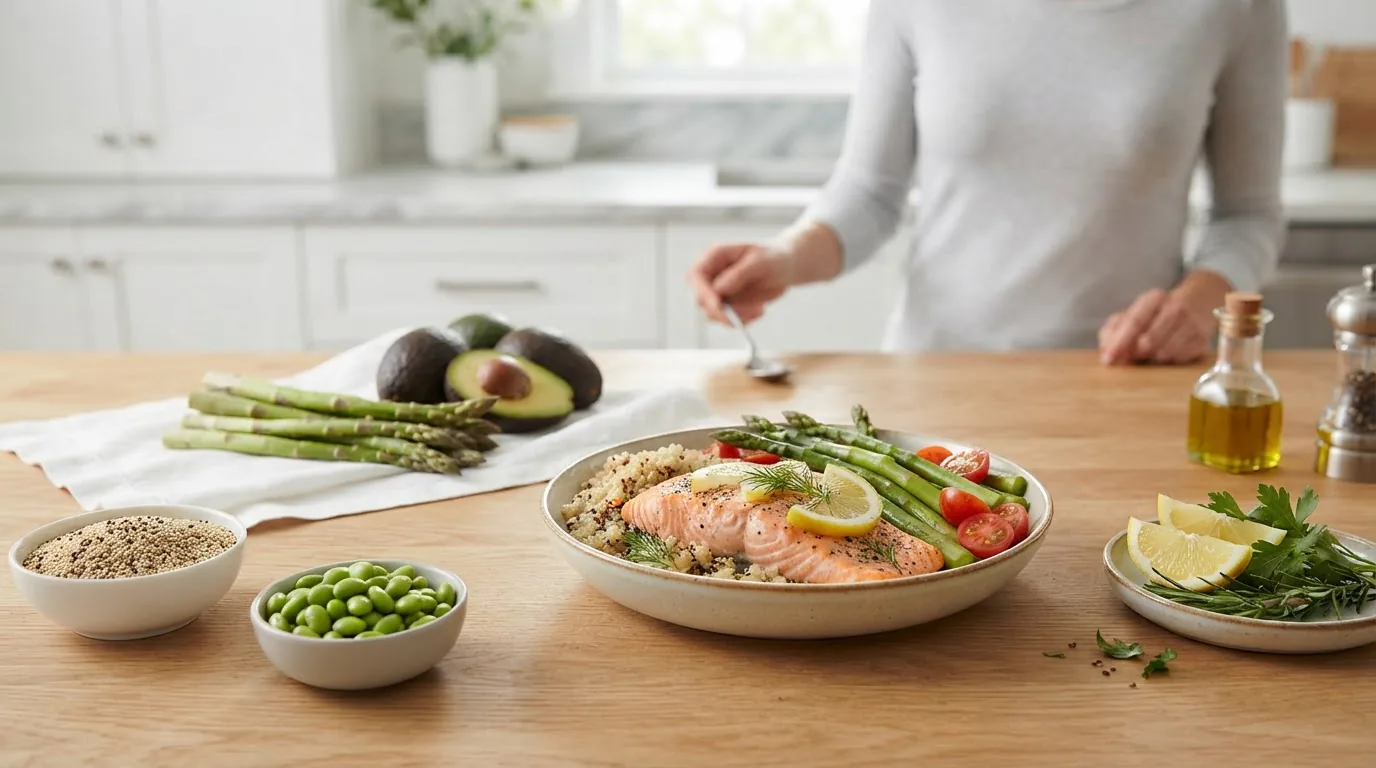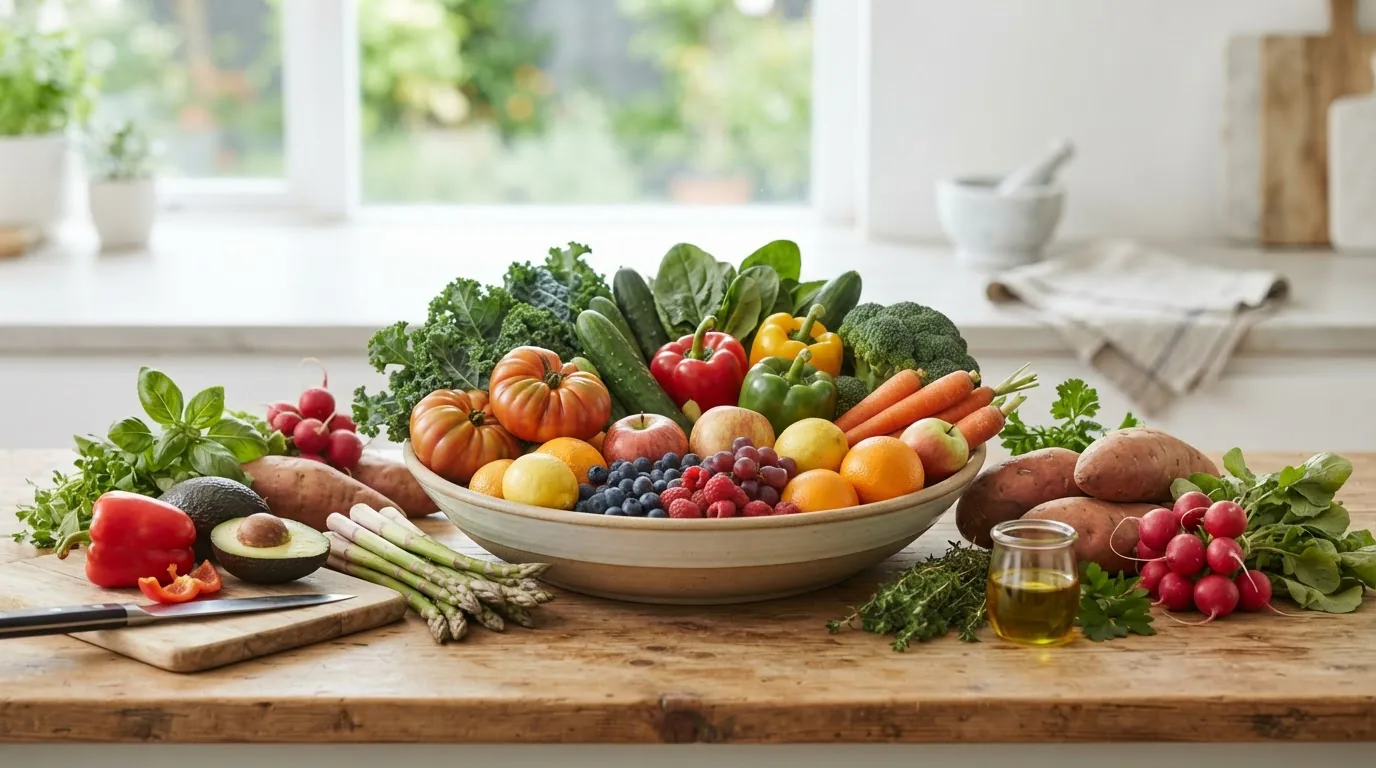
Fruit and vegetable diet meal plan — a practical, nutrient-focused guide to building balanced menus centered on fruits and vegetables, with clear protein strategies, seasonal shopping advice, and ready-to-use daily and weekly templates to help you eat more vegetables and meet nutritional needs.
Introduction to Fruit and Vegetable Diet Meal Plans
A successful fruit-and-vegetable-focused eating pattern starts with an organized plan that balances vitamins, minerals, macronutrients and practical meal choices. This guide translates nutrition science into menus and methods you can follow weekly to increase produce intake without sacrificing protein or satiety.
Fruits and vegetables supply fiber, phytonutrients, antioxidants and a wide range of micronutrients—essential building blocks for health and disease prevention. Before diving into templates and tactics, explore the foundational types and benefits of produce that this guide builds on: Types of Fruit Guide: Fresh Fruits and Vegetables Benefits.
Transition: With the basic value of produce established, the next section explains the nutritional foundations you must consider when centering meals on fruits and vegetables.
Nutritional Foundations of a Fruit and Vegetable Diet
Moving from awareness to action requires understanding nutrient roles and how fruits and vegetables fit into macronutrient and micronutrient balance. This section covers vitamins and minerals, macronutrient balance, fiber and antioxidants—plus practical nutrient data you’ll use when designing menus.
Fruits and vegetables are low in calories and high in fiber and micronutrients, but they vary widely in macronutrient content. Use the following stat blocks to guide portion and pairing decisions.
Recommended daily intakes (core targets)
- Vegetables: Aim for 2.5–3 cups per day for most adults, depending on calorie needs — According to the 2025 USDA Dietary Guidelines (government dietary guidelines).
- Fruits: Aim for 1.5–2 cups per day for most adults — According to the 2025 USDA Dietary Guidelines (government dietary guidelines).
- Fiber: 25–38 g/day depending on age and sex — According to a 2024 systematic review in a peer-reviewed nutrition journal (peer-reviewed study).
Macronutrient distribution guidance
Macronutrient targets depend on goals; a balanced approach to a fruit and vegetable diet often follows plate division: 50% fruits and vegetables, 25% protein, 25% whole grains or starchy vegetables. This framework helps ensure adequate energy and macronutrient balance for general health.
| Macro | Typical target range | Primary plant sources |
|---|---|---|
| Carbohydrate | 45–65% of calories | Fruits, starchy vegetables, whole grains |
| Protein | 10–25% of calories (adjust by needs) | Legumes, tofu, tempeh, nuts, seeds, dairy or eggs if included |
| Fat | 20–35% of calories | Avocado, nuts, seeds, olive oil |
Micronutrient and phytonutrient highlights
Different fruits and vegetables provide key vitamins and minerals. For deeper breakdowns on micronutrient sources, consult topic guides such as sources of vitamin A B C D E K and for fruit nutrients consider fruits and juice health benefits.
Key micronutrients to watch on produce-forward plans:
- Vitamin C: abundant in citrus, strawberries, bell peppers.
- Vitamin A (as beta-carotene): sweet potato, carrots, dark leafy greens.
- Vitamin K: leafy greens like kale and spinach.
- Potassium: bananas, potatoes, tomatoes, oranges.
- Iron and zinc: present but less bioavailable in plant sources—pair with vitamin C to enhance absorption.
Carbohydrate considerations from fruit
Fruits provide simple and complex carbohydrates and vary in glycemic effect. For detailed carbohydrate values to tailor energy distribution, see the carbohydrates in fruits guide for per-serving carbohydrate counts and how to balance fruit portions in meals.
Transition: Nutrient targets frame what you need—next learn how to reliably add protein to a fruit and vegetable diet so meals are satiating and nutritionally complete.
Incorporating Protein in a Fruit and Vegetable Diet
Protein is critical for muscle maintenance, immune function and satiety. A focused strategy ensures adequacy on a fruit and vegetable diet. Below are step-by-step how-to actions and a comparison list of protein sources you can use daily.
Step-by-step: Calculate your protein needs
- Estimate body weight in kilograms: weight (lbs) ÷ 2.2. Example: 154 lbs ÷ 2.2 = 70 kg.
- Choose target g/kg: 0.8 g/kg for sedentary adults, 1.0–1.2 g/kg for active adults, 1.2–1.6 g/kg for strength athletes or older adults. According to a 2024 review in a peer-reviewed nutrition journal (peer-reviewed study).
- Multiply: 70 kg × 1.0 g/kg = 70 g protein/day (sample moderate target).
- Build daily meals to reach total: distribute 20–30 g protein per main meal and 5–15 g at snacks where possible.
Practical example: For a 70 kg (154 lb) moderately active adult aiming for 1.0 g/kg: target 70 g protein/day. Breakfast: 20 g (Greek yogurt or tofu scramble + seeds), Lunch: 25 g (legume salad + quinoa), Dinner: 20 g (tempeh stir-fry + edamame), Snacks: 5 g (nut butter on fruit).
Transition: Now compare protein sources so you can choose combinations that match taste, budget and nutrition goals.
Comparison: Plant-based protein sources
| Source | Typical protein per serving | Notes |
|---|---|---|
| Legumes (lentils, chickpeas, beans) | 7–18 g per cooked ½–1 cup | High fiber; pair with grains for complete amino profile |
| Tofu / tempeh | 10–19 g per ½ cup | Versatile; tempeh higher in fermentation-derived nutrients |
| Edamame | 8–11 g per ½ cup | Whole soybean—complete protein |
| Nuts & seeds | 5–8 g per 1 oz | Higher in fat—good for calorie-dense snacks and dressings |
| Seitan (wheat gluten) | 20–25 g per 3 oz | Very high in protein but not suitable for gluten-intolerant individuals |
| Dairy & eggs (optional) | 6–8 g eggs; 8–11 g dairy per serving | Useful for Ovo-lacto-vegetarians to boost protein |
| Protein powders (pea, soy) | 15–25 g per scoop | Convenient to top smoothies or mix into oats |
| High-protein fruit example: avocado | 2–4 g per fruit/serving | Higher fat; contributes modest protein—see avocado nutrition and uses for details. |
Protein quality: Animal proteins are complete; many plant proteins are complementary. Combine legumes with grains, or add seeds/nuts to vegetable dishes to improve amino acid balance. For evidence on health outcomes, review guidance from the American Heart Association (reputable health organization).
Transition: With protein strategy in place, this next section explains practical menu-planning principles so you can construct balanced meals daily and weekly.
How to Plan Balanced Menus – Principles and Tips
Effective meal planning turns goals into repeatable actions. Use these principles and numbered actionable tips to build sustainable menus that center fruits and vegetables while preserving balance and variety.
- Define goals and constraints: weight management, budget, allergies, time. Clear goals inform portion sizes and meal frequency.
- Use the plate method: 50% fruits & vegetables, 25% protein, 25% whole grains or starchy veg. This visual tool simplifies planning and portion control.
- Plan variety by color and texture: aim for at least three colors on a plate (e.g., greens, reds, yellows) to increase phytonutrient diversity.
- Batch-cook staples: roasted vegetables, cooked beans, whole grains, and dressings can be made once and used all week to cut prep time.
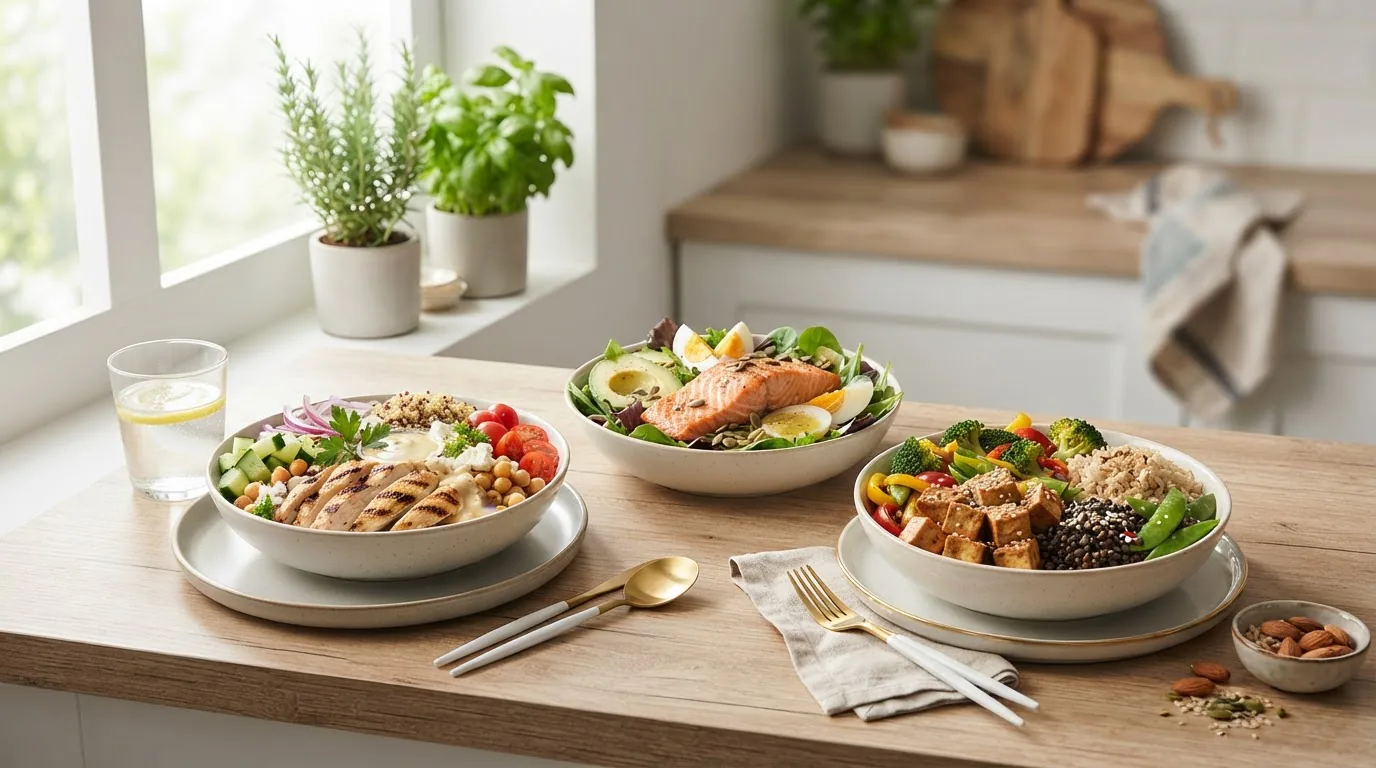
- Design modular meals: create bowls with interchangeable bases (greens/grains), proteins (lentils/tofu), and sauces (vinaigrettes/peanut sauce).
- Schedule a weekly produce shopping list by season to lower cost and increase freshness—see seasonal section for specifics.
- Prioritize protein at each meal: add a protein-rich component (e.g., chickpeas, eggs, Greek yogurt, tempeh) to avoid energy dips and muscle loss.
- Track servings visually: a cupped handful of fruit equals about ½ cup, a closed fist approximates 1 cup of cooked vegetables.
- Include snacks strategically: vegetable sticks with hummus, fruit with nut butter, roasted chickpeas—snacks help meet daily produce targets and protein goals.
- Adapt for special needs: pregnant people, older adults, athletes may require more calories or protein—consult a qualified professional for personalized targets.
Practical menu-planning workflow:
- Pick 5–7 dinner recipes for the week that use overlapping ingredients.
- List per-recipe produce to optimize shopping and reduce waste.
- Set aside two 30–60 minute cook sessions for batch-cooking grains, legumes and roasted vegetables.
- Portion meals into containers keeping protein, veg and grain components visible for easy reheating.
Transition: Next, use these principles in concrete daily and weekly templates that show how a fruit and veggie-focused menu can meet macronutrient and micronutrient targets.
Sample Fruit and Vegetable Diet Meal Plan Templates
Below are practical sample templates—including a single-day, a vegetarian weekly plan and a flexible 7-day plan tailored to a typical American preference for convenience foods, family-style dinners, and budget-conscious shopping. These templates emphasize eating more vegetables, balanced protein integration and variety.
Daily example: Moderate-calorie balanced day (approx. 2,000 kcal)
| Meal | Foods | Estimated protein | Vegetable & fruit servings |
|---|---|---|---|
| Breakfast | Greek yogurt (1 cup) with ½ cup blueberries, 1 tbsp chia seeds, 1 small banana | 20–22 g | 1 fruit serving (blueberries + banana) |
| Snack | Carrot sticks (1 cup) + 3 tbsp hummus | 4–6 g | 1 vegetable serving |
| Lunch | Quinoa salad: 1 cup cooked quinoa, 1 cup mixed roasted vegetables, ½ cup chickpeas, lemon-tahini dressing | 18–22 g | 2 vegetable servings |
| Snack | Apple + 2 tbsp almond butter | 6–8 g | 1 fruit serving |
| Dinner | Stir-fry: 4 oz tempeh, 2 cups mixed vegetables, ¾ cup brown rice, soy-ginger sauce | 22–25 g | 2–3 vegetable servings |
| Evening (optional) | Herbal tea or ½ cup mixed berries | 1–2 g | ½–1 fruit serving |
Total approximate protein: 71–85 g. Total produce servings: ~7–9 (meets USDA targets for most adults). For low-calorie needs, reduce grain portions; for higher energy needs, increase healthy fats (avocado, olive oil) or larger grain portions.
7-day vegetarian weekly template (family-friendly)
Plan strategy: prepare a large batch of cooked beans and grains, two roasted-veg pans, and multiple dressings on Sunday. Rotate components into bowls, tacos, and salads all week.
| Day | Breakfast | Lunch | Dinner | Snacks |
|---|---|---|---|---|
| Mon | Oatmeal with apple, walnuts, cinnamon | Mixed green salad with lentils and roasted beets | Veggie chili with kidney beans, bell peppers, side kale salad | Celery sticks + hummus; orange |
| Tue | Smoothie: spinach, banana, pea protein, frozen berries | Leftover chili over brown rice | Stir-fry tofu with broccoli and snap peas | Roasted chickpeas; apple slices |
| Wed | Greek yogurt with granola and strawberries | Hummus & veggie wrap with carrot, cucumber, spinach | Roasted sweet potato, black bean tacos, pico de gallo | Trail mix; pear |
| Thu | Tofu scramble with tomatoes and peppers | Quinoa bowl with edamame, avocado, roasted asparagus | Vegetable lasagna with side salad | Bell pepper slices + guacamole; banana |
| Fri | Chia pudding with mango | Mixed vegetable soup with lentils | Grilled veggie kebabs with tempeh; couscous | Greek yogurt; grapes |
| Sat | Whole-grain toast, mashed avocado, tomato | Roasted vegetable salad with farro and feta (optional) | Homemade pizza with vegetable toppings and a side arugula salad | Edamame pods; peach |
| Sun | Pancakes with berry compote; side of spinach | Leftover pizza salad bowl | Hearty minestrone packed with vegetables and beans | Veggie sticks + tahini dip; apple |
This weekly plan emphasizes variety and includes at least 2–3 vegetable servings at main meals and fruit-based breakfasts or snacks to reach daily targets.
Quick note on a low-calorie vegetable used often in templates: calorie content of cabbage is an example of a low-calorie, high-volume vegetable you can use for soups, slaws and stir-fries.
Transition: These templates show structure; the next section offers practical, daily tactics to increase vegetable intake without major life disruption.
Practical Tips to Eat More Vegetables Every Day
Increasing vegetable intake is both behavioral and culinary. Use these how-to steps and actionable tips—rooted in culinary practice and meal-planning experience—to add vegetables to every eating occasion.
- Start meals with vegetables: a small salad or vegetable soup before the main plate increases total intake and reduces overeating of high-calorie items.
- Make vegetables the base: swap half the grains in bowls with leafy greens or roasted vegetables to make veggies the star.
- Use veggies in snacks: carrot, cucumber, bell pepper sticks, or celery paired with hummus or nut butter make portable snacks. See the celery nutritional guide for snack ideas and nutrition facts.
- Bulk up favorites: add shredded zucchini or spinach to pasta sauce, lentils to tacos, mushrooms to burgers—small additions add fiber and nutrients without changing flavors drastically.
- Play with textures and temperatures: raw, roasted, steamed, pickled—variety keeps meals interesting and reduces fatigue.
- Involve simple sauces: a good vinaigrette, tahini, or yogurt dip can make raw vegetables irresistible.
- Keep cut vegetables visible and ready in the fridge: cleaning and cutting produce after shopping increases the likelihood of eating them.
- Use frozen vegetables for convenience: they’re nutrient-retentive and reduce waste.
- Swap 1–2 processed snacks for vegetable-based options: roasted chickpeas, seaweed snacks, or kale chips.
- Plan one “veg-heavy” dinner weekly (e.g., ratatouille or vegetable paella) to explore new recipes and patterns.
Transition: Knowing how to add vegetables is most effective when you match choices to seasonality and storage practices, which the next section covers.
Seasonal Considerations and Food Choices
Seasonality improves flavor, nutrition and often cost. Choosing seasonal produce reduces environmental impact and supports variety across the year. Below are selection and storage tips plus a short seasonal shopping approach.
- Buy seasonal: choose local in-season fruits and vegetables for better flavor and lower price. For planting and timing specifics, see the spring vegetables guide.
- Fresh vs frozen: frozen produce retains most nutrients and is often less expensive; frozen berries, peas and mixed vegetable blends are excellent staples.
- Storage tips: store leafy greens wrapped in paper towels inside containers to reduce moisture; keep herbs in water like flowers for longer life.
- Cost-saving: buy whole produce instead of pre-cut, use the freezer for excess, and prioritize versatile items (onions, carrots, apples).
- Local farmer markets: a great source for seasonality and variety—look for imperfect produce at discounts for cooking and sauces.
Bullet list: quick selection tips
- Leafy greens: bright, crisp leaves; avoid wilting or slimy spots.
- Root vegetables: firm, heavy for size, minimal blemishes.
- Berries: plump, fragrant; freeze excess within a day.
- Tomatoes: scent and slight give indicate ripeness.
Transition: While seasonality and storage make produce practical and affordable, many people encounter hurdles—this next section addresses common challenges with solutions.
Common Challenges and Troubleshooting for Fruit and Vegetable Diet Meal Plans
Adopting a produce-forward meal plan can raise questions about adherence, nutrient gaps, time demands and variety fatigue. Below are common problems with direct solutions to keep you on track.
- Problem: Feeling low energy after switching to more produce. Solution: Increase portion of complex carbohydrates (whole grains, starchy vegetables) and include protein at each meal; consider adding healthy fats (avocado, nuts) to raise caloric density. If persistent, consult a clinician—some individuals need higher calorie targets. (Recommendation based on dietetics practice guidelines.)
- Problem: Not meeting protein targets. Solution: Add concentrated protein sources: legumes, tempeh, tofu, seeds, or protein powders. Track daily grams with simple apps or use the 1.0 g/kg method previously described.
- Problem: Meal prep time is overwhelming. Solution: Batch-cook staples, use frozen produce, and plan 2 dedicated prep sessions weekly to reduce daily time.
- Problem: Variety fatigue. Solution: Rotate themes (Mexican, Mediterranean, Asian) each week and experiment with new spice blends and textures.
- Problem: Nutrient concerns (B12, iron, omega-3s). Solution: For vegans, consider B12 supplementation; increase iron-rich plant foods plus vitamin C sources to enhance absorption; include algae-based omega-3 supplements if needed. Discuss with a registered dietitian for personalized testing and guidance.
Transition: After troubleshooting common issues, the final section ties together next steps and how readers can start applying these strategies immediately.
Conclusion and Next Steps for Readers
This guide translates nutrition science into daily actions: prioritize a balanced plate (half fruits and vegetables), ensure protein at each meal using legumes, tofu, tempeh, dairy or eggs where appropriate, and use seasonality and batch cooking to make a fruit and vegetable diet practical and sustainable. Start by planning three dinners with overlapping ingredients, batch-cooking staples, and tracking protein for one week to evaluate needs. For personalized nutrition, consult a registered dietitian or clinician. Ready to start? Use the daily and weekly templates above and adapt them to your schedule and tastes—small consistent changes create lasting dietary patterns.
Frequently Asked Questions
What is a fruit and vegetable diet meal plan?
A fruit and vegetable diet meal plan centers daily meals around fruits and vegetables while adding protein, whole grains and healthy fats to meet energy and nutrient needs; it provides structure for servings, recipes and shopping lists to ensure balance and variety.
How does a fruit and vegetable diet compare to other plant-based diets?
Compared to a general plant-based diet, a fruit-and-vegetable-focused plan emphasizes higher produce volume, often lower processed foods, and requires deliberate protein pairing (legumes, tofu, nuts) to match nutrient profiles of broader plant-based patterns.
How do I incorporate enough protein in a fruit and vegetable diet?
Calculate protein needs (g/kg body weight), aim for 20–30 g per main meal from legumes, tofu, tempeh, dairy or nuts/seeds, and use protein-rich snacks or powders when needed to reach daily targets reliably.
What are some easy meal planning tips for eating more vegetables?
Start meals with a salad or soup, make vegetables the base of bowls, batch-roast vegetables, keep pre-cut veggies visible for snacking, and add vegetables to favorite recipes like pasta or tacos to increase daily intake easily.
How much does it cost to follow a fruit and vegetable diet meal plan?
Costs vary by season and location; buying seasonal produce, using frozen vegetables, buying whole produce and batch-cooking reduces cost. Many people spend similar or slightly less than mixed diets when planning strategically.
What should I do if I feel low energy on a fruit and vegetable diet?
Increase overall calories with whole grains, starchy vegetables and healthy fats, ensure adequate protein at meals, and monitor iron and B12 status; consult a healthcare provider if fatigue persists.
How can I ensure the quality and safety of my fruits and vegetables?
Select fresh produce (firm, vibrant color), store properly (cool, dry for most, wrapped for greens), wash produce before use, and prefer frozen when fresh is unavailable to maintain nutrient quality.
How long does it take to see health benefits from following this diet?
Some benefits like improved digestion and energy may appear in days to weeks; measurable changes in blood pressure, cholesterol or weight often require several weeks to months—results vary by individual and adherence level.