By the end of this guide you will be able to assemble a practical, 8–12 week cutting plan that prioritizes the best foods for cutting, preserves lean muscle and fits typical Texas grocery options. It takes 45–90 minutes per week to plan and 2–3 hours to batch-cook; this assumes a beginner–intermediate level of kitchen and nutrition skill.
Before you start
- Kitchen scale (grams/oz), food thermometer, measuring cups and spoons
- Five 24–32 oz meal containers for meal prep and 4–8 reusable snack containers
- Note-taking app or notebook for tracking weight, energy, and hunger
- Access to a grocery store that stocks fresh seasonal produce and lean proteins (Texas supermarkets: H‑E‑B, Randalls, or regional grocers)
- Optional: simple fitness tracker and a strength-training plan, 3×/week minimum
-
Assess calorie needs and set a realistic deficit.
Calculate your current maintenance calories using a TDEE calculator or baseline average (for many active adults in Texas, maintenance often ranges 2,200–3,200 kcal). Aim for a 10–20% deficit (roughly 250–600 kcal/day) to preserve muscle while losing fat over 8–12 weeks. Use a food scale and log your food for the first two weeks to get accurate baseline numbers.
-
Prioritize lean protein per meal.
Design each meal around 25–40 g of protein (30–45 g for heavier lifters). Choose from the lean options listed later. Practical portion guidance: 100–150 g (3.5–5 oz) cooked skinless chicken breast ≈ 30 g protein; 120 g (4 oz) cooked salmon ≈ 22–25 g. Pair protein with non-starchy vegetables and a controlled fat portion.
-
Include targeted healthy fats.
Keep fat moderate: 20–30% of calories is a solid starting point in a cutting phase for most people. Measure fats with teaspoons and tablespoon counts—1 tbsp olive oil = ~120 kcal; a 1/4 avocado ≈ 60–80 kcal. Use fats to support satiety, hormone balance, and nutrient absorption (vitamin A, D, E, K).
For a breakdown of fat energy, see fat calorie content explained.
-
Plan meals around the thermic effect and satiety.
Higher-protein meals increase the thermic effect of food (TEF) and preserve metabolic rate. Build breakfasts with high-protein, moderate-fat combos (e.g., egg whites + salmon or Greek yogurt + nuts). Distribute protein evenly across meals—this supports muscle protein synthesis and appetite control.
For reference on protein needs while cutting, consult protein daily intake recommendations.
-
Batch-cook and portion with specific targets.
Cook 1.5–2 kg (3.5–4.5 lb) of lean protein per week per household adult. Roast chicken breasts at 375°F (190°C) for 22–26 minutes (internal 165°F/74°C); bake salmon at 400°F (204°C) for 10–12 minutes (internal 125–135°F for medium). Steam or roast vegetables and store in separate containers to mix and match. Prepare measured fat servings (e.g., single-serve olive oil dispensers or pre-portioned nut bags).
-
Monitor progress weekly and adjust.
Track weight, body composition (if available), strength in the gym, and energy. If weight stalls for two weeks and strength drops, reduce deficit by 100–200 kcal or increase protein 10–15 g/day. If energy is poor, raise carbs around workouts or slightly increase healthy fats.
-
Use hunger and satiety tools strategically.
Choose higher-volume foods (leafy greens, broth-based soups, non-starchy vegetables) to control appetite. Add small amounts of fiber-rich sides (1/2 cup cooked lentils = 9 g fiber and 9 g protein) to slow digestion and support fullness.
-
Preserve muscle with consistent resistance training.
Schedule 2–4 strength sessions per week focusing on compound lifts (squats, deadlifts, presses). Maintain protein timing: 20–40 g within 90 minutes post-workout helps recovery. If travel or schedule disrupts training, prioritize protein and maintain moderate activity (walking, mobility).
-
Refine food quality—choose nutrient-dense options.
In a calorie deficit, nutrient density matters. Prioritize foods high in micronutrients per calorie: leafy greens, cruciferous vegetables, wild salmon, shellfish, eggs, low-fat dairy, legumes, and fortified whole grains. Track key micronutrients (iron, vitamin D, calcium, potassium) at monthly intervals.
Nutrition data sources like USDA FoodData Central are useful for precise values.
-
Set a sustainable weekly structure and refeed protocol.
Use one higher-carb refeed day every 7–14 days (add 200–400 kcal mainly from starchy carbs) if you train hard and want to maintain performance. Refeeds help leptin and training intensity without derailing fat loss when used sensibly.
Common mistakes and how to avoid them (practitioner notes)
I’ve seen athletes under-eat protein and lose strength; once we raised protein by 10–20 g/day and added two resistance sessions, strength stabilized. I’ve also seen people over-rely on “zero-calorie” labels—real weight loss comes from consistent calorie and protein control, not magic foods.
Quick checklist before you start each week
- Weigh and log food for three baseline days.
- Cook 4–6 protein portions (100–150 g cooked each) and pre-portion fats (1 tbsp servings).
- Plan at least one higher-carb refeed day if training heavy that week.
- Schedule three strength sessions and two cardio or mobility sessions.
When to call a professional
Contact an RD or sports dietitian if you have metabolic conditions, disordered eating history, or need individualized macronutrient targets beyond the 10–20% deficit framework; seek a physician for unexplained fatigue, major weight loss (>5% body weight/month), or medical conditions affecting weight.
Introduction to Cutting Diet and Lean Eating
Cutting is the controlled process of losing body fat while preserving as much lean muscle as possible; it rests on a consistent calorie deficit combined with adequate protein, resistance training, and careful food selection. Think of how to eat lean as the tactical side of dieting—selecting foods that deliver protein, micronutrients and satiety for the fewest calories.
Foundational resources and deeper reading on protein-focused weight loss strategies are available on our pillar page; for complete prep and recipes see protein rich food for weight loss.
Cutting affects metabolic rate, hunger signals and training intensity; expect an adaptation period of 2–4 weeks where hunger and energy adjust, then steady fat loss. For tailored data on nutrient values consult external databases like USDA FoodData Central and exercise-nutrition frameworks from American Council on Exercise.
Next we’ll run a practical overview of the top food groups to center your cutting plan around.
What Are the Best Foods for Cutting? Overview
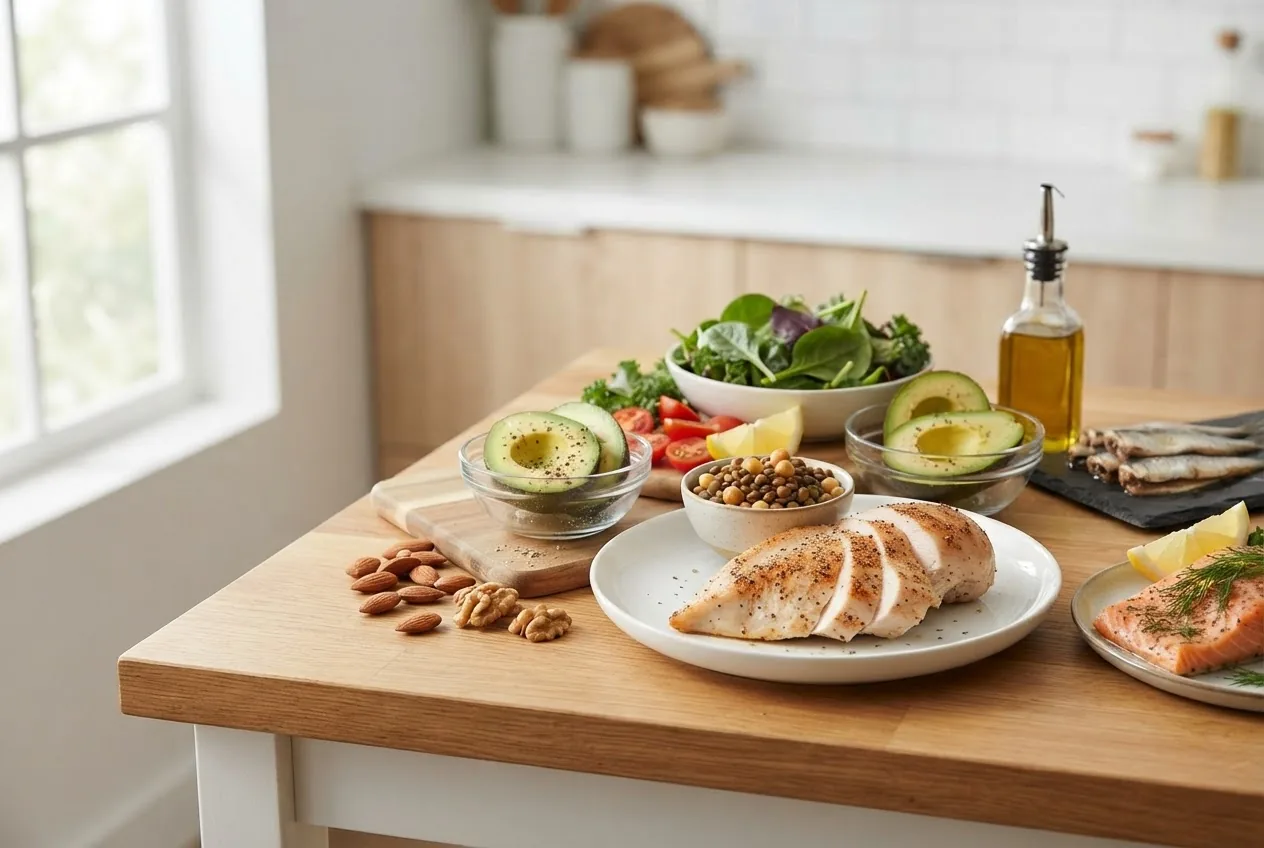
The best foods for cutting combine high protein per calorie, low energy density, strong satiety properties, and good micronutrient returns. The goal: maximize protein-to-calorie ratio, choose fats that support health without excessive calorie burden, and pick carbs that fuel training and recovery.
- Lean animal proteins — skinless chicken breast, turkey breast, lean cuts of pork loin, white fish. High protein density, low fat.
- Fatty fish — salmon, sardines, mackerel for omega-3s and protein (used modestly due to higher energy density).
- Eggs and dairy — egg whites for low-calorie protein; Greek yogurt and cottage cheese for casein-rich, slow-digesting proteins.
- Legumes and pulses — lentils, chickpeas, black beans for protein, fiber and satiety with moderate calories.
- Tofu and tempeh — plant protein with good protein-to-calorie ratios for vegetarians and vegans.
- Non-starchy vegetables — spinach, broccoli, peppers; provide volume and micronutrients with very low calories.
- Whole grains (controlled portions) — quinoa, oats, brown rice; used around workouts for performance and recovery.
- High-volume fruit — berries, melon for lower-sugar fruit options that curb sweet cravings.
- Measured healthy fats — avocado, nuts, seeds, olive oil—used strategically to aid satiety and nutrient absorption.
These foods are also thermogenic to varying degrees: protein has the highest thermic effect, increasing calorie burn after eating, which helps preserve metabolic rate during a deficit. Practical shopping lists and sample plates follow in later sections.
Now we’ll examine lean protein choices in depth and how to apply them step-by-step.
Lean Protein Choices for Effective Cutting
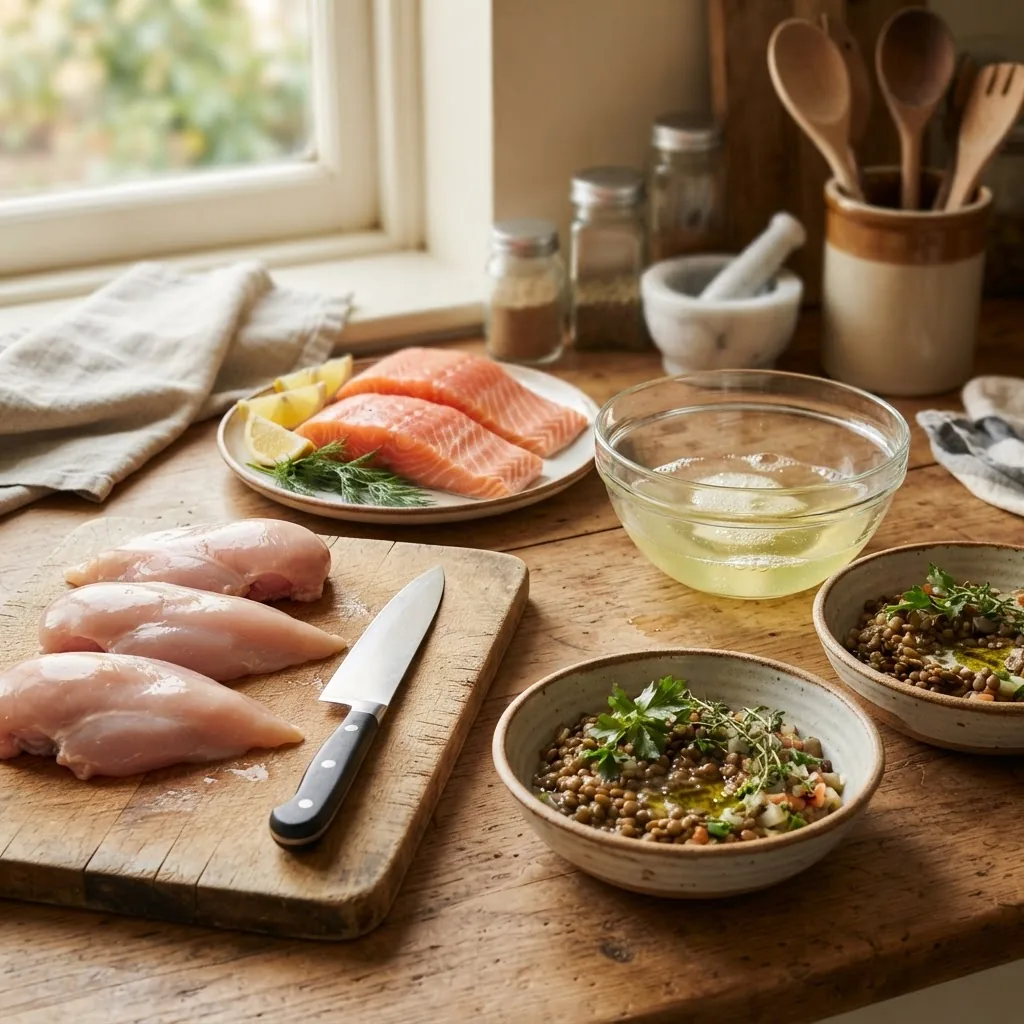
Protein is the central pillar for preserving muscle during a cutting phase. Below are practical lean protein options, ranked and described with benefits, cooking notes, and approximate nutrition per cooked 100 g portion (rounded). Nutrition figures are consistent with USDA FoodData Central.
-
Skinless chicken breast — versatile, low-fat
Benefit: ~165 kcal, 31 g protein, 3.6 g fat per 100 g cooked. Quick roast or grill; high protein-to-calorie ratio. Use in stir-fries, salads, and meal-prep bowls. Roast with lemon, black pepper, and a teaspoon olive oil for flavor without excess calories.
See budget alternatives in affordable lean protein foods.
-
White fish (cod, tilapia, haddock) — very lean
Benefit: ~90–110 kcal, 20–24 g protein, <2 g fat per 100 g cooked. Low calorie density, mild flavor, fast-cooking (pan-sear 2–3 min per side). Excellent for high-volume meals paired with steamed veggies.
-
Turkey breast — alternate poultry choice
Benefit: ~135 kcal, 29 g protein, 1–3 g fat per 100 g cooked. Use ground turkey (93% lean) in chili, meatballs, or taco bowls for texture variation.
-
Egg whites and whole eggs — flexible protein and nutrients
Benefit per 100 g cooked egg white: ~52 kcal, 11 g protein, 0.2 g fat. Whole eggs provide vitamin D, choline and healthy fats; use 1–2 whole eggs plus egg whites to hit macros while managing calories.
-
Low-fat Greek yogurt and cottage cheese — snack and post-workout
Benefit: Greek yogurt (~59 kcal, 10 g protein per 100 g plain nonfat). Cottage cheese (~98 kcal, 11 g protein per 100 g low-fat). High-quality dairy protein with calcium and casein for slow release overnight.
-
Salmon (wild or farmed) — higher fat but nutrient-dense
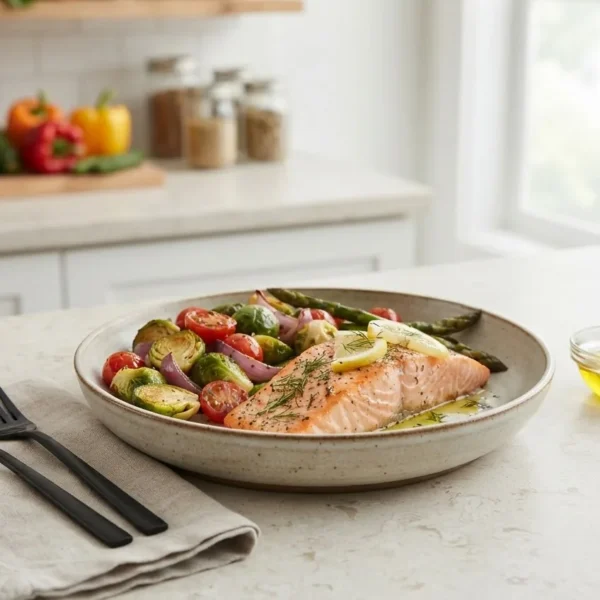
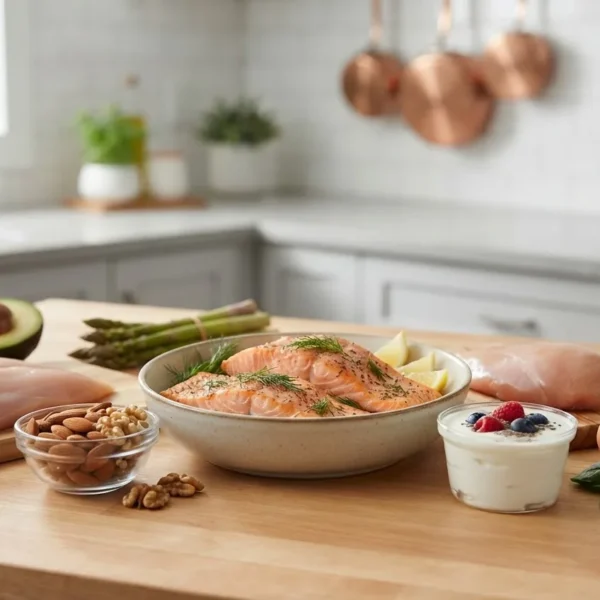
Benefit: ~206 kcal, 22 g protein, 12 g fat per 100 g cooked. Rich in omega-3s; include 2–3 servings/week. Use smaller portions (80–120 g) to control calories while getting heart-healthy fats.
Pair with best cooking oils for heart health for balanced meals.
-
Shrimp and shellfish — lean, low-calorie seafood
Benefit: ~99 kcal, 24 g protein, 0.3 g fat per 100 g cooked shrimp. Quick-cooking, great in salads or stir-fries. Low in calories and high in iodine and selenium.
-
Lean beef (sirloin, top round) — muscle-building amino acids
Benefit: ~170–210 kcal, 26–31 g protein, 7–12 g fat per 100 g cooked depending on cut. Use lean cuts and control portion sizes (85–120 g cooked servings) to manage calorie load while consuming bioavailable iron and B12.
-
Plant-based proteins (tofu, tempeh, seitan)
Benefit: Tofu (~76 kcal, 8 g protein per 100 g firm); tempeh (~195 kcal, 19 g protein per 100 g). Combine plant proteins with legumes or grains to improve amino acid profiles. different types of protein explains these classifications.
-
Legumes and pulses (lentils, chickpeas, black beans)
Benefit: Cooked lentils ~116 kcal, 9 g protein, 0.4 g fat per 100 g. Excellent fiber and protein mix; use in soups, salads, and as meat substitutes on heavier training days.
Compare protein-to-calorie ratios across foods in our protein to calorie ratio guide.
Practical table: sample cooked nutrition per 100 g (rounded). Rows alternate for readability.
| Food | Calories (per 100 g) | Protein (g) | Fat (g) |
|---|---|---|---|
| Skinless chicken breast | 165 | 31 | 3.6 |
| Cooked salmon | 206 | 22 | 12 |
| Egg whites | 52 | 11 | 0.2 |
| Greek yogurt (nonfat) | 59 | 10 | 0.4 |
| Lentils (cooked) | 116 | 9 | 0.4 |
Use these foods to build plates focused on protein density. For budget-conscious options, review our list of affordable lean protein foods.
Next, we clarify the role fats play in a cutting diet—how to include them without sabotaging progress.
Role of Healthy Fats in a Cutting Diet
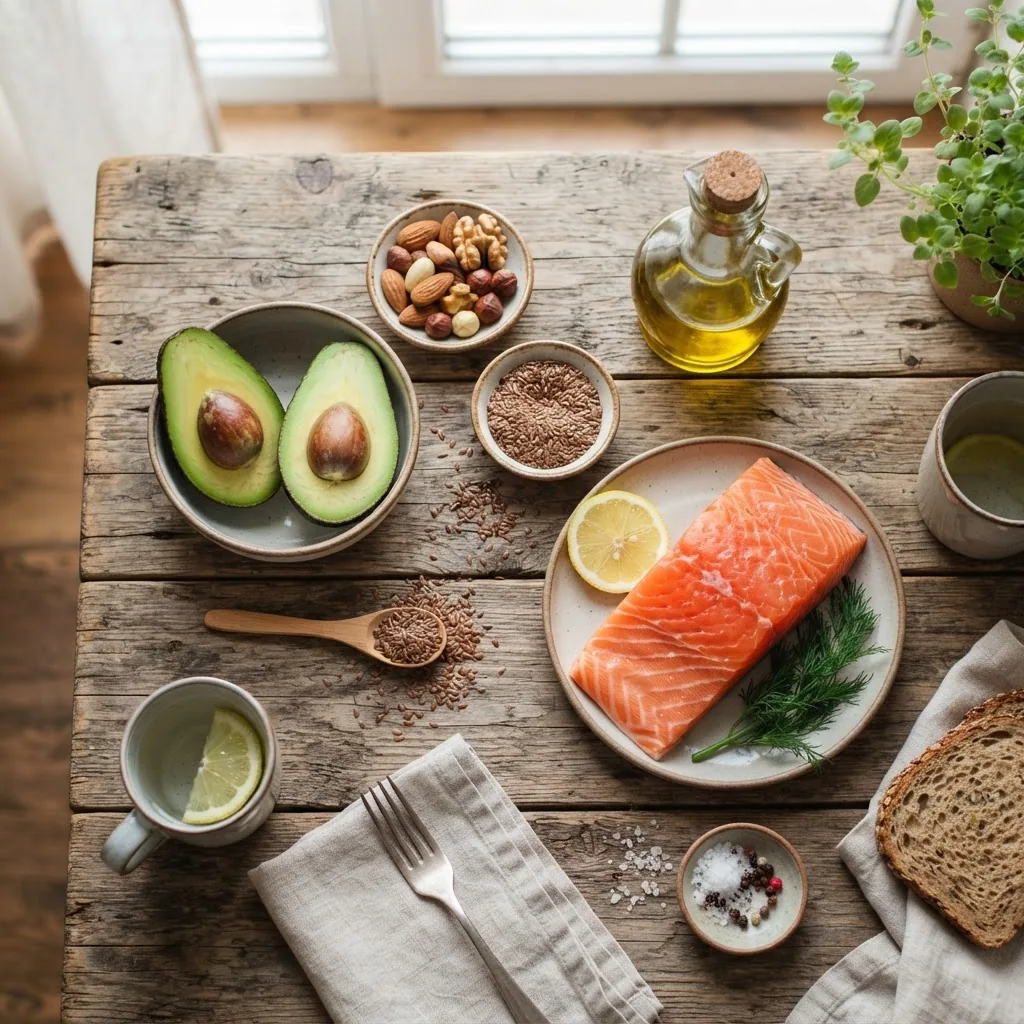
Fats are calorie-dense (about 9 kcal per gram) but essential for hormone production, cellular health, and absorbing fat-soluble vitamins. During a cut, the objective is to include targeted healthy fats in measured amounts to support satiety and recovery while keeping calories under control.
Think of dietary fat as a tool—not a villain. Use it strategically:
- Prioritize omega-3s (EPA/DHA) from fatty fish or a high-quality fish oil supplement for anti-inflammatory benefits and recovery support.
- Favor monounsaturated fats (MUFAs) from olive oil and avocados for heart health and satiety.
- Include small portions of polyunsaturated fats (PUFAs) from nuts and seeds for micronutrients and fiber.
Because fat calories add up quickly, measure oil and nut servings. For example: 1 tbsp olive oil = ~120 kcal; 14 g (a small handful) almonds ≈ 80–85 kcal. If your target fat range is 20–30% of a 2,000 kcal diet, that equates to 44–67 g fat/day (396–603 kcal).
For more on fat energy math, consult fat calorie content explained.
Choose cooking fats that align with cardiovascular health and smoke points:
- Extra virgin olive oil — monounsaturated, ideal for dressings and low-heat finishing.
- Avocado oil — higher smoke point for grilling and searing.
- Flax seeds and walnuts — omega-3 ALA sources for plant-based diets.
Read more about acceptable preparations in best cooking oils for heart health and explore broader fat options in healthy fats for weight loss.
Trade-offs to consider: fatty foods improve satiety but increase calorie density—so choose higher-fat foods sparingly on low-calorie days and aim for a balance that supports training. According to a 2024 industry report, strategic inclusion of omega-3s correlates with improved recovery markers in resistance-trained individuals (source: industry synthesis of clinical trials).
When tracking fats, weigh spoonfuls and nut portions; use cooking sprays for pans and a digital teaspoon dispenser for oils to keep portions precise.
With foods and fat roles defined, the practical question becomes: how do you eat lean day-to-day? The next section covers meal timing, portion control, and food preparation tactics.
How to Eat Lean: Meal Timing, Portion Control, and Food Preparation Tips
Eating lean is a practical discipline of meal timing, portion control, and smart cooking methods. Below are step-by-step strategies to integrate into a weekly routine.
-
Plan meals on training vs non-training days.
Action: On training days, increase carbohydrate portions by 30–50 g around workouts (pre/post); keep fat slightly lower at the meal closest to training for faster digestion. Example: pre-workout — 1/2 cup oats (27 g carbs), 1 scoop whey (20–25 g protein); post-workout — 120 g cooked rice, 120 g chicken.
-
Portion foods with concrete measures.
Action: Use a food scale. Common targets: protein 100–150 g cooked per meal (~25–40 g protein), non-starchy vegetables 150–300 g, starchy carbs 75–150 g cooked, fats 1–2 tbsp per meal as needed. If you weigh 80–90 kg and train regularly, aim toward the higher end for protein per meal.
-
Choose cooking methods that reduce added fat.
Action: Favor grilling, steaming, broiling, baking, and pan-searing with minimal oil. Roast vegetables at 400°F with a single teaspoon of oil per tray and a spray of broth to prevent sticking. Sear meats with a 1 tsp oil and finish in the oven to control fat use.
-
Use nutrient timing for appetite control.
Action: Eat a protein-rich breakfast within 60–90 minutes of waking (20–30 g protein) to stabilize hunger. Spread protein evenly across 3–4 meals to maintain muscle protein synthesis—this is especially important during a deficit.
-
Make meal-prep simple and repeatable.
Action: Batch cook two proteins (e.g., 1.2 kg chicken + 6 eggs + 2 cans of salmon) and two vegetables. Create four meal templates (e.g., Bowl A: chicken + greens + small sweet potato + 1 tbsp olive oil; Bowl B: salmon + quinoa + broccoli + 1/4 avocado). Swap sides across the week to avoid boredom.
-
Use high-volume, low-calorie foods for satiety.
Action: Add 2–3 cups mixed greens or 1–2 cups steamed vegetables to each meal. Drink 300–400 ml water 20 minutes before meals to reduce overeating. Incorporate brothy soups as a first course when you need volume without many calories.
-
Track and refine portions weekly.
Action: Re-weigh and log meals every Sunday for 3–4 meals to check calorie consistency. If weekly weight loss is >1.5% bodyweight, add 100–200 kcal/day; if <0.5% and you’ve logged accurately, reduce by 100–200 kcal/day.
-
Prepare smart snacks to avoid binges.
Action: Pre-portion nuts (14 g servings), Greek yogurt (150 g pots), or sliced vegetables with 2 tbsp hummus. Keep snacks protein-focused to minimize lean tissue loss during extended cutting phases.
-
Manage dining out with a plan.
Action: Choose grilled proteins, ask for dressings on the side, request steamed vegetables, and skip fried starters. When calories are uncertain, favor lean protein + veg and add a measured carb if needed.
Having learned how to eat lean, it’s equally important to know which foods interfere with progress.
Sample Foods to Avoid During Cutting
- Highly processed snack foods — chips, sugary bars, and pastries provide empty calories and trigger overeating; they spike blood sugar and undermine satiety.
- Sugary beverages and alcohol — liquid calories are easy to overconsume and reduce recovery quality; alcohol impairs protein synthesis and sleep quality.
- Trans fats and hydrogenated oils — harmful for heart health and low in nutrients; avoid margarine and many packaged baked goods.
- Large portions of high-fat, energy-dense foods without measurement — nuts, nut butters, and fatty cuts of meat can quickly exceed daily calorie targets if not portioned.
- High-sugar breakfast cereals and low-protein “diet” products — they may be low-fat but are often high in refined carbs and low in protein, reducing TEF and satiety.
- Bloating or gas-inducing choices before workouts — cruciferous vegetables in very large amounts or high-FODMAP meals before intense training can reduce performance; time portions earlier in the day.
Next: a concrete meal plan showing how to combine lean protein and healthy fats into daily templates.
Designing a Cutting Meal Plan: Combining Lean Protein and Healthy Fats
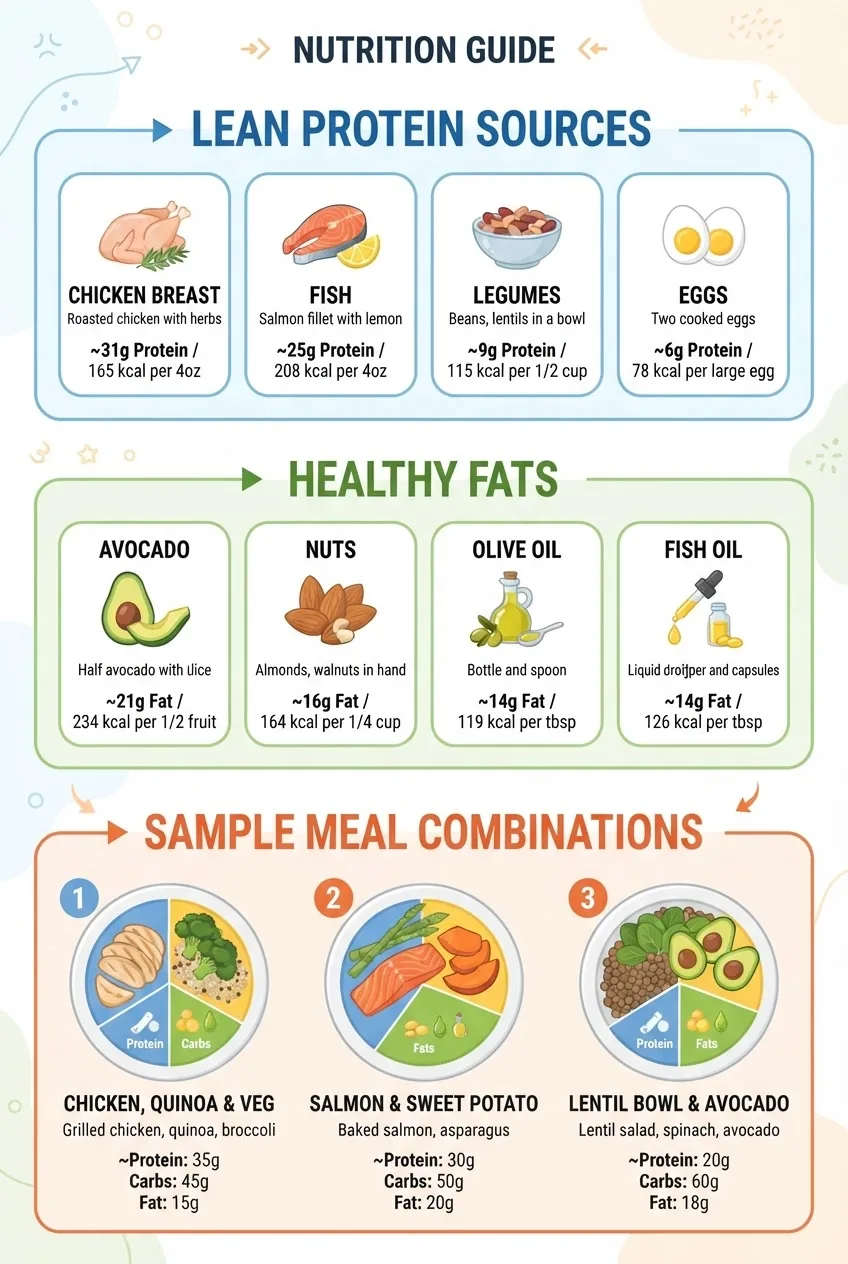
Below are practical daily templates. Adjust calories to your target; examples show approximate macronutrient splits for a 1,800 kcal cut day (~35% protein, 30% fat, 35% carbs). Swap items from the “best foods” lists as needed.
- Daily target (example): 1,800 kcal — Protein 158 g (35%), Fat 60 g (30%), Carbs 158 g (35%).
Sample Day A — Training Day
- Breakfast: 3 egg whites + 1 whole egg scrambled with spinach (25 g protein), 1/3 cup oats (27 g carbs) — add cinnamon and 1 tsp honey if desired.
- Snack: 150 g nonfat Greek yogurt + 1/4 cup berries (15 g protein)
- Lunch (pre-workout): 120 g cooked chicken breast + 1 cup cooked quinoa + large mixed salad with 1 tbsp olive oil (40–45 g protein)
- Post-workout: 1 scoop whey or plant-based protein + 1 medium banana (25–30 g protein/carbs)
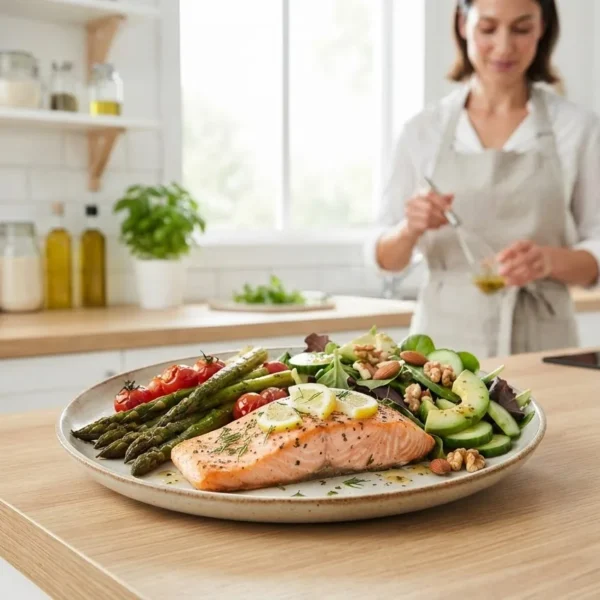
- Dinner: 100 g cooked salmon + 2 cups steamed broccoli + 1/2 cup roasted sweet potato + 1/4 avocado (35 g protein)
- Optional evening snack: 100 g cottage cheese (12–15 g protein)
Sample Day B — Rest Day (Lower Carbs)
- Breakfast: Protein pancake (30 g protein) made with protein powder and egg whites, topped with 2 tbsp Greek yogurt and berries.
- Lunch: Tuna salad (120 g tuna in water) with mixed greens and 1 tbsp olive oil (35 g protein)
- Snack: 14 g almonds + 1 medium apple (6 g protein)
- Dinner: 150 g grilled turkey breast + sautéed spinach + cauliflower rice (45 g protein)
Hydration: 2.5–3.5 L daily depending on heat and activity; in Texas summers, increase fluid intake and add electrolytes if training heavily.
Practical meal-prep tip: multiply the sample lunch by 4 and rotate two dinners per week. Use the infographic above to visualize portion swaps and macro targets.
Even with the best intentions, common mistakes can derail progress—here’s how to identify and correct them.
Common Cutting Mistakes and How to Avoid Them
-
Over-restricting calories and losing muscle.
Warning: dropping calories too fast (>20% deficit) often causes strength losses. Fix: reduce deficit to 10–15% and increase protein to 1.6–2.2 g/kg bodyweight, per consensus in sports nutrition literature (see reviews on PubMed).
-
Neglecting strength training.
Warning: cardio-only approaches accelerate muscle loss. Fix: maintain at least two quality resistance sessions per week and track load progression.
-
Skipping protein distribution.
Warning: dumping most protein at dinner reduces muscle protein synthesis across the day. Fix: aim for even protein distribution across meals—e.g., 30–35 g every 3–4 hours.
-
Relying on “low-fat” packaged foods.
Warning: many low-fat items are high in sugar and refined carbs. Fix: choose whole foods with balanced macros and measure portions.
-
Ignoring micronutrient sufficiency.
Warning: low-calorie diets can miss iron, vitamin D, calcium, and potassium. Fix: include leafy greens, dairy or fortified alternatives, shellfish, and consider lab testing and targeted supplementation as needed.
-
Failing to adjust for life events.
Warning: travel, holidays, and Texas summer bbq culture can spike calories. Fix: plan higher-protein portable snacks, log meals, choose grilled lean proteins, and fit social eating into weekly calorie budget.
Final section summarizes actionable next steps and how to start now.
Conclusion and Next Steps for Lean Cutting Success
Consistency wins: prioritize the best foods for cutting—high-protein lean meats, nutrient-dense vegetables, measured healthy fats—combine them with regular resistance training and moderate calorie deficits, and monitor weekly progress. Start with a 10–15% calorie cut, 1.6–2.2 g/kg protein target, and a simple weekly meal-prep routine. Expect noticeable changes in 4–8 weeks, clearer results by 12 weeks.
Next steps: choose one sample day above, shop for that week, batch-cook two proteins, measure portions, and log for seven days. If you need personalized programming, consider consulting a registered dietitian or sports nutrition coach.