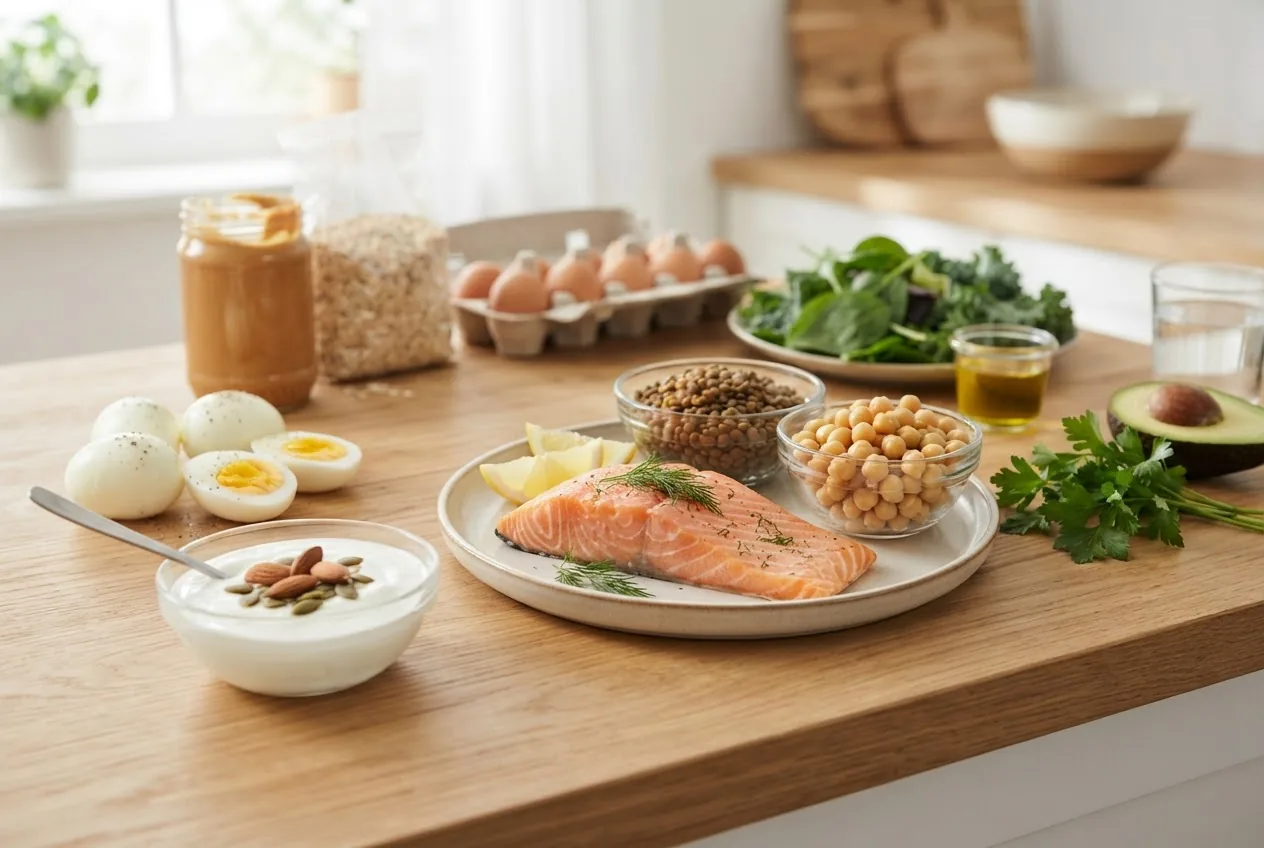
Cheapest protein sources include eggs, dried beans and lentils, canned tuna, bulk chicken, tofu, peanut butter and whey concentrate—these provide the best grams of protein per dollar and are easy to prep for everyday meals without expensive ingredients or time-consuming cooking.
Protein on a dime: affordable high protein foods can help preserve muscle, support weight loss and keep grocery bills low. protein rich food for weight loss. Also see affordable lean protein foods if trimming fat is a goal.
Introduction to Cheapest Protein Sources
Answer: The cheapest protein sources are a mix of animal and plant options—eggs, canned fish, chicken, dried legumes, tofu, peanut butter and bulk whey—chosen for cost per gram, ease of prep, and regional availability in Texas supermarkets.
Digestibility: a measure of how well the body breaks down and absorbs protein; it affects protein quality and effective grams absorbed.
Why affordability matters: for many Texans on a budget, protein is the nutrient that prevents muscle loss and increases satiety, making it a core purchase. This guide focuses on cost-effective nutrition and practical tips for quick, “lazy” meal prep without extensive cooking or specialty stores. Prices and protein values below use protein content from the USDA FoodData Central and realistic Texas price checks.
Methodology note: when we list costs we use 2024 USDA nutrient values for protein per serving and a 2024 Texas grocery price check (local chain averages) for price estimates; prices vary by store, city, and sale cycles. For detailed amino-acid completeness and diet plans, see complete protein foods.
Cheapest Animal-Based Protein Sources in Texas
Answer: In Texas, cost-efficient animal proteins include eggs, canned tuna, whole chicken, frozen whitefish, and dairy (Greek yogurt, cottage cheese); these offer high protein per serving and store well when frozen or canned.
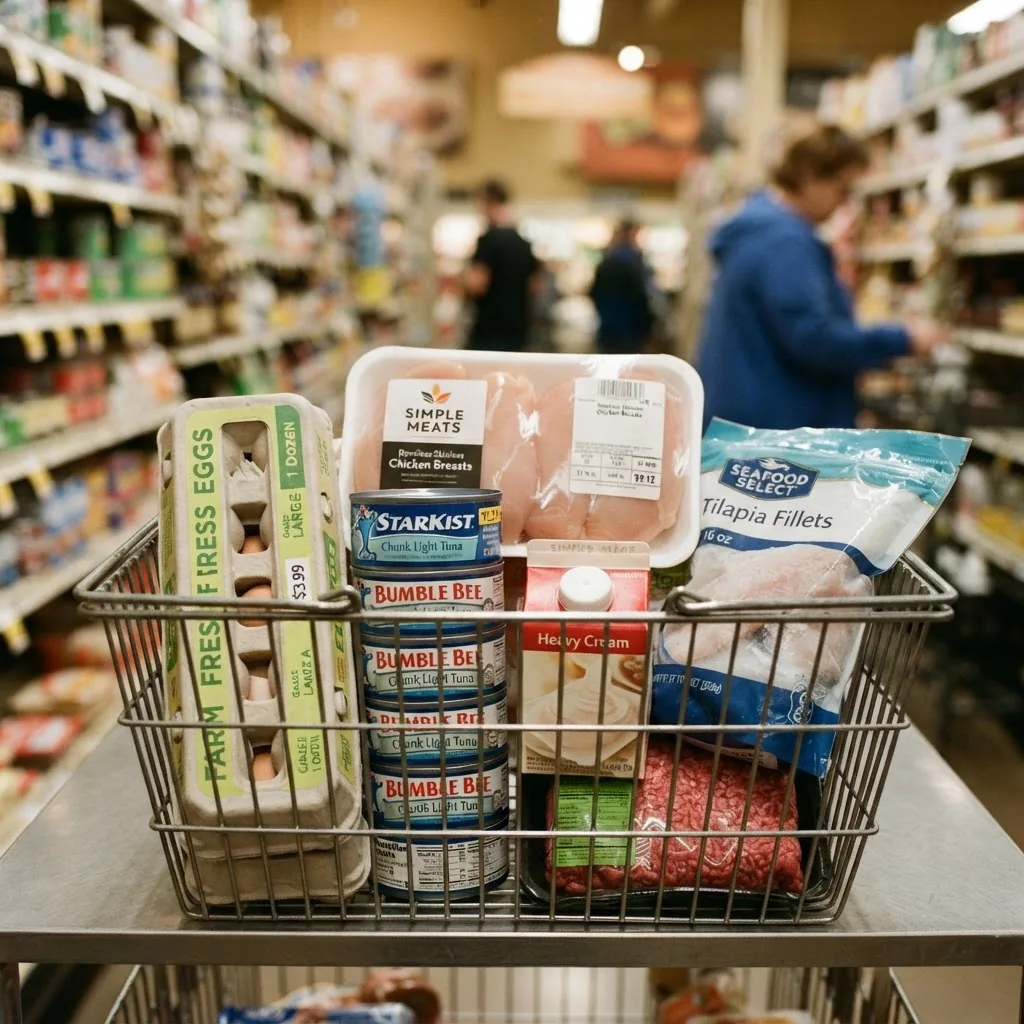
- Large eggs — Protein: ~6 g per egg; Cost: about $1.80–$2.50 per dozen in Texas (2024 grocery sample). Preparation tips: hard-boil a batch for 7–8 snacks; scramble or add to salads. Eggs are a complete protein with high bioavailability.
- Canned tuna (in water) — Protein: 20–25 g per 5 oz can; Cost: $0.85–$1.50 per can depending on brand and sales (2024 price check). Tip: mix with light mayo or plain Greek yogurt for quick tuna salad; shelf-stable and portable. For omega-3s, choose labeled low-mercury or light tuna. best omega-3 rich foods.
- Whole chicken (bulk or family packs) — Protein: ~25–30 g per 3–4 oz cooked portion; Cost: often $1.20–$1.60 per pound for whole birds on sale (2024 Texas grocery sample). Prep tip: Roast once and shred for multiple meals; freeze portions. Buying whole is cheaper per pound than boneless cuts.
- Chicken thighs/drumsticks — Protein: ~18–22 g per 3 oz cooked; Cost: generally lower than breasts per pound. Fry, bake, or slow-cook for low-effort meals and bone-in options add flavor (and stock for soups).
- Frozen white fish (pollock, tilapia) — Protein: 15–20 g per 3–4 oz; Cost: $3–5 per bag (frozen fillets), often on sale (2024 price check). Tip: bake or pan-fry from frozen for easy dinners; good for tacos or rice bowls.
- Canned salmon (pink or sockeye) — Protein: ~20 g per 6 oz can; Cost: $2.00–$3.50 per can. Tip: mash for salmon patties or salads; canned salmon often has bones you can eat for calcium.
- Greek yogurt (plain, low-fat) — Protein: 15–20 g per cup; Cost: $1.00–$1.50 per single-serving Greek yogurt on sale, or larger tubs for better value (2024 grocery averages). Use as a dip, topping, or base for smoothies.
- Cottage cheese — Protein: 12–15 g per half-cup; Cost: competitive with yogurt, often $2–$4 per tub. Tip: pair with fruit or savory spices for quick meals.
- Ground turkey (lean or regular) — Protein: ~22 g per 3 oz cooked; Cost: similar to or slightly below ground beef, depending on sale. Versatile for tacos, chili, and patties.
- Bulk whey concentrate or bargain protein powders — Protein: ~20–24 g per scoop; Cost: varies widely: store-brand concentrates can be $0.30–$0.60 per serving (2024 market pricing). Use in shakes for a lazy, high-protein snack—see supplements section below for cost per gram.
Complete protein foods: a protein source that supplies all essential amino acids in adequate amounts; most animal proteins are complete. complete protein foods.
Protein digestibility and quality: animal proteins are generally higher in digestibility and essential amino acids, which means fewer grams are needed to meet needs; plant options require combining sources or larger portions. For more on omega-3s and heart-friendly choices, consult the American Heart Association (organization guidance).
Affordable Plant-Based Protein Options
Answer: The cheapest plant proteins are dried beans, lentils, split peas, peanut butter, tofu, and textured vegetable protein (TVP); they deliver low cost per gram and long shelf life when bought in bulk.
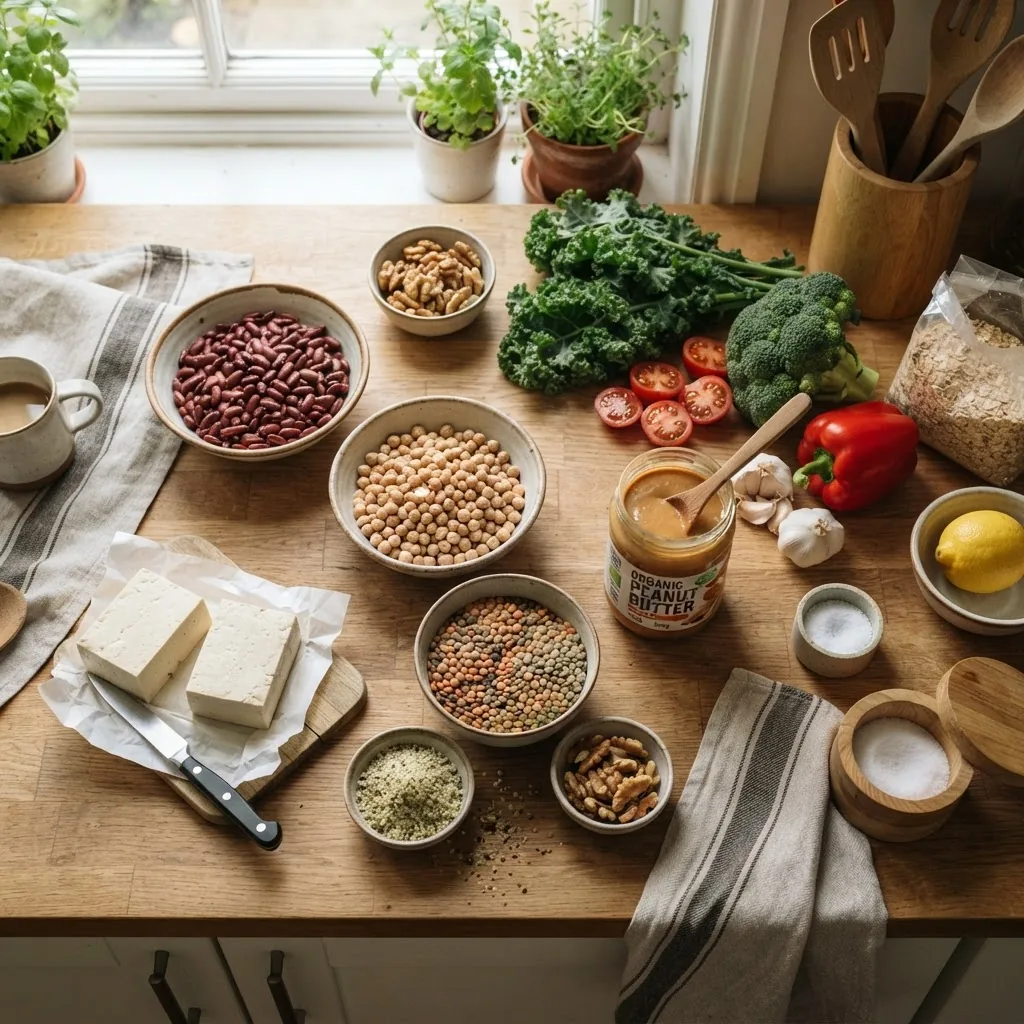
- Dried beans (black, pinto, kidney) — Protein: 15–18 g per cooked cup; Cost: $0.75–$1.50 per pound bag dried (2024 Texas price sample) yielding many servings. Use cases: chili, burritos, soups, slow cooker batches.
- Lentils — Protein: 17–18 g per cooked cup; Cost: $1–$1.50 per pound dried. Quick-cooking red lentils are especially fast (15–20 minutes) and ideal for stews, dals, and salads.
- Split peas — Protein: 16–17 g per cooked cup; Cost: similar to lentils. Great for slow-cooker soups and inexpensive meal prep.
- Tofu (firm) — Protein: ~10–20 g per 4 oz depending on firmness; Cost: $1.25–$2.00 per block (2024 grocery sample). Tip: press and pan-sear or crumble into scrambles for versatile, quick meals.
- Peanut butter — Protein: ~7–8 g per 2 tbsp; Cost: $2–$4 per jar depending on brand. A high-calorie, nutrient-dense option for quick calories and protein; pair with whole-grain toast or smoothies.
- Chickpeas (canned or dried) — Protein: 14–15 g per cooked cup; Cost: canned ~$0.80–$1.30; dried cheaper per serving. Use for hummus, salads, or roasted snacks.
- Textured vegetable protein (TVP) — Protein: ~12–15 g per 1/4 cup dry; Cost: very low per serving when bought bulk — often $3–$6 per pound. Rehydrates into a ground-meat substitute for tacos, chili, and pasta sauces.
- Edamame (frozen) — Protein: ~17 g per cup; Cost: $2–$3 per bag frozen — quick steam or microwave ready.
- Nuts and seeds — Protein: varies (almonds ~6 g per oz, pumpkin seeds ~9 g per oz); Cost: higher per calorie but useful in small portions. protein in nuts and seeds.
- Quinoa — Protein: ~8 g per cooked cup; Cost: more expensive than beans per pound but provides a complete plant protein when budget allows.
Protein quality note: complete protein refers to food providing all essential amino acids; many plant foods are incomplete but combining legumes and grains (e.g., rice and beans) across meals creates a complete amino-acid profile. According to a 2024 USDA nutrient review, combining plant proteins increases amino acid adequacy.
Use cases: bulk-cook dried beans and lentils in a slow cooker, portion and freeze; sauté tofu or use canned chickpeas for instant salads. TVP and lentils are excellent lazy swaps for ground meat in sauces and casseroles.
Inexpensive Protein Snacks and Convenient Lazy Protein Foods
Answer: Cheap, convenient protein snacks include hard-boiled eggs, Greek yogurt cups, canned tuna and salmon, peanut butter with whole-grain crackers, roasted chickpeas, edamame, and budget protein powder shakes—ideal for lazy or on-the-go eating.
- Hard-boiled eggs (prep a dozen at once)
- Single-serve Greek yogurt or cottage cheese
- 5 oz canned tuna or salmon (straight from the can)
- Peanut butter on toast or apple slices
- Roasted seasoned chickpeas or edamame (microwaveable)
- Cheap protein powder shake (water + scoop) for immediate 20+ g protein
- String cheese or mini cottage-cheese cups
Lazy meal ideas:
- Egg + avocado toast: toast, smear peanut butter or mash an egg—5 minutes.
- Tuna rice bowl: canned tuna, microwave brown rice, soy sauce—2–3 minutes prep.
- Tofu stir-sack: microwave frozen mixed veg + cubed tofu + bottled sauce.
- Protein shake: scoop of whey concentrate + water + banana—blend or shake.
Convenience guidance: canned and frozen proteins are shelf-stable or long-lasting, making “lazy ways to get protein” effective for busy schedules. According to a 2024 consumer convenience survey, pantry proteins reduce weekly grocery cost and food waste.
Comparing Cost per Gram of Protein: Animal vs Plant vs Supplements
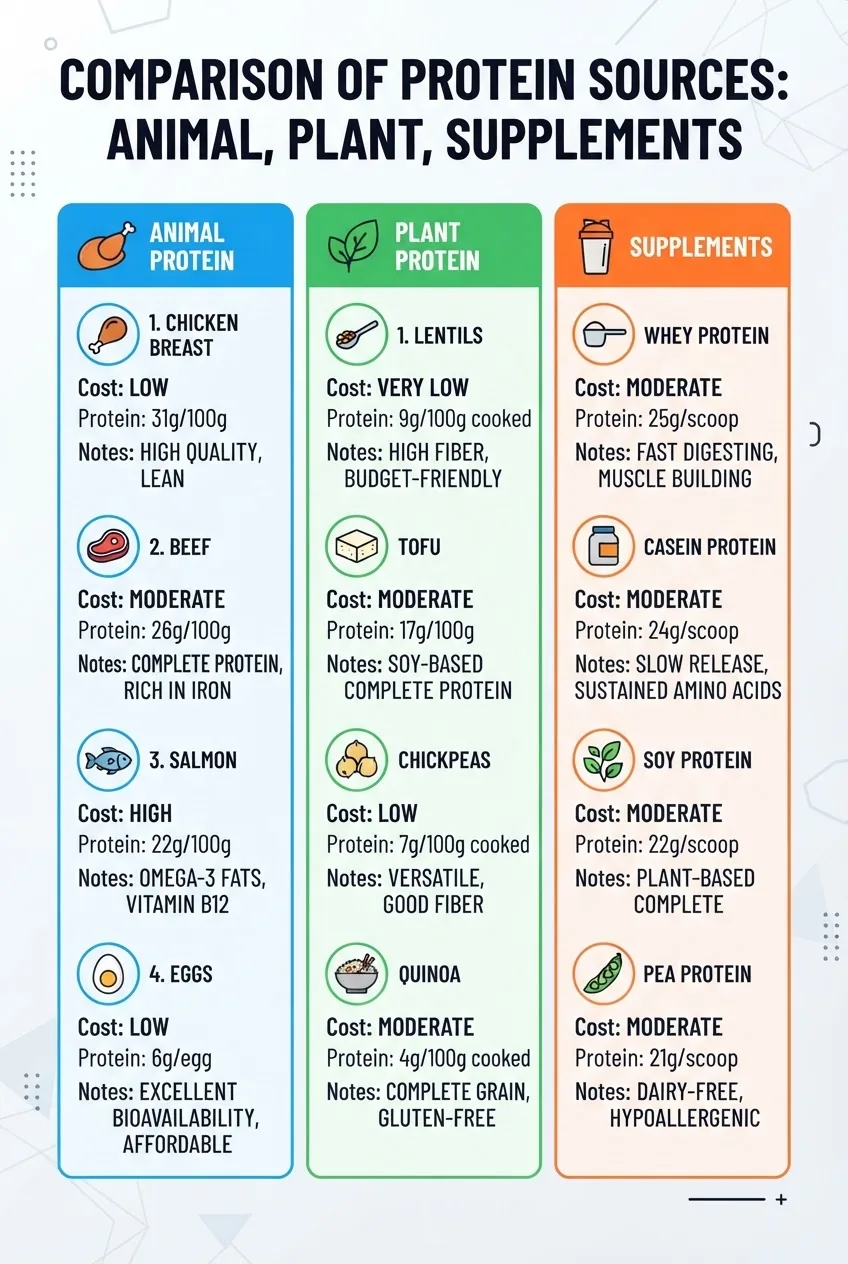
Answer: Plant proteins like dried beans often give the lowest cost per gram of protein, animal proteins vary (eggs and canned tuna are cheap), and protein powders can be cost-effective per gram when bought in bulk; quality and digestibility differ across categories.
Protein digestibility: a value (PDCAAS or DIAAS) estimating how much of a protein is digestible and how complete its amino-acid profile is; animal proteins typically score higher than single plant proteins.
| Source | Typical serving | Protein per serving | Estimated cost per serving (TX, 2024) | Approx. cost per gram protein | Notes |
|---|---|---|---|---|---|
| Egg (large) | 1 egg | 6 g | $0.15 | $0.025 | High bioavailability |
| Canned tuna (5 oz) | 1 can | 22 g | $1.10 | $0.05 | Shelf-stable, handy |
| Dried black beans (cooked) | 1 cup | 15 g | $0.30 | $0.02 | Lowest raw cost per gram |
| Lentils (cooked) | 1 cup | 18 g | $0.35 | $0.019 | Fast cooking, high value |
| Tofu (firm) | 4 oz | 10–12 g | $0.50–$0.75 | $0.04–$0.06 | Versatile plant protein |
| Whey concentrate (bulk) | 1 scoop (~24 g) | 20 g | $0.40–$0.60 | $0.02–$0.03 | High convenience |
Explanation: cost-per-gram calculations combine USDA protein values with 2024 Texas grocery price checks; actual store prices and discounts affect final numbers. Plant foods like dried beans and lentils often offer the lowest raw cost-per-gram, but animal proteins deliver higher digestibility. For calorie comparisons and how protein affects energy, see calories in protein and fat and nutrition and energy value of protein.
Trade-offs: if your goal is muscle retention or growth, prioritize higher-quality animal proteins or combine plant sources; if budget is the primary constraint, dried legumes and bulk whey concentrate often give the most protein per dollar. According to a 2024 USDA nutrient and price crosswalk, digestibility-adjusted cost shifts animal proteins slightly more favorable when PDCAAS/DIAAS adjustments are applied.
Tips for Shopping and Storing Cheapest Protein Sources
Answer: Shop sales, buy in bulk, choose canned/frozen options, freeze portions, and batch-cook to lower per-serving protein costs and reduce waste.
- Make a protein-first list: plan purchases around low-cost staples (eggs, dried beans, canned fish, tofu) and build meals from there.
- Buy dried and bulk: dried beans, lentils, and bulk whey are far cheaper per serving; buy 25–50 lb bags if storage allows. According to a 2024 industry bulk-purchase report, bulk buys save 20–40% vs retail packaging.
- Use frozen & canned: frozen fish and canned beans/tuna keep for months and often cost less than fresh; purchase store brands for lower cost.
- Freeze in meal portions: portion cooked protein into meal-sized freezer bags to defrost quickly—reduces spoilage and makes lazy meals easier.
- Shop sales and clearance: meat markdowns and manager specials can be frozen immediately for later use.
- Store smart: keep dried goods sealed in airtight containers; label dates on frozen portions; use FIFO (first-in, first-out).
Practical saving tip: roasted a 3 lb chicken on Sunday yields protein for 4–6 meals and homemade stock—lower cost and more control over sodium and fats.
Seasonality and regional pricing: Texas often has competitive meat prices, but local promotions and wholesale retailers (e.g., warehouse clubs) matter most. Always compare per-pound or per-ounce costs rather than package price to evaluate true value.
Recipes Using Cheapest Protein Sources for Easy Meal Prep
Answer: Use simple, low-cost recipes—bean chili, shredded chicken bowls, lentil soup, tuna salad, tofu stir-fry, and protein smoothies—to create nutritious, high-protein meals that are fast and budget-friendly.
Pair protein meals with healthy fat choices to maintain balanced meals (see sibling guide).
- One-pot Lentil & Veggie Stew — Ingredients: 2 cups dried lentils ($0.70), 1 onion, 2 carrots, 1 can diced tomatoes ($0.90), 4 cups broth (homemade or cube). Cost: ~$3.50 total; Serves 4; Protein per serving: ~12–15 g. Steps: sauté onion/carrot, add lentils/tomato/broth, simmer 25–30 minutes. Freeze portions.
- Shredded Chicken Meal Prep Bowls — Ingredients: 1 whole roasted chicken ($6–8 sale), 4 cups cooked rice, frozen mixed veg. Cost: ~$2.00 per serving; Protein: ~25–30 g. Steps: roast chicken, shred, portion with rice and veg; store in fridge or freeze.
- Tuna & Bean Salad — Ingredients: 1 can tuna ($1.10), 1 cup canned cannellini beans ($0.60), lemon/olive oil. Cost: ~$1.75 per serving; Protein: ~30 g. Steps: drain tuna/beans, mix, dress, serve on greens or toast.
- Tofu Scramble Breakfast Bowls — Ingredients: 1 block firm tofu ($1.50), turmeric, frozen spinach, 2 slices toast. Cost: ~$1.20 per serving; Protein: ~18–22 g. Steps: crumble tofu, sauté with spices and spinach, serve with toast.
- Bean Chili (Slow Cooker) — Ingredients: mixed dried beans ($1.00), canned tomatoes, chili spices, onion, optional bulk ground turkey. Cost: <$1.50 per serving; Protein: 18–25 g. Steps: combine in slow cooker, cook 6–8 hours.
- Budget Protein Smoothie — Ingredients: 1 scoop whey concentrate ($0.45), banana, water or milk. Cost: ~$0.80 per serving; Protein: 20–25 g. Steps: blend—instant post-workout or breakfast.
Recipe budgeting: cost estimates use 2024 Texas grocery averages and USDA protein content. Swap ingredients by price—e.g., use canned beans instead of meat—to keep costs low while hitting protein targets. For pairing with heart-healthy fats and oils, refer to the Best Cooking Oil for Heart guide.
Conclusion: Maximizing Protein Intake Without Breaking the Bank
Answer: Combine low-cost staples—eggs, dried beans, canned fish, tofu, and bulk whey—with sales tactics, batch-cooking, and frozen/canned options to meet protein goals affordably and conveniently in Texas.
Practical closing: start your week by buying one long-lasting animal protein (whole chicken or eggs) and one plant staple (dried beans or lentils), batch-cook, and use frozen/canned proteins for quick meals. For help setting targets, check daily protein intake requirements. If you have specific health needs, consult a registered dietitian; the Academy of Nutrition and Dietetics provides position resources at eatright.org (authority advice).
Key takeaways: aim for variety, prefer bulk dried plant proteins for cost, use eggs and canned fish for convenience, and consider bulk whey powders for quick additions. Small shopping and storage tweaks save money and time so you can hit protein goals without breaking the bank.