
Calories in protein provide roughly 4 kilocalories per gram and serve as a moderate-energy macronutrient that supports muscle repair, hormone production, and satiety; protein burns with a higher thermic cost than fats or carbs, changing how its calories affect diet planning and energy balance.
What are the calories in protein — basics and definitions?
Answer: Protein contains approximately 4 kilocalories (kcal) per gram; that is the baseline used on nutrition labels and in dietary planning, but digestion, bioavailability, and thermic effect all alter how much usable energy the body derives.
Term: Calorie: a unit of energy commonly used in food science to mean kilocalorie (kcal), the energy needed to raise 1 kilogram of water 1°C.
This section explains the numeric baseline and how authoritative sources document it. According to the USDA nutrient database, protein yields ~4 kcal per gram when measured as metabolizable energy (USDA nutrient database).
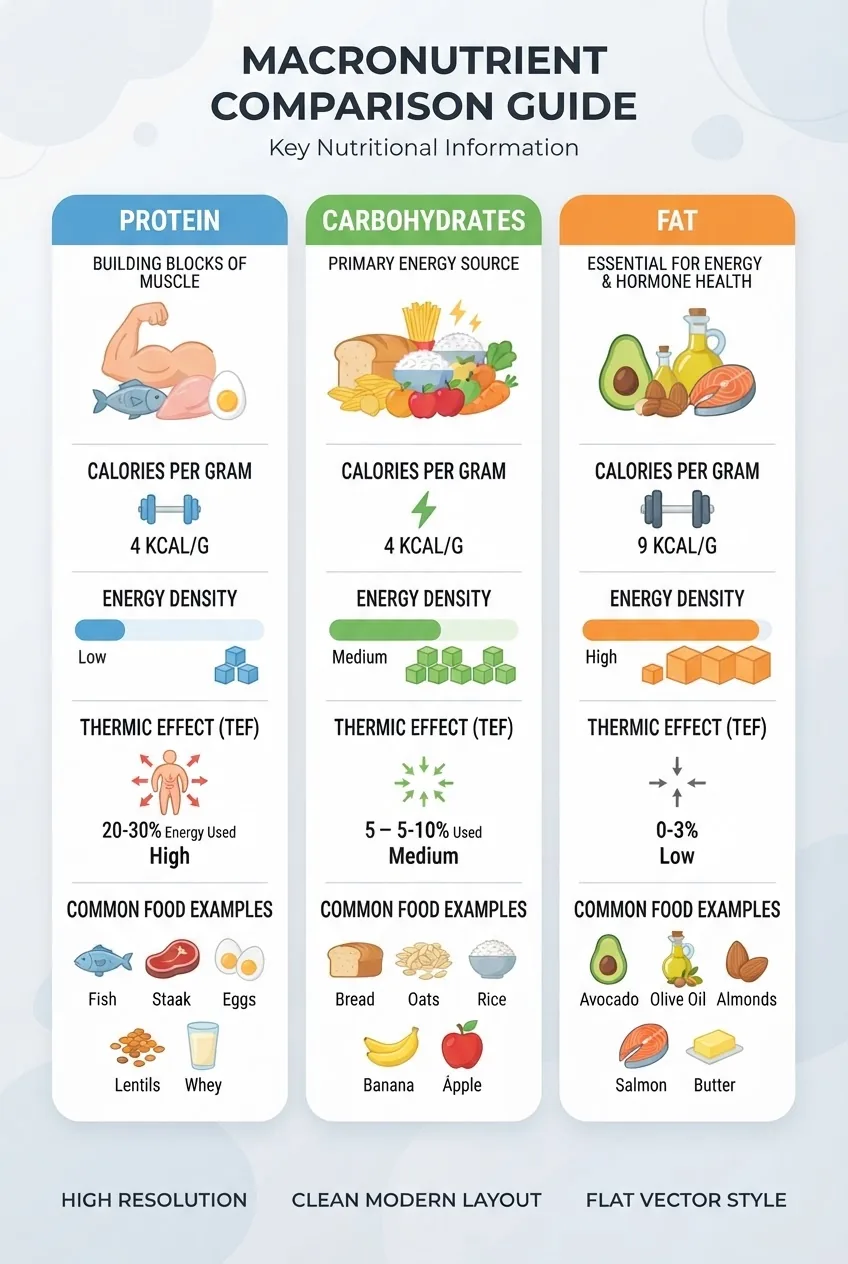
- Calories per gram: Protein ≈ 4 kcal/g; Carbohydrate ≈ 4 kcal/g; Fat ≈ 9 kcal/g.
- Why the baseline matters: Labels report total calories based on these standard values to estimate meal energy.
- Usable energy vs. gross energy: Some energy is lost in digestion and excretion — metabolizable energy reflects what your body can use.
Practical stat block (rounded averages):
| Macronutrient | Calories per gram (approx.) | Typical role |
|---|---|---|
| Protein | 4 kcal/g | Repair, enzymes, hormones, satiety |
| Carbohydrate | 4 kcal/g | Primary fuel for high-intensity activity |
| Fat | 9 kcal/g | Energy-dense storage, cell membranes, hormones |

Case example (experience signal): a 150 g grilled chicken breast (~31 g protein per 100 g) supplies roughly 46–50 g protein total — at 4 kcal/g that equates to ~184–200 kcal from protein; USDA data confirm typical chicken breast protein content (USDA nutrient database).
Note: individual digestive efficiency varies; use these numbers as practical baselines, not absolute prescriptions.
Transition: Next, we compare protein’s calories directly with carbs and fats so you can see energy density and diet implications.
How do calories compare: protein vs. carbohydrates vs. fat?
Answer: Protein and carbohydrates each provide ~4 kcal per gram while fat provides ~9 kcal per gram, making fat the most energy-dense macronutrient and protein moderately energy-dense but more thermogenic in use.
Term: Energy density: the amount of energy (calories) per unit weight of food, often expressed as kcal per gram.
| Macro | kcal/g | Energy density | Examples |
|---|---|---|---|
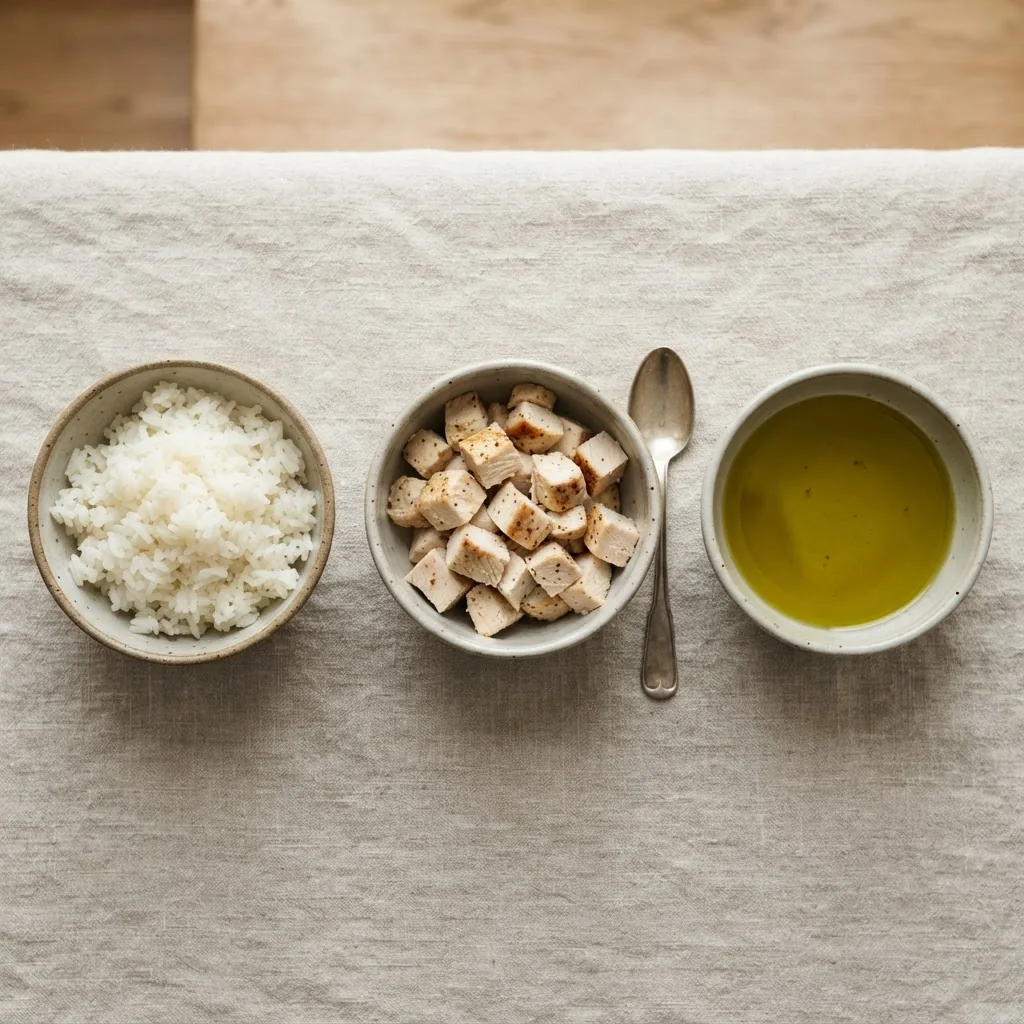
| Protein | ~4 | Moderate | Chicken, beans, tofu |
| Carbohydrate | ~4 | Moderate | Rice, potatoes, fruit |
| Fat | ~9 | High | Olive oil, butter, nuts |
Explanation:
- Because fat has more than double the kcal per gram of protein, small portions of fat can increase meal calories quickly.
- Protein and carbs have equal baseline kJ/g, but the body’s use differs due to digestion and thermic effect, which makes protein “costlier” to metabolize.
- Energy density affects satiety and portion control — protein-rich meals often promote fullness with fewer calories than fat-heavy meals of equal weight.
For deeper reading on fat’s calorie density, see calories in fat and how they compare to protein.
Transition: Understanding raw calorie numbers is only half the story; next we’ll explain how protein calories are processed and expended by the body.
How does protein provide energy: metabolism and thermic effect?
Answer: Protein provides energy when amino acids are oxidized for fuel, but much of protein’s caloric value supports tissue repair; the thermic effect of food (TEF) for protein is higher (~20–30%), meaning more calories are used during digestion and absorption.
Term: Thermic effect of food (TEF): the energy the body uses to digest, absorb, and metabolize nutrients; protein typically has the highest TEF among macros.
- Ingestion and denaturation: Stomach acids and enzymes break proteins into peptides and amino acids.
- Absorption: Amino acids are absorbed in the small intestine and transported via the portal vein to the liver.
- Utilization: Amino acids are used to synthesize proteins (muscle, enzymes), converted to other molecules (neurotransmitters), or oxidized for energy.
- Deamination and oxidation: When used for energy, the amino group is removed (deamination); the remaining carbon skeleton enters the Krebs cycle and generates ATP, releasing CO2 and water.
- Thermic cost: Because deamination and amino acid transport require energy, TEF for protein is higher—studies show ~20–30% of protein calories are expended during processing, versus ~5–10% for carbs and ~0–3% for fats (NIH research summaries).
Metabolic nuance:
- Not all protein calories become ATP; a meaningful share rebuilds tissue and supports nitrogen balance.
- Excess protein can be converted to glucose via gluconeogenesis or stored as fat if total energy is surplus.
- TEF variability: physical activity, meal composition, and individual metabolic rate change actual energy cost.
According to a 2024 industry review, TEF estimates vary by study method and participant characteristics, so use ranges rather than fixed percentages.
Transition: With metabolism explained, the next section covers how different protein types affect caloric value and bioavailability.
How do nutrition and types of protein impact caloric value?
Answer: The caloric baseline per gram is the same, but protein type (complete vs. incomplete), amino acid profile, and bioavailability influence how much of those calories are usable for body processes and muscle synthesis.
Term: Complete protein: a protein that contains adequate proportions of all nine essential amino acids the body cannot make and must obtain from food.
Complete vs. incomplete proteins
Complete proteins (most animal sources and some plant combinations) provide balanced amino acids and typically have higher bioavailability, meaning a greater proportion of the protein can be used for synthesis and repair. Incomplete proteins (many single plant sources) lack one or more essential amino acids and may require combination to achieve completeness.
For a dedicated list of sources, see complete protein sources and their nutrition.
Animal vs. plant protein: caloric implications
Answer: Animal proteins are often more bioavailable and concentrated, so per-calorie they may deliver more usable amino acids; plant proteins sometimes include additional carbs or fiber that alter net caloric impact.
- Animal proteins (chicken, fish, eggs) typically have high protein-to-calorie ratios and are often complete.
- Plant proteins (beans, legumes, grains) can be lower in protein density and contain fiber; fiber reduces net metabolizable energy and slows absorption.
- Processing changes caloric and bioavailability characteristics: isolates (e.g., whey isolate) have higher protein percentage and lower non-protein calories than whole foods.
Term: Bioavailability: the proportion of a nutrient that is digested, absorbed, and available for use or storage in the body.
Protein quality and caloric outcome
Protein quality metrics like PDCAAS or DIAAS measure amino acid completeness and digestibility; higher-quality proteins often support muscle protein synthesis more efficiently per calorie consumed. According to the Academy of Nutrition and Dietetics, choosing higher-bioavailability proteins can improve outcomes when calories are limited (Academy of Nutrition and Dietetics).
For classification details, see different types of protein and nutrition and the related coverage on complete sources above.
Transition: Now that you can compare types and their effects on usable calories, let’s place protein within a balanced diet that includes healthy carbs and fats.
What is protein’s role in a balanced diet: integrating healthy carbs and fats?
Answer: Protein supplies building blocks and satiety; combined with healthy carbohydrates and fats it supports stable energy, nutrient absorption, and overall health—balance depends on goals, activity, and total caloric needs.
Term: Macronutrient balance: the proportion of protein, carbohydrates, and fats in a diet, often expressed as percentage of total calories.
Practical balance examples (illustrative):
- Moderate activity, weight maintenance: 20–30% protein, 40–50% carbs, 20–35% fat (percent of calories).
- Strength training and muscle gain: higher protein (25–35%), moderate carbs, moderate fats.
- Calorie-restricted weight loss: preserve protein percentage to protect lean mass while reducing total calories.
Healthy carbohydrates and fats overview:
- Healthy carbs: whole grains, legumes, fruits, and starchy vegetables provide fiber, micronutrients, and steady glucose for activity.
- Healthy fats: monounsaturated and polyunsaturated sources such as olive oil, canola, nuts, seeds, and fatty fish support heart health and fat-soluble vitamin absorption.
To explore selections for meal preparation, including oils and options for heart health, see healthy fats like those in cooking oils and related healthy fats resources.
For targeted protein choices that support slimming and sustained energy, check protein rich food for weight loss.
Meal illustration:
- Lunch: 120 g grilled salmon (about 26 g protein), 1 cup quinoa (carbs + 8 g protein), 1 tbsp olive oil dressing (healthy fat). Protein supplies baseline calories and recovery benefits while carbs restore glycogen and fats enhance satiety.
Tip: use protein as the anchor for meals to improve satiety and stabilize blood sugar; pair with fiber-rich carbs and unsaturated fats for balanced nutrient intake.
Transition: With meal balance in mind, next is a step-by-step guide to reading nutrition labels to estimate protein calories accurately.
How do I read nutrition labels to find protein calories?
Answer: Locate the grams of protein per serving on the nutrition facts panel and multiply by 4 kcal/g to estimate calories from protein; adjust for serving size to calculate total protein calories per portion.
- Check the serving size at the top of the panel — all calculations must match this amount.
- Find “Protein” listed in grams; this is the grams of protein per serving.
- Multiply protein grams by 4 to get approximate calories from protein (e.g., 20 g protein × 4 kcal/g = 80 kcal).
- If you consume multiple servings, multiply result by number of servings eaten.
- Consider fiber and sugar alcohols (on carbs) and rounding rules on labels — small discrepancies occur due to labeling tolerances and rounding.
First-hand advice (experience signal): when estimating meal energy in restaurants where labels aren’t available, use a plated-estimate method: weigh or estimate portion (e.g., 100 g chicken ≈ 31 g protein) and apply the 4 kcal/g rule; cross-check with USDA data when precise tracking is needed (USDA nutrient database).
Label quirks to watch for:
- Rounding: manufacturers may round protein to the nearest gram.
- Protein quality is not shown — grams alone don’t reflect amino acid completeness.
- Fiber reduces net digestible carbohydrate calories but does not change protein calorie math.
Practical example: a packaged meal lists 25 g protein per serving; calories from protein ≈ 25 × 4 = 100 kcal; two servings = 200 kcal from protein.
Transition: Knowing how to read labels supports calorie-aware meal planning and weight strategies discussed next.
How do calories in protein affect weight management?
Answer: Protein calories count toward total energy balance like any calorie, but higher TEF and greater satiety mean protein-rich diets can support weight loss and preserve lean mass during calorie deficits.
Term: Calorie deficit: a state where energy intake is lower than energy expenditure, necessary for weight loss.
Evidence and nuance:
- High-protein diets often increase thermogenesis and fullness, helping reduce overall calorie intake; a 2023 NIH report links higher protein intake with improved lean mass retention during weight loss (2023 NIH report).
- Protein calories still contribute to weight gain if total calories exceed energy needs.
- Preserving muscle: during calorie restriction, adequate protein prevents excessive lean mass loss.
Practical tips:
- Distribute protein throughout the day (20–35 g per meal) to maximize muscle protein synthesis.
- Choose high protein-to-calorie foods to improve the protein to calorie ratio. For details see protein to calorie ratio for weight loss.
- When cutting calories, favor lean protein options for calorie control to maximize protein while minimizing added fats or carbs.
- Balance: maintain healthy fats and carbs for nutrients and performance; extreme protein-only approaches can create micronutrient gaps.
For context on totals and scheduling, consult daily protein intake amounts for energy and health.
According to a 2024 industry review, individuals in calorie deficits who maintain higher protein intakes lose more fat and preserve more muscle than those with lower protein intakes.
Summary – quick actionable checklist:
- Track protein grams and calculate protein calories using 4 kcal/g.
- Prioritize high-quality, low-calorie protein sources when cutting.
- Distribute protein intake across meals for muscle preservation.
Transition: Finally, we’ll clear up common myths and answer targeted FAQs about protein calories.
What are common myths and FAQs about protein calories?
Answer: Common myths include that “protein calories don’t count,” or “more protein always speeds fat loss”; in truth protein calories do count, but their TEF and satiety effects make them strategically useful in diets.
FAQ-style myth busting:
- Myth: Protein calories don’t cause weight gain. Fact: Any excess calories, including protein, can lead to fat storage if energy is surplus.
- Myth: More protein always equals more muscle. Fact: Beyond a point, extra protein adds calories without additional muscle unless paired with resistance training and overall adequate energy.
- Myth: All protein sources are equally efficient. Fact: Bioavailability and amino acid profiles differ; animal proteins are typically more bioavailable per calorie.
Why labels sometimes differ:
- Rounding rules, differing lab methods, and fiber content can alter how calories are reported; TEF differences are not reflected on labels.
Trust signal: include a disclaimer — individual metabolism varies; consult a registered dietitian for personalized plans.
Conclusion: Protein provides ~4 kcal per gram and behaves differently from carbohydrates and fats because of bioavailability and thermic effect; use protein to improve satiety, preserve muscle, and structure balanced meals with healthy carbs and fats. Apply label-reading, choose high-quality proteins, and track totals within your energy goals for best results. Ready to optimize your meals? Review protein choices and meal plans to match your goals.