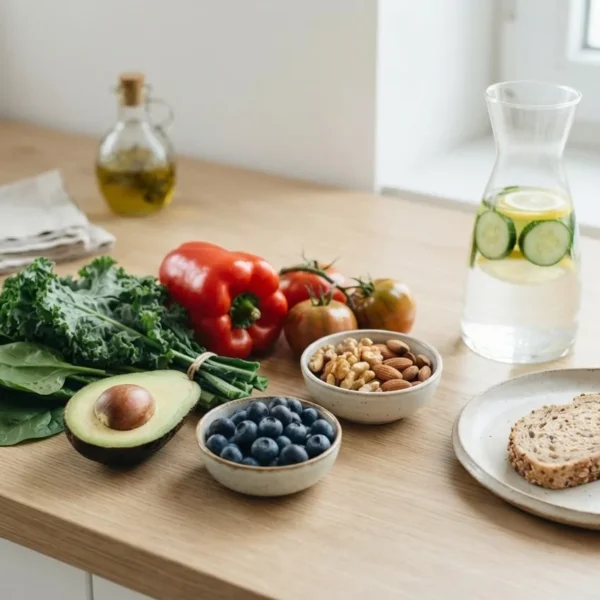
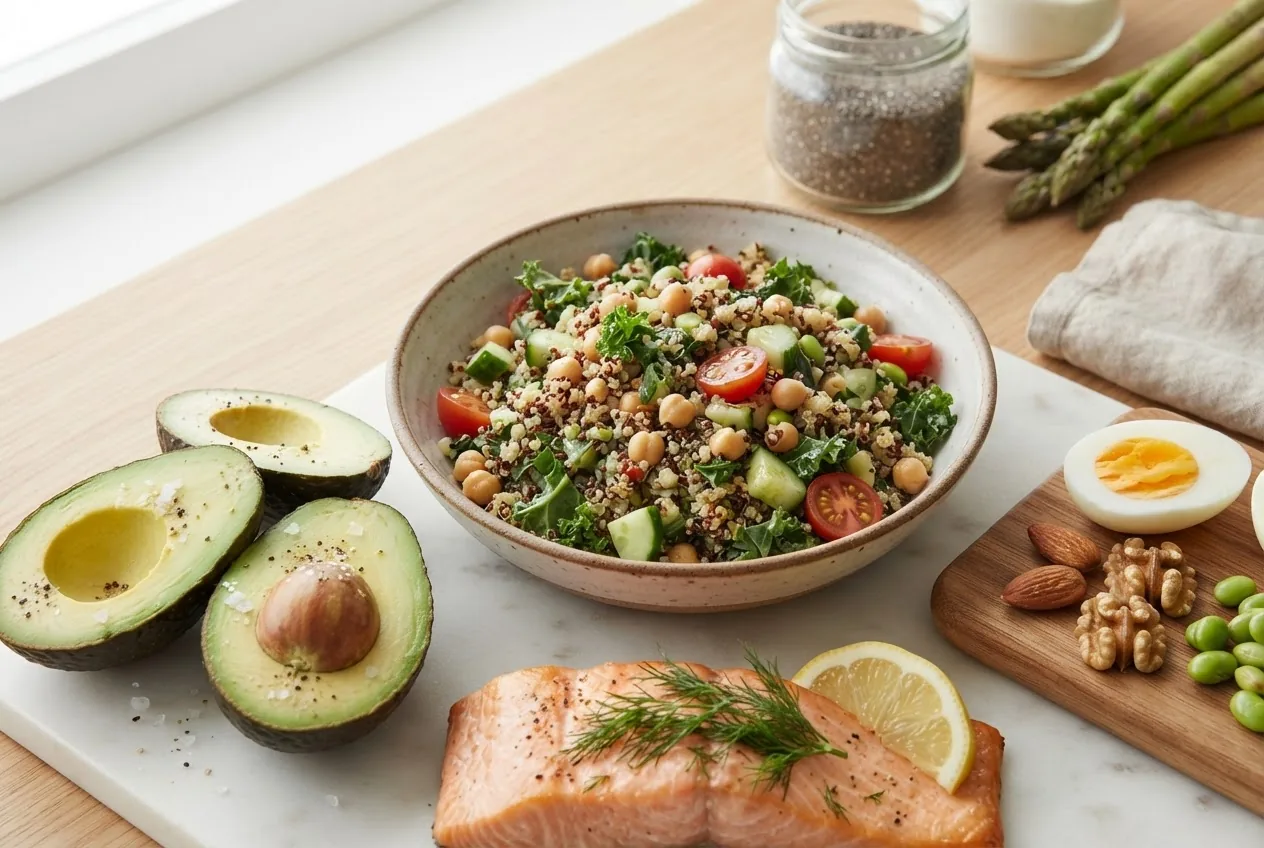
Complete protein foods are foods that provide all nine essential amino acids in amounts sufficient to support human protein needs; both animal sources (meat, dairy, eggs, fish) and certain plant foods (soy, quinoa, buckwheat) qualify, offering options for omnivores, vegetarians and vegans seeking balanced nutrition and muscle-supporting diets.
What Are Complete Protein Foods?
Answer: Complete protein foods are dietary items that contain all nine essential amino acids in proportions adequate for human needs, which supports tissue repair, enzyme production, and bodily functions.
Complete proteins: foods that supply all nine essential amino acids the body cannot synthesize.
Amino acids are organic compounds that combine to form proteins; nine of these are termed essential amino acids because humans must obtain them from food. Protein quality is measured by amino acid profile and digestibility—commonly reported via scores like PDCAAS (Protein Digestibility-Corrected Amino Acid Score) and DIAAS (Digestible Indispensable Amino Acid Score).
Protein bioavailability refers to how well the body can digest, absorb, and use the amino acids from a protein source. Animal proteins generally have higher digestibility metrics, but some plant proteins rate highly on DIAAS when properly processed or combined.
How nutrition professionals classify protein matters: for a deeper look at different classifications see different protein types and classes.
Tradeoffs: PDCAAS traditionally capped scores at 1.0 and favors animal proteins; DIAAS (a newer method) assesses ileal digestibility and can distinguish higher-quality plant proteins. According to a 2022 review in the Journal of Nutrition, DIAAS gives a more nuanced picture of indispensable amino acid digestibility across foods (source type: peer-reviewed journal).
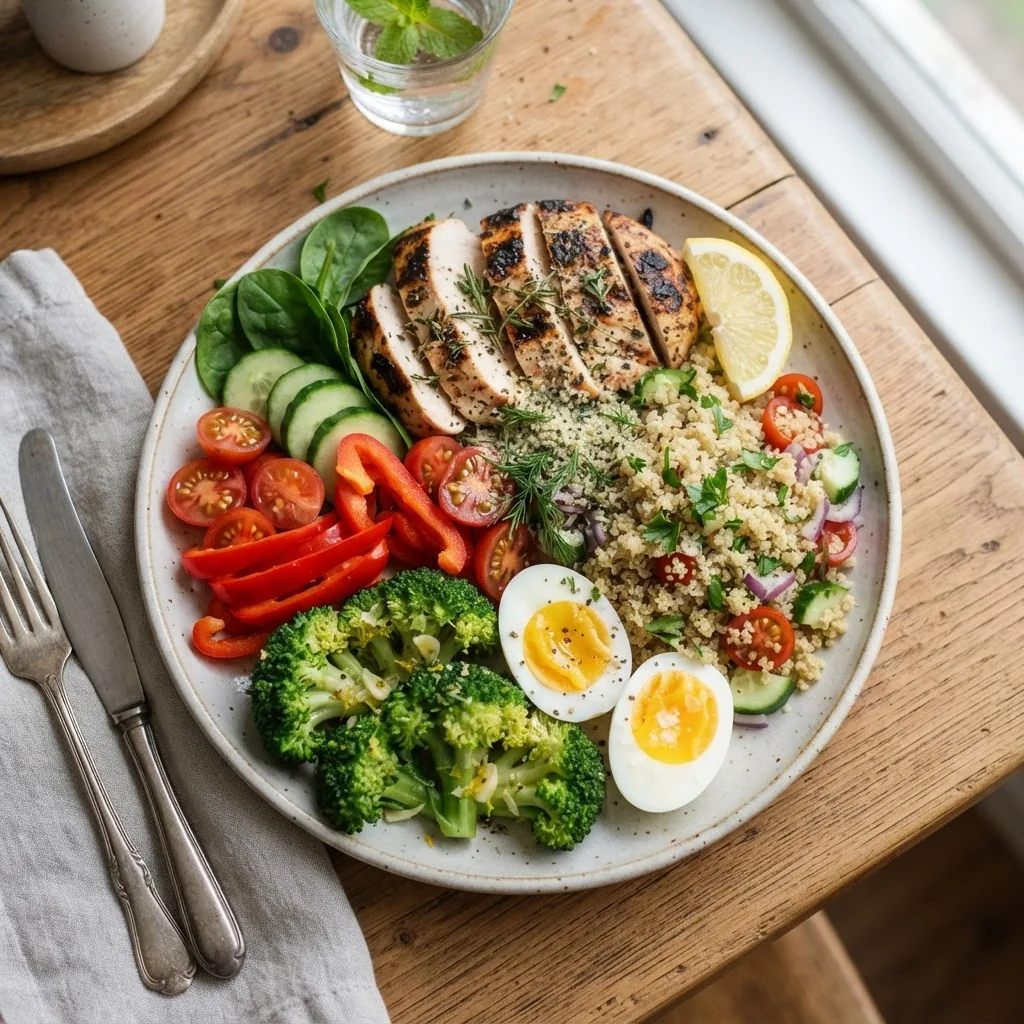
Transition: With the definition and measures established, next we explain why complete proteins matter for health and fitness and how to apply this knowledge to real-world eating.
Why Complete Proteins Matter for Health and Fitness
Answer: Complete proteins supply all essential amino acids required for muscle protein synthesis, recovery, immune function, and satiety—helping with muscle building and weight loss when paired with appropriate calorie control and resistance training.
Muscle synthesis: the anabolic process where dietary amino acids are used to repair and build muscle proteins after exercise.
Complete proteins matter because muscle protein synthesis (MPS) requires an adequate mix of essential amino acids—particularly leucine, which triggers the mTOR pathway. According to a 2023 industry report on sports nutrition, protein sources with higher leucine content (e.g., whey, eggs, soy isolate) increase acute MPS more efficiently than lower-leucine foods (source type: 2023 industry report).
For weight loss, high-quality complete proteins improve satiety and preserve lean mass during caloric deficits. According to a 2021 meta-analysis in a peer-reviewed nutrition journal, higher-protein diets that include complete protein sources help retain muscle mass while losing fat (source type: peer-reviewed journal).
Context matters: quantity and timing interact with quality. For daily intake guidance alongside quality considerations see daily protein intake guidelines.
Practical stat to guide planning: adults aiming for maintenance or moderate gains often target 1.2–2.0 g/kg/day of total protein depending on activity level; selecting complete proteins simplifies meeting essential amino acid needs, especially for older adults where anabolic resistance reduces efficiency (source type: peer-reviewed journal review).
Transition: Now that the “why” is clear, the next section catalogs animal-based complete protein sources with nutrition facts and comparisons useful for Texas shoppers and cooks.
Animal-Based Complete Protein Sources (Meat and More)
Answer: Animal-based complete protein sources—such as chicken, beef, pork, fish, eggs, and dairy—provide all essential amino acids, generally high digestibility, and variable calories and fats that influence meal planning for muscle goals and weight management.
Protein digestibility: how effectively ingested protein is broken down and absorbed; animal proteins typically score higher on digestibility assays (PDCAAS/DIAAS).
Below is a detailed list of common animal-based complete proteins, with typical protein per serving, calories, and notable nutrients to help Texans who buy local produce and meats make informed choices.
- Chicken breast (skinless) — ~31 g protein, ~165 kcal per 100 g; lean, versatile, low saturated fat; high PDCAAS/DIAAS; ideal for high-protein, lower-calorie meals.
- Turkey — ~29 g protein, ~135 kcal per 100 g (breast); similar to chicken with slightly different micronutrient profile (more selenium).
- Beef (lean cuts, e.g., top sirloin) — ~26 g protein, ~216 kcal per 100 g; rich in iron and B12; choose lean cuts for lower fat and calories.
- Pork loin (lean) — ~27 g protein, ~190 kcal per 100 g; good source of thiamin.
- Salmon — ~20 g protein, ~208 kcal per 100 g; complete protein plus omega-3 fatty acids (EPA/DHA) that support heart and brain health.
- Tuna — ~29 g protein, ~132 kcal per 100 g (fresh); very high protein-to-calorie ratio and omega-3 benefits in fatty varieties.
- Eggs (whole) — ~13 g protein, ~155 kcal per 100 g (~6 g/egg); complete protein with highly bioavailable amino acid profile.
- Greek yogurt (nonfat) — ~10 g protein per 100 g; concentrated dairy protein with high PDCAAS score and probiotic benefits in some brands.
- Cottage cheese — ~11 g protein per 100 g; casein-rich dairy protein that digests more slowly, useful before sleep or for satiety.
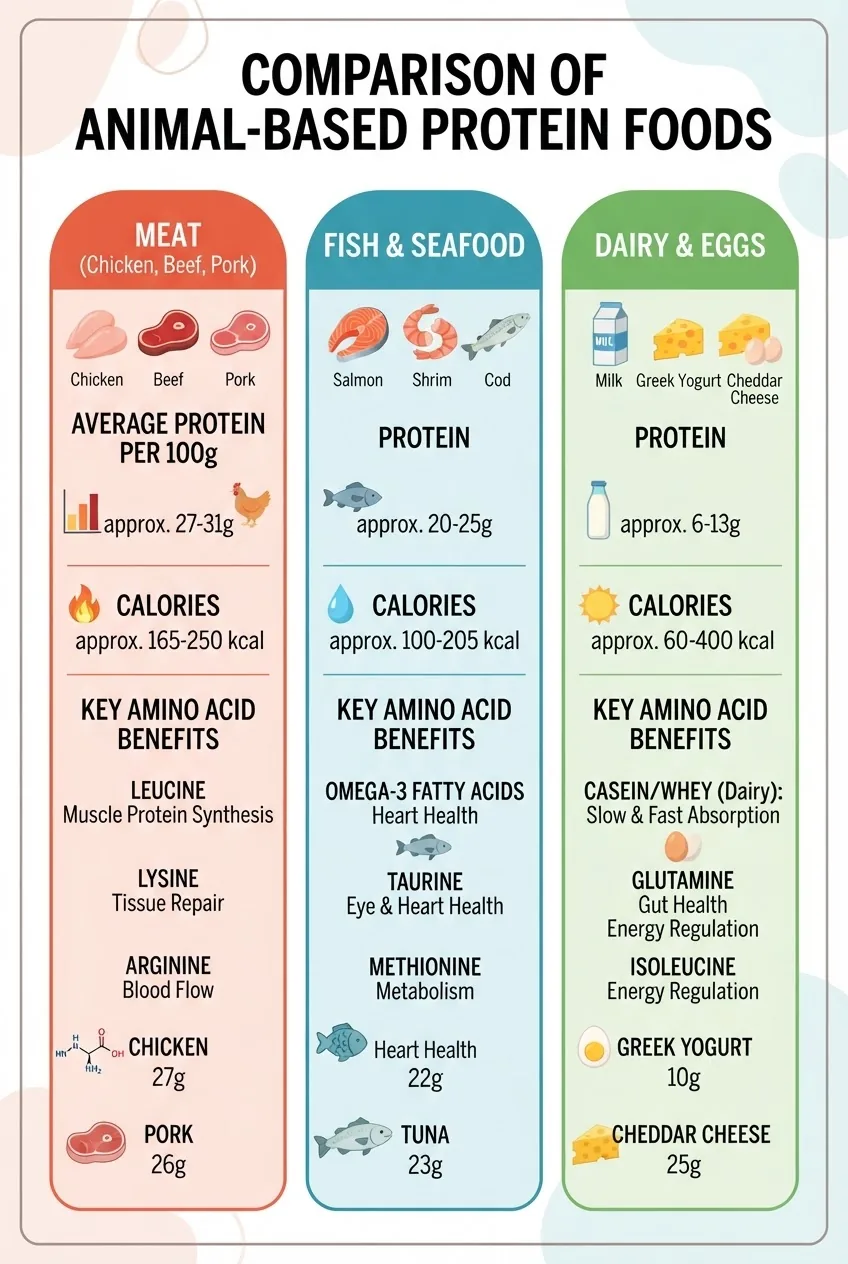
Comparison table: protein-focused metrics for common servings. Rows are zebra-striped for readability.
| Food | Protein (g/100g) | Calories (kcal/100g) | Key benefits |
|---|---|---|---|
| Chicken breast (skinless) | 31 | 165 | Lean, high PDCAAS/DIAAS, versatile |
| Lean beef (sirloin) | 26 | 216 | Iron, B12, robust amino profile |
| Pork loin (lean) | 27 | 190 | Thiamin, adaptable in recipes |
| Salmon | 20 | 208 | Omega-3s (EPA/DHA), heart benefits |
| Eggs (whole) | 13 | 155 | Complete, highly bioavailable |
| Greek yogurt (nonfat) | 10 | 59 | Probiotic options, high protein per cup |
Calorie considerations: when selecting animal proteins, portion size and cooking method significantly change caloric load—see calorie content in protein-rich meats for fat-calorie conversions and cooking impact.
Lean options and cutting: if you want low-fat proteins targeted for fat loss, explore specific lean cuts and meal patterns in lean complete protein meats.
Omega-3 context: fatty fish and some grass-fed meats supply EPA/DHA; for more omega-3 food options see omega-3 rich protein sources.
For detailed side-by-side data on meat protein totals and portion guidance consult protein content comparison of meats.
Cooking note: choose methods that preserve protein quality (grilling, baking, steaming) and limit excessive charring; pairing with fiber-rich vegetables balances meals and supports digestion.
Transition: Animal proteins are straightforward complete sources; next we address plant-based complete proteins and common myths about their adequacy.
Complete Plant Protein Sources: Myth vs. Reality
Answer: While fewer plant foods are naturally complete, several—including soy, quinoa, buckwheat, amaranth, and selected processed plant proteins—supply all essential amino acids; complementary combinations also reliably deliver completeness across meals.
Complementary proteins: combining plant foods with differing limiting amino acids to create a complete amino acid profile across a meal or day.
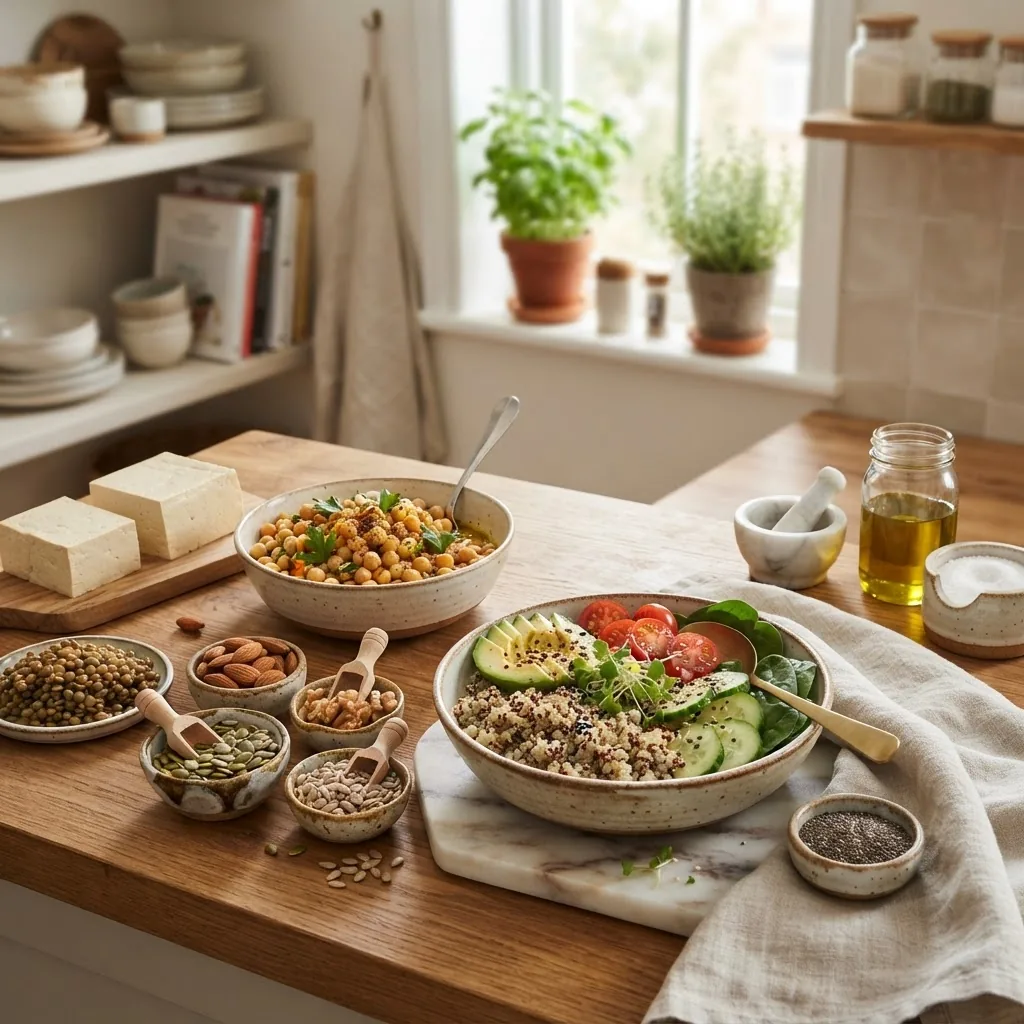
Myth: plant proteins are always incomplete and inferior. Reality: some plant foods are complete, and dietary strategies (complementation and processing) raise digestibility scores. According to a 2022 review in Nutrition Reviews, properly combined plant diets can meet indispensable amino acid needs—even for athletes—when total energy and protein are adequate (source type: peer-reviewed journal).
Below are key plant-based complete protein examples with practical nutritional profiles per cooked 100 g where applicable.
- Soy (tofu, tempeh, edamame) — Tofu ~8–17 g protein per 100 g depending on firmness; soy is a complete plant protein with PDCAAS ~1.0 and competitive DIAAS scores when minimally processed.
- Quinoa — ~4.4 g protein per 100 g cooked; contains all essential amino acids, notable for lysine compared with many grains; higher in magnesium and fiber.
- Amaranth — ~3.8 g protein per 100 g cooked; complete amino acid profile and higher lysine than corn-based grains.
- Buckwheat — ~3.4 g protein per 100 g cooked; complete profile and gluten-free, useful in porridge or noodles.
- Hemp seeds — ~31.6 g protein per 100 g (raw); contain all essential amino acids and a favorable omega-6:omega-3 ratio, though lower in lysine than animal proteins.
- Spirulina — ~57.5 g protein per 100 g dried (serving sizes are small); complete but typically used as supplement-level portions.
- Seitan + complemento — Seitan (wheat gluten) is high-protein (~25 g/100 g cooked) but low in lysine; pairing with legumes (e.g., lentils) supplies missing lysine for completeness.
- Processed plant isolates — pea protein isolate, soy isolate, and blended plant proteins (rice + pea) often are formulated to be complete and have improved digestibility metrics comparable to animal proteins.
Practical profiles: many plant completions require higher total protein intake to match the same essential amino acid amounts due to digestibility differences; a blend like pea + rice or soy isolate can equal animal PDCAAS/DIAAS in many practical diets.
If you want a deeper list of plant options for building a high-protein plant diet see plant based high protein foods.
Common misconception: “You must combine proteins at every meal.” Modern evidence shows amino acid pools across the day suffice provided total protein and energy are adequate; however, for strict vegans or older adults, deliberate pairing can be helpful.
Processing and preparation: fermentation (tempeh), sprouting, and heat treatment can increase digestibility and DIAAS scores for many plant proteins. A 2023 peer-reviewed study found fermentation raised lysine availability in some legumes (source type: peer-reviewed journal).
Transition: With plant and animal options mapped out, the next section gives step-by-step guidance for incorporating complete protein foods into daily meals, with Texas-friendly, practical tips.
How to Incorporate Complete Protein Foods Into Your Diet
Answer: Incorporate complete proteins by planning meals around a complete source (animal or plant), using portion control, pairing complementary plant foods when needed, and choosing cooking methods and fats that support heart health and nutrient absorption.
Protein combining: an intentional strategy to pair plant foods with complementary amino acid profiles to meet essential amino acid needs across a meal or day.
- Start with a reliable complete source: include a portion of chicken, fish, eggs, dairy, soy, quinoa or a fortified plant protein at the center of a plate.
- Use portion guidance: aim for 20–40 g of protein per main meal depending on your target; older adults may favor the higher end to overcome anabolic resistance.
- Pair smartly: when using incomplete plant proteins, pair legumes with grains (rice + beans) or seeds and pulses (hummus + whole-wheat pita) within the same day to ensure completeness.
- Choose cooking fats that support heart health: use monounsaturated and omega-3 friendly oils; for guidance on oils that pair well with protein meals see healthy cooking fats.
- Snack strategically: choose Greek yogurt, a hard-boiled egg, edamame, or a small portion of hemp seeds mixed into yogurt for a portable complete-protein snack.
- Upgrade processed plant proteins: when using protein powders, pick blends that combine pea, rice, and/or soy isolates to ensure an essential amino acid balance and higher DIAAS-like performance.
- Plan meals weekly: map 2–3 complete-protein sources per day across meals and snacks to consistently meet essential amino acid needs.
- Consider timing: consuming a complete protein source within a few hours post-workout supports recovery and muscle protein synthesis; for most, 20–30 g of high-quality protein is practical post-exercise.
Practical Texas tips: lean toward locally-sourced chicken, wild-caught Gulf fish when available, and fortified plant proteins at farmers’ markets. For budget-conscious shoppers mix canned fish, eggs, and dried beans to maximize nutrient density.
Caveat: Individual protein needs vary by age, sex, activity, health status; consult a registered dietitian for personalized plans—sources include the USDA nutrient data and Academy of Nutrition and Dietetics guidelines for individualized recommendations (source types: USDA database, professional association).
Transition: Concrete meal examples help convert these principles into daily practice; the next section provides omnivore, vegetarian, and vegan plans focused on complete proteins.
Complete Protein Example Meal Plans for Different Diet Types
Answer: Example meal plans (omnivore, vegetarian, vegan) show how to distribute complete protein sources across the day to meet essential amino acid needs, support muscle recovery, and manage calories for weight goals.
Balanced nutrition: mixing macronutrients, fiber, and micronutrients with complete proteins supports health outcomes beyond protein alone.
Omnivore Plan (for muscle support and moderate calories)
- Breakfast: 3 eggs scrambled with spinach and a slice of whole-grain toast (approx. 24 g protein).
- Snack: Greek yogurt (170 g) with 1 tbsp hemp seeds (approx. 18 g protein).
- Lunch: Grilled chicken breast salad (150 g chicken) with mixed greens, quinoa (1/2 cup cooked), and olive oil vinaigrette (approx. 45 g protein).
- Snack: Apple + 2 tbsp peanut butter (pair with whole-grain cracker if desired) (approx. 8–12 g protein).
- Dinner: Baked salmon (150 g) with roasted sweet potato and steamed broccoli (approx. 35 g protein).
- Notes: Timing a 20–30 g protein portion within 1–2 hours post-resistance training supports MPS.
Vegetarian Plan (ovo-lacto focus)
- Breakfast: Greek yogurt parfait with oats and mixed berries + 1 tbsp chia seeds (approx. 20 g protein).
- Snack: Hard-boiled eggs (2) (approx. 12 g protein).
- Lunch: Lentil and quinoa bowl with roasted vegetables and tahini dressing (approx. 28–32 g protein).
- Snack: Cottage cheese (100 g) with cucumber slices (approx. 11 g protein).
- Dinner: Stir-fry with firm tofu (150 g), mixed vegetables, and brown rice (approx. 25–30 g protein).
- Notes: Combine complementary proteins through the day (e.g., grains + legumes) to ensure essential amino acid balance.
Vegan Plan (plant-complete focus)
- Breakfast: Oatmeal made with fortified soy milk, topped with hemp seeds and sliced banana (approx. 18–22 g protein).
- Snack: Edamame (1 cup) (approx. 17 g protein).
- Lunch: Quinoa and black bean salad with avocado, peppers, and lime dressing (approx. 25–28 g protein).
- Snack: Smoothie with pea/rice protein blend, spinach, and frozen berries (20–25 g protein depending on powder).
- Dinner: Tempeh tacos with whole-grain tortillas, salsa, and a side of roasted Brussels sprouts (approx. 30 g protein).
- Notes: Use fortified plant milks and blended isolates to ensure micronutrients (B12, iodine) and essential amino acid sufficiency.
These example plans emphasize complete proteins at each main meal or combine plants across the day to achieve completeness. Adjust portion sizes to match calorie and protein targets.
Transition: For quick answers to common reader concerns, the next sections provide concise FAQs and an expanded FAQ block below for featured-snippet optimized responses.
Frequently Asked Questions About Complete Protein Foods
Answer: Below we address frequent reader concerns about complete proteins, from examples and myths to timing and safety; see the detailed FAQ section after this article for short, snippet-ready answers.
Key points summarized: complete proteins include animal and select plant sources; mixing plant foods or using processed isolates can create complete profiles; protein quality metrics (PDCAAS/DIAAS) help compare sources but have limitations for real-world diets.
Transition: The article closes with a concise summary and actionable takeaways to apply in everyday meal planning and shopping.
Summary and Key Takeaways on Complete Protein Foods
Answer: Complete protein foods supply all nine essential amino acids; animal sources are naturally complete and highly digestible, while several plant foods are complete or can be combined to meet needs—use portion control, meal planning, and quality-focused choices to meet health and fitness goals.
Takeaways:
- Use clear definitions: essential amino acids are the required building blocks not synthesized by the body; complete proteins contain them all.
- Consider both quality and quantity: PDCAAS and DIAAS offer complementary insights; aim for a mix of high-quality sources across the day.
- Plant-based completeness is achievable: include soy, quinoa, hemp, or carefully combine grains and legumes; fortified isolates are practical tools for vegans.
- Meal planning is key: distribute complete protein servings across meals and snacks to support muscle synthesis and satiety.
- Practical Texas advice: choose local lean poultry, gulf fish where available, and seasonally appropriate plant sources from markets to balance cost and freshness.
Final CTA: Use these insights to audit your weekly grocery list—prioritize at least one reliable complete protein per meal, track progress for four weeks, and consult a registered dietitian for personalized adjustments based on age, activity, and health status.