
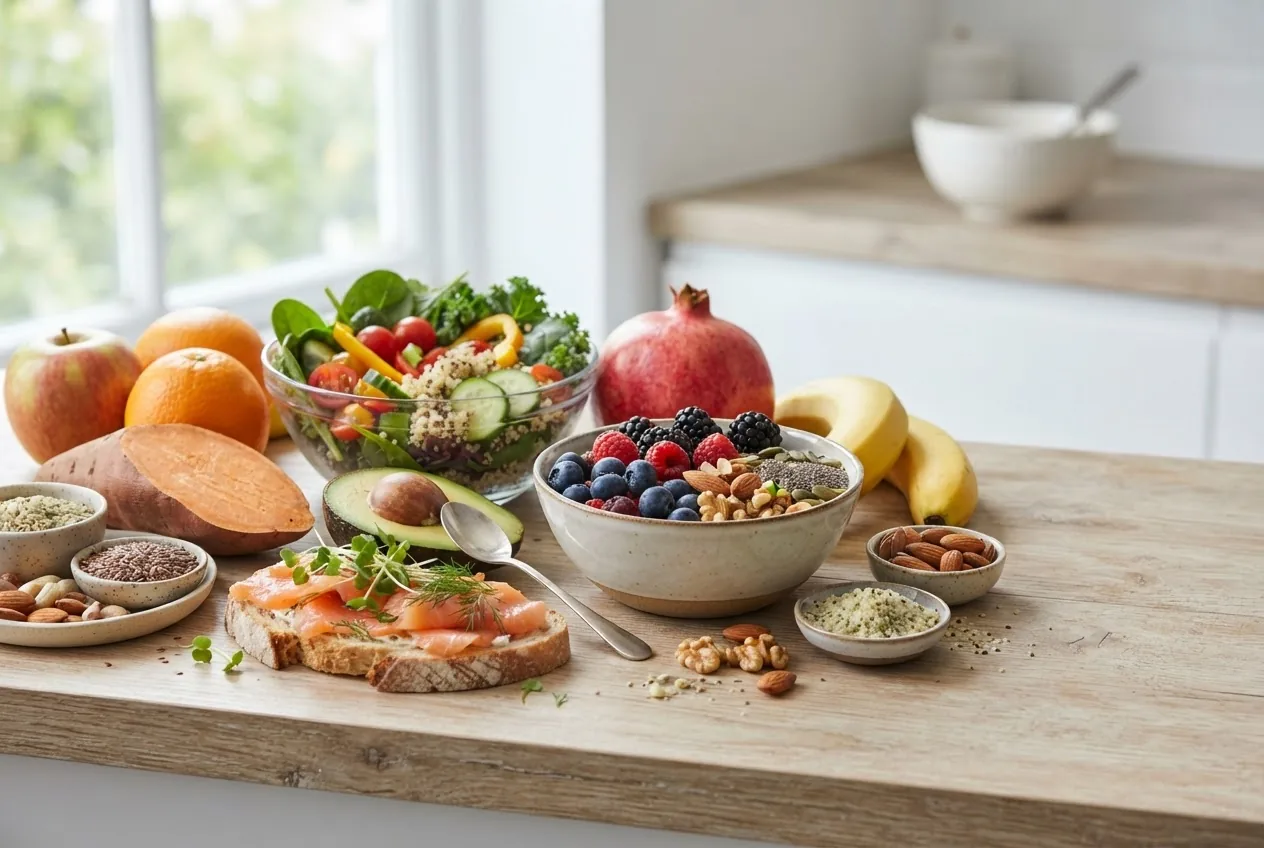
Nutrient packed foods are whole or minimally processed items high in vitamins, minerals, fiber and protein per calorie; key examples include leafy greens, fatty fish, legumes, berries and nuts. Eating these foods daily improves nutrient intake, supports energy, immunity and long-term health while reducing chronic disease risk.
What exactly are nutrient packed foods?
Answer: Nutrient packed foods are items that deliver large amounts of essential nutrients relative to their calorie content, maximizing vitamins, minerals, fiber and beneficial fats for overall health.
Term: nutrient density: a measure of nutrients provided per calorie in a food, used to prioritise foods that give more vitamins and minerals for fewer calories.
These foods prioritize micronutrients (vitamins and minerals) and macronutrient quality (protein, healthy fats, complex carbohydrates) over empty calories from sugar and refined grains. Choosing nutrient-packed foods is the simplest practical route to “what are some healthy foods” that reliably support health goals.
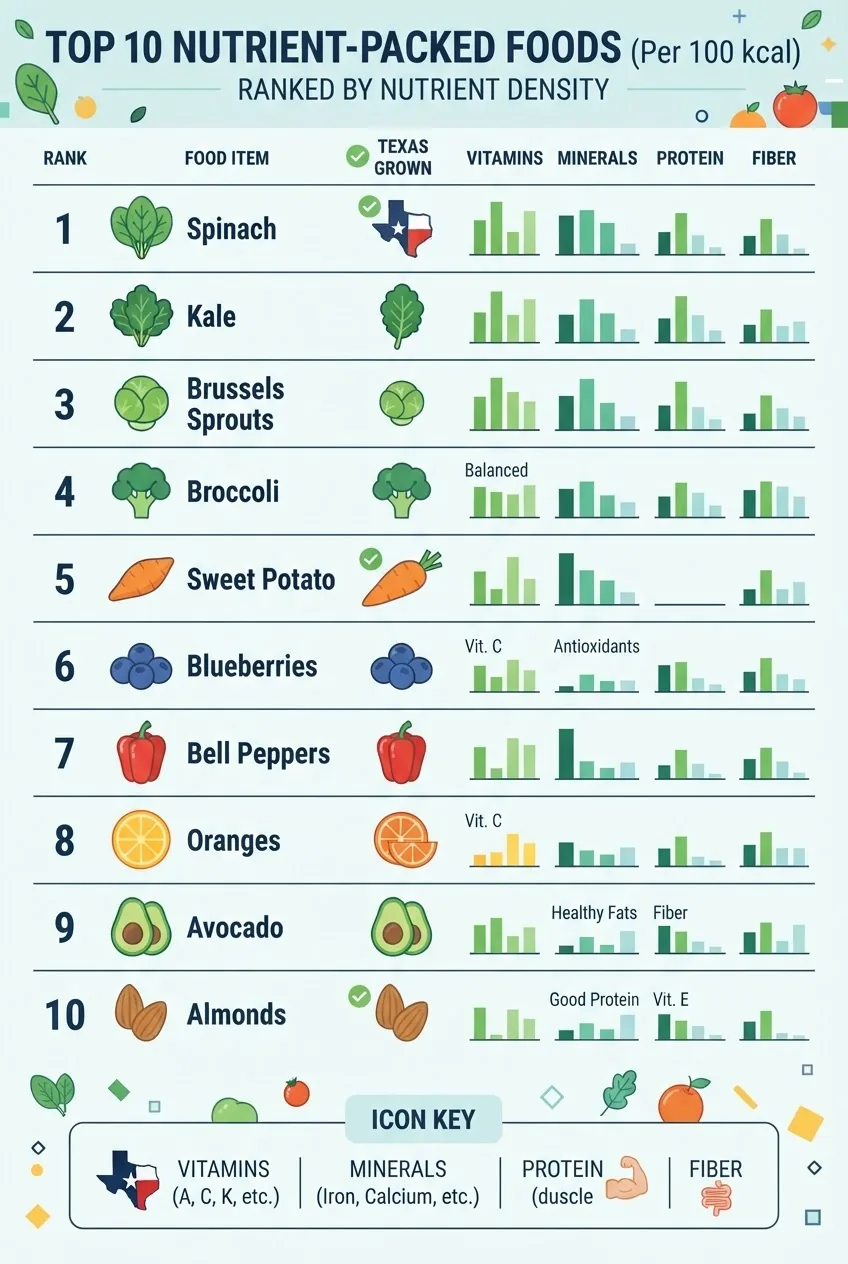
Which foods are the top 10 healthy foods to eat?
Answer: The top 10 nutrient-packed foods commonly recommended are spinach, kale, salmon, sardines, blueberries, lentils, eggs, almonds, sweet potatoes and plain Greek yogurt.
These items combine dense vitamin/mineral profiles, quality protein and beneficial fats or fiber. Below is a concise comparison showing key nutrients per typical serving and why each appears on most healthiest foods lists.
| Food | Key nutrients per serving | Why it’s nutrient-packed |
|---|---|---|
| Spinach (1 cup cooked) | Vitamins A, C, K, folate, iron | Low calories, high micronutrient yield |
| Kale (1 cup, raw) | Vitamins A, C, K, calcium, fiber | Dense in antioxidants and minerals |
| Salmon (3 oz) | Omega-3s (EPA/DHA), protein, B12 | Provides essential long-chain fats and protein |
| Sardines (3 oz) | Calcium, vitamin D, omega-3s, B12 | Micronutrient-rich small fish, sustainable option |
| Blueberries (1 cup) | Vitamin C, fiber, antioxidants (polyphenols) | High antioxidant content per calorie |
| Lentils (1/2 cup cooked) | Protein, iron, folate, fiber | Plant protein with strong mineral profile |
| Eggs (1 large) | Protein, choline, vitamin D, B12 | Complete protein and brain-support nutrients |
| Almonds (1 oz) | Vitamin E, magnesium, healthy monounsaturated fats | Satiety-promoting fats and antioxidants |
| Sweet potato (1 medium) | Beta-carotene (vitamin A), fiber, potassium | High vitamin A activity and slow carbs |
| Plain Greek yogurt (1 cup) | Protein, calcium, probiotics (in some brands) | High-protein dairy with beneficial microbes |
Why are nutrient packed foods important for a balanced diet?
Answer: Nutrient packed foods supply essential vitamins, minerals and quality macronutrients that support metabolism, immunity, tissue repair and chronic disease prevention while helping control calories and appetite.
Term: macronutrients: the three major nutrient groups—protein, carbohydrates and fats—that provide energy and structural components for the body.
Prioritising nutrient-dense choices reduces the chance of micronutrient shortfalls that can impair energy, mood, immune function and recovery. For most people in Texas and elsewhere, swapping nutrient-poor processed items for nutrient packed foods yields measurable improvements in biomarkers like blood pressure, cholesterol and HbA1c over months.
Which nutrient categories should I track when choosing foods?
Answer: Track protein, fiber, healthy fats, iron, calcium, vitamin D, vitamin B12, folate, vitamin A (and precursors), vitamin C, potassium and magnesium as core categories.
Term: micronutrients: vitamins and minerals required in small amounts for metabolic processes, distinct from macronutrients that supply energy.
- Protein: for muscle and repair.
- Fiber: for digestion and glycemic control.
- Healthy fats (omega-3s, monounsaturated fats): for brain and heart health.
- Iron and B12: for oxygen transport and energy.
- Calcium and vitamin D: for bone health.
- Potassium and magnesium: for blood pressure and muscle function.
- Vitamins A, C, folate: for immunity and cellular growth.
How can I combine foods to get all nutrients in one meal?
Answer: Build meals with a lean protein, a whole grain or starchy vegetable, a colorful vegetable or fruit, and a source of healthy fat to cover most macronutrients and many micronutrients in one plate.
Practical templates ensure balance: 1/3 protein, 1/3 vegetables and 1/3 whole grains or starchy veg, plus a fat-based dressing or small serving of nuts. Example: grilled salmon (protein + omega-3), quinoa (whole grain), steamed kale (vitamins K, A, C), avocado (healthy fat).
- Protein + Vitamin C pairing increases iron absorption when using plant proteins (e.g., lentils + bell peppers).
- Fat + fat-soluble vitamins pairing: include olive oil or avocado with leafy greens to absorb vitamins A, D, E and K.
- Dairy or fortified plant milk with cereals supplies calcium and vitamin D together.
Which are the most beneficial foods for health by category?
Answer: By category, choose fatty fish for omega-3s, dark leafy greens for folate and vitamin K, legumes for plant protein and iron, berries for antioxidants, nuts and seeds for healthy fats and whole grains for fiber and B vitamins.
| Category | Top choices | Primary benefits |
|---|---|---|
| Omega-3s | Salmon, sardines, mackerel, chia seeds | Heart and brain function, anti-inflammatory |
| Leafy greens | Spinach, kale, collards, Swiss chard | Vitamins A, C, K and folate |
| Legumes | Lentils, chickpeas, black beans | Plant protein, fiber, iron |
| Berries | Blueberries, strawberries, raspberries | Antioxidants, fiber, vitamin C |
| Nuts & seeds | Almonds, walnuts, flaxseed, chia | Healthy fats, vitamin E, magnesium |
| Whole grains | Quinoa, oats, brown rice, barley | Fiber, B vitamins, sustained energy |
How many of the healthiest foods should I eat every day?
Answer: Aim for daily variety: at least 2 cups of vegetables, 1–2 cups of fruit, a serving of fatty fish twice weekly or daily plant omega-3s, one serving of legumes, and protein at each meal; adjust portions by calorie needs.
Portion guidance varies by age, sex and activity. A practical nightly target: two different vegetables (one leafy), one fruit, a palm-sized lean protein, a cupped serving of whole grains, and a thumb-sized portion of healthy fat.
What are really healthy foods for specific goals like weight loss or muscle gain?
Answer: For weight loss prioritise high-protein, high-fiber, low-energy-density items (eggs, legumes, leafy greens, Greek yogurt); for muscle gain prioritise higher-protein and calorie-dense nutrient foods (salmon, lean beef, whole eggs, quinoa, nuts).
Examples:
- Weight loss: egg and spinach scramble; lentil salad; Greek yogurt with berries.
- Muscle gain: salmon, sweet potato, and avocado; beef and quinoa bowl; cottage cheese with nuts and fruit.
Which is better for you: fresh, frozen, or canned nutrient-packed foods?
Answer: Fresh, frozen and canned foods can all be nutrient-packed; frozen often retains nutrients well, canned can be equally nutritious if low-sodium and low-sugar options are chosen, and fresh is ideal when locally sourced and in-season.
| Format | Nutrient retention | Cost & convenience | Notes |
|---|---|---|---|
| Fresh | High when recently harvested | Can be costly or seasonal | Best for taste and texture |
| Frozen | Excellent; flash freezing preserves vitamins | Affordable and long shelf-life | Great for smoothies and cooking |
| Canned | Good for many nutrients; watch sodium/sugar | Lowest cost, very convenient | Choose BPA-free, low-sodium cans |
How do I shop for nutrient packed foods on a budget?
Answer: Shop seasonal produce, buy frozen vegetables and fruits, choose canned beans and fish in water, buy whole grains in bulk, and prioritise versatile staples like eggs, oats and carrots.
Budget tactics:
- Plan 2–3 core recipes and buy ingredients that overlap.
- Buy frozen berries and vegetables to reduce waste and cost.
- Choose generic brands for staples and canned goods.
- Use legumes (lentils, beans) as high-value protein substitutes for expensive meats.
Compare unit prices and prioritize nutrient density per dollar: eggs, oats, canned tuna/sardines, carrots, potatoes, frozen spinach and beans often offer the highest value.
What should be on a healthy grocery list for nutrient-packed meals?
Answer: Include leafy greens, a variety of colorful vegetables, berries or citrus, legumes, whole grains, fatty fish and lean proteins, eggs, nuts/seeds, dairy or fortified alternatives, and staple oils/spices.
- Produce: spinach, kale, broccoli, sweet potatoes, bell peppers, apples, berries.
- Proteins: salmon, sardines, eggs, chicken breast, lentils, chickpeas.
- Grains & starches: quinoa, brown rice, oats, whole-wheat pasta.
- Fats & extras: olive oil, avocados, almonds, chia seeds.
- Dairy/alternatives: plain Greek yogurt, milk or fortified plant milk.
- Pantry basics: canned tomatoes, low-sodium beans, spices, vinegar.
See also a focused shopping plan in /nutrition-tips/healthy-grocery-list-guide-for-smart-and-nutritious-shopping/ for printable lists and budgeting tips.
How do I prepare nutrient packed foods to keep their nutrients?
Answer: Use quick cooking methods (steaming, roasting, grilling), avoid overcooking, minimise water exposure when boiling, and store produce properly to preserve vitamins and textures.
Quick tips:
- Steam or sauté greens briefly to retain vitamin C and folate.
- Roast root vegetables to concentrate flavor without nutrient loss.
- Use leftover cooking water for soups to capture leached nutrients.
- Freeze fresh-produce you won’t eat soon to lock in nutrients.
What are nutrient-rich breakfast, lunch and dinner examples?
Answer: Choose combinations with protein, fiber and healthy fats: breakfast—Greek yogurt, berries and chia; lunch—lentil salad with mixed greens and avocado; dinner—grilled salmon with quinoa and roasted vegetables.
Additional meal examples with portion guidance:
- Breakfast: 1 cup Greek yogurt + 1/2 cup blueberries + 1 tbsp chia seeds.
- Lunch: 1 cup cooked lentils + 2 cups mixed greens + 1/2 avocado + lemon vinaigrette.
- Dinner: 4 oz (approx. 115g) salmon + 3/4 cup cooked quinoa + 1 cup steamed broccoli.
- Snack: 1 small apple + 1 oz almonds or carrot sticks + hummus.
How can vegetarians and vegans get the highest foods and nutrients?
Answer: Vegetarians and vegans should combine legumes, whole grains, nuts, seeds, fortified foods and a variety of vegetables to meet protein, iron, calcium, omega-3 and B12 needs—use supplementation for B12 if needed.
Term: fortified foods: foods that have vitamins or minerals added that are not originally present in significant amounts, e.g., B12-fortified plant milk.
Key plant-based nutrient sources:
- Protein: lentils, chickpeas, tofu, tempeh, seitan.
- Iron: lentils, spinach, quinoa (consume with vitamin C to improve absorption).
- Omega-3s: ground flaxseed, chia, walnuts, algae-based supplements for DHA/EPA.
- Calcium & vitamin D: fortified plant milk, tofu made with calcium sulfate, sunlight or supplements for vitamin D.
How do I track whether my diet is rich in nutritious, rich foods?
Answer: Track food groups, portion sizes and key nutrients (protein, fiber, iron, calcium, vitamin D) for 2–4 weeks using a food diary or an app; look for variety and sufficiency rather than perfection.
Practical checks:
- Daily: at least 25–30 g fiber, protein at each meal, two different vegetables and one fruit.
- Weekly: two servings of fatty fish or plant omega-3 equivalents, three servings of legumes, regular whole grains.
- Monitor: energy levels, sleep quality and lab tests like CBC, vitamin D and lipid panel as objective markers.
What are common mistakes when trying to eat more nutrient-packed foods?
Answer: Mistakes include relying only on supplements, assuming all “superfoods” fix poor diets, over-consuming calorie-dense nutrient foods without portion control, and ignoring variety and bioavailability.
Avoid these pitfalls:
- Thinking one food solves all: no single item contains every nutrient.
- Over-reliance on supplements instead of whole-food sources.
- Ignoring food combinations that affect absorption (e.g., iron without vitamin C).
- Buying expensive branded “super foods” rather than affordable staples like beans and frozen vegetables.
How long does it take to see benefits from switching to nutrient-packed foods?
Answer: Subjective benefits (energy, digestion) often appear in 1–3 weeks; measurable changes in blood pressure, cholesterol and glucose typically appear in 6–12 weeks with consistent dietary changes.
Timeline details:
- 1–3 weeks: improved satiety, reduced cravings, better digestion.
- 4–12 weeks: weight changes, improved blood markers (lipids, glucose).
- 3–12 months: stronger immune resilience, reduced chronic disease risk markers.
Which healthy ingredients should I keep for meal prep and convenience?
Answer: Keep canned beans, frozen vegetables/berries, whole grains (oats, quinoa), eggs, Greek yogurt, olive oil, nuts and a few fresh greens for fast, nutrient-rich meals.
Meal-prep tips:
- Batch-cook whole grains and legumes and portion into containers.
- Roast a tray of mixed vegetables for 3–4 days of meals.
- Pre-portion nuts and seeds to control calories.
How do nutrient-packed foods fit with the right diet for me?
Answer: Nutrient-packed foods are compatible with most dietary patterns—Mediterranean, plant-forward, low-carb or calorie-controlled—because they prioritize quality over a single macronutrient target; personalise portions based on energy needs and health conditions.
To personalise:
- Calculate baseline calorie needs (use a reputable calculator or consult a dietitian).
- Adjust protein to 0.7–1.2 g/kg body weight depending on activity level.
- Choose carbohydrate and fat levels to support goals (weight loss, performance, maintenance).
- Consider clinical needs (e.g., lower sodium for hypertension).
See /nutrition-tips/nutritionally-complete-meal-guide-with-balanced-diet-advice/ for structured meal planning aligned to goals.
What role do supplements play when foods are highly nutritious?
Answer: Supplements fill nutrient gaps (not replace whole foods) and are recommended for nutrients hard to get from diet alone, such as vitamin B12 for strict vegans, vitamin D in low sunlight regions, or iron when deficient.
When to consider supplements:
- Documented deficiency on blood tests.
- Dietary restrictions that limit key sources (e.g., no dairy or animal products).
- Pregnancy (prenatal vitamins) and certain medical conditions as advised by a clinician.
For everyday needs, prioritise food sources first and consult a healthcare provider before starting high-dose supplements. Additional guidance on supplements is available at /nutrition-tips/best-supplements-guide-for-nutritional-and-health-support/.
How can I use food labels to choose nutrient-packed foods?
Answer: Use the Nutrition Facts label to prioritise foods with high fiber, protein and micronutrients while checking ingredient lists to avoid added sugars, excess sodium and long additives lists.
Label reading checklist:
- Serving size: compare realistic portions to label servings.
- Protein and fiber: higher amounts per serving indicate quality.
- Added sugars: choose items with low or zero added sugar.
- Sodium: choose low-sodium canned or boxed items.
- Ingredients: short lists with recognisable items are preferable.
What are wholesome food examples for families and kids?
Answer: Wholesome foods for families include whole fruits and vegetables, eggs, dairy or fortified alternatives, whole grains, lean proteins, beans and nuts (age-appropriate), prepared simply and served with healthy fats for absorption.
Kid-friendly strategies:
- Serve fruit and yogurt parfaits, smoothies with spinach, and whole-grain pancakes with nut butter.
- Include finger-friendly veg (cucumber, carrot sticks) with hummus.
- Use simple seasonings and rotate foods so children experience many tastes.
How do food pairings increase nutrient absorption?
Answer: Pairings like vitamin C-rich foods with plant-based iron sources, and healthy fats with fat-soluble vitamins, improve absorption and increase the usable nutrients delivered to the body.
Examples:
- Lentils + bell peppers or citrus (vitamin C improves non-heme iron absorption).
- Spinach salad + olive oil or avocado (fat aids vitamin A and K absorption).
- Yogurt + whole grain cereal (calcium with vitamin D-fortified milk aids bone health).
What foods contain nutrients that are often deficient in common diets?
Answer: Commonly deficient nutrients include vitamin D, B12, iron (especially in women), magnesium and fiber; foods supplying these are fatty fish/fortified milk (vitamin D), meat/fortified foods (B12), legumes and red meat (iron), nuts/seeds/whole grains (magnesium) and whole plant foods (fiber).
Spot checks:
- Vitamin D: salmon, fortified milk or sun exposure/supplementation.
- Vitamin B12: eggs, dairy, meat or fortified plant foods/supplement for vegans.
- Iron: beef, lentils, spinach (combine with vitamin C).
- Magnesium: almonds, spinach, black beans.
- Fiber: oats, beans, berries, whole grains.
How should seniors adapt nutrient-packed foods for ageing bodies?
Answer: Seniors should prioritise protein at every meal, calcium and vitamin D for bone health, B12 monitoring, fiber for gut health, and choose softer or prepared forms (stews, purees) if chewing is difficult.
Practical senior-focused choices:
- Soft protein sources: eggs, Greek yogurt, canned salmon with bones for calcium.
- Fortified cereals or milks for vitamin D and B12.
- High-fiber cooked vegetables and oats for digestive regularity.
How can athletes and active people use nutrient-packed foods for performance?
Answer: Athletes should prioritise lean protein, complex carbohydrates, electrolytes (potassium, magnesium) and omega-3 fats around training to support performance, recovery and muscle synthesis.
Pre/post workout examples:
- Pre-workout: oatmeal with banana and almonds (carbs + potassium + small fat).
- Post-workout: grilled chicken or tofu with quinoa and steamed greens (protein + carbs + micronutrients).
- Hydration: include electrolyte-rich foods like bananas, yogurt and broth when training intensely.
What cooking methods reduce nutrient loss the most?
Answer: Steaming, microwaving with minimal water, roasting and quick sautéing preserve most water-soluble vitamins better than prolonged boiling or deep-frying.
Method ranking for nutrient retention (best to worst):
- Steaming/microwaving (minimal water)
- Roasting (dry heat concentrates flavor)
- Sautéing (short cooking times)
- Boiling (nutrient leaching into water)
- Deep-frying (high heat, nutrient damage)
How do I portion nutrient-packed foods to meet daily needs?
Answer: Use plate-based portions—1/3 protein (palm-sized), 1/3 carbohydrates or starchy vegetables (cupped hand), and 1/3 non-starchy vegetables (two cupped hands)—adjusted for age, sex and activity.
Example daily targets for an average adult:
- Protein: 20–30 g per meal (higher for active adults).
- Vegetables: 2–3 cups per day (mix leafy and colored vegetables).
- Fruits: 1–2 cups per day.
- Whole grains: 3–6 servings depending on energy needs.
How can I use meal plans to make nutritious food habitual?
Answer: Create a weekly plan with repeatable templates, batch cook staples, schedule grocery runs and prepare portable snacks to reduce decision fatigue and ensure nutrient-packed choices are convenient.
Components of an effective plan:
- Three meal templates (breakfast, lunch, dinner) with swap-able proteins and veg.
- Two snack options prepared in advance.
- Weekly shopping list matched to recipes to avoid impulse buys.
For guided templates and a 7-day example, see /nutrition-tips/7-day-diet-menu-to-lose-weight-with-meal-planning-guide/ and /nutrition-tips/10-ways-to-eat-better-guide-with-essential-diet-tips/ for behavioural strategies.
What are safe ways to increase nutrient density without increasing calories too much?
Answer: Replace empty-calorie foods with low-calorie, nutrient-high options (soda -> sparkling water with citrus, chips -> carrot sticks and hummus), increase vegetables at meals, and choose lean proteins and high-fiber grains.
Swap examples:
- White rice -> cauliflower rice or brown rice for extra fiber.
- Sugary cereal -> steel-cut oats with berries.
- Processed snacks -> nuts in controlled portions or air-popped popcorn.
How do I troubleshoot when I feel hungry despite eating nutrient-rich foods?
Answer: Check meal protein and fiber content, meal timing, hydration and sleep; increase protein or healthy fats at meals, add a fiber-rich snack, and evaluate whether calorie intake matches activity level.
Troubleshooting steps:
- Record a day’s intake and check protein per meal (aim 20–30 g).
- Ensure meals include fiber-rich carbs (whole grains, legumes, vegetables).
- Drink water consistently—thirst can mimic hunger.
- Assess sleep and stress which increase hunger hormones.
What are three good food sources for iron, calcium and omega-3s?
Answer: Iron—lentils, lean red meat, spinach; Calcium—plain Greek yogurt, sardines (with bones), calcium-fortified plant milk; Omega-3s—salmon, chia seeds, walnuts.
- Iron: pair with vitamin C sources to improve absorption.
- Calcium: include vitamin D sources for better uptake.
- Omega-3s: aim for 2 servings of fatty fish weekly or plant alternatives/supplement.
How can I evaluate which is the most healthy food you can eat?
Answer: No single “most healthy” food exists; evaluate by nutrient density relative to calorie content, bioavailability, variety contribution and how it fits your health needs—lean towards diverse whole-food choices.
Evaluation checklist:
- Nutrient density score: vitamins and minerals per calorie.
- Bioavailability: can your body absorb the nutrients easily?
- Practicality: cost, availability and cultural preference.
- Variety: does it diversify or limit your nutrient intake?
How do I build a long-term habit of eating nutrient-packed foods?
Answer: Start with small, repeatable changes—one swap per week—use meal templates, batch-cook, keep nutrient-rich snacks visible, and track progress with simple metrics like vegetable servings per day.
Habit-building tactics:
- Make one swap each week (e.g., fruit instead of dessert twice weekly).
- Use shopping and meal-prep routines to remove friction.
- Measure success by consistency, not perfection (e.g., 5+ days a week of planned meals).
Where can I find additional detailed meal plans and science-backed resources?
Answer: Use this site’s pillar content and sibling posts for structured guidance, and consult government or university nutrition resources for evidence-based recommendations.
Internal resources on this site:
- Nutritionally Complete Meal Guide with Balanced Diet Advice — full meal structuring advice.
- 12 Foods You Should Eat Everyday for Health and Wellness — compact daily food choices.
- Healthy Grocery List Guide for Smart and Nutritious Shopping — shopping lists and budgets.
For clinical or population-wide guidance, consult authoritative bodies like the USDA or local public health departments when needed (use external sources for official recommendations).
Frequently Asked Questions
What are nutrient packed foods and why choose them?
Nutrient packed foods are whole or minimally processed items with high vitamins, minerals, fiber and quality protein per calorie; choose them to improve nutrient intake, support energy and immunity, reduce chronic disease risk and leave room for occasional indulgences while maintaining a balanced diet.
What is the top most nutritious food I can eat daily?
No single food supplies every nutrient; nutrient-packed diets include daily servings of leafy greens, berries, a quality protein (fish or legumes), whole grains and healthy fats to cover essential nutrients more reliably than any single item.
How can I get all nutrients in one meal?
Build a plate with a lean protein, whole grain or starchy vegetable, colorful vegetables or fruit, and a source of healthy fat—this covers most macronutrients and many key micronutrients when portions are appropriate to your needs.
Is frozen or fresh produce better for nutrition and cost?
Frozen produce often matches or exceeds fresh for nutrient retention and is usually more affordable and longer lasting; fresh is ideal when in-season and local, while canned is useful when low-sodium and low-sugar options are chosen.
Can nutrient-packed foods help with weight loss?
Yes—foods high in protein, fiber and water (vegetables, legumes, lean proteins, whole grains) increase satiety and reduce calorie intake naturally, supporting sustainable weight loss when combined with an appropriate calorie plan.
Which nutrient-packed foods should seniors prioritize?
Seniors should prioritise protein at each meal (eggs, Greek yogurt, fish), calcium and vitamin D for bone health (dairy, fortified milk, canned fish with bones), fiber for digestion and B12 monitoring with supplementation if needed.
How do I know if I’m eating enough nutrient-packed foods?
Track variety and servings: aim for multiple daily vegetable servings, one to two fruits, protein at each meal, whole grains and legumes weekly; monitor energy, digestion and periodic lab tests to confirm adequacy and adjust as needed.