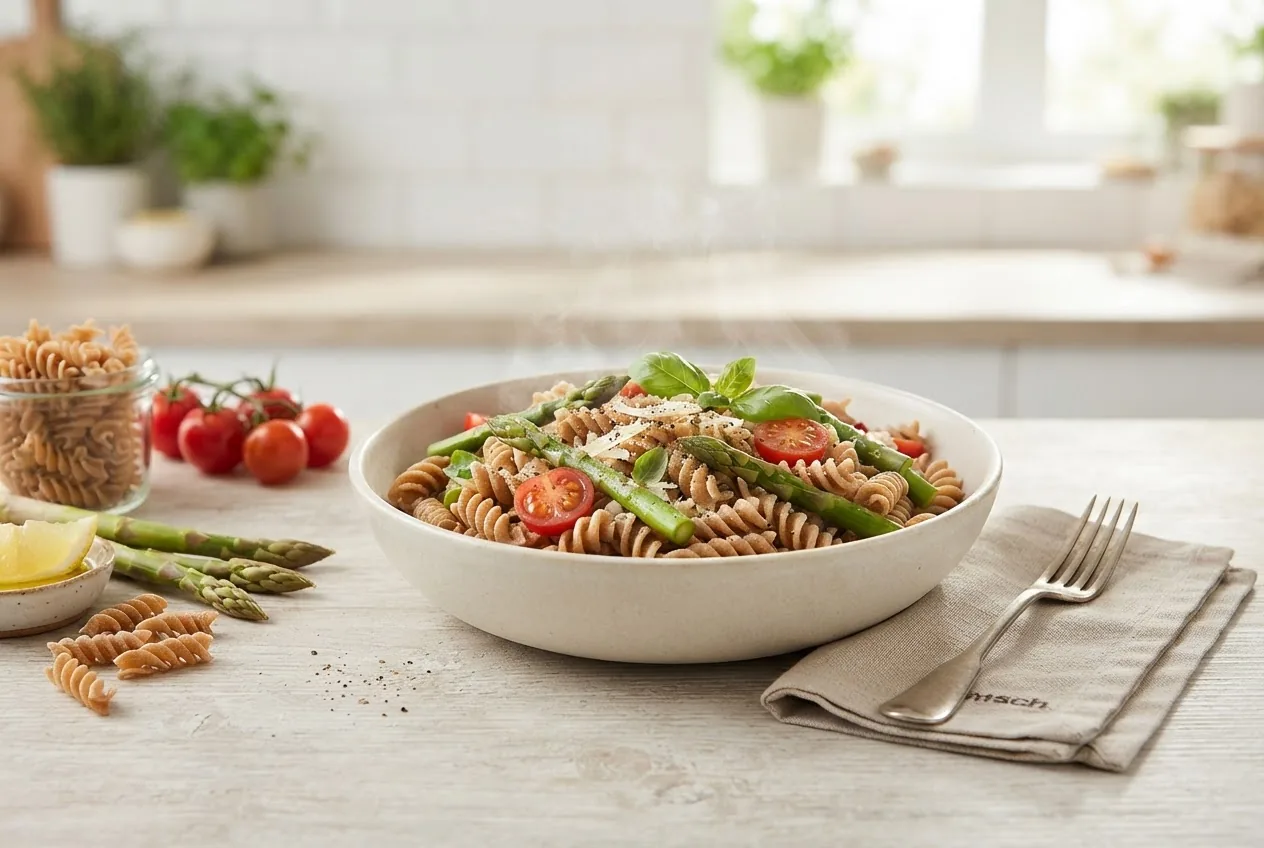
Yes — whole wheat pasta is generally healthier than refined pasta because it uses the whole grain, providing more dietary fiber, protein, vitamins and minerals, a lower glycemic response, and improved satiety; when chosen and portioned correctly it supports blood-sugar control, heart health and weight management for most people.
What exactly is whole wheat pasta?
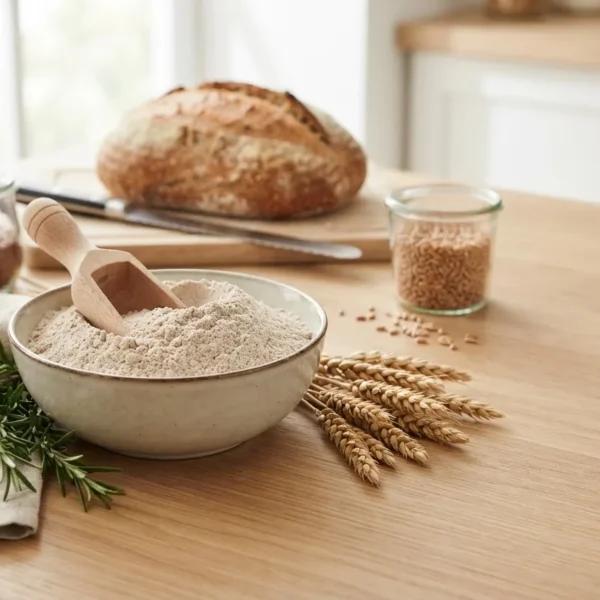
Whole wheat pasta is a pasta made from flour milled from the entire wheat kernel — bran, germ and endosperm — rather than only the endosperm used in refined pasta.
Whole grain: a kernel that retains all three original parts — bran, germ and endosperm — after milling.
Whole wheat: specifically refers to products made from the whole wheat kernel rather than other grains.
Manufacturers grind whole wheat (often durum or common wheat) into wholemeal flour and shape it into noodles; the retained bran and germ raise fiber, B vitamins, minerals and antioxidants compared with refined semolina pasta. Whole wheat pasta may vary in color and texture and can be labeled “100% whole wheat” or “whole grain wheat” — check the ingredient list to confirm the whole kernel is the only flour listed.
Is whole wheat pasta healthy for you compared with regular pasta?
Yes — whole wheat pasta provides more fiber, protein, micronutrients and typically a lower glycemic response than refined white pasta, making it the healthier choice for routine consumption for most people.
Dietary fiber: plant-based carbohydrates the body can’t digest that support bowel regularity, blood-sugar control and satiety.
Key differences stem from the intact bran and germ in whole wheat: fiber increases, iron and magnesium rise, and some B vitamins remain present instead of being lost during refining. Whole wheat pasta consistently slows glucose absorption relative to refined pasta, which reduces post-meal glucose spikes and lowers glycemic load when portions are managed.
| Nutrient (per 56g dry / ~2 oz) | Whole Wheat Pasta (approx.) | Refined White Pasta (approx.) |
|---|---|---|
| Calories | 190–200 kcal | 200–210 kcal |
| Total carbs | 37–40 g | 39–42 g |
| Dietary fiber | 6–8 g | 1–3 g |
| Protein | 8–10 g | 7–8 g |
| Iron | ~1.5 mg | ~0.8 mg |
| Magnesium | ~35 mg | ~15 mg |
Numbers above are typical ranges for durum whole wheat vs refined semolina; brand labels vary. Fiber content is the main practical difference for health benefits.
What are the main benefits of whole wheat pasta?
Whole wheat pasta benefits include higher fiber and micronutrient intake, lower glycemic impact, better appetite control, improved bowel function and potential heart-disease risk reduction when it replaces refined pasta regularly.
- Higher fiber: supports bowel regularity, increases satiety and lowers post-meal glucose rises.
- Micronutrients preserved: B vitamins, magnesium, iron, zinc and antioxidants are higher than in refined versions.
- Lower glycemic response: intact bran slows digestion and glucose absorption.
- Weight management: greater fullness per calorie helps reduce overall energy intake.
- Cardiometabolic benefits: regular whole-grain intake is associated with reduced coronary heart disease and type 2 diabetes risk in population studies.
How much fiber and nutrients will I get from a serving of whole wheat pasta?
One standard dry serving (56 g / ~2 oz) of whole wheat pasta supplies about 6–8 g of dietary fiber, 8–10 g protein, plus measurable iron, magnesium and B vitamins — usually 20–30% more micronutrients than refined pasta.
Soluble vs insoluble fiber: soluble fiber dissolves in water and forms a gel that slows digestion; insoluble fiber adds bulk and speeds intestinal transit.
Whole wheat contains mostly insoluble fiber from bran plus some soluble forms; total fiber in a typical cooked cup (about 140–160 g cooked) is roughly 5–7 g depending on brand and cooking method.
Worked example: a plate with 1 cup cooked whole wheat pasta (≈6 g fiber), 1 cup tomato sauce (≈2 g fiber) and 3/4 cup vegetables (≈3 g) totals about 11 g fiber — about 40% of the recommended 28 g/day for women and 29 g/day for men (age-dependent intake targets vary by source).
Is whole wheat pasta good for people with diabetes?
Yes — whole wheat pasta is generally a better choice for people with diabetes because its higher fiber and lower glycemic response help reduce postprandial blood-glucose spikes and lower glycemic load when eaten in controlled portions.
Glycemic index (GI): a ranking (0–100) of how quickly a carbohydrate food raises blood glucose compared with pure glucose or white bread.
Whole wheat pasta typically has a moderate GI (around 40–50 cooked al dente) while refined pasta often scores higher; cooking time matters — al dente yields a lower GI than overcooked pasta. Glycemic load (GL) combines GI with serving carbs and is what predicts blood glucose impact for realistic portions.
- Control portion size: 1 serving of dry pasta (56 g) is a practical starting point; weigh if necessary.
- Pair with protein, healthy fat and vegetables to blunt the glucose rise further (example: whole wheat pasta + grilled chicken + olive oil + spinach).
- Choose al dente cooking and avoid energy-dense cream sauces to minimize GL.
Can whole wheat pasta help with weight loss?
Whole wheat pasta can support weight loss indirectly by increasing satiety per serving and reducing overall calorie intake when it substitutes refined pasta as part of a calorie-controlled diet and balanced meal composition.
Mechanisms: fiber and protein slow gastric emptying and reduce hunger between meals; lower glycemic peaks reduce reactive hunger; the denser texture encourages smaller portions. However, weight loss depends on total energy balance, not a single food — overeating whole wheat pasta still increases calories.
Practical strategy:
- Measure dry portions (50–60 g) and complement with high-volume vegetables (2+ cups) and lean protein.
- Use oil and cheese sparingly; favor olive oil-based sauces and tomato-based sauces with veg and legumes.
- Track weekly averages rather than single meals; swap two refined-pasta meals per week for whole wheat versions to see measurable satiety and reduced caloric intake.
Is wholemeal pasta the same as whole wheat pasta?
Often yes — “wholemeal” and “whole wheat” are used interchangeably in many markets and both mean the flour includes the whole grain, but verify the ingredient list because labeling regulations vary.
Wholemeal: a term commonly used outside the U.S. to indicate flour made from the whole grain kernel.
Label-check tips: the first ingredient should be “whole wheat flour” or “wholemeal wheat flour” with no added refined white flour. Phrases such as “made with whole grain” can be misleading if whole grain is a minor ingredient — prefer “100% whole grain” or “whole wheat flour” as the sole flour listed.
How should I choose whole wheat pasta at the store?
Choose products labeled “100% whole wheat” or with whole wheat flour as the first ingredient, check fiber content (aim for ≥4 g per serving), inspect ingredient simplicity (no added starches), and prefer durum-based whole wheat for firmer texture.
- Read ingredients: whole wheat flour first, no enriched white flour near the top.
- Check nutrition facts: fiber ≥4 g per serving indicates meaningful benefit; protein ~8 g is common.
- Consider texture: whole durum wheat often cooks firmer and has a more palatable chew than common whole wheat.
- Allergy/label flags: look for “gluten free” only if needed; whole wheat is not suitable for celiac disease.
How should I cook whole wheat pasta to preserve its benefits?
Cook whole wheat pasta al dente in plenty of salted water, avoid long overcooking, and combine with vegetables, protein and healthy fats to preserve fiber benefits and reduce the meal’s glycemic impact.
- Use a large pot and 1–2% salt in the cooking water to season without excess sodium intake.
- Follow package cooking time but test 1–2 minutes earlier for al dente; undercooked starches digest more slowly.
- Do not rinse cooked pasta before saucing; starchy surface helps sauce adhere — but if making a cold pasta salad, a light rinse cools it quickly.
- Store leftovers promptly in the refrigerator; reheating is fine and may slightly lower glycemic response because retrograded starch forms when cooled.
How does whole wheat pasta compare to other pasta alternatives (legume pasta, spelt, einkorn)?
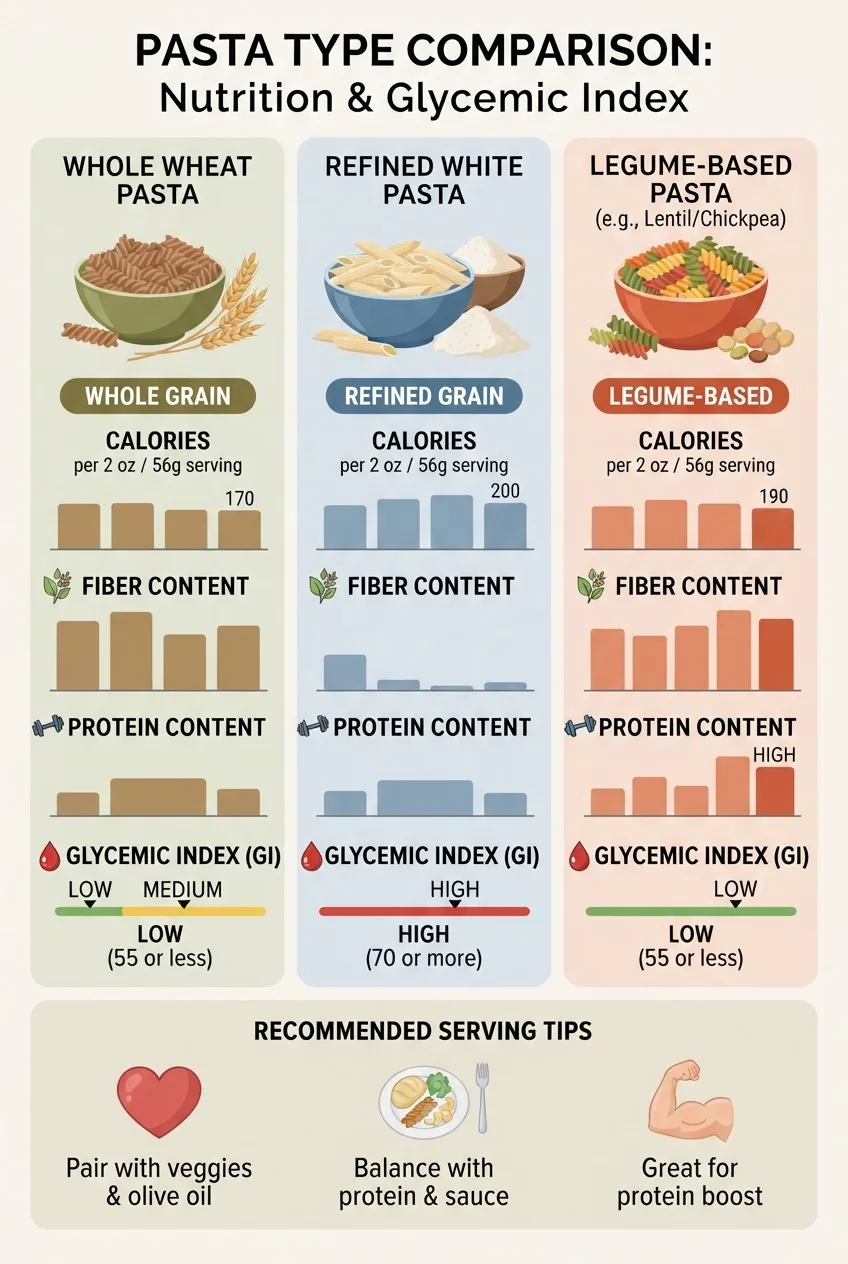
Whole wheat pasta is a solid all-purpose choice; legume-based pastas offer more protein and fiber per serving, while ancient grains like spelt or einkorn may be easier to digest for some but still contain gluten and offer variable nutrient profiles.
| Pasta Type | Typical Protein | Typical Fiber | Notes |
|---|---|---|---|
| Whole wheat (durum) | 8–10 g | 6–8 g | Balanced taste and texture, widely available. |
| Legume (chickpea, lentil) | 12–20 g | 6–10 g | Higher protein, naturally gluten-free; stronger bean flavor. |
| Spelt / Einkorn (whole) | 8–11 g | 5–8 g | Ancient grains with distinct flavors; still contain gluten. |
Choose based on nutrition goals: legume pasta for extra protein or legumes in sauce; whole wheat for a neutral, balanced staple that supports fiber intake without large shifts in cooking technique.
Are there any downsides or risks to eating whole wheat pasta?
Potential downsides include gluten intolerance or celiac disease, digestive upset if fiber intake increases too fast, and antinutrients like phytic acid that can mildly reduce mineral absorption — most risks are manageable through portion control and meal composition.
Phytic acid: a plant compound that can bind minerals and slightly reduce their absorption; levels are higher in whole grains but not usually problematic in varied diets.
- Gluten: whole wheat contains gluten and must be avoided by people with celiac disease or non-celiac gluten sensitivity.
- Gastrointestinal effects: increasing whole-grain intake rapidly can cause gas, bloating or loose stools; increase fiber gradually and drink adequate water.
- Calorie density: pasta is calorie-dense; pairing with high-volume vegetables and lean proteins prevents overeating.
How much whole wheat pasta should I eat in a meal?
A typical portion for most adults is 1 serving (56 g / ~2 oz dry; about 1 to 1.25 cups cooked) depending on energy needs; adjust by activity level, meal context and personal goals.
- Low-activity or weight-loss goals: 40–56 g dry (1/2–3/4 cup cooked) plus vegetables and protein.
- Moderate-activity: 56–85 g dry (1–1.5 cups cooked) with balanced toppings.
- High-activity (endurance training): 85–113 g dry (1.5–2 cups cooked) may be appropriate pre/post-workout when paired with protein and carbs for recovery.
Use a kitchen scale for accuracy until you can judge portions by volume. Filling plates with half vegetables and half pasta (by volume) helps control calorie intake and boost fiber and nutrient density.
Does cooking method change the health effects of whole wheat pasta?
Yes — cooking to al dente and avoiding long simmering preserves firmer texture and slower digestion, and cooling then reheating pasta can increase resistant starch, slightly lowering its glycemic impact.
Resistant starch: starch that resists digestion in the small intestine and acts like fiber in the colon, feeding beneficial gut bacteria.
Al dente cooking reduces the surface gelatinization of starch, slowing carbohydrate absorption; overcooking increases available starch and raises GI. Cooling cooked pasta in the refrigerator for several hours then reheating forms resistant starch, which modestly reduces net glycemic load and feeds colonic microbiota.
Which sauces and pairings make whole wheat pasta healthier?
Pair whole wheat pasta with vegetables, lean proteins and heart-healthy fats (olive oil, nuts) rather than cream-heavy or sugary sauces to maximize nutrition and satiety while keeping calories and glycemic load reasonable.
- Tomato-based sauces with vegetables and herbs (e.g., garlic, basil) add fiber and antioxidants at low calories.
- Legumes (lentils, chickpeas) increase protein and fiber; combine for balanced meals.
- Olive oil and nuts provide healthy fats and improve absorption of fat-soluble nutrients.
- Limit creamy Alfredo or excessive cheese quantities; use grated hard cheese sparingly for flavor.
Is whole grain pasta good for heart health?
Yes — diets high in whole grains, including whole wheat pasta, are associated with lower risk of coronary heart disease, improved cholesterol profiles and reduced inflammation when they replace refined grains and are part of an overall healthy diet.
Mechanisms include cholesterol-lowering effects of soluble fibers and plant compounds, improved blood pressure and weight control, and better insulin sensitivity. Population studies and meta-analyses consistently link whole-grain intake with reduced cardiovascular events; replacing refined carbs with whole-grain options contributes to that effect.
Are there quality differences between brands of whole wheat pasta?
Yes — brands differ in milling method, wheat variety (durum vs common), particle size, and whether they add other flours or fiber concentrates; look for 100% whole wheat flour, consistent fiber content, and reliable texture reviews when selecting brands.
- Durum whole wheat tends to be firmer and less crumbly than wholemeal made from common wheat — preferred for al dente texture.
- Some brands add wheat bran or isolated fiber — fine for fiber but check ingredient simplicity if you prefer only whole flour.
- Organic vs conventional affects pesticide use but not inherent nutritional value significantly; choose based on personal priorities.
How does price and availability of whole wheat pasta compare to regular pasta?
Whole wheat pasta is widely available in supermarkets across Texas and the U.S. and is typically modestly more expensive than standard refined pasta, though price differences have narrowed as demand and production scale have grown.
| Option | Typical price range (USD per lb) | Availability |
|---|---|---|
| Refined semolina pasta | $0.90–$2.00 | Very high |
| Whole wheat pasta | $1.50–$3.50 | High in major retailers |
| Legume or specialty pasta | $2.00–$5.00+ | Moderate; specialty aisles |
Prices vary by brand, package size and store; buying in bulk or store brands reduces cost. Availability is high in supermarkets across Texas, including national chains and many independent grocers.
What labels or claims should I avoid when buying whole wheat pasta?
Avoid vague claims like “made with whole grains” or “multigrain” without whole wheat flour listed first; also be wary of added sugars, isolated starches or enriched white flour listed before whole grain flour.
- “Made with whole grain” can mean a small percentage of whole grain mixed with refined flours.
- “Multigrain” only indicates multiple grains, not necessarily whole grains.
- Check for added ingredients such as maltodextrin, isolated fibers or starches if you prefer whole-food ingredients.
Are there quick recipe swaps to make my pasta meals healthier?
Yes — swap refined noodles for whole wheat pasta, halve the pasta portion and double vegetables, add lean protein or legumes, and choose tomato-based sauces or oil-and-herb dressings instead of cream sauces.
- Swap 100% whole wheat spaghetti for white spaghetti.
- Use spiralized vegetables mixed 50/50 with cooked pasta to increase volume and fiber while keeping calories steady.
- Add a can of rinsed chickpeas or 100 g grilled salmon for protein and micronutrients.
- Season with lemon, herbs and a drizzle of extra-virgin olive oil instead of heavy cream.
Does whole wheat pasta affect gut health?
Whole wheat pasta can positively affect gut health by increasing fiber and resistant starch, which feed beneficial gut bacteria, but responses vary among individuals and a gradual increase is recommended to avoid temporary discomfort.
Fiber and resistant starch reach the colon and are fermented by microbiota into short-chain fatty acids (SCFAs) like butyrate, supporting colonocyte health and reducing inflammation. Introduce whole grains gradually and maintain hydration to allow microbiota adaptation and minimize gas or bloating.
Can people with IBS eat whole wheat pasta?
Some people with irritable bowel syndrome (IBS) tolerate whole wheat pasta, but others sensitive to wheat or wheat fructans may experience symptoms; individual tolerance varies and a trial under guidance can determine suitability.
FODMAPs: fermentable oligo-, di-, mono-saccharides and polyols are short-chain carbs that can trigger IBS; wheat contains fructans, a FODMAP, which may cause symptoms in sensitive individuals. Low-FODMAP alternatives include rice, gluten-free pasta or small portions of wheat tolerated by the person.
How should whole wheat pasta be stored and what is its shelf life?
Store unopened whole wheat pasta in a cool, dry place; typical shelf life is 12–24 months, and once opened keep in an airtight container in the pantry or refrigerate for longer-term storage; cooked pasta lasts 3–5 days refrigerated.
- Unopened shelf-stable packages: follow best-by dates (12–24 months is common).
- Opened dry pasta: transfer to airtight container to protect from moisture and pests.
- Cooked pasta: refrigerate within 2 hours; consume within 3–5 days; freeze up to 1 month for best quality.
Are there regional or cultural considerations for whole wheat pasta consumption in Texas?
Whole wheat pasta fits well into Texan home cooking and regional diets — use it in Tex-Mex inspired dishes, chili-based sauces, or vegetable-forward bowls to combine local flavors with whole-grain benefits.
Examples: swap refined pasta for whole wheat in baked pasta casseroles, add black beans and roasted peppers for fiber-rich Tex-Mex bowls, or pair with grilled lean proteins and southwestern spice blends for balanced meals suited to local tastes.
How does whole wheat pasta fit into a balanced meal plan?
Whole wheat pasta serves as the carbohydrate component of a balanced plate when paired with vegetables (half the plate), lean protein and some healthy fat — this combination balances macronutrients and improves blood-sugar control and nutrient density.
- Fill half your plate with non-starchy vegetables (2+ cups).
- Reserve one-quarter for protein (3–4 oz cooked lean meat, fish, legumes or tofu).
- Reserve one-quarter for whole wheat pasta (approx. 1 cup cooked) or adjust by activity level.
- Add a tablespoon or two of olive oil, nuts or seeds for healthy fats and flavor.
What cooking tips make whole wheat pasta more palatable for picky eaters?
Mix whole wheat pasta with flavorful sauces and finely chopped vegetables to mask stronger wheat flavors, use shorter shapes like penne or rotini, and cook slightly al dente to improve texture.
- Blend vegetables into sauces (e.g., butternut squash, roasted red pepper) for creaminess without adding cream.
- Toss hot pasta immediately with sauce to allow flavors to meld and soften the whole-wheat texture.
- Start with mixtures (50% whole wheat, 50% refined) if transitioning family members, then increase whole wheat proportion over weeks.
What tests or signs show if whole wheat pasta is right for my body?
Monitor energy levels, digestive comfort, hunger between meals, blood-glucose readings if you track them, and long-term weight trends; improved satiety, steadier glucose and regular bowel movements indicate good tolerance and benefit.
- Keep a short food diary noting portions, timing, and any GI symptoms for two weeks when changing pasta type.
- For people with diabetes, check post-meal blood glucose at 1–2 hours after switching to whole wheat to observe differences.
- Consult a registered dietitian or clinician if you have chronic digestive issues, celiac disease or complex medical conditions.
How can I introduce whole wheat pasta into family meals without waste?
Gradually increase the percentage of whole wheat in mixed pasta dishes, use recipes where sauce and toppings are crowd-pleasing, and test small batches to build acceptance before buying larger quantities.
- Start with 50/50 mixes of whole wheat and white pasta for the first 1–2 weeks.
- Use high-flavor sauces (tomato basil, garlic olive oil) to offset wheat notes.
- Make large, reheatable dishes (baked pasta, casseroles) where flavors deepen overnight.
Should I prioritize whole wheat pasta over other whole-grain foods?
Whole wheat pasta is a useful way to increase whole-grain intake but should be part of a varied whole-grain strategy including oats, brown rice, quinoa and barley to ensure diverse nutrients and fiber types.
- Different whole grains provide different fibers and micronutrients — variety optimizes nutrient intake and gut microbial diversity.
- Include whole wheat pasta alongside other whole grains across the week rather than relying exclusively on pasta for whole-grain intake.
Where can I learn more about whole grains and fiber?
Explore the Foods High in Whole Grains and Fiber pillar guide for comprehensive coverage on whole-grain choices, portion guidance and high-fiber recipes, and review specialized articles on whole grains for diabetes and whole wheat nutrition for deeper dives.
Suggested internal reading:
- Foods High in Whole Grains and Fiber: Healthy Eating Guide
- Whole Grains for Diabetics: Healthy Eating and Nutrition Guide
- Whole Wheat vs Whole Grain Wheat: Differences and Nutrition Guide
Frequently Asked Questions
Is whole wheat pasta healthier than gluten-free pasta?
Whole wheat pasta is healthier than many refined gluten-free pastas for whole-grain nutrients, but some gluten-free legume pastas (chickpea, lentil) offer equal or higher protein and fiber; choose based on dietary restrictions and nutrient goals, not automatically by label.
How many grams of carbohydrates are in a serving of whole wheat pasta?
A standard dry serving (56 g / ~2 oz) of whole wheat pasta contains roughly 37–40 grams of carbohydrates; cooked volume is about 1 to 1.25 cups and carbohydrate totals scale with portion size and cooking absorption.
Can I eat whole wheat pasta every day?
Yes, you can eat whole wheat pasta daily if it fits your calorie and nutrient needs; rotate with other whole grains and emphasize vegetables and lean proteins to maintain variety and micronutrient balance.
Does whole wheat pasta have more protein than regular pasta?
Slightly — whole wheat pasta typically provides about 8–10 g protein per 56 g dry serving versus 7–8 g for refined white pasta; legume-based pastas provide substantially more protein if protein intake is a priority.
Will whole wheat pasta spike my blood sugar?
Whole wheat pasta usually triggers a smaller blood-sugar rise than refined pasta when cooked al dente and eaten in controlled portions with protein and fat; individual responses vary so people with diabetes should monitor post-meal glucose for confirmation.
How can I make whole wheat pasta taste better?
Cook al dente, combine with flavorful tomato-based sauces, roasted vegetables, herbs, citrus and a small amount of olive oil or grated cheese; mixing in legumes or a lean protein also improves texture and satisfaction.
Is whole wheat pasta good for children?
Yes — whole wheat pasta is appropriate for children without gluten intolerance, offering extra fiber and micronutrients; start with small portions and kid-friendly sauces and gradually increase whole-grain proportion to build acceptance.