What you’ll finish and how long it takes
By the end of this guide you will have: a fully written, SEO-optimized 1,200–1,800-word nutrition article targeted to students (with headings, a 7-day sample meal plan, a 2-day meal-prep workflow, grocery list with quantities and estimated cost, 3 evidence-backed tips, and 3 internal links). Realistic time: 6–9 hours from research to publish for an experienced writer; 10–14 hours if you’re new to nutrition writing or editing. Skill level assumed: intermediate — you should be comfortable researching primary sources, editing copy, and working in your CMS.
Before you start
- Research tools: browser, Google Scholar, PubMed, one nutrition facts database (USDA FoodData Central).
- Writing tools: your CMS login, Google Docs or similar, a plain-text editor for metadata.
- Measurement tools: kitchen scale (grams), measuring cups, a basic calorie-tracking app (MyFitnessPal or Cronometer) for worked examples.
- Photography: smartphone with 12MP camera or a stock image account (optional).
- Timeblocks: two focused sessions — 2–3 hours for research and outline, 3–6 hours for writing and editing, 1 hour for SEO and publishing.
- Audience brief: location (Texas, USA), typical age 18–25, constraints: campus dining, limited kitchen access, budget $30–70/week for groceries.
Core steps: create nutrition articles for students
-
1. Define your article intent and audience — state the student problem in one sentence
Action first: write a one-sentence problem statement that identifies the student’s pain. Example: “Help a budget-conscious Texas college student eating in dorms hit daily energy needs (2,000 kcal) with quick meals under 15 minutes.” Put that sentence at the top of your working doc. This focus determines tone, portion sizes, and the meal plan’s caloric targets.
Decide target calorie and macronutrient goals for the article’s primary persona: for a moderately active 18–25-year-old student use 2,000 kcal/day (±250 kcal). Use macronutrient split 45–55% carbohydrates, 20–30% protein, 25–35% fat as a default; translate to grams for 2,000 kcal: carbs 225–275 g, protein 100–150 g, fat 55–78 g.
-
2. Gather 6–10 high-quality sources — prioritize evidence and local relevance
Action first: collect sources that support any claims about nutrient needs, food safety, and shelf life. Required: one government reference (USDA FoodData Central), one recent review or guideline (Academy of Nutrition and Dietetics or similar), one campus-specific resource if available, and 2–3 peer-reviewed studies for specific claims (e.g., protein needs for active students).
How to document: create a source list at the top of your draft with full citations and a one-line summary per source. Example entries: “USDA FoodData Central — Chicken breast, raw, 100 g = 165 kcal, 31 g protein; used to calculate protein portions.”
Thresholds: avoid relying on single non-peer-reviewed blogs. If you cite a study for sleep and caffeine, use randomized trials or cross-sectional studies less than 12 years old where possible.
-
3. Create an outline and SEO map — map headings to search intent and keywords
Action first: make a detailed outline with headings and target keywords written next to each heading. The primary keyword, “nutrition articles for students”, must appear in your title tag and H2 at least once. Place the secondary phrase “article about healthy eating for students” in a subheading and within the first 150 words.
Outline structure to use (recommended):
- Intro: what readers will learn (use primary keyword)
- Quick facts: 5-7 bullets (calories, macros, top 6 nutrient-dense foods)
- 3 core actionable habits for students
- 2-day meal-prep workflow (with times and quantities)
- 7-day student meal plan (day-by-day, portions, calories)
- Grocery list with quantities and estimated Texas prices
- Food safety and storage thresholds
- References and further reading (internal links to pillar & siblings)
On-page SEO: plan meta description (140–155 chars), URL slug (use hyphens), and two internal links: link to the pillar page /nutrition-tips/nutritionally-complete-meal-guide-with-balanced-diet-advice/ and at least one sibling such as /nutrition-tips/10-ways-to-eat-better-guide-with-essential-diet-tips/ or /nutrition-tips/nutrition-and-teens-article-guide-with-healthy-eating-tips/ with natural anchor text.
-
4. Write a compact, benefit-driven introduction — include primary keyword and persona targets
Action first: draft a 120–180 word introduction that states the reader type, the problem, and the immediate benefits. Include the primary keyword “nutrition articles for students” once in the first 35–50 words and the phrase “article about healthy eating for students” once within the first 150 words.
Example intro sentence sequence: “This collection of nutrition articles for students cuts through campus confusion: quick meals, realistic budgets, and storage-safe prep that fit dorm kitchens. If you’re a Texas student who needs 2,000 kcal/day with minimal equipment, read on.”
Voice and readability: target a Flesch-Kincaid grade 8–10. Use short paragraphs (1–3 sentences) and active verbs. Keep one-sentence paragraphs for key takeaways.
-
5. Produce three research-backed, student-specific nutrition tips — be concrete
Action first: write three numbered tips; each tip must include measurable actions, quantities, and timing.
- Tip 1 — Prioritize protein at breakfast: Aim for 20–30 g protein within 60 minutes of waking. Practical: two large eggs (12 g), 1/2 cup low-fat cottage cheese (14 g), or a 30 g whey protein shake (24 g). If using eggs, cook two scrambled eggs in 1 tsp olive oil (40 kcal) — total calories ~200–270.
- Tip 2 — Fuel study sessions with planned snacks: Choose a 250–300 kcal snack with 8–12 g protein and ≤7 g saturated fat. Example: 1 medium apple (95 kcal) + 28 g almonds (170 kcal, 6 g protein) = 265 kcal. Carry mixed packets portioned to 28 g each to avoid overeating.
- Tip 3 — Batch-cook a balanced grain+protein base: Make 6 portions of a base: 600 g cooked quinoa (approx. 222 kcal/100 g cooked), 600 g cooked black beans (approx. 132 kcal/100 g cooked), and 600 g roasted mixed vegetables. Divide into 6 containers for 500–550 kcal per serving with 18–25 g protein. Refrigerate up to 4 days (see storage thresholds below).
-
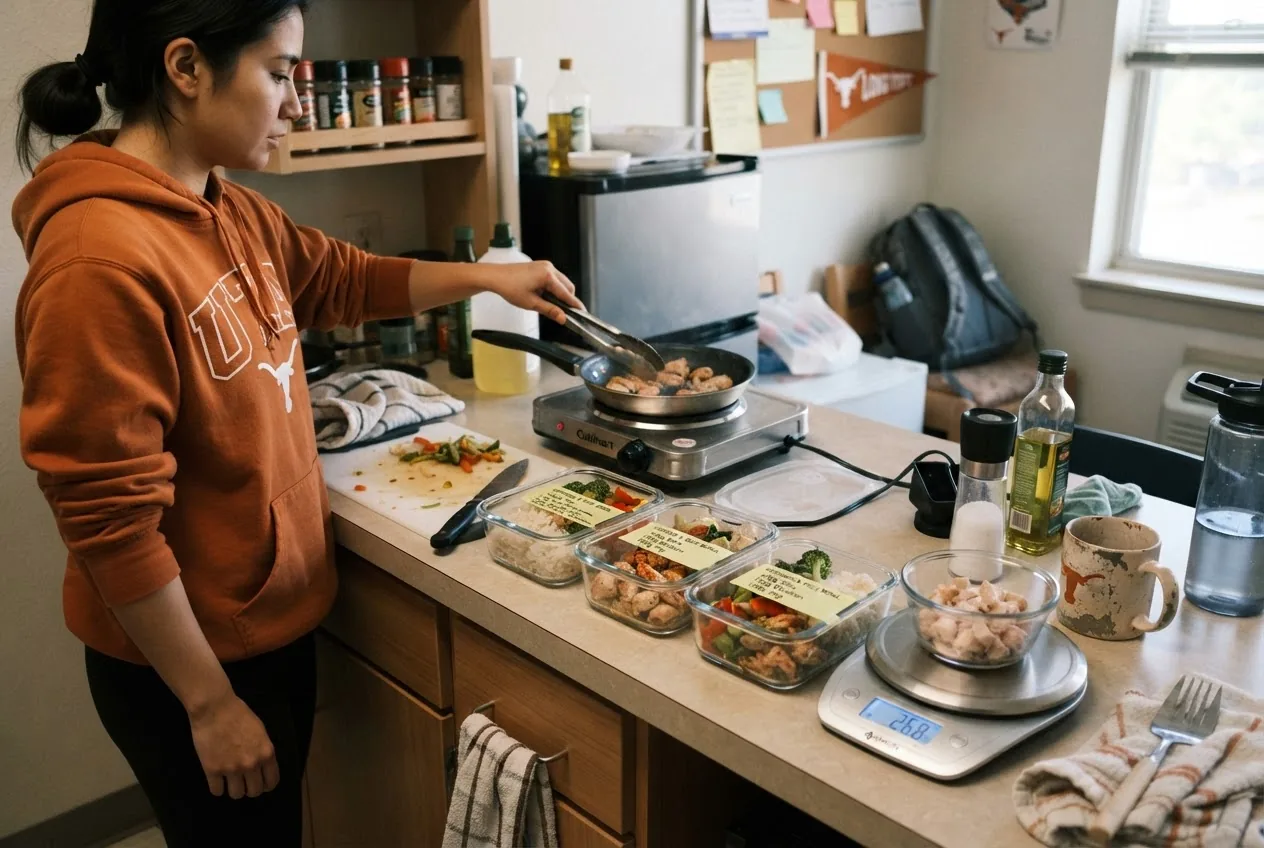
6. Develop a 2-day meal-prep workflow — timed, equipment-specific, and repeatable
Action first: write an explicit, timed workflow for prepping two days’ worth of meals in 50–60 minutes, assuming only a microwave, a mini-fridge, and a single hotplate.
Workflow (50 minutes):
- 0:00–5:00 — Setup & wash: Clear a 60 cm counter, assemble 6 reusable containers (500–700 ml), a cutting board, knife, measuring cups, kitchen scale, and a kettle for boiling water.
- 5:00–15:00 — Cook grains: Start 2 cups dry brown rice (≈370 g dry) in 4 cups water on the hotplate; simmer 25–30 minutes but start and set timer for 25 minutes now.
- 10:00–20:00 — Chop & season veg: Chop 3 bell peppers, 2 medium sweet potatoes (cut into 1.5 cm cubes), and 2 red onions. Toss 600 g mixed veg in 1 tbsp olive oil, 1 tsp smoked paprika, 1/2 tsp salt, and roast on the hotplate in a covered pan for 15–18 minutes stirring every 5 minutes.
- 20:00–30:00 — Prepare protein: While grains cook, heat 1 tbsp olive oil, cook 600 g chicken breast sliced thinly (or firm tofu 600 g for plant-based) with 1 tsp garlic powder, 1 tsp black pepper. Cook to internal temp 74°C for chicken; for tofu, 8–10 minutes until browned. Slice and portion 150 g per container for 4 containers (150 g provides ~31–35 g protein if chicken).
- 30:00–40:00 — Assemble & cool: Divide rice (approx. 180 g cooked per container), beans (100 g canned rinsed per container, adds 7 g protein), protein (150 g), and veg (≈150 g) into 4 containers. For two-day plan, prepare 4 meals total (2 dinners + 2 lunches) and 2 breakfasts (see breakfast prep below).
- 40:00–50:00 — Breakfast & snack prep: Portion overnight oats: 2 cups rolled oats + 3 cups milk (dairy or fortified plant milk) + 40 g chia seeds makes 4 portions. Portion 1/2 cup per jar (≈300 kcal, 10 g protein with milk). Wrap and refrigerate.
Storage thresholds: refrigerate cooked chicken and rice at ≤4°C; eat within 3–4 days. If you plan to store 5–7 days freeze portions: freeze for up to 2 months. Reheat to 74°C before eating; microwaves: 2–3 minutes on high from chilled (stir halfway).
-
7. Build a student 7-day meal plan with exact portions and calories — concrete example
Action first: deliver a full 7-day plan targeted to ~2,000 kcal/day and note alternates for vegetarian and lower-budget options. Each day lists breakfast, lunch, dinner, two snacks, and a total calorie and protein estimate.
Notes on portion math: Use USDA FoodData Central values; round calories to nearest 25 kcal and protein to nearest gram. When a range is given, the plan picks the midpoint.
Day Meals (portions and kcal) Daily totals Day 1 (Campus day) Breakfast: Overnight oats: 1/2 cup rolled oats (150 kcal), 3/4 cup low-fat milk (60 kcal), 20 g chia (100 kcal) — total 310 kcal, 12 g protein.
Snack AM: Greek yogurt 170 g plain (100 kcal, 17 g protein).
Lunch: Grain bowl: 180 g cooked brown rice (220 kcal), 120 g grilled chicken (198 kcal, 37 g protein), 150 g mixed veg (80 kcal) + 1 tbsp salsa (10 kcal) — 508 kcal.
Snack PM: 1 medium apple (95 kcal) + 15 g peanut butter (90 kcal) — 185 kcal.
Dinner: 2-egg omelet (140 kcal, 12 g protein) + 2 slices whole-grain toast (160 kcal) + side salad (40 kcal) — 340 kcal.Total ≈1,543 kcal; protein ≈78 g. Add 450 kcal dinner adjustment or 2nd dinner snack to reach 2,000 kcal (e.g., add 100 g cooked quinoa + 1 tbsp olive oil = +300 kcal). Day 2 (Study group) Breakfast: Smoothie: 1 medium banana (105 kcal), 30 g whey (120 kcal), 1 cup spinach (7 kcal), 1 cup milk (100 kcal), 1 tbsp peanut butter (90 kcal) — 422 kcal, 28 g protein.
Snack AM: 28 g mixed nuts (170 kcal).
Lunch: Tuna sandwich: 100 g canned tuna in water drained (116 kcal, 26 g protein), 2 slices whole-grain bread (160 kcal), 1 tbsp mayo (90 kcal), lettuce/tomato (10 kcal) — 376 kcal.
Snack PM: Carrot sticks 100 g (41 kcal) + hummus 50 g (150 kcal) — 191 kcal.
Dinner: Stir-fry tofu 200 g firm tofu (160 kcal, 20 g protein) + 200 g mixed veg (100 kcal) + 1 tbsp soy sauce (10 kcal) + 1 cup cooked brown rice (215 kcal) — 485 kcal.Total ≈1,644 kcal; protein ≈94 g. Add evening snack: 2 tbsp almond butter on celery (+200 kcal) to reach ~1,844 kcal; increase portions slightly to hit 2,000 kcal if needed. Day 3 (Evening classes) Breakfast: 2 boiled eggs (140 kcal) + 1 slice whole-grain toast (80 kcal) + orange 1 medium (62 kcal) — 282 kcal.
Snack AM: Cottage cheese 1/2 cup (110 kcal, 14 g protein).
Lunch: Campus salad bar: 2 cups mixed greens (20 kcal), 1/2 cup chickpeas (135 kcal, 7 g protein), 30 g feta (80 kcal) + 1 tbsp olive oil (120 kcal) — 355 kcal.
Snack PM: Protein bar 50 g (200 kcal, 10–15 g protein).
Dinner: Sheet-pan chicken fajita: 150 g chicken (248 kcal), 1 small tortilla (90 kcal), 1/2 avocado (120 kcal) — 458 kcal.Total ≈1,405 kcal; protein ≈86 g. Add late-night shake or 1 cup cooked quinoa (+220 kcal) to reach 1,625 kcal; add extra snack to reach 2,000 kcal if needed. Day 4 (Weekend at home) Breakfast: Pancake alternative: 40 g oats blended (150 kcal), 1 egg (70 kcal), 1/2 banana (50 kcal) — 270 kcal.
Snack AM: Greek yogurt 170 g (100 kcal, 17 g protein).
Lunch: Leftover grain bowl (see prep) 550 kcal.
Snack PM: Trail mix 40 g (220 kcal).
Dinner: Baked salmon 120 g (230 kcal, 25 g protein) + 200 g sweet potato (180 kcal) + steamed broccoli 100 g (35 kcal) — 445 kcal.Total ≈1,580 kcal; protein ≈90 g. Add an evening snack: avocado toast (250 kcal) to reach ~1,830 kcal, and a glass of milk (150 kcal) to approach 2,000 kcal. Day 5 (Exam day) Breakfast: Protein oatmeal: 1/2 cup oats (150 kcal) + 1 scoop whey (120 kcal) + 1 tbsp almonds (50 kcal) — 320 kcal.
Snack AM: Banana (105 kcal).
Lunch: Turkey wrap: 100 g turkey breast (135 kcal, 29 g protein), whole-wheat wrap (130 kcal), spinach & mustard (10 kcal) — 275 kcal.
Snack PM: 1 boiled egg (70 kcal) + whole-grain cracker 4 pcs (60 kcal) — 130 kcal.
Dinner: Lentil chili 300 g (approx. 420 kcal, 24 g protein) + side salad (40 kcal) — 460 kcal.Total ≈1,395 kcal; protein ≈86 g. Increase portion sizes at lunch and dinner or add a 250 kcal mixed-nut snack to hit 2,000 kcal. Day 6 (Athletic practice) Breakfast: 3-egg scramble (210 kcal) + 1 cup cooked oats (150 kcal) + 1 tbsp honey (60 kcal) — 420 kcal.
Snack AM: 1 apple + 30 g almonds (265 kcal).
Lunch: Chicken sandwich with avocado: 120 g chicken (198 kcal), 2 slices bread (160 kcal), 1/4 avocado (60 kcal) — 418 kcal.
Snack PM (pre-workout): 1 slice toast with peanut butter (200 kcal).
Dinner (post-workout): 200 g beef stir-fry lean (280 kcal, 40 g protein) + 1 cup cooked rice (215 kcal) — 495 kcal.Total ≈1,798 kcal; protein ≈120 g. Add extra milk or a recovery shake (200–250 kcal) to reach 2,000–2,050 kcal as needed for higher energy demands. Day 7 (Flexible) Use leftovers, aim for 2,000 kcal: breakfast moderate protein (20 g), lunch balanced grain bowl (500–600 kcal), snacks 2 × 150–250 kcal, dinner 600–700 kcal with 25–35 g protein. Example dinner: grilled chicken 150 g, roasted potatoes 200 g, mixed greens with 1 tbsp olive oil — ≈650 kcal. Total target ≈2,000 kcal; protein ≈90–110 g depending on portions. Vegetarian swaps: replace 120 g chicken with 200 g firm tofu or 1 cup cooked lentils (18 g protein) and add 30 g nuts to cover additional calories. Budget swaps: frozen vegetables are cheaper (use 400 g frozen mixed veg for $1.50–$2.50) and canned beans are cost-effective (1 can ≈400 g drained).
-
8. Create a grocery list with quantities, estimated Texas prices, and a 7-day budget
Action first: produce a shopping list that covers the 7-day plan above for one person, with quantities and per-item estimated prices (Texas supermarket average, conservative). Assume basic seasonality and low-cost chains.
- Rolled oats 32 oz (907 g): 1 bag — $3.50
- Brown rice 2 lb (907 g): 1 bag — $2.50
- Dry quinoa 1 lb (454 g): 1 bag — $4.00
- Chicken breast 2.5 lb (1.1 kg): 1 pack — $8.50
- Firm tofu 14 oz (400 g): 2 packs — $4.00
- Canned tuna 4 × 5 oz (142 g): 4 cans — $4.00
- Eggs 1 dozen: 12 eggs — $2.50
- Low-fat milk 1 gallon: 1 — $3.00 (or plant milk $3.50)
- Greek yogurt 32 oz tub: 1 — $4.00
- Black beans canned 3 × 15 oz: 3 cans — $3.00
- Mixed frozen vegetables 2 lb: 1 bag — $2.00
- Fresh produce (apples, bananas, spinach, bell peppers, sweet potatoes, salad greens): combined ≈ $12.00
- Peanut butter 16 oz: 1 jar — $2.50
- Almonds 8 oz pack: 1 — $4.00
- Whole-grain bread loaf: 1 — $2.50
- Olive oil 16 oz: 1 bottle (shared across weeks) — $6.00 (budget prorated)
Estimated total for the week (single student, modest pantry staples included): $60–$75. To hit a strict $30/week budget, prioritize oats, rice, beans, seasonal produce, eggs, and limited chicken (rotate tofu and canned fish).
-
9. Write clear food-safety and storage rules — exact temperatures, times, and lab-safe language
Action first: include a small “Food safety” box in the article with numbers students can follow. Example text to include verbatim:
“Refrigerate cooked foods within 2 hours at ≤4°C (40°F). Eat refrigerated meals within 3–4 days. Freeze for longer storage up to 2 months. Reheat to an internal temperature of 74°C (165°F). Do not thaw food at room temperature; thaw in the fridge or use the microwave ‘defrost’ setting.”
Add a short note about dairy and eggs: “Store milk at ≤4°C and discard opened milk after 5–7 days. Hard-boiled eggs: refrigerate and consume within one week.” These are conservative, commonly accepted thresholds.
-
10. Add micro-content: tips for campus dining, vending machines, and late nights
Action first: add three short practical micro-tips (1–2 sentences each) that students will use immediately.
- When using a campus dining hall, build a plate with a palm-sized portion of protein (approx. 75–100 g) and two fist-sized portions of vegetables and whole grains; this approximates 500–700 kcal per meal.
- If you must use vending machines, aim for items <300 kcal with ≥6 g protein (look for Greek yogurt cups or single-serve nut packs) instead of chips or sugary bars.
- For late-night studying, choose 150–250 kcal snacks with 8–12 g protein (cottage cheese, string cheese + whole-grain crackers, or a small protein shake) to stabilize blood sugar without disrupting sleep.
Include a local Texas tip: take advantage of campus farmers’ markets (many Texas campuses run weekly markets) for seasonal produce discounts and bulk-buy savings early in the semester.
-
11. Edit for clarity and check facts — use a 4-point QA checklist
Action first: run an edit pass and check four facts: calorie math, protein grams per portion, storage times, and internal links. Use this exact QA checklist in your CMS:
- Verify every calorie/protein claim against USDA FoodData Central and note the reference in the source list.
- Confirm food-safety numbers (2-hour refrigerate rule, 3–4 day fridge shelf life) match CDC/USDA guidance.
- Check internal link targets use relative paths and the pillar page is linked: /nutrition-tips/nutritionally-complete-meal-guide-with-balanced-diet-advice/
- Run readability: shorten any paragraph >45 words; ensure primary keyword appears in title and H2 and meta description once.
-
12. Optimize metadata, images, and internal linking — final SEO pass
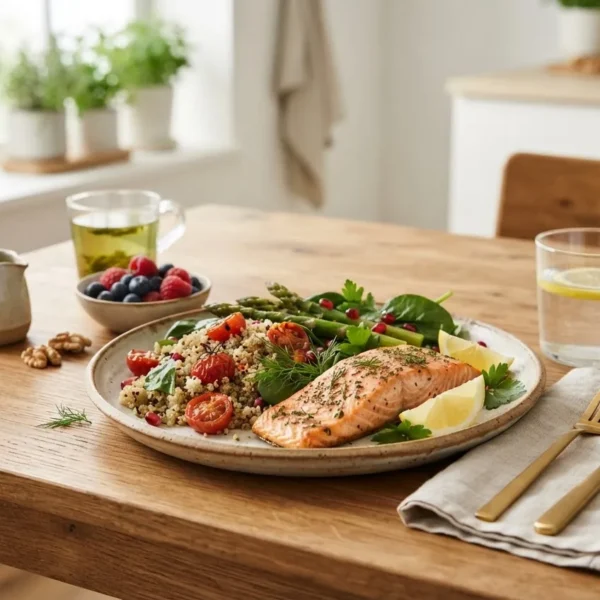
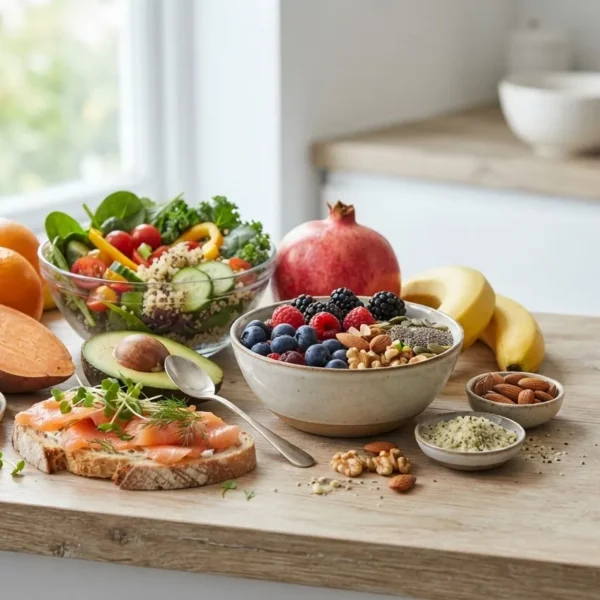
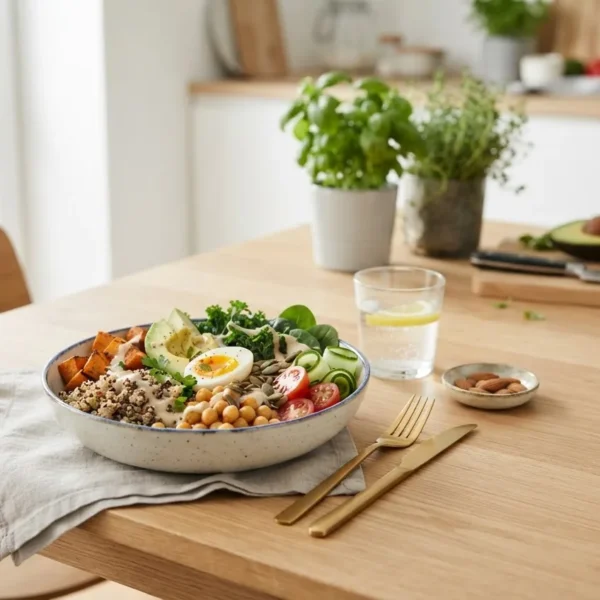
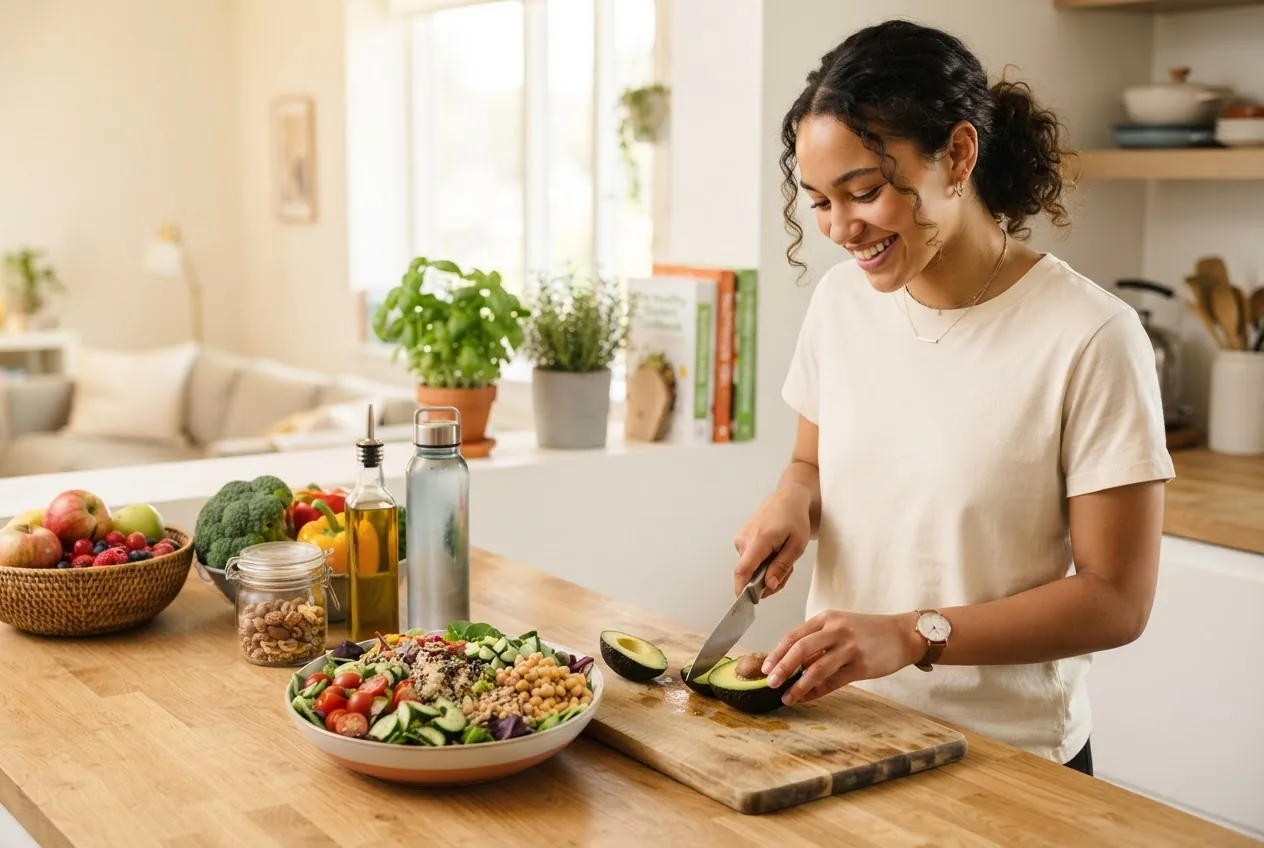
Action first: populate the CMS fields. Meta title should be 50–60 characters (primary keyword first). Meta description 140–155 characters with a call to action. Canonical URL is the page URL. Add alt text for images (describe content, e.g., “student dorm meal-prep containers with rice, chicken, and roasted vegetables”).
Internal linking to include at least:
- Link to the pillar page using anchor text “nutritionally complete meal guide”: /nutrition-tips/nutritionally-complete-meal-guide-with-balanced-diet-advice/
- Link to practical tips: /nutrition-tips/10-ways-to-eat-better-guide-with-essential-diet-tips/
- Link to teen/student-focused content: /nutrition-tips/nutrition-and-teens-article-guide-with-healthy-eating-tips/
Image placeholders: include captions and the exact generation prompts (see media rules). Optimize filenames (lowercase, hyphen-separated) if uploading images.
-
13. Publish, test, and promote — distribution plan with measurable goals
Action first: after publishing, run these checks within 30 minutes: preview on mobile, validate internal links, and confirm structured data (if your CMS adds it). Distribution plan (first 7 days):
- Share on campus social channels: post an excerpt and the 2-day meal-prep workflow image on Instagram and Facebook; schedule within 24 hours.
- Email to your newsletter list with a clear CTA “Get the 7-day budget meal plan”.
- Measure: track pageviews, average time on page (>3:00 minutes is good), and click-throughs on internal links over 7 days.
Set a promotion KPI: 300 pageviews in the first week from campus referrals or social posts; adjust after two weeks based on engagement metrics.
Common mistakes and how to avoid them
I often see writers make the same practical errors when creating nutrition articles for students. I’ve written the real failure and the fix in first person so you can avoid the pain.
- “I assumed every student has a stove.” I once wrote a meal plan that required oven-roasting every night; readers in dorms with only microwaves couldn’t follow it. Fix: offer appliance alternatives (microwave, hotplate, no-cook) and list exact cook/reheat times for each.
- “I gave vague calorie guidance.”strong> I published tips like ‘eat more protein’ without grams, and readers asked, “How much?” Fix: always convert to grams and common portions (e.g., 100 g cooked chicken = 31 g protein).
- “I used one source for multiple claims.”strong> I cited a single blog post for protein needs and later had to correct the article. Fix: cross-check with USDA and a peer-reviewed review or an academy guideline, and list both.
- “I forgot storage times and got comments about food safety.”strong> Readers asked how long a meal would last; I had no clear answer. Fix: include explicit storage windows (refrigerate ≤2 hours, eat within 3–4 days, freeze up to 2 months) and reheating temps.
- “I overlooked campus budgets.”strong> I recommended expensive pantry staples that inflated weekly cost. Fix: add low-cost swaps and provide a price range (e.g., $60–$75 standard, $30 minimal options).
Quick checklist before you publish
- Title includes “nutrition articles for students” and meta description filled (140–155 chars).
- Primary keyword appears in H2 and within first 50 words; secondary phrase appears once early.
- Sources list contains at least one government database and one peer-reviewed or guideline document; all calorie/protein claims referenced.
- 7-day meal plan present with per-meal portions, calories, and protein estimates.
- Grocery list with quantities and estimated Texas prices; weekly budget range stated.
- Food safety rules present with temperatures and time windows (2 hours, ≤4°C, 3–4 days, 74°C reheating).
- At least 2 internal links using relative paths, including pillar page link.
- Images or placeholders added where helpful with exact generation prompts in comments.
- Run final readability pass: sentences <25 words where possible; paragraph length limited.
When to call a professional
Call a registered dietitian or licensed nutrition professional if the article will advise students with medical conditions (diabetes, PKU, celiac disease, severe allergies), or if you plan to provide personalized meal plans or therapeutic diets. Also consult a food safety expert if you recommend long-term storage or bulk freezing strategies for charitable campus kitchens. If legal claims about supplements or treatments appear, contact legal review.
Further resources and internal links
For deeper planning and templates, link readers to the comprehensive guide on balanced meals at the pillar page: nutritionally complete meal guide. For quick behavior changes and student-friendly tips, refer to 10 Ways to Eat Better. If your audience skews younger, cross-link to nutrition and teens article guide.
Frequently Asked Questions
How many calories should a typical college student eat per day?
Most moderately active college students need about 1,800–2,400 kcal/day depending on sex, height, and activity. Use 2,000 kcal as a practical default for planning student-focused articles; always note ±250 kcal and include guidance for higher activity days.
Can students store meal-prepped food safely in dorm refrigerators?
Yes, if refrigerated within 2 hours at ≤4°C (40°F) and eaten within 3–4 days. For longer storage, freeze portions (up to 2 months) and reheat to 74°C (165°F) before eating. Avoid thawing at room temperature.
What is an affordable weekly grocery budget for a student in Texas?
A realistic single-student weekly grocery budget in Texas can range from $30 (minimal, beans/rice/oats/seasonal produce) to $60–$75 for a balanced plan including some fresh meat, dairy, and fruit. Provide swaps to fit both ranges.
How do I write an article about healthy eating for students with only a smartphone camera?
Use natural light, shoot at tabletop level, show portioned containers on a scale, and include a single overhead and one angled shot. Add exact generation prompts in placeholders for editorial images and include descriptive alt text when uploading.
What are quick, high-protein snack ideas for study sessions?
Choose snacks with 8–15 g protein and 150–300 kcal: 170 g Greek yogurt, 28 g almonds + apple, 1 boiled egg + whole-grain crackers, or a 30 g whey shake. Pack portioned servings to avoid overeating.
How do I link internally to pillar content without hurting SEO?
Use contextual anchor text related to the target topic (e.g., “nutritionally complete meal guide”) and add 2–4 internal links: one to the pillar page and the rest to close sibling pages. Use relative paths and ensure the links provide real value to readers.