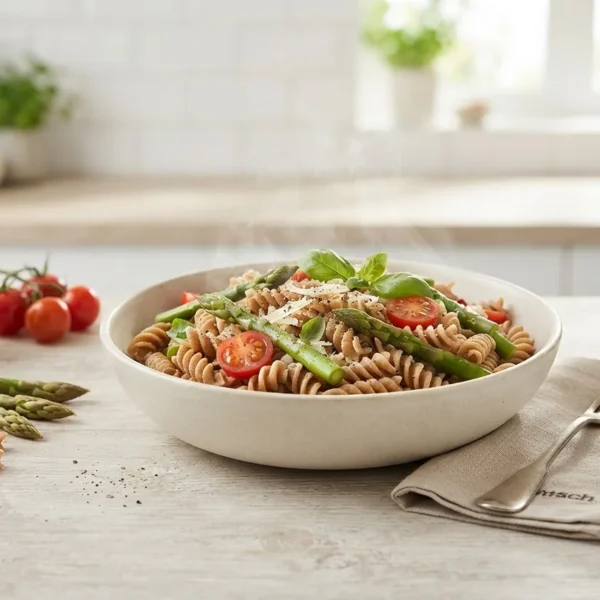

Complex carbohydrates are whole-food starches and fibers that release glucose slowly, supply vitamins and minerals, and support steady energy, digestion and satiety; prime sources include whole grains, legumes and starchy vegetables, which are the healthiest carbs to prioritize for sustained fuel and metabolic health.
What exactly are complex carbohydrates?
Complex carbohydrates are polysaccharides—long chains of sugar molecules in foods like whole grains, legumes and starchy vegetables—that digest more slowly than simple sugars and often contain fiber, vitamins and minerals.
Term: Polysaccharide: a carbohydrate made of many sugar units bonded together, including starch and fiber.
Complex carbohydrates include two main functional types in foods:
- Starch — the digestible energy-storage polysaccharide found in grains, legumes and tubers.
- Dietary fiber — indigestible plant polysaccharides that slow absorption and support gut health.
What foods appear on a complete list of complex carbs?
A comprehensive list of complex carbs includes whole grains, legumes, starchy vegetables, some fruits with high fiber, and whole-grain products — each item supplies starch and/or significant fiber rather than pure sugars.
Term: Whole grain: a grain that contains the bran, germ and endosperm in their natural proportions.
Organized examples (practical list):
- Whole grains and grain products
- Oats (steel-cut, rolled)
- Quinoa
- Brown rice, wild rice
- Barley (hulled, not pearled)
- Bulgur, farro, spelt, buckwheat
- Whole-wheat bread, whole-grain pasta, whole-grain tortillas
- Popcorn (air-popped)
- Legumes
- Black beans, kidney beans, pinto beans
- Chickpeas (garbanzo)
- Lentils (green, red, brown)
- Split peas
- Starchy vegetables and tubers
- Sweet potatoes, white potatoes (eat skin when possible)
- Butternut and acorn squash
- Maize/corn (whole kernels)
- Green peas
- High-fiber fruits (as part of complex-carb choices)
- Apples, pears (with skin)
- Berries (raspberries, blackberries)
- Bananas (less ripe have more resistant starch)
- Nuts & seeds (minor carbohydrate, but complex)
- Chia, flax, pumpkin seeds, almonds
Exclude foods where most carbohydrate is added sugar or refined flour — see the refined carbs guide for contrasts: Refined Carbohydrates Guide.
Which are the best complex carbs for steady energy?
Best complex carbs for steady energy are whole oats, quinoa, lentils, sweet potatoes, barley and beans because they combine digestible starch with fiber and micronutrients that blunt glucose spikes and prolong satiety.
Why these stand out:
- Oats: soluble fiber (beta-glucan) slows absorption and supports sustained blood glucose.
- Quinoa: complete plant protein plus fiber and low-to-moderate glycemic response.
- Lentils & beans: high fiber and resistant starch; low glycemic index and significant protein.
- Sweet potatoes: vitamin A, fiber, and moderate glycemic effect when roasted/boiled.
- Barley: high soluble fiber that lowers post-meal glucose response.
Use these foods in combos with protein and healthy fat for added stability of energy release: e.g., oatmeal with Greek yogurt and walnuts, quinoa salad with chickpeas and olive oil.
How do complex carbohydrates produce steady energy in the body?
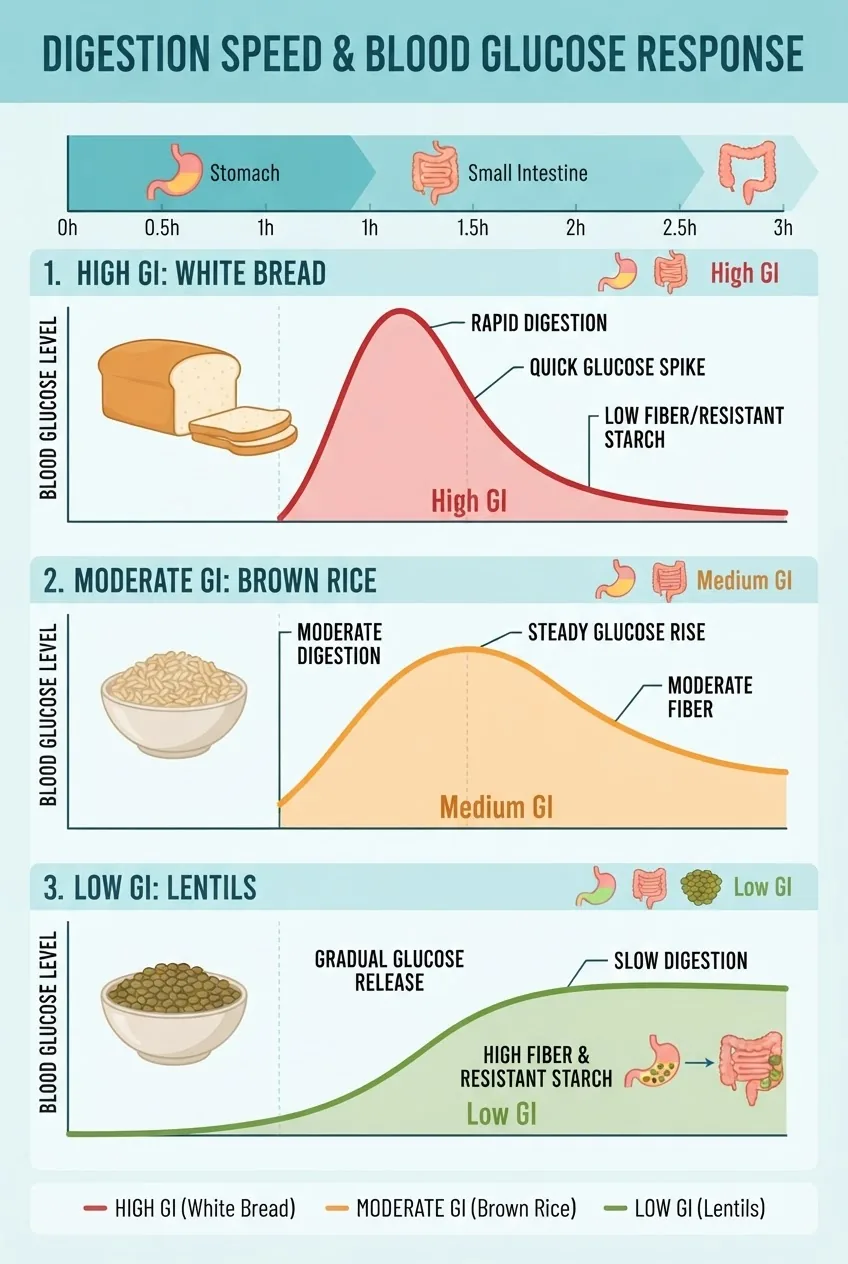
Complex carbs provide steady energy because their long carbohydrate chains and fiber slow digestion and glucose absorption, supplying ATP to cells over a longer period than simple sugars.
Term: Glycemic index (GI): a relative ranking of carbohydrate-containing foods based on how they affect blood glucose compared with pure glucose.
Mechanisms explained:
- Slowed digestion: starches require more enzymatic breakdown; intact fiber reduces enzyme access and gastric emptying.
- Lower glycemic response: many complex-carb foods have moderate-to-low GI, producing smaller glucose and insulin peaks.
- Resistant starch and soluble fiber: reach the colon and ferment, producing short-chain fatty acids that contribute to sustained energy and gut benefits.
How should I balance daily intake of complex carbs for health and energy?
Aim for most daily carbohydrates (about 45–65% of calories) to come from complex sources; practically, target 3–8 servings of whole-grain or starchy-vegetable equivalents plus 1–3 servings of legumes or high-fiber fruits per day depending on calorie needs.
Practical guidelines by calorie level (examples):
- 2,000 kcal/day: 225–325 g total carbs; prioritize 150–250 g from complex sources (3–6 cups grain equivalents and 1–2 cups legumes/vegetables).
- 1,500 kcal/day: 169–244 g total carbs; prioritize 110–170 g complex carbs.
- Athlete (3,000+ kcal/day): 338–488 g total carbs; include higher complex-carb servings timed around activity.
Use serving equivalents: 1/2 cup cooked whole grain = 1 serving; 1/2 cup cooked beans = 1 serving; 1 medium potato = 1 serving. Adjust portion sizes for goals (weight loss, maintenance, sport).
How do complex carbs compare nutritionally to refined carbs and simple sugars?
Complex carbs typically offer more fiber, vitamins, minerals and lower glycemic response than refined carbs or simple sugars, which are stripped of nutrients and absorb rapidly causing energy swings.
| Category | Typical fiber (per serve) | Micronutrients | Glycemic effect |
|---|---|---|---|
| Whole grains & legumes | 3–10 g | B vitamins, iron, magnesium | Low–moderate |
| Refined grains (white bread) | 0–1 g | Often enriched with some B vitamins | High |
| Sugary foods/drinks | 0 g | Minimal | Very high |
For deeper context on whole-grain benefits and fiber-rich choices, visit the pillar page: Foods High in Whole Grains and Fiber: Healthy Eating Guide.
How should I read food labels to choose the healthiest complex carbs?
Choose products with a whole grain listed first, at least 3 grams of fiber per serving, low added sugars, and a short ingredient list composed of recognizable whole foods.
Label checklist:
- Ingredient order: look for “whole” before the grain name (e.g., whole wheat, whole oats).
- Fiber content: ≥3 g per serving signals meaningful fiber.
- Added sugars: ideally 0–5 g per serving; watch sweetened cereals and granolas.
- Serving size: compare calories and carbohydrate grams per realistic portion you will eat.
- Claims to be cautious with: “multigrain,” “stone-ground,” or colored packaging — these do not guarantee whole-grain content.
- Enriched grains: defined below — they have some nutrients added back but lack intact fiber and phytochemicals.
Term: Enriched grains: refined grains that have certain B vitamins and iron added back after processing but that do not restore fiber and other whole-grain components.
How do cooking and preparation methods affect the healthiness of complex carbs?
Minimal processing, gentle cooking (steaming, simmering, roasting) and leaving skins intact preserve fiber and nutrients; soaking, sprouting and cooling can increase resistant starch and reduce anti-nutrients in grains and legumes.
Specific techniques and benefits:
- Soaking legumes overnight reduces oligosaccharides that cause gas, shortens cooking time and improves digestibility.
- Sprouting grains and legumes increases some vitamin content and reduces phytic acid, improving mineral availability.
- Cooling cooked starches (rice, potatoes, pasta) raises resistant starch, lowering the glycemic response when reheated.
- Avoid deep-frying starchy foods to keep nutrient density and avoid added unhealthy fats.
Are beans considered complex carbohydrates?
Yes — beans are complex carbohydrates; they supply digestible starch plus high amounts of dietary fiber and resistant starch, alongside protein and micronutrients, making them especially stable energy sources.
Beans explained in nutritional terms:
- Macronutrients per ½ cup cooked: ~20–25 g carbs, 6–9 g fiber, 7–9 g protein (varies by type).
- Physiological benefits: low glycemic index, promotes satiety, supports stable blood glucose and gut microbiome fermentation.
- See related in-depth articles: Are Beans Good for Diabetics? and Beans: A Carbohydrate Guide.
Which complex carbs are best for pre- and post-workout meals?
Pre-workout: choose moderate portion complex carbs with low-to-moderate GI 1–3 hours beforehand (oats, banana with whole-grain toast); post-workout: prioritize quick glycogen restoration with a mix of moderate-GI complex carbs and protein (brown rice or sweet potato with lean protein) within 1–2 hours.
Timing and portions by workout intensity:
- Light exercise (30–45 min): 15–30 g carbs 30–60 min before is sufficient (slice of whole-grain toast, small banana).
- Moderate exercise (60–90 min): 30–60 g carbs 1–3 hours before (bowl of oats, quinoa salad).
- High intensity/endurance (90+ min): larger carb load before and carbohydrate intake during exercise (sports nutrition for longer sessions).
Sample pre/post combos:
- Pre: 1 cup cooked oats with berries and 1 tbsp nut butter (1–2 hours prior).
- Post: 1 cup cooked brown rice, 4 oz chicken, steamed vegetables (within 60–90 minutes).
Can complex carbohydrates help with weight loss and blood sugar control?
Yes — when consumed in appropriate portions, complex carbohydrates high in fiber and low in added sugars support satiety, reduce caloric intake, and improve glycemic control compared with refined carbs, which can help weight and blood sugar management.
Evidence-based mechanisms:
- Fiber increases fullness and reduces overall calorie intake by delaying gastric emptying.
- Lower post-meal glucose and insulin responses reduce appetite swings and fat storage signals.
- Dietary patterns emphasizing whole grains and legumes are associated with lower body weight and improved HbA1c in many observational and intervention studies.
For diabetic-specific guidance and food choices, consult the related article: Whole Grains for Diabetics.
What are common mistakes when choosing “healthy” complex carbs?
Common mistakes include assuming “brown” means whole grain, choosing highly processed whole-grain products with added sugars, eating excessive portions, and neglecting legumes and non-starchy vegetables as carb sources.
Corrections to each mistake:
- “Brown” bread may be colored with molasses; check ingredient list for “whole.”
- Read sugar content on cereals, granolas and snack bars; many contain high added sugars despite whole-grain claims.
- Measure realistic serving sizes — 1 slice bread or ½ cup cooked grain is a serving; larger plate portions add calories fast.
- Include beans and peas regularly — they provide fiber and protein lacking in many cereal-based meals.
How can I prepare a weekly meal plan centered on complex carbs for a Texas lifestyle?
Build each meal around a complex-carb core (whole grain or legume), pair with protein and vegetables, and plan 2–4 cooked grain batches and 2–3 bean batches per week for quick assembly; emphasize seasonal produce and Texan flavors like roasted sweet potatoes, black bean salsa and quinoa bowls.
7-day example (high-level):
- Day 1: Breakfast — steel-cut oats with pecans and berries; Lunch — black bean and quinoa salad; Dinner — grilled chicken with roasted sweet potato and kale.
- Day 2: Breakfast — whole-grain toast, avocado and egg; Lunch — lentil soup; Dinner — brown rice tacos with corn and beans.
- Day 3: Breakfast — overnight oats with chia; Lunch — barley and roasted vegetable bowl; Dinner — baked salmon, wild rice, steamed green beans.
- Day 4: Breakfast — Greek yogurt with high-fiber granola (low-sugar); Lunch — chickpea salad sandwich on whole-grain bread; Dinner — turkey chili with kidney beans.
- Day 5: Breakfast — buckwheat pancakes (small) with berries; Lunch — farro salad with roasted corn; Dinner — vegetable stir-fry with brown rice.
- Day 6: Breakfast — quinoa porridge; Lunch — sweet potato and black bean burrito bowl; Dinner — lentil shepherd’s pie.
- Day 7: Breakfast — smoothie with banana, oats and spinach; Lunch — mixed bean salad; Dinner — whole-wheat pasta with marinara and roasted vegetables.
Batch-cook tips: cook 6 cups grains and 3 cups beans at once to mix into salads and bowls. Store in airtight containers in the refrigerator for 4–7 days; freeze in portions for longer storage.
What should people with digestive sensitivity or gas do when increasing complex carbs like beans?
Increase fiber and legumes gradually over 2–4 weeks, soak and rinse dried beans, cook thoroughly, and consider smaller, more frequent servings; enzymes like alpha-galactosidase can reduce gas for some people.
Practical steps to minimize symptoms:
- Start with 1–2 tablespoons of beans or legumes per day and increase by similar amounts.
- Soak dried beans for 8–12 hours and discard soaking water to reduce oligosaccharides; rinse canned beans thoroughly.
- Include ginger, fennel or peppermint in meals to aid digestion; try smaller portions combined with low-fiber foods at first.
How do portion sizes of complex carbs translate into grams and calories?
Typical serving translations: ½ cup cooked whole grain ≈ 20–25 g carbs (100–130 kcal); ½ cup cooked beans ≈ 20–25 g carbs (100–140 kcal) with 6–9 g fiber; 1 medium potato ≈ 30–37 g carbs (150–170 kcal).
| Food (cooked) | Serving | Carbs (g) | Fiber (g) | Calories |
|---|---|---|---|---|
| Brown rice | ½ cup | 22 | 1.8 | 110 |
| Lentils | ½ cup | 20 | 8 | 115 |
| Sweet potato (mashed) | ½ cup | 20 | 3.3 | 90 |
Adjust servings to meet daily calorie and carbohydrate goals; a registered dietitian can calculate personalized totals when needed.
How can I swap refined carbs for healthy complex carbs in common meals?
Replace refined grains and sugary items with whole-grain bread, brown rice, legumes and starchy vegetables one swap at a time — for example, use brown rice instead of white rice, whole-wheat pasta instead of regular, and mashed beans instead of refried fats.
Specific swap ideas:
- White rice → brown rice or barley.
- White bread → 100% whole-grain bread with ≥3 g fiber per slice.
- Refined pasta → whole-wheat or legume-based pasta.
- French fries → roasted sweet potato wedges (baked, not fried).
- Sugary cereal → oats with fruit and nuts.
How do costs compare between complex-carb options for budget-conscious shoppers?
Many complex carbs are cost-effective: dry beans, oats and brown rice are low-cost staples per serving, while some whole-grain specialty items (quinoa, farro) cost more but can be used sparingly to add variety.
| Item | Typical cost (US, per lb) | Servings per lb | Cost per serving |
|---|---|---|---|
| Dry beans | $1.50–$2.00 | 8–10 (½ cup cooked) | $0.15–$0.25 |
| Oats (rolled) | $1.50–$3.00 | 8–10 | $0.15–$0.40 |
| Brown rice | $1.20–$2.50 | 8–10 | $0.12–$0.30 |
| Quinoa | $4.00–$6.00 | 8–10 | $0.40–$0.75 |
Conclusion: prioritize dry beans, oats and bulk brown rice for the best cost-to-nutrient ratio; use pricier grains sparingly for culinary variety.
How do I troubleshoot common issues when increasing complex-carb intake?
Troubleshoot by adjusting portion sizes, choosing lower-FODMAP complex carbs if sensitive, increasing fiber gradually, ensuring adequate hydration, and preparing beans/grains to reduce fermentable oligosaccharides.
Issue-specific fixes:
- Bloating/gas: reduce portion size, soak beans, try canned beans (well-rinsed) and consider digestive enzymes for occasional use.
- Persistently high blood glucose: prioritize non-starchy vegetables and legumes, monitor post-meal glucose, and consult a clinician for medication adjustments.
- Weight gain: track overall calories and swap calorie-dense preparations (fried, buttered) for lighter cooking methods.
How can parents and caregivers include healthy complex carbs in children’s diets?
Introduce whole-grain cereals, small servings of beans or lentils in familiar dishes, and mashed sweet potatoes; pair with protein for stable energy and avoid high-sugar cereals and snacks.
Practical child-friendly ideas:
- Make black bean quesadillas with whole-wheat tortillas and mild cheese.
- Serve oatmeal with fruit and a small spoon of nut butter to increase calories and satiety.
- Create mini-meals with rice, peas and lean protein in child-sized portions to balance flavors and textures.
How should athletes tailor complex-carb choices around training and competition?
Athletes should load on complex carbs that are easy to digest earlier in the day and shift toward moderate-to-higher GI carbs in the immediate pre-competition window if rapid glycogen availability is needed; combine with protein for recovery.
Specific strategy:
- Training days: emphasize whole grains and legumes across meals to maintain glycogen and recovery.
- Competition day (2–4 hours before): choose lower-fiber, moderate-GI complex carbs if GI discomfort is an issue (e.g., white rice in small portions), but generally keep familiar foods.
- Post-exercise: prioritize a carbohydrate-to-protein ratio of ~3:1 or 4:1 for glycogen restoration and repair (e.g., rice and chicken, or a quinoa bowl with yogurt).
For high-performance nutrition planning, consult a sports dietitian who can calculate grams per kilogram tailored to sport and body weight.
How can I store and batch-cook complex carbohydrates for convenience?
Batch-cook whole grains and legumes, portion into meal-sized containers, refrigerate for 4–7 days, or freeze in 1–2 cup portions for 1–3 months; label dates and use airtight containers to preserve texture and safety.
Batch-cooking schedule:
- Cook 3–6 cups dry whole grain (yields ~6–12 cooked cups) and store in 1–2 cup portions.
- Cook 2–4 cups dry beans (yields ~4–8 cooked cups); season lightly and drain before storing.
- Roast a tray of sweet potatoes and winter squash to add to bowls across the week.
Reheating tips: rehydrate grains with a splash of water and warm gently; for food safety, reheat to steaming hot (165°F/74°C) and avoid repeated reheating cycles.
How should seniors or people with lowered appetite use complex carbs for nutrition?
Seniors should include energy-dense complex carbs paired with protein and healthy fats (e.g., oatmeal with milk and nut butter) and focus on softer, easy-to-chew whole-grain options and mashed legumes if chewing is difficult.
Practical senior-friendly suggestions:
- Use cooked cereals like cream of wheat or soft oats fortified with milk and Greek yogurt for calories and protein.
- Puree or mash beans into spreads (hummus) for easy consumption with whole-grain crackers.
- Monitor blood sugar when increasing carbohydrates; adjust portions and spacing across the day.
How does food processing change complex carbs and their health effects?
Processing that removes bran and germ turns whole grains into refined grains, reducing fiber and micronutrients and raising glycemic impact; minimal processing preserves complex carb benefits.
Examples of processing effects:
- Stone-ground or cracked whole grains retain bran and germ if labelled “whole”.
- Refining (white flour/rice) removes fiber and vitamins; enrichment adds back a subset of nutrients but not fiber.
- Extruded cereals and instant oats have altered physical structure that can raise GI and reduce satiety versus less-processed counterparts.
How can someone assess which complex carbs work best for them?
Assess by monitoring post-meal energy, hunger intervals, and for people tracking glycemic control, measure post-meal glucose; prefer foods that maintain stable energy, good digestion, and fit personal taste and budget.
Self-assessment steps:
- Choose one complex-food swap for a week (e.g., brown rice for white rice) and note energy and fullness at 1, 3, and 5 hours.
- If you have diabetes, measure blood glucose 1–2 hours after meals and compare responses across foods.
- Record digestive comfort and adjust preparation methods (soaking, cooking time) if needed.
How do resistant starch and soluble fiber differ, and why do they matter?
Resistant starch resists digestion in the small intestine and reaches the colon to feed microbes, while soluble fiber dissolves in water to form gels that slow gastric emptying; both reduce glycemic peaks and promote gut health but act via different mechanisms.
Term: Resistant starch: starch that is not digested in the small intestine and ferments in the colon, producing beneficial short-chain fatty acids.
Food sources:
- Resistant starch: cooled cooked potatoes, cooked-and-cooled rice, underripe bananas, some legumes.
- Soluble fiber: oats, barley, psyllium, apples, citrus, and legumes.
How to combine complex carbs with other macronutrients for best results?
Pair complex carbs with lean protein and healthy fat at each meal to blunt post-meal glucose, increase satiety, and support muscle repair and micronutrient absorption.
Example plate models:
- Half plate vegetables, one-quarter complex carb (e.g., ½ cup cooked quinoa), one-quarter protein (e.g., fish or tofu), plus 1 tbsp olive oil or avocado.
- Snacks: whole-grain cracker with hummus and a small apple for fiber, protein and fat balance.
What are realistic first steps for someone shifting to primarily complex carbohydrates?
Start by replacing two refined-carb items per week with whole-grain or legume-based alternatives, add one extra serving of vegetables or beans daily, and practice simple batch-cooking for convenience.
Action plan for week one:
- Swap white rice for brown rice or barley at dinner three times this week.
- Replace one sugary cereal breakfast with oatmeal plus fruit and nuts.
- Cook one pot of beans and add ½ cup to salads and bowls across four meals.
Where can I learn more about whole grains and fiber within this site?
Explore the pillar guide on whole grains and fiber and linked in-depth pages on grains, beans and fiber-rich recipes for broader context and meal ideas.
- Foods High in Whole Grains and Fiber: Healthy Eating Guide — pillar resource.
- Whole Grains for Energy — focus on energy and sports nutrition.
- Fibre Content of Quinoa — ingredient-specific fiber information.
Frequently Asked Questions
What are the easiest complex carbs to add to a busy week?
Oats, dry beans, brown rice and canned lentils are easiest: oats cook quickly, dry beans and rice can be batch-cooked, and canned lentils or beans rinse-ready—use them in bowls, salads and quick soups to increase fiber and steady energy with minimal prep.
Can people with diabetes eat complex carbohydrates safely?
Yes; people with diabetes can and should prioritize complex carbs with high fiber (legumes, whole grains, non-starchy vegetables) while monitoring portion sizes and pairing carbs with protein to moderate post-meal glucose; individualized plans and clinician guidance are recommended.
Are fruits considered complex carbohydrates?
Most fruits primarily contain simple sugars, but many are rich in fiber which moderates sugar absorption; berries, apples and pears provide fiber that makes their carbohydrate load behave more like complex sources when consumed whole and with portion control.
Is pasta a complex carbohydrate and which kind is best?
Pasta is a carbohydrate; whole-grain or legume-based pastas are better because they retain fiber and protein that slow digestion and reduce glycemic impact compared with refined white pasta; portion control and sauce choices also determine healthiness.
How much fiber should I get from complex carbs each day?
Aim for at least 25 g/day for women and 30–38 g/day for men from a mix of whole grains, legumes, fruits and vegetables; many complex-carb foods contribute substantially to this target and support steady energy and digestive health.
Can replacing refined grains with complex carbs help lower grocery bills?
Often yes: staples like dry beans, oats and brown rice are lower-cost per serving than many refined convenience foods; buying whole grains in bulk and cooking from scratch cuts costs while improving nutrition.
What should I do if increasing complex carbs causes bloating?
Increase fiber gradually over 2–4 weeks, soak and rinse beans, try smaller portions, chew well, stay hydrated, and consider digestive enzyme supplements if recommended by a clinician; if symptoms persist, consult a healthcare provider.