school lunch ideas that are quick, varied, and nutritious can turn morning chaos into calm—this guide gives simple recipes, portion tips, and packing hacks so kids actually eat well. Read on for easy, healthy packed lunch ideas and practical steps to make lunchbox success a regular habit.
Introduction to Healthy School Lunch Ideas
Healthy packed meals help children get the energy and nutrients they need for a full school day while reducing reliance on processed cafeteria choices. This guide focuses on practical, easy-to-assemble lunches that balance taste, nutrition, and convenience for busy parents and caregivers. Expect 10–12 adaptable meal ideas, clear portion guidelines, allergy-friendly swaps, storage and freshness tips, and time-saving meal prep hacks to simplify mornings.
Use these ideas to personalize lunches for different ages, preferences, and dietary needs—whether you want classic sandwich combos, bento-style boxes, or warm thermos meals. For broader recipe inspiration and nutrition breakdowns that pair well with these concepts, check the Yummiest Healthy Recipes Guide with Nutrition Facts and Tips.
Transitioning to why these choices matter will help prioritize what to pack and when.
Why Healthy School Lunches Matter
Healthy school lunches support physical growth, cognitive performance, and steady energy levels—key for learning, behavior, and long-term eating habits. Beyond calories, the right mix of macronutrients and micronutrients helps regulate mood, attention, and immune function. Packing balanced meals at home increases the chance children will consume whole foods and fewer added sugars or excess sodium.
- According to a 2024 industry report on child nutrition, children consuming balanced midday meals showed improved afternoon concentration compared with peers reporting high-sugar lunches (source type: industry report).
- According to a 2023 pediatric nutrition review, adequate protein and fiber at lunch supports sustained cognitive performance for up to three hours post-meal (source type: peer-reviewed review).
- According to a 2022 government guideline summary, lunches supplying one-third of daily recommended nutrients help meet school-age nutrient needs (source type: government guideline).
Practical experience from parents and nutritionists confirms that variety and simple presentation increase intake: rotate colors and textures, include a familiar favorite alongside a new item, and keep bite-sized portions. Registered dietitians advise aiming for a balance of lean protein, whole grains, fruits, vegetables, and dairy or fortified alternatives for most children—but always adapt to individual needs and allergies.
Next, we’ll break lunch composition into core components you can use as building blocks for every packed lunch.
Core Components of a Balanced School Lunch
- Lean protein (1/4–1/3 of the box): Eggs, lean poultry, beans, hummus, yogurt, or cheese for muscle growth and sustained energy. Protein portion varies by age—smaller children need about 10–15 g, older kids 15–25 g.
- Whole grains (1/4 of the box): Choose whole-grain bread, wraps, brown rice, quinoa, or whole-grain crackers to provide fiber and longer-lasting fuel.
- Vegetables (1/4 of the box): Raw or roasted veggies—carrot sticks, cucumber slices, cherry tomatoes, steamed broccoli—offer vitamins and fiber. Aim for at least one colorful vegetable at every lunch.
- Fruit (1/8–1/4 of the box): Fresh or dried fruit adds natural sweetness and vitamin C. Keep portions age-appropriate: a small apple, half a banana, or a handful of berries.
- Dairy or calcium alternative: Milk, yogurt, cheese, or fortified plant milks for bone health and vitamin D—consider shelf-stable options or include a chilled item with an ice pack.
- Healthy fats (small portion): Nut butter (if allowed), avocado, or seeds support nutrient absorption and satiety; include modest amounts.
- Hydration: Water is primary—add a small reusable bottle. Avoid sugary drinks; flavored water with a splash of 100% juice can work occasionally.
- Snack pairing: A small, healthy snack can complement the meal—plain popcorn, whole-grain mini-muffin, or yogurt tube.
For practical variety ideas and portion-friendly recipes you can rotate weekly, see the Practical Lunchtime Dishes Guide with Healthy Lunch Suggestions.
Transitioning now to hands-on meal suggestions: below are 10–12 easy and healthy packed lunch ideas with concise recipes and swap options for picky eaters or allergies.
Easy and Healthy Packed Lunch Ideas for Kids
Each idea below includes quick assembly notes, portion cues, and allergy-friendly swaps where useful. These are designed to be adaptable for preschoolers to teens.
-
Turkey and avocado whole-grain wrap — Spread a whole-grain tortilla with a thin layer of hummus or mustard, add sliced turkey, avocado, spinach, and shredded carrot. Roll tight and slice into pinwheels for small hands. Swap: use thinly sliced roasted chicken or a mashed chickpea filling for vegetarian option. Include a side of grapes and a small yogurt.
- Mini pita pizzas — Top whole-grain mini pitas with tomato sauce, shredded part-skim mozzarella, and diced bell pepper. Toast briefly and cool before packing in a thermos or insulated container. Add a side salad of cucumber and snap peas. Swap: use dairy-free cheese for lactose intolerance.
- Cold pasta salad with veggies and beans — Toss cooked whole-grain pasta with chickpeas, cherry tomatoes, diced cucumber, shredded carrot, and a light vinaigrette. Protein and fiber make this a filling option for older kids. Pack chilled with an ice pack.
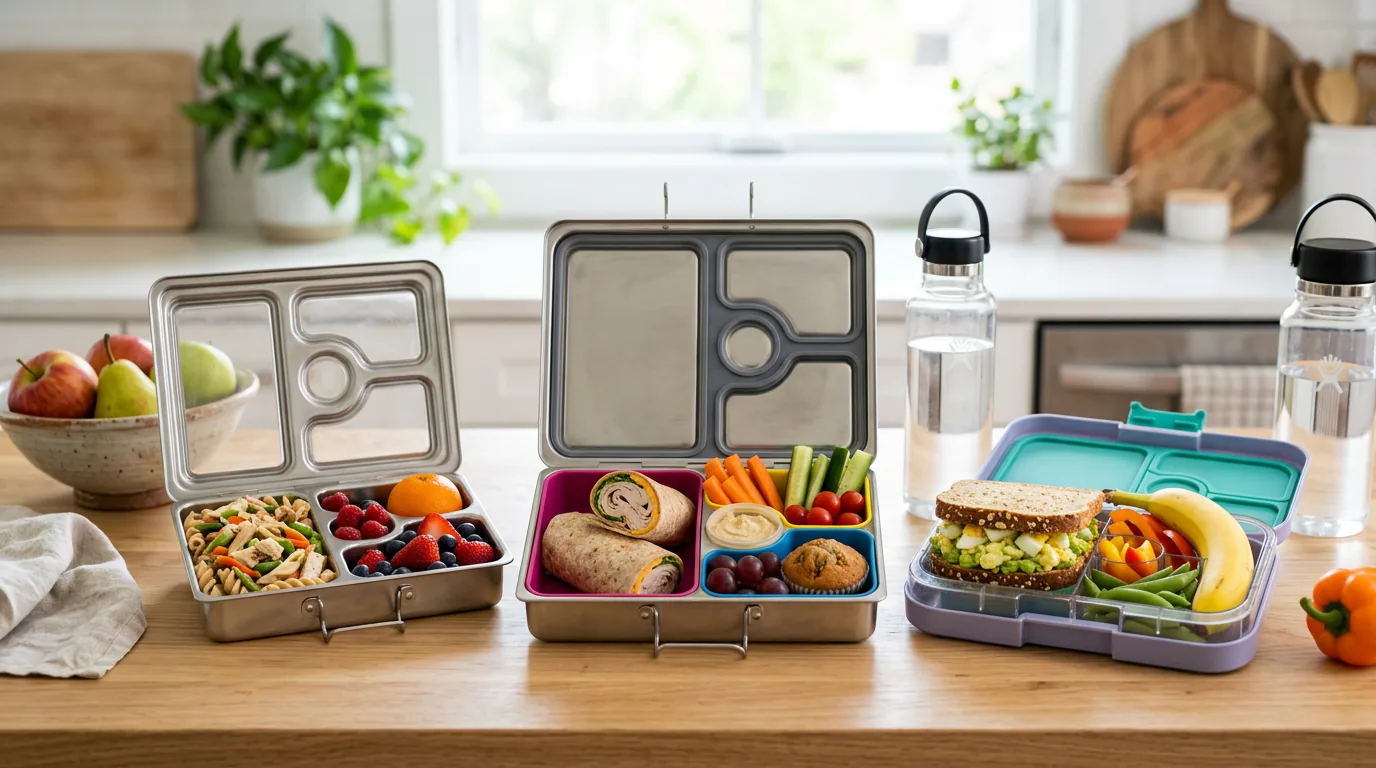
- Hummus and veggie bento — Portion hummus into a small dip cup and include carrot sticks, bell pepper strips, whole-grain crackers, and a hard-boiled egg or roasted tofu cubes. Great for nibblers who prefer build-your-own meals.
- Chicken salad sandwich on whole-grain bread — Combine shredded cooked chicken, plain yogurt or light mayo, diced celery, and a squeeze of lemon. Serve on whole-grain bread with apple slices. For extra protein-packed options, see the Healthy Chicken Breast Recipes Guide for High Protein Meals.
- Bento-style rice box — Brown rice base, sliced teriyaki tofu or edamame, steamed broccoli florets, and mandarin segments. Use a small sauce cup for a low-sodium soy dip. Ideal warm or room temperature.
- Yogurt parfait cup — Layer plain Greek yogurt, a drizzle of honey (for kids over 1 year), fresh berries, and a sprinkle of granola in a sealed cup. Serve with a small cheese stick for extra calcium.
- Quesadilla slices with salsa and guacamole — Whole-grain tortilla with black beans and mild cheddar, lightly toasted and cut into wedges. Add salsa and a small scoop of guacamole. Great warm in an insulated container.
- DIY sandwich box — Sliced whole-grain bread, a small container of nut or seed butter, banana slices, and a handful of cherry tomatoes. Kids assemble their own sandwich at mealtime—fun and reduces sogginess.
- Soup in a thermos with whole-grain roll — Hearty lentil soup or chicken-vegetable broth packed hot in a good thermos. Pair with a whole-grain roll and carrot sticks. Thermos meals are comforting and often more accepted by picky eaters when warm.
- Salami or turkey roll-ups with cheese and fruit — Roll deli slices around a cheese stick or cream-cheese spread and include a side of cucumber coins and melon cubes. Swap: use roasted pepper strips for dairy-free.
- Breakfast-for-lunch box — Mini whole-grain pancakes, scrambled egg bites (baked in a muffin tin), berries, and a small container of plain yogurt for dipping. Great for children who prefer morning flavors.
Across these ideas, keep portion control age-appropriate: preschoolers get smaller servings (half adult portions), school-aged children need moderate portions, and teens may need larger servings. For protein-focused packing and meal ideas tied to chicken options, explore the Healthy Chicken Breast Recipes Guide for High Protein Meals linked above.
Next, learn practical packing and storage methods to keep lunches fresh and safe until lunchtime.
Tips for Packing and Storing School Lunches
Keeping food safe, fresh, and appealing requires the right containers, temperature control, and organization. Follow these step-by-step tips to make packed lunch success a habit.
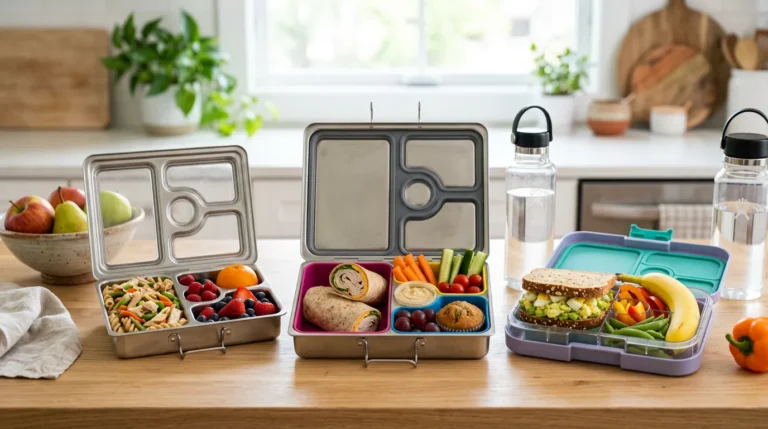
- Choose the right containers: Use airtight containers and leak-proof compartments for wet items. Bento-style boxes help separate textures and prevent sogginess.
- Temperature control: Pack perishable items with an ice pack or frozen drink bottle to keep the lunch cold. For hot items, preheat a thermos with boiling water for 5 minutes, discard water, then add the hot food to retain heat.
- Separate sauces and dressings: Use small sealed sauce cups to keep salads and sandwiches from getting soggy until lunchtime.
- Label clearly: Add name labels and a “consume by” note for leftovers to prevent confusion—helpful for daycare settings.
- Pack smart for allergies: If your child’s classroom is nut-free, substitute seed butters or soy-based spreads and clearly mark foods as nut-free.
- Freshness checklist: Include an ice pack for dairy and meats, keep chilled items below 40°F when possible, and avoid raw eggs or uncooked deli meats for younger children unless expressly approved and kept cold.
- Organize the night before: Assemble components the evening prior—wash fruit, portion snacks, or fill a thermos—so morning rush is minimized.
- Clean and maintain: Wash containers daily to avoid bacterial buildup and check thermoses for odor or residue. Replace damaged seals and worn liners regularly.
For official food safety guidance on packing perishable items, consult the FDA food safety advice for school lunches.
Next, we’ll cover tailored options for different dietary needs with concrete examples and swaps.
Healthy Lunch Ideas for Different Dietary Needs
Whether your child is vegetarian, gluten-free, dairy-free, or has specific allergies, you can build balanced lunches by swapping core components. Below is a comparative overview with examples.
| Dietary Need | Key swaps | Sample lunch example |
|---|---|---|
| Vegetarian | Replace meat with beans, tofu, tempeh, or eggs | Chickpea salad wrap, carrot sticks, fruit cup |
| Vegan | Use plant-based yogurt, seed butter, tofu, fortified milks | Tofu and veggie sushi rolls, edamame, orange slices |
| Gluten-free | Choose rice, corn tortillas, gluten-free bread/crackers | Rice bowl with beans, roasted veg, apple slices |
| Dairy-free / Lactose-intolerant | Use fortified plant yogurts and cheeses | Turkey roll-ups with avocado, cucumber, pear |
| Nutfree | Seed butters (sunflower), hummus, dairy or soy proteins | Sunflower seed butter sandwich, banana, veggie sticks |
For vegetarian dinner ideas that translate well into lunchbox components (e.g., cooked legumes, roasted veggies), see 5 Quick Vegetarian Dinner Recipes for Two. Those recipes provide batch-cookable components that repurpose easily into school lunches.
Practical tips for accommodating allergies:
- Communicate clearly with the school about allergens and label lunches.
- Teach children to avoid sharing food and to recognize their safe snacks.
- Keep an emergency plan and any prescribed medication accessible per school policy.
Transition: while these lunches focus on kids, many ideas can be adapted for adult packed meals—see how to include adults simply.
Including Adults in Packed Lunch Ideas
Many kid-friendly lunches scale up easily for adults by increasing portions, boosting whole grains, and adding a side salad or extra protein. For adults who prefer distinct flavors or calorie targets, adapt with heartier grains, more legumes, and bolder seasonings.
- Turn a kid’s wrap into an adult power wrap by adding extra greens and quinoa.
- Use the same yogurt parfait concept but increase Greek yogurt and add nuts for adults who can consume them.
For quick adult-focused recipes and cost-conscious dinners that also inspire lunch leftovers, see Healthy Dinner Recipes for 2: Meal Ideas and Cost Guide and for office meal specifics, try Healthy Lunch Ideas Guide for Quick and Easy Work Meals.
Transitioning into efficient strategies: below are time-saving meal prep hacks to reduce morning stress.
Time-Saving Meal Prep Hacks for Busy Parents
Batch prepping and smart storage transform packing lunches into a 10–15 minute task rather than a morning chore. These numbered how-to steps and tactics save time weekly.
- Plan a weekly lunch menu: Pick 4–5 lunches and rotate. Make a shopping list focused on reusable components.
- Batch-cook staples: Prepare grains, roasted vegetables, boiled eggs, and cooked lean proteins on one day. Portion into sealed containers for the week.
- Use multi-purpose ingredients: Cooked chicken or roasted tofu can be used in wraps, salads, and rice bowls across several lunches.
- Prep grab-and-go snack packs: Portion fruits, cut vegetables, and healthy snacks into snack-size containers or reusable bags for quick assembly.
- Freeze homemade components: Freeze mini pancakes, meatballs, or soup portions; thaw in the refrigerator overnight or reheat in the morning.
- Assemble lunches the night before: Put out dry items and prepare the main component; assemble fresh produce in the morning if needed.
- Keep a lunchbox station: Designate an area with containers, cutlery, napkins, ice packs, and sealing supplies so everything is in one place.
- Use quick finishes: Keep pre-made dressings and dips in small containers to add last minute to salads and wraps.
For a deeper dive into make-ahead strategies and recipes specifically designed for lunches, the Easy Lunch Meal Prep Guide: Healthy Make-Ahead Recipes and Tips offers step-by-step plans and printable lists. If your week centers on chicken as a protein backbone, the Chicken Meal Prep Ideas Guide for Healthy Weekly Recipes provides targeted recipes and batch-cooking methods.
Next, we’ll look at snack and drink pairings that make lunches more balanced and hydrating.
Snacks and Drink Pairings for Balanced Lunches
Smart snack and drink choices round out the lunch and support sustained energy and hydration. Pair a main meal with one or two snack items and a water-based drink.
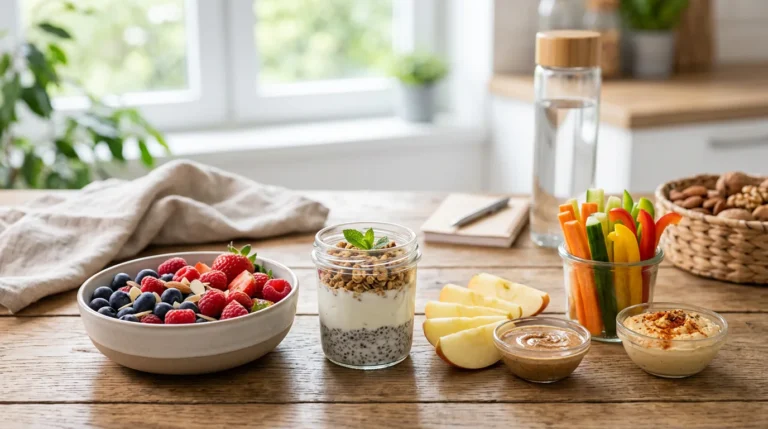
- Fruit pairs: Apple slices with a small container of seed butter, orange segments with a yogurt tube, or mixed berries with a granola sprinkle.
- Veggie pairs: Snap peas with hummus, carrot sticks with tzatziki, or cucumber slices with cottage cheese (or a dairy-free alternative).
- Crunchy whole-grain options: Whole-grain crackers, rice cakes, or air-popped popcorn provide satisfying texture without excess salt or sugar.
- Healthy sweet swaps: Frozen grapes, a small homemade muffin, or a date and oat energy bite instead of candy.
- Hydration ideas: Plain water is best; consider reusable bottles with infuser sections for cucumber or berries. For variety, small boxes of unsweetened plant milk or diluted 100% fruit juice work occasionally.
Rationale: combining a fruit or veggie with a protein or fat (e.g., yogurt with fruit, avocado with whole-grain toast) helps stabilize blood sugar and keeps kids full through the afternoon.
Transitioning to wrap up the guide with encouragement and next steps.
Conclusion and Encouragement for Healthy Lunch Habits
Healthy school lunches are achievable with planning, simple recipes, and consistent building blocks of protein, whole grains, produce, healthy fats, and water. Start small: introduce one new item a week, involve children in packing choices, and use the menu rotation and prep hacks above. Over time, these habits support better focus, energy, and lifelong eating skills. For personal health questions or complex dietary needs, consult your pediatrician or a registered dietitian. Ready to simplify your mornings? Pick three go-to lunches from this guide and prep components tonight to see immediate stress relief tomorrow.
Frequently Asked Questions
What are some easy and healthy school lunch ideas for kids?
Easy options include whole-grain wraps with lean protein, mini pita pizzas, cold pasta salads with beans, yogurt parfaits, and bento boxes with hummus and veggies—pair each with fruit, a dairy or calcium option, and water for a balanced meal.
How do healthy school lunches benefit my child’s learning and energy?
Balanced lunches with protein, fiber, and whole grains provide steady glucose and key nutrients that support concentration, memory, and mood—studies and professional reviews link improved afternoon focus to nutrient-rich midday meals (source type: pediatric nutrition review).
What is the difference between packed lunch ideas for kids and adults?
Adult lunches generally require larger portions, more fiber or complex carbs for satiety, and higher-precision calorie goals; kid lunches focus on appropriate portion sizes, easy-to-eat textures, and familiar flavors while still meeting nutrient needs.
How can I pack a balanced lunch quickly in the morning?
Assemble lunches the night before using batch-cooked staples, pre-portioned snacks, and a lunchbox station; keep perishable items chilled with ice packs and add fresh produce in the morning to retain crispness.
What are budget-friendly healthy school lunch options?
Affordable choices include bean salads, egg muffins, peanut or seed butter sandwiches, bulk-cooked grains, seasonal fruits, and reusable snack packs—buy staples in bulk and repurpose dinner leftovers for lunches.
How can I keep school lunches fresh and safe to eat?
Use insulated containers, ice packs for perishable items, preheat thermoses for hot food, wash containers daily, and follow storage temperatures; refer to FDA food safety guidance for specific handling tips.
How do I accommodate my child’s food allergies in packed lunches?
Communicate with the school, label lunches clearly, replace common allergens with safe alternatives (e.g., seed butter for nut-free settings), and keep emergency plans and medications accessible per school policy.
Are vegetarian or vegan lunchbox ideas good for kids’ nutrition?
Vegetarian and vegan lunches can be nutritious with varied protein sources (beans, tofu, lentils), fortified dairy alternatives, whole grains, and diverse produce—ensure adequate iron, B12, and protein through careful meal planning.