By the end of this hands-on guide you’ll have a tested weekly plan, 15+ practical recipes, portion-control rules, and a repeatable prep routine to make light dinners five nights a week. Estimated time: allow 90–180 minutes to plan and prep a full week; skill level: beginner to confident home cook.
Before you start
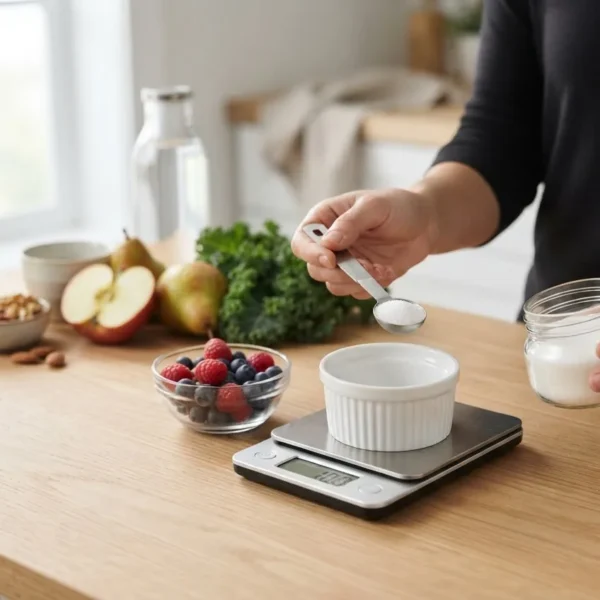
- Essential tools: 12″ nonstick skillet, sheet pan, medium saucepan, sharp chef’s knife, cutting board, kitchen scale (or measuring cups), 30–60 minute timer.
- Staple pantry: olive oil, canned beans, low-sodium broth, dried whole grains (brown rice, quinoa), a jar of plain yogurt, lemons, dried herbs, salt, pepper.
- Refrigerator basics: 2–3 lean proteins (chicken breast, firm tofu, white fish), 8–10 seasonal vegetables (see Texas produce notes below), 1–2 whole-grain options, fresh herbs.
- Prep time budgeting: set aside one 90-minute session on Sunday for batch cook and 15–20 minutes nightly for finishing touches.
Follow the numbered steps below; each step opens with an action-first summary in bold and then dives into the full H2 section required by this guide.
-
Learn the definition and science behind light meals
Understanding Light Dinners: What Makes a Meal “Light” and Nutritious?
A light dinner balances lower energy (calorie) load with high nutrient density so you feel satisfied without heavy after-effects that disrupt sleep or digestion. “Light” refers primarily to portion size, macronutrient balance and the food’s water and fiber content, not necessarily a fixed calorie count.
Key practical definitions:
- Calorie content — typically 300–600 kcal for a light evening meal for most adults, adjusted to activity level and goals.
- Portion size — roughly a palm-sized portion of protein (3–4 oz cooked), two cupped hands of vegetables, and a closed fist of whole grains or starchy vegetables.
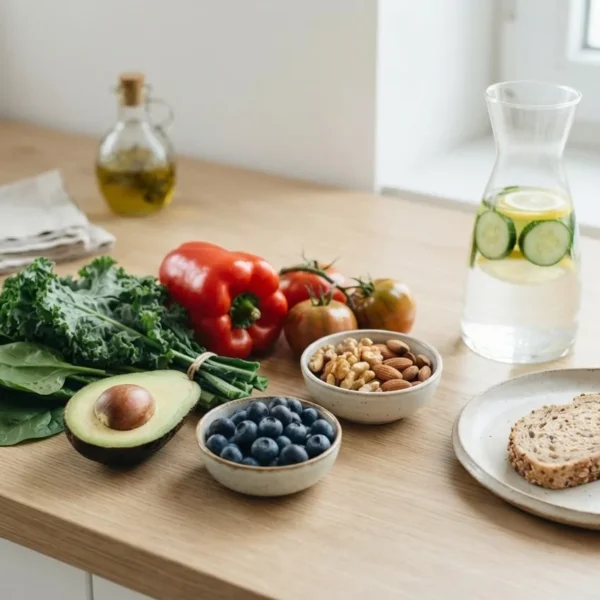
- Nutrient density — foods that give vitamins, minerals and fiber per calorie (e.g., leafy greens, lean fish).
According to a 2024 government nutrition guidance report, shifting evening meals toward more vegetables and lean proteins improves overall daily diet quality (source type: federal nutrition guidance). The American Heart Association’s healthy eating standards emphasize vegetables, whole grains and lean protein for heart health (source type: clinical guidance).
How to measure “light” practically at the table:
- Use the plate method: 50% vegetables, 25% lean protein, 25% whole grains or starchy veg.
- Eat slowly for 20 minutes; satiety signals arrive slowly—set a 20-minute timer the first few weeks.
- Prefer cooking methods that reduce added fat: grilling, roasting on a sheet pan with 1–2 tbsp oil for four servings, steaming, broiling.
If you want broader recipe inspiration beyond this guide, start with the pillar collection: Yummiest Healthy Recipes Guide for Nutritious and Tasty Meals.
Transition: Now that you know what a light dinner looks like, the next step is to see why choosing them improves health and daily life.
-
Recognize the health and lifestyle upsides
Benefits of Choosing Light and Easy Dinner Ideas for Your Health and Lifestyle
Adopting light and easy dinner ideas supports digestion, improves sleep quality, helps maintain or lose weight, and preserves daytime energy. Eating a lighter evening meal lowers the likelihood of late-night overeating and post-meal lethargy, which makes consistent physical activity easier.
Breakdown of benefits:
- Better digestion: Meals lower in fat and portion size reduce gastroesophageal reflux and sluggish digestion (source type: clinical guidance from digestive health associations).
- Weight management: Controlled portion sizes and nutrient-dense choices can reduce daily calorie intake by 200–400 kcal—meaningful over weeks (source type: a 2023 meta-analysis report).
- Improved sleep and energy: Lighter meals in the evening are associated with better sleep onset and maintenance (source type: sleep research summary).
- Healthy eating habits: Simple, repeatable recipes increase adherence—consistency beats perfection over time.
Practical note from experience: start with 2–3 staple light dinners that your household enjoys, then rotate ingredients to avoid meal fatigue. Transition: next we’ll get tactical about the ingredients that make a light dinner both satisfying and nutritious.
-
Build meals from proven components
Key Components of Healthy Light Dinner Recipes
Construct light dinners like building blocks: a lean protein, a large portion of vegetables, one serving of whole grains or starchy veg, and a small amount of healthy fat. Definitions: macronutrients are protein, carbohydrates and fats; balance across these keeps you full and nourished.
Component Why it matters Examples & portions Lean proteins Keeps you satiated and preserves muscle; targets ~20–30 g per meal for most adults. 3–4 oz cooked chicken, 4–6 oz fish, ¾ cup cooked beans, 4 oz tofu. Vegetables Fiber, water and micronutrients that add volume with fewer calories. 2+ cups leafy greens, 1–2 cups roasted mixed veg. Whole grains / starchy veg Slow-digesting carbs for energy; aim for ½–1 cup cooked. ½ cup quinoa, 1 small sweet potato, ½ cup brown rice. Healthy fats Adds flavor and supports nutrient absorption; keep to 1–2 tbsp per plate. 1 tbsp olive oil, 2 tbsp avocado, 1 tbsp nuts/seeds. Trade-offs and evidence-based notes:
- Choosing lower-fat protein vs. whole-food fats: lower-fat cuts reduce meal calories but can be less satiating; include a small healthy fat portion to improve fullness (source type: registered dietitian framework).
- Sodium control: choose low-sodium broth and limit high-sodium condiments to keep dinners heart-healthy per American Heart Association recommendations (source type: clinical guidance).
- For calorie-targeted plans, the 400 calorie meals resource is useful: 400 calorie meals provides strict portions and examples.
Transition: with those components in your toolkit, the next step gives ready-to-use recipes tailored for busy Texas families.
-
Cook quick, family-tested dinners using Texan produce
Easy Weeknight Light Dinner Recipes for Busy Texas Families
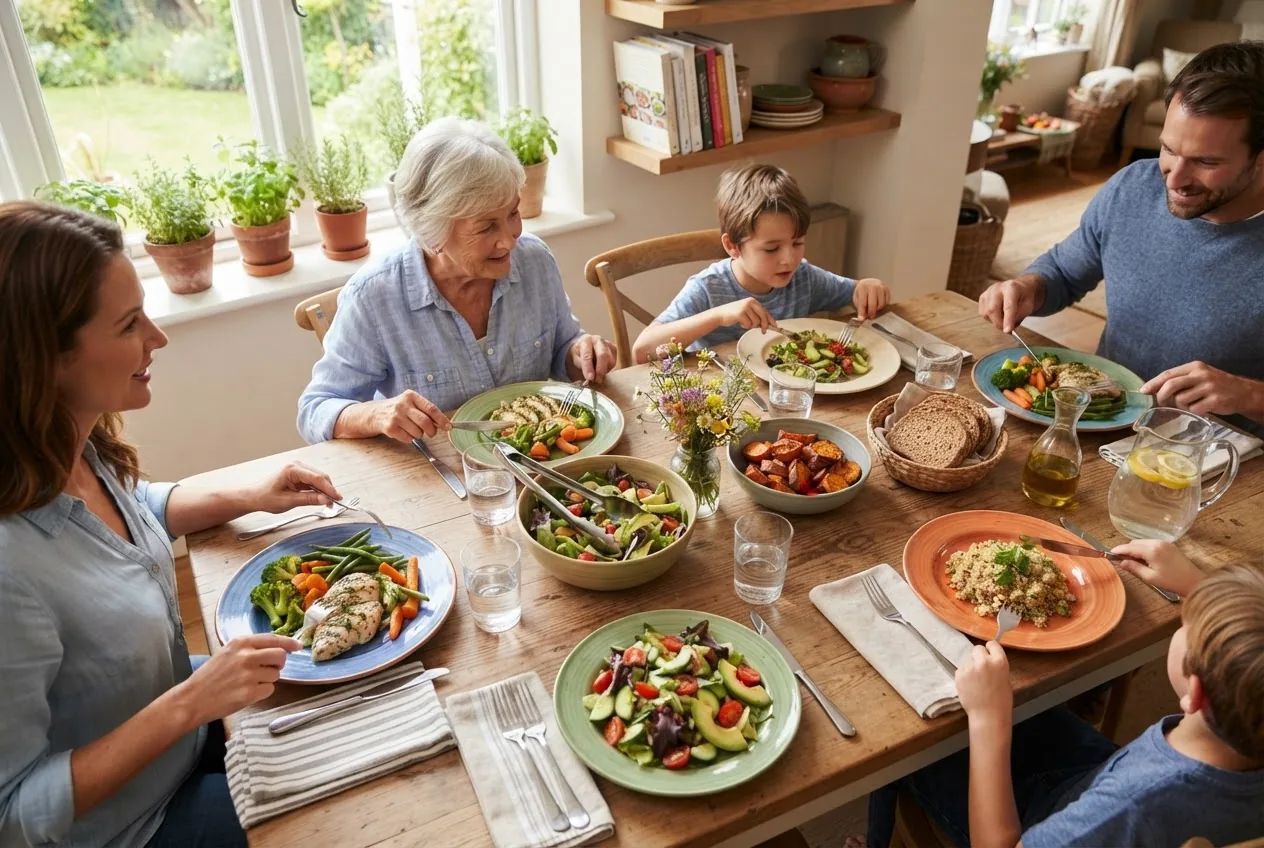
These recipes prioritize 30 minutes or less cook time, one-pan options, and flavors that work for children and adults. For readers preferring calorie-defined meals, consider the 500 calorie meals resource: 500 calorie meals. Vegetarian readers may also use the quick vegetarian dinner recipes collection for swaps: quick vegetarian dinner recipes.
- Sheet-pan grilled chicken with roasted summer squash — 30 minutes. Toss 1 lb chicken tenders (cut 1″ pieces) with 1 tbsp olive oil, 1 tsp smoked paprika, salt and pepper; roast at 425°F with 3 cups sliced summer squash and 1 red onion for 18–22 minutes. Serve with ½ cup cooked farro per person.
- Tex-Mex black bean and corn salad bowls — 20 minutes. Mix 1 can rinsed black beans, 1 cup frozen corn (thawed), 2 cups chopped romaine, ½ cup cherry tomatoes, juice of 1 lime, 1 tbsp olive oil, 1 tsp cumin. Top with ¾ cup cooked brown rice and 3 oz grilled shrimp.
- Quick grilled fish tacos (light) — 25 minutes. Grill 4 oz firm white fish per person for 3–4 minutes/side, flake over two small corn tortillas per person, add shredded cabbage, pico de gallo and 1 tbsp yogurt-lime sauce.
- One-pan chicken fajita skillet — 30 minutes. Saute 12 oz sliced chicken breast with 2 bell peppers and 1 sliced onion in 1 tbsp oil; 10 minutes until cooked. Serve with 2 small whole-wheat tortillas and salsa.
- Lemon-garlic shrimp with spaghetti squash — 28 minutes. Roast 1 medium spaghetti squash cut half-face down at 425°F for 30 minutes (or use pre-cooked for speed). Saute 8 oz shrimp with 1 tbsp olive oil, garlic, lemon zest; toss with squash strands and 1 cup baby spinach.
- Turkey and vegetable lettuce wraps — 20 minutes. Brown 1 lb lean ground turkey with 1 cup shredded carrots, 1 cup mushrooms, 2 tbsp low-sodium soy; spoon into butter lettuce leaves. Serve 2–3 wraps each.
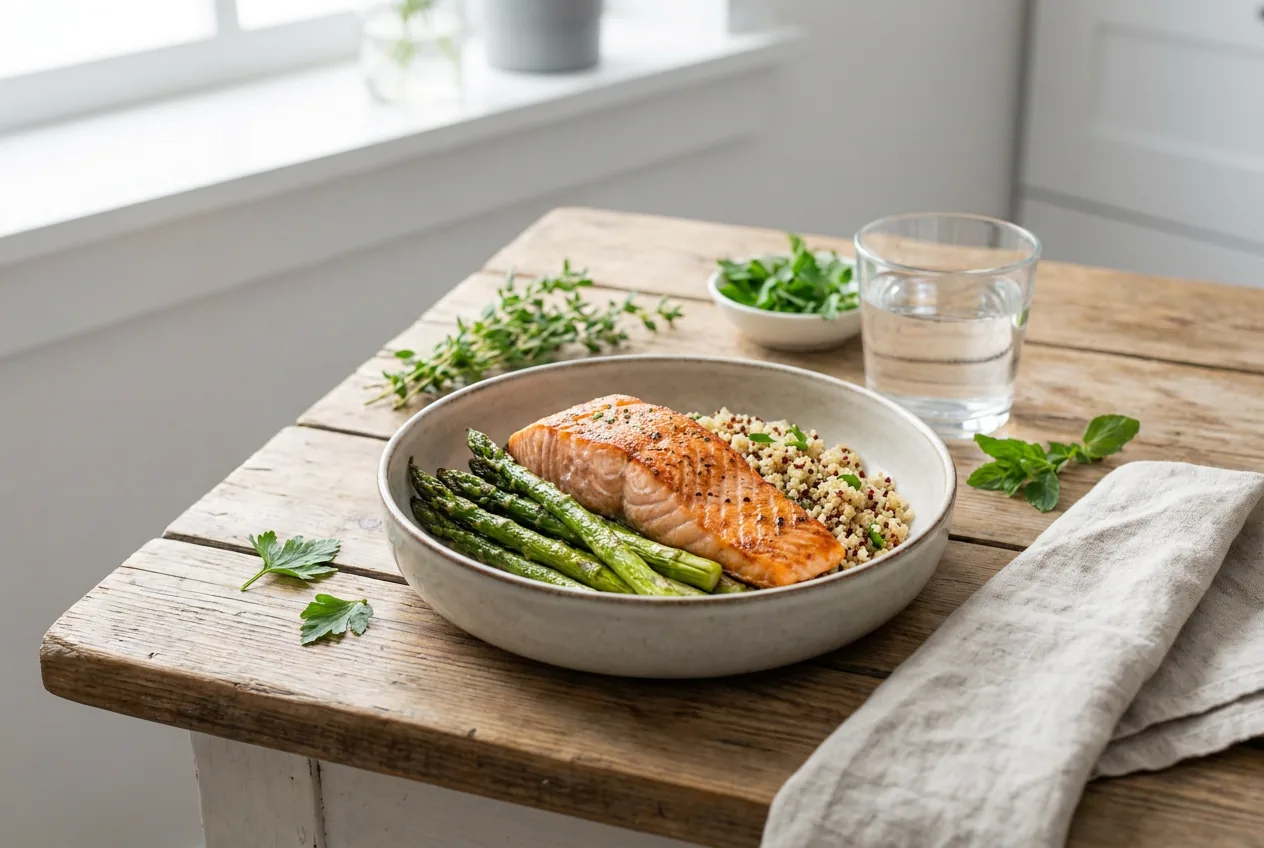
- Salmon with roasted asparagus and quinoa — 25 minutes. Roast 4 oz salmon fillets at 425°F for 12–14 minutes with asparagus, 1 tbsp olive oil. Serve with ½ cup cooked quinoa.
- Bean-and-veggie skillet with avocado — 25 minutes. Saute 1 cup diced zucchini, 1 cup bell pepper, 1 cup black beans; season with chili powder and lime. Top with ¼ sliced avocado.
- Chicken and kale Caesar (light) — 15 minutes. Toss chopped kale with 3 oz grilled chicken, 1 tbsp grated Parmesan, 1 tbsp Greek yogurt-based Caesar dressing, 1 tsp lemon. Serve with 3 whole-grain croutons.
For rotating family options and more kid-friendly swaps, explore additional family dinner ideas and swap proteins or grains to keep variety.
Transition: Fridays can feel different — next we cover lighter yet festive Friday night choices for casual entertaining and family celebration.
-
Choose flavorful light dishes for Friday nights
Light Dishes for Special Occasions: Healthy Friday Night Meal Ideas
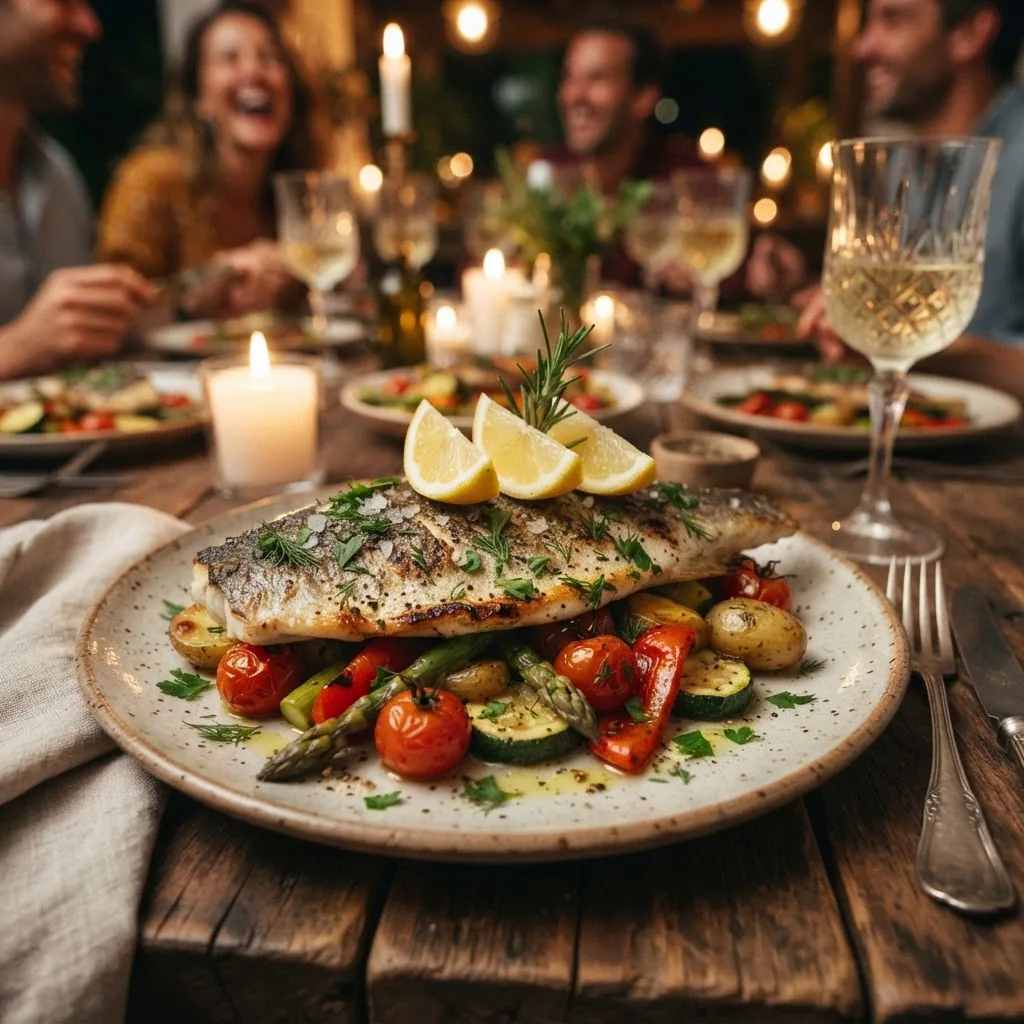
Friday nights call for food that feels indulgent without being heavy. These ideas prioritize presentation and taste with light ingredients. If you want slightly bigger portions for a celebration, the 600 calorie dinner recipes resource is a nearby option: 600 calorie dinner recipes.
- Grilled citrus-marinated snapper with roasted herbed fingerling potatoes — bright, aromatic; use 4 oz fish per person and roast potatoes in 1 tbsp oil for four servings.
- Seared tuna niçoise for sharing — elegantly plated with green beans, olives, boiled new potatoes (½ cup per person) and a mustard vinaigrette.
- Chicken piccata with caper-lemon pan sauce — serve 3–4 oz sliced chicken over steamed green vegetables; sauce made using ½ cup low-sodium broth and 1 tbsp capers.
- Veggie-stuffed portobello with herbed ricotta — meatless yet filling; one large portobello cap per person topped with 2 tbsp herbed ricotta and roasted cherry tomatoes.
- Grilled skirt steak with chimichurri and arugula salad — thin-sliced steak (3–4 oz per person) paired with a peppery salad and a drizzle of chimichurri (1 tbsp).
- Seafood paella (lightened) — use ¾ cup mixed seafood and ½ cup brown rice per person; boost with peas and roasted red peppers for color.
- Mediterranean mezze board (family style) — mix 3 oz hummus, sliced cucumbers, marinated artichokes, 2–3 whole-grain pita triangles per person for grazing.
Presentation tips: plate family-style or on individual shallow bowls, garnish with herbs and citrus, and use small bowls for sauces to control portions. Transition: planning these into your week requires structure—read the step-by-step menu planning guidance next.
-
Design a weekly light-dinner menu and prep plan
Tips for Planning a Weekly Menu Featuring Light Suppers and Balanced Nutrition
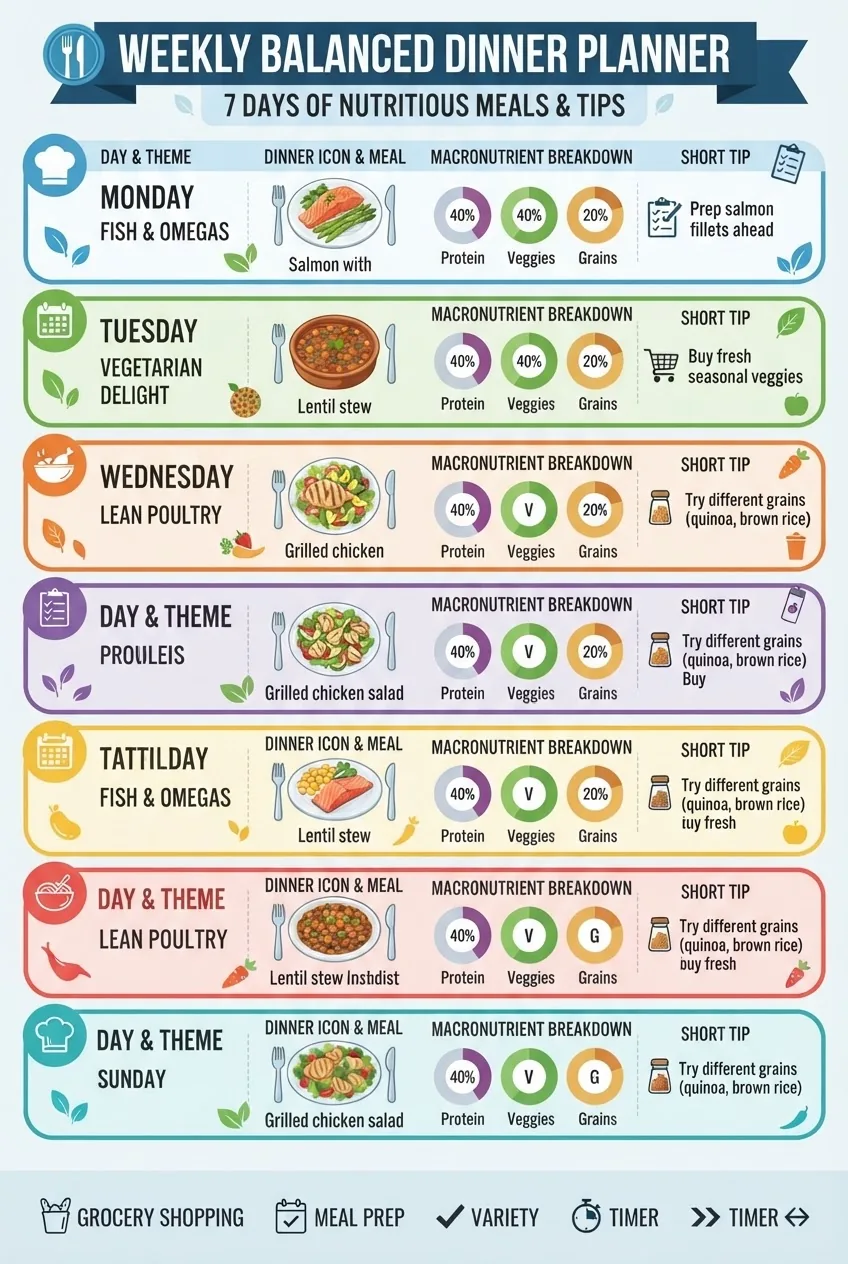
A weekly menu reduces decision fatigue and grocery waste. Follow this step-by-step planning method and a sample menu to implement light dinners sustainably.
- Inventory and choose five core dinners — pick 3–4 weeknight staples and 1–2 flexible recipes. Example staples: sheet-pan chicken, salmon + quinoa, Tex-Mex bowls, bean skillet, lettuce wraps.
- Create a shopping list by category — proteins, veg, grains, pantry. Buy fresh produce for 3–4 days and frozen for later in the week to preserve quality.
- Plan two batch-prep items — cook 2–3 cups of grains, roast one tray of mixed vegetables, and grill 1–1.5 lb of protein for use in 2–3 meals.
- Set nightly finish steps — allot 10–20 minutes per night for reheating, adding greens, or quick sautés; this keeps prep short.
- Rotate cuisines for variety — include Mediterranean, Tex-Mex, Asian stir-fry, and one comfort-style dish to avoid boredom.
Example weekly menu (serves 4, times in parentheses)
- Monday: Sheet-pan chicken with roasted squash + ½ cup farro (30 min)
- Tuesday: Tex-Mex black bean bowls with grilled shrimp (25 min)
- Wednesday: Lemon-garlic shrimp with spaghetti squash + spinach (28 min)
- Thursday: Turkey and veggie lettuce wraps + fruit (20 min)
- Friday: Grilled snapper with fingerlings + arugula salad (35 min)
- Saturday: Family-style mezze or comfort grain bowl (30–40 min)
- Sunday: Leftovers market + simple roast chicken (variable)
To keep costs down, combine this plan with budget-savvy shopping and staples — see the affordable list: cheap healthy foods.
Practical time-saving tactics tested in family kitchens:
- Batch-cook grains: cook 3 cups dry quinoa or brown rice on Sunday; store refrigerated for 4–5 days.
- Roast veg twice: a big sheet-pan roast can be part of dinner and reheated for lunches.
- Use quick proteins: canned tuna, rotisserie chicken (low-sodium if possible), or pre-cooked shrimp reduce nightly cook time to 5–10 minutes.
Transition: even with planning, common challenges arise—next step addresses troubleshooting satiety, variety and time constraints.
-
Solve common issues: fullness, boredom and restrictions
Troubleshooting Common Challenges With Light Dinners: Satiety, Variety, and Preparation Time
Problems often center on remaining hungry, repeating the same meals, or not having time. Below are specific solutions with measured thresholds you can test in your kitchen.
Problem: I feel hungry 60–90 minutes after a light dinner
Solution: increase protein by 25% (e.g., from 3 oz to 4 oz), add 1 tbsp healthy fat (olive oil or nuts), or add ½ cup low-calorie, high-volume food like steamed green beans or a side salad. Registered dietitian frameworks recommend 20–30 g protein and 3–5 g fiber at dinner to support satiety (source type: registered dietitian guidance).
Problem: Meals feel repetitive
Solution: rotate sauces and textures—use yogurt-lime, chimichurri, or a quick vinaigrette. Swap grains weekly (quinoa, farro, barley) and keep 1–2 go-to spice blends to change the flavor profile without adding prep time.
Problem: No time to cook
Solution: designate two 30–60 minute cook sessions: one for proteins, another for grains/roasted veg. Use frozen vegetables and pre-washed greens. Keep three emergency light dinners (canned tuna salad, scrambled eggs + greens, tofu stir-fry).
Dietary restriction notes: for diabetic-friendly meals, prefer lower glycemic carbs, consistent portion sizes and pair carbs with protein and fat — many strategies align with the American Heart Association and diabetes nutrition recommendations (source type: clinical guidance).
Transition: consolidate learning with a brief common mistakes list and a verification checklist below.
Common mistakes and how to avoid them
I often saw people under-portion vegetables early on—leaving plates protein-heavy and less filling. To fix this I started weighing or visually measuring 2 cups of veg per plate for the first two weeks until it became habitual.
I also observed over-reliance on sauces with hidden calories; my practical fix was to measure sauces (1 tbsp) and serve extra herbs or lemon for flavor instead. Finally, expecting perfection led to diet fatigue—my rule: allow one modest treat per week and plan a flexible “swap day.”
Quick verification checklist
- Plate method used: 50% veg, 25% lean protein, 25% grains/starch.
- Protein ~3–4 oz cooked per adult plate; grains ½–1 cup cooked; fats ≤2 tbsp.
- Two batch items prepared: one grain and one roasted vegetable.
- At least three one-pan or <30-minute recipes on the weekly menu.
- Two flavor-boosting sauces or dressings measured (≤1 tbsp per serving).
When to call in a professional
Consult a registered dietitian or your healthcare provider if you have complex medical needs (diabetes requiring carb counting, kidney disease requiring strict protein/phosphorus limits, unexplained weight loss). For specific portioning for clinical goals, schedule a nutrition appointment or medical review.
Conclusion: Embracing Light Dinners for a Healthier Lifestyle in Texas
Adopting light dinners means practical changes: consistent plate composition, a handful of reliable recipes, and simple batch-prep routines. These changes support digestion, better sleep and steady energy. Use seasonal Texas produce—peaches, okra, summer squash and local greens—to keep flavor local and affordable while you build lasting habits.
Keep experimenting with the recipes above, track satiety using the 20-minute rule, and adapt portions using the checklist. For next-day balance, combine this work with great healthy breakfast ideas to round your day.
Resources cited: USDA Nutrition Guidelines, American Heart Association, Academy of Nutrition and Dietetics.