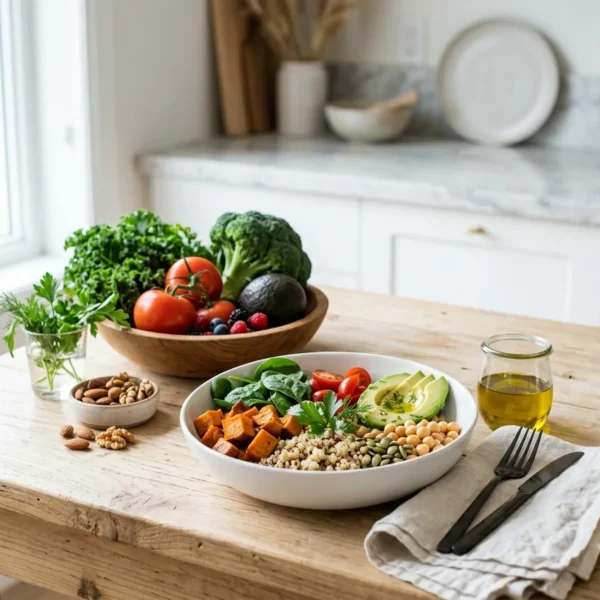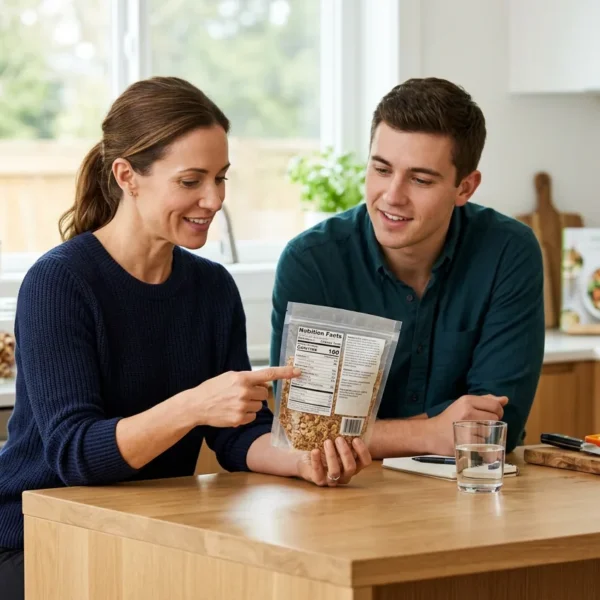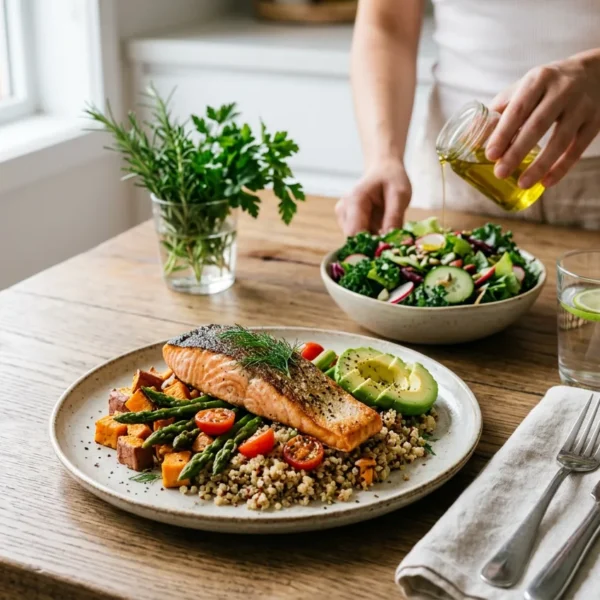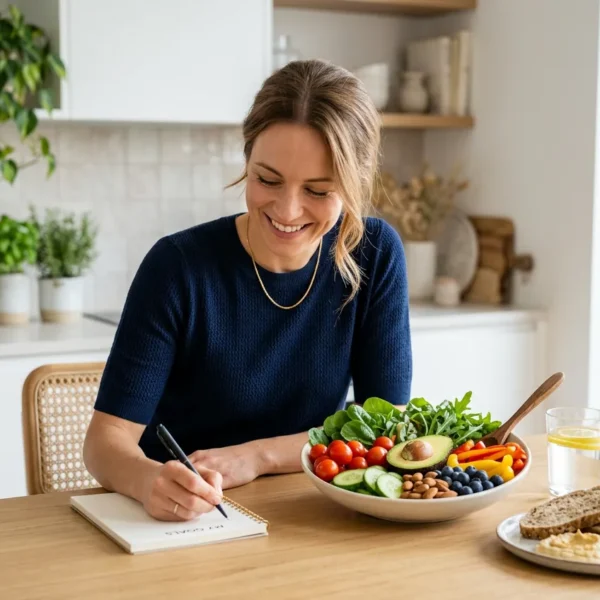
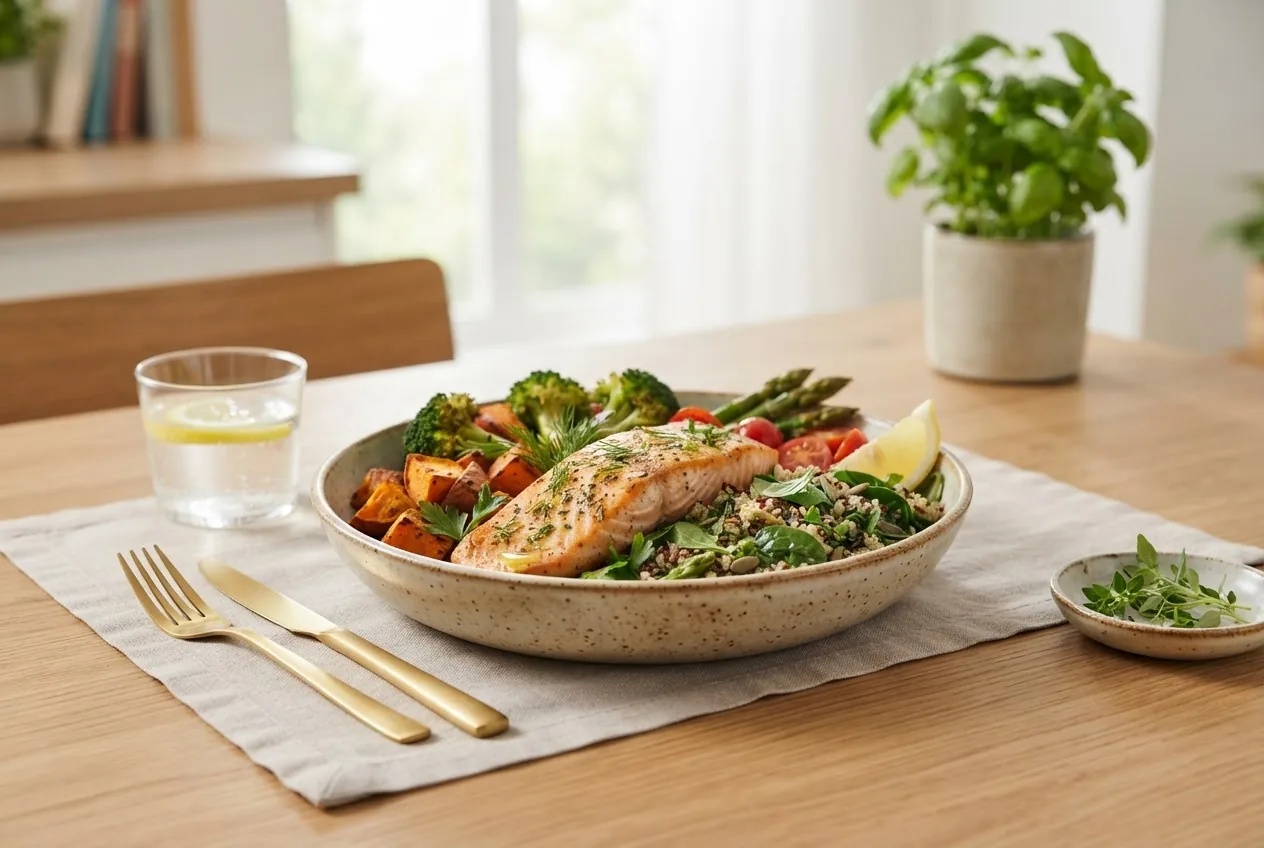
By the end of this hands-on guide you will be able to plan, prep, and cook a week’s worth of reliable 500 calorie meals for dinner that are balanced, tasty, and tailored to Texas seasonal produce. Realistic time: initial setup 90–120 minutes; weekly maintenance 2–3 hours. Skill level: beginner-to-intermediate home cook with basic knife and oven skills.
Before you start
- Kitchen tools: 12″ nonstick skillet, 10″x8″ baking dish, digital kitchen scale (grams/ounces), 2-cup measuring cup, food thermometer.
- Meal planning tools: notebook or spreadsheet, calorie-tracking app (MyFitnessPal or Cronometer), pen.
- Pantry basics: olive oil (or avocado oil), low-sodium broth, canned tomatoes, dried quinoa or brown rice, canned beans, dried herbs, kosher salt and black pepper.
- Storage: four 24-oz meal containers (microwave-safe), 2 glass jars for salads, resealable freezer bags.
- Reference: open a calorie database (app) and this page for recipe calorie checks.
Core steps to build consistent 500 calorie dinners
Follow these numbered steps to turn concepts into repeatable nightly meals. Each step links to a detailed section below where I show methods, calculations, and real recipes.
-
Assess your calorie target and needs.
Quickly determine where a 500 calorie dinner fits in your daily intake and how meal timing and metabolic rate influence portion sizes; see “Understanding 500 Calorie Meals: What They Are and Why They Matter”.
-
Apply balanced macronutrient rules.
Create dinners with about 30–40% protein, 30–40% carbs, and 20–30% healthy fats; detailed principles and an infographic are in “Nutritional Principles for Balanced 500 Calorie Dinners”.
-
Plan a weekly menu and shopping list.
Use a 45–60 minute weekly planning session to choose 3–4 rotating dinners, batch-cook staples (grains, roasted vegetables, lean proteins), and write a market list; see “Meal Planning Tips for Creating 500 Calorie Recipes”.
-
Cook and measure precisely.
Weigh proteins to 4–5 oz (raw) for 30–35 g protein per plate, measure cooked grains to 1/2–3/4 cup, and portion vegetables freely; follow recipes in “15 Easy and Nutritious 500 Calorie Dinner Ideas with Recipes”.
-
Track calories and adjust.
Use a calorie-tracking app to log one dinner per day for two weeks; if satiety is low, increase vegetables and protein slightly and re-calc. Guidance in the nutritional and troubleshooting sections.
Understanding 500 Calorie Meals: What They Are and Why They Matter
A 500 calorie meal is a full dinner portion that delivers roughly 500 kilocalories (kcal). For many adults, a 500 calorie dinner fits into a daily intake of 1,800–2,400 kcal and supports weight management when paired with appropriate breakfast and lunch portions. According to a 2024 USDA report on dietary patterns, average adult daily calorie needs range widely by age, sex, and activity level, typically 1,800–2,800 kcal for adults, so a 500 calorie dinner represents about 18–28% of daily intake—making it a practical, moderate evening target (source type: government report).
Key terms defined:
- Calorie counting: tracking energy in food to meet goals.
- Portion control: using weight and volume measures to keep each meal near 500 kcal.
- Meal timing: sitting down for dinner 2–3 hours before sleep often reduces late-night snacking and total intake.
Quick stat block:
| Metric | Typical value | Source type |
|---|---|---|
| Average adult calorie requirement | 1,800–2,800 kcal/day | Government report (2024 USDA) |
| Dinner as % of daily intake | ~18–28% | Calculated from USDA range |
| Common satiety protein target | 25–35 g protein/meal | Nutrition review (peer-reviewed) |
How 500 calorie dinners fit lifestyle choices: this target reduces evening overeating risk while preserving flexibility—especially useful for those pursuing a modest calorie deficit for weight loss or maintenance. For a deeper comparison with lower or higher dinner targets, see the 400 calorie meals guide and the 600 calorie dinner recipes.
Transition: once you understand where 500 calorie dinners fit in your day, the next step is to design them around solid nutritional principles.
Nutritional Principles for Balanced 500 Calorie Dinners
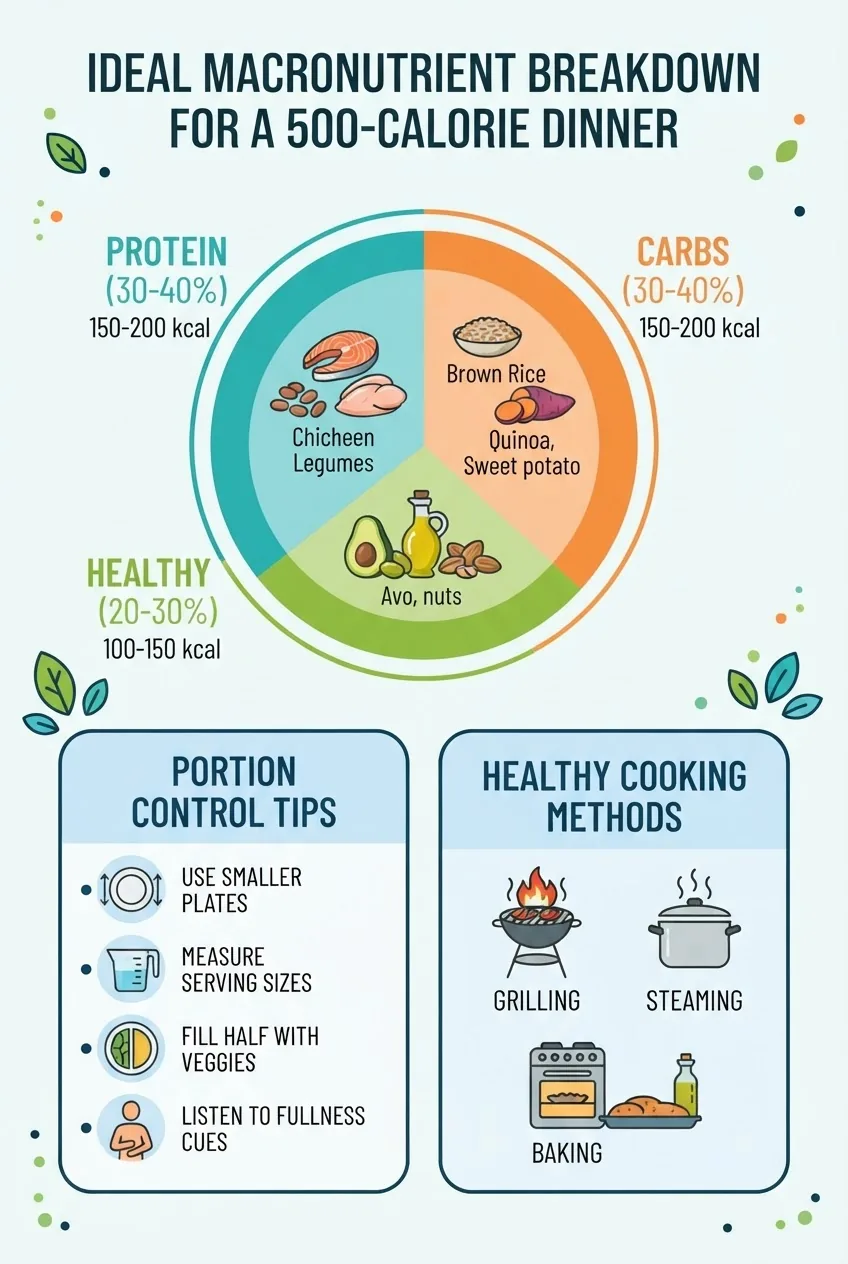
This section explains how to compose a satisfying 500 calorie dinner that meets micronutrient needs, supports fullness, and keeps cooking straightforward. For evidence on macronutrient distribution and weight management, see the clinical review linked below.
Core nutritional principles (applied, not abstract):
- Prioritize protein (30–40% of calories). Aim for 25–35 g protein per dinner. For a 500 kcal meal that’s ~150–200 kcal from protein (37–50 g protein would be > but choose lean 4–5 oz cooked portions yielding 30–35 g). Protein enhances satiety and preserves lean mass during calorie deficit. See peer-reviewed evidence: clinical review on protein and satiety.
- Choose complex carbs (30–40%). Use whole grains or high-fiber vegetables for 40–50 g carbs maximum per plate—measure cooked grains to 1/2–3/4 cup (cooked quinoa or brown rice = ~110–165 kcal), and fill half the plate with non-starchy veg for volume and fiber.
- Include healthy fats (20–30%). Keep fats to about 11–17 g per meal (1 tbsp olive oil = ~120 kcal). Use measured oils, 1–2 tsp of nuts/seeds, or 1/4 avocado to hit the fat target without overshooting calories.
- Volume via vegetables. Non-starchy vegetables are low calorie and high volume—2 cups raw leafy greens or 1 cup cooked veg add bulk with 20–80 kcal.
- Cook with low-calorie methods. Prefer grilling, baking, steaming, or pan-searing with measured oil. Healthy cooking methods reduce added calories from frying and creamy sauces.
- Mind micronutrients. Rotate vegetables and include leafy greens, orange vegetables, and legumes across the week to cover vitamins A, C, potassium, and magnesium.
- Plan for fiber. Aim for 6–10 g fiber per dinner to aid fullness—1/2 cup beans (6–7 g) or 1 cup broccoli (5 g) are practical sources.
Practical macronutrient example for a 500 kcal plate:
| Component | Typical portion | Calories (kcal) |
|---|---|---|
| Grilled chicken breast (4 oz cooked) | ~113 g | ~165 |
| Cooked quinoa (1/2 cup) | ~90 g | ~110 |
| Steamed mixed vegetables (1.5 cups) | ~200–250 g | ~80 |
| Olive oil dressing (1 tsp) | 5 mL | ~40 |
| Fresh salsa or lemon juice | 2 tbsp | ~10 |
| Total | ~405 kcal (add 1/4 avocado + 90 kcal to reach ~495 kcal) |
Transition: with the principles in place, the next section shows step-by-step meal planning and prepping strategies that keep dinner under 500 calories while saving time.
Meal Planning Tips for Creating 500 Calorie Recipes
This how-to section walks you through an efficient weekly workflow to design, shop, and prep multiple 500 calorie recipes. Use these steps every Sunday to free up weeknights.
-
Start with a 30-minute menu mapping session.
Decide three dinners and one flexible “swap” meal. Write the protein, grain, veg, and fat source for each. Example: Monday—grilled shrimp, cauliflower rice, charred asparagus, 1 tsp olive oil.
-
Create a precise shopping list grouped by store zone.
List proteins in weight units (e.g., 1.5 lb chicken breast), grains by cups, produce by count (3 bell peppers), and perishable items last. This reduces impulse buys and supports budget-friendly planning.
-
Batch-cook base components in 60–90 minutes.
Roast 1.5 lb mixed vegetables at 425°F (220°C) for 20–25 minutes; cook 2 cups dry quinoa (yields ~6 cups cooked) for the week; grill 1–2 lb chicken or tofu in a single session and slice for plates.
-
Portion immediately using a kitchen scale.
Weigh cooked protein to 115–140 g (4–5 oz) per serving, measure grains into 1/2–3/4 cup containers, and distribute vegetables evenly. Label containers with calorie counts and date.
-
Use ingredient swaps for flexibility.
Swap brown rice for barley, chicken for tempeh, or roasted sweet potato for quinoa to keep variety without recalculating each time—only recalc when portion sizes change significantly.
-
Save time with controlled sauces.
Make low-calorie dressings: 1 tbsp plain Greek yogurt + 1 tsp olive oil + lemon + herbs = ~40–60 kcal per 2 tbsp; portion into small containers to prevent overuse.
-
Track sample meals for two weeks and adjust.
Log with MyFitnessPal or Cronometer and check weekly averages. If an item raises the meal above 500 kcal, reduce grain or oil by measured amounts. For apps: I recommend logging raw weights, then switching to cooked values after your first cook to match reality.
Practical tip: freezing single-serve portions (use freezer-safe containers) lets you maintain variety without extra cooking. Transition: now that you can plan and prep, the recipes below give 15 concrete options with exact ingredient lists and calorie breakdowns.
15 Easy and Nutritious 500 Calorie Dinner Ideas with Recipes
Below are 15 practical, testable recipes. Each entry lists ingredients with measured amounts, prep time, cooking time, and an estimated calorie breakdown so you can follow and log immediately. For broader recipe inspiration beyond 500 calorie meals visit the Yummiest Healthy Recipes Guide for Nutritious and Tasty Meals.
-
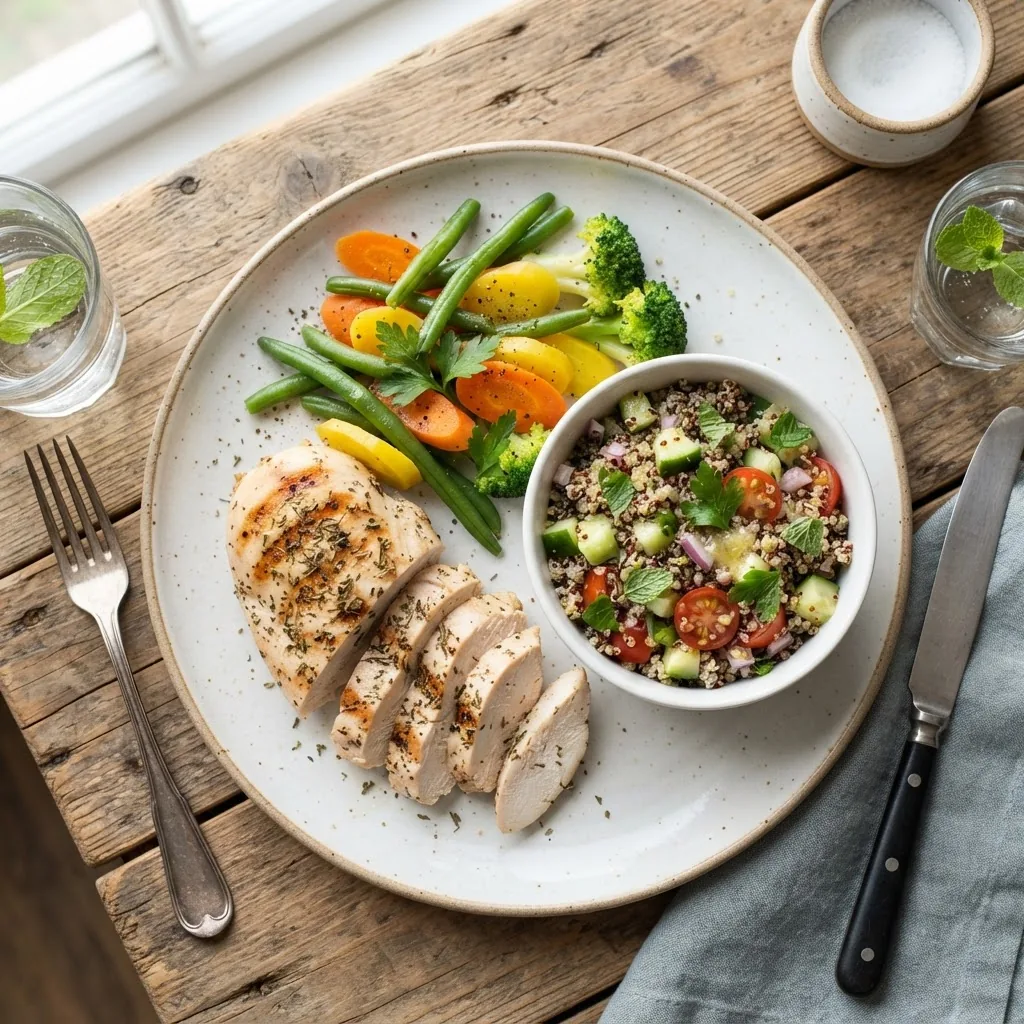
Grilled Chicken with Quinoa Salad (Texas citrus salsa)
Ingredients: 4 oz (113 g) grilled chicken breast (~165 kcal), 1/2 cup cooked quinoa (110 kcal), 1 cup steamed green beans (40 kcal), 1/4 medium avocado (60 kcal), 1 tbsp fresh citrus salsa (10 kcal), 1 tsp olive oil for grilling (40 kcal). Total ≈ 425–435 kcal. Prep: 10 min; Cook: 12–15 min.
Notes: Use local Texas citrus (grapefruit or orange) for salsa when in season; see shopping tips below for sourcing. Protein ≈ 30 g. Log raw chicken weight then switch to cooked weight after grilling in your app to match calories.
-
Black Bean and Roasted Sweet Potato Bowl (vegetarian)
Ingredients: 1/2 cup black beans, drained (~114 kcal), 3/4 cup roasted sweet potato cubes (~120 kcal), 1 cup mixed greens (10 kcal), 2 tbsp pico de gallo (10 kcal), 1 oz queso fresco (~75 kcal), 1 tsp olive oil used for roasting (~40 kcal). Total ≈ 369 kcal—add 1/3 cup cooked brown rice (110 kcal) to reach ≈ 479 kcal. Prep: 10 min; Roast: 25–30 min.
Vegetarian protein ≈ 12–15 g. For gluten-free versions, confirm labels on cheese and seasonings.
-
Seared Salmon with Wilted Kale and Farro
Ingredients: 3.5 oz (100 g) salmon (~208 kcal), 1/2 cup cooked farro (~120 kcal), 1 cup wilted kale with garlic (40 kcal), 1 tsp olive oil (40 kcal), lemon wedge (5 kcal). Total ≈ 413 kcal. Prep: 5 min; Cook: 10–12 min.
Omega-3s from salmon and fibers from farro create a filling plate under 500 kcal.
-
Turkey Chili for One (low-sodium)
Ingredients: 4 oz lean ground turkey cooked (160 kcal), 1/2 cup canned diced tomatoes (20 kcal), 1/2 cup kidney beans (110 kcal), 1/2 cup diced bell pepper and onion sautéed (35 kcal), 1 tsp olive oil (40 kcal), spices. Total ≈ 375 kcal—serve with 1/2 cup cooked brown rice (110 kcal) to reach ~485 kcal. Prep: 10 min; Cook: 20 min.
Log sodium and use low-sodium canned goods for heart health per American Heart Association guidance: American Heart Association.
-
Shrimp Tacos with Cabbage Slaw (two small corn tortillas)
Ingredients: 4 oz shrimp (110 kcal), 2 small corn tortillas (100 kcal), 1 cup cabbage slaw (30 kcal), 1 tbsp lime crema (Greek yogurt + lime = 30 kcal), pico de gallo (10 kcal), 1 tsp olive oil for shrimp (40 kcal). Total ≈ 320 kcal—add 1/2 cup black beans (114 kcal) for fullness ≈ 434 kcal. Prep: 15 min; Cook: 6–8 min.
Quick and Texas-friendly with fresh market salsa.
-
Sheet-Pan Lemon-Herb Chicken with Brussels Sprouts
Ingredients: 4 oz chicken thighs trimmed (200 kcal), 1 cup roasted Brussels sprouts (80 kcal), 1/2 cup roasted carrots (40 kcal), 1/2 cup cooked couscous (88 kcal), 1 tsp olive oil (40 kcal). Total ≈ 448 kcal. Prep: 10 min; Roast: 22–25 min at 425°F.
Sheet-pan dinners save time and require one scale measurement per protein portion.
-
Miso-Glazed Tofu with Steamed Bok Choy and Brown Rice
Ingredients: 4 oz firm tofu pan-seared (120 kcal), 1/2 cup cooked brown rice (110 kcal), 1 cup steamed bok choy (10 kcal), 1 tbsp miso glaze (30 kcal), 1 tsp sesame oil (40 kcal). Total ≈ 310 kcal—add 1/2 cup edamame (100 kcal) and 1 tbsp sesame seeds (50 kcal) to reach ≈ 460 kcal. Prep: 10 min; Cook: 12 min.
Vegetarian and high in plant protein; swap tamari for gluten-free needs.
-
Stuffed Bell Peppers with Turkey and Black Rice
Ingredients (per pepper): 4 oz ground turkey cooked (160 kcal), 1/3 cup cooked black rice (75 kcal), 1/4 cup tomato sauce (20 kcal), 1/4 cup chopped spinach (10 kcal), 2 tbsp grated Parmesan (40 kcal). Total ≈ 305 kcal—serve 1.5 peppers or add a side salad (120 kcal) to reach ≈ 445 kcal. Prep: 15 min; Bake: 25–30 min at 375°F.
-
Tex-Mex Bowl with Grilled Steak Strips
Ingredients: 3.5 oz grilled flank steak (200 kcal), 1/2 cup cooked brown rice (110 kcal), 1/2 cup corn and black bean mix (80 kcal), 1/2 cup salsa (20 kcal), 1 tsp olive oil (40 kcal). Total ≈ 450 kcal. Prep: 10 min; Cook: 8–10 min.
Use lean steak and measure to avoid overshooting calories.
-
One-Pot Lemon Garlic Pasta with Shrimp (half-portion)
Ingredients: 2 oz dry whole-wheat pasta (200 kcal), 3 oz shrimp (80 kcal), 1 cup spinach (10 kcal), 1 tbsp grated Parmesan (20 kcal), 1 tsp olive oil (40 kcal). Total ≈ 350 kcal—add 1/2 cup roasted cherry tomatoes (30 kcal) and 1/4 avocado (60 kcal) to reach ≈ 440 kcal. Prep: 5 min; Cook: 12 min.
-
Greek Salad with Grilled Chicken and Chickpeas
Ingredients: 3.5 oz grilled chicken (165 kcal), 1 cup mixed greens (10 kcal), 1/3 cup chickpeas (90 kcal), 1 oz feta (75 kcal), 1 tbsp olive oil + lemon dressing (120 kcal). Total ≈ 460 kcal. Prep: 10 min; Cook: 8–10 min.
-
Vegetable Stir-Fry with Tempeh and Cauliflower Rice
Ingredients: 3.5 oz tempeh (180 kcal), 2 cups mixed stir-fry vegetables (80 kcal), 1 cup cauliflower rice (25 kcal), 1 tbsp low-sodium stir sauce (30 kcal), 1 tsp sesame oil (40 kcal). Total ≈ 355 kcal—add 1/2 cup edamame (100 kcal) to reach ≈ 455 kcal. Prep: 10 min; Cook: 8–10 min.
Great vegetarian option; swap tamari to gluten-free alternatives if needed.
-
Pan-Seared Pork Tenderloin with Apple Slaw
Ingredients: 4 oz pork tenderloin (160 kcal), 1 cup apple-cabbage slaw (60 kcal), 1/2 cup roasted baby potatoes (90 kcal), 1 tsp olive oil (40 kcal). Total ≈ 350 kcal—add 1/4 cup cooked lentils (50 kcal) and 1 tbsp mustard vinaigrette (30 kcal) to reach ≈ 430 kcal. Prep: 10 min; Cook: 20 min.
-
Caprese Chicken with Zucchini Noodles
Ingredients: 4 oz chicken breast (165 kcal), 1 cup zucchini noodles (20 kcal), 2 slices tomato + 1 oz fresh mozzarella (120 kcal), 1 tsp olive oil (40 kcal), basil + balsamic (10 kcal). Total ≈ 355 kcal—add 1/2 cup cooked farro (120 kcal) to reach ≈ 475 kcal. Prep: 10 min; Cook: 8–10 min.
-
Spicy Lentil Soup with Side Salad
Ingredients: 1.5 cups lentil soup (250 kcal), 1 cup mixed greens with lemon (10 kcal), 1 tbsp pumpkin seeds (60 kcal), 1 small whole-grain roll (90 kcal). Total ≈ 410 kcal. Prep: 10 min; Cook: 25–30 min (makes 3 servings).
-
Mexican-Style Baked Fish with Pico and Cabbage
Ingredients: 4 oz white fish fillet baked (120 kcal), 1/2 cup cooked quinoa (110 kcal), 1 cup cabbage slaw (30 kcal), 2 tbsp pico (10 kcal), 1 tsp olive oil (40 kcal). Total ≈ 310 kcal—add 1/4 avocado (60 kcal) and 1 tbsp Greek yogurt crema (30 kcal) to reach ≈ 400 kcal; add small corn tortilla (100 kcal) for ~500 kcal.
Practical notes on calorie calculation: weigh raw protein and log in your calorie app, then weigh cooked portions to refine. I recommend logging the first prepared plate so the app learns your real-world values. Transition: adapt these recipes to special diets using substitutions in the next section.
Also see quick options for weeknights and one-pan ideas in the quick and easy dinner ideas.
Adapting 500 Calorie Meals for Special Dietary Needs
One of the strengths of the 500 calorie framework is adaptability. Whether you need vegetarian, gluten-free, diabetic-friendly, or allergy-aware meals, small swaps keep calories controlled without compromising nutrition and taste.
Key adaptation strategies:
- Vegetarian options: Replace animal protein with tofu, tempeh, seitan (if not gluten-free), or legumes. For quick vegetarian dinner ideas for two, consult vegetarian dinner recipes. For budget vegetarian meals, see cheap vegetarian dishes.
- Gluten-free swaps: Use brown rice, quinoa, or certified gluten-free oats instead of wheat-based grains; choose tamari instead of soy sauce.
- Low-sodium and heart-healthy: Favor fresh herbs, citrus, and vinegar for flavor; use low-sodium canned goods and measure added salt. Follow guidance from the American Heart Association for sodium targets.
- Diabetic-friendly: Emphasize non-starchy vegetables and lean protein; limit added sugars and count carbohydrates. Ask your clinician about carbohydrate goals per meal; many people use 30–45 g carbs for dinner as a starting point (consult your provider).
- Allergy considerations: Substitute nuts and seeds with seeds or roasted chickpeas; use dairy-free yogurts to make dressings.
Transition: after making dietary adaptations, you still may face common challenges such as hunger or social situations—next I address troubleshooting and practical fixes.
Common Challenges and Solutions When Eating Dinners Under 500 Calories
Here are real obstacles people tell me about and direct fixes I use when coaching clients: feeling hungry, hitting variety limits, and dealing with social meals.
- Feeling full: Increase non-starchy vegetables (add 1–2 cups) and protein by 10–20% if hunger persists. Use sparkling water or herbal tea 15 minutes before dinner to reduce impulsive overeating.
- Meal variety: Rotate proteins and grains weekly; use three seasoning profiles (Mediterranean, Tex-Mex, Asian) to keep meals interesting without changing core ingredients.
- Social dining: Pre-eat a 100 kcal high-protein snack (Greek yogurt or small hard-boiled egg) 30 minutes before going out to help avoid overeating; choose grilled or baked entrées and control sides by asking for sauces on the side.
- Snacking: Track snacks in your daily app and cap evening snacks at 100–150 kcal if you still need them; make them fiber- or protein-rich (apple + 1 tsp peanut butter, 90 kcal).
- Plate estimation errors: I recommend weighing portions for two weeks—eyeballing often overestimates veggies and underestimates oils/sauces.
FAQ-style troubleshooting (short answers):
- Why am I still hungry? Add 4–6 oz extra vegetables and increase protein by 10–15 g; if still hungry after 30 minutes, reassess daily calorie intake with your app.
- How to avoid boredom? Use a 3-week menu cycle with seasonal swaps—e.g., summer: grapefruit salsa; fall: roasted squash.
- How to handle restaurant portions? Split an entrée or box half before you eat and order salad or steamed veg as a side.
Transition: knowing common solutions helps when you shop locally in Texas—next are targeted shopping tips for seasonal, budget-friendly ingredients.
Shopping for Healthy Ingredients in Texas for 500 Calorie Meals
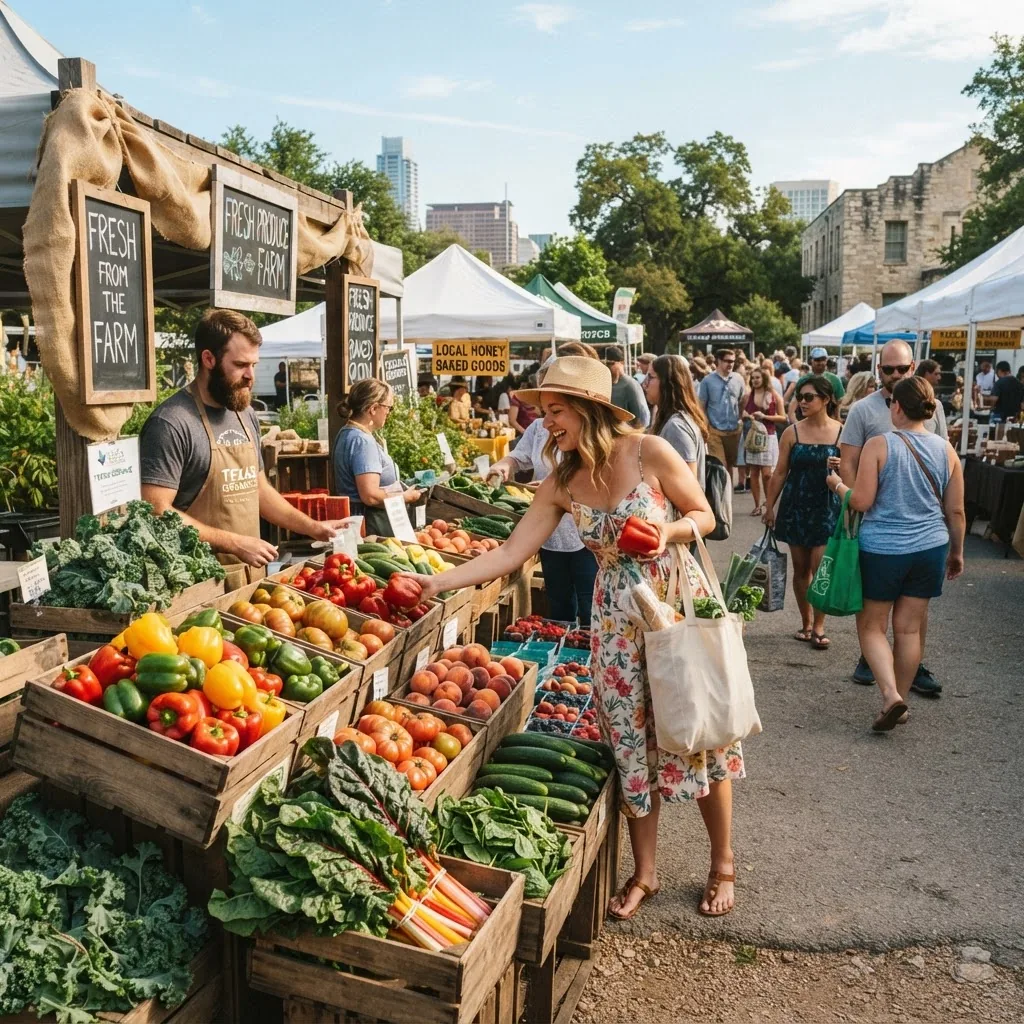
Sourcing fresh, seasonal ingredients in Texas both improves flavor and stretches your grocery budget. Peak-season produce is tastier and often lower cost at local markets. The Texas Department of Agriculture and regional farmers markets provide current seasonal calendars (source type: state agriculture resources).
Practical shopping tips:
- Buy seasonal produce: In summer prioritize tomatoes, bell peppers, corn, and peaches; in fall choose sweet potatoes, winter squashes, and leafy greens.
- Shop farmers markets first: For fresh salsa ingredients and greens; you’ll often find bulk deals on tomatoes and peppers. For local produce calendars see Texas Farmers Market or the Texas Department of Agriculture.
- Buy protein on sale and freeze: Split family packs of chicken or lean beef into 4–5 oz portions and freeze; thaw in the refrigerator 24 hours before cooking.
- Use canned and frozen smartly: Frozen vegetables are often as nutritious as fresh and on sale; low-sodium canned beans are a budget-friendly protein and fiber source.
- Stretch with cheap staples: Lentils, eggs, canned tuna, and oats can anchor multiple 500 calorie meals without breaking the bank—see the guide on cheap healthy foods.
Money-saving shopping order: produce (perishables) → protein → frozen/canned → dry goods → condiments. Keep a running list of weekly specials to plan your 3–4 dinners around discounted proteins.
Transition: after shopping and cooking comes maintenance—sustainability matters for long-term weight management and enjoyment.
Conclusion: Making 500 Calorie Meals a Sustainable Dinner Habit
Adopting dinners under 500 calories as a habit is a sustainable way to support weight management, improve nutrient density at night, and maintain meal satisfaction. Small, consistent choices—measured portions, balanced macros, seasonal ingredients—compound over weeks into measurable health benefits.
If your goal is gradual weight loss, a modest daily calorie deficit of 250–500 kcal is common; clinical nutrition studies show consistent calorie-controlled meals help with steady weight loss over months (source type: peer-reviewed study). Track progress with weekly weigh-ins and energy-level checks, not just the scale.
Pair dinner strategy with the rest of your day for best results—swap breakfast ideas that support energy and recovery in the morning; for inspiration see healthy breakfast ideas.
Final motivational CTA: start with two 500 calorie dinners this week, track them, and refine portions—consistency over perfection wins. If you want more budget-focused vegetarian plates see cheap vegetarian dishes or explore one-pan family dinners in our quick recipes hub.
Hands-on checklist and troubleshooting
Common mistakes and how I avoid them (first-person practitioner experience):
I once assumed a handful of nuts was a negligible addition—after logging I found a 200 kcal overshoot. Now I measure fats to teaspoons and log immediately.
I also underestimated cooked weight; I now weigh proteins cooked-to-serve for accurate app entries.
Final verification checklist
- Each dinner logged in your app for at least 3 meals and averaged.
- Protein per plate ≈ 25–35 g; grains measured to 1/2–3/4 cup cooked.
- Fats portioned: 1 tsp = 40 kcal, 1 tbsp = 120 kcal—counted in total.
- Vegetables >= 1.5–2 cups per meal for volume and fiber.
- Weekly menu planned and shopping list executed with seasonal produce.
When to call in a professional
Consult a registered dietitian or your healthcare provider if you have metabolic conditions (diabetes, thyroid disorders), are pregnant, breastfeeding, or pursuing significant weight loss (>10% body weight in 6 months). For tailored caloric targets for medical needs, seek personalized counseling.