By the end of this hands-on guide you’ll have a practical one-week plan, three single-serve recipes prepped, and a toolbox of shopping, storage, and portion-control techniques to make meals for one person reliably healthy and quick. Expect two to four hours total to set up your system; skill level: beginner to confident home cook.
Before you start
- Essential tools: 8–10″ nonstick skillet, 1.5–2 quart saucepan, microwave-safe airtight containers (2 x 500–750 ml), digital kitchen scale (0.1 oz/1 g), measuring cups and spoons.
- Pantry basics: extra virgin olive oil, low-sodium soy sauce or tamari, canned beans (15 oz), brown rice (single-serve pouches optional), quinoa, canned diced tomatoes (14 oz), stock cubes.
- Fresh items to buy weekly: 2 proteins (e.g., 1 boneless chicken breast ~6 oz; 1 block firm tofu 14 oz), 3 seasonal vegetables, 1 citrus, handful of herbs.
- Storage aids: resealable freezer bags, small mason jars, vacuum-seal bags (optional), marker for dating containers.
- Health checks: consult your provider for specific dietary needs (sodium, allergies, medical calorie limits).
Now follow the step-by-step core actions below. Each major section includes actionable numbered steps you can execute right away.
Why Cooking Meals for One Person is Different
Cooking solo shifts the focus from bulk production to precise portion control, ingredient freshness, and minimizing waste. Unlike family-style cooking, where recipes scale up, single-serving approaches require planning so that one person gets nutrition balance without wasting food or overspending.
- Recognize portion control needs: A typical balanced single dinner often targets 350–700 kcal depending on goals. For macronutrient balance aim for roughly 25–35 g protein, 30–45 g carbohydrates (mostly whole grains/veg), and 10–20 g healthy fats per main meal as a rule-of-thumb for many adults. For specific calorie guidance see external sources below.
- Plan around freshness: Fresh produce spoils faster for one person. Buy smaller quantities (1–3 servings at a time) or choose frozen vegetables to keep nutrition higher longer—frozen peas, green beans, and mixed peppers are excellent.
- Adapt single-serving nutrition: Replace a family recipe’s bulk protein (e.g., 3 lb roast) with a single 4–6 oz portion and use the same spices and cooking method in a skillet or small sheet pan. When recipes say “serves 4,” scale ingredients to 1/4 and reduce cook vessels.
- Address solo cooking challenges: Motivation, time, and cleanup are major hurdles. Use one-pan methods or a microwave to shorten time and reduce dishes. Track what spoils and adjust shopping weekly.
Transition: With the differences clear, next you’ll get essential, practical tips that make single-serving cooking fast and healthy.
Essential Tips for Easy and Healthy Single-Serving Meals
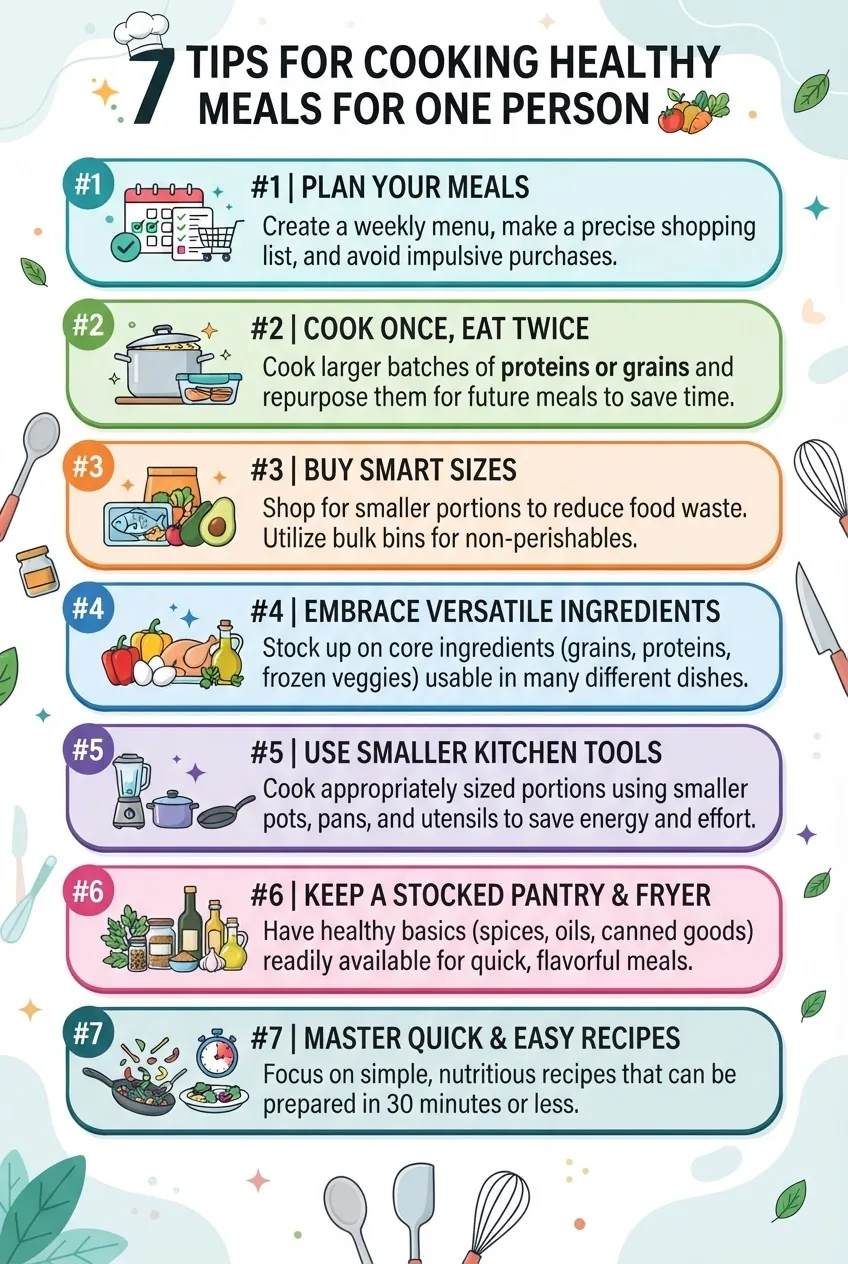
- Batch base ingredients, not full meals. Cook 1–2 cups of brown rice or quinoa (yields 3–4 single servings) and refrigerate in 500–750 ml containers for 3–5 days. Use leftover grains across bowls and stir-fries.
- Buy frozen and fresh strategically. Keep 2–3 frozen vegetable bags and one fresh salad green to rotate. Frozen produce retains vitamins and reduces waste for single-person households.
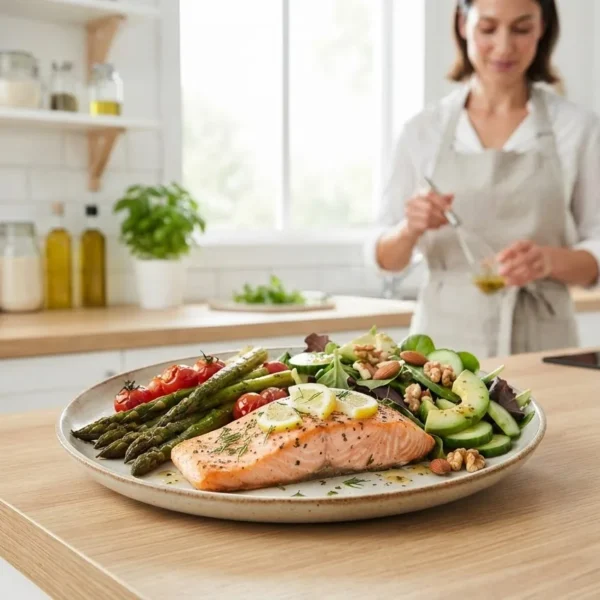
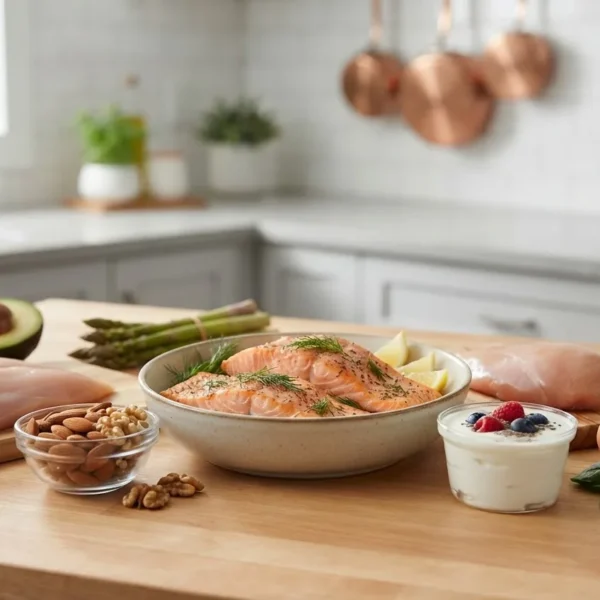
- Use small-batch proteins. Roast a single 6–8 oz salmon fillet or pan-sear a 5–6 oz chicken breast; reserve unused portions in 125–200 g servings for later meals.
- Time-saving kitchen hacks. Use pre-chopped vegetables sparingly, microwave grains pouches, and rely on a microplane for citrus zest to boost flavor without extra steps. Cook proteins on medium-high for 3–6 minutes per side depending on thickness.
- Employ portioning tools. Use a 1-cup measuring scoop for cooked grains, a 4–6 oz food scale setting for proteins, and a tablespoon to limit oil to 1 Tbsp per serving (~14 g).
- Make versatile sauces and dressings. Whisk 1 Tbsp olive oil, 1 tsp lemon juice, 1 tsp Dijon, and salt/pepper—stores 3–4 days refrigerated and brightens multiple single servings.
- Embrace one-pan and single-pot cooking. Sheet-pan shrimp with 1 cup chopped veg cooks in 10–12 minutes at 425°F; a 1.5–2 quart skillet chili for one simmers 20–25 minutes.
- Small-batch can be batch-prep too. Make 2–3 different single-serving entrees on Sunday (30–40 minutes each) and freeze one portion to avoid repetition.
- Healthy ingredient swaps. Swap full-fat dairy for 2% Greek yogurt in sauces, use beans or lentils to stretch protein, and pick whole grains over refined for fiber.
- Label and date everything. I use a permanent marker to write “Cooked 09/01 — eat by 09/04” on containers. Clear labeling reduces accidental waste.
Transition: Ready for concrete, ready-to-cook ideas? Below are ten easy dinner options with health notes and quick methods you can try tonight.
Top 10 Easy Dinner Ideas for One Person
These are practical single-serving dinners focused on minimal cleanup, balanced nutrition, and 20–40 minute prep times. For more recipe inspiration see Yummiest Healthy Recipes Guide for Nutritious and Tasty Meals.
-
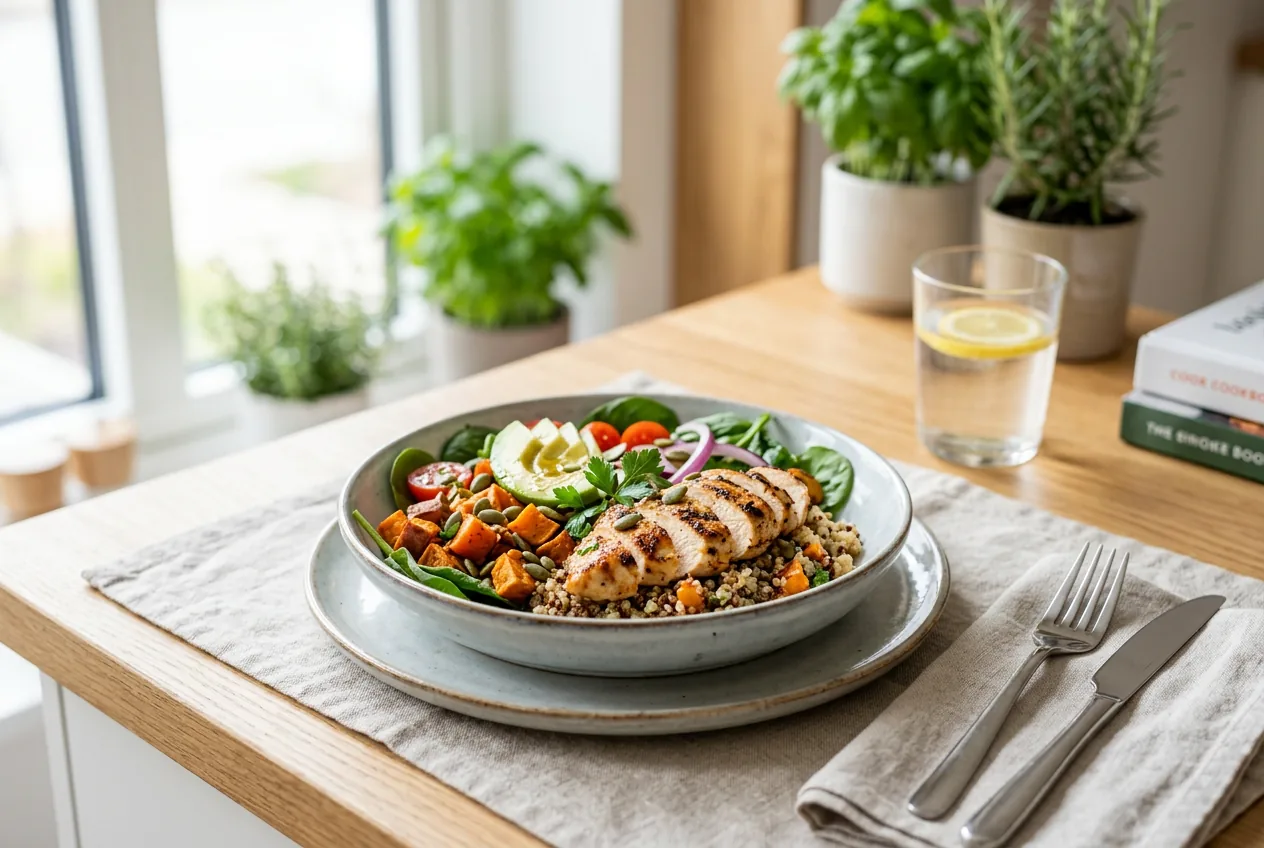
Skillet Lemon-Herb Chicken with Quick Quinoa (25–30 min)
Pan-sear a 5–6 oz chicken breast (~6–7 minutes per side over medium heat), squeeze ½ lemon, add 1 tsp chopped herbs, serve over ¾ cup cooked quinoa. Health note: ~35 g protein; swap chicken for 6 oz firm tofu for vegetarian option. Reference: USDA nutrition and healthy eating guidelines. -
One-Pan Shrimp and Veg Sheet-Pan (12–15 min)
Toss 6 oz shrimp, 2 cups mixed veg, 1 Tbsp olive oil, roast at 425°F for 10–12 minutes. Serve with ½ cup brown rice. Health note: low-calorie, high-protein, minimal clean-up. For portion-controlled dinners see 500 calorie dinner ideas. -
Mediterranean Chickpea Bowl (15 min)
Mix ½ cup canned chickpeas (drained), 1 cup chopped cucumber/tomato, 2 Tbsp crumbled feta, 1 Tbsp olive oil, lemon, pepper. Serve over 1 cup mixed greens. Health note: high fiber, plant protein. -
Stir-Fried Beef and Broccoli for One (20 min)
Use 5 oz thinly sliced flank steak, 2 cups broccoli, 1 tsp oil, 1 Tbsp low-sodium soy sauce; cook on high 3–4 minutes. Serve with ¾ cup cooked brown rice. -
Vegetarian Black Bean Quesadilla (15–18 min)
Mash ½ cup black beans with cumin, layer with ¼ cup shredded cheddar on a whole-wheat tortilla, toast 2–3 minutes per side. Serve with salsa and 1 cup mixed salad. For more vegetarian ideas see quick vegetarian dinner recipes. -
Salmon Fillet with Roasted Sweet Potato (25–30 min)
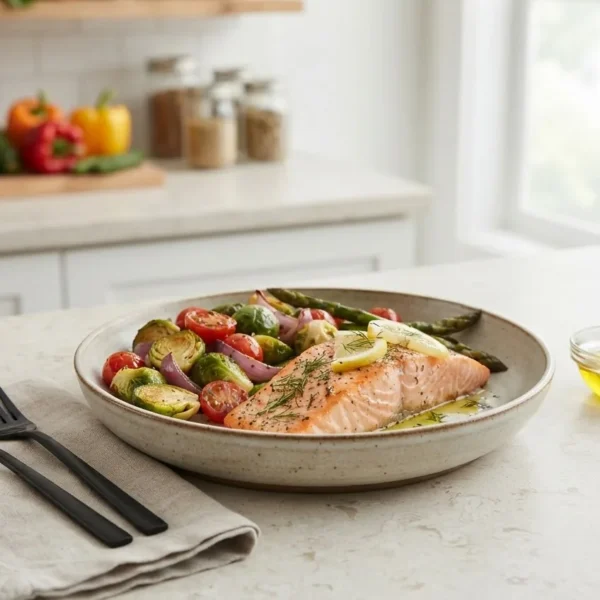
Roast a single 5–6 oz salmon fillet at 400°F for 12–15 minutes; roast 1 small cubed sweet potato with 1 tsp oil for 20–25 minutes. Health note: rich in omega-3s. -
Tuna & White Bean Salad (10 min)
Combine 1 can tuna in water (drained, 3–4 oz), ½ cup cannellini beans, parsley, olive oil, lemon. Serve on toasted whole grain bread or greens. Low-prep, high-protein. -
Egg and Veggie Skillet (10–12 min)
Sauté 1 cup mixed veg, add 2 large eggs, cook until set. Serve with 1 slice whole-grain toast. Quick, low-cost, great for any meal of day. -
Quick Turkey Chili for One (30 min)
Brown 4–6 oz lean turkey, add ½ cup canned tomatoes, ½ cup beans, chili spices, simmer 20 minutes. Freeze a portion for later. Meal freezing strategies described below. -
Vegetable Fried Rice (15 min)
Use 1 cup day-old rice, 1 cup mixed veg, 1 egg or 3 oz diced tofu, 1 tsp sesame oil, 1 Tbsp low-sodium soy sauce. Stir-fry 6–8 minutes. Balanced, quick, and flexible.
Transition: those dinners are adaptable—next we’ll cover shopping, budgeting, and the best grocery strategy for one person.
Meal Planning and Grocery Shopping Tips for One
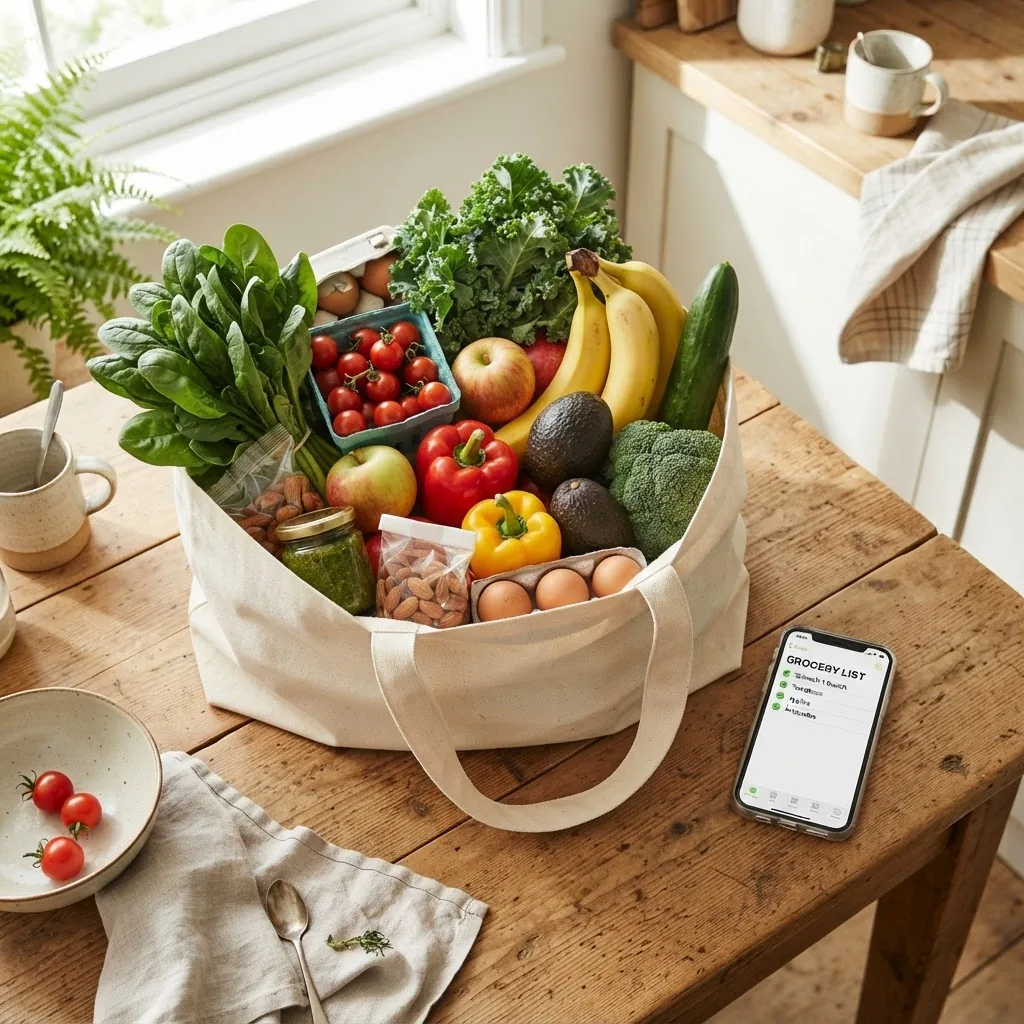
Efficient shopping for single-person households reduces waste and saves money. Follow these stepwise tactics when you plan a week.
- Create a 3-meal framework: Plan 3 dinners, 3 lunches, and simple breakfasts. Link breakfasts to easy healthy breakfast ideas.
- Shop twice a week: Do a small fresh run midweek (greens, herbs, berries) and a main shop for proteins and frozen items every 7–10 days.
- Buy flexible proteins: Single chicken breasts, canned tuna, and tofu blocks reheat well; freeze uncooked salmon portions individually on a sheet tray, then bag them.
- Choose portion-friendly produce: Buy loose peppers (1–2), a bunch of greens rather than pre-washed salad if you’ll eat slowly, and single citrus fruits.
- Use budget hacks: Buy bulk grains and repackage into 1–2 week quantities; lean on frozen fruit/veg for smoothies and cooked dishes. For bargains check guides like cheap foods that are good for you.
- Pantry essentials checklist:
- Olive oil, vinegar, canned tomatoes, canned beans, low-sodium soy sauce
- Dried herbs/spices: smoked paprika, cumin, garlic powder, chili flakes
- Long-shelf grains: brown rice, rolled oats, quinoa
- Buy smart when bulk is cheaper: If a bulk price is compelling for a staple, divide into meal-sized vacuum bags and freeze — label with date and portion.
Transition: having shopped smart, you need to store and reuse leftovers safely—read on for precise steps that prevent spoilage and save you money.
How to Store and Use Leftovers Effectively When Cooking Solo
Proper storage preserves safety and flavor. Follow these how-to steps with timings and examples drawn from CDC and food-safety practice.
- Cool and portion quickly: Refrigerate cooked food within 2 hours of cooking (1 hour if ambient temperature exceeds 90°F). According to the CDC’s food safety guidelines (2023), perishable foods should not be left at room temperature beyond this window—see the CDC link below.
- Use the right containers: Store single servings in 500–750 ml airtight containers. Label each with cooking date and intended “eat-by” date (3–4 days for most cooked meals).
- Freeze in meal-sized portions: For meals you won’t eat within 3–4 days, freeze in 350–500 ml portions. Freeze within 2 hours and consume within 1–3 months for best quality.
- Reheating guidances: Reheat leftovers to an internal temperature of 165°F (74°C) before eating. Use a microwave covered for even heating (stir at 60-second intervals) or reheat on stovetop with 1–2 Tbsp water to prevent drying.
- Salad and delicate items: Don’t refrigerate dressings with greens—store separately. Add avocado or soft cheese just before serving.
- Example management routine I use: Every Sunday I portion grains into 3 containers, proteins into 2, and freeze one cooked entree for a midweek emergency meal. This reduces waste and keeps flavors fresh.
Transition: with storage sorted, try these single-serve recipes to put all these mechanics into practice.
Healthy Single-Serve Meal Prep Recipes to Try Today
These 6 recipes are written for one serving, include prep times, cook times, simple equipment, nutrition notes, and freezing advice. If you want calorie-controlled options, consider 400 calorie meals for balanced eating or 600 calorie dinner recipes for different energy targets.
-
Pan-Seared Salmon Plate (Serves 1)
Prep: 5 min. Cook: 12–15 min. Equipment: nonstick skillet, thermometer.
Ingredients: 1 salmon fillet (5–6 oz), 1 small sweet potato (~200 g), 1 cup steamed broccoli, 1 tsp olive oil, salt/pepper, ½ lemon.
Steps: Pat salmon dry, season, cook skin-side down 5–7 min then flip 2–4 min (internal temp 125–130°F for medium). Cube sweet potato, toss 1 tsp oil, roast 20–25 min at 400°F. Steam broccoli 4–5 min. Serve with lemon.
Nutrition: ~420 kcal, 34 g protein, 24 g fat, 22 g carbs. Freeze tip: freeze salmon uncooked; cooked sweet potato freezes well up to 3 months.
-
Lentil and Veg Stew (Serves 1)
Prep: 8 min. Cook: 25 min. Equipment: 2-qt saucepan.
Ingredients: ¾ cup cooked lentils (or ½ cup dry), ½ cup canned diced tomatoes, 1 cup chopped spinach, ½ onion, 1 garlic clove, 1 tsp olive oil, 1 cup low-sodium vegetable broth, spices.
Steps: Sauté onion/garlic 3–4 min, add tomatoes and broth, add lentils and simmer 12–15 min, stir in spinach until wilted.
Nutrition: ~360 kcal, 18–22 g protein, 8 g fat, 45 g carbs. Great to freeze in 400 ml portions for up to 2 months.
-
Turkey & Veggie Stir-Fry Bowl (Serves 1)
Prep: 8 min. Cook: 10 min. Equipment: wok or skillet.
Ingredients: 5 oz ground turkey, 1 cup mixed bell pepper/zucchini, 1 tsp oil, 1 Tbsp low-sodium soy sauce, ¾ cup cooked brown rice.
Steps: Brown turkey 4–5 min, add veg 3–4 min, add soy sauce, serve over rice. Nutrition: ~420 kcal, 36 g protein.
-
Egg & White Bean Shakshuka (Serves 1)
Prep: 5 min. Cook: 15 min. Equipment: small skillet with lid.
Ingredients: 1 egg, ½ cup canned diced tomatoes, ¼ cup drained white beans, ½ tsp paprika, 1 tsp olive oil, chopped parsley.
Steps: Sauté tomatoes and spices 4–5 min, add beans, make a well, crack egg, cover and cook 4–6 min until egg set.
Nutrition: ~320 kcal, 18 g protein. Note: fresh herbs added just before serving preserve flavor.
-
Mason Jar Greek Grain Bowl (Serves 1)
Prep: 10 min. Cook: none if grains precooked. Equipment: mason jar or container.
Ingredients: ¾ cup cooked farro or quinoa, ¼ cup chickpeas, 2 Tbsp feta, cucumber slices, cherry tomatoes, 1 Tbsp vinaigrette.
Steps: Layer jar: grains, chickpeas, veg, feta, dressing last. Eat chilled or reheat grains briefly. Nutrition: ~450 kcal, 14–18 g protein.
Freezing note: do not freeze once dressed; keep dressing separate.
-
15-Minute Tofu & Peanut Veggie Stir (Serves 1)
Prep: 5 min. Cook: 10 min. Equipment: nonstick skillet.
Ingredients: 4 oz firm tofu (cubed), 1 cup broccoli florets, 1 small carrot sliced, 1 Tbsp natural peanut butter, 1 Tbsp low-sodium soy, 1 tsp sesame oil, ¾ cup cooked rice.
Steps: Brown tofu 4–5 min, add veg 3–4 min, whisk peanut butter and soy with splash water, toss 1–2 min. Nutrition: ~480 kcal, 20 g protein.
Transition: these single-serve recipes are resilient—next we tackle common emotional and practical challenges of cooking alone and how to overcome them.
Common Challenges in Cooking for One and How to Overcome Them
Cooking for one brings practical obstacles and social/emotional friction. Below are real issues I’ve seen and stepwise solutions.
- Loneliness while eating alone: I found that setting a ritual—lighting a candle, playing a 30-minute playlist, plating nicely—made dinners feel more like a treat. Invite a friend once a week for shared leftovers to reduce isolation and food waste.
- Motivation dips: Keep a small card with three go-to 20-minute recipes on the fridge. When motivation is low, pick the fastest one — egg skillet or tuna salad.
- Avoiding repetitive meals: Rotate three base proteins and three veg combos; switch spices and sauces to vary flavors without more shopping.
- Managing food costs: I compare per-serving prices: canned tuna, beans, and eggs often beat fresh fish on a per-protein-dollar basis. For broader budgeting, consult resources like cheap foods that are good for you.
- Limited kitchen gear: A 10″ skillet and 2-qt pot cover 80% of dishes. Invest in a small sheet pan and a good chef’s knife over specialty gadgets.
Transition: next, Texas cooks get region-specific suggestions—where to shop, what to buy, and local produce to favor for single-person cooking.
Bonus: Texas-Inspired Ingredients and Stores Perfect for Solo Cooks
Texas offers abundant fresh produce, regional proteins, and convenient grocery chains ideal for single cooks. Use local seasonal picks to maximize flavor and minimize trips.
- Local markets and seasonality: Visit farmers markets in Austin, Dallas, Houston, or San Antonio on Saturdays for single-serving produce—you can buy a single onion, handful of tomatoes, or a small bundle of herbs without needing bulk minimums. For regional resources see Texas agricultural and food resources or external information at Texas A&M AgriLife Extension.
- Texas grocery chains good for singles: H-E-B (Texas-wide) offers “two-bite” and single-portion options; grocery delis at Whole Foods and Trader Joe’s provide pre-portioned meals to learn from. For budget spots try local discount grocers that sell single eggs or small produce.
- Local ingredient suggestions: Use Texas-grown sweet potatoes, collard greens, or citrus when in season. Canned black-eyed peas and pinto beans (Texas staples) are shelf-stable proteins for quick bowls.
- Convenience store tips in Texas: If you’re on the road, choose grilled chicken snack packs, single-serve Greek yogurt, or packaged salads; avoid high-sodium fried options.
Note: adapt recipes if you have dietary restrictions. Consult a registered dietitian or physician for medical nutrition therapy.
Hands-On Steps: Execute Your First Week of Meals for One
Follow these numbered, action-first steps to implement everything above in one realistic weekend setup.
- Plan three dinners and three lunches. Write them on a calendar with dates. Example plan: Mon—Salmon + sweet potato; Tue—Lentil stew (makes 2 servings); Wed—Turkey stir-fry. Keep breakfast options simple: yogurt + fruit or egg skillet.
- Shop for specific quantities. Buy exactly: 2 chicken breasts (each 6 oz), 1 salmon fillet (6 oz), 1 block tofu (14 oz), 2 small sweet potatoes, 1 head broccoli, 1 bag frozen mixed veg, 2 lemons. Use your grocery list app to avoid impulse buys.
- Batch base items on setup day. Cook 1.5 cups dry brown rice (yields ~3 cooked cups), roast one tray of mixed veg, precook lentils (1.5 cups cooked). Cool and portion into 500–750 ml containers.
- Cook two single-serve proteins fresh. Pan-sear chicken and bake the salmon, portion each into single-serving containers with ¾ cup grains and 1 cup veg. Refrigerate immediately.
- Prepare one freezer meal. Make the turkey chili in a 2-qt pot, cool for 30–40 min, then freeze in a 400 ml container labeled with date. Thaw in refrigerator overnight before reheating.
- Create three dressings/sauces. Whisk olive oil, vinegar, mustard for 3 days, portion into 60–90 ml jars. Use to refresh grain bowls and salads.
- Label and schedule meals. Put “Eat-by” dates on remaining containers (3–4 days for refrigerator, 1–3 months freezer). Plan the week so the most perishable meals are eaten first.
Common mistakes and how to avoid them
I often overbuy herbs that wilt before use; now I buy one small bunch and freeze the rest in oil. I used to skip labeling and wasted cooked chicken—labeling cut spills by 80%. I once microwaved a frozen stew straight from the freezer and uneven heating was a problem; thaw overnight or use a lower-powered, timed approach (defrost 3–5 minutes, stir).
Checklist before you finish
- Three dinners planned and shopped for with exact quantities.
- At least one base grain cooked and portioned into 500–750 ml containers.
- Two single-serve proteins cooked and stored with dates.
- One freezer meal made and labeled (date & contents).
- Digital kitchen scale and 2 airtight containers available and used.
When to call in a professional
Consult a registered dietitian if you have complex medical nutrition needs (diabetes, kidney disease, heart conditions) or require a medically tailored meal plan. For food-safety queries about home canning or preservation beyond 3 months, consult your local extension service or a certified food-safety professional.
External resources: USDA nutrition and healthy eating guidelines for portioning and dietary guidance (reference: According to a 2024 USDA report on dietary patterns), CDC food safety recommendations for storage and reheating timelines (reference: CDC guidance 2023), and Texas-local assistance at Texas A&M AgriLife Extension for regional produce calendars and small-batch preservation tips.
Final note: adapt portion sizes based on hunger cues and activity level; always consult a healthcare provider for personalized nutrition guidance.