For supper tonight, choose a balanced plate with lean protein, non-starchy vegetables, a whole grain or starchy vegetable, and a small portion of healthy fat—prepared by grilling, baking, or stir-frying for speed and flavor. These popular, healthy supper recipes work with Texas tastes and can be adapted to time, budget, and dietary needs.
Understanding What Makes a Healthy Supper
Answer: A healthy supper is a nutrient-rich, balanced meal that provides adequate protein, fiber-rich vegetables, whole grains or healthy starch, and modest healthy fats to support overnight recovery and satiety without excess calories.
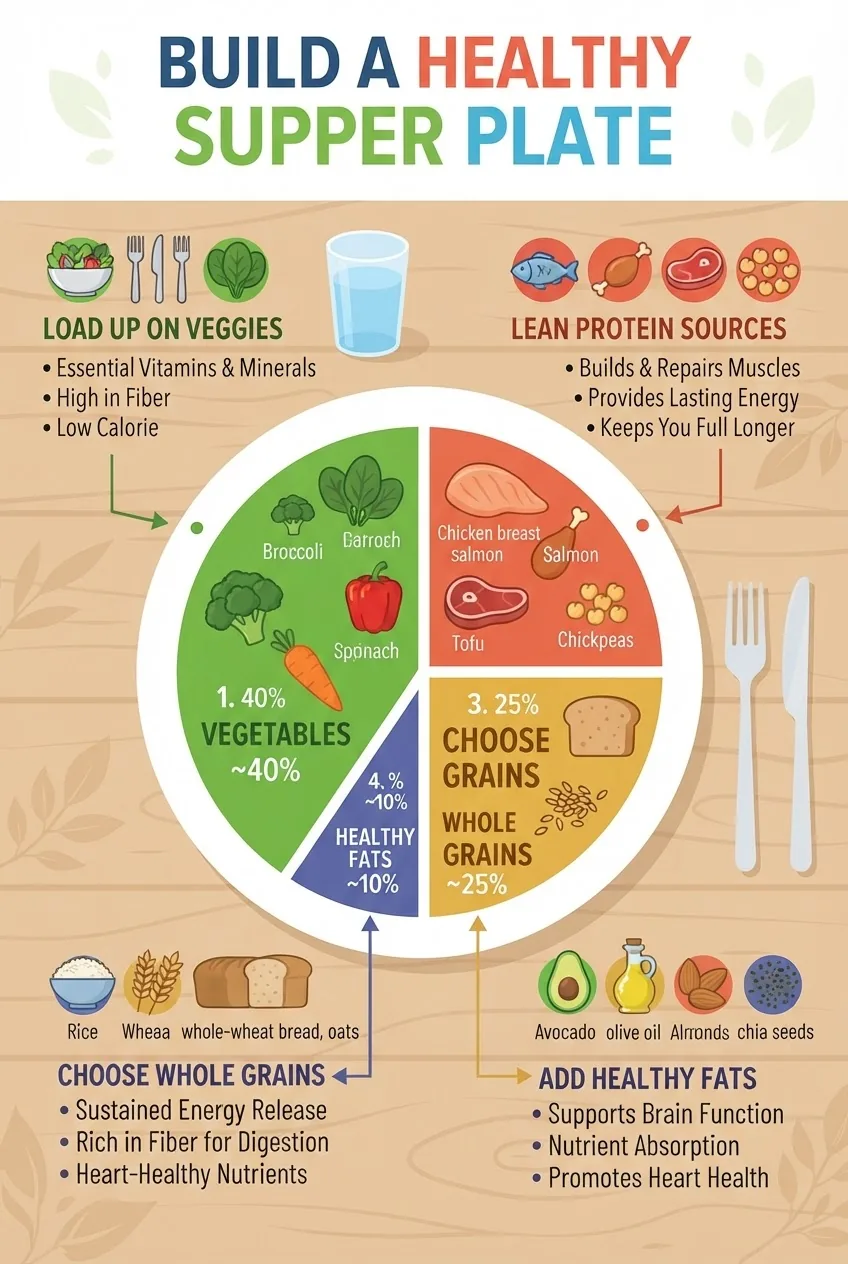
Term: balanced meal — a plate combining protein, vegetables, whole grains or healthy starch, and a small amount of healthy fat to deliver macronutrients and essential vitamins.
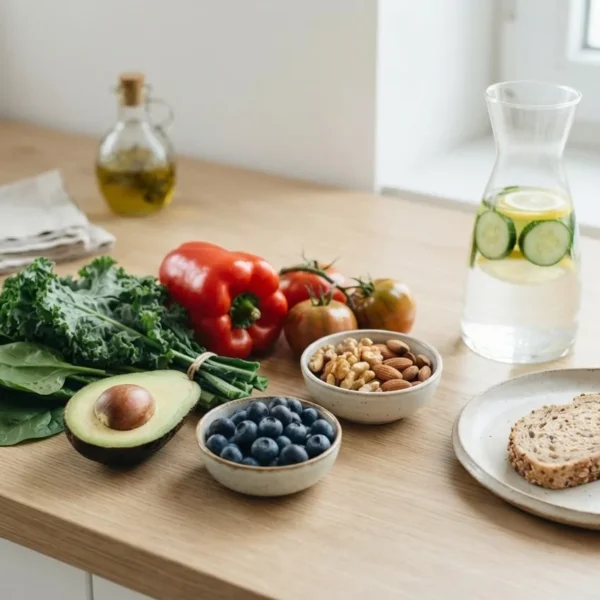
Healthy suppers prioritize nutrient density and practical meal structure: lean or plant proteins for muscle repair, colorful vegetables for fiber and micronutrients, whole grains for sustained energy, and healthy fats for vitamin absorption. Use healthy cooking methods—baking, grilling, steaming, or quick sauté—to retain nutrients and avoid added saturated fats. According to a 2023 USDA report, filling half your plate with vegetables and fruits improves nutrient intake and lowers chronic disease risk; see guidance from the USDA for portion patterns. USDA
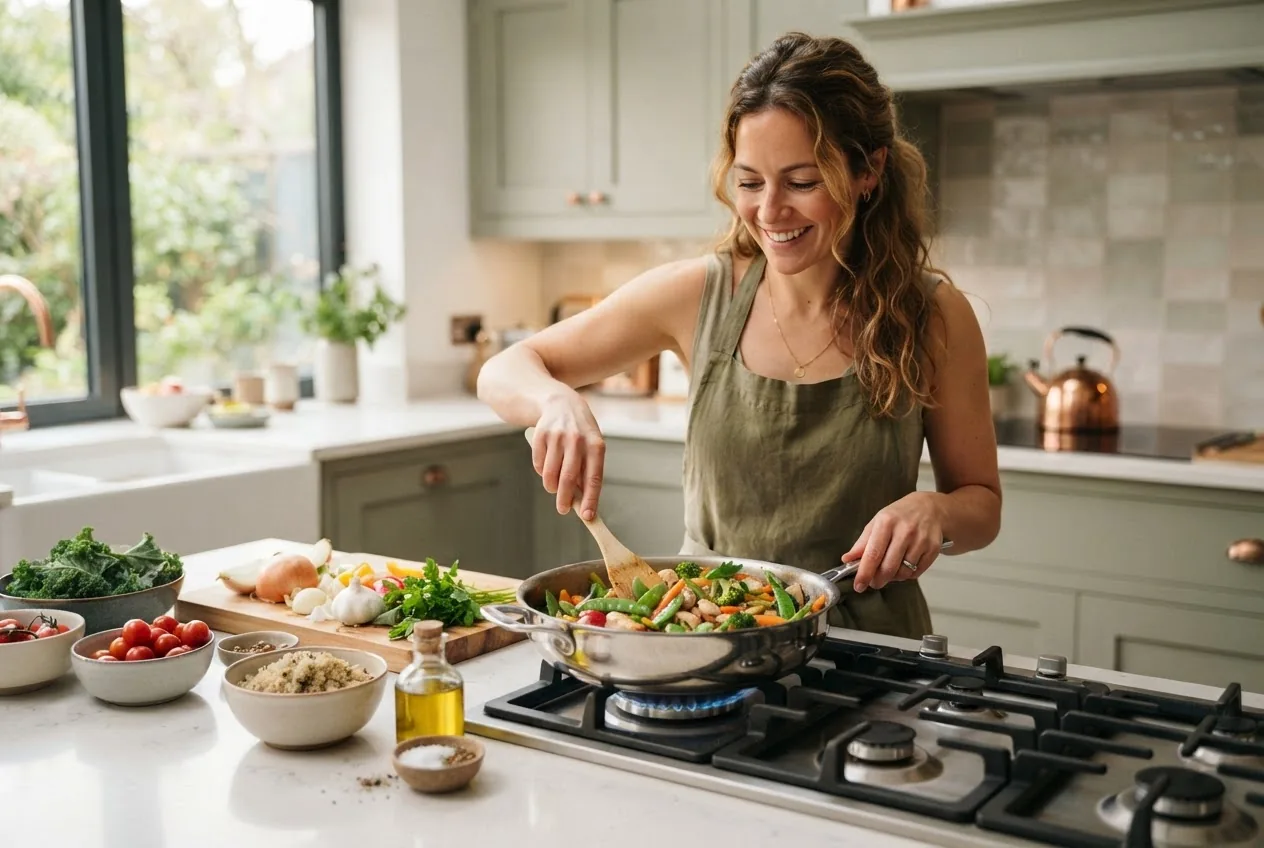
For heart-healthy cooking, favor methods that reduce added sodium and saturated fat—grilling, baking, and steaming score highly. The American Heart Association recommends focusing on lean proteins, whole grains and using oils like olive instead of butter for better cardiovascular outcomes; practical swaps reduce long-term risk. AHA
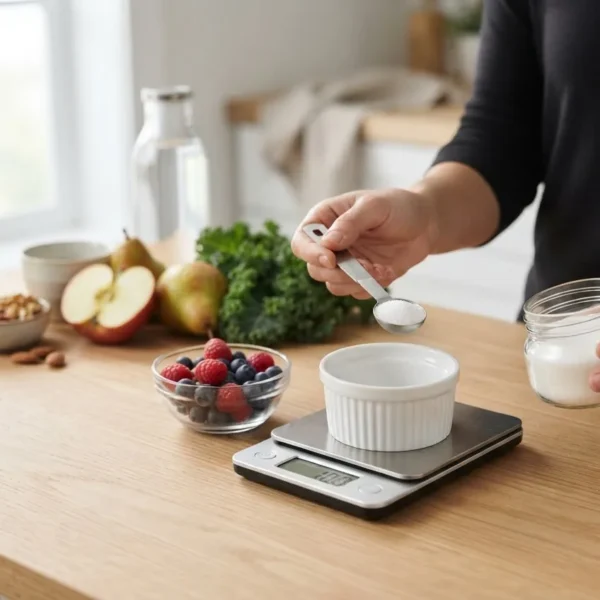
Define portion control simply: serve protein roughly the size of your palm, vegetables at least half the plate, and grains or starchy vegetables a cupped-hand portion. These visual cues support balanced macros without scale counting and help with weight management and blood sugar control. For population-level data on diet and health outcomes, review CDC resources. CDC
Trade-offs matter: low-carb may reduce evening glucose for some, while moderate-carbohydrate meals with fiber support fullness—choose based on goals and medical advice. For personalized dietary changes, consult a registered dietitian or clinician; nutrition needs vary.
How to Decide What You Should Have for Supper Tonight
Answer: Decide by matching available time, pantry ingredients, family preferences, and nutrition priorities—pick a cooking method you can finish within your time window and a protein-plus-veg template you can customize.
Term: meal planning tips — short rules or heuristics to choose meals quickly based on time, ingredients, and goals.
Use this decision flow to choose supper quickly:
- Time check: 0–15 minutes (assemblies and salads), 15–30 minutes (stir-fries, sheet-pan), 30–60 minutes (bakes, braises).
- Protein first: Do you have lean protein (chicken breast, fish, beans)? Center the meal on it.
- Seasonality & pantry: Prefer seasonal produce—Texas spring/summer: tomatoes, corn, peppers; winter: greens, squash. Use pantry staples (canned beans, jarred tomatoes) to speed prep.
- Family preferences: Swap spices for milder or bolder flavors (smoked paprika or cumin for Texas-style warmth; lime and cilantro for fresher notes).
- Portion and leftovers plan: Cook a bit extra if you want tomorrow’s lunch—store safely and label with date.
Quick supper idea prompts by the time you have:
- Under 15 minutes: Rotisserie chicken + mixed-greens salad + whole-grain roll.
- 15–30 minutes: Shrimp stir-fry with frozen veggies + microwaved brown rice.
- 30–60 minutes: Sheet-pan chicken with roasted sweet potatoes and Brussels sprouts.
Practical groceries to keep on hand for fast decisions: canned beans, frozen vegetables, pre-washed greens, cooked whole grains, jarred salsa, and a quick protein like eggs or canned tuna. These reduce choice paralysis and speed supper prep.
Example two-night plan for a busy household:
- Night 1 (30 minutes): Grilled chicken fajita bowls with peppers, brown rice and avocado.
- Night 2 (15 minutes): Use leftover grilled chicken in a quick Caesar-style salad with whole-wheat croutons.
Popular Healthy Supper Recipes Categorized by Type
Answer: Choose from protein-based mains, plant-forward dishes, seafood, one-pot meals, salads, soups and Texan-style healthy twists—each category lists popular recipes with quick notes on benefits and speed.
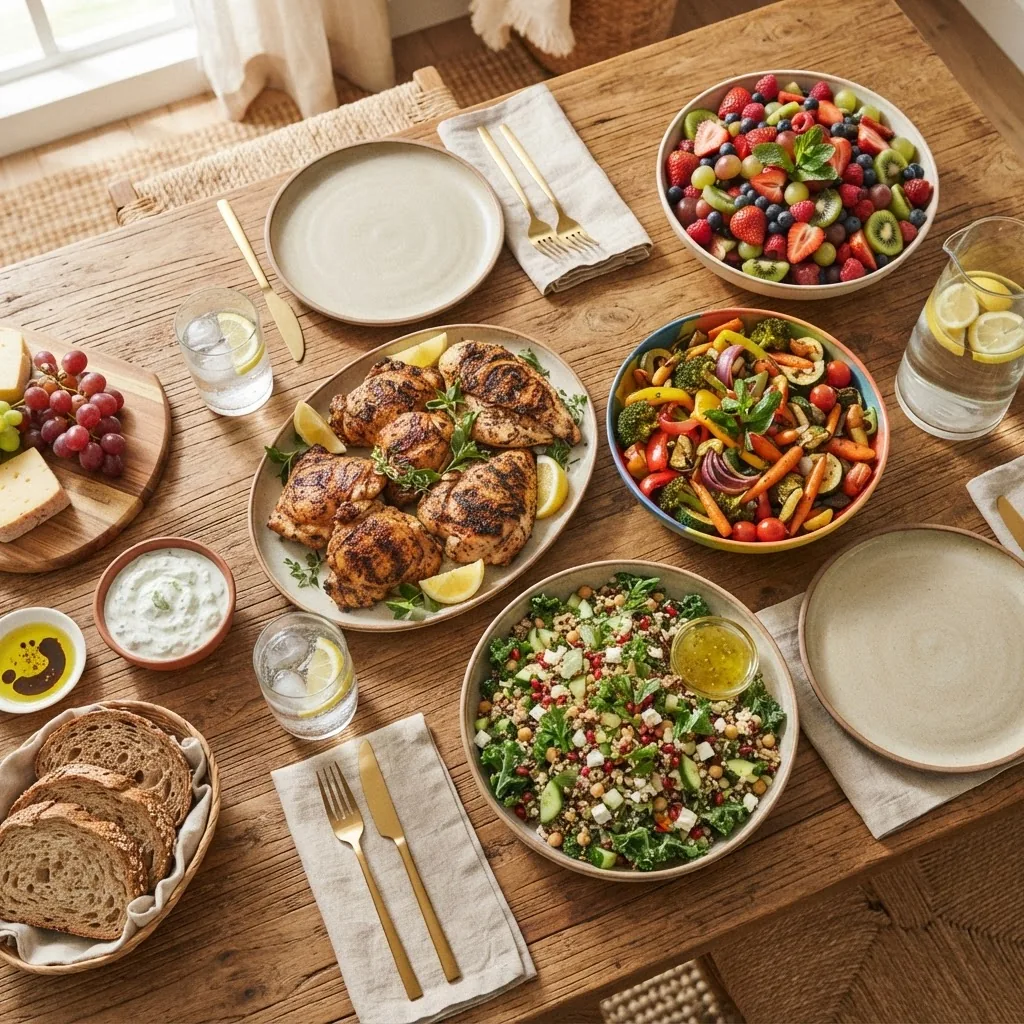
Below are 14 popular dinner recipes organized by type with a brief description and the key health benefit highlighted.
Protein-Based Meals (4)
- Grilled lemon-herb chicken with quinoa and charred broccoli: Lean protein and whole grain; high in niacin and fiber, quick on a grill pan (20–30 minutes).
- Baked salmon with cilantro-lime cauliflower rice: Omega-3 rich, heart-healthy; baking preserves fats and is low-effort (25–30 minutes).
- Turkey and black bean skillet tacos with cabbage slaw: Lean poultry plus fiber from beans; family-friendly and low in saturated fat (25 minutes).
- Chicken breast stuffed with spinach and low-fat cheese, roasted sweet potato: Balanced protein and complex carbs for evening satiety (35–45 minutes).
Plant-Forward & Vegetarian (3)
- Chickpea and roasted vegetable bowl with tahini dressing: High-fiber, plant protein; versatile and freezer-friendly components.
- Lentil Bolognese over whole-wheat pasta: Plant protein with tomato-based iron and fiber; hearty without heavy fats.
- Roasted vegetable and goat cheese flatbread (whole-wheat): Veg-forward comfort meal—pair with salad for extra fiber.
Seafood & Lighter Proteins (2)
- Grilled shrimp tacos with cabbage, avocado, and pico de gallo: Low-calorie-per-serving option, rich in lean protein and healthy fats.
- Broiled trout with lemon, sautéed Swiss chard, and barley pilaf: Omega-3s, iron-rich greens and whole grains for balanced nutrition.
One-Pot & Sheet-Pan Meals (3)
- Sheet-pan chicken with rosemary, red potatoes and green beans: Minimal cleanup, even nutrition across macros; time-saving and family-friendly.
- One-pot turkey chili with beans and peppers: High-protein, fiber-dense and freezer-friendly—make a big batch for lunches.
- Vegetable and tofu stir-fry with brown rice: Quick, high in vegetable volume and plant protein; swap tofu for shrimp if desired.
Soups, Salads & Bowls (2)
- Hearty vegetable minestrone with white beans: Low in saturated fat, high in fiber and vitamins—excellent for cold nights.
- Mason-jar grain and protein bowls with mixed greens, roasted chickpeas, and lemon vinaigrette: Prep-ahead friendly and portion-controlled.
Texas-Friendly Popular Meals (Include regional flavor) (2)
- Grilled chicken fajita bowls with grilled peppers, brown rice and salsa verde: Tex-Mex flavors with lean protein and whole grains.
- Blackened fish with charred corn & tomato salad: Lower-fat version of classic flavors—use cast-iron for sear without extra oil.
If you prefer calorie-specific plans, try these targeted guides for structured meals:
- low-calorie dinner options — quick picks under ~400 calories.
- quick vegetarian supper recipes — for two, fast and satisfying.
- 600 calorie supper recipes — heartier, balanced meals.
- nutritious and tasty meals — broader collection and inspirations.
Note on substitutions: swap high-sodium condiments for a squeeze of citrus and herbs, choose Greek yogurt instead of sour cream, and trade white rice for quinoa or brown rice to add fiber and micronutrients.
Making Dinner Ideas: Tips for Easy and Nutritious Meal Prep
Answer: Make dinner easier by batching staples, prepping components, using quick-cook proteins, and planning 2–3 theme nights—this reduces decision fatigue and speeds nightly execution.
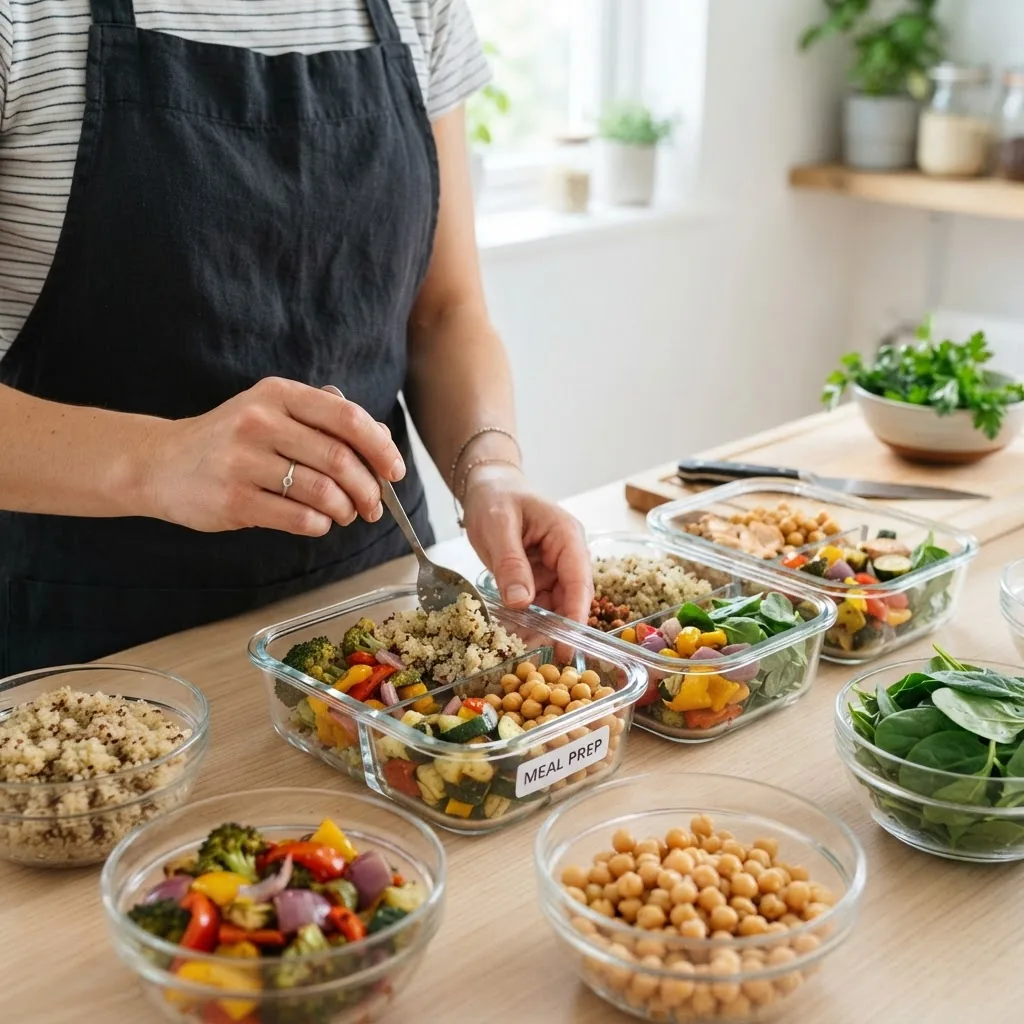
Term: meal prep — preparing ingredients or full meals ahead of time to shorten daily cooking tasks and improve consistency.
- Batch cook staples: Roast a tray of vegetables, cook a big pot of grains, and grill multiple chicken breasts on Sunday to use across dishes all week.
- Use component prepping: Chop salad veggies, portion dressings, and pre-cook beans so tonight’s assembly takes fewer than 10 minutes.
- Theme nights: Assign nights like “Taco Tuesday” or “Sheet-Pan Friday” so choices are limited and efficient.
- One-pan and sheet-pan methods: They save time and reduce cleanup—line with parchment for faster wash-up.
- Freezer-friendly portions: Freeze soups, chilis, and cooked grains in single-serve containers to defrost quickly for nights short on time.
- Smart substitutions: Swap Greek yogurt for mayo in dressings, zoodles or cauliflower rice for lower-carb bases, and canned fish for quick protein.
- 500 calorie dinner ideas: Incorporate these into meal prep for controlled energy intake while ensuring fullness—pair lean protein (4–5 oz) with a cup of cooked whole grain and two cups of vegetables. 500 calorie dinner ideas
- Double-duty recipes: Make a casserole that serves dinner and yields lunches for two days; roast extra vegetables to add to omelets or bowls.
- Quick tools: Use a sharp chef’s knife, preheated oven, and a microfiber towel—good tools save 10–20 minutes each meal.
Example weekly meal-prep routine:
- Sunday: Roast two sheet-pans (vegetables + sweet potatoes) and grill 6 chicken breasts; portion into containers.
- Midweek: Use leftovers in tacos, salads, or stir-fries; make a fresh vinaigrette in 5 minutes.
For more quick ideas that simplify cooking, see our curated lists of quick and easy healthy dinner ideas.
Addressing Common Supper Challenges and Healthy Solutions
Answer: Typical barriers—time, picky eaters, dietary restrictions, and missing ingredients—are solved by short-cook recipes, adaptable seasonings, swaps for allergies, and using leftovers creatively.
Problem: picky eaters. Solution: present the same core components separately (build-your-own bowls) and sneak extra vegetables into sauces or blended soups. Problem: time constraints. Solution: keep a small set of 3–4 15–30 minute recipes and batch-cooked staples for fast assembly.
Problem: dietary restrictions (low sodium, diabetic-friendly). Solution: use fresh herbs, citrus, and spices to cut sodium; emphasize fiber and appropriate carbohydrate portions to manage blood sugar. According to a 2024 industry report, structured portion control and increased vegetable volume lower post-meal glucose spikes in many people; consult CDC and clinical guidance for condition-specific recommendations. CDC
Problem: running out of ingredients. Solution: rely on pantry swaps—canned beans for fresh, frozen vegetables for fresh, plain yogurt for sour cream, or peanut butter for tahini in a pinch. Safety note: when reheating leftovers, heat to at least 165°F and consume within 3–4 days or freeze.
Mini case study (generalized): A busy Texas family shifted to three theme nights and two batch-cook sessions per week; they reported lower stress around evening meals and fewer takeout nights after two months. Small changes—prepped proteins and a consistent salad base—produced measurable time savings and increased vegetable intake.
Trust and safety: these are general guidelines. For medically tailored diets (renal, diabetic insulin adjustments, severe allergies), consult a registered dietitian or physician before making changes.
Where to Find Popular Meals and Ingredients in Texas for Healthy Suppers
Answer: Source seasonal produce at farmers markets, use Texas grocery chains for affordable staples, and lean on community co-ops and bulk bins for grains and beans to keep ingredient costs down.
Texas seasonal picks:
- Summer: tomatoes, corn, bell peppers, okra.
- Fall/winter: squash, collards, sweet potatoes.
Shopping tips:
- Shop the perimeter for fresh produce and lean proteins; use center aisles for canned legumes and whole grains.
- Buy frozen vegetables for convenience and nutrition parity with fresh produce out of season.
- Compare unit prices and buy staples in bulk when possible to reduce per-meal costs.
For guidance on affordable ingredient choices, explore our research on affordable nutritious foods to build balanced, budget-friendly suppers.
Conclusion: Making Healthy Supper Choices Every Day
Answer: Make healthy supper choices by using a repeatable plate template—protein, vegetables, whole grains, healthy fat—paired with simple prep habits and local ingredient sourcing for sustainable results.
Key takeaways:
- Use the plate template to decide quickly and keep portion control consistent.
- Batch cook or prep components to reduce nightly cook time and stress.
- Favor grilling, baking, steaming and minimize added sodium and saturated fats per AHA guidance. AHA
- Adapt recipes to local Texas produce and flavors for family acceptance and variety.
Small consistent changes create long-term benefits for family health and routine. For ideas to complement your evening meals, check our healthy breakfast ideas to round out balanced daily nutrition.
Disclaimer: this article provides general nutrition information; consult a registered dietitian or your healthcare provider for personal dietary guidance, especially for medical conditions.