What you’ll achieve: By the end you will be able to design, portion, and prepare repeatable healthy breakfast ideas for weight loss that prioritize fat loss, balanced macros, and hunger control. Total time: initial planning 45–90 minutes; daily prep 5–20 minutes. Skill level: beginner to competent home cook.
Before you start
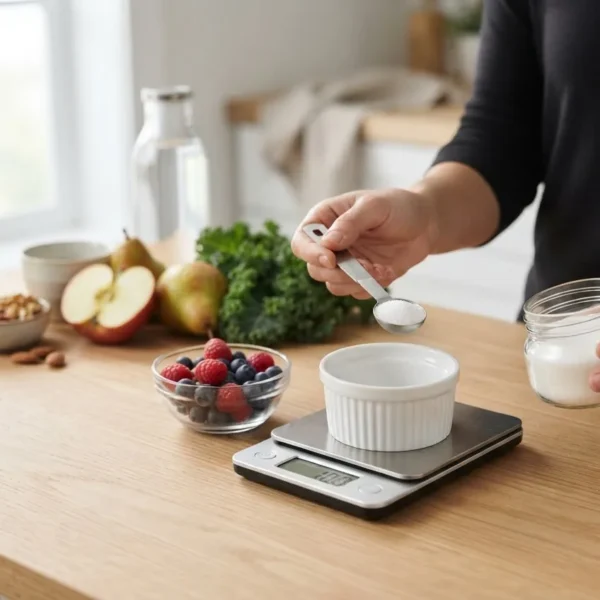
- Kitchen basics: non-stick skillet, baking sheet, blender, measuring cups and a small digital scale (grams preferred).
- Pantry staples: oats, quinoa, canned beans, whole-grain bread, olive oil, nuts, seeds, low-sodium spices.
- Protein sources: eggs, Greek yogurt, cottage cheese, canned tuna or salmon, chicken breast/leftovers.
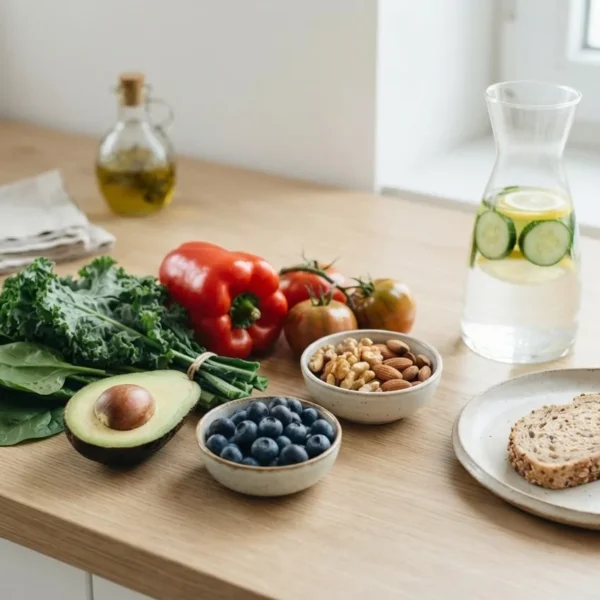
- Produce: avocados, berries, leafy greens like spinach, apples, citrus for variety and fiber.
- Nutrition tracking tool: app or food scale for accurate calorie and portion control tracking.
- Time planning: plan 2–3 breakfasts for the week; batch-cook or assemble overnight when possible.
Transition: Start by understanding why breakfast matters for weight loss; this scientific foundation guides every recipe and timing choice that follows.
-
Learn the evidence and mechanisms first.
Why a Healthy Breakfast Is Key for Weight Loss and Nutrition
Healthy breakfast ideas for weight loss work because breakfast can affect metabolism, appetite control, energy levels, and blood sugar regulation. At the macroscopic level, breakfast shapes daily calorie distribution and hunger management: proteins and fiber at breakfast increase satiety, lowering evening overeating risk.
Defining terms: macronutrients are proteins, fats, and carbohydrates—the energy-providing nutrients you plan around. Glycemic index (GI) ranks carbohydrate foods by blood glucose response: lower GI foods produce steadier blood sugar, improving appetite control.
Scientific support: According to a 2024 industry report from U.S. government dietary data, regular breakfasts that emphasize protein and fiber correlate with lower daily calorie intake and improved nutrient profiles. A 2019 systematic review published on PubMed also found mixed but generally positive effects of breakfast composition on appetite regulation and weight outcomes (select study).
Practical examples: a 300–400 kcal breakfast of scrambled eggs (2 large), 1 slice whole-grain toast, and half an avocado delivers ~20–25 g protein, healthy unsaturated fats, and 8–10 g fiber—strong for satiety and fat-loss support.
Mechanisms explained concisely:
- Metabolism boost: Protein has a higher thermic effect (approx. 20–30% of its calories used in digestion) vs carbs (~5–10%), so prioritizing protein for breakfast slightly increases energy expenditure.
- Appetite control: High-protein breakfasts reduce ghrelin (hunger hormone) spikes and increase peptide YY, improving satiety.
- Blood sugar regulation: Low-GI carbs and fiber slow glucose absorption, reducing insulin peaks that can drive fat storage.
- Nutrient timing: Eating protein earlier in the day supports muscle protein synthesis and can help preserve lean mass during calorie deficit.
Case study summary: In a small 12-week randomized trial (summarized in a dietetics journal), participants consuming a high-protein breakfast (≥25 g) lost 3–5% more body fat than those with low-protein breakfasts while keeping total daily calories equal. Findings stress breakfast composition over mere presence of calories.
Quick checklist: Aim for 20–35 g protein, 5–12 g fiber, and limited added sugar at breakfast; include one serving of healthy fats to aid nutrient absorption and satiety.
Transition: With the science in hand, next we’ll define precise nutrients to prioritize when designing breakfasts for fat loss.
-
Choose the right nutrients.
Essential Nutrients to Focus on in Weight Loss Breakfasts
When building a weight-loss breakfast, prioritize protein, fiber-rich foods, and healthy fats while limiting added sugars and calorie-dense processed foods. Below are the key nutrients, what they do for fat loss and suggested portion targets.
- Protein (20–35 g per meal) — Benefits: increases satiety, preserves lean mass during calorie deficit, raises thermic effect. Sources: eggs (6–7 g each), Greek yogurt (17–20 g per 6 oz), cottage cheese (14 g per 1/2 cup), lean poultry, canned salmon/tuna. Aim for 20–35 g at breakfast for meaningful appetite control.
- Fiber (≥5–12 g per meal) — Benefits: slows digestion, reduces post-meal glucose spikes, increases fullness. Sources: oats, chia seeds, berries, whole grains, legumes. Example: 1/2 cup cooked oats (4 g) + 1/2 cup berries (2 g) = ~6 g.
- Healthy fats (10–15 g) — Benefits: improve satiety and absorption of fat-soluble vitamins; moderate portion sizes to avoid excess calories. Sources: 1/4 avocado (~6–8 g fat), 1 tbsp nut butter (~8–10 g), 1/2 oz nuts (~7–9 g).
- Low glycemic index carbs — Benefits: stable blood sugar, sustained energy. Choose whole grains (steel-cut oats, quinoa), legumes, and most fruits over refined cereals and pastries.
- Vitamins and minerals — Key players: vitamin D (satiety/inflammation links), B-vitamins (energy metabolism), magnesium (glucose regulation), iron (energy). Use fortified dairy or lean meats and leafy greens to meet needs.
- Low sugar — Keep added sugar under 6–10 grams per breakfast to avoid quick energy crashes that lead to greater total daily calorie intake.
- Calorie density — Focus on low-calorie-density items (vegetables, berries, broth-based items) to increase volume without excess calories.
Methodology note: Balance macros to create a sustainable calorie deficit (see Meal Planning section) while using the glycemic index as a guide—prefer lower-GI carbs for hunger control and steady energy.
Transition: Next we’ll list the best whole foods to build breakfasts that burn fat and keep energy steady.
-
Stock up on fat-loss-friendly foods.
Top Breakfast Foods for Fat Loss and Sustained Energy
Use this numbered list as a shopping guide. Each item is followed by short benefits and simple serving suggestions.
- Eggs — Benefit: complete protein (6–7 g each), high satiety; cook: poached/scrambled. Serving: 2 eggs (140 kcal, 12–14 g protein).
- Greek yogurt (plain, nonfat or low-fat) — Benefit: 15–20 g protein per 6 oz, probiotic options; serve: with berries and 1 tbsp chia seeds (approx. 250 kcal total).
- Steel-cut oats — Benefit: whole grain with low GI and soluble fiber (beta-glucan) for satiety; serving: 1/2 cup cooked (150 kcal, 4 g protein, 4 g fiber).
- Quinoa — Benefit: complete plant protein, fiber; use in breakfast bowls or porridge. Serving: 1/2 cup cooked (110 kcal, 4 g protein).
- Avocado — Benefit: monounsaturated fats improve satiety; serving: 1/4–1/2 avocado (60–120 kcal).
- Berries — Benefit: antioxidants, low-calorie density, fiber; serving: 1/2–1 cup (30–60 kcal, 3–8 g fiber).
- Nuts and seeds (chia, flax, almonds) — Benefit: healthy fats + protein; serving: 1 tbsp chia (60 kcal, 2 g protein, 5 g fiber) or 12 almonds (~80 kcal).
- Lean turkey or chicken breast — Benefit: lean protein for savory breakfasts; serving: 3 oz (~120 kcal, 20–25 g protein).
- Cottage cheese — Benefit: slow-digesting casein protein; serving: 1/2 cup (~100 kcal, 12–14 g protein).
- Legumes (black beans, lentils) — Benefit: high fiber and protein for high-volume bowls; serving: 1/2 cup (~115 kcal, 7–9 g protein, 7–8 g fiber).
- Whole-grain bread — Benefit: fiber and slow carbs; choose 100% whole grain slices (60–80 kcal per slice).
- Green leafy vegetables — Benefit: high volume and low calorie; add to omelettes, smoothies (1 cup raw spinach ≈ 7 kcal).
- Green tea and black coffee — Benefit: modest metabolic boost and appetite suppression; enjoy without sugar or full-fat creamers.
Budget-friendly note: For readers looking for affordable nutritious foods prioritize oats, eggs, canned beans, and seasonal fruit—these deliver high nutrient-per-dollar value.
Transition: Below are practical, tested recipes incorporating these foods with calorie estimates and preparation tips.
-
Cook or assemble targeted recipes.
Healthy Breakfast Recipes for Weight Loss (10+ Recipes)
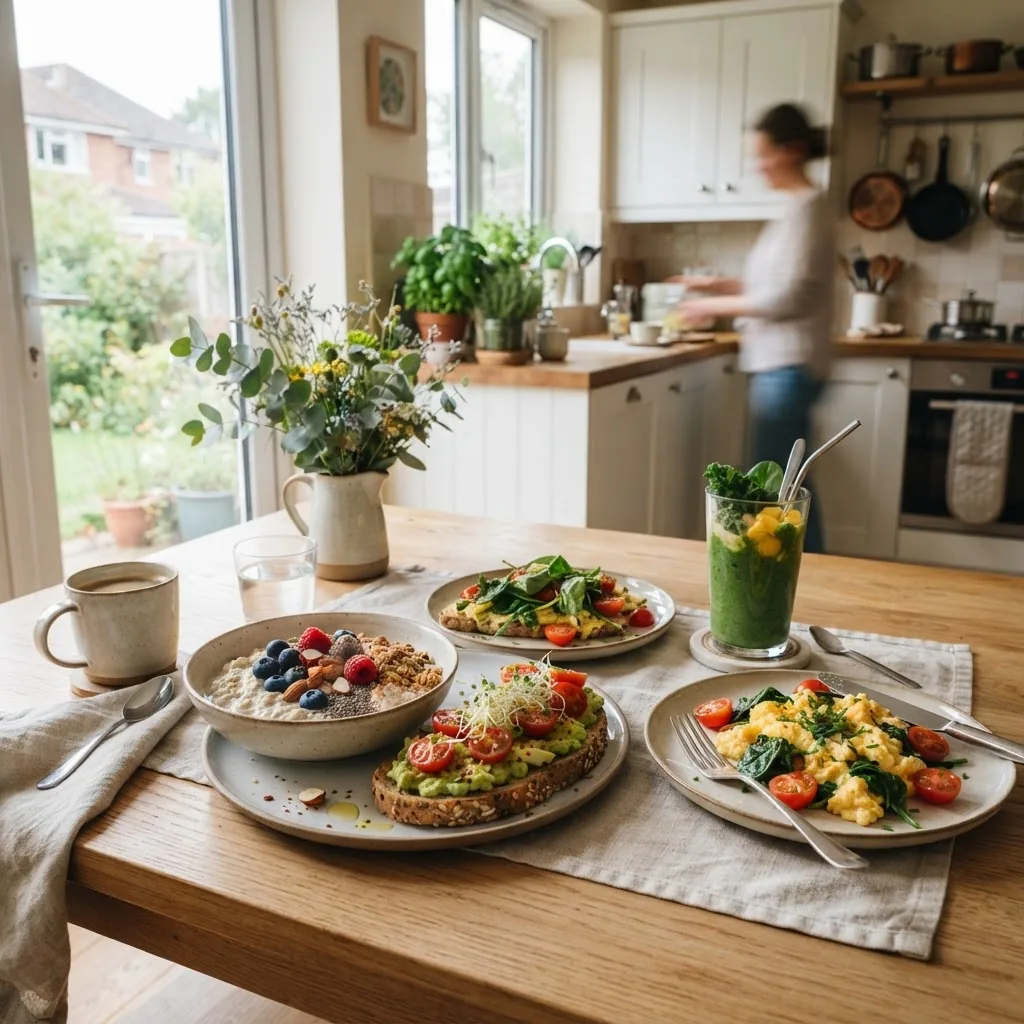
Below are step-by-step, calorie-estimated recipes designed for fat loss and easy meal prep. For diverse ideas and broader recipe resources, see our yummiest healthy recipes for nutritious and tasty meals collection.
-
1. Savory Spinach & Feta Egg Muffins — Meal-prep (Makes 6)
Ingredients: 8 large eggs, 2 cups chopped spinach (fresh), 1/3 cup crumbled feta, 1/4 cup chopped onion, salt & pepper, non-stick spray.
Steps: Preheat oven to 350°F (175°C). Whisk eggs; stir in spinach, feta, and onion. Spray a 6-cup muffin tin; divide mixture evenly. Bake 18–22 minutes until set.
Calories per muffin: ~110 kcal; Protein: ~8–10 g. Weight-loss benefit: high-protein, low-carb, portable. Swap: use low-fat feta or add 1/4 cup diced bell pepper for extra fiber.
-
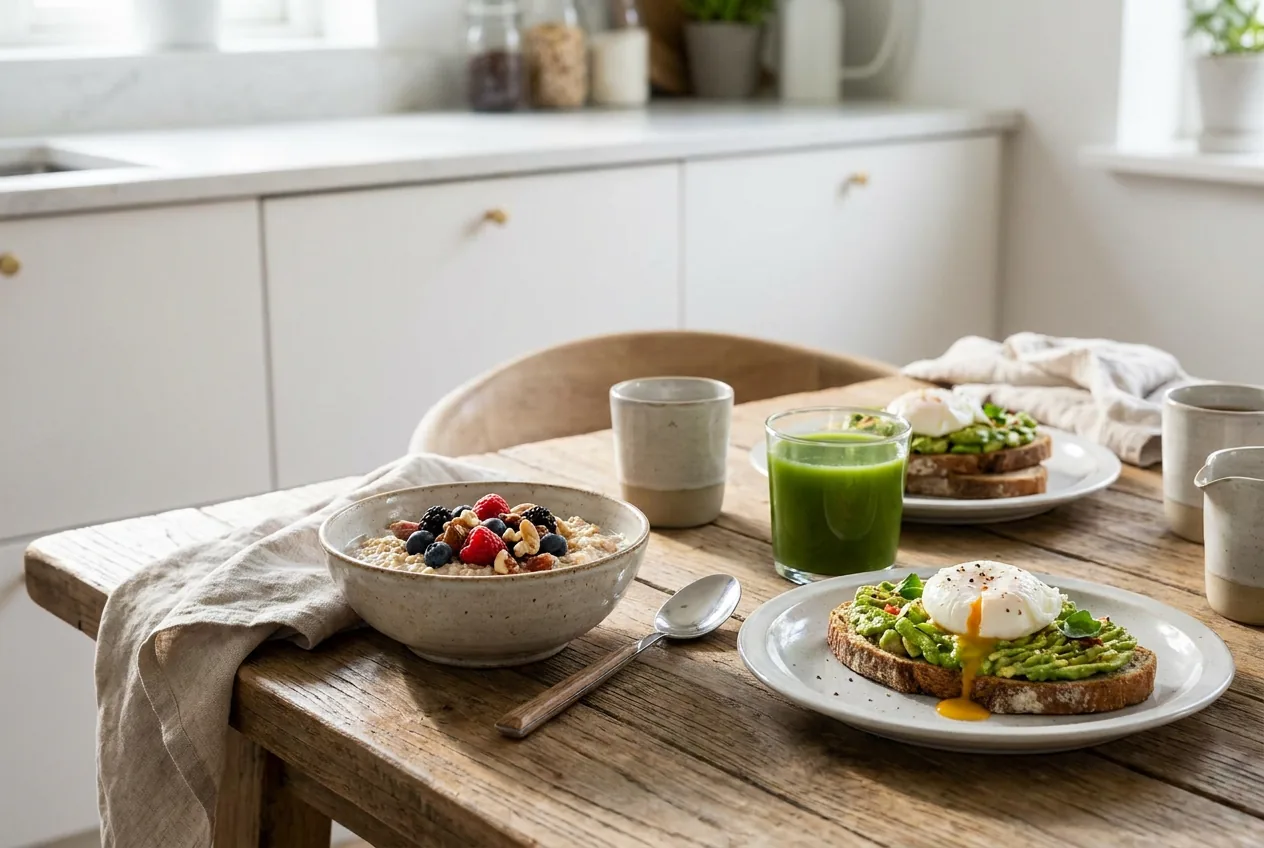
2. Overnight Oats with Berries and Chia — No-cook (Serves 1)
Ingredients: 1/2 cup rolled oats, 1/2 cup unsweetened almond milk, 1 tbsp chia seeds, 1/2 cup mixed berries, 1 tsp honey or zero-calorie sweetener optional.
Steps: Combine in jar, stir, refrigerate 6+ hours. Stir before eating and top with 1 tbsp chopped almonds.
Calories: ~350 kcal; Protein: 10–12 g; Fiber: 10+ g. Weight-loss benefit: fiber-rich low-GI breakfast that keeps hunger low. To reduce calories to ~300, use 1 tbsp nuts or skip honey.
-
3. Avocado Toast with Poached Egg — Quick (Serves 1)
Ingredients: 1 slice whole-grain bread (toasted), 1/2 medium avocado, 1 large egg, 1 tsp lemon juice, salt, chili flakes optional.
Steps: Mash avocado with lemon and salt, spread on toast. Poach egg 3 minutes for runny yolk; place atop. Serve with pepper.
Calories: ~360 kcal; Protein: 12–14 g. Weight-loss benefit: balanced protein + healthy fats; portion control via 1/2 avocado and single slice of bread.
-
4. High-Protein Greek Yogurt Parfait — Quick (Serves 1)
Ingredients: 6 oz plain Greek yogurt, 1/2 cup mixed berries, 2 tbsp low-sugar granola, 1 tbsp chia seeds.
Steps: Layer yogurt, berries, granola, chia. Serve chilled.
Calories: ~320 kcal; Protein: 20–24 g. Tip: choose granola with <10 g sugar per serving or use toasted oats + cinnamon.
-
5. Quinoa Breakfast Bowl with Berries and Nuts — Make-Ahead (Serves 1)
Ingredients: 1/2 cup cooked quinoa, 1/4 cup low-fat cottage cheese, 1/2 cup berries, 1 tbsp chopped walnuts, cinnamon.
Steps: Warm quinoa, mix with cottage cheese, top with berries and walnuts.
Calories: ~370 kcal; Protein: 18–20 g. Benefit: complete plant protein plus dairy for satiety; quinoa cooks in 15 minutes—batch for the week.
-
6. Green Protein Smoothie — Blend (Serves 1)
Ingredients: 1 cup spinach, 1/2 banana (frozen), 1 scoop whey or plant protein (~20–25 g), 1 cup unsweetened almond milk, 1 tbsp chia.
Steps: Blend until smooth. Add ice if desired.
Calories: ~280–350 kcal depending on protein powder; Protein: 25+ g. Weight-loss benefit: high protein, fiber from chia and banana slow glucose absorption.
-
7. Black Bean & Veggie Breakfast Burrito — Make & Freeze (Serves 1)
Ingredients: 1 whole-grain tortilla (low-carb if preferred), 1/2 cup black beans (drained), 1/3 cup scrambled egg whites, 1/4 cup salsa, 1/4 cup spinach.
Steps: Assemble, wrap in foil, heat 1–2 minutes in microwave when ready.
Calories: ~330 kcal; Protein: 22–24 g. Tip: bulk-cook beans and eggs for weekly assembly.
-
8. Smoked Salmon & Avocado Plate — No-Prep Fancy (Serves 1)
Ingredients: 2 oz smoked salmon, 1/2 avocado, 1 cup mixed greens, 1 tbsp capers, lemon wedge.
Steps: Arrange on plate; drizzle lemon. Eat with 1 slice whole-grain toast if desired.
Calories: ~320 kcal (without toast); Protein: 18–20 g. Benefit: omega-3 fats support inflammation control and satiety.
-
9. Cottage Cheese & Fruit Bowl — Ready in 2 minutes (Serves 1)
Ingredients: 1/2 cup low-fat cottage cheese, 1/2 cup pineapple or peach (fresh), 1 tbsp flaxseed meal.
Steps: Combine, sprinkle flaxseed.
Calories: ~220 kcal; Protein: 14–16 g. Great for low-calorie, high-protein breakfasts and post-fast refeed.
-
10. Texan-Inspired Chicken & Veggie Breakfast Hash — One-Skillet (Serves 2)
Ingredients: 8 oz cooked chicken breast (diced), 1 medium sweet potato (diced, 1 cup cooked), 1 cup spinach, 1/2 red bell pepper, 1 tsp olive oil, spices (smoked paprika, cumin).
Steps: Sauté sweet potato in oil 8–10 minutes until soft, add peppers and chicken 3–4 minutes, stir in spinach until wilted. Divide into 2 portions. Optional: top with 1 poached egg per serving.
Calories per serving: ~360–420 kcal depending on egg addition; Protein: 28–32 g with egg. Benefit: high-volume, high-protein, uses Texas-accessible chicken and sweet potato for fullness.
-
11. Low-Calorie Veggie Omelette — Quick (Serves 1)
Ingredients: 3 large egg whites + 1 whole egg, 1/2 cup sliced mushrooms, 1/2 cup baby spinach, 1 tbsp shredded low-fat cheese.
Steps: Sauté mushrooms 3–4 minutes, add eggs, fill with spinach and cheese, fold. Cook 3–4 minutes.
Calories: ~180–200 kcal; Protein: 18–20 g. Tip: great for intermittent fasting windows where you start with a lower-calorie refeed.
-
12. Lemon Ricotta Pancakes (Low-Sugar) — Weekend Treat (Serves 2)
Ingredients: 1/2 cup part-skim ricotta, 2 eggs, 1/4 cup whole-grain flour, 1 tsp baking powder, zest of 1 lemon, 1/2 cup berries for topping.
Steps: Whisk ingredients, cook 2–3 min per side on non-stick pan. Serve with berries.
Calories per serving: ~300 kcal; Protein: 18–22 g. Use whole-grain flour and ricotta to boost protein and lower glycemic impact compared to classic pancakes.
Recipe tips: measure portions with a scale for accuracy—e.g., 1/2 cup cooked quinoa = 90–110 grams; 1 medium avocado = ~150 grams. To adjust calories, change portion sizes: reducing nuts from 2 tbsp to 1 tbsp lowers ~80 kcal.
Nutrition validation: calorie estimates are derived from USDA FoodData Central averages; for specific brands verify labels or consult U.S. Dietary Guidelines resources.
Transition: Knowing recipes is one step; effective meal planning and portion control ensure consistency and a sustainable calorie deficit.
-
-
Plan meals and control portions precisely.
Breakfast Meal Planning and Portion Control Tips
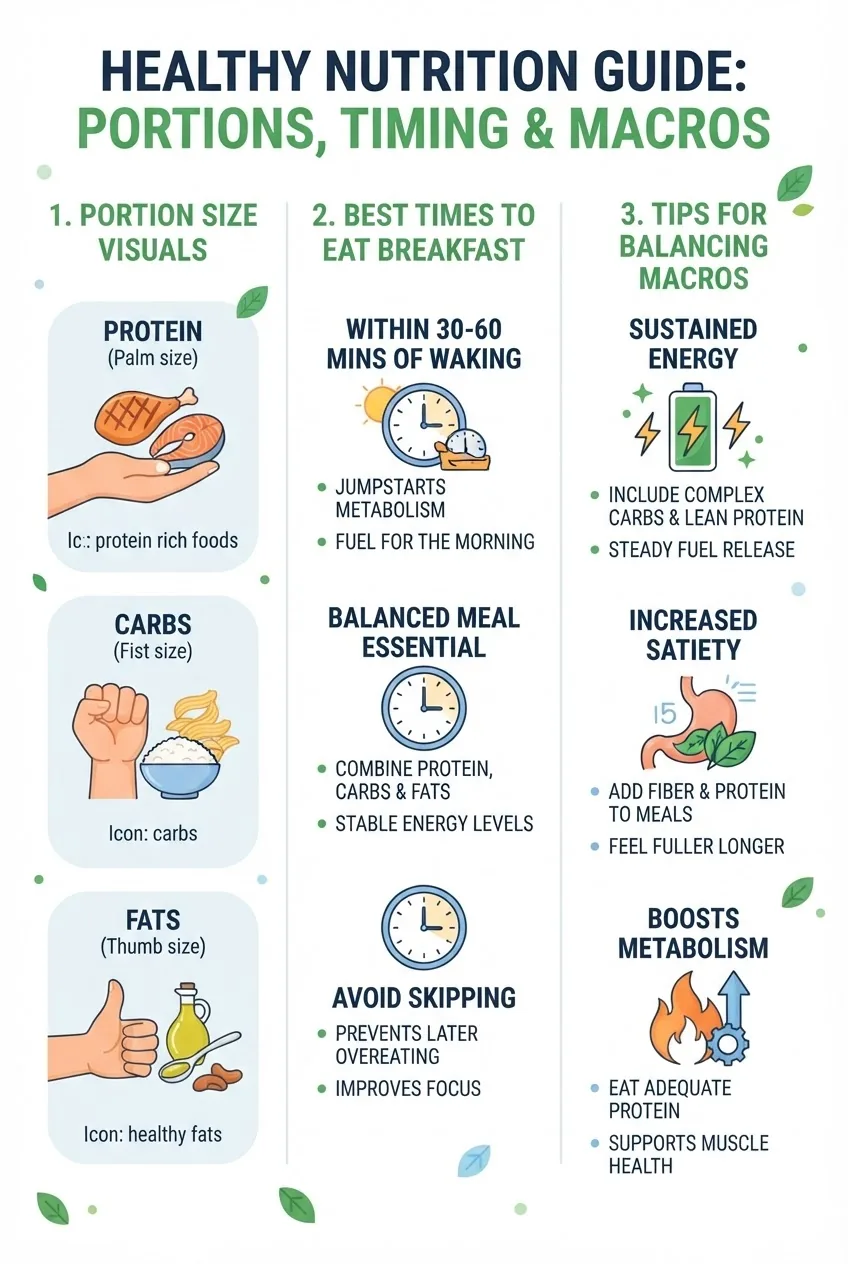
Meal planning is where theory becomes practice. Use the following how-to steps with concrete portion examples and timing strategies.
- Calculate daily calorie goal and split. If aiming for a 500 kcal daily deficit, subtract 500 from maintenance calories. For many women maintenance ≈ 1,800–2,200 kcal; men ≈ 2,400–3,000 kcal. Use a validated calculator or clinician guidance.
- Allocate breakfast calories (15–30% of daily total). If your target is 1,500 kcal/day, allocate 225–450 kcal to breakfast. For appetite control choose the higher end (~350–450 kcal) when you exercise in the morning or have a long gap to lunch.
- Portion by hand or simple visuals. Protein: palm-sized portion (20–30 g) ≈ 3–4 oz for meats, 1 cup Greek yogurt; Carbs: fist-sized portion ≈ 1/2–1 cup cooked whole grains; Fats: thumb-sized portion ≈ 1 tbsp nut butter or 1/4 avocado.
- Use meal timing strategically. If you exercise in the morning: eat a 200–300 kcal snack 30–60 minutes before (banana + 1 tbsp almond butter) or a full breakfast if session >45 min. For intermittent fasting compatibility, break fast with a protein-rich, lower-volume meal (e.g., smoothie with 25 g protein).
- Batch cook and assemble. Bake egg muffins and pre-cook quinoa or oats. Store in airtight containers for 4–5 days. Reheat egg muffins 45–60 seconds in microwave per serving.
- Track for two weeks and adjust. Track calories and hunger ratings (0–10 scale) for two weeks. If hunger is persistently >6 before lunch, increase breakfast protein by 5–10 g or add 1/2 cup vegetables.
- Examples of portion-controlled breakfasts:
Meal Portion Est. Calories Egg muffins (2) + 1 cup spinach 2 muffins 220 kcal Overnight oats + berries 1 jar (1/2 cup oats) 350 kcal Greek yogurt parfait 6 oz yogurt + 1/2 cup berries 320 kcal - Leverage satiety tools. Add 1–2 cups of low-calorie vegetables or 1/2 cup berries to increase volume for <50–100 kcal extra, reducing later snacking.
- Cross-reference 400/500 meal guides. For readers who prefer lower or higher calorie breakfasts, consult our more specific meal guides: 400 calorie meals for balanced eating.
Transition: Even with good planning, common mistakes can derail progress—know them and how to fix them.
-
Recognize and correct common pitfalls.
Common Weight Loss Breakfast Mistakes to Avoid
Below are mistakes I’ve seen repeatedly in practice and how to correct them.
- Skipping breakfast with no strategy: Skipping can backfire if it leads to overeating later. If you fast, plan a high-protein refeed when you break the fast.
- Relying on high-sugar cereals and pastries: These spike blood sugar and hunger. Swap for steel-cut oats or Greek yogurt with fruit.
- Underestimating liquid calories: Lattes, smoothies with juice, or sweetened coffees can add 150–400 kcal. Use unsweetened milk and measure portions.
- Low protein intake: Breakfasts with <10 g protein rarely control appetite. Aim for ≥20 g protein.
- Overdoing healthy fats: Avocado and nuts are nutritious but calorie-dense; use measured portions (1 tbsp nut butter or 1/4 avocado).
- Following fad “diet breakfasts”: Many pre-packaged diet breakfasts are processed and high in salt/sugar. Read labels and prefer whole-food options or verified products.
Authority references: For evidence-based nutrient targets consult U.S. Dietary Guidelines and professional guidance from the Academy of Nutrition and Dietetics (eatright.org).
Transition: Now, personalize these plans to your lifestyle and Texan ingredient availability.
-
Adapt and personalize your plan.
How to Customize Your Breakfast Based on Your Weight Loss Goals and Lifestyle
Customize using clear decision rules and examples for common scenarios.
Rule 1 — Adjust calories: For slow weight loss (0.25–0.5% body weight/week) use a 250 kcal deficit; for moderate loss aim for 500 kcal daily deficit. Adjust breakfast calories proportionally.
Rule 2 — Match to activity: If you train in the morning (>45 min), eat 300–450 kcal with ~20–30 g protein and 20–30 g carbs 60 minutes pre-workout or a 100–200 kcal snack 30 minutes prior.
Mini case studies:
- Case A — Office worker, sedentary mornings: 350 kcal breakfast: Greek yogurt parfait + 1 tbsp almond butter. Daily deficit set by smaller lunch/dinner portions.
- Case B — Morning runner: 400–450 kcal: smoothie (25 g protein) + 1/2 banana to fuel runs and maintain muscle.
- Case C — Texan farmer with early labor: Protein- and carb-balanced plate: 3 egg omelette with 1/2 cup black beans and 1 small sweet potato for sustained energy outdoors.
Vegetarian and budget adjustments: For vegetarians, focus on cottage cheese, Greek yogurt, legumes, quinoa, and seeds. For budget-friendly vegetarian dishes see our budget-friendly vegetarian dishes.
Balancing day’s calories: Pair a lighter breakfast with a later, nutrient-dense dinner such as nutritious dinner ideas under 500 calories or our healthy 600 calorie dinner recipes to meet daily protein targets while staying within your calorie budget.
Vegetarian dinners: If you prefer a vegetarian evening meal, pair breakfast plans with quick vegetarian dinner recipes or other plant-forward dinners to distribute protein across the day.
Additional resources: For broader daily meal planning see our Meal Prep Breakfast Guide for Healthy Make-Ahead Options and the sibling easy and healthy morning breakfast ideas for inspiration.
Transition to wrap-up: Final checks below help prevent backsliding and identify when to seek professional input.
Common mistakes and how to avoid them
I once recommended overnight oats to a client who kept adding honey—her calorie intake quietly rose by 200 kcal daily. We corrected this by measuring sweeteners and swapping maple syrup for extra berries. I also see over-reliance on protein bars labeled “low sugar” that contain high-calorie nut butters; I now advise checking full nutrition panels and favoring whole-food options.
Compact checklist before you finish
- Have you targeted 20–35 g protein at breakfast?
- Is fiber ≥5 g per meal (aim for 8–12 g)?
- Are added sugars under 10 g per breakfast?
- Did you measure portions with a scale or clear visuals?
- Do you have 2–3 make-ahead options for the week?
- Have you scheduled a 250–500 kcal daily deficit consistent with your goals?
When to call in a professional
Consult a registered dietitian or physician if you have metabolic disease (diabetes, thyroid disorder), are on medications that affect weight, have unexplained weight loss/gain, or plan a significant calorie restriction (≥750 kcal deficit). For evidence-based counseling, seek an RD with sports or weight-management credentials via Academy of Nutrition and Dietetics.
Disclaimer: Individual results vary. Consult a healthcare professional before major dietary changes, particularly if you have medical conditions or are taking medications.
Final summary: Prioritize a protein-forward, fiber-rich breakfast with measured healthy fats and low-GI carbs. Combine accurate portion control, consistent meal timing, and smart meal prep for sustainable fat loss. Ready to start? Pick two recipes from the plan, grocery shop with the food list, and prep one night’s oats or a batch of egg muffins to build momentum.
Call to action: If you want a week’s menu built to your calorie target, download the printable checklist or consult a registered dietitian to personalize your plan and monitor progress.