Healthy dinner ideas you can cook tonight: by the end of this hands-on guide you’ll have a one-week plan, four ready-to-use recipes, and step-by-step meal-prep routines that save time; allow 90–180 minutes to set up a week, and individual meal times range from 10–45 minutes. Skill level: beginner to confident home cook.
This article is a practitioner-focused, step-by-step resource built for Texans and beyond: expect pragmatic kitchen timings, clear portion thresholds, and Texas-relevant ingredient notes so you can execute balanced, nutritious dinners immediately.
Before you start
- Essential tools: a 12″ nonstick skillet, sheet pan (18×13″), medium pot, sharp chef’s knife, cutting board, oven (preheat to 425°F when roasting), kitchen scale (optional), 3-cup and 1-cup measuring cups.
- Containers: four 24-ounce meal prep containers or eight 12-ounce single-serve containers for portion control and refrigerating up to 4 days.
- Pantry basics: extra virgin olive oil, canned beans, brown rice or quinoa, low-sodium broth, dried spices (chili powder, cumin, smoked paprika), whole-grain tortillas.
- Refrigerated basics: eggs, Greek yogurt, 1–2 lean proteins (chicken breasts, salmon fillets), and two seasonal vegetables from your local market.
- Health checklist: confirm any dietary restrictions for household members (allergies, gluten intolerance) before planning swaps.
- Map your weekly goals. Decide how many dinners you need: 3 full cook nights + 2 reheats covers a typical week for a family of four. Write goals on a single sheet: meals to cook, nights to reuse leftovers, and one “quick” night under 20 minutes. Use this to guide shopping quantities (e.g., 3 lb chicken breasts = ~6 portions).
- Pick balanced templates. Use dinner templates to guarantee balanced nutrition: (1) protein + veg + whole grain, (2) protein + big salad + healthy fat, (3) plant-forward bowl with beans + roasted veg + whole grain. Each template keeps macronutrients and micronutrients aligned; target 25–35 g protein per adult dinner portion.
- Plan one batch-cook session. Reserve 90–120 minutes once per week to roast a sheet pan of vegetables (425°F, 20–25 minutes), bake two seasoned chicken breasts (20–25 minutes), and cook a 2-cup dry quinoa batch (15 minutes simmer). Portion and chill within two hours to meet food-safety windows.
- Design flexible dinners. Build recipes that allow swaps: use beans for vegetarian nights, swap brown rice for quinoa, or replace butter with mashed avocado for healthy fats. List three swaps per recipe on your plan so you can adjust for budget and dietary needs.
- Execute quick-cook tactics. For busy nights, rely on sheet-pans, one-skillet sautés, and pre-washed greens. Use a 12″ skillet on medium-high for 8–10 minutes to quickly sear thin-cut lean proteins; finish with a 2-minute rest before slicing.
- Portion and store correctly. Use a kitchen scale or visual portions: 3–4 oz cooked lean protein per adult plate, 1 cup cooked whole grain, and 1–2 cups vegetables. Refrigerate within two hours, consume refrigerated meals within 3–4 days, or freeze in single portions for up to 3 months.
- Prep assembly items per night. Chop salad vegetables in advance, cook grains, and have dressings blended in jars (shake to emulsify). For best texture, keep crunchy toppings separate until serving.
- Use healthy substitutions. Swap sour cream for Greek yogurt (1:1), replace cream-based sauces with lemon + olive oil emulsions, and choose whole-grain products. Track changes in a small note so you know cook times and flavor balances for repeatability.
- Label and reheating standards. Label with cook date and core reheating steps: reheat at 325°F for 10–15 minutes for casserole-style meals, microwave covered (50–70% power) for 90–120 seconds for single portions, stirring halfway. Ensure internal reheated temperature reaches 165°F for protein dishes.
- Review and refine weekly. At week’s end, note what worked: time per recipe, family acceptance, and cost. Adjust quantities (±25%) and swap ingredients based on seasonal availability to keep meals fresh and affordable.
Understanding What Makes Dinner Healthy and Nutritious
The cornerstone of consistent healthy dinners is a clear framework that balances energy with nutrients. A truly healthy dinner integrates balanced nutrition — meaning the right mix of macronutrients and micronutrients — along with portion control and cooking methods that preserve nutrient density.
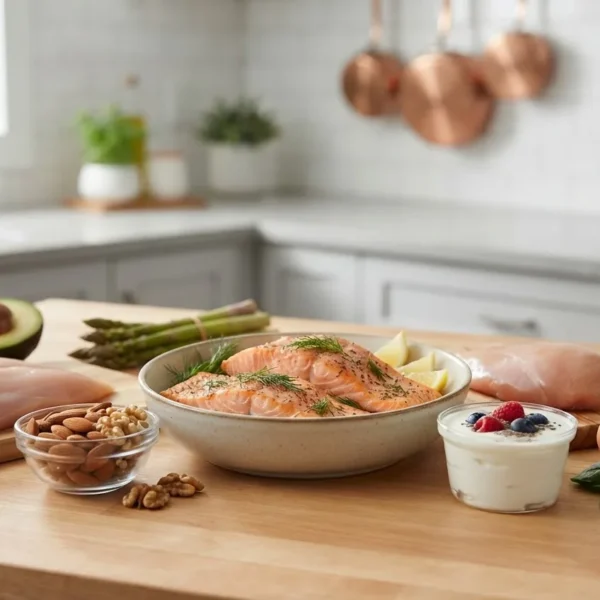
Macronutrients and micronutrients: macronutrients include proteins, carbohydrates, and fats. Proteins (lean chicken, fish, legumes) support muscle and repair; complex carbohydrates (brown rice, quinoa, sweet potato) provide sustained energy; healthy fats (olive oil, avocado, nuts) support cell function and satiety. Micronutrients are vitamins and minerals found in vegetables, fruits, dairy, and fortified foods; they support immunity, bone health, and metabolic processes.
Portion control basics: target roughly 3–4 ounces (85–115 g) of cooked lean protein per adult plate, 1 cup cooked whole grain or starchy vegetable, and 1–2 cups nonstarchy vegetables. These thresholds align with portion guidance in the USDA Dietary Guidelines for Americans; for a concise overview, see the USDA recommendations on plate balance (referenced for portion structure).
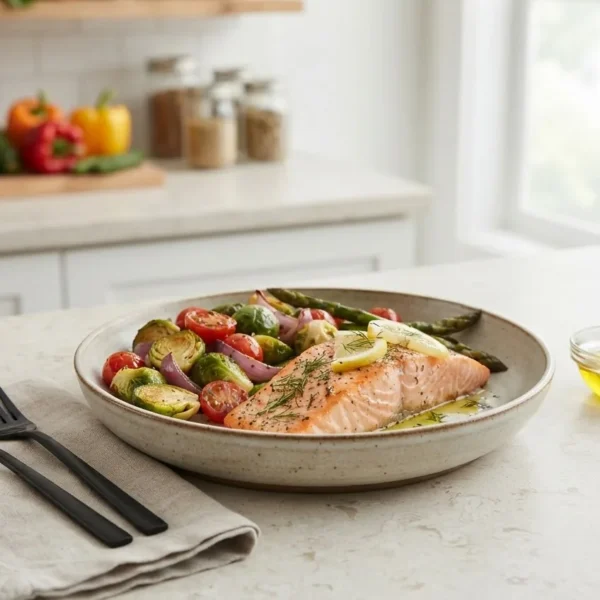
Cooking methods and nutrient retention: choose baking, grilling, steaming, roasting, or sautéing over deep-frying to maintain nutrient profiles and manage added fats. For example, grilling salmon at 375–400°F for 10–12 minutes retains omega-3s and minimizes added oil. Frying at high temperatures can degrade heat-sensitive vitamins; oven roasting or quick sautéing preserves flavor and nutrients with less fat.
Criteria for ingredient selection: pick whole, minimally processed foods; prefer seasonal produce; choose lean cuts of protein or plant proteins; choose whole grains over refined grains. Factor in practicality: canned beans (rinsed) are cost-efficient and nutrient-dense; frozen vegetables are a reliable alternative to fresh, especially out of season.
For broader recipe ideas and deeper nutrition context, check our comprehensive guide on nutritious and tasty meals.
Transitioning from what to why, the next section gives immediate, practical dinner builds that fit busy weeknights while respecting these nutrition fundamentals.
Easy and Quick Healthy Dinner Ideas for Busy Weeknights
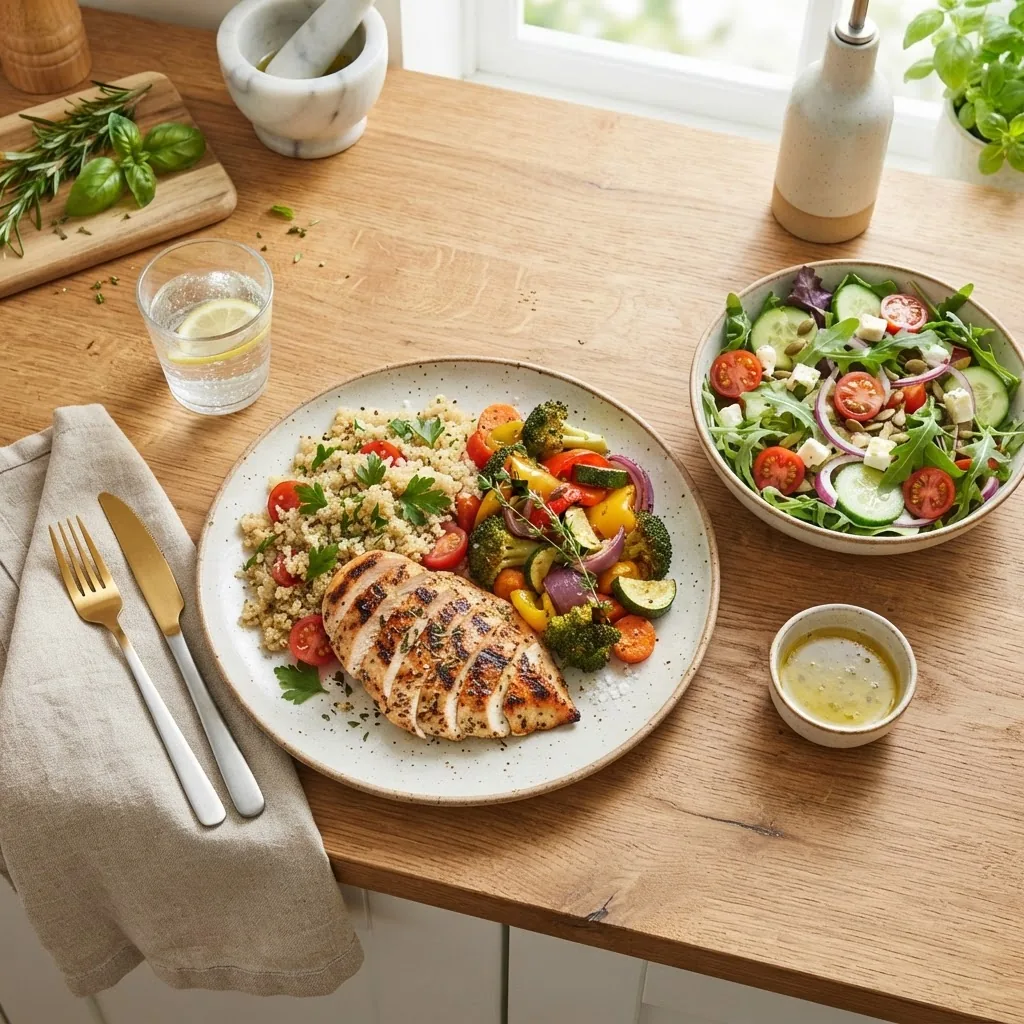
These quick healthy meals focus on time-saving kitchen tips, simple meal prep techniques, and flexible ingredients so you can put dinner on the table in 10–30 minutes on busy nights.
- Grilled chicken + microwaved frozen veg + quinoa bowl (20–25 min). Sear 6–8 oz thin-cut chicken breasts 3–4 minutes per side on medium-high, rest 3 minutes. Warm 1 cup frozen mixed vegetables 3–4 minutes. Combine with 3/4 cup cooked quinoa, drizzle 1 Tbsp olive oil and lemon juice.
- One-pan shrimp and asparagus sauté (12–15 min). Sauté 10–12 medium shrimp in 1 Tbsp oil (1.5–2 minutes per side), add 8 oz asparagus cut into 2” pieces, cook 4–5 minutes. Finish with garlic and a squeeze of lime. Serve over 1 cup mixed greens.
- Stir-fry with leftover roast protein and frozen vegetables (15 min). Use 1–2 cups chopped leftover protein, 2 cups frozen stir-fry vegetables, and 2 Tbsp low-sodium soy sauce. Serve with 3/4 cup brown rice. Quick, high in micronutrients, and uses leftovers.
- Fish packets with lemon and herbs (20 min). Wrap 4–6 oz fillets with sliced zucchini and cherry tomatoes in foil, bake at 400°F for 12–15 minutes. Healthy fats from fish and minimal cleanup.
- Sheet-pan fajita night (25–30 min). Toss 1 lb sliced bell peppers and onions with 1 Tbsp oil and fajita seasoning, add 1 lb sliced thin flank steak or tofu; roast 15–18 minutes at 425°F. Portion into whole-grain tortillas with salsa and cilantro.
- Quick chickpea curry with spinach (20 min). Sauté onion and garlic 3 minutes, add 1 can chickpeas, 1 cup light coconut milk, 1 cup spinach, simmer 8–10 minutes. Serve with 3/4 cup cooked brown rice for complex carbs and plant protein.
- Omelet dinner with roasted sweet potatoes (20 min). Whisk 3 eggs per adult, add spinach and cherry tomatoes, cook 3–4 minutes. Pan-roast 1 cup cubed sweet potato cubes in 2 Tbsp oil at 400°F for 18–20 minutes or microwave 5–7 minutes for speed.
- Greek yogurt chicken salad wraps (10–15 min). Shred 2 cups cooked chicken, mix with 1/2 cup Greek yogurt, diced celery, lemon zest, and pepper. Spoon into whole-grain wraps with mixed greens.
- Black bean and corn tacos (15 min). Warm 1 can black beans with 1 cup frozen corn, cumin and lime. Serve on warmed corn tortillas with shredded cabbage and salsa for fiber and budget-friendly protein.
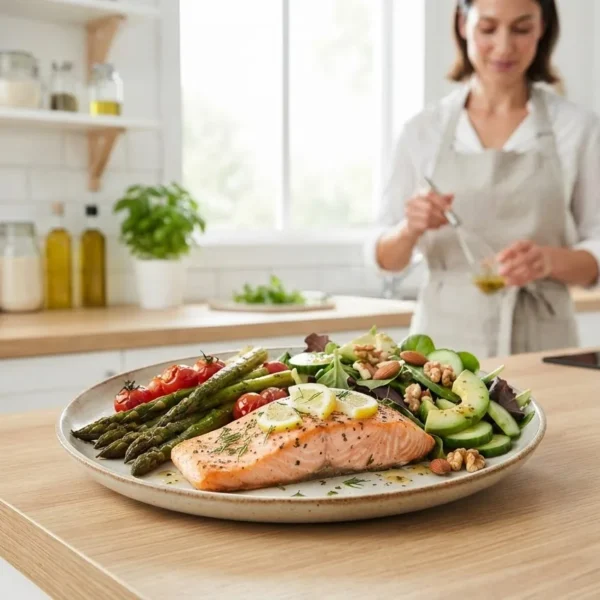
- Salmon salad bowl with avocado (15–20 min). Pan-sear a 4–6 oz salmon fillet 4–5 minutes per side, serve over mixed greens, 1/2 avocado, 1/2 cup cooked farro, and vinaigrette.
For readers interested in calorie-specific dinners, check the guide with balanced low-calorie meal options.
Explore moderately low-calorie dinners in our resource for 500 calorie dinner recipes.
For slightly larger portions, see our roundup of 600 calorie dinner ideas.
Want even more fast recipes? Browse the quick healthy dinner recipes collection for additional simple builds.
Transition: the next section presents four detailed, protein-forward recipes you can adapt for family sizes and dietary restrictions.
Healthy Dinner Recipes Featuring Lean Proteins and Vegetables
This section focuses on lean proteins, vegetable-centered dishes, and cooking methods that maximize nutrient retention (grilling, roasting, sautéing). For heart-healthy recommendations on lean proteins and fats, see the guidance from the American Heart Association.
Overview: choose fish or poultry twice weekly, incorporate legumes at least once, and pair proteins with nonstarchy vegetables and a modest serving of whole grain. Below are four tested recipe briefs—with quantities, times, and swaps.
1. Lemon-Herb Grilled Chicken with Roasted Texas Vegetables
Ingredients: 4 boneless skinless chicken breasts (4–5 oz each), 2 Tbsp olive oil, juice of 1 lemon, 1 tsp smoked paprika, 1 tsp dried oregano, 3 cups chopped seasonal Texas vegetables (bell peppers, zucchini, poblano pepper), 1 cup cooked farro or quinoa.
Method: Marinate chicken 15 minutes in oil, lemon, and spices. Grill over medium-high (375–400°F grill or grill pan) 4–5 minutes per side until internal temp 165°F. Roast vegetables at 425°F for 18–22 minutes tossed in 1 Tbsp oil. Serve each plate with 4 oz chicken, 1 cup veg, and 3/4 cup whole grain. Swap: tofu or chickpeas for vegetarian option; use avocado slices instead of oil for finishing.
2. Baked Cilantro-Lime Salmon with Cilantro-Quinoa
Ingredients: four 4–6 oz salmon fillets, 2 tsp olive oil, zest and juice of 1 lime, 1 cup quinoa (dry), 1/4 cup chopped cilantro, 2 cups steamed broccoli.
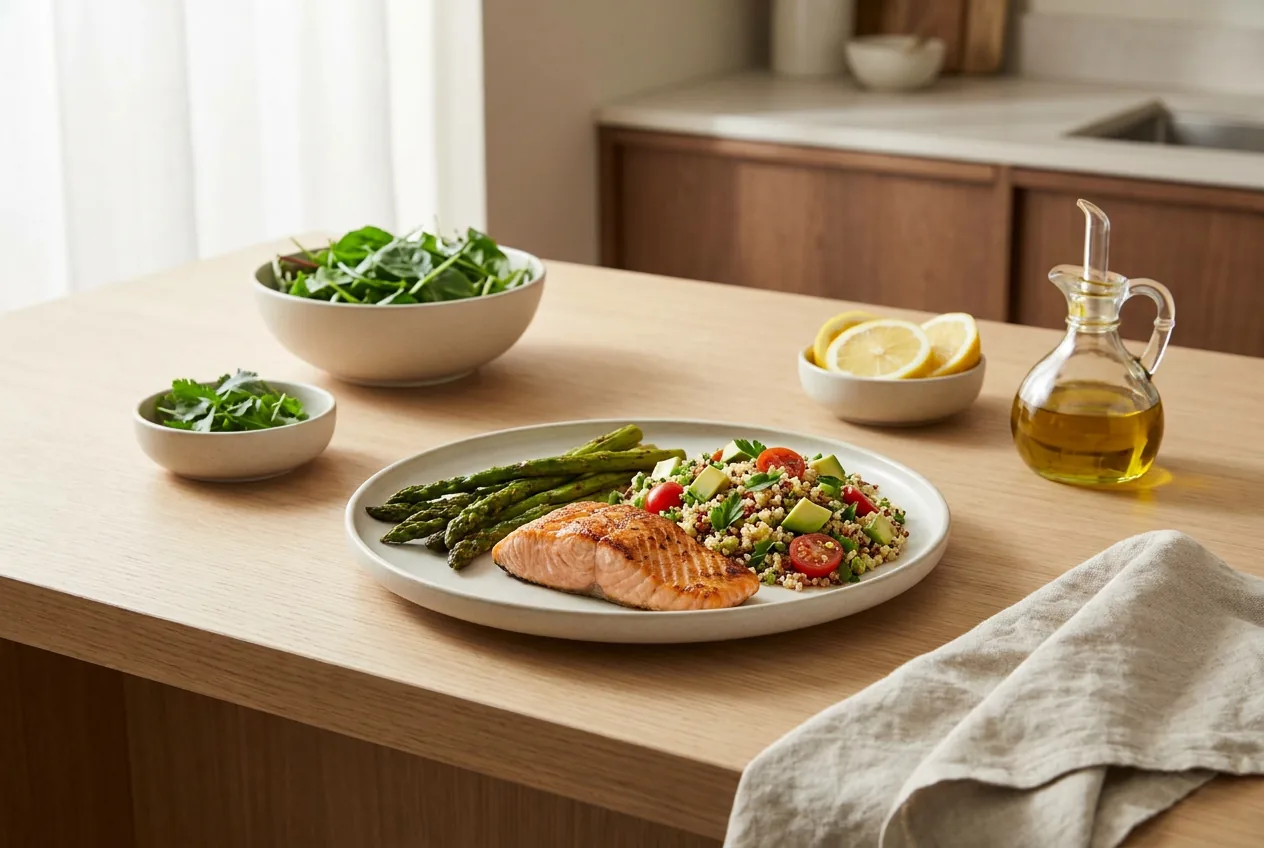
Method: Preheat oven to 400°F. Brush salmon with oil, lime zest, and a pinch of salt; bake 10–12 minutes. Cook quinoa (1 part quinoa:2 parts water) 15 minutes, fluff with cilantro and lime juice. Steam broccoli 4–6 minutes. Portion: 4–6 oz salmon, 3/4 cup quinoa, 1–2 cups broccoli. Healthy fats come from salmon; for substitutions use canned tuna in water mixed with a touch of olive oil.
3. Turkey and Black Bean Skillet with Sautéed Greens
Ingredients: 1 lb lean ground turkey (93% lean), 1 can black beans (rinsed), 1 small onion diced, 2 cups baby spinach, 1 tsp cumin, 1 tsp chili powder, 1 cup cooked brown rice.
Method: Sauté onion 3–4 minutes, add turkey and brown 6–8 minutes. Stir in beans and spices, simmer 5 minutes. Add spinach and wilt 1–2 minutes. Serve over 3/4 cup brown rice. Portion control: 4–5 oz protein per adult. For dietary swaps, use ground turkey for poultry-free diets with crumbled tofu or tempeh.
4. Shrimp Fajita Sheet-Pan with Whole-Grain Tortillas
Ingredients: 1 lb medium shrimp (peeled), 2 bell peppers sliced, 1 medium onion sliced, 1 Tbsp olive oil, 1 tsp smoked paprika, 1/2 tsp garlic powder, 8 small whole-grain tortillas, salsa and lime for serving.
Method: Toss vegetables and shrimp with oil and spices. Roast at 425°F for 10–12 minutes until shrimp turn pink and vegetables are tender-crisp. Portion 4–6 oz shrimp per adult with two small tortillas and a big side salad. Swap shrimp for thin-sliced chicken breast for lower cost; use canned chipotle in adobo to boost flavor.
Transition: next we’ll show how to plan and store these recipes using practical meal prep techniques so dinners stay fresh and quick.
How to Plan and Prepare Healthy Meals for Dinner Ahead of Time
Meal prep techniques streamline weeknight cooking and improve consistency in nutrition. Below are stepwise best practices with timings, storage thresholds, and freezer-friendly options.
- Schedule a 90–120 minute batch-cook. Roast two sheet pans: one with 3 lb mixed vegetables at 425°F for 20–25 minutes; one with 2 lb chicken breasts at 400°F for 22–26 minutes. While they roast, cook 2 cups dry quinoa (yields ~6 cups cooked) for 15 minutes simmering.
- Portion into containers while warm, then cool fast. Divide meals into 24–32 oz containers: 4–5 oz protein, 3/4 cup cooked grain, and 1–2 cups veg. Place containers in a single layer to cool for 30–45 minutes before refrigeration. Rapid cool reduces bacterial growth.
- Label with cook date and reheating note. Use masking tape or meal-label stickers; note “Reheat 325°F 12 min” or “Microwave 90–120 sec, stir.” Consume refrigerated meals ≤4 days; freeze portions for up to 3 months.
- Create modular ingredients. Cook base components (grains, roasted veg, proteins) separately so you can combine into different dinners: bowls, tacos, salads. This increases variety while minimizing hands-on time.
- Freeze smartly for longer storage. Use freezer-grade containers; freeze no more than 2” depth for quicker thawing. Thaw in refrigerator overnight (8–12 hours) before reheating. For casseroles and soups, reheat to 165°F in oven at 325°F for 20–30 minutes if frozen solid.
- Adapt recipes for family preferences. Keep one mild-flavor base for kids and a spice bowl for adults—salsa, hot sauce, and citrus let you boost flavor at the table without extra hands-on cooking.
- Time-saving kitchen tips. Use pre-washed greens, buy trimmed proteins, and use a microplane for citrus to speed prep. A handheld immersion blender makes quick blended dressings in 30 seconds.
Transition: planning for different household sizes often requires simple scaling rules and family-friendly adjustments, explained in the next section.
Healthy Dinner Ideas for Different Household Needs and Sizes
Terminology note — many households use the words “supper” and “dinner” interchangeably. For clarity: this guide uses “dinner” for the main evening meal; “supper” is referenced when addressing smaller or late-evening meals. Both can follow the same balanced templates.
Scaling rules and recommendations:
| Household size | Portion guideline (protein/grain/veg) | Practical tips |
|---|---|---|
| Family of four | 4× (4–5 oz / 3/4 cup / 1–2 cups) | Double batch-cook; freeze half for later. |
| Couples | 2× (4–5 oz / 3/4 cup / 1–2 cups) | Make two different sauces to vary meals. |
| Single servings | 1× (4 oz / 1/2–3/4 cup / 1 cup) | Cook smaller grain batches or freeze single portions. |
Kid-friendly meals: reduce intense spices, offer a plain side (steamed veggies, plain rice), and serve proteins cut into bite-size pieces (1–1.5 inch cubes). For picky eaters, feature a “build-your-own” plate with one familiar base and small add-ons so they can try new foods without pressure.
Couples and two-person households: for fast date-night-style dinners, aim for two 6–8 oz lean proteins or 1 lb plant proteins for two, plus a single-sheet roasted vegetable pan split across two meals. Vegetarian couples who want fast options can find quick vegetarian dinners for two that match these timing constraints.
Single cooks: invest in good freezer-safe containers and batch-cook proteins in 4–6 oz portions. Freezer-friendly burrito-style wraps or individual casseroles reheat in 12–18 minutes at 325°F.
Transition: after sizing and serving guidance, we’ll cover where to buy affordable ingredients in Texas and how to shop seasonal to lower costs without sacrificing nutrition.
Tips for Choosing Affordable and Healthy Ingredients in Texas
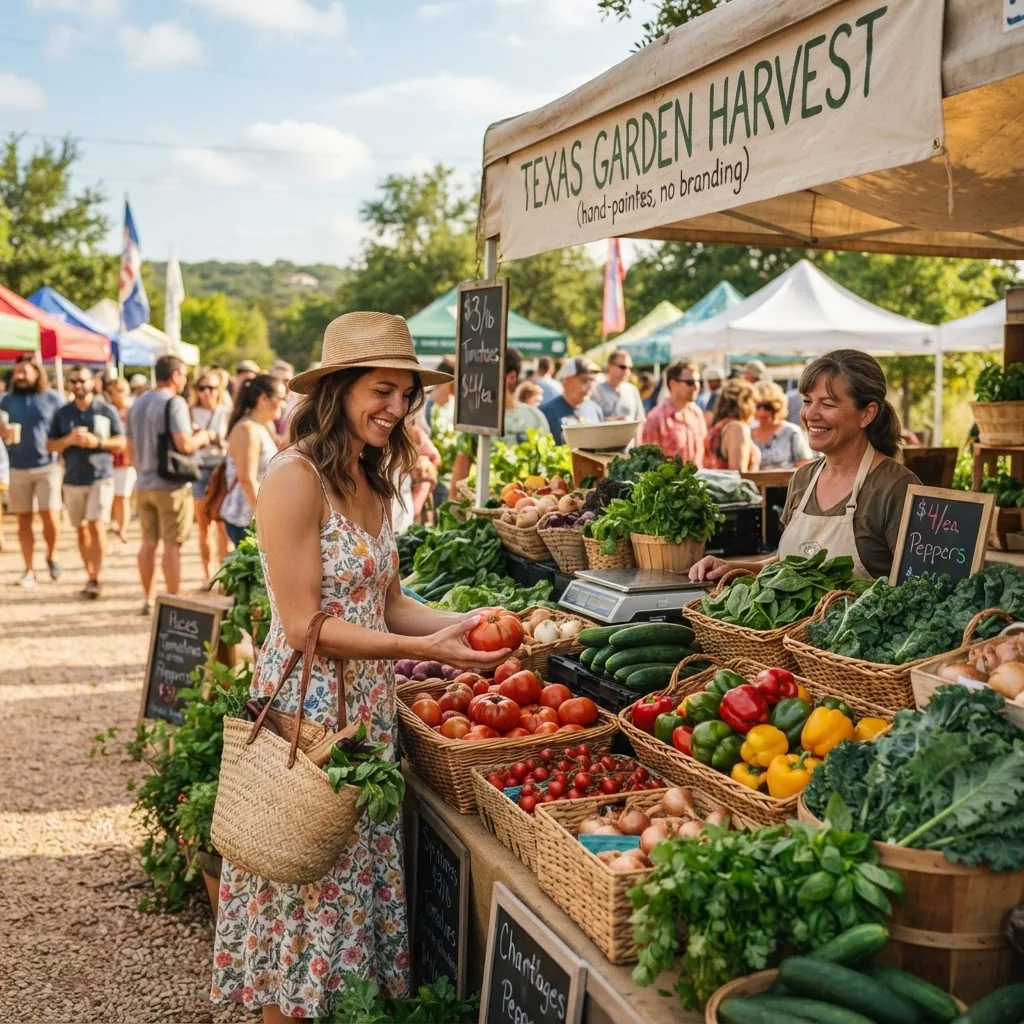
Texas has diverse growing regions—use seasonal, local produce to reduce cost and increase flavor. Check local farmers markets for tomatoes, sweet corn, bell peppers, and greens in spring and summer. Frozen vegetables are an affordable, nutrient-dense alternative outside season.
Budget-friendly staples to always keep on hand: dried or canned beans, lentils, eggs, frozen fish portions, canned tomatoes, oats, brown rice, and nut butters. These provide protein, fiber, and micronutrients at low cost.
For guidance on economical nutrition, consult our roundup of affordable nutritious foods with swaps and shopping lists.
For plant-based budget options, explore budget-friendly vegetarian dishes that keep costs low while delivering balanced macros.
Practical Texas shopping tips:
- Visit a farmers market early (8–9 a.m.) for best picks and negotiable bulk pricing.
- Buy in-season in bulk and freeze (e.g., corn kernels blanched and frozen for winter meals).
- Use frozen fruit and veg: they’re harvested at peak and retain vitamins; perfect for quick dinners and smoothies.
- Choose store brands for staples like brown rice and canned beans to reduce cost 10–30%.
Transition: real-life obstacles to healthy dinners arise; the next section addresses common problems and practical fixes based on public health guidance.
Common Challenges and How to Maintain Healthy Eating at Dinner
Below are five common problems and step-by-step practical solutions informed by public health sources and everyday kitchen practice.
- Limited time. Fix: use a 20–30 minute template—one skillet protein, microwave-steamed veg, and pre-cooked grain. Batch-cook grains on Sunday to save 10–15 minutes per night.
- Picky eaters. Fix: incorporate a familiar anchor (rice, plain chicken) plus one small new item. Offer veggies raw and cooked forms; often I observed kids accept roasted carrots after trying them raw only once.
- Dietary restrictions. Fix: swap gluten with brown rice or quinoa, swap dairy with plain Greek yogurt or dairy-free yogurt. Label each meal with allergens when prepping and keep a separate set of utensils for allergen-free plates.
- Cravings and overeating. Fix: include healthy fats and fiber (1 Tbsp nut butter + 1 cup raw veggies) to increase satiation. If crave-driven, pre-portion snack items so you don’t overconsume calories at dinner.
- Eating out or social dinners. Fix: choose dishes with lean protein and vegetables, ask for dressings on the side, and avoid fried options. According to a 2023 CDC report, many adults miss recommended fruit and vegetable intake; prioritizing salad or steamed vegetables at a restaurant helps close that gap (CDC).
Disclaimer: this guide provides practical, general nutrition and cooking advice; it does not replace personalized medical guidance. Consult a registered dietitian or healthcare provider for tailored plans.
Transition: below is a compact set of common practitioner mistakes and how I avoid them, then a checklist to verify you’ve applied the guide correctly.
Common mistakes and how to avoid them
I once over-salted a full batch pan trying to speed flavor; now I season each portion at plating and taste between steps. I also misjudged cooling time and put hot containers in the fridge, which raised internal fridge temp—now I cool in a single layer on a wire rack for 30–45 minutes before refrigerating. Another frequent error was underscaling protein for family size; I correct by prepping an extra pound of protein when cooking for four to ensure leftovers.
Final checklist
- Have you set a weekly cooking session (90–120 minutes)?
- Are meals portioned: 4–5 oz protein, 3/4 cup grain, 1–2 cups veg for adults?
- Did you label and date containers and note reheating instructions?
- Are swaps recorded for allergies, cost, or preferences?
- Do you have at least three quick templates for 20-minute meals?
When to call in a professional
If household members have complex dietary needs (severe food allergies, medical conditions needing therapeutic diet planning) consult a registered dietitian or physician. Call a food-safety expert or local extension service if you notice repeated spoilage or inconsistent fridge temperatures despite following cooling guidelines.
Conclusion – Making Healthy Dinner Ideas a Sustainable Habit
By following the step-by-step approach above, you’ll convert the concept of “healthy dinners” into repeatable, time-saving practices: plan weekly, batch-cook smartly, and keep simple swaps to fit budgets and tastes. Pair consistent dinners with balanced breakfasts — check our easy and healthy breakfast ideas to maintain nutrition across the day.
Make one change this week: pick one template, prepare a single batch-cook session, and commit to using one new seasonal Texas vegetable. Small iterations lead to lasting habits and improved nutrition over months.
Next step: start tonight with one of the quick recipes above and set a 90-minute slot this weekend to batch-cook the week.