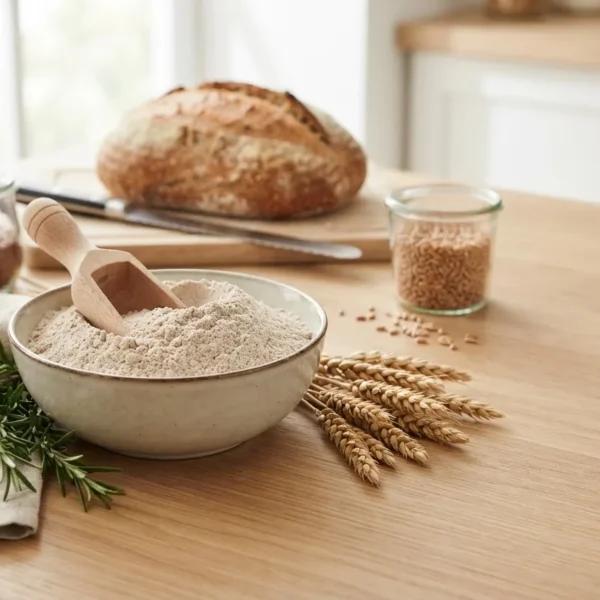
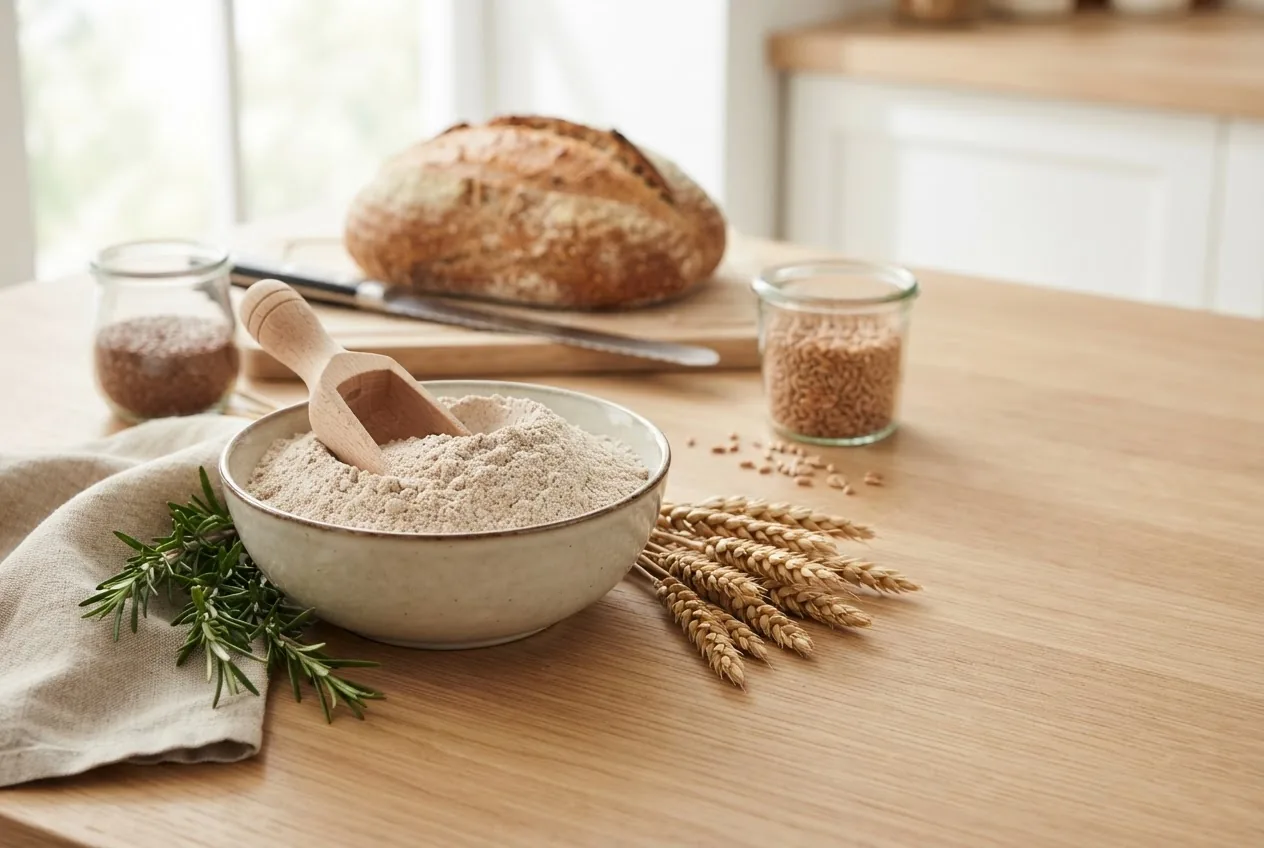
Yes — whole wheat flour is generally good for you because it preserves the whole grain (bran, germ, endosperm), supplying more fiber, B‑vitamins, minerals, and phytonutrients than refined flour, which supports digestion, heart health, and steady energy when consumed in appropriate portions as part of a balanced diet.
What exactly is whole wheat flour and how is it different from whole grain flour?
Answer: Whole wheat flour is a specific type of whole grain flour made only from wheat kernels milled with bran, germ and endosperm intact; “whole grain flour” is a broader term that can include flour milled from any whole cereal grain (oat, rye, barley, etc.).
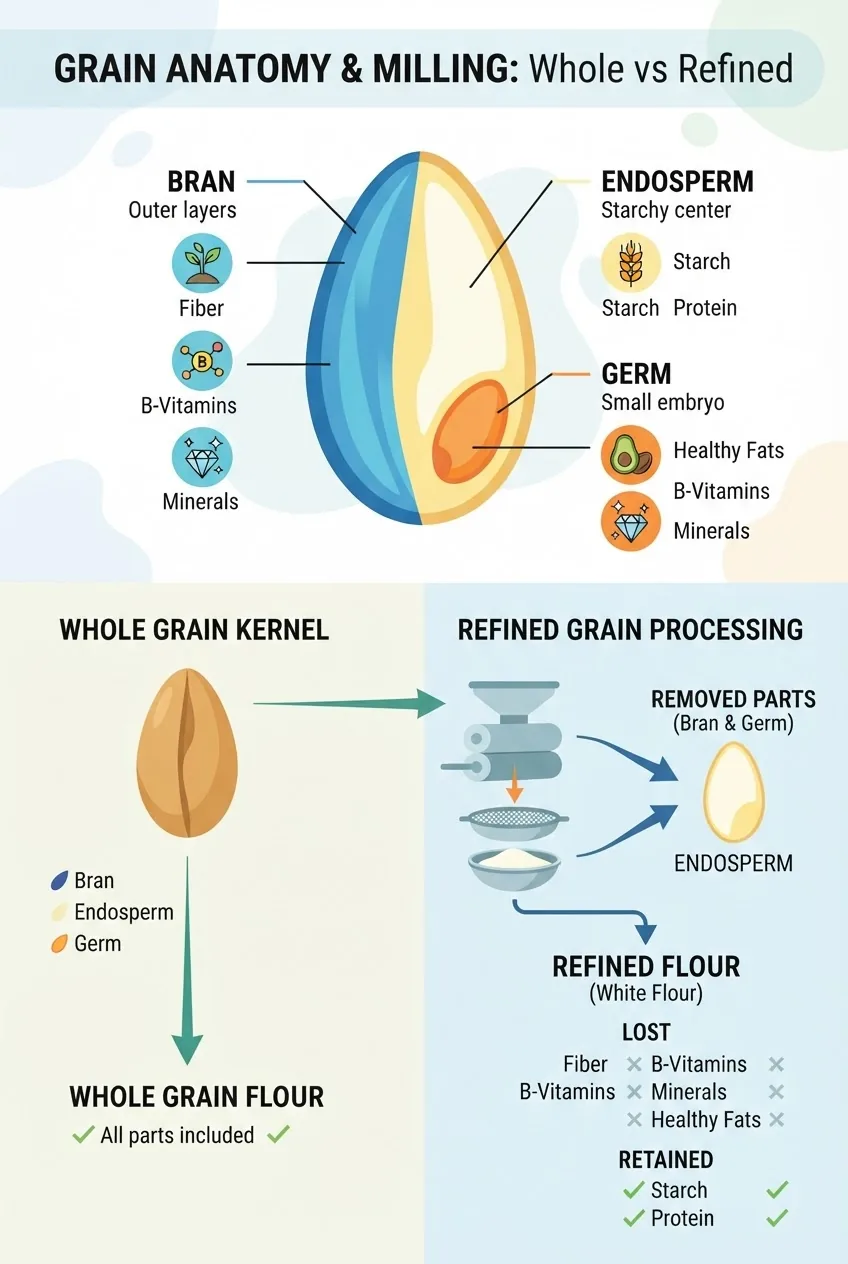
Whole grain: a cereal grain that contains the intact endosperm, bran and germ in the same proportions as the original kernel.
Endosperm: the starchy inner portion of a grain kernel that supplies most of the carbohydrate and some protein.
Bran: the outer fibrous layer of a grain that contains most of the dietary fiber and several minerals.
Germ: the nutrient-rich embryo of the grain that contains healthy fats, vitamins (especially E) and micronutrients.
In practice, “whole wheat” names the species (Triticum) used; “whole grain” signals processing kept the three kernel parts. Whole wheat is therefore one subset of whole grain flours. Labeling matters: “whole wheat flour” legally means the whole wheat kernel was milled, but “wheat flour” can be refined.
Is whole wheat flour more nutritious than refined white flour?
Answer: Yes — whole wheat flour contains higher fiber, more vitamins (notably thiamine, niacin, folate), minerals (iron, magnesium, zinc), and healthy fats from the germ, while refined white flour retains mostly starchy endosperm and fewer micronutrients.
Refined flour: flour from which bran and germ have been removed, leaving mostly endosperm starch.
| Nutrient/Property | Whole Wheat Flour (per 100g) | Refined White Flour (per 100g) |
|---|---|---|
| Total fiber | ~10–12 g | ~2–3 g |
| Protein | ~12–14 g | ~9–11 g |
| B‑vitamins (thiamine, niacin) | Higher (germ & bran present) | Lower unless enriched |
| Minerals (iron, magnesium, zinc) | Higher | Lower |
| Healthy fats | Small amount from germ | Negligible |
| Calories | ~340–360 kcal | ~360–370 kcal |
The practical outcome: whole wheat’s extra fiber slows digestion and increases satiety; micronutrient differences are meaningful in population nutrition. Enrichment of white flour adds some B‑vitamins and iron back, but not fiber or many phytonutrients.
Does whole wheat flour help with heart health and digestion?
Answer: Yes — regular consumption of whole wheat as part of a diet high in whole grains is linked to lower risk of heart disease, improved cholesterol levels, and better bowel regularity due to soluble and insoluble fiber content.
Mechanisms: fiber binds bile acids which can lower LDL cholesterol, fermentable fiber feeds beneficial gut bacteria producing short‑chain fatty acids (butyrate) that support colonic health, and slower carbohydrate absorption reduces postprandial spikes. Large cohort studies consistently show inverse associations between whole‑grain intake and cardiovascular outcomes.
- Soluble fiber lowers LDL cholesterol by reducing bile acid reabsorption.
- Insoluble fiber increases stool bulk and regularity, reducing constipation risk.
- Whole grains supply antioxidants and magnesium, which support vascular function.
Is whole wheat flour good for weight loss, or is whole grain fattening?
Answer: Whole wheat flour is not inherently fattening; because it increases satiety per calorie and has a higher fiber-to-calorie ratio than refined flour, it can support weight control when used to replace refined grains within a calorie-controlled diet.
“Fattening” depends on total energy balance. Compared gram-for-gram, whole wheat and refined flour have similar calories, but whole wheat’s fiber and slower digestion reduce hunger and often lower subsequent calorie intake. Controlled trials show diets emphasizing whole grains result in modest weight loss or reduced weight gain compared with refined-grain diets.
Practical tips for weight management:
- Replace refined products with whole wheat alternatives (bread, pasta, baked goods) rather than adding whole wheat on top of the same calorie intake.
- Watch portion sizes — 1 serving of grain is typically 1/2 cup cooked grain or 1 slice bread; count these toward total calories.
- Pair whole‑grain foods with protein and vegetables to slow absorption and improve satiety.
Is whole wheat flour good for diabetics and blood sugar control?
Answer: Whole wheat flour generally leads to lower and slower blood sugar rises than refined white flour, improving glycemic response, but individual effects vary and portion control plus balanced meals remain essential for diabetes management.
Glycemic index (GI): a numeric scale (0–100) that ranks carbohydrate-containing foods by how much they raise blood glucose compared with pure glucose.
Whole wheat products usually have a lower GI than refined counterparts because fiber, protein, and intact grain structure slow carbohydrate digestion. However, processing (fine milling), added sugars or fats, and food form (bread vs intact grain) change the GI. For people with diabetes refer to portion-controlled exchanges; most guidelines encourage whole grains but emphasize total carbohydrate counting.
Practical glycemic control tips:
- Choose minimally processed whole wheat breads labeled “100% whole wheat” or stone‑ground options.
- Combine with protein and healthy fats to blunt glucose rise (for example, whole wheat toast with eggs or nut butter).
- Monitor individual response — use home glucose testing or continuous monitoring to see how specific whole wheat foods affect you.
How much whole wheat flour should you eat each day for health benefits?
Answer: Aim for at least half of your grain servings as whole grains: for most adults this means 3–6 ounce-equivalents of grains daily (1 ounce-equivalent ≈ 1 slice bread or 1/2 cup cooked grain), with at least 1.5–3 ounces from whole wheat or other whole grains to meet fiber targets.
Recommended fiber and grain math for a practical Texas household:
- Daily whole-grain target: at least 3 servings (3 ounce-equivalents) for a 2,000 kcal diet; more is beneficial up to 6 servings depending on calorie needs.
- One ounce-equivalent examples: 1 slice whole wheat bread, 1/2 cup cooked whole wheat pasta, 1/2 cup cooked bulgur.
- Aim for 25–38 g total fiber daily (female 19–50: 25 g; male 19–50: 38 g); whole wheat servings contribute ~2–5 g fiber each depending on product.
Worked example: a 30‑year‑old woman (2,000 kcal) chooses 3 daily grain equivalents from whole grains: breakfast 1 slice whole wheat toast (2 g fiber), lunch 1/2 cup whole wheat pasta (4 g), dinner 1/2 cup cooked wheat berries (5 g). Combined with fruits, vegetables and legumes this meets the fiber recommendation.
Are there health risks or downsides to eating whole wheat flour?
Answer: Downsides include gluten-related conditions (celiac disease or non-celiac gluten sensitivity), potential digestive discomfort for some due to fermentable fibers, and minor nutrient absorption effects from phytates; most people tolerate whole wheat well when introduced gradually.
Phytates (phytic acid): naturally occurring plant compounds that can bind minerals (iron, zinc) and slightly reduce their absorption.
Details:
- Gluten: whole wheat contains gluten; anyone with celiac disease must avoid it entirely.
- FODMAPs and fermentable fiber: some individuals with IBS may experience gas or bloating when increasing whole wheat rapidly; a low‑FODMAP approach may be needed.
- Phytates: can modestly lower mineral absorption, but regular diets with varied foods and methods like fermentation or sourdough reduce phytate content.
Reduction strategies:
- Use sourdough or long fermentation for bread to reduce phytates and improve digestibility.
- Soak grains or use sprouted whole wheat flours when possible.
- Increase whole wheat intake gradually over 2–3 weeks to allow gut microbiota adaptation and reduce gas.
Is wholemeal flour the same as whole wheat — is wholemeal flour good for you?
Answer: Yes — “wholemeal” is the British/European term equivalent to “whole wheat”; wholemeal flour retains bran, germ, and endosperm and offers the same fiber and nutrient advantages as whole wheat flour.
Wholemeal: a regional term used mainly in the UK and Australia for flour milled from whole cereal grains, including whole wheat.
Implications for shoppers: packaging that says “wholemeal” or “whole wheat” indicates whole‑kernel milling. In some jurisdictions “wholegrain” labeling can include blends; check ingredient lists to confirm 100% whole wheat or whole grain as the first ingredient.
How do processing and milling methods affect the healthiness of whole wheat flour?
Answer: Milling method and processing (stone‑ground vs roller, fine vs coarse, heat during milling) change particle size, flavor and shelf life; coarser, minimally heated, stone-ground whole wheat retains more intact structure and often better fermentability and flavor, while very fine milling can raise glycemic response modestly.
Key variables explained:
- Stone‑ground: crushes the grain between stones at lower temperatures — preserves some oils and texture but may retain more bran bits; shelf life slightly shorter.
- Roller milling: efficiently separates components and produces consistent particle sizes; modern milling can make whole wheat very fine, altering mouthfeel and digestion speed.
- Heat: excessive heat during milling can oxidize nutrients and hasten rancidity; look for “low heat” or “cold milled” on specialty products.
Practical: choose coarser or labeled stone‑ground whole wheat for baking rustic breads and whole wheat berries or cracked wheat for salads; fine whole wheat flours are better for tender baked goods but may act more like refined flours metabolically.
How do you choose real whole wheat flour at the store — label reading tips?
Answer: Pick products that list “whole wheat” or “whole grain” as the first ingredient, avoid vague terms like “wheat flour” or “multigrain” without “whole”, and check fiber content per serving (aim for ≥2–3 g per slice or equivalent).
Label checklist:
- Ingredient order: “100% whole wheat flour” or “whole wheat flour” should be first.
- Nutritional facts: fiber ≥2 g per serving for bread, higher for less processed items.
- Avoid: “wheat flour” (likely refined), “enriched flour” (refined), “multigrain” (could be refined grains).
- Claims: “made with whole grain” can be partial; look for “100% whole grain”.
Shopping tips for Texas stores: compare per‑ounce prices, check bulk bins at co‑ops or warehouse stores for fresher whole wheat, and prefer sealed packaging to limit oxidation of germ oils.
Can I substitute whole wheat flour for all-purpose in recipes, and what adjustments are needed?
Answer: Yes, but expect denser texture; common approaches are to substitute 25–50% whole wheat to maintain tenderness, increase hydration by ~5–10%, and allow extra resting or fermentation time to hydrate bran and develop gluten.
Baking rules of thumb:
- Start with 25% whole wheat replacement for cakes and cookies, 50% for yeast breads; 100% whole wheat requires technique adjustments (longer knead, more water, sometimes added dough conditioners).
- Increase liquid by about 1–2 tablespoons per cup when using higher percentages of whole wheat to compensate for bran absorption.
- Autolyse or rest dough for 20–30 minutes before final mixing to let bran hydrate and reduce tearing of gluten.
- Use vital wheat gluten (1–2 tbsp per cup of whole wheat) sparingly to strengthen dough for loaves if needed.
Flavor and texture tips: toast whole wheat flour lightly to reduce bitterness, combine with white whole wheat (milder taste), or use sourdough fermentation to improve both flavor and crumb.
How does whole wheat flour affect texture and shelf life of baked goods?
Answer: Whole wheat produces denser, darker baked goods with shorter shelf life due to germ oils that can go rancid; proper storage and recipe techniques mitigate these effects and can produce stable, flavorful breads and baked items.
Texture mechanics:
- Bran disrupts gluten strands, causing denser crumb; longer mixing and hydration help.
- Germ oils add flavor but reduce shelf life; freezing or refrigeration slows rancidity.
Storage and preservation:
- Store unopened whole wheat flour in a cool pantry; opened bags last 1–3 months at room temperature, 3–6 months refrigerated, and 6–12 months frozen.
- Keep in airtight containers to prevent oxidation and pantry pests.
- For bulk purchases, freeze 2–4 week splits to maintain freshness.
Is whole grain flour healthy for children, pregnant people, and seniors?
Answer: Yes — whole grain flours provide fiber, B‑vitamins, iron, folate and minerals beneficial across life stages, but portions and context matter: pair with other nutrient sources for children and ensure folate/iron needs during pregnancy are met with diet and prenatal care.
Life-stage specifics:
- Children: introduce whole wheat early, adjust textures (use softer whole wheat bread) and monitor total calories for growth needs.
- Pregnancy: whole wheat contributes folate and fiber but pregnant people should rely on fortified foods or supplements for recommended folic acid and monitor iron with healthcare guidance.
- Seniors: higher fiber supports bowel regularity; choose softer forms and ensure adequate hydration to avoid constipation when increasing fiber.
What about gluten-free needs — is there a whole-grain gluten-free alternative to whole wheat flour?
Answer: Whole wheat is not suitable for gluten-free diets; alternatives that are whole-grain and gluten-free include brown rice flour, oat flour (certified gluten-free), buckwheat and sorghum, though they differ in protein and baking behavior and often require blends or binding agents.
Common gluten-free whole-grain flours:
- Brown rice flour — mild flavor, sandy texture; blends well with starches.
- Oat flour (certified GF) — good flavor and nutrition, adds chewiness.
- Buckwheat — robust flavor, good for pancakes and quick breads.
- Sorghum — mild and slightly sweet; often used in commercial blends.
Baking note: gluten‑free flours need xanthan gum, psyllium husk, or egg proteins to replace gluten’s structure; whole‑grain GF flours provide fiber and micronutrients but not elastic dough formation like wheat.
How does whole wheat flour compare economically and environmentally to refined flour?
Answer: Economically, whole wheat flour is often slightly more expensive per pound than refined flour but varies by organic status and packaging; environmentally, whole grains require similar agriculture inputs, but minimally processed whole wheat can have a lower processing footprint than heavily refined, enriched white flours.
| Option | Typical retail cost (per lb) | Environmental/specification notes |
|---|---|---|
| Refined all-purpose flour | $0.30–$0.80 | Higher processing, often enriched; long shelf life |
| Conventional whole wheat flour | $0.70–$1.50 | Less processing than refined; shorter pantry life |
| Organic/stone‑ground whole wheat | $1.50–$3.50 | Certified organic inputs, lower throughput milling, often local |
Interpretation: if budget-conscious, buying whole wheat in bulk or store brands yields value and nutrition; if prioritizing sustainability, local stone‑ground producers reduce transport and favor traditional methods.
What cooking and meal planning examples show whole wheat’s benefits in a typical weekly menu?
Answer: Use whole wheat in at least two daily meals—whole wheat toast at breakfast, whole wheat pasta or grain bowls for lunch/dinner, and whole wheat-based snacks—to increase daily fiber and micronutrient intake while keeping calories controlled.
Sample 1‑day menu (practical Texas-style):
- Breakfast: 2 slices whole wheat toast with mashed avocado and a poached egg (fiber + protein).
- Snack: whole wheat crackers with low-fat cheese and tomato slices.
- Lunch: whole wheat pasta salad with beans, roasted vegetables, olive oil and lemon.
- Snack: apple and a tablespoon of nut butter on whole wheat crispbread.
- Dinner: grilled chicken, 1/2 cup wheat berries, and sautéed greens.
Meal planning tips: batch-cook whole wheat grains (wheat berries, farro) for salads, keep whole wheat tortillas on hand for quick wraps, and swap refined flour in favorite baked goods incrementally.
How should you store whole wheat flour and what are signs it has gone rancid?
Answer: Store whole wheat flour in an airtight container in a cool, dry place; refrigerate or freeze for longer storage. Rancid flour smells sour, paint-like or bitter and should be discarded.
Storage specifics:
- Pantry short-term: 1–3 months at room temperature in airtight container away from heat and light.
- Refrigeration: 3–6 months in sealed container; best for moderate climates.
- Freezer: 6–12 months in heavy-duty freezer bags or sealed tubs; bring to room temp before using to avoid condensation.
Rancidity signs: off smell (like old paint or sour oil), discoloration, or presence of pests; rancid fats are unhealthy to consume and impair baking performance.
Are sprouted or cracked whole wheat flours better than regular whole wheat flour?
Answer: Sprouted whole wheat flour (from germinated kernels) often increases available nutrients and digestibility, reduces phytates, and can taste sweeter; cracked or stone‑ground whole wheat preserves texture and nutrient distribution; both offer advantages over standard fine-milled whole wheat depending on recipe and tolerance.
Comparison summary:
- Sprouted: slightly higher bioavailable nutrients, milder flavor, lower phytate; good for quick breads and pancakes.
- Cracked/stone‑ground: coarser texture, robust flavor, often preferred for rustic breads and cereals.
- Regular fine whole wheat: versatile for many recipes but can be denser unless adjusted.
How does whole wheat flour fit into public health recommendations and dietary patterns?
Answer: Public health authorities (USDA, AHA) recommend making at least half of grain servings whole grains; whole wheat flour is a practical, evidence-based way to meet these recommendations and improve population fiber and micronutrient intake.
Rationale: whole grains reduce chronic disease risk, improve digestive health, and increase overall diet quality. Practical policy advice encourages replacing refined products, fortifying with folic acid where needed, and educating on portion sizes and preparation methods that retain nutrient bioavailability.
Practical summary: swap refined flour for whole wheat in most everyday recipes gradually, prioritize 100% whole wheat labeling, manage portions, and use fermentation or sprouting when possible to maximize benefits.
Where can I learn more and find recipes or related resources on whole grains?
Answer: Consult trusted nutrition guides and the Foods High in Whole Grains and Fiber pillar for comprehensive resources, plus practical sibling articles on whole wheat bread, whole wheat pasta, and beans as grain complements for balanced meals.
Internal resources on this site:
- Foods High in Whole Grains and Fiber: Healthy Eating Guide — pillar page with serving goals and recipes.
- Is Whole Wheat Bread Good for You? Health and Nutrition Guide — practical bread-specific guidance.
- Is Whole Wheat Pasta Healthy? Nutrition and Health Benefits — pasta-focused comparisons and recipes.
External resources: for clinical guidance on diabetes or celiac disease, consult healthcare providers and established organizations for individualized advice.
Frequently Asked Questions
Is whole wheat flour healthier than all-purpose flour for baking?
Whole wheat flour is healthier nutritionally (more fiber and micronutrients), but in baking it creates denser textures; use partial substitution (25–50%) and increase liquid and resting time to improve tenderness while retaining nutritional benefits.
Can I eat whole wheat flour if I have gluten sensitivity?
No — whole wheat contains gluten and should be avoided by people with celiac disease or confirmed gluten sensitivity; use certified gluten‑free whole grain flours like brown rice or oat (certified) as alternatives with appropriate binding agents for baking.
Will switching to whole wheat flour raise my grocery bill significantly?
Switching can slightly increase cost per pound, especially for organic or stone‑ground options, but buying in bulk, using store brands, and reducing processed foods generally limits extra expense while improving nutrition.
How should I introduce whole wheat into my family’s diet?
Introduce gradually: start with 25% whole wheat in baked goods, use whole wheat tortillas or wraps, add cooked whole grains to salads, and pair whole wheat with protein and vegetables to ensure acceptance and minimize digestive discomfort.
Does whole wheat flour cause constipation because it has more fiber?
No — whole wheat’s higher fiber typically improves regularity; however, increasing fiber too quickly without extra fluids can cause bloating or temporary constipation, so increase intake gradually and drink adequate water.
Are sprouted whole wheat flours worth the extra cost?
Sprouted whole wheat offers modest benefits: improved digestibility, slightly higher bioavailability of some nutrients, and milder flavor; whether it’s worth the cost depends on tolerance, taste preference, and budget priorities.
Does whole wheat flour have more calories than white flour?
Calorie differences per gram are minor; whole wheat and white flour have similar caloric density, but whole wheat’s fiber and nutrient profile produce greater satiety and metabolic benefits, making it the preferable choice for health.