

A nutrition dietitian is a credentialed health professional who assesses your diet, creates evidence-based meal plans, and provides behavior-based strategies for weight, chronic disease, sports performance or general health; they combine medical nutrition therapy with personalized counseling to produce measurable improvements in nutritional status and health outcomes.
What exactly is a nutrition dietitian and how is that different from a diet nutritionist?
A nutrition dietitian is a clinically trained, licensed professional who delivers medical nutrition therapy and individualized diet plans; a nutritionist may offer general nutrition advice but often lacks the standardized credentials and clinical scope of practice a dietitian holds.
Term: Registered Dietitian Nutritionist (RDN) — a health professional credential requiring accredited education, supervised practice, and national registration exams.
Term: Nutritionist — a general term for someone who provides nutrition advice; legal requirements vary by state and may not require formal certification.
Dietitians (often RDNs) complete accredited dietetics programs, clinical internships, pass a national exam, and maintain continuing education; they are qualified to provide Medical Nutrition Therapy (MNT) for conditions like diabetes, kidney disease, and cardiovascular disease, whereas a nutritionist’s scope depends on state regulations and certification.
Why should I consult a nutrition dietitian instead of following generic online diet advice?
Consult a nutrition dietitian because they provide individualized, evidence-based plans, assess labs and medical history, and adjust interventions to your physiology and preferences—reducing risk, improving adherence, and delivering measurable outcomes compared with one-size-fits-all online diets.
Online diets are generic and often ignore medical contraindications, medication interactions, nutrient deficiencies, or realistic behavior change strategies; dietitians integrate clinical data, cultural preferences, and lifestyle constraints into tailored plans that fit your daily life and medical needs.
- Personalized intake analysis using food records and validated tools.
- Integration with medical care, including lab interpretation and physician collaboration.
- Behavioral counseling techniques to support long-term adherence.
- Monitoring and objective outcome tracking (weight, labs, symptoms).
What services does a nutrition dietitian provide?
Nutrition dietitians provide assessment, individualized meal planning, Medical Nutrition Therapy, nutrition education, behavior change counseling, and monitoring—often delivering specialized programs for diabetes, renal disease, weight management, pediatric nutrition, sports nutrition, and bariatric care.
Term: Medical Nutrition Therapy (MNT) — therapeutic dietary recommendations tailored to treat medical conditions and documented in a care plan.
- Comprehensive nutrition assessment (dietary intake, anthropometrics, labs).
- Customized meal plans and recipes aligned with health goals and preferences.
- Continuous monitoring and adjustment (follow-ups at intervals set by need).
- Education about nutrient timing, portion control, label reading, and meal prep.
- Coordination with other clinicians and referrals when required.
How do dietitians assess my nutritional needs and what measurements do they use?
Dietitians assess needs using dietary recalls/records, body measures (weight, waist circumference), clinical labs (glucose, lipids, iron), and validated energy-estimation equations to calculate calorie and nutrient targets that match goals and physiology.
Term: Basal Metabolic Rate (BMR) — the energy your body needs at rest to maintain vital functions.
Term: Resting Energy Expenditure (REE) — a measured or estimated value similar to BMR used to plan calorie targets.
Typical assessment workflow:
- Collect 24-hour recall or 3-7 day food record and evaluate macronutrient distribution.
- Measure weight, height, BMI, waist circumference and body composition if available.
- Review labs: fasting glucose/HbA1c, lipid panel, CMP, thyroid function, iron studies, vitamin D as appropriate.
- Estimate energy needs via Mifflin-St Jeor or Harris-Benedict equations and adjust for activity and goals.
- Set specific, measurable nutrition goals with timeline and follow-up schedule.
What is a typical initial appointment like with a nutrition dietitian?
A typical initial visit lasts 45–90 minutes and includes medical and dietary history, goal setting, lab review if available, a baseline nutrition plan, and scheduling of follow-ups with documented treatment goals and measurable outcomes.
During the session a dietitian will:
- Take medication and medical history relevant to nutrition (e.g., diabetes meds, renal status).
- Review current intake patterns and identify nutrient gaps or excesses.
- Perform anthropometric measurements and risk screening for malnutrition.
- Provide immediate practical strategies (shopping lists, meal swaps) and set SMART goals.
- Document a care plan including referrals or lab orders if indicated.
How much does working with a nutrition dietitian cost and what are payment options?
Costs vary: single visits typically range from $75–$250, packages or extended programs $300–$1,200; some insurance plans cover Medical Nutrition Therapy when medically necessary and many dietitians offer sliding scale, telehealth, or package discounts.
| Service | Typical cost (USD) | Notes |
|---|---|---|
| Initial in-person consultation | $120–$250 | 45–90 minutes; includes assessment and plan |
| Follow-up visit (30–60 min) | $60–$150 | Focus on progress and adjustments |
| Package (4–12 weeks) | $300–$1,200 | Includes multiple sessions, often with messaging |
| Telehealth/virtual consult | $60–$180 | Lower overhead; may increase access |
Insurance: Medicare covers MNT for diabetes and kidney disease under certain conditions; private insurers vary—confirm CPT codes (e.g., 97802–97804 for MNT) and prior authorization with your carrier.
How do I choose the right nutrition dietitian in Texas?
Choose a dietitian with RDN or LDN credentials, relevant clinical experience, and practice areas matching your needs; verify state licensure, read reviews, confirm insurance acceptance, and request a brief consultation to assess fit and communication style.
Term: LDN — Licensed Dietitian Nutritionist, a state-level licensure for dietitians that defines scope and legal practice.
Practical selection steps:
- Verify credentials: RDN and current state licensure (LDN in many states, including Texas).
- Match specialization: diabetes, renal, sports, pediatrics, weight management, or eating disorders.
- Ask about measurable outcomes and tools used (food logs, apps, body composition testing).
- Confirm logistics: telehealth availability, appointment length, cancellation policy, and pricing.
- Request a 10–15 minute introductory call to evaluate rapport and realistic goal-setting style.
What questions should I ask a prospective nutrition dietitian during the first contact?
Ask about credentials, experience with your condition, assessment methods, follow-up frequency, success metrics, communication channels, cost, insurance billing, and whether they provide sample meal plans or recipes.
- Are you an RDN and licensed in Texas?
- How many clients have you managed with my condition or goal?
- What assessment tools and lab markers do you use?
- How often will we meet and how is progress measured?
- Do you offer telehealth, meal plans, or messaging between visits?
- Can you bill my insurance or provide superbills?
How does a dietitian create a personalized meal plan — what variables are considered?
A dietitian personalizes plans by combining energy needs (BMR/REE), activity level, medical conditions, medications, food preferences, cultural factors, budget, cooking skills, and schedule to create practical, measurable meal patterns and portion recommendations.
Key variables and data points:
| Variable | Why it matters |
|---|---|
| Energy needs (BMR/REE) | Determines calorie target for weight loss, gain, or maintenance |
| Medical conditions & meds | Affects nutrient restrictions and potential interactions |
| Food preferences and allergies | Improves adherence and reduces risk of adverse reactions |
| Budget & time for cooking | Drives realistic meal suggestions and grocery lists |
What are macronutrients and micronutrients and how do dietitians balance them?
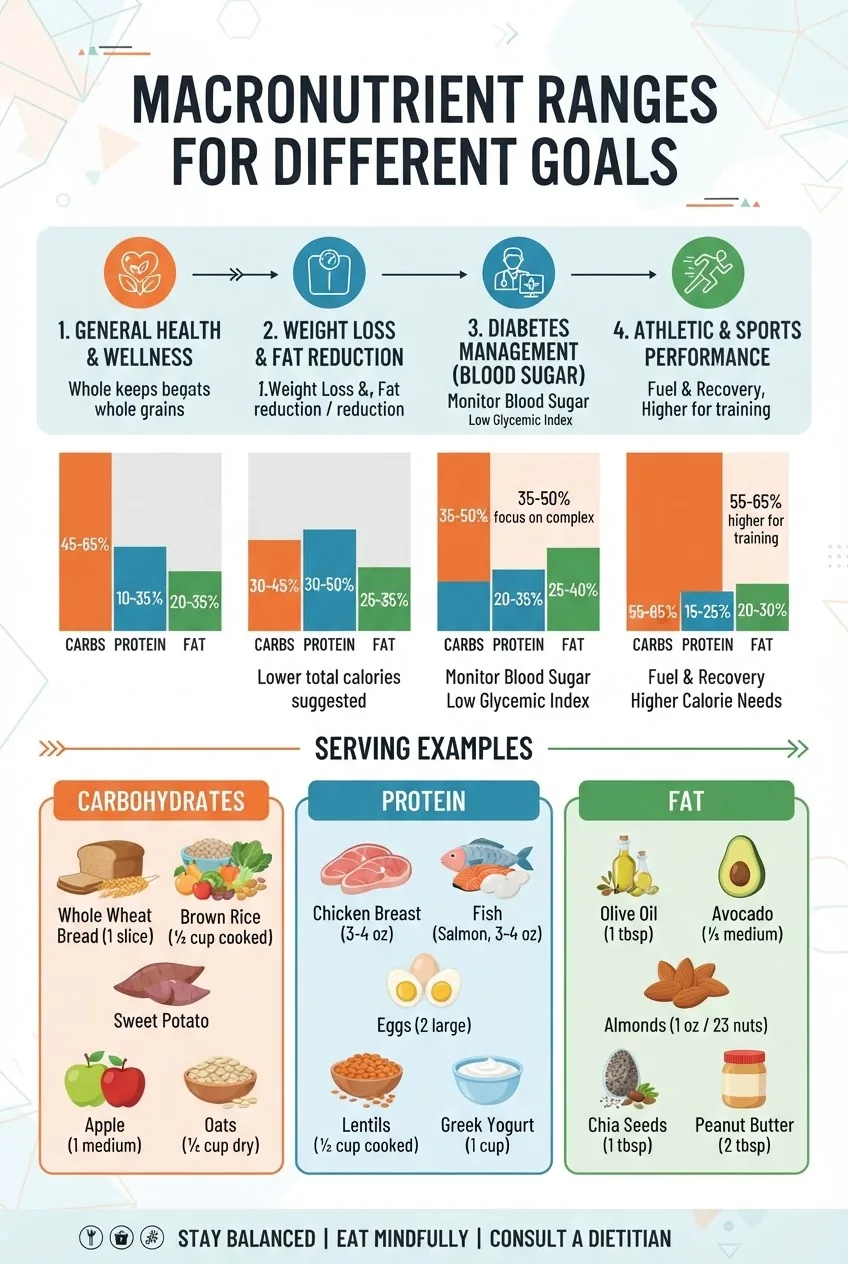
Macronutrients—carbohydrate, protein, and fat—supply energy and structure; micronutrients—vitamins and minerals—support biochemical processes; dietitians set macronutrient ratios and micronutrient targets based on goals, labs, and dietary patterns to prevent deficiency and optimize function.
Term: Macronutrient — a nutrient needed in large amounts (carbohydrate, protein, fat) that provides energy.
Term: Micronutrient — vitamins and minerals needed in smaller amounts to support metabolic processes and cellular function.
Typical macronutrient frameworks:
- General health: 45–65% carbs, 10–35% protein, 20–35% fat (adjusted individually).
- Weight loss: moderate protein (25–30% kcal) to preserve lean mass, reduced caloric carbs and fats.
- Diabetes: carbohydrate distribution and timing focused on glycemic control and medication coordination.
- Sports: higher protein and targeted carbohydrate timing for training and recovery.
Can a dietitian design a diet for weight loss — what strategies produce safe, sustainable results?
Yes — dietitians use calorie estimates, incremental behavior changes, higher protein to preserve lean mass, portion control, meal timing, and ongoing support to create sustainable weight loss of 0.5–1% body weight per week while preventing nutrient inadequacy.
Evidence-based strategies:
- Calculate individualized caloric deficit (typically 300–700 kcal/day) to target steady weight loss.
- Increase protein to 1.2–1.6 g/kg/day during weight loss to preserve muscle.
- Encourage high-volume, nutrient-dense foods (vegetables, legumes, lean proteins).
- Use behavior tools: food logs, stimulus control, goal setting, and problem-solving.
- Provide regular follow-up and relapse-prevention strategies for long-term maintenance.
How do dietitians address chronic diseases like diabetes, heart disease, and kidney disease?
Dietitians tailor Medical Nutrition Therapy to disease-specific targets: glycemic control and carb management for diabetes, saturated fat and sodium reduction for heart disease, and controlled protein, potassium, phosphorus, and fluid management for kidney disease, coordinated with medical teams.
Examples by condition:
- Diabetes: individualized carbohydrate counting, medication timing, and HbA1c goals; continuous glucose data can be incorporated.
- Cardiovascular disease: focus on Mediterranean-style patterns, plant-forward eating, fiber increase, and saturated fat replacement.
- Chronic kidney disease: protein needs adjusted by stage, strict electrolyte management, and coordination with nephrology.
What role do supplements play and when will a dietitian recommend them?
Dietitians recommend supplements only to correct documented deficiencies, meet elevated needs, or when dietary intake is inadequate; they prioritize food-first strategies and select evidence-based, safe dosages while checking for drug–nutrient interactions.
Common indications for supplements:
- Vitamin D for documented insufficiency or limited sun exposure.
- Iron when labs show deficiency or iron-deficiency anemia.
- Vitamin B12 for strict vegans or those with absorption issues.
- Protein supplements for high protein needs when food intake is insufficient.
How long does it take to see results with a nutrition dietitian?
Timeline depends on goals: measurable lab or symptom improvements may appear in 4–12 weeks, weight changes in 4–24 weeks depending on caloric deficit and adherence, while chronic-disease risk reduction may require sustained changes over months to years.
Examples of realistic timelines:
- Blood glucose/HbA1c: initial improvements in fasting glucose within weeks; HbA1c tracked every 3 months.
- Cholesterol: dietary changes can alter LDL and triglycerides within 6–12 weeks.
- Weight loss: safe rate 0.5–2 lb per week; visible change in 4–12 weeks.
- Micronutrient repletion: iron stores may recover over 8–12 weeks with supplementation and monitoring.
What should I bring or prepare for my first dietitian visit?
Bring recent lab results, medication list, 3–7 day food record (including portion sizes), and notes about symptoms, allergies, activity level, and typical grocery staples to enable a precise assessment and immediate planning.
- Printed or digital list of current medications and supplements.
- Recent bloodwork and medical notes if available.
- Food diary showing typical weekdays and weekend days.
- Photos of portion sizes or packaged food labels if possible.
- Questions and specific goals to prioritize during the session.
What digital tools and apps do dietitians use to support clients?
Dietitians commonly use food-tracking apps, telehealth platforms, nutrition analysis software, glucose-monitoring portals, and secure messaging to monitor intake, share meal plans, and provide timely feedback between visits.
Common tool categories:
- Food log and calorie/nutrient analysis tools for intake accuracy.
- Telehealth platforms for remote consults and screen-sharing meal plans.
- Continuous glucose monitoring (CGM) data platforms for diabetes management.
- Client portals for secure messaging, lab uploads, and progress tracking.
How do dietitians measure success — which metrics matter most?
Dietitians measure success with goal-specific metrics: weight and body composition for weight management, HbA1c and time-in-range for diabetes, lipid panels for cardiovascular risk, symptom reduction, and behavioral adherence indicators such as consistent meal patterns.
Typical objective and subjective metrics:
- Objective: body weight, waist circumference, body fat percentage, HbA1c, fasting glucose, lipid profile, blood pressure, nutrient labs.
- Subjective: energy levels, sleep quality, GI symptoms, hunger/satiety patterns, adherence to meal plans.
- Behavioral: number of days tracked, meal-prep consistency, grocery-shopping changes.
Can dietitians help athletes and what differs in sports nutrition?
Yes — sports dietitians optimize fueling, hydration, macronutrient timing, and recovery strategies tailored to training load and sport-specific demands to enhance performance, body composition, and recovery without compromising health.
Sports-specific focuses:
- Carbohydrate periodization for training sessions and competition.
- Protein timing and amounts to support muscle repair and adaptation.
- Hydration plans accounting for sweat rate and electrolyte losses.
- Body composition strategies that align with performance, not just weight.
How does telehealth with a dietitian work and is it as effective as in-person care?
Telehealth dietitian care uses secure video and messaging for assessment and counseling; evidence shows comparable outcomes for many conditions when digital tools for monitoring and lab access are available, and it increases access for clients in remote areas.
Telehealth advantages and limitations:
- Advantages: convenience, lower cost, broader provider choice, home-environment assessments.
- Limitations: limited ability for in-person body composition testing and immediate point-of-care labs.
- Best used when labs and measurements can be accessed locally and when client has reliable internet.
What are red flags to watch for when choosing an online nutrition provider or program?
Red flags include promises of rapid weight loss without individualized assessment, selling multiple unproven supplements, lack of credentials (no RDN/LDN), refusal to coordinate with medical providers, or using one-size-fits-all meal plans without lab review.
Avoid providers who prescribe extreme caloric restriction, universal detoxes, or proprietary supplement bundles as the primary treatment; evidence-based care is individualized and medically informed.
How can I use a dietitian to improve lab results like cholesterol and blood sugar?
Work with a dietitian to target specific dietary patterns (e.g., Mediterranean or DASH), adjust macronutrients, increase fiber and plant foods, reduce saturated fat and refined carbohydrates, and set measurable timelines for lab re-evaluation with your clinician.
- Set target lab goals and baseline measurement with your provider.
- Adopt an evidence-based eating pattern (e.g., 7–10 servings of vegetables/fruit per day, whole grains, legumes, lean proteins).
- Monitor medication interactions and adjust dietary plans in consultation with prescribers.
- Recheck labs at specified intervals (e.g., lipid panel at 6–12 weeks; HbA1c every 3 months).
What practical meal-prep and grocery strategies do dietitians teach for adherence?
Dietitians prioritize simple, repeatable meal-prep routines, shopping lists, batch-cooking, single-pan recipes, portion-controlled storage, and swaps for convenience to align nutrition plans with time and budget constraints.
- Create a 7-day grocery list focused on staples and cross-use ingredients.
- Batch-cook proteins and grains; portion into single-meal containers.
- Use plate-method visual cues to simplify portioning when scales aren’t available.
- Keep quick, nutritious snack options available to avoid impulsive choices.
Can dietitians help with restrictive diets like vegetarian, vegan, keto, or gluten-free?
Yes — dietitians design nutritionally complete versions of restrictive diets by identifying common deficiencies, recommending fortification or supplementation if needed, and ensuring macronutrient and micronutrient adequacy for health and performance.
Examples of nutrient focuses by diet:
- Vegetarian/vegan: attention to B12, iron, calcium, omega-3s, and protein variety.
- Keto: monitor electrolytes, fiber, kidney function, and long-term sustainability; assess medication adjustments for diabetes.
- Gluten-free: ensure fiber and whole-grain alternatives and check for cross-contamination and nutrient gaps.
How do dietitians work with other healthcare professionals?
Dietitians collaborate with physicians, nurses, pharmacists, physical therapists, and mental-health providers to align nutrition plans with medical treatment, adjust medications affected by diet, and integrate behavioral health strategies when needed.
Collaboration methods include shared care plans, referral letters, joint visits, and secure communication to ensure coordinated, safe, and efficient patient-centered care.
What measurable improvements can I reasonably expect after three months of working with a dietitian?
In three months you can expect measurable changes: 5–10% body weight loss for many patients, 0.5–1.5% HbA1c reduction with diabetes-focused care, improved lipid profiles by 10–20% depending on baseline, and better symptom control or energy—individual results vary.
| Measure | Reasonable 3-month change | Notes |
|---|---|---|
| Body weight | 5–10% loss for many clients | Depends on calorie deficit and adherence |
| HbA1c | 0.5–1.5% reduction | With medication coordination and carb management |
| LDL cholesterol | 10–20% reduction | With dietary pattern changes and statin use when applicable |
How do I integrate dietitian advice with my existing medication or treatment plan?
Share medication lists and coordinate changes with prescribing providers; dietitians will adjust carbohydrate targets, salt or potassium intake, and supplement recommendations to prevent interactions and ensure synchronized care.
Key coordination steps:
- Provide current medication and supplement list at first visit.
- Inform both your dietitian and prescriber about planned dietary changes that affect dosing (e.g., carb intake for insulin dosing).
- Schedule lab monitoring as recommended after significant dietary shifts.
- Use a shared-care approach to avoid adverse interactions.
What outcomes or improvements signal that I should continue, intensify, or change my nutrition plan?
Continue when objective metrics improve and you maintain sustainable habits; intensify if progress plateaus despite adherence; change approach if adverse symptoms arise, labs worsen, or the plan is unrealistic for daily life.
- Continue: steady progress toward goals, improved labs, and consistent behavior change.
- Intensify: plateau on weight or labs despite adherence—consider revising caloric targets or adding behavioral support.
- Change: negative symptoms, nutrient deficiencies, or unmanageable routines require redesigning the plan.
How do dietitians support behavior change and long-term adherence?
Dietitians use motivational interviewing, SMART goals, habit-stacking, problem solving, and relapse-prevention techniques, combined with practical tools like meal prep templates and regular check-ins to foster durable habit change.
Behavioral tools commonly used:
- SMART goals (Specific, Measurable, Achievable, Relevant, Time-bound).
- Motivational interviewing to enhance readiness for change.
- Self-monitoring (food logs, apps) to increase accountability.
- Environment redesign and stimulus control to reduce temptation cues.
Where can I learn more and which internal resources on this site should I read next?
Read the Nutritionally Complete Meal Guide for balanced-diet frameworks and the 10 Ways to Eat Better guide for practical tips; both complement personalized advice from a dietitian and provide templates you can bring to your first visit.
- Nutritionally Complete Meal Guide with Balanced Diet Advice
- 10 Ways to Eat Better Guide with Essential Diet Tips
- What Should I Be Eating Everyday Guide to Balanced Nutrition
What are common misconceptions about dietitians and evidence-based nutrition?
Common misconceptions: dietitians only write restrictive meal plans, nutrition science is purely opinion, or supplements alone fix poor diets; in reality dietitians tailor evidence-based, practical plans and prioritize food-first approaches and measurable outcomes.
- Misconception: Nutrition is one-size-fits-all — false; plans are individualized.
- Misconception: Dietitians promote fad diets — false; they use evidence-based patterns.
- Misconception: Supplements replace a healthy diet — false; they complement when necessary.
How do dietitians help clients with disordered eating or eating disorders?
Specialist dietitians working with eating disorders provide structured meal plans, regular monitoring, and collaborate with mental-health professionals to restore regular eating, normalize food behaviors, and address medical complications safely.
Key components of care:
- Medical monitoring for refeeding risks and electrolyte abnormalities.
- Structured nutrition rehabilitation and graded exposure to feared foods.
- Coordination with therapists for underlying psychological drivers of disordered eating.
Are there state-specific considerations for Texans seeking dietitian care?
Texas requires licensure for dietitians (LDN) to practice and many facilities credential RDNs; verify that any provider lists Texas licensure and follows state telehealth regulations when offering services across state lines.
Local considerations:
- Confirm LDN or RDN status and current registration in Texas.
- Check telehealth rules for cross-state consultations if you travel or move.
- Look for dietitians experienced with regional food preferences and availability.
What are typical red flags and how can I verify a dietitian’s credentials quickly?
Verify an RDN via the Commission on Dietetic Registration and check state licensure records; red flags include no credentials, medical claims without evidence, refusal to coordinate with providers, or pressure to buy supplements.
- Ask for RDN number and state license; cross-check online registries.
- Avoid providers who require purchase of exclusive product bundles to receive care.
- Prefer clinicians who request labs and demonstrate measurable outcomes.
How do I prepare a realistic plan to work with a dietitian for six months?
Set measurable goals, schedule regular follow-ups (biweekly to monthly), track intake and labs, anticipate plateaus, and plan for progressive adjustments to intensity of intervention and behavioral supports over six months.
- Define 1–2 primary goals with timelines (e.g., 10% weight loss in 6 months or HbA1c <7%).
- Schedule baseline labs, initial visit, and follow-ups every 2–6 weeks as recommended.
- Use apps or food logs for ongoing monitoring and provide data between visits.
- Reassess and adjust calorie, macronutrients, or support strategies at 8–12 week intervals.
What do success stories and case examples typically look like (worked examples)?
Worked examples show stepwise assessment, targeted interventions, and measurable outcomes: for example, a patient with type 2 diabetes reduced HbA1c from 8.5% to 7.0% in 12 weeks by adjusting carbohydrate timing, increasing fiber, and coordinating medications with their prescriber.
Two concise case examples:
- Type 2 diabetes: Baseline HbA1c 8.5%; intervention—carb distribution, 30 g fiber increase, CGM review; outcome—HbA1c 7.0% at 12 weeks and reduced hypoglycemia episodes after medication adjustment.
- Weight management: Baseline 220 lb, goal 20 lb loss; intervention—500 kcal deficit, 1.4 g/kg protein, weekly check-ins; outcome—18 lb lost at 16 weeks with preserved lean mass and improved energy.
How should I evaluate progress and when is referral to a specialist required?
Evaluate progress using pre-defined metrics and timelines; refer to specialists (endocrinologist, nephrologist, eating-disorder team) when labs indicate disease progression, nutritional needs exceed scope, or complex medical management is required.
- Make referrals when lab values cross thresholds or when specialist procedures/medications are indicated.
- Refer to mental-health professionals for disordered eating or when psychological barriers impair nutritional recovery.
- Coordinate care to ensure safe medication and nutrition adjustments.
How can I prepare a one-week sample meal plan to bring to my dietitian?
Prepare a one-week meal plan including portion sizes, timing, recipes, and grocery lists, plus notes on missed meals or cravings—this allows your dietitian to quickly identify gaps and make efficient, personalized modifications.
Sample structure for the plan:
- List daily meals and snacks with approximate portion sizes and cooking methods.
- Note special circumstances (late nights, travel days, social meals).
- Include grocery list and approximate budget.
- Highlight foods you dislike or avoid and preferred alternatives.
What privacy and documentation should I expect when working with a dietitian?
Expect HIPAA-compliant record keeping, secure storage of personal health information, a documented care plan in your chart, and your right to access records and consent to information sharing with other providers.
Documentation typically includes intake notes, care plans, progress notes, and any patient education materials given during visits.
What should I look for after a few visits to know my dietitian is effective?
Look for consistent, measurable improvement in your prioritized metrics, clear explanations of rationale, practical adjustments to your daily life, and a collaborative approach that respects your preferences and constraints.
- Regular tracking shows objective improvement.
- You receive actionable strategies and education rather than generic handouts.
- Your plan evolves based on real-world feedback and lab data.
How can I maintain progress after active treatment ends?
Transition to maintenance with less frequent check-ins, set realistic relapse-prevention plans, maintain core habits (meal prep, tracking, physical activity), and schedule periodic reviews to adjust for life changes or new goals.
- Establish a maintenance calorie and macronutrient framework with flexible rules.
- Schedule quarterly check-ins for the first year after active treatment.
- Keep core behavior tools (shopping lists, meal templates) for daily use.
Frequently Asked Questions
What is the difference between a nutrition dietitian and a nutritionist?
A nutrition dietitian (RDN/LDN) holds accredited education, supervised practice, and state licensure to provide Medical Nutrition Therapy; a nutritionist is a broader title with variable training and may not have standardized clinical credentials or the same legal scope of practice.
How much does a typical initial dietitian visit cost in Texas?
Initial visits in Texas commonly cost between $120 and $250 depending on clinic setting, duration, and whether comprehensive lab review and body composition testing are included; check insurance coverage for MNT to reduce out-of-pocket expenses.
Can a dietitian help if I have type 2 diabetes and take medications?
Yes—dietitians coordinate carbohydrate management with medication timing and dosing, interpret continuous glucose or lab data, and collaborate with prescribers to safely modify treatments while improving glycemic control through personalized nutrition interventions.
Are telehealth dietitian visits as effective as in-person sessions?
Telehealth can be equally effective for many nutrition goals when labs and measurements are accessible, and when secure platforms plus digital food-tracking tools are used to monitor adherence and outcomes between visits.
How long before I see lab improvements like lower cholesterol or HbA1c?
Expect initial lab changes within 6–12 weeks for lipids and roughly 12 weeks for HbA1c, with progressive improvements over months when dietary changes are sustained and coordinated with medication management when indicated.
What should I bring to my first appointment to make it productive?
Bring recent lab results, a complete medication and supplement list, a 3–7 day food diary with portion details, typical grocery staples, and specific goals or questions so the dietitian can create an accurate, actionable plan immediately.
How do dietitians handle restrictive diets like vegan or keto safely?
Dietitians design restrictive diets to ensure nutrient adequacy by identifying potential deficiencies, recommending appropriate fortified foods or supplements, monitoring labs, and adjusting the plan to maintain health while achieving the client’s goals.