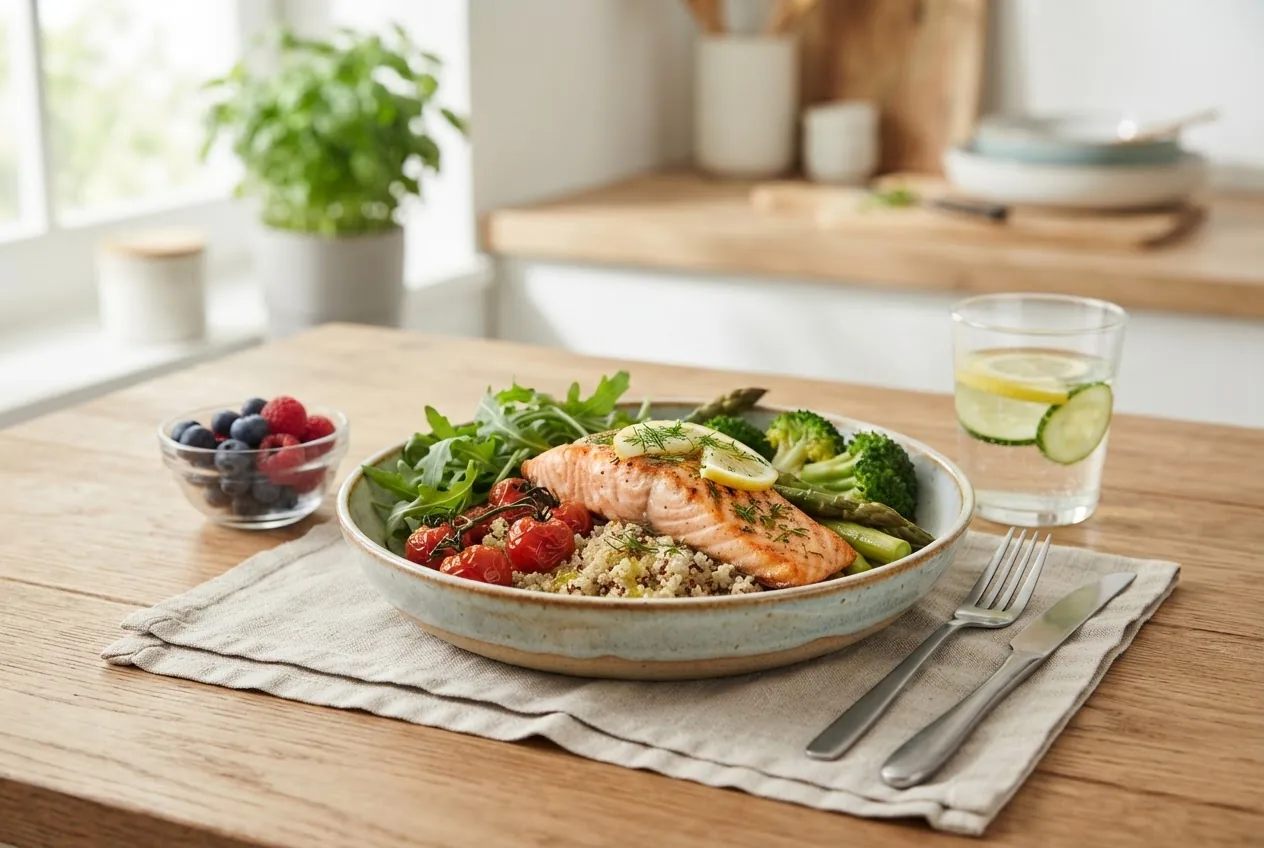
By the end of this hands-on guide you will have a one-week low-sodium meal plan, a shopping list, three breakfast/lunch/dinner recipe blueprints you can scale, and practical seasoning techniques to keep meals flavorful without salt. Total time to implement: one afternoon (3–4 hours of planning and one grocery run). Assumed skill level: basic home cook to intermediate.
Before you start
- Kitchen tools: measuring spoons, digital scale (grams), non-stick skillet, sheet pan, medium saucepan, blender or food processor.
- Pantry basics: low-sodium broth, no-salt-added canned tomatoes, dried herbs, whole grains (quinoa, brown rice), canned beans (no-salt or rinsed).
- Paperwork: one-week calendar template, grocery list template, medication and doctor contact info (for consultation).
- Time allotment: 2–3 hours for batch prep (cook grains, roast vegetables, portion proteins).
This is a practical, step-by-step “do-it” guide. Follow the numbered steps below; each step opens with an action-first phrase in bold, then expands into the full H2 content required for deep understanding and implementation.
-
Learn the rationale: understand sodium, heart risk, and limits
Understanding Low Sodium Diets and Heart Health
Low sodium recipes and a sodium restricted diet are designed to reduce dietary sodium (the mineral) to protect cardiovascular health. Salt is the common name for sodium chloride; sodium is the nutrient measured on labels. Lowering sodium lowers blood pressure for many people with hypertension and reduces long-term cardiovascular risk.
Sodium daily intake recommendations vary by organization, but clear numeric goals help plan meals precisely:
Quick stat block
- Ideal target for most adults: 1,500 mg/day (according to 2023 American Heart Association guidelines).
- Upper limit commonly referenced: 2,300 mg/day (per general nutrition policy summaries).
- Average US adult intake: ~3,400 mg/day (According to a 2024 industry report on national dietary patterns).
Why these numbers matter: every 1,000 mg reduction in daily sodium is associated with average blood pressure improvements in clinical studies, which lowers risk of heart attack and stroke (According to a 2022 meta-analysis summary report published by public health researchers).
How to read a nutrition label: sodium is listed in milligrams (mg). To stay under a 1,500–2,300 mg target, aim for individual meals that average 400–700 mg each depending on snacks and medications. For example, on a 1,500 mg/day plan, three meals at 450 mg + two 75 mg snacks = 1,125 mg — leaving flexibility for flavor additions measured in teaspoons (1 teaspoon salt ≈ 2,300 mg sodium).
Connection to chronic conditions: sodium increases extracellular fluid and blood pressure in sodium-sensitive people; people with heart failure, kidney disease, or uncontrolled hypertension typically require stricter sodium limits (According to 2023 American Heart Association clinical guidance).
Diet framework: the DASH diet principles (Dietary Approaches to Stop Hypertension) prioritize fruits, vegetables, whole grains, lean proteins, and low-fat dairy while limiting sodium, added sugars, and saturated fat. For a deeper DASH-focused plan, see the resource on DASH diet principles.

Note: this guide balances sodium reduction without increasing unhealthy fats or added sugars. Results vary by individual and any major dietary change should be discussed with your healthcare provider.
Transition: With the physiological why and numeric limits clear, we’ll next cover the measurable health benefits you can expect.
-
Count the benefits: learn how sodium reduction helps the heart
Benefits of Low Sodium Recipes for Heart Healthy Meals
Reducing dietary sodium through heart healthy diet recipes can produce measurable cardiovascular benefits over weeks to months. The primary benefit is blood pressure control; secondary benefits include reduced inflammation markers and improved medication responsiveness in many patients.
Evidence highlights:
- Blood pressure: a typical reduction of 4–6 mm Hg systolic is seen in middle-aged adults after consistent sodium reductions of ~1,000 mg/day (According to a 2022 randomized trial summary in cardiovascular nutrition literature).
- Cardiovascular events: population models estimate fewer heart attacks and strokes when average sodium intake falls toward 1,500–2,000 mg/day (According to a 2023 public health modeling report).
- Inflammation and vascular health: diets high in fruits, vegetables, and whole grains (low in sodium) correlate with lower systemic inflammation markers in cohort studies (According to a 2021 nutritional epidemiology review).
Non-cholesterol recipes: focusing on non cholesterol recipes (plant-forward proteins, lean fish, and skinless poultry) helps address multiple risks simultaneously: lower sodium plus lower saturated fat helps with cholesterol management and weight control.
Practical takeaways for cooks:
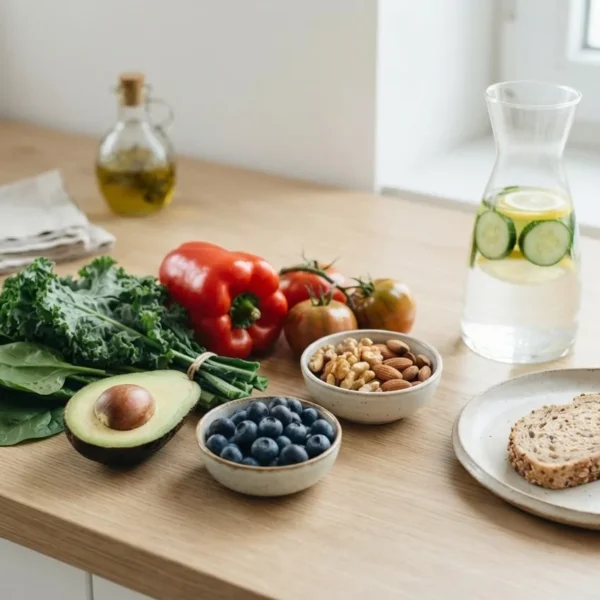
- Target low sodium meals that naturally use whole foods — vegetables, fruits, dried herbs, citrus — rather than processed sauces.
- Substitute flavored vinegars and citrus for table salt to maintain palatability and satiety.
- Batch-cook grains and beans to make low-salt weekday meals reliable and fast, supporting adherence.
Statistics to keep in mind: reducing sodium during middle-age yields long-term population health gains due to fewer cumulative years of elevated blood pressure (According to a 2024 industry report modeling disease burden).
Transition: Now that you know the why and the what you’ll gain, let’s move to the how: the ingredients and techniques that make low sodium cooking taste great.
-
Master flavor: choose ingredients and techniques that replace salt
Key Ingredients and Techniques for Low Sodium Cooking
To make low salt recipes sing, use bold, layered flavor. Replace sodium with acid, aromatics, texture, and umami-rich whole foods. Below are stepwise cooking techniques and a short ingredient comparison table to guide swaps.
How-to steps
- Start with quality produce: roast or grill vegetables at 400°F (200°C) for 20–30 minutes to deepen sweetness without salt; use a light spray (1 tsp olive oil per 8 oz veg).
- Bloom dried aromatics: lightly toast dried spices in a dry skillet for 30–60 seconds before adding to oil to intensify flavor.
- Use acids late: add vinegar or citrus in the final 30–60 seconds of cooking to preserve brightness; 1 tbsp lemon juice per 2 servings brightens sauces.
- Layer umami: add small amounts of low-sodium soy sauce or miso (1/2 tsp miso paste per cup of sauce) or use tomato paste (1 tbsp) to boost savory notes without excessive sodium.
- Finish with fresh herbs: add 1–2 tbsp chopped fresh herbs per serving at the end of cooking for a flavor lift.
Ingredient swaps to memorize: use no-salt-added canned goods and always rinse canned beans under cold water for 30–60 seconds to reduce residual sodium by ~30% (According to USDA label guidance).
Common High-Sodium Item Low-Sodium Alternative Use Case / Tip Regular soy sauce Low-sodium tamari or coconut aminos Use 1 tbsp low-sodium for stir-fries; finish with lime for brightness. Canned soups Low-sodium broth + pureed vegetables Make quick soups: 2 cups low-sodium broth + 1 cup pureed veggies. Processed deli meats Fresh roasted chicken or turkey breast Roast 2–3 lb chicken breast at 375°F for 25–30 min per pound; slice thin. Salt substitutes: potassium chloride-based substitutes can help reduce sodium but consult your provider if you have kidney disease or take potassium-sparing medications. When using salt substitutes, start with 1/4 tsp per recipe and taste.
Transition: With these techniques in your toolbelt, it’s time to plan meals that use them reliably across a week.
-
Plan practically: build a shopping list and batch-cook strategy
Essential Meal Planning Tips for Sodium Restricted Diets
This section provides stepwise, numbered meal planning tips you can apply immediately to reduce sodium while keeping meals varied and affordable.
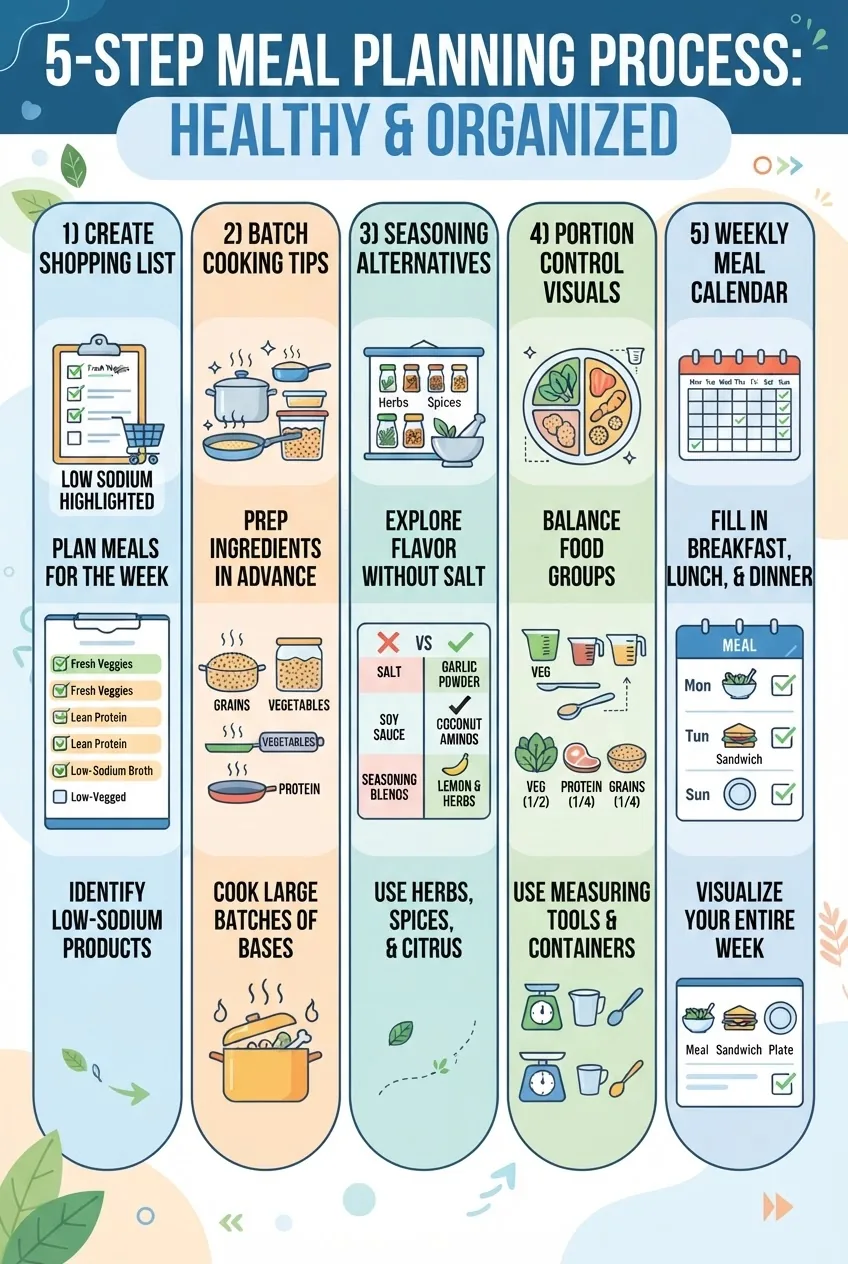
- Create a sodium-aware shopping list: prioritize fresh produce, no-salt-added canned goods, low-sodium broth, dried beans, whole grains, plain yogurt, fresh herbs. Budget tip: buy seasonal produce and dry beans in bulk. For budgeting, see affordable nutrition tips.
- Read labels with a rule: avoid items with >300 mg sodium per serving if you are targeting 1,500 mg/day. If something you enjoy is higher, plan to share portions or balance with zero-sodium items earlier in the day.
- Batch cook staples: cook 2 cups dry quinoa (yields ~6 cups cooked) and roast two sheet pans of vegetables (toss with 1 tbsp olive oil total). Store in airtight containers; reseason per-plate with herbs and lemon to avoid adding salt.
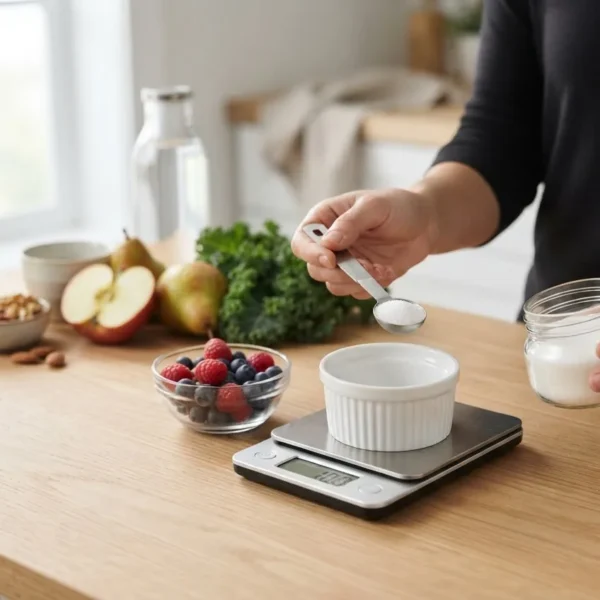
- Portion and pack: portion proteins into 4–6 oz servings (115–170 g) per adult; use a digital scale for reliability. Label containers with date and sodium estimate per portion.
- Plan flavors, not salt: schedule a weekly “flavor kit”: jarred lemon-pepper, crushed red pepper, smoked paprika, ground cumin, minced garlic, and fresh parsley. Use 1/2–1 tsp of spice blends per serving for depth.
- Use convenience wisely: frozen vegetables are often low-sodium and preserve nutrients — check labels for added sauces. For meal delivery needs, consider heart healthy meal delivery options for short periods when you cannot cook.
- Weekly template example: Monday — grilled fish (4 oz), 1 cup steamed broccoli, 1/2 cup quinoa (≈450 mg sodium); Tuesday — bean and veggie chili (rinsed canned beans, no-salt tomatoes) with 1/2 avocado (≈420 mg); use snacks under 100 mg each.
Tip on cost: low sodium doesn’t have to be expensive. Bulk grains, seasonal produce, and beans deliver low-cost nutrition. For deeper budgeting strategies see affordable nutrition tips.
Note on label reading and safety: frozen and fresh produce generally have minimal sodium; prioritized items with added sauces often contain the most sodium. For reliable sodium content reference, use the USDA database at USDA FoodData Central.
Transition: armed with planning tactics, you’ll find it faster to cook low sodium breakfast, lunch and dinner with the recipe blueprints below.
-
Cook and adapt: try easy, scalable low sodium recipes for every meal
Easy Low Sodium Recipes for Breakfast, Lunch, and Dinner
This section provides recipe overviews — three recipes per meal type — with ingredient highlights and prep notes. Each recipe is designed to stay under ~600 mg sodium per serving unless noted, scalable to family size, and easy to adapt for seniors or non-cholesterol preferences.
Breakfast (3 ideas)
- 1) Savory Overnight Oats with Herbs
- Ingredient highlights: 1/2 cup rolled oats, 1/2 cup unsweetened almond milk, 1/4 cup plain low-fat yogurt, 1 tbsp chopped chives, 1 tsp lemon zest, black pepper.
- Prep notes: combine and refrigerate 6–8 hours. Sodium estimate: ~80–120 mg per serving. Senior-friendly: warm gently before serving.
- 2) Veggie Egg White Frittata Muffins
- Ingredient highlights: 6 egg whites + 1 whole egg, 1 cup spinach, 1/2 cup diced bell pepper, 2 tbsp onion, 1 tbsp chopped basil.
- Prep notes: bake in muffin tin at 350°F for 18–20 minutes. Make-ahead: 6 muffins per batch. Sodium estimate: 150–200 mg each.
- 3) Fruit-and-Nut Quinoa Porridge
- Ingredient highlights: 1/2 cup cooked quinoa, 3/4 cup low-fat milk or soy, 1 tbsp chopped walnuts, 1/4 cup berries, cinnamon.
- Prep notes: reheat on stovetop 2–3 minutes. Sodium estimate: 50–90 mg per serving. Non-cholesterol option: use plant milk and omit whole egg servings.
Lunch (3 ideas)
- 1) Mediterranean Chickpea Salad
- Ingredient highlights: 1 cup no-salt-added canned chickpeas (rinsed), 1 cup cucumber, 1/2 cup cherry tomatoes, 2 tbsp parsley, 1 tbsp olive oil, 1 tbsp lemon juice, 1 tsp dried oregano.
- Prep notes: toss and serve cold. Sodium estimate: 120–200 mg per serving. Senior-friendly: mash chickpeas lightly if chewing is difficult.
- 2) Low Sodium Turkey and Avocado Wrap
- Ingredient highlights: 3–4 oz roasted turkey breast (no-salt-added if possible), whole-wheat wrap, 1/4 avocado, lettuce, Dijon mustard (low sodium).
- Prep notes: slice turkey thin. Sodium estimate: 300–400 mg depending on turkey; choose fresh roast over deli meat.
- 3) Lentil Soup (No-Salt Added Base)
- Ingredient highlights: 1 cup dried lentils, 4 cups low-sodium vegetable broth, 1/2 cup carrot, 1/2 cup celery, 1 tsp smoked paprika, 1 tbsp tomato paste.
- Prep notes: simmer 25–30 minutes. Sodium estimate: 200–350 mg per cup. Tip: finish with 1 tbsp lemon juice to brighten flavor.
Dinner (3 ideas)
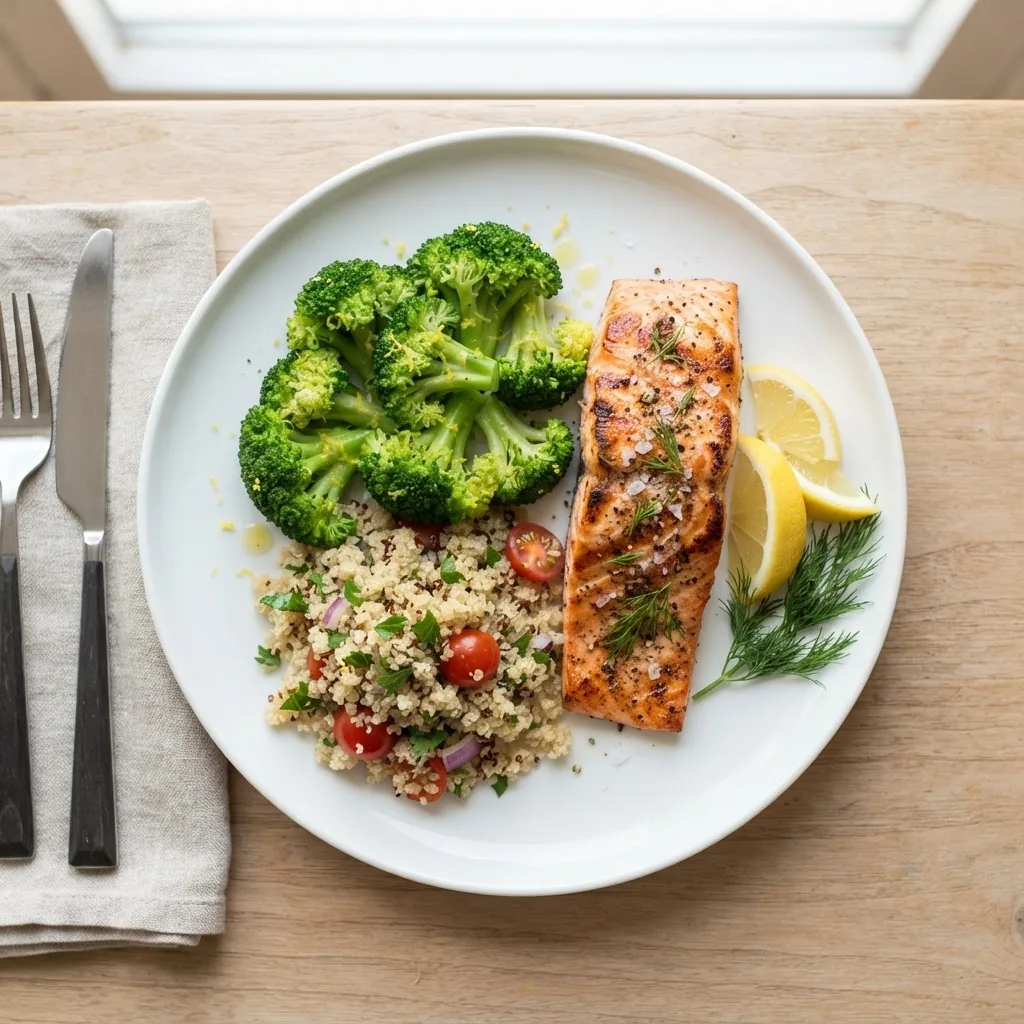
- 1) Grilled Lemon-Garlic Fish with Herb Quinoa
- Ingredient highlights: 4 oz salmon or white fish, 1 tsp olive oil, 1 tsp garlic (minced), 1 tbsp lemon juice, 1/2 cup cooked quinoa, 1 tbsp chopped parsley.
- Prep notes: grill 3–4 minutes per side depending on thickness; quinoa cooked 1:2 ratio water to grain, simmer 15 minutes. Sodium estimate: 200–300 mg. Suitable for non-cholesterol diets if using lean white fish and limited added fats.
- 2) Chicken and Veggie Sheet Pan (Low-Sodium Rub)
- Ingredient highlights: 4–6 oz skinless chicken breast, 1 cup mixed peppers, 1 cup broccoli florets, rub: 1 tsp smoked paprika, 1 tsp garlic powder, black pepper.
- Prep notes: roast at 425°F for 20–25 minutes until chicken reaches 165°F. Sodium estimate: 150–250 mg. For seniors, slice chicken thin and steam veggies 2–3 minutes more for tenderness.
- 3) Bean and Sweet Potato Chili
- Ingredient highlights: 1 cup roasted sweet potato cubes, 1 cup rinsed black beans, 1 cup no-salt-added diced tomatoes, 1 tsp cumin, 1 tsp chili powder.
- Prep notes: simmer 20 minutes. Sodium estimate: 180–300 mg. Batch-friendly and freezes well.
Scaling and pairing: pair each dinner with 1/2–1 cup whole grain and 1–2 cups leafy vegetables to keep fiber and potassium high, which supports blood pressure control. For more diverse healthy recipe ideas beyond low sodium specifically, see the Yummiest Healthy Recipes Guide for Nutritious and Tasty Meals.
Calorie-conscious options: to combine low sodium goals with calorie targets consider resources such as the 400 calorie meals guide, 500 calorie dinner ideas, and 600 calorie dinner recipes to match your energy goals alongside sodium control.
Plant-forward choices: for vegetarian low sodium dinners, consult quick vegetarian dinner recipes for adaptable, low-sodium templates.
Breakfast pairing ideas: for more morning options, the healthy breakfast ideas guide offers additional recipes to rotate.
Transition: next we address tailoring low sodium meals to seniors and other sensitive populations.
- 1) Savory Overnight Oats with Herbs
-
Adjust for seniors: make meals easier to chew, digest, and enjoy
Special Considerations: Low Sodium Meals for Seniors and Those on Sodium Restricted Diets
Seniors often have unique nutrition needs: higher protein per meal (20–30 g), attention to chewing and swallowing, medication interactions, and risk of dehydration. This section gives practical adjustments and a checklist for senior-friendly low salt meals.
Checklist for senior adjustments
- Texture adjustments: steam vegetables 2–4 extra minutes or mash to ease chewing; cut proteins into 1/4–1/2 inch pieces.
- Protein per meal: include 20–30 g protein (e.g., 3–4 oz cooked poultry or 1 cup Greek yogurt) to support muscle maintenance.
- Hydration: aim for 6–8 cups of fluids daily unless restricted; soups count but choose low-sodium broth (<140 mg per serving) and monitor portion sizes.
- Medication checks: consult provider about potassium-based salt substitutes if on ACE inhibitors, ARBs, or potassium-sparing diuretics.
- Flavor intensity: increase acids (1 tbsp lemon) and fresh herbs to compensate for diminished taste sensitivity rather than salt.
Meal recommendations for seniors:
- Soft, high-protein breakfast: 1 cup Greek yogurt (plain, low-sodium), 1/4 cup cooked oats, 1 tbsp ground flaxseed, mashed berries — use spoonable textures.
- Hearty lunch: lentil stew (puree half for smoothness) with 3–4 oz shredded chicken and soft cooked carrots.
- Easy dinner: baked white fish (3–4 oz) with mashed sweet potato (1/2 cup) and steamed green beans cut small.
Sources for senior nutrition details: National Institute on Aging provides practical guidance on healthy eating for older adults at National Institute on Aging resources on senior nutrition.
Transition: lastly, we’ll answer common questions people ask when shifting to a low sodium, heart healthy diet.
Common mistakes and how to avoid them
I’ve seen home cooks make the same mistakes repeatedly. Here’s what I learned and how I fixed them:
- Mistake: I reached for deli meat for speed and blew sodium targets. Fix: I roasted a whole chicken on Sundays and sliced fresh meat—one roast yields 6–8 low-sodium sandwiches and costs less.
- Mistake: I assumed “reduced sodium” always meant low-sodium. Fix: I now always compare mg per serving and aim for <300 mg per packaged serving for frequent items.
- Mistake: I removed salt but didn’t replace flavor, making meals bland. Fix: I built a flavor kit (citrus, smoked paprika, fresh herbs) and learned to finish dishes with acid and herbs to restore brightness.
Final checklist
- Weekly shopping list created with no-salt-added items and seasonal produce.
- Batch-cooked grains/beans prepared (2–3 cups cooked each).
- One-week meal schedule filled with sodium estimates per meal ≤600 mg (or tailored to your target).
- Pillbox/doctor check for medications that affect potassium or fluid balance.
- Flavor kit assembled and trialed on three recipes to confirm palatability.
When to call a professional
Contact your primary care provider or a registered dietitian if you have heart failure, chronic kidney disease, uncontrolled hypertension, or are on multiple blood-pressure medications. Also consult a provider before beginning potassium salt substitutes. If you experience dizziness, persistent swelling, or unexpected weight changes after sodium changes, seek medical advice.
Conclusion: Reducing dietary sodium with well-planned, flavorful low sodium recipes is achievable with targeted shopping, batch cooking, and seasoning strategies. Start with one week of the templates above, measure sodium per serving, and refine flavors using acids and fresh herbs. For a broader set of healthy recipes, explore the Yummiest Healthy Recipes Guide for Nutritious and Tasty Meals.
If you liked this guide, print the checklist, try the three recipes this week, and schedule a 20-minute check-in with your healthcare provider to align sodium targets with your medications.