
weekly meal planner recipes give busy families a clear roadmap to nutritious, simple dinners and breakfasts all week. This guide delivers practical weekly meal plans, family-friendly recipes, and step-by-step planning advice so you can save time, reduce stress, and eat healthier together.
Introduction to Weekly Meal Planner Recipes for Healthy Families
Meal planning transforms chaotic evenings into calm, nourishing routines. This article shows how to use weekly meal planner recipes to create healthy family menus that balance nutrition, taste, variety, and time. You’ll get full weekly menu examples, tools for portion control, budget strategies, and real-life stories showing how planning changed family meals.
Why this matters: family meals support better nutrition and routine—small, consistent changes are powerful. According to the 2025 USDA Dietary Guidelines, consistent family meals with varied whole foods improve nutrient intake across age groups. For broader resources, check the yummiest healthy recipes guide with nutrition facts and tips.
Structure of this guide: practical how-to steps, nutritional principles, sample weekly menus (with breakfast, lunch and healthy supper meal plans), healthy Sunday dinners, semi-healthy options, kitchen tools, budget ideas, and solutions to common challenges—designed for families of all sizes.
How to Create a Balanced Weekly Meal Plan for Your Family
Transition: Start with a realistic system and adapt it weekly—small consistency beats perfect planning.
-
Set a realistic planning time and template.
Pick one weekly planning session—Sunday afternoon often works—and block 30–60 minutes. Use a simple template that lists breakfasts, lunches, dinners, snacks, and “prep tasks” per day. Treat the plan as a flexible roadmap, not a rigid schedule.
-
Define your family’s nutrition and schedule priorities.
Do you need faster weeknight meals, more vegetables, higher protein for active kids, or budget constraints? Decide the top 3 priorities and let them guide menu choices and grocery shopping to avoid decision fatigue.
-
Apply meal variety and rotation.
Rotate flavors, cooking methods, and food groups across the week to prevent boredom. For example, pair a roast, a stir-fry, a pasta, a baked fish, and a vegetarian meal over five dinners. Swap ingredients seasonally to keep costs and freshness in check.
-
Balance food groups and portion sizes.
Balance meals around vegetables, lean proteins, whole grains, and healthy fats. Follow portion control guidelines per age and activity level (see “Key Nutritional Principles” below). Use visual cues: half the plate vegetables, one quarter lean protein, one quarter whole grains.
-
Plan for leftovers and repurposing.
Intentionally schedule nights for leftovers or repurposed dishes to save time. Example: roast chicken Sunday becomes chicken tacos Monday and chicken salad Tuesday. This reduces waste and stretches budget-friendly proteins.
-
Mix quick base recipes with one “centerpiece” cooked item.
Each week choose one larger cook (roast, batch of grains, soup) that provides 2–3 meals; pair with quickly assembled sides (salad, steamed veg, whole-grain bread) to create diverse plates with minimal cooking time.
-
Use theme nights to simplify decisions.
Theme nights—Meatless Monday, Taco Tuesday, Slow-Cooker Sunday—reduce decision load and make grocery lists predictable. Themes help ensure meal variety and are easy to involve kids in planning.
-
Make a smart grocery list from the plan.
Organize your list by store sections and cross-check pantry items before shopping. Group perishables toward the start of the week in your menu to avoid spoilage and plan freezer meals for later in the week.
-
Prep strategically; not everything needs pre-cooking.
Chop vegetables, wash greens, cook a grain or protein, portion snacks, and pre-mix sauces or marinades. Prioritize tasks that save the most time on busy nights—overnight soak for beans, marinate chicken, or pre-roast vegetables.
-
Review and iterate weekly with brief family feedback.
Quickly note what worked (kid-approved meals, time savers) and what didn’t (leftovers wasted). Use this feedback to swap recipes and tweak portion sizes the next week.
Practical planning tip: color-code your template for adults, kids, and snacks so each meal meets everyone’s needs without separate cooking. If you want more specific week-day lunch strategies, see our easy lunch meal prep guide.
Key Nutritional Principles for Family Meal Planning
Transition: With your planning structure set, these core nutrition rules will keep meals balanced and health-focused.
Macro and micronutrient basics: aim for a mix of carbohydrates (prefer whole grains and starchy vegetables), lean proteins (poultry, fish, legumes), and healthy fats (olive oil, avocado, nuts). Include color and variety for micronutrients—bright vegetables and fruit provide vitamins, minerals, and fiber.
Portion control: use family-appropriate portions based on age and activity. For adults, typical plate guidance is half vegetables, one quarter lean protein, one quarter whole grains; for children, reduce portion sizes proportionally and include snacks to meet needs.
Healthy fats and proteins: choose unsaturated fats and lean proteins. Swap fatty processed meats for grilled chicken, beans, or fish twice weekly. According to the 2025 USDA Dietary Guidelines, adults should prioritize plant-based proteins and seafood for heart and brain health.
Food safety and allergies: store cooked foods within two hours, cool and refrigerate promptly, and label leftovers with dates. If anyone has allergies or medical conditions, consult a registered dietitian or healthcare provider—this guide provides general healthy eating suggestions, not medical advice.
Planning Meals for Different Family Sizes: Focus on Healthy Meals for Three
Transition: Tailoring portions and recipes keeps waste low and flavors high—especially useful for families of three.
Cooking for three requires portion adjustment and flexible recipes that scale. Here are practical strategies:
- Choose recipes divisible by three or easy to halve/third. For example, roast a smaller chicken or buy two chicken breasts instead of a whole bird.
- Use ingredient swaps to avoid leftovers that go bad. If a recipe serves four, plan a deliberate second meal (e.g., use extra vegetables in a frittata) rather than throwing away extras.
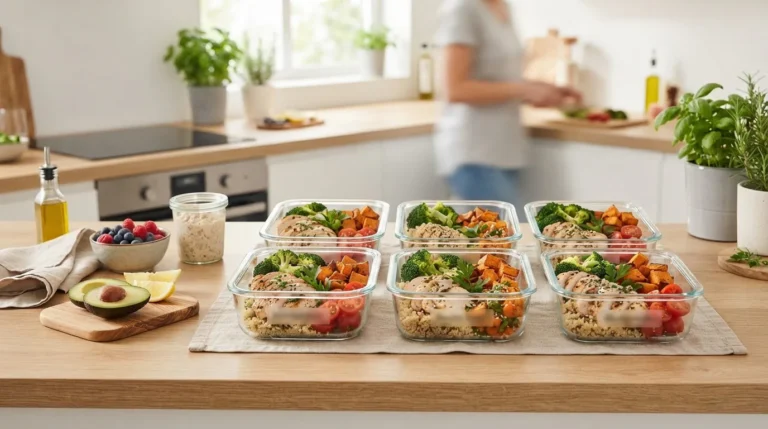
- Batch-cook base ingredients (grains, beans) and portion into three-serving containers for quick assembly across several meals.
Example: Healthy meals for three weekly pattern—prepare 1 cup uncooked quinoa (yields ~3 cups cooked) for three dinners, cook 3–4 chicken breasts and reheat for another two meals, and roast a tray of mixed vegetables to accompany dinners. If you want ideas for smaller family dinners, adapt recipes from our healthy dinner recipes for 2 by increasing a single component to suit three.
Weekly Meal Planner Recipes: Sample Menus and Ideas
Transition: Below are five complete weekly menus—each includes breakfasts, lunches, dinners, and supper highlights—designed to be practical, varied, and family-friendly.
Each weekly plan assumes family-style dinners with portions adjustable for family size; breakfasts and lunches emphasize make-ahead and quick options. Swap proteins and sides to fit preferences and seasonal produce.
-
Week 1: Classic Balanced Week (Family of 4)
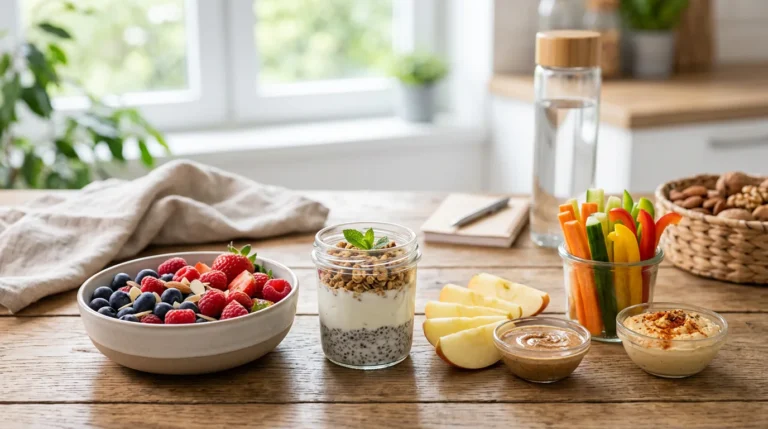
Breakfasts: Overnight oats with berries and chopped nuts (make 4 jars). Quick scrambled eggs with spinach on toast.
Lunches: Mason jar salads (grain base, protein, greens) and turkey-avocado wraps (prepare turkey and veg on Sunday). Leftovers from dinner twice weekly.
Dinners (healthy supper meal plans focus):
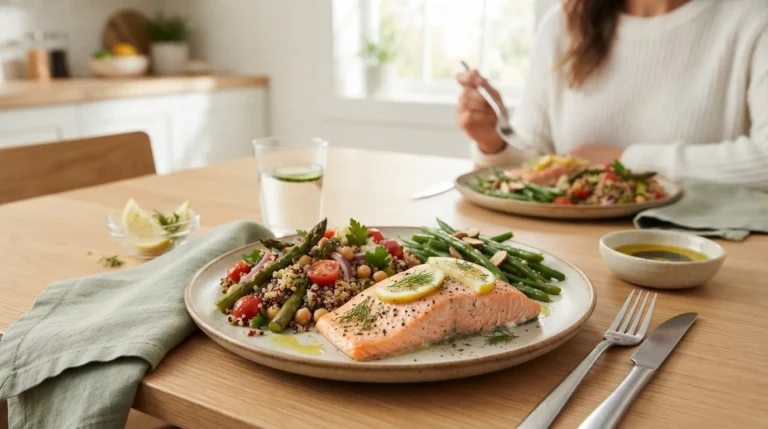
- Monday: Baked salmon with lemon-herb quinoa and steamed broccoli. (Prep: marinate salmon night before)
- Tuesday: Chicken and vegetable stir-fry over brown rice (use pre-cooked rice). healthy chicken breast recipes for high protein meals
- Wednesday: Veggie-loaded turkey chili with side cornbread.
- Thursday: Whole-wheat pasta with marinara, spinach, and turkey meatballs.
- Friday: Homemade pizza night with whole-grain crust, part-skim mozzarella, and colorful vegetable toppings.
- Saturday: Grilled shrimp tacos with cabbage slaw and avocado.
- Sunday: Healthy Sunday dinner — roast chicken, root vegetables, green salad (detailed in Sunday dinner section).