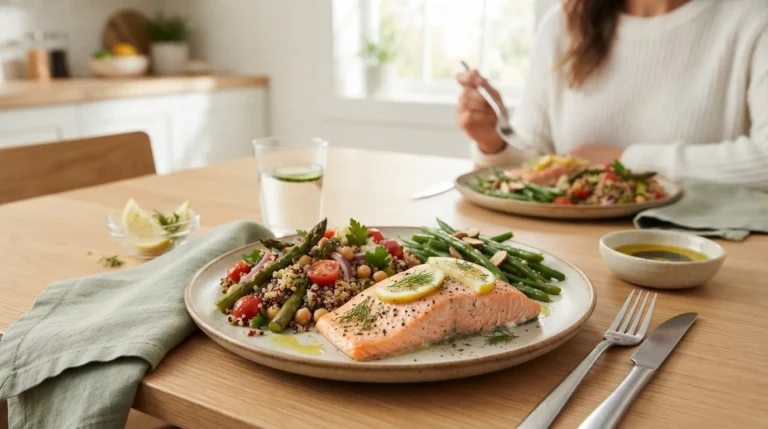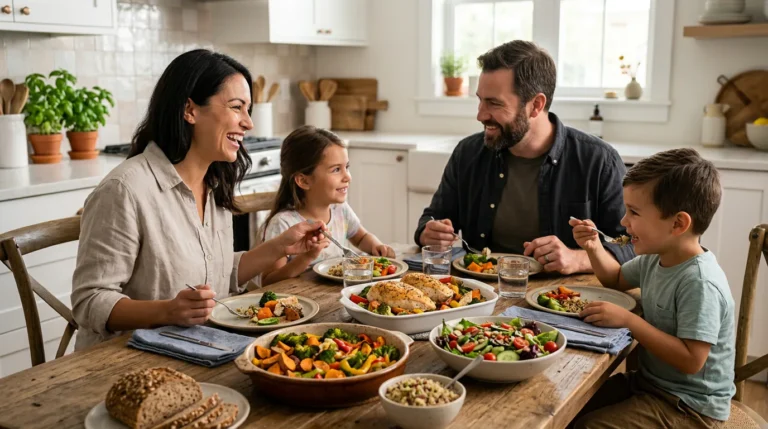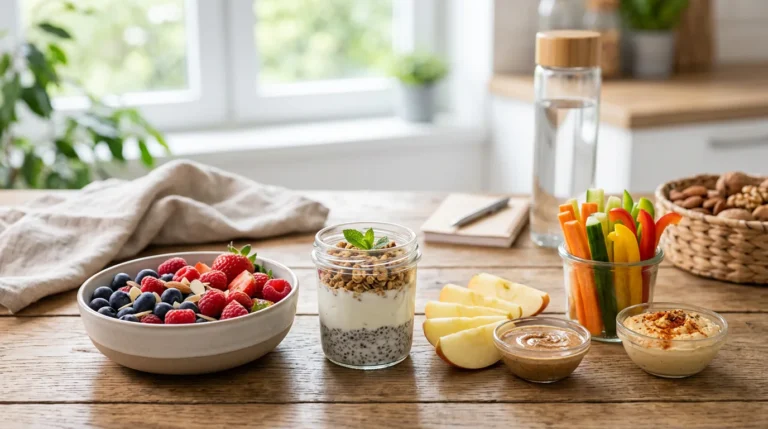
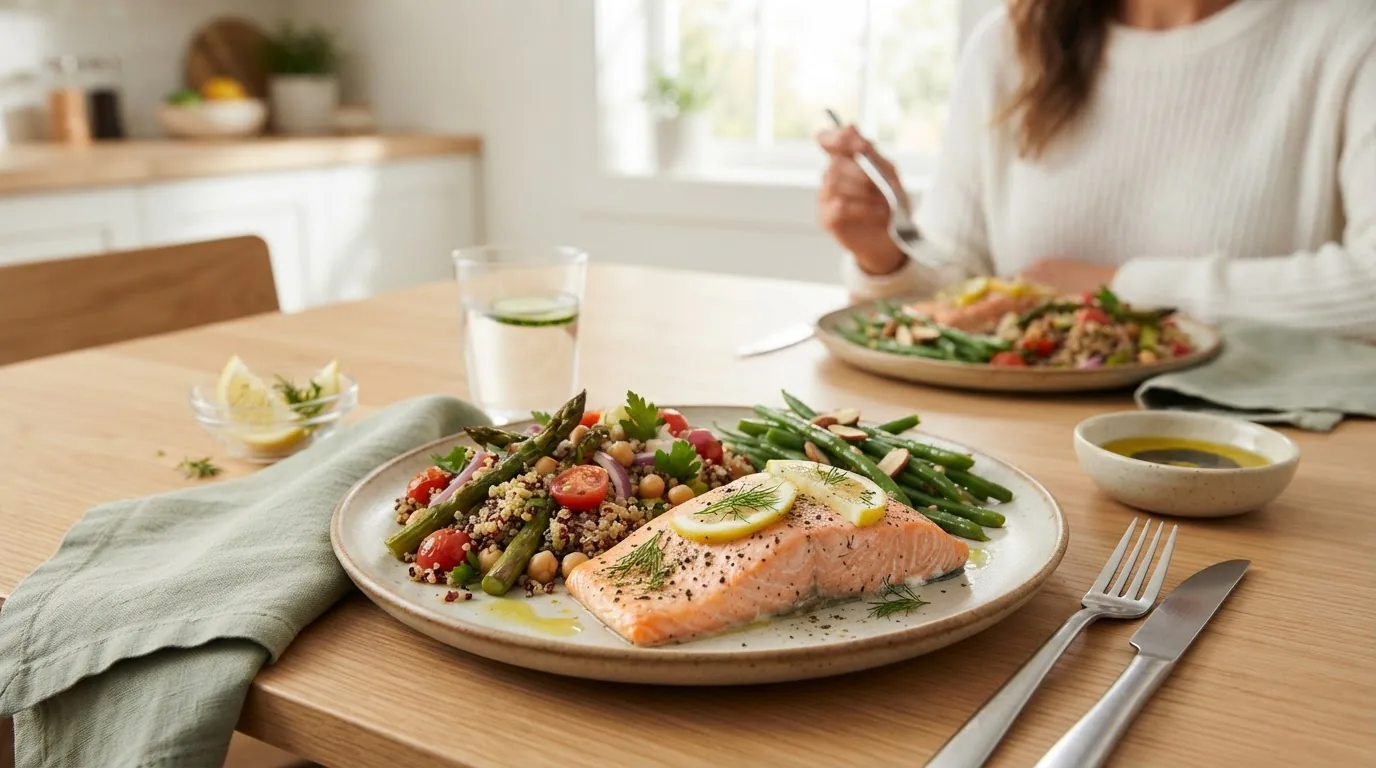
Low cholesterol recipes can transform dinnertime into a powerful tool for heart health without sacrificing flavor. This guide delivers practical, science-backed dinner and meal ideas you can cook tonight to help lower or maintain low cholesterol levels.
Understanding Low Cholesterol Recipes and Their Benefits
When people say “low cholesterol recipes,” they mean meals designed to reduce exposure to dietary components that raise blood cholesterol—especially low-density lipoprotein (LDL)—and to include foods that actively help lower LDL or raise high-density lipoprotein (HDL) where possible. These recipes focus on soluble fiber, unsaturated fats, lean proteins, plant-based ingredients and heart-friendly cooking methods.
Why this matters: elevated LDL is a major risk factor for atherosclerosis and heart disease. According to the American Heart Association (2024), dietary strategies that reduce saturated fat and increase soluble fiber can meaningfully lower LDL cholesterol. Research summarized by the National Institutes of Health (NIH) shows dietary pattern changes can lower LDL by 5–15% within weeks to months depending on adherence and baseline risk (NIH review, 2023).
Core benefits of low cholesterol recipes:
- Reduced LDL exposure by swapping saturated fats for unsaturated fats.
- Improved blood lipid profile through soluble fiber and plant sterols.
- Lower inflammation and better weight control when combined with portion control.
Practical stat blocks (quick reference):
- Average LDL reduction from diets rich in soluble fiber and plant stanols: ~5–10% after 6–12 weeks (meta-analysis summary, 2022).
- Replacing 5–10% of daily calories from saturated fat with polyunsaturated fat reduces heart disease risk by ~10% (American Heart Association guidance, 2024).
- Soluble fiber targets: 5–10 grams per meal can help improve cholesterol control (USDA dietary guidance summary, 2023).
For foundational recipe techniques and nutrition tracking, see the Yummiest Healthy Recipes Guide with Nutrition Facts and Tips.
Transition: Now that you understand the benefits, let’s cover exactly which ingredients to prioritize—or avoid—when building cholesterol-friendly dinners.
Key Ingredients to Include and Avoid in Low Cholesterol Diet Recipes
Choosing the right ingredients is the fastest way to make weeknight dinners heart-healthy. Below is a detailed list of cholesterol friendly ingredients to include and common foods to avoid, plus why they matter.
Include: Soluble-fiber rich foods
- Oats and oat bran — add to soups, casseroles or make a savory oat risotto. Soluble fiber binds bile acids and helps lower LDL (meta-analysis, 2021).
- Legumes: beans, lentils, chickpeas — high in soluble fiber and plant protein; great in stews, salads, and tacos.
- Fruits high in pectin: apples, berries, citrus — excellent for desserts, salsas and side salads.
Include: Plant-based proteins and lean proteins
- Tofu, tempeh, edamame — versatile and naturally free of cholesterol.
- Fatty fish: salmon, mackerel, sardines — rich in omega-3s that support heart health; aim for 2 servings weekly per American Heart Association (2024).
- Lean white-meat poultry and plant-based meat substitutes — choose skinless preparations and minimal added saturated fats.
Include: Cholesterol-friendly fats
- Extra-virgin olive oil — heart-healthy monounsaturated fat for dressings and low-heat cooking.
- Avocado — use as a spread or in salads to replace butter/cream.
- Nuts and seeds — walnuts, almonds, chia and flaxseed add omega-3s and phytosterols.
Include: Whole grains and seeds
- Whole-grain pasta, brown rice, barley and quinoa — provide fiber and micronutrients.
- Flax, chia and psyllium — add to smoothies, yogurt or baking to increase soluble fiber content.
Include: Flavor-forward, low-sodium seasonings
- Garlic, herbs, citrus, vinegar, chili flakes — boost flavor without relying on butter or cream.
Avoid or limit: High-saturated-fat and cholesterol-rich foods
- Fatty red meats, full-fat dairy, butter, lard — these raise LDL when consumed frequently.
- Processed meats (sausage, bacon, deli meats) — often high in saturated fat and sodium.
- Baked goods and fried fast food high in trans fats — avoid partially hydrogenated oils.
Avoid or limit: Added sugars and refined carbs
Refined carbohydrates and excess added sugars can reduce HDL and worsen triglycerides. Replace with whole-grain or lower-glycemic options.
Include: Functional compounds
- Phytosterols — found in nuts, seeds and fortified foods — can lower LDL when consumed regularly.
- Soluble fiber — again, critical: oat beta-glucan, psyllium, legumes, and fruits.
Cooking oils: choose unsaturated options (olive, canola, avocado). Avoid heating polyunsaturated oils at very high heat to prevent oxidation. For frying, prefer air-frying or oven-baking to deep frying.
Practical shopping tips:
- Check labels for saturated fat and trans fat content; choose items with lower saturated fat and zero trans fat.
- Buy canned beans and low-sodium broths; rinse canned beans to reduce sodium.
- Plan meals around beans, fish, whole grains and vegetables to keep costs manageable and nutrition high.
Transition: Armed with ingredient knowledge, here are simple dinner recipes you can try tonight that follow these principles.
Easy Low Cholesterol Dinner Recipes to Try Tonight
These quick, cholesterol-busting recipes are designed for weeknight ease: minimal prep, high in soluble fiber and healthy fats, and suitable for varied diets. Each includes main ingredient highlights and quick notes for swaps or portion control.
-
1. Baked Salmon with Oat-Crust and Lemon-Dill Yogurt
Main highlights: salmon (omega-3s), oats (soluble fiber crust), Greek yogurt (low-fat) with lemon-dill. Prep time: 20–30 minutes. Swap: use mackerel or trout if preferred.
Why it works: fatty fish supports HDL and cardiovascular health; the oat crust adds soluble fiber that helps lower LDL.
-
2. Mediterranean Chickpea & Quinoa Bowl
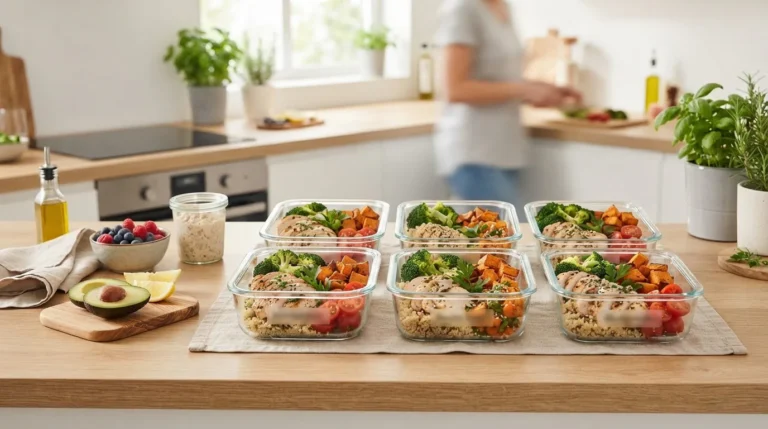
Main highlights: chickpeas and quinoa (fiber and plant protein), cherry tomatoes, cucumber, olives, olive oil, lemon. Prep time: 15–20 minutes (using cooked quinoa). Great for meal prep.
Complementary inspiration: try easy lunch meal prep ideas for cook-once, eat-twice strategies.
-
3. Lentil Bolognese over Whole-Grain Spaghetti
Main highlights: lentils (soluble fiber), crushed tomatoes, carrots, onions, whole-grain pasta. Prep time: 30–40 minutes. Swap: use zucchini noodles for lower-carb option.
Why it works: lentils add cholesterol-lowering soluble fiber and replace higher-fat ground meats.
-
4. Grilled Lemon Herb Chicken with Roasted Vegetables
Main highlights: skinless chicken breast (lean protein), olive oil, mixed root vegetables, herbs. Prep time: 25–35 minutes.
For more heart-healthy poultry options, see healthy chicken breast recipes.
Portion hint: 3–4 oz cooked chicken per plate with 1–2 cups of vegetables.
-
5. Black Bean & Sweet Potato Tacos with Avocado Crema
Main highlights: black beans (fiber), sweet potato (fiber + vitamin A), avocado (monounsaturated fats). Prep time: 20–25 minutes.
Why it works: plant-based fiber plus healthy fats keep you full and support cholesterol goals.
-
6. Warm Farro Salad with Roasted Brussels Sprouts and Walnuts
Main highlights: farro (whole grain), Brussels sprouts, walnuts (omega-3 ALA), lemon vinaigrette. Prep time: 30–35 minutes.
For more plant-forward dinners, explore quick vegetarian dinner recipes.
-
7. Hearty Minestrone with Barley and White Beans (Cold-Weather Comfort)
Main highlights: barley (soluble fiber), white beans, tomatoes, leafy greens. Prep time: 40 minutes; excellent leftover properties. Swap beans for lentils for quicker cook time.
Seasonal adaptation: check comforting winter low cholesterol recipes for soup variations.
Taste and ease tips: use fresh herbs, citrus and a small amount of good olive oil to bring flavor without heavy creams or butter. For quick weeknight prep, make sauces and grains on the weekend.
Transition: If you prefer lower-carb dinners while still targeting cholesterol improvement, consider these low-carb low cholesterol recipes and how they compare.
Low Carb Low Cholesterol Diet Recipes for Weight and Cholesterol Management
Low carb diets can improve triglycerides and HDL in some people, but the quality of fats and proteins matters. Below table compares four low-carb, cholesterol-friendly dinner options and then describes each briefly.
| Recipe | Main Protein | Carb Level | Cholesterol-Friendly Notes |
|---|---|---|---|
| Grilled Salmon & Cauliflower Mash | Salmon | Low | Omega-3 rich; replaces high-carb sides with vegetable mash |
| Zucchini Noodles with Pesto & Shrimp | Shrimp | Very Low | Uses olive oil pesto (unsaturated fats); shrimp is lean protein |
| Turkey-Stuffed Bell Peppers (cauliflower rice) | Ground Turkey (lean) | Low | Lean protein, lots of fiber from peppers and cauliflower |
| Eggplant Lasagna with Lentil “Bolognese” | Plant-based (lentils) | Moderate-Low | Eggplant reduces carbs; lentils add soluble fiber |
Short meal descriptions and why they fit:
- Grilled Salmon & Cauliflower Mash — Swap mashed potatoes for cauliflower to cut carbs and calories while keeping healthy omega-3 fats that support heart health.
- Zucchini Noodles with Pesto & Shrimp — A fresh, low-carb alternative that uses olive oil-based pesto to add monounsaturated fats instead of cream.
- Turkey-Stuffed Bell Peppers — Use lean ground turkey and cauliflower rice for a satisfying low-carb plate with high vegetable volume and fiber.
- Eggplant Lasagna with Lentil “Bolognese” — Lower-carb layers with cholesterol-lowering lentils in place of higher-fat meats.
For more ideas that work across dayparts, see healthy meals for lunch and dinner.
How low-carb affects cholesterol: Low-carb diets often lower triglycerides and raise HDL, but if the diet replaces carbs with saturated fats, LDL can increase. Focus on unsaturated fats (olive oil, nuts, avocado) and plant proteins to get the weight and cholesterol benefits simultaneously (Dietary review, NIH, 2022).
Transition: Now let’s translate ingredients and meal choices into cooking techniques that preserve heart-friendly nutrients and maximize flavor.
Recipes to Help Lower Cholesterol with Heart-Healthy Cooking Tips
These are practical how-to steps and tips to make your recipes more effective at lowering cholesterol while keeping them delicious and simple.
How-to: Build a heart-healthy dinner plate
- Fill half the plate with non-starchy vegetables (roasted, steamed, or sautéed in olive oil).
- Reserve one-quarter for lean proteins or plant proteins (3–4 oz cooked portion).
- Use the remaining quarter for whole grains or starchy vegetables (brown rice, quinoa, sweet potato).
Cooking techniques that matter
- Roasting and grilling: add deep flavor without heavy sauces.
- Sautéing in olive oil at moderate heat: keeps fats healthy and limits oxidized lipids.
- Steaming and poaching: preserve nutrients in fish and vegetables with minimal added fat.
- Baking with whole-grain coatings (oat crusts) instead of frying.
Ingredient swap methodology (step-by-step)
- Identify the high-saturated-fat ingredient (butter, cream, fatty meat).
- Find the comparable texture/flavor alternative (olive oil, low-fat yogurt, legumes).
- Adjust cooking time and seasoning to account for different moisture and flavor profiles.
- Test small batch swaps and note taste trade-offs — often herbs and citrus compensate well.
For weekly lean-protein prep ideas, see chicken meal prep ideas.
Practical tips from kitchen experience
- Make larger batches of whole grains and beans to speed up dinners across the week — they store well and retain fiber benefits.
- Use citrus zest and toasted seeds to add richness without saturated fats.
- Freeze portioned sauces and stews in meal-sized containers for fast reheating.
Sauce and dressing hacks
- Use blended white beans or plain low-fat yogurt as a creamy base for dressings instead of mayonnaise or cream.
- Make vinaigrettes with 1 part acid (vinegar/citrus) to 3 parts extra-virgin olive oil and add mustard for emulsification — less oil overall keeps calories in check.
Transition: If you want a ready-made plan, here’s a week of cholesterol-friendly dinners with portion hints and variety to keep you on track.
Sample Cholesterol Friendly Dinner Menu Plan for a Week
This weekly plan balances soluble fiber, lean proteins, plant-based meals, and healthy fats. Portions are general guidelines—adjust to personal energy needs and goals.
| Day | Dinner | Description & Portion Hints |
|---|---|---|
| Monday | Grilled Salmon with Mediterr. Quinoa Salad | Salmon 4 oz; 1 cup cooked quinoa salad; 1–2 cups greens. Omega-3 boost; whole grains. |
| Tuesday | Lentil Bolognese over Whole-Grain Spaghetti | 1–1.5 cups lentil sauce; 1 cup pasta; side salad. Fiber-forward, pasta portion controlled. |
| Wednesday | Roasted Chicken Breast with Farro & Greens | Skinless chicken 3–4 oz; 3/4 cup cooked farro; roasted vegetables. Lean protein night. |
| Thursday | Black Bean & Sweet Potato Tacos | 2 corn tortillas; 3/4 cup beans+sweet potato; avocado slice. Plant-based and filling. |
| Friday | Shrimp & Zucchini Noodles with Olive Oil Pesto | Shrimp 4 oz; 2 cups zoodles; light pesto. Low carb option, high flavor. |
| Saturday | Warm Farro Salad with Walnuts & Roasted Veg | 1–1.5 cups salad; add 1/4 cup walnuts. Weekend comfort with heart-healthy fats. |
| Sunday | Minestrone with Barley and White Beans | 2 cups soup; side of whole-grain roll if desired. Great leftover-friendly meal. |
For portion and cost adjustments for two people, see healthy dinner recipes for two. For budget-friendly ingredient ideas, check How to Eat Healthy on a Budget.
Menu tip: batch-cook whole grains and beans at the start of the week; freeze single portions of soups for easy reheating. Track one to two measurable changes (e.g., swap butter for olive oil, add legumes twice weekly) and evaluate results after 6–12 weeks.
Transition: Real-life adherence comes with hurdles — here’s how to tackle common challenges so you stick with heart-healthy cooking.
Common Challenges When Following Low Cholesterol Recipes and How to Overcome Them
- Problem: Recipes taste bland after removing butter or cream. Solution: Build flavor with roasted garlic, citrus, fresh herbs, and spices; use umami-rich ingredients like mushrooms and sun-dried tomatoes.
- Problem: Time constraints for cooking legumes or whole grains. Solution: Use canned low-sodium beans (rinsed), quick-cook whole grains, or batch-cook and freeze portions.
- Problem: Eating out with limited options. Solution: Choose grilled lean proteins, ask for dressings on the side, and request vegetables or salads instead of fries.
- Problem: Family resistance to plant-based meals. Solution: Start with hybrid dishes (e.g., lentil meat sauces, turkey+bean tacos) and involve family in recipe choice and seasoning adjustments.
- Problem: Budget constraints. Solution: Use seasonal vegetables, frozen fish or beans, and plan meals around legumes and whole grains which are cost-effective and filling.
- Problem: Tracking nutrition and portion sizes. Solution: Use a simple food scale or measuring cups for initial weeks and a nutrition app to track soluble fiber and saturated fat intake.
Transition: Below are concise answers to common questions readers often ask about recipes for cholesterol control.
Frequently Asked Questions
What are low cholesterol recipes and why are they important?
Low cholesterol recipes prioritize foods and cooking methods that lower LDL or limit dietary cholesterol and saturated fat—using soluble-fiber foods, lean proteins, and healthy fats—to reduce heart disease risk and improve blood lipid profiles within weeks to months.
How do low cholesterol dinner ideas differ from regular recipes?
Low cholesterol dinners replace saturated fats and processed meats with legumes, whole grains, fatty fish, and plant-based fats, increase soluble fiber, and emphasize portion control and heart-healthy cooking techniques like roasting and steaming.
Can low carb diets help reduce cholesterol levels?
Low carb diets can lower triglycerides and raise HDL, but benefits depend on fat quality—replacing carbs with unsaturated fats and lean proteins supports cholesterol goals, while saturated-fat-heavy low-carb plans may increase LDL.
How do I prepare easy recipes to lower cholesterol at home?
Batch cook whole grains and legumes, keep ready-to-use vegetables, swap butter for olive oil, use herbs and citrus for flavor, and follow simple recipes like baked salmon, lentil bolognese, and chickpea bowls for quick weeknight dinners.
How long does it take to see cholesterol improvements after changing my diet?
Many people see measurable LDL reductions within 6–12 weeks of consistent dietary change; magnitude depends on baseline levels and adherence—pair dietary changes with activity for better results (clinical reviews, 2023).
What are common mistakes when following recipes to control cholesterol?
Common mistakes include replacing carbs with saturated fats, underestimating portion sizes, relying on processed “low cholesterol” convenience foods, and skipping soluble-fiber sources like oats and legumes.
Are all plant-based recipes automatically good for lowering cholesterol?
Not always—some plant-based foods (for example, fried foods, refined grain products, and coconut oil–heavy dishes) can be high in saturated fat or low in fiber; prioritize whole, minimally processed plant foods for cholesterol benefits.
How can I ensure my low cholesterol recipes are safe and nutritious?
Balance meals with vegetables, whole grains, lean or plant proteins, and unsaturated fats; monitor saturated fat and sodium, follow food safety practices, and consult a healthcare provider when making major dietary changes.