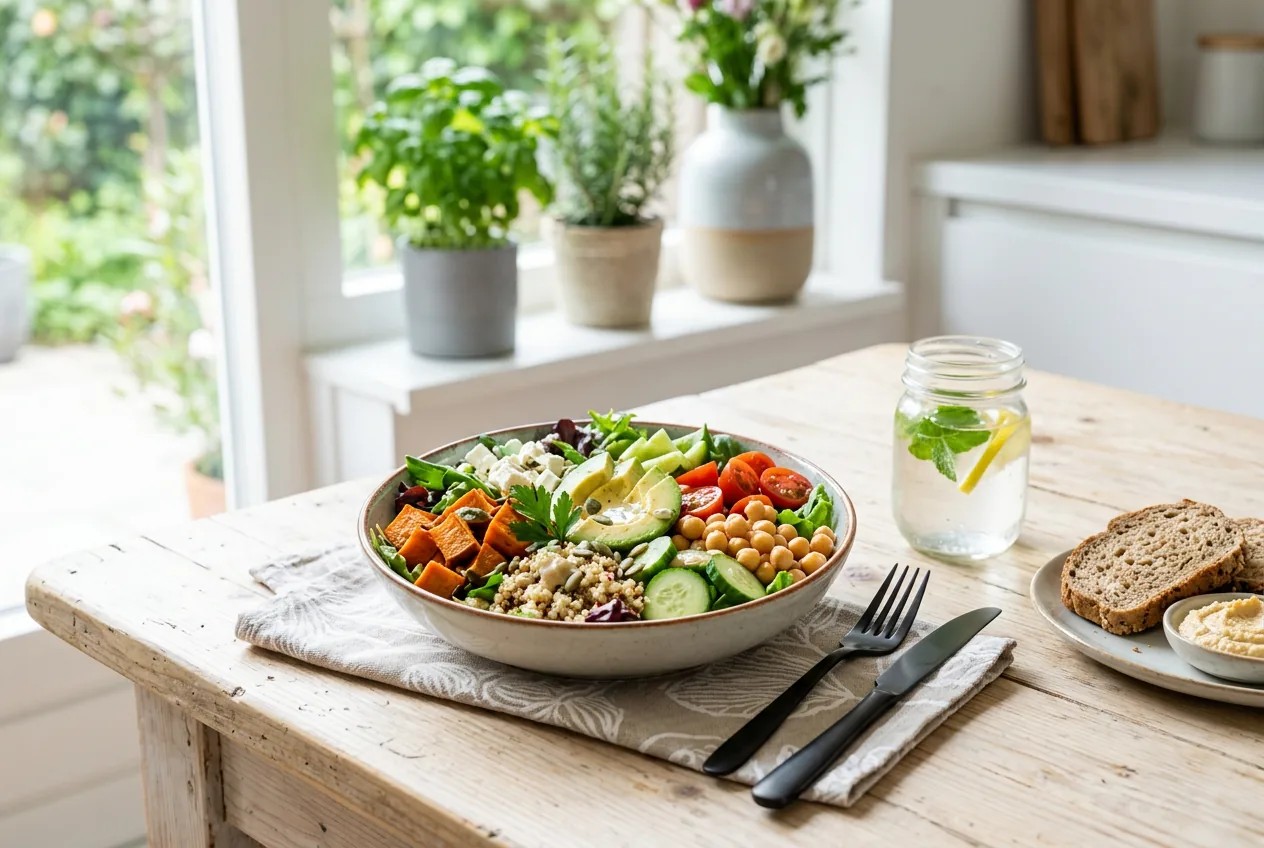
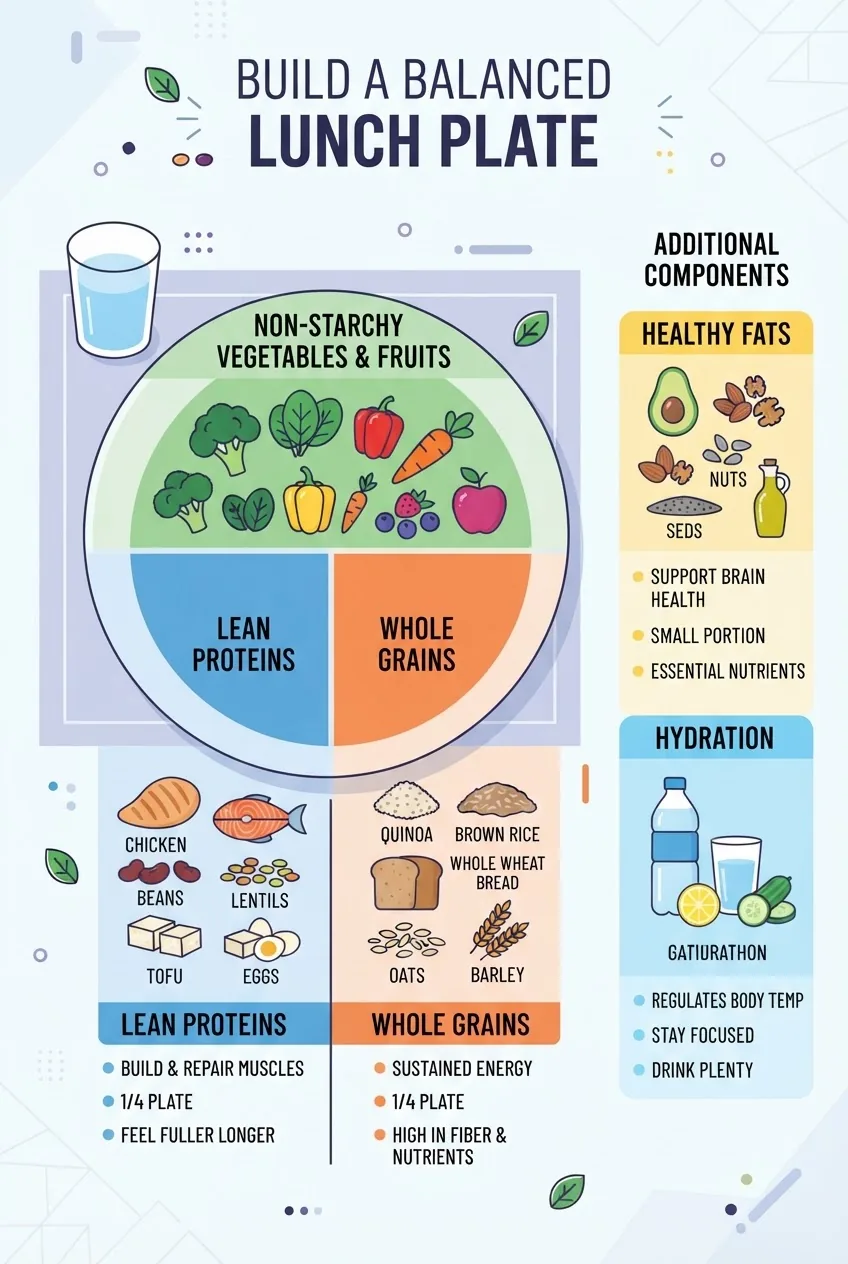
what can i eat that is healthy for lunch? Pick a balanced plate with a lean protein, high-fiber whole grains, colorful vegetables or salad, and a small portion of healthy fats—paired with water—to stay energized, satiated, and ready for afternoon focus without relying on processed convenience foods.
Understanding What Makes a Lunch Healthy?
Answer: A healthy lunch provides balanced macronutrients (protein, carbohydrates, fats), fiber, vitamins and minerals, and appropriate portion sizes to sustain energy and cognitive function until your next meal.
Macronutrients: defined here as the three major nutrient groups—protein, carbohydrates, and fats that supply calories and support body functions.
Nutrient density: defined here as the amount of vitamins, minerals and beneficial compounds per calorie in a food.
A healthy lunch focuses on nutrient density (foods delivering vitamins, minerals and fiber relative to their calories), balanced macronutrients for steady blood sugar, and portion control to prevent post-lunch energy dips. According to the 2023–2024 USDA Dietary Guidelines, plates emphasizing vegetables, whole grains, lean proteins, and limited added sugars and sodium support long-term health—guidance echoed by the American Heart Association.
Practical rules that define a healthy lunch:
- Protein at every meal to preserve muscle and promote satiety (beans, fish, chicken, tofu, low-fat dairy).
- Fiber-rich carbohydrates (whole grains, legumes, vegetables) for steady glucose release.
- Small portions of healthy fats (avocado, nuts, olive oil) to support nutrient absorption and fullness.
- Vegetables or fruit supplying micronutrients, antioxidants and volume for satiety.
Research on meal timing and nutrient quality links mid-day meals to improved cognitive performance and metabolic markers; see reviews in the Journal of Nutrition for evidence on nutrient-dense mid-day eating patterns and outcomes. Portion control should align with activity level and overall daily needs; the USDA offers serving guidance and plate models useful for planning.
Case note: A small workplace trial in Austin found employees who swapped a cafeteria sandwich for a salad with grilled chicken and a whole-grain roll reported steadier afternoon focus over two weeks (participant feedback, workplace wellness pilot, Texas 2024).
Define portion control practically: use your palm for protein, a cupped hand for grains, and a fist for vegetables as a quick visual guide. When shopping and cooking at home, prioritize ingredients that keep well and combine quickly into balanced meals.
Transition: With the core components defined, next is a curated list of essential healthy foods to keep at home so you can build lunches quickly.
Essential Healthy Foods to Keep in the House for Nutritious Lunches?
Answer: Stock a mix of fresh produce, whole grains, lean proteins, canned/frozen staples, healthy fats, and simple condiments so you can assemble balanced lunches without extra shopping trips.
Pantry staples: defined here as shelf-stable or long-lasting items—beans, canned fish, nuts and whole grains—that form the backbone of quick lunches.
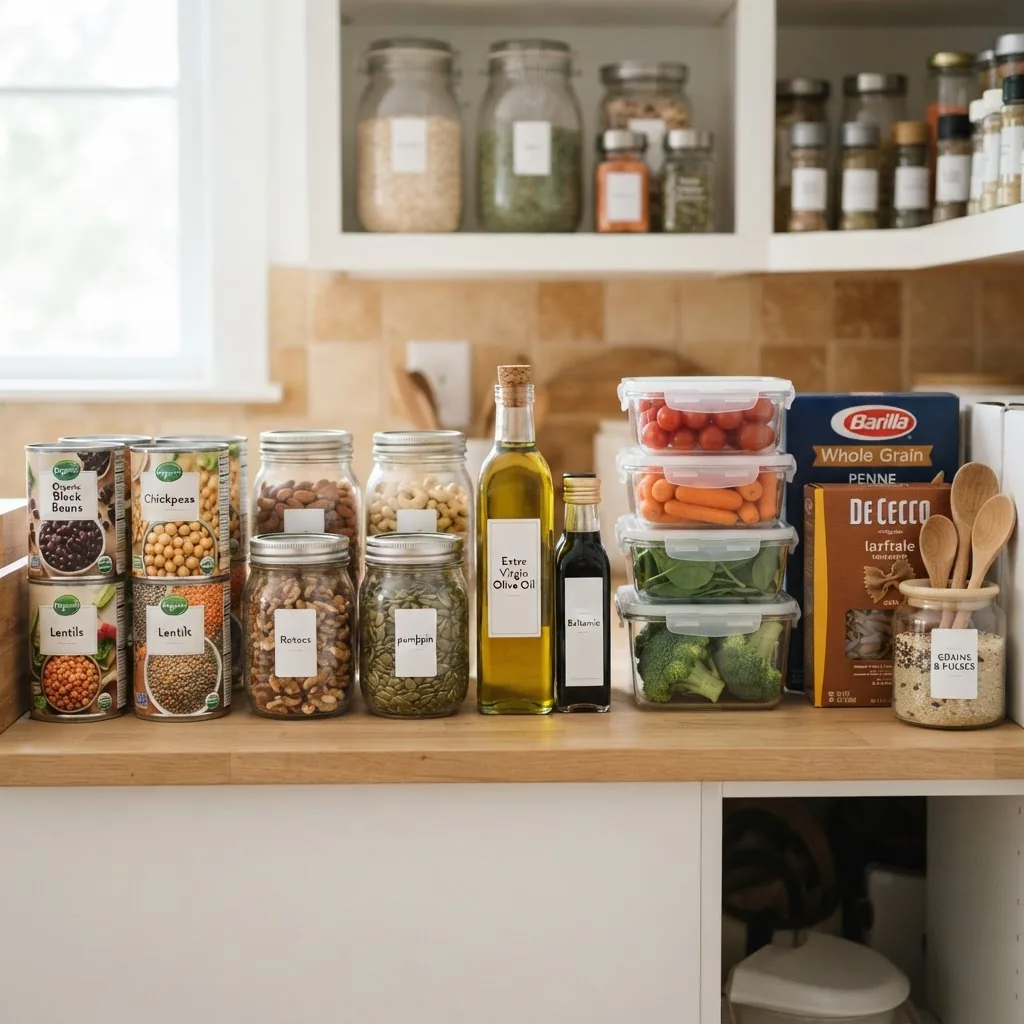
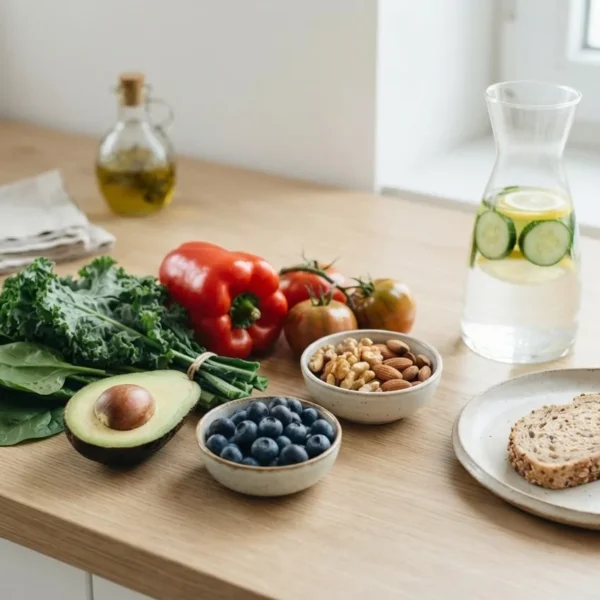
- Leafy greens & vegetables: bagged spinach, mixed greens, carrots, bell peppers, cucumbers — quick to add raw or wilt into stir-fries.
- Whole grains: brown rice, quinoa, whole-grain bread or wraps, farro — keep cooked portions in the fridge for 3–5 days.
- Lean proteins (animal & plant): canned tuna/salmon, rotisserie chicken, eggs, Greek yogurt, tofu, canned beans — versatile and shelf- or fridge-stable.
- Healthy fats: extra-virgin olive oil, avocado, nut butters, mixed nuts, seeds (chia, flax, pumpkin) — useful for dressings, spreads, toppings.
- Quick veg options (frozen): mixed vegetable blends, edamame, peas — frozen produce typically retains nutrients and cooks fast.
- Flavor & convenience: low-sodium soy sauce, mustard, vinegar, salsa, preserved lemons, jarred roasted peppers, and a jar of olives for instant flavor.
- Hydration & beverages: filtered water, sparkling water, herbal teas — keep a reusable water bottle accessible for the afternoon.
- Snacks to complement lunch: fresh fruit, plain popcorn, a small portion of trail mix, cottage cheese or a piece of cheese for calcium and satiety.
Practical storage and shelf-life notes:
| Item | Why keep it | Fridge/Pantry life |
|---|---|---|
| Canned beans | Protein and fiber base | Pantry: 1+ year |
| Frozen veggies | Quick, nutrient-dense | Freezer: 6–12 months |
| Whole-grain bread | Fast carbs for sandwiches | Fridge: 7–10 days; freezer: 3 months |
| Jarred tuna/salmon | Omega-3s and quick protein | Pantry: 2+ years; fridge after open: 3 days |
For budget-conscious shoppers, see affordable healthy foods to stock your kitchen for shopping lists and cost-saving swaps.
Texas-specific tip: buy seasonal produce from farmers markets in cities like San Antonio or Houston for lower prices and fresher greens—local produce often lasts longer in the fridge than wilted supermarket stock.
Transition: With these staples on hand, you can quickly turn ingredients into balanced lunches — the next section gives ready-to-follow lunch ideas using common items.
Practical Healthy Lunch Ideas Using Common Ingredients?
Answer: Below are 12 quick, versatile lunch ideas you can assemble from common pantry and fridge items at home, each with a brief recipe outline and tips for Texas shoppers.
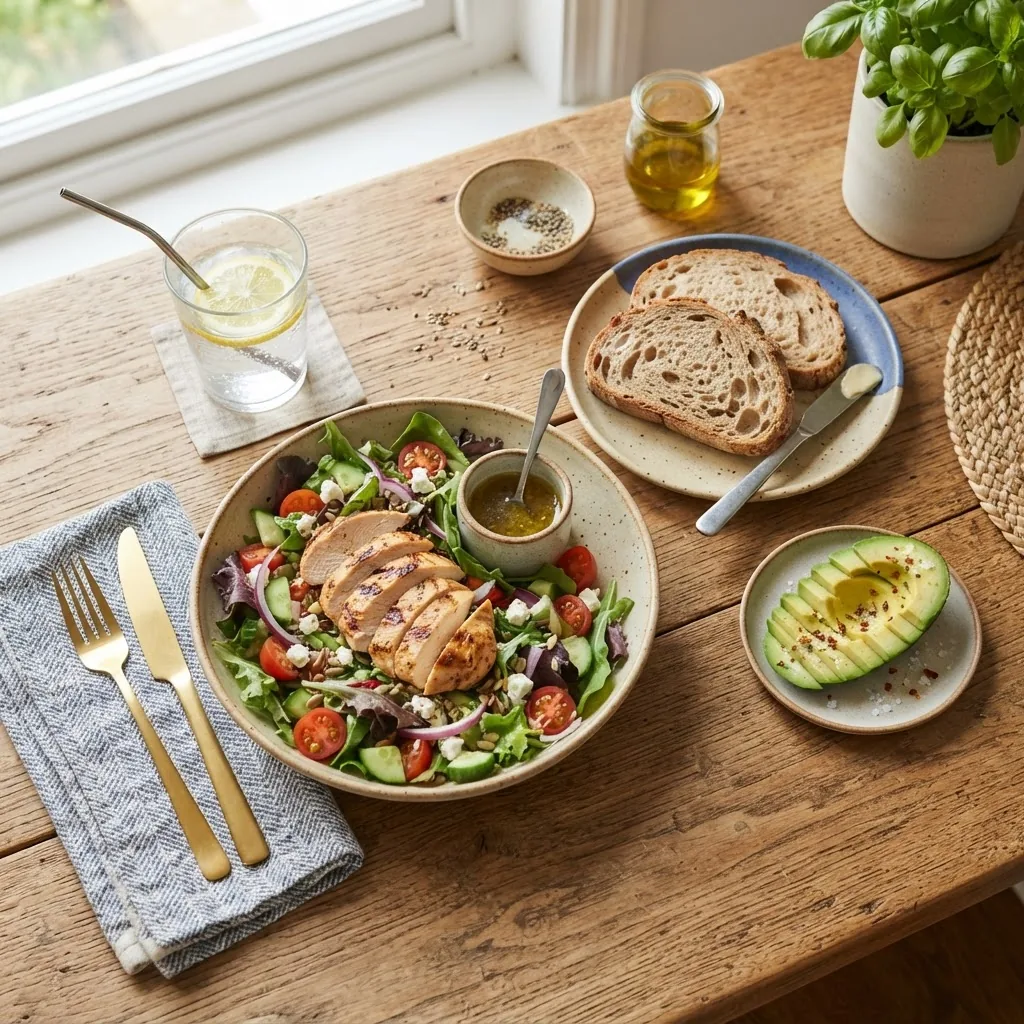
Use the following ideas as building blocks—mix and match proteins, grains, and veggies based on what you have. For vegetarian or budget options, see budget-friendly vegetarian lunch options and for dinner counterparts try quick vegetarian recipes for healthy meals.
- Grilled chicken & mixed greens bowl — Slice leftover rotisserie chicken, toss with mixed greens, cherry tomatoes, quinoa (pre-cooked), sliced avocado, and a drizzle of olive oil and lemon. Tip: assemble in bowls and dress just before eating to avoid soggy greens.
- Chickpea salad wrap — Mash canned chickpeas with Greek yogurt or mashed avocado, diced celery, lemon juice, and pepper; spread on a whole-grain wrap with spinach and shredded carrots. Great for make-ahead lunches and portable.
- Tuna-stuffed avocado — Mix canned tuna with plain yogurt, mustard, diced pickles, and herbs; halve an avocado and fill each cavity. Serve with whole-grain crackers or a side salad.
- Veggie fried rice (quick) — Sauté frozen mixed vegetables with garlic, ginger, and a beaten egg; add cold cooked brown rice and low-sodium soy sauce. Finish with chopped green onions and sesame oil.
- Lentil & roasted-vegetable bowl — Cook lentils, roast seasonal vegetables (roasted bell pepper, zucchini), and toss with a tahini-lemon dressing. Lentils keep well in the fridge for several days.
- Turkey, apple & cheddar sandwich — Layer sliced turkey breast, thin apple slices, leafy greens, and a small slice of cheddar on whole-grain bread; mustard or a smear of hummus adds moisture without excess sugar.
- Mediterranean grain bowl — Combine cooked farro or quinoa, canned chickpeas, cucumbers, cherry tomatoes, olives, and feta. Drizzle with olive oil and red wine vinegar for a satisfying mix.
- Egg & spinach breakfast-for-lunch — Scramble two eggs with sautéed spinach and mushrooms, serve over toasted whole-grain bread or alongside roasted sweet potatoes. High-protein, quick to prepare.
- Black bean & corn salad — Mix canned black beans, corn, diced red pepper, cilantro, lime juice and a touch of olive oil. Serve over mixed greens or with brown rice for a more filling meal.
- Greek yogurt bowl with fruit & nuts — Plain Greek yogurt topped with fresh fruit, a sprinkle of granola or nuts, and a drizzle of honey. Add a side of whole-grain toast or a hard-boiled egg for extra protein.
- Salmon & avocado open-faced toast — Top whole-grain toast with mashed avocado, flaked canned or fresh salmon, lemon zest and pepper. Quick and rich in omega-3 fats.
- Quick noodle salad with edamame — Toss cooked whole-wheat spaghetti or soba noodles with edamame, shredded carrot, sliced red cabbage, and a light sesame-ginger dressing. Chill for a refreshing midday meal.
Meal-prep tip: double grain and protein portions at dinner to repurpose for lunches. For vegetarian and budget alternatives, consult budget-friendly vegetarian lunch options and for a broader recipe collection see the Yummiest Healthy Recipes Guide for Nutritious and Tasty Meals.
Texas-specific ingredient note: swap seasonal items—use roasted poblano or corn in summer bowls, and roasted sweet potato in cooler months for local flavor and value.
Transition: After quick ideas, here’s a step-by-step plan to prepare these lunches ahead for busy workdays.
How to Plan and Prepare Healthy Lunches for Busy Days?
Answer: Plan weekly menus, batch-cook staples (grains, proteins, roasted veggies), assemble grab-and-go components in clear containers, and keep a simple list of combos to rotate—this saves time and increases healthy choices on busy days.
Meal planning: defined here as selecting meals and preparing ingredients ahead to reduce decision fatigue and rushed, unhealthy choices.
-
Step 1 — Set a weekly plan (30 minutes Sunday):
- Choose 3–5 lunch templates (grain bowl, salad + protein, sandwich, soup, wrap).
- Write a short shopping list focused on the staples above.
-
Step 2 — Batch cook core components (60–90 minutes):
- Cook a large pot of brown rice or quinoa.
- Roast a sheet pan of mixed vegetables.
- Bake or slice lean proteins (chicken breasts, tofu, salmon portions).
-
Step 3 — Portion and store smartly:
- Use clear containers to see portions at a glance.
- Keep dressings in small separate containers to prevent sogginess.
- Label containers with date and contents.
-
Step 4 — Quick assembly routines:
- Combine a cup of grains, a palm-sized protein portion, and a fist-sized vegetable portion for a balanced bowl.
- Top with a tablespoon of healthy fat (olive oil, nuts, seeds) for nutrient absorption.
-
Step 5 — Pack for the commute:
- Use an insulated lunch bag and ice pack for perishable items if you’re in transit.
- Include a reusable water bottle to encourage hydration.
Practical timing tweaks: wake up 10 minutes earlier twice a week to prep fresh salad boxes, or repurpose leftover dinner in 5–10 minutes for a fresh lunch. For workplace-specific tips and recipes tailored to office routines, visit easy healthy lunches for work.
Reference for readers seeking calorie-focused planning: if you want meal strategies around energy targets, see 400 calorie meal options for balanced eating for scaleable portion plans.
Storage safety: refrigerate meals within two hours of cooking. Use airtight containers and consume refrigerated meals within 3–4 days. When reheating, ensure internal temperature reaches a safe level for proteins.
Real-world walkthrough (Texas example): On Sunday in Houston, roast two sheet pans—one with sweet potatoes, bell peppers and onions; one with broccoli and cauliflower—while cooking a pot of black beans and chicken breasts. Store in labeled containers; mix and match during the week for five distinct lunches.
Transition: Next, learn how to avoid common pitfalls that derail midday nutrition.
Tips to Avoid Unhealthy Lunch Choices and Common Pitfalls?
Answer: Avoid processed convenience meals, sugary drinks, oversized portions, and hidden sodium; prioritize whole foods, read labels, and plan snacks to prevent impulsive fast-food choices.
Processed foods: defined here as items altered from their original whole-food state often with added sugar, fat, and sodium.
Common traps and how to fix them:
- Trap: Fast-food or vending default. Fix: Keep portable lunches ready so convenience isn’t the only option; pre-sliced fruit and a protein bar (low sugar) beat fries.
- Trap: Sugary beverages. Fix: Replace soda with sparkling water or unsweetened iced tea; sugary drinks add calories without satiety.
- Trap: Oversized portions and plate distortion. Fix: Use container-based portioning (one compartment protein, one for grains, two for veggies) to visually balance meals.
- Trap: High-sodium ready meals. Fix: Check sodium labels; choose low-sodium canned beans, and flavor with herbs and citrus instead of salt.
The American Heart Association recommends limiting added sugars and sodium to support cardiovascular health; practical swaps (fresh fruit instead of sweet dessert, herbs in place of salt) reduce long-term risk. See the AHA guidance here.
When choosing pre-packaged “healthy” kits, check the ingredient list for added sugars, trans fats, and sodium. Many packaged salads or bowls have sugary dressings or high-sodium components that negate their benefit.
If you want complementary evening meal ideas for balanced portions after a healthy lunch, consider these resources: 500 calorie nutritious meal ideas and 600 calorie healthy dinner recipes.
According to a 2024 industry report on workplace eating patterns, employees who pre-packed lunches reported 35% fewer purchases of fast food during the workweek (industry survey, 2024). Always tailor advice to allergies, medical conditions, or dietary restrictions, and consult a registered dietitian for personal meal planning.
Transition: Alongside food choices, hydration and healthy sides make a significant difference to midday satisfaction—read on for concise suggestions.
Incorporating Hydration and Healthy Sides to Complement Your Lunch?
Answer: Drink water first, add low-calorie beverages like infused or sparkling water, and choose nutrient-rich sides—fruit, nuts, yogurt or crudités—to improve fullness and nutrient intake.
Hydration: defined here as maintaining fluid balance primarily through water and low-calorie beverages to support cognition and digestion.
- Water first: Start lunch with a glass of water; dehydration can mimic hunger and reduce post-meal alertness.
- Infused options: Add citrus, cucumber, or mint to water for flavor without sugar.
- Smart beverage swaps: Replace sweetened drinks with unsweetened iced tea or sparkling water to cut empty calories.
- Healthy sides: Fresh fruit, a small handful of unsalted nuts, plain yogurt, cottage cheese, or raw vegetables with hummus add fiber, protein, and healthy fats.
- Snack timing: If you need an afternoon boost, pair a protein (hard-boiled egg or yogurt) with fiber (apple or whole-grain crackers) rather than a sugar-laden snack.
Quick pairing examples:
- Salad + sparkling water with lemon + a small handful of almonds.
- Grain bowl + herbal iced tea + plain Greek yogurt with berries.
- Sandwich + water + carrot sticks with hummus.
Hydration science consensus supports 8–10 cups per day for many adults, but individual needs vary with climate and activity; the AHA and USDA offer more specific guidance. According to a 2023 hydration review in nutrition literature, regular water intake supports cognitive performance through midday (peer-reviewed review, 2023).
Transition: The short FAQ below addresses common quick questions about healthy lunches and practical substitutes.