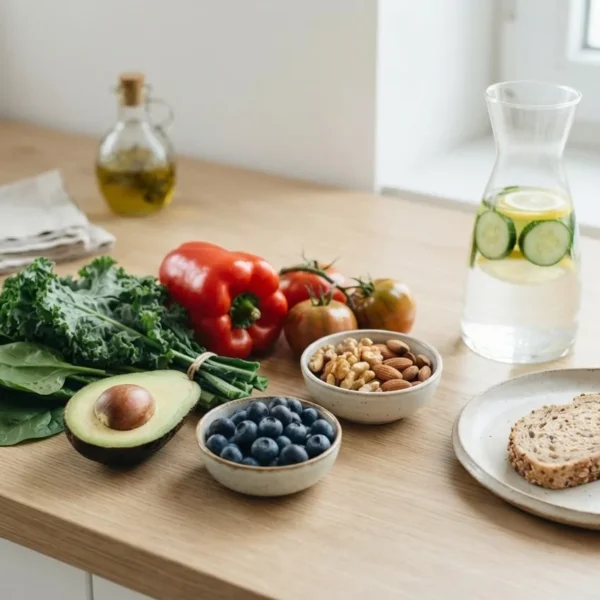
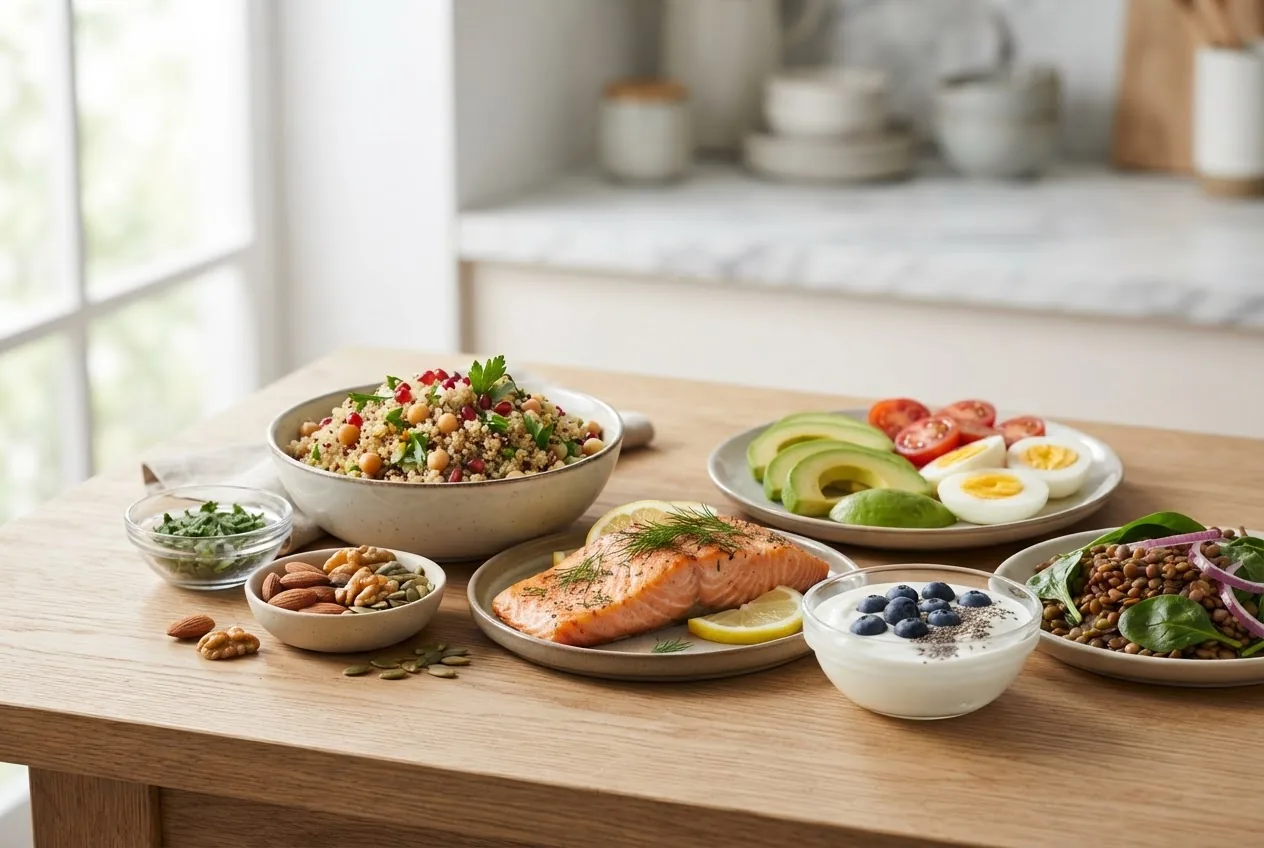
Foods high in amino acids include both animal (meat, fish, eggs, dairy) and plant sources (soy, legumes, quinoa, nuts); these foods supply essential and non-essential amino acids that the body uses for muscle repair, immunity, metabolism and brain function. Aim for varied complete and complementary sources across meals.
Amino acids: organic compounds that act as the building blocks of proteins; they support tissue repair, enzyme function, immune signaling and neurotransmitter production.
What are amino acids and why are they important?
Answer: Amino acids are the small molecules that make up proteins and they are essential for building muscle, repairing tissue, supporting immune function and producing neurotransmitters—so eating foods high in amino acids supplies the raw materials your body needs to function and recover.
Proteins break down into individual amino acids during digestion and those amino acids are absorbed and used for hundreds of functions. The body uses amino acids to synthesize enzymes, hormones, structural proteins (like collagen), and neurotransmitters (like serotonin). Dietary amino acids are particularly important because some cannot be made by the body and must be obtained from food.
Term: Essential amino acids are amino acids the body cannot synthesize and must be obtained from the diet; non-essential amino acids can be made by the body.
Digestion begins in the stomach with pepsin and continues with pancreatic enzymes (proteases) in the small intestine, which break dietary proteins down to dipeptides, tripeptides and free amino acids for absorption across the intestinal epithelium. After absorption, amino acids enter the portal circulation to the liver, where they may be used to build proteins, converted into other compounds, or released into the bloodstream for peripheral tissues like muscle.
Dietary guidance and numeric requirements for amino acids are typically expressed within protein recommendations. According to a 2024 NIH dietary reference, meeting recommended protein intake ensures adequate intake of indispensable amino acids for most adults (see caloric value of protein).
Key functions at a glance:
- Structural: collagen, keratin for skin and hair.
- Metabolic: enzymes and transport proteins.
- Immune: antibodies and acute-phase proteins.
- Signaling: hormones and neurotransmitter precursors.
Transition: With that foundation, next we’ll define the main types of amino acids and how they affect dietary choices.
What are the types of amino acids: essential vs non-essential?
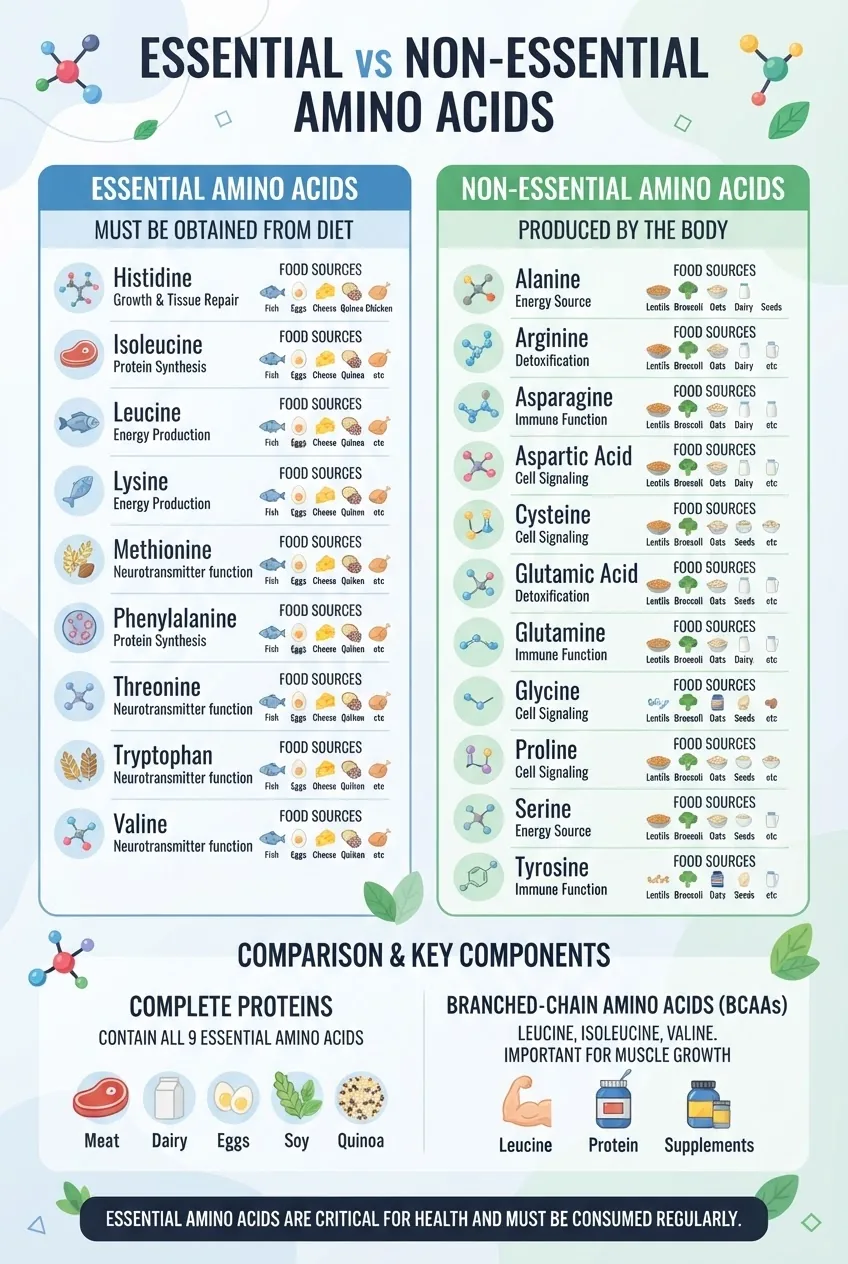
Answer: Amino acids are classified as essential (indispensable) when the body cannot make them and non-essential (dispensable) when the body can synthesize them; a balanced diet provides all essential amino acids or complementary plant sources that together form complete proteins.
Term: Branched-chain amino acids (BCAAs) — a subgroup of essential amino acids (leucine, isoleucine, valine) with side chains that support muscle protein synthesis and energy use during exercise.
Essential (indispensable) amino acids must come from food because humans lack the metabolic pathways to synthesize them in sufficient amounts. Non-essential (dispensable) amino acids can be produced by the liver from other nutrients. The distinction guides food selection: animal proteins are typically complete (contain all essential amino acids in sufficient ratios), while many single plant foods are limited in one or more essential amino acids and can be combined to achieve a complete profile.
Essential amino acids (indispensable) — examples
- Histidine
- Isoleucine (BCAA)
- Leucine (BCAA) — critical for initiating muscle protein synthesis
- Lysine
- Methionine
- Phenylalanine
- Threonine
- Tryptophan
- Valine (BCAA)
Non-essential amino acids (dispensable) — examples
- Alanine
- Asparagine
- Aspartic acid
- Glutamic acid
- Serine
- Proline, glycine, tyrosine (conditionally essential in some states)
Complete protein definition: a food or combination of foods providing all essential amino acids in proportions sufficient to meet human requirements. Examples include eggs, dairy, meat, fish, soy and quinoa.
Practical note: For those tracking targets, see recommendations for daily protein requirements to align protein grams with amino acid adequacy.
Transition: Now that you know types, let’s identify which animal foods deliver the highest levels of essential amino acids.
Which animal foods are highest in amino acids?
Answer: Animal foods such as lean chicken breast, beef, pork loin, eggs, dairy, and fatty fish are among the highest sources of essential amino acids; they are typically complete proteins with favorable ratios of BCAAs like leucine that stimulate muscle repair.
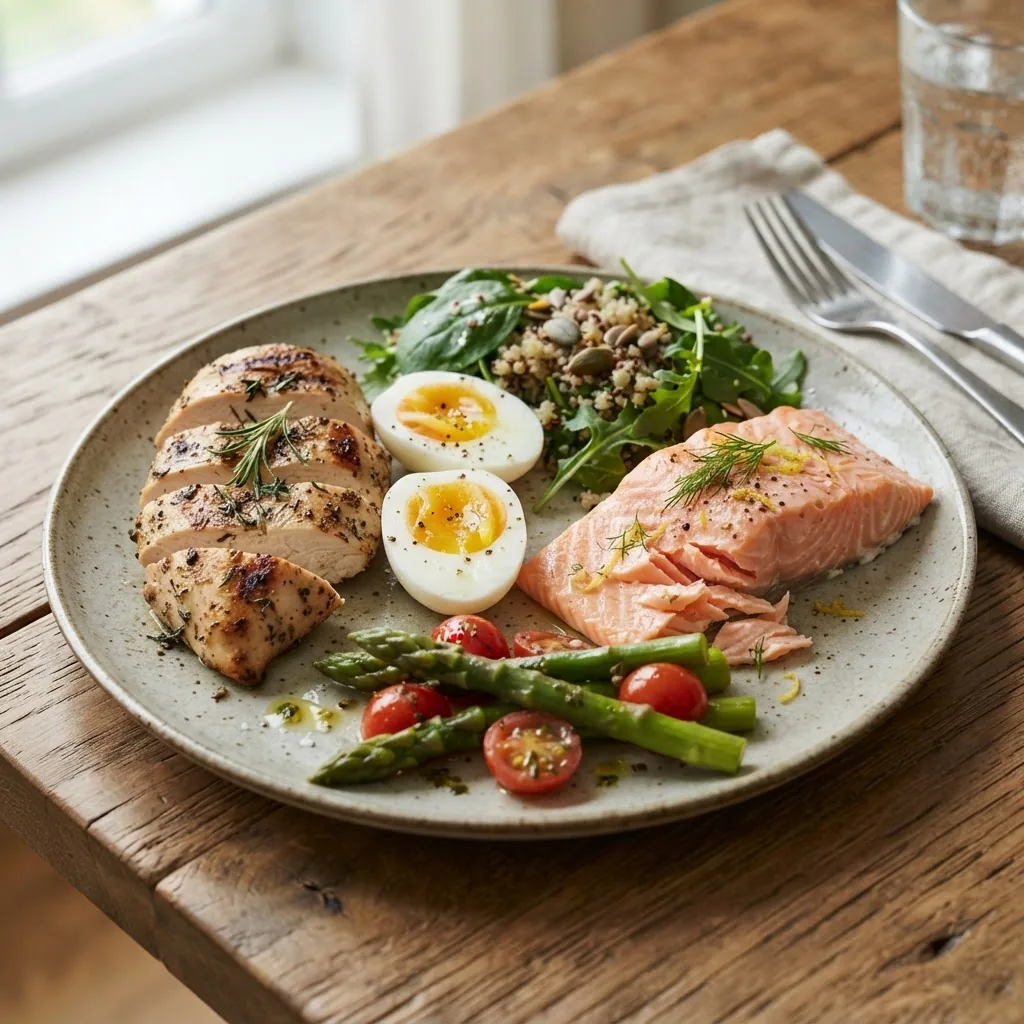
The list below ranks common animal foods by their practical value as amino acid sources, includes approximate essential amino acid highlights per typical serving, and ties choices to Texas-relevant meals (e.g., grilled chicken, gulf seafood, breakfast eggs). Values are aggregate approximations to orient choices, not nutrient-label precision; consult USDA FoodData Central for exact profiles (external link below).
-
Chicken breast (skinless, cooked) — 3.5 oz / 100 g
Why: Lean, high-protein, low-fat option with abundant essential amino acids and high leucine content. Approximate content: ~31 g protein per 100 g; leucine ~2.6–3.0 g per 100 g. Ideal for Texan grilled dishes and fajitas; pairs well with beans and grilled vegetables.
Benefit: Rapidly absorbed amino acids for muscle repair and recovery.
-
Salmon (wild or farmed, cooked) — 3.5 oz / 100 g
Why: Complete protein that also delivers omega-3 fatty acids (EPA/DHA). Approximate content: ~22–25 g protein per 100 g; leucine ~1.6–2.0 g per 100 g. Great on tacos or as a smoked fillet for coastal Texas meals.
-
Eggs (whole) — large egg
Why: One of the most bioavailable complete proteins; eggs supply every essential amino acid in useful ratios. Approximate content: ~6–7 g protein per egg; leucine ~0.9 g per egg. Perfect for Texas breakfasts with egg-and-bean scrambles.
-
Beef (lean cuts like top sirloin) — 3.5 oz / 100 g
Why: Dense in essential amino acids and creatine; supports muscle mass and satiety. Approximate content: ~26–28 g protein per 100 g; leucine ~1.8–2.4 g per 100 g. Use lean cuts for chili and Tex-Mex dishes.
-
Greek yogurt (nonfat) — 170 g / 6 oz
Why: Concentrated dairy protein (whey and casein) offering complete amino acid profiles; leucine content supports muscle protein synthesis. Approximate content: ~15–20 g protein per 6 oz; leucine ~1.5–2.0 g per serving. Versatile as a breakfast or snack with fruit.
-
Cottage cheese (low-fat) — 1 cup (226 g)
Why: High in casein protein for slow amino acid delivery—useful before sleep to support overnight repair. Approximate content: ~24 g protein per cup; leucine ~1.7–2.0 g.
-
Tuna (canned, water-packed) — 3.5 oz / 100 g
Why: Lean, shelf-stable, and a concentrated source of complete protein. Approximate content: ~25–27 g protein per 100 g; leucine ~1.8–2.2 g. Popular in sandwiches and salads.
-
Pork loin (trimmed, cooked) — 3.5 oz / 100 g
Why: Lean pork provides a complete amino acid profile similar to beef with slightly different flavor for Texan BBQ menus. Approximate content: ~25–27 g protein per 100 g; leucine ~1.6–2.2 g.
-
Shrimp (cooked) — 3.5 oz / 100 g
Why: Low-calorie, high-protein seafood with complete amino acids. Approximate content: ~24 g protein per 100 g; leucine ~1.6–2.0 g. Useful in Gulf-style dishes and stir-fries.
-
Whey protein concentrate/isolate (powder) — 1 scoop (25–30 g)
Why: Concentrated source of essential amino acids and BCAAs; quick digestion is helpful post-workout. Approximate content: ~20–25 g protein per scoop; leucine ~2–3 g depending on formula. Use as convenient supplement and discuss safety with a clinician.
Data sources and context: USDA FoodData Central and nutrition analyses provide the detailed amino acid breakdowns for these foods—see USDA database for product-specific values. According to a 2022 review in the Journal of Nutrition, animal proteins generally deliver higher relative amounts of leucine per serving than most individual plant foods, which helps trigger muscle protein synthesis in adults (external review link below).
External resources: USDA FoodData Central, NIH Office of Dietary Supplements, Journal of Nutrition (publisher).
Transition: Many readers prefer plant-forward meals—next we examine the top plant sources and how to combine them for complete amino acid profiles.
Which plant foods are highest in amino acids?
Answer: Soy (tofu, tempeh, edamame), quinoa, lentils, chickpeas, seitan, and mixed nuts/seeds offer high levels of amino acids; combining complementary plant foods (e.g., legumes + grains) produces complete amino acid profiles comparable to animal proteins.
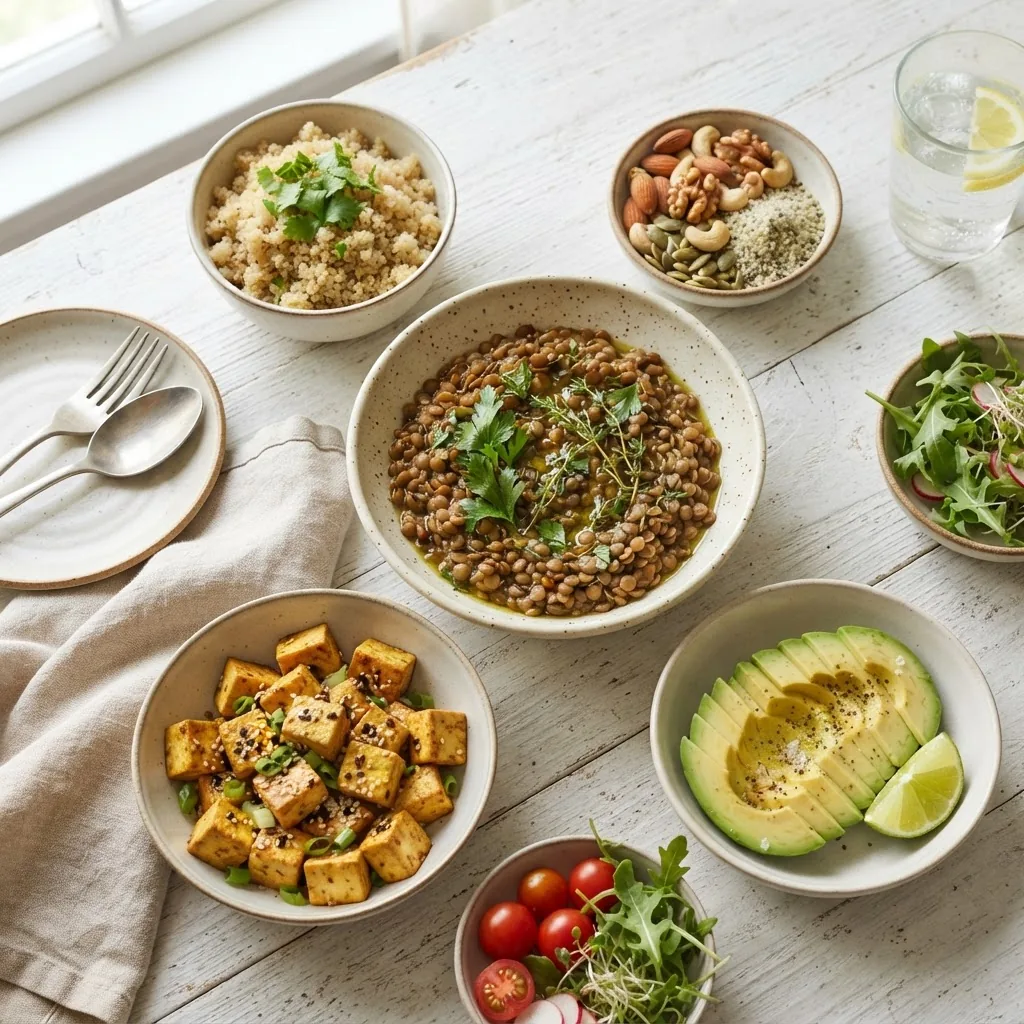
Term: Amino acid complementation — the strategy of combining different plant foods so that limiting amino acids in one food are supplied by another, creating a complete amino acid profile at the meal level.
Plant proteins vary in their essential amino acid composition. Soy and quinoa are notable exceptions as single-food complete proteins. Other legumes, grains, nuts and seeds are valuable but often low in one or two essential amino acids (e.g., grains low in lysine, legumes sometimes low in methionine). Combining foods across the day — or within a meal — ensures adequacy for most people.
-
Soy products (tofu, tempeh, edamame)
Why: Soy is one of the few plant foods considered a complete protein with all essential amino acids. Approximate content: tofu (firm) ~8–15 g protein per 100 g depending on firmness; tempeh ~19 g per 100 g. Suitable for Texan cuisine as grilled marinated tofu, tofu tacos or tempeh bowls.
-
Quinoa (cooked) — 1 cup
Why: A pseudo-grain with a complete amino acid profile; ~8 g protein per cooked cup and a decent balance of lysine and methionine compared to many grains. Good base for salads and Tex-Mex grain bowls.
-
Lentils (cooked) — 1 cup
Why: High in lysine and other essential amino acids though lower in methionine; ~18 g protein per cooked cup (split/lentil variations) when dry weight equivalents are considered. Combine with rice or corn tortillas to improve methionine.
-
Chickpeas (garbanzo beans) — 1 cup cooked
Why: Versatile for hummus, stews and salads; ~14–15 g protein per cooked cup and good lysine content. Pair with whole grains for complementarity.
-
Peanuts and tree nuts (almonds, pistachios) — 1 oz
Why: Nuts provide protein, healthy fats and amino acids, though not complete alone; ~5–7 g protein per ounce. Use as snacks, in salads or as nut-butters paired with whole-grain toast for complementation.
-
Seeds (pumpkin, hemp, chia) — 1 oz
Why: Hemp seed is notable for a balanced amino acid profile among seeds; pumpkin and chia add variety. Hemp seed contains ~9–10 g protein per 3 tablespoons and includes all essential amino acids in useful proportions.
-
Seitan (wheat gluten) — per 100 g
Why: Very high-protein plant option (~25 g+ per 100 g) with a strong essential amino acid profile except for lysine which can be supplemented by legumes. Ideal for Texan-style seared “steak” substitutes.
-
Black beans, pinto beans — 1 cup cooked
Why: Staples in Texan and Southwestern cuisine; ~15 g protein per cooked cup (dry weight basis more concentrated). Pair with corn or rice to improve completeness.
-
Spirulina (dried) — 1 tbsp
Why: Concentrated microalga with a powerful amino acid profile, though typically used as a supplement rather than staple food; provides several grams of protein per tablespoon and diverse amino acids.
-
Mixed legumes + grains or nut/seed combinations
Why: Practical meal combinations (e.g., rice + beans, hummus + pita, quinoa + black beans) provide complementary amino acid profiles and are culturally adaptable to Texan menus.
Tips for vegetarians/vegans: combine complementary foods across meals (rice and beans, peanut butter on whole-grain bread, lentil soups with bread) and emphasize soy, quinoa, hemp seeds and legumes for reliable essential amino acid supply. For athletes, aim to include leucine-rich plant options (soy, hemp, lentils) and/or supplement strategically after discussing with a dietitian.
Transition: Beyond listing foods, it’s important to understand how amino acids translate into measurable health benefits—and what the science says about outcomes.
What health benefits do foods high in amino acids provide?
Answer: Foods high in amino acids support muscle growth and repair, boost metabolic rate through protein-induced thermogenesis, enhance immune responses, and provide building blocks for skin and brain health—effects supported by clinical research and dietary guidelines when adequate intakes are met.
Muscle repair and growth: Essential amino acids—especially leucine—trigger muscle protein synthesis. Studies published in 2022–2023 in peer-reviewed journals have shown that meals providing 2.5–3 g of leucine stimulate MPS (muscle protein synthesis) in older and younger adults; leucine-rich foods (e.g., dairy, meat, soy) help preserve lean mass during weight loss or aging (source: peer-reviewed clinical studies).
Metabolism and weight management: High-protein, amino-acid-rich diets increase satiety and energy expenditure through the thermic effect of food; a 2021 meta-analysis in clinical nutrition journals reported modest improvements in weight loss maintenance when dietary protein is increased, largely due to preserved lean mass and reduced appetite (source: peer-reviewed meta-analysis).
Immune system support: Amino acids such as glutamine and arginine are important for lymphocyte proliferation and immune cell function. Clinical trials in clinical nutrition and critical care show patients with malnutrition or severe stress benefit from amino acid–enriched nutrition for recovery, while population-level guidance emphasizes adequate dietary protein to maintain immune competence (source: clinical literature).
Skin, hair and connective tissue: Collagen synthesis depends on amino acids like glycine, proline and lysine; dietary protein contributes substrates for repair. Clinical dermatology and nutritional studies link adequate protein and specific amino acids to improved wound healing and skin integrity (source: peer-reviewed studies).
Cognitive impacts: Tryptophan is the precursor for serotonin, and tyrosine is a precursor for dopamine and norepinephrine—amino acid availability influences neurotransmitter synthesis. Controlled trials show dietary protein composition can affect mood and cognitive performance, particularly during prolonged exercise or sleep deprivation (source: experimental nutrition studies).
Practical statistics and guidelines: According to a 2024 NIH dietary reference summary, adults should aim for at least 0.8 g/kg body weight of protein as a baseline, with higher intakes (1.2–2.0 g/kg) recommended for older adults, athletes or those in catabolic states (source: 2024 NIH dietary reference). For amino acids specifically, the WHO and FAO provide per-kg recommendations for essential amino acids used to calculate dietary adequacy (source: international guideline).
Energy and fats context: When evaluating amino acid-rich animal foods that often come with fats, readers may want to review fat energy metrics—see the calorie content of fats guide for understanding how fats contribute energy to meals.
Transition: With benefits clarified, the next section gives practical, culturally relevant steps to include amino-acid-rich foods in daily Texas meals.
How can I incorporate amino acid-rich foods into my diet?
Answer: Incorporate amino-acid-rich foods by prioritizing complete proteins at meals (eggs, dairy, meat, soy), pairing plant proteins for complementation (rice + beans), timing protein around workouts, and choosing lean cooking methods plus heart-healthy fats for balanced meals.
Practical steps—numbered plan:
- Start meals with a protein focus: Include a palm-sized portion of animal protein or 1 cup cooked legumes/soy product at each main meal to distribute amino acid intake across the day.
- Use complementary plant pairings: Combine legumes and grains (e.g., black beans with brown rice or corn tortillas) to create a complete amino acid profile in one meal.
- Prioritize leucine-rich choices around training: For muscle repair, choose dairy, eggs, chicken, or soy within 30–120 minutes post-exercise to deliver leucine and other essential amino acids.
- Cook with lean methods and healthy fats: Grill, bake, or broil proteins and add small amounts of heart-healthy fats; for guidance on oils, review healthy cooking oils.
- Adapt Texan flavors: Use chili-spiced lentil bowls, grilled gulf fish, chicken fajitas with black beans, and breakfasts featuring eggs with whole-grain tostadas and avocado to blend cultural preferences with amino acid goals.
- Portion guidance: Aim for 20–40 g of protein per meal for most adults; older adults may benefit from slightly higher per-meal protein to overcome anabolic resistance.
- Snack strategically: Use Greek yogurt, cottage cheese, hummus with pita, or a small handful of nuts + seed mix to maintain steady amino acid availability between meals.
- Use supplements only when needed: Consider whey or soy protein powder for convenience if dietary intake falls short, and consult a clinician for dosing—supplement safety and quality vary.
- Meal examples: Texan pescatarian bowl: grilled salmon, quinoa, black beans, sautéed greens. Vegetarian plate: tempeh fajitas with brown rice and pico de gallo. Quick lunch: tuna salad over mixed greens with pumpkin seeds.
- More resources: For broader strategies on lean proteins and fats that complement amino acid goals, see the pillar guide on protein rich foods for weight loss.
Cooking tips: use citrus and rubs instead of heavy sauces to keep added fat low; slow-cook beans with aromatics for easy legume-based proteins; swap a portion of beef for tempeh or tofu in casseroles to reduce saturated fat while preserving amino acid intake.
Transition: Finally, understand potential risks and safe limits when emphasizing amino acid intake, especially from supplements or very high-protein diets.
Are there risks or considerations when increasing amino acid intake?
Answer: For most healthy adults, obtaining amino acids from whole foods is safe; risks appear with excessive supplemental single amino acids, extremely high-protein diets in people with kidney disease, and imbalanced intake—consult a clinician for personalized advice.
Kidney and metabolic health: For individuals with pre-existing kidney disease, clinicians often recommend moderating protein intake; excessive protein intake can increase glomerular filtration workload. According to a 2023 clinical guideline summary, people with chronic kidney disease should follow individualized protein targets under medical supervision (source: government/clinical guideline).
Supplement risks: High doses of isolated amino acid supplements (e.g., >10 g/day of single amino acids) can cause imbalances, gastrointestinal distress, and competitive absorption issues. Branched-chain amino acid supplements can be useful in clinical or athletic contexts but should be used under professional guidance because high isolated doses may affect blood ammonia and nitrogen balance.
Amino acid toxicity and imbalance: Some amino acids (e.g., methionine) in very high amounts have been associated with adverse effects in animal models; human dietary intakes from whole foods rarely approach toxic levels. However, combining multiple supplements or taking megadoses of single amino acids increases risk.
Drug-nutrient interactions: Certain amino acids and high-protein meals may interfere with absorption or metabolism of medications (e.g., levodopa). Always review medication interactions with your healthcare provider when altering protein or amino acid supplement regimens.
Quality and regulation: Dietary supplements are less regulated than medications. For supplement selection, choose third-party tested products and consult a registered dietitian or physician. If considering amino acid supplements for performance, look for batch testing (e.g., NSF Certified for Sport) and avoid proprietary blends lacking clear ingredient lists.
When to consult a professional: If you have kidney disease, liver disease, metabolic disorders, are pregnant or breastfeeding, or plan high-dose supplement use, consult a registered dietitian or physician. For athletic or therapeutic dosing beyond typical dietary intakes, use evidence-based protocols supervised by clinicians.
External authorities and evidence: For nutrient reference values and safe intake ranges, consult the USDA and NIH—e.g., USDA FoodData Central for food nutrient profiles (USDA FoodData Central) and NIH dietary reference summaries for protein guidance (NIH Office of Dietary Supplements).
Takeaway: Focus first on whole-food sources—both animal and plant—use complementary combinations for vegetarians, prioritize leucine-rich meals around exercise, and consult healthcare professionals before starting concentrated amino acid supplements.
Transition to closing: Below is a concise recap and next steps to apply this guidance.
What are the key takeaways and next steps?
Answer: Prioritize a variety of complete and complementary amino-acid-rich foods—lean meats, fish, eggs, dairy, soy, legumes and seeds—time protein around activity, and consult authoritative guidelines or clinicians for specific needs or supplement decisions.
Actionable checklist:
- Include a high-quality protein source at each meal (animal or combined plant sources).
- Use complementary plant food pairs to achieve complete amino acid profiles.
- Choose lean cooking methods and pair proteins with healthy cooking oils for balanced meals.
- Consult NIH/USDA resources and clinicians for tailored protein and amino acid targets.
- Consider lifestyle and cultural preferences—use Texan recipes and local seafood to make sustainable dietary changes.
If you want specific meal plans or strategies for weight loss while maintaining amino acid intake, explore our broader resources on lean proteins and diet planning in the pillar guide linked earlier.