By the end of this guide you’ll be able to plan, shop for, and prepare a week’s worth of good protein meals tailored for weight loss or muscle gain; plan on 3–4 hours the first weekend and 30–60 minutes daily thereafter. Skill level: beginner to confident home cook.
This hands-on guide pairs practical recipes, meal-prep steps, and Texas-sourced ingredient tips so you can start cooking high-protein meals that are fast, nutritious, and flavorful.
Before you start
- Basic kitchen tools: sheet pans, sauté pan, chef’s knife, food thermometer, 3–5 airtight containers (20–32 oz).
- Small pantry staples: olive oil, ground black pepper, kosher salt, cumin, smoked paprika, low-sodium soy sauce.
- Protein-focused grocery checklist: chicken breast (skinless), salmon fillets, extra-firm tofu, dry lentils, canned black beans, plain Greek yogurt.
- Time blocks: 90–120 minutes for batch-cooking proteins; 15–25 minutes for quick meals.
- Download or print a weekly meal template and shopping list (use your phone camera for receipts and labels).
-
Step 1 — Learn what makes a good protein meal.
What Are Good Protein Meals? Definition and Importance
A good protein meal centers a high-quality protein source and pairs it with vegetables and modest healthy fats to support muscle recovery, satiety, and metabolic health. Protein supplies amino acids — the body’s building blocks — needed for tissue repair, hormone production, and sustaining fullness after meals.
Define terms quickly: a complete protein contains all nine essential amino acids (e.g., animal meats, eggs, dairy, quinoa, soy). Lean protein describes high-protein foods with relatively low saturated fat (skinless chicken breast, turkey breast, many fish). Macronutrients refer to protein, carbohydrates, and fats. Use portion control and timing to align meals with activity and goals.
Why protein matters: protein increases the thermic effect of food (more calories burned during digestion) and supports preservation or growth of lean mass during weight loss or training. According to a 2024 USDA nutrition report 2024 USDA nutrition report, average protein needs vary by activity and body weight, but focusing on protein-dense meals improves satiety and overall nutrient density.
Practical outcomes: following the steps here reduces late-afternoon cravings, improves workout recovery windows (0–2 hours post-exercise), and helps you reach daily targets. Remember: these are general recommendations; consult your healthcare provider for custom advice.
Next, identify the lean and plant-based proteins you’ll cycle through weekly to keep meals varied and simple.
-
Step 2 — Stock top lean and plant-based protein sources.
Top Lean Protein Sources to Include in Your Meals
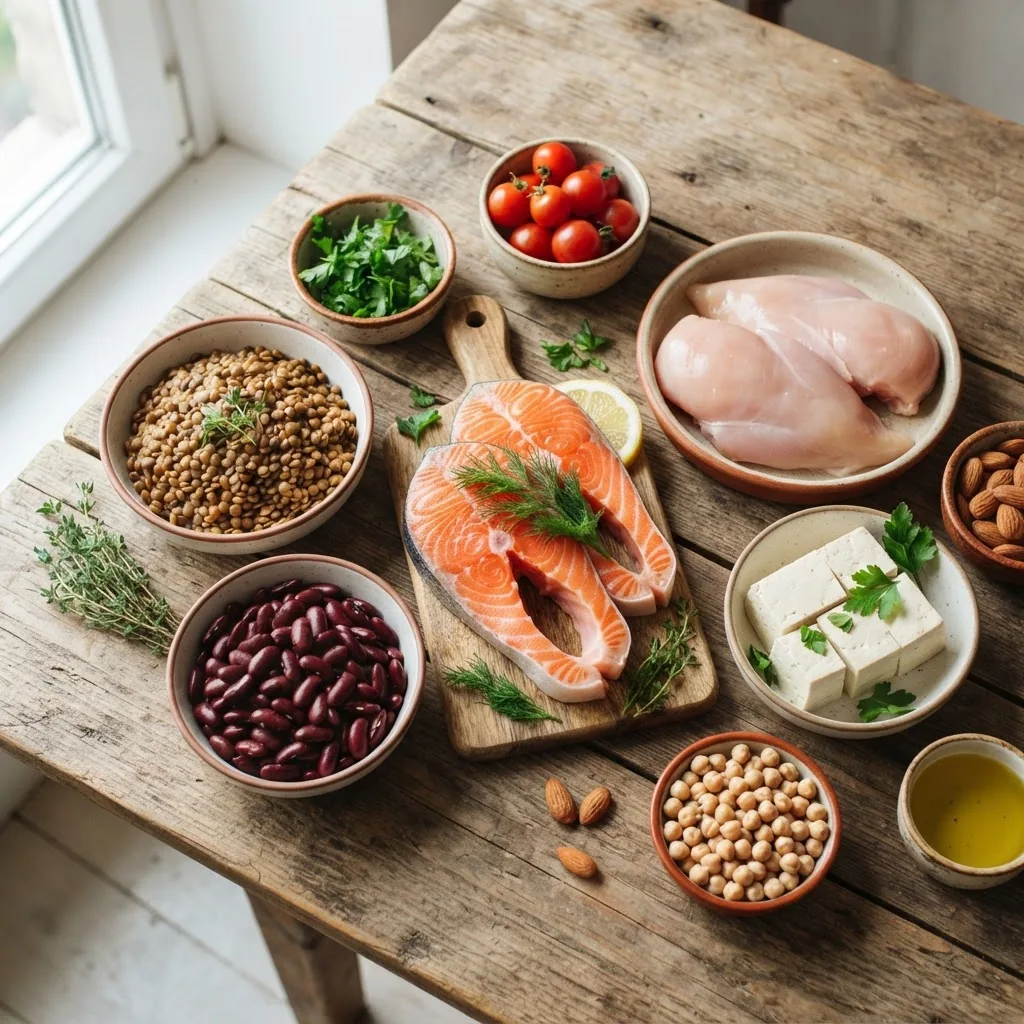
Below are practical, high-protein choices easy to find in Texas grocery stores and farmers’ markets. Protein amounts use USDA composite values and typical portions; adjust for exact pack weights.
- Chicken breast (skinless, boneless) — 100 g cooked ≈ 31 g protein. Lean, versatile; grill, bake, or poach. Great for batch-cooking. For cutting cycles, see best foods for cutting.
- Turkey breast — 100 g cooked ≈ 29 g protein. Lower fat than dark turkey; oven-roast or slice thin for salads and wraps.
- Salmon — 100 g cooked ≈ 25 g protein plus ~1.5–2 g omega-3s. Rich in EPA/DHA; choose wild or responsibly farmed fillets and grill at 125–145°F for flaky texture.
- Tuna (canned in water) — 100 g ≈ 24–26 g protein. Time-saving, shelf-stable protein for salads and sandwiches.
- Lean beef (sirloin) — 100 g cooked ≈ 26–28 g protein. Choose 90/10 cuts and sear 2–3 minutes per side for medium rare to preserve tenderness.
- Eggs — 1 large ≈ 6–7 g protein. Whole eggs supply high bioavailability protein and critical micronutrients; use whites for lower fat high-protein options.
- Greek yogurt (nonfat or 2%) — 1 cup ≈ 17–20 g protein. Use plain varieties to control sugar; add fresh fruit and nuts for texture.
- Extra-firm tofu — 100 g ≈ 8–12 g protein (varies). Complete protein source for vegetarians; press, marinate, and high-heat cook to preserve texture.
- Lentils (cooked) — 1 cup ≈ 18 g protein. Affordable, high-fiber plant protein that pairs well with rice or salads.
- Chickpeas — 1 cup cooked ≈ 14–15 g protein. Roast or mash into hummus for snacks and bowls.
- Quinoa — 1 cup cooked ≈ 8 g protein and a complete plant protein. Use as a base grain for bowls and salads.
- Edamame — 1 cup shelled ≈ 17 g protein. Quick-steam and add to stir-fries or snacks.
- Cottage cheese — 1 cup (low-fat) ≈ 25–27 g protein. Excellent for breakfast or as a creamy sauce element.
For full comparison values and exact per-portion charts, consult the protein content comparison chart and USDA listings. If you’re shifting to more plants, review plant based high protein foods.
Buying tips for Texas: visit local markets (e.g., farmers’ markets in Austin, Dallas, Houston) for fresh salmon and pasture-raised chickens; lentils, canned tuna, and tofu are widely available in major grocers across the state.
Understanding fats that complement these proteins is the next practical step.
-
Step 3 — Add the right healthy fats to your protein meals.
Healthy Fats That Complement Good Protein Meals
Healthy fats improve nutrient absorption (fat-soluble vitamins A, D, E, K), add flavor, and slow gastric emptying for longer satiety. Prioritize mono- and polyunsaturated fats—especially omega-3s—while limiting trans fats and excessive saturated fat.
Examples and benefits:
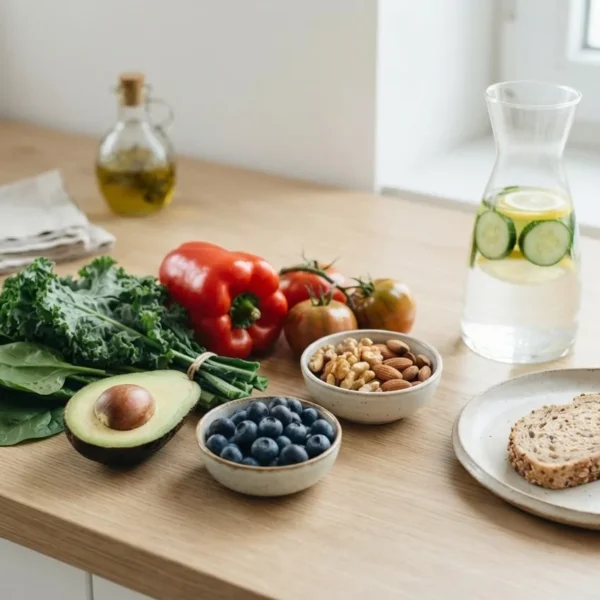
- Avocado — 1/2 medium ≈ 10–12 g fat (mostly monounsaturated) and fiber; pairs well with eggs and chicken bowls.
- Nuts and seeds (almonds, walnuts, chia, flaxseed) — provide healthy fats, fiber, and additional protein (e.g., 1 oz almonds ≈ 6 g protein).
- Olive oil — ideal for dressings and low-to-medium heat sautéing; rich in monounsaturated fats.
- Fatty fish (salmon, mackerel) — supply omega-3s that aid inflammation control and heart health.
When counting energy from fat, remember the energy density: fat provides 9 calories per gram. For details on the energy value of fats, consult calorie content of fats.
Choose heart-healthy oils for cooking and dressing. The American Heart Association recommends replacing saturated fats with unsaturated fats for cardiovascular benefits; see the best cooking oils for health and consult the American Heart Association for guidance.
Practical pairing rule: aim for ~10–20 g of healthy fat per meal when including a high-quality protein (e.g., 1 tbsp olive oil + quarter avocado) to balance flavor and calories without overpowering protein needs.
Now we’ll build complete meals by combining these protein and fat choices with vegetables and smart portioning.
-
Step 4 — Build balanced, protein-packed meals with clear rules.
How to Build Balanced, Protein-Packed Meals
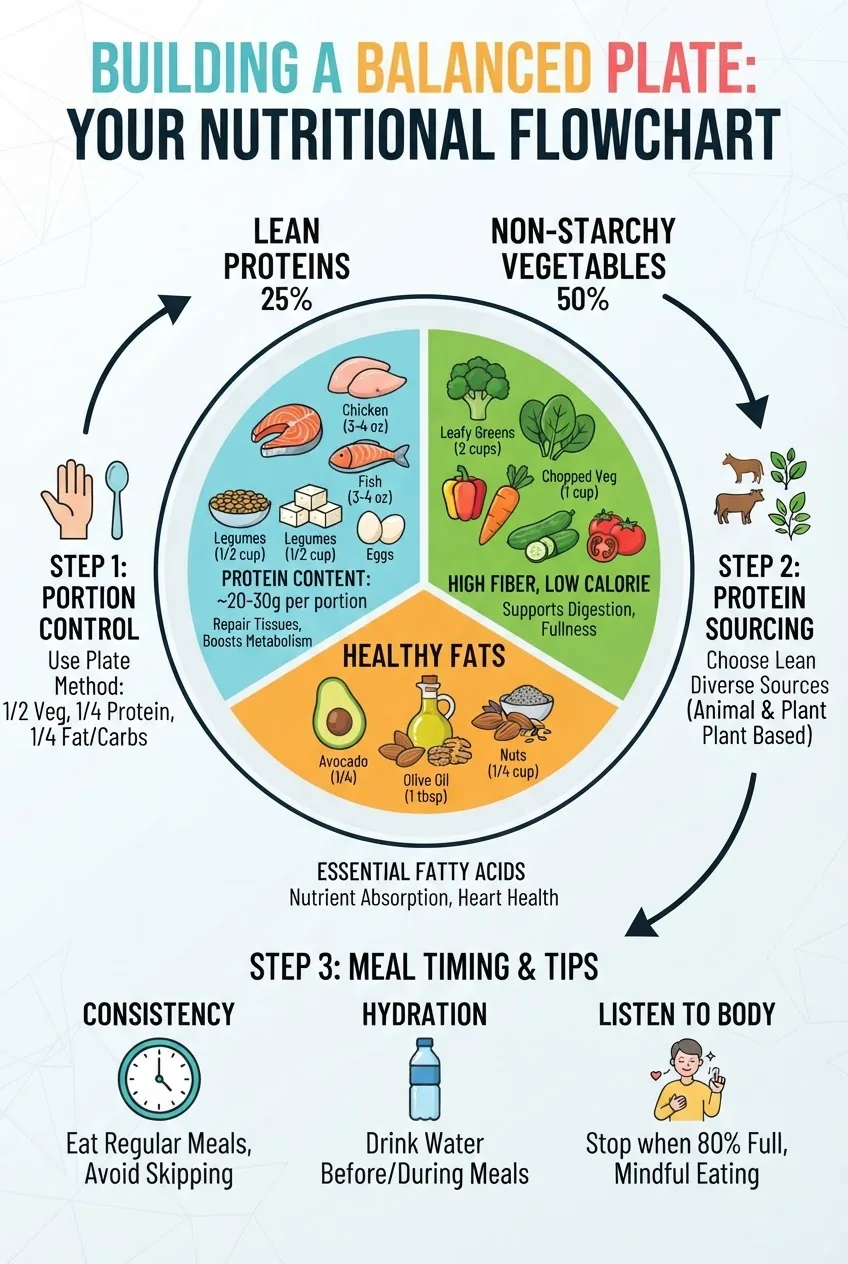
Follow these practical steps to assemble meals that meet macronutrient balance, portion control, and timing recommendations supported by nutrition professionals. For target totals, review daily protein intake requirements.
- Choose your protein portion — target 20–40 g protein per meal for most adults. Example: 120–170 g cooked chicken breast (≈ 35–45 g protein) or 1 cup cooked lentils + 1/2 cup quinoa (≈ 20–24 g).
- Add vegetables for volume — fill half your plate with non-starchy vegetables (leafy greens, broccoli, peppers). Aim for 2–3 cups cooked or 3–5 cups raw mixed salad per meal to boost fiber and micronutrients.
- Include healthy fat — add 1 tbsp olive oil (14 g fat), 1/4 avocado (~6–7 g fat), or a 1 oz nut garnish (~14–18 g fat). Keep fat at 10–20 g per meal unless following a high-fat protocol.
- Balance carbohydrates to goals — for weight loss, keep 20–40 g carbs per meal (1/2 cup cooked rice, 1 small sweet potato); for muscle gain, increase carbs to 40–80 g depending on energy needs.
- Time meals to training — aim to eat a protein-containing meal 1–2 hours post-workout to maximize muscle protein synthesis (MPS). If training early morning, include a 15–25 g protein snack before or a 20–30 g protein recovery meal after.
- Use simple portion tools — 3–4 oz cooked protein = palm-sized; 1 cup cooked grain = cupped hand; 1 tbsp fat = thumb tip; fill the rest with vegetables.
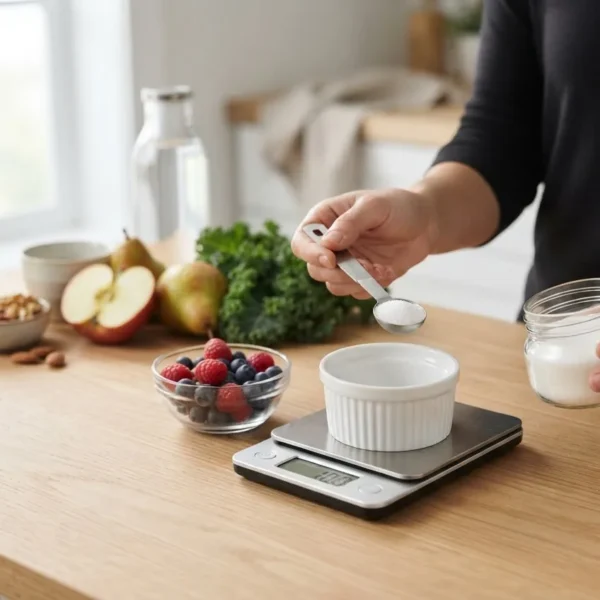
- Track and adjust — use a food scale for 1–2 weeks to calibrate portions, then transition to visual tools. These are general recommendations; individual needs vary with body weight, age, and activity level. The Academy of Nutrition and Dietetics offers evidence-based guidance on protein for active adults (Academy of Nutrition and Dietetics).
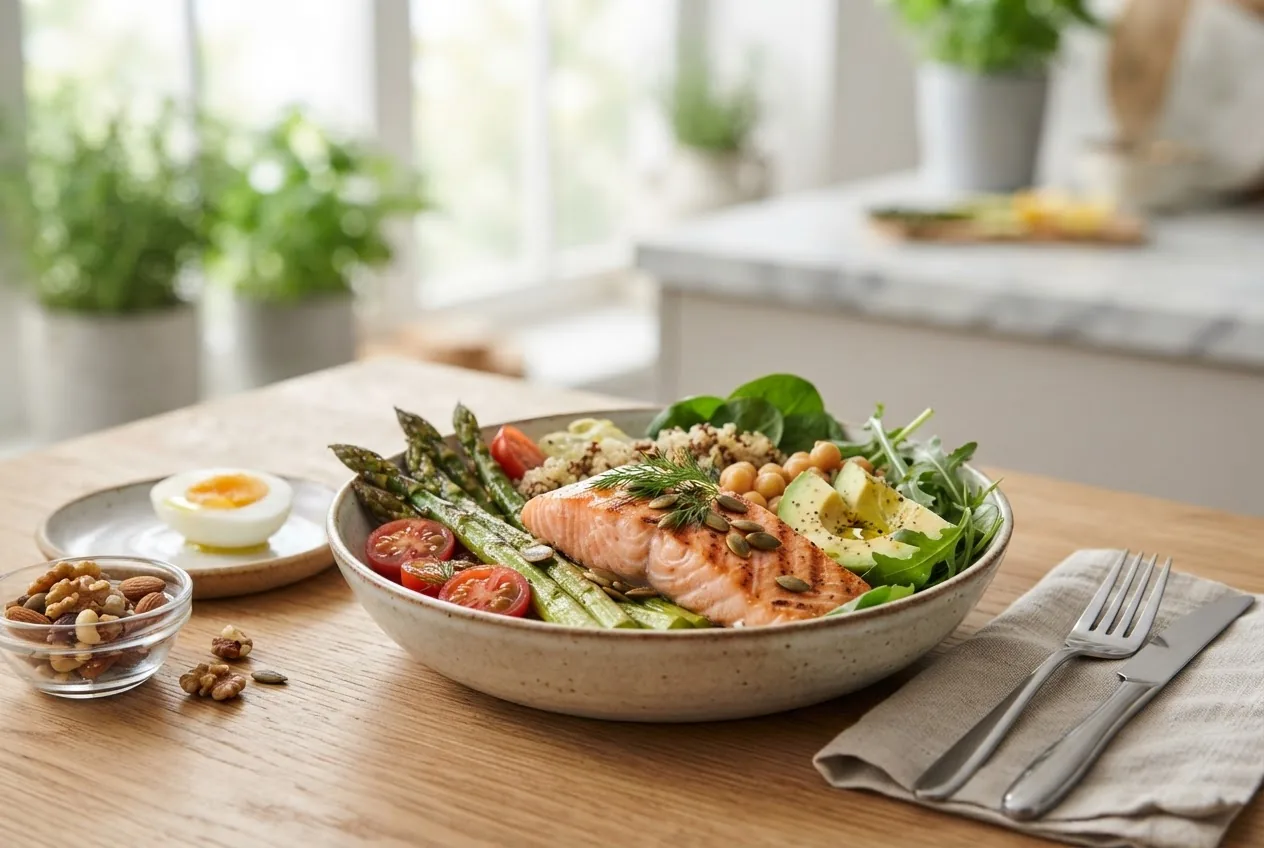
Quick example build: grilled salmon (4 oz / 113 g ≈ 22–24 g protein), 1 cup steamed broccoli, 1/2 cup cooked quinoa (≈ 4 g protein), 1 tbsp olive oil drizzle — total protein ≈ 26–30 g, fat ≈ 14 g, fiber and micronutrients supplied by greens.
Next, practical breakfast recipes that hit these rules in 10–20 minutes.
-
Step 5 — Cook high-protein breakfasts that keep you full until lunch.
Breakfast Ideas: Easy Good Protein Meals to Start Your Day
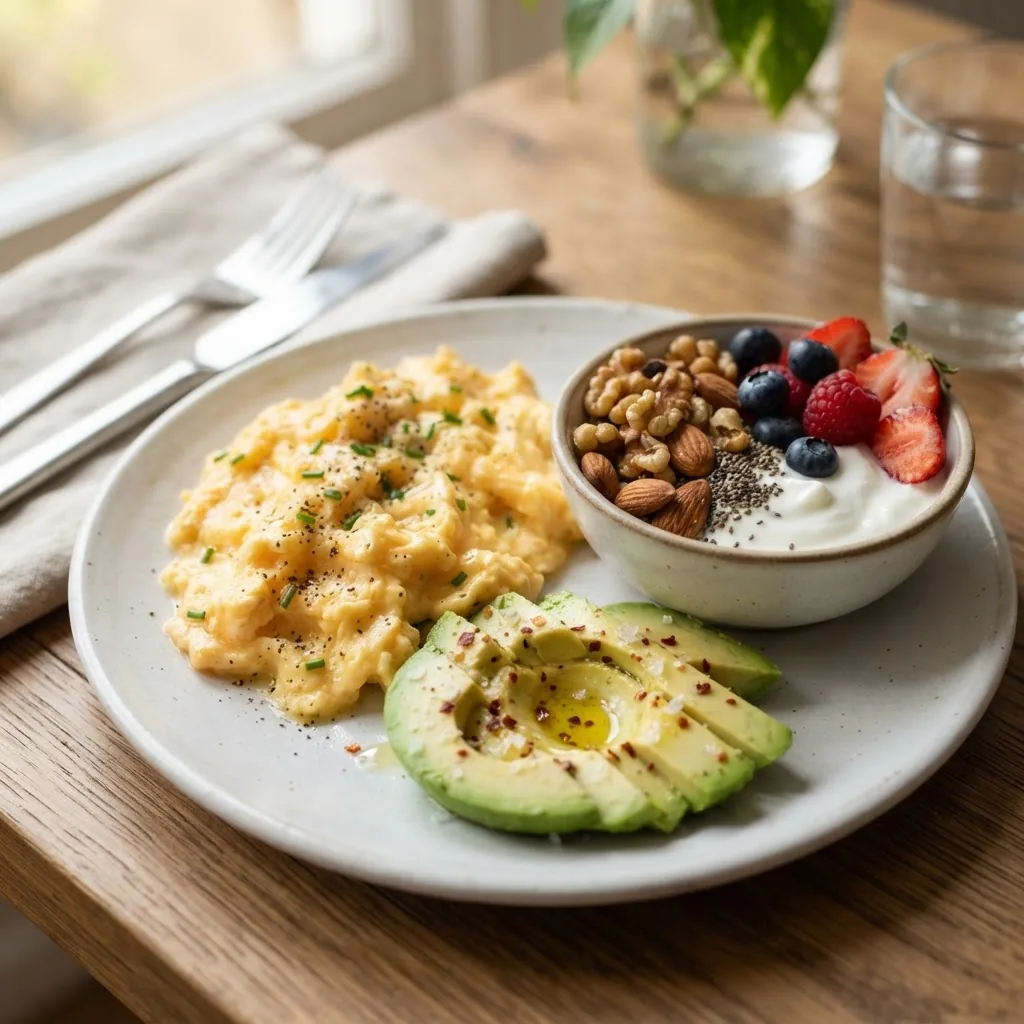
Below are quick, repeatable breakfast recipes with main ingredients and approximate protein content. For a broader set, see high protein breakfast recipes.
- Veggie scramble with Greek yogurt — 3 large eggs scrambled with 1 cup spinach and 1/4 cup diced peppers; 3 oz nonfat Greek yogurt side. Protein: eggs (18–21 g) + yogurt (15–18 g) ≈ 33–39 g. Time: 8–10 minutes.
- Overnight oats with protein powder — 1/2 cup rolled oats, 1 scoop whey or pea protein (~20–25 g), 1/2 cup milk or fortified plant milk, 1 tbsp chia seeds. Protein ≈ 25–30 g. Time: prepare night before; 5 minutes morning.
- Cottage cheese bowl — 1 cup low-fat cottage cheese (25 g protein), 1/2 cup berries, 1 tbsp chopped almonds. Protein ≈ 25 g. Time: 3 minutes.
- Tofu breakfast burrito — 150 g extra-firm tofu scrambled (≈ 12–18 g), black beans 1/4 cup (≈ 3–4 g), whole-wheat tortilla. Protein ≈ 18–24 g. Time: 10–12 minutes.
- Smoked salmon toast — 2 slices whole-grain toast, 3 oz smoked salmon (≈ 16–18 g), 1 tbsp cream cheese or avocado. Protein ≈ 18–22 g. Time: 5–7 minutes.
- Protein smoothie — 1 scoop protein powder (20–25 g), 1 cup spinach, 1/2 banana, 1 tbsp peanut butter, 1 cup milk or plant milk. Protein ≈ 25–30 g. Time: 3–4 minutes.
Pro tip: combine a fast-cooking protein (Greek yogurt, cottage cheese, protein powder) with a cooked protein (eggs, tofu) twice weekly to vary texture and micronutrients.
Move on to heartier lunches and dinners, many of which double well for meal prep.
-
Step 6 — Prepare lunches and dinners focused on protein variety and efficiency.
Lunch and Dinner Recipes for Best High Protein Meals
Below are numbered recipes designed for real kitchens, with prep times, cooked protein amounts, and estimated protein per serving. Use a food thermometer to reach safe internal temperatures: poultry 165°F, ground meats 160°F, fish 125–145°F depending on doneness preference.
-
Grilled Tex-Mex Chicken Bowls — Prep time: 15 minutes active, 20 minutes total; Serves: 4.
- Main ingredients: 1.2 lb skinless chicken breast (about 540 g raw), 2 tbsp olive oil, 1 tbsp chili powder, 1 tsp cumin, 1 cup brown rice (cooked), 1 cup black beans (canned, drained), chopped tomatoes, cilantro, lime.
- Method: slice chicken into 4 equal pieces, marinate 10 minutes in olive oil + spices, grill 6–7 minutes per side or until 165°F. Rest 5 minutes and slice.
- Protein: per serving ≈ 135 g cooked chicken (~42 g) + black beans 1/4 cup (~3.5 g) + rice minimal ≈ 45 g total protein per bowl.
-
Pan-Seared Salmon with Lemon-Garlic Broccolini — Prep time: 10 minutes; Cook: 12 minutes; Serves: 2.
- Main ingredients: 12 oz salmon fillets (approx 340 g raw total), 2 tbsp olive oil, 1 lemon, 8 oz broccolini, 1 tsp minced garlic.
- Method: heat pan to medium-high, sear skin-side 4 minutes, flip 3–4 minutes until internal temp 125–135°F for medium. Sauté broccolini 5–7 minutes with garlic and lemon. Rest salmon 3 minutes.
- Protein per serving ≈ 170 g salmon cooked ≈ 40–45 g protein.
-
Turkey and Veggie One-Pan Skillet — Prep time: 10 minutes; Cook: 18–20 minutes; Serves: 4.
- Main ingredients: 1 lb lean ground turkey (450 g), 2 cups diced zucchini, 1 cup chopped bell pepper, 1 cup diced onion, 1 tsp smoked paprika, 1/2 cup low-sodium chicken broth.
- Method: brown turkey 6–8 minutes, add vegetables and broth, simmer 10–12 minutes until vegetables tender and juices reduced.
- Protein per serving ≈ 113 g cooked turkey ≈ 25–28 g protein.
-
Lentil and Quinoa Protein Bowl (Vegetarian) — Prep: 10 min active, 30–40 min total; Serves: 4.
- Main ingredients: 1 cup dry lentils (yields ~2 cups cooked), 1 cup dry quinoa (yields ~3 cups cooked), roasted sweet potato cubes, kale massaged with lemon.
- Method: cook lentils 20–25 minutes, quinoa 15 minutes; roast sweet potatoes at 425°F for 20–25 minutes. Assemble bowls with olive oil and tahini drizzle.
- Protein per serving ≈ lentils (9 g) + quinoa (6–8 g) ≈ 15–18 g; add 1/2 cup cottage cheese or 3 oz grilled tempeh to boost to 30+ g.
-
Texas-Style Shrimp & Cauli “Grits” — Prep time: 10 minutes; Cook: 12 minutes; Serves: 4.
- Main ingredients: 1 lb shrimp (450 g), 1 head cauliflower riced (about 4 cups), 1/4 cup grated Parmesan, 1 tbsp butter, paprika, green onion.
- Method: Sauté shrimp 2–3 minutes per side; simmer riced cauliflower with butter and Parmesan 5–7 minutes. Top with shrimp.
- Protein per serving ≈ shrimp 4 oz (~23 g) + Parmesan minimal ≈ 25 g total.
-
Beef & Black Bean Chili (Slow-Cooker) — Prep time: 15 minutes; Cook: 6–8 hours low; Serves: 6.
- Main ingredients: 1.5 lb 90/10 ground beef, 2 cans diced tomatoes, 2 cups cooked black beans, chili spices.
- Method: Brown beef 6–8 minutes, add to slow cooker with other ingredients and cook on low 6–8 hours. Serve with Greek yogurt and chives.
- Protein per serving ≈ 113 g beef ≈ 26–28 g + black beans ≈ 3–4 g ≈ 30–32 g protein.
-
Tofu and Veggie Stir-Fry with Peanuts (Plant-based) — Prep time: 10 minutes; Cook: 8–10 minutes; Serves: 3.
- Main ingredients: 14 oz extra-firm tofu (pressed), 3 cups mixed stir-fry veg, 2 tbsp low-sodium soy sauce, 2 tbsp chopped peanuts.
- Method: High-heat sear tofu cubes 3–4 minutes per side for crisp exterior; remove and stir-fry vegetables 4–5 minutes, return tofu with sauce.
- Protein per serving ≈ tofu (~14–18 g) + peanuts (~4–6 g) ≈ 18–24 g.
-
Baked Chicken with Mustard Herb Crust — Prep: 10 min; Bake: 22–25 min at 400°F; Serves: 4.
- Main ingredients: four 5 oz chicken breasts (total ~680 g raw), 2 tbsp Dijon mustard, chopped parsley, 1 tbsp olive oil.
- Method: brush chicken with mustard mix and bake at 400°F until internal temp 165°F (~22–25 min). Rest 5 min.
- Protein per serving ≈ 140 g cooked chicken ≈ 40–45 g.
Cooking methods to preserve protein quality: avoid overcooking proteins (which can dry them and reduce palatability), use gentle temperatures for fish (125–135°F medium) and rest meats after cooking to redistribute juices. For plant proteins, press tofu and sear on high heat to minimize water loss and keep texture.
Texas sourcing tip: choose Gulf shrimp, local trout or salmon when available, and pasture-raised poultry from nearby farms to support freshness and flavor.
After building recipes, learn how to streamline these into weekly meal prep.
-
Grilled Tex-Mex Chicken Bowls — Prep time: 15 minutes active, 20 minutes total; Serves: 4.
-
Step 7 — Batch-cook and store protein meals efficiently.
Meal Prep Guide for Good High Protein Meals
Use these checklist-style steps for simple, safe meal prep that preserves protein quality and flavor. For deeper prep systems see high protein meal prep strategies.
- Plan 3 proteins for the week — choose two animal proteins (e.g., chicken, salmon) and one plant protein (tofu or lentils). Estimate 120–170 g cooked protein per person per dinner serving and 30–45 g per lunch.
- Batch-cook proteins — roast 2–3 lb chicken breasts at 400°F for 22–30 minutes (to 165°F), bake 1.5–2 lb salmon at 375°F for 12–14 minutes (125–135°F for medium), or simmer lentils 20–25 minutes until tender.
- Prep vegetables and grains separately — roast root vegetables 425°F for 20–30 minutes; steam greens 3–5 minutes. Cook rice/quinoa in 1.5–2 cups water per cup grain and cool within 1 hour to store.
- Portion into containers — target 20–40 g protein per container: use a food scale to portion 115–170 g cooked protein, 1 cup cooked grain or 2 cups vegetables, and 1 tbsp healthy fat. Cool food to room temperature (< 2 hours) before sealing.
- Storage times and temperatures — refrigerate at ≤ 40°F; eat refrigerated meals within 3–4 days. Freeze portions for 2–3 months max. Reheat to 165°F internal temperature for safety when reheating from fridge.
- Label containers — write protein, date cooked, and reheating instructions (e.g., microwave 90–120 seconds, stir midway; oven 350°F for 10–12 minutes if frozen).
- Plan weekly rotation — vary sauces and sides to prevent taste fatigue: week A = Mexican bowls, week B = Mediterranean bowls, week C = Asian-style stir-fries.
Shopping checklist for a 7-day high-protein plan for one person: 4 lb chicken breast, 1.5 lb fish, 1 lb extra-firm tofu, 3 cups dry lentils, 2 cups dry quinoa, 14 eggs, 6 cups Greek yogurt, assorted vegetables (14–18 cups total), olive oil, nuts/seeds. Adjust amounts for household size.
Now address common questions and myths you’ll encounter when switching to higher-protein eating.
-
Step 8 — Read the common pitfalls and final checklist before you start weekly cooking.
Frequently Asked Questions About Good Protein Meals
Below you’ll find brief answers and follow-up resources; see the full FAQ section below for concise featured-snippet-ready answers.
Common mistakes and how to avoid them
I once batch-cooked six days of chicken without acid-marinating; the meat was dry by day three. I now brine or briefly acid-marinate (1 tbsp lemon or vinegar per cup water for 20–30 minutes) and store with a small sauce cup to restore moisture when reheating.
I overloaded containers with rice and under-packed vegetables, leading to unbalanced meals. Now I portion by protein first, then vegetables, then a measured carb scoop (1/2 cup cooked) to keep protein-to-calorie ratios aligned with goals.
Compact checklist
- Have 3 proteins planned and shopped for the week.
- Batch-cook proteins (times: chicken 22–30 min @400°F, salmon 12–14 min @375°F).
- Portion 20–40 g protein per meal; label containers with date and reheating instructions.
- Include 10–20 g healthy fat per meal and 2–3 cups vegetables.
- Reheat to 165°F for safety; eat fridge meals within 3–4 days.
When to call a professional
Consult a registered dietitian or physician if you have chronic kidney disease, are pregnant, breastfeeding, under 18, over 70, or managing complex medications/nutrient interactions; they will create precise gram-level protein prescriptions and safety checks.
Conclusion
Key takeaways: prioritize complete, lean proteins and combine them with vegetables and measured healthy fats; aim for 20–40 g protein per meal as a practical target; use batch-cooking and portioning to stay on track. These methods optimize satiety, support muscle recovery, and help you meet weight-loss or muscle-building goals.
Ready to start? Print the checklist above, pick three proteins, and schedule a 90–120 minute prep block this weekend. For tailored daily intake numbers, consult the daily protein intake requirements guide or speak with a registered dietitian.
Disclaimer: recommendations are general; individual needs vary. For medical conditions or precise macronutrient prescriptions seek professional advice.