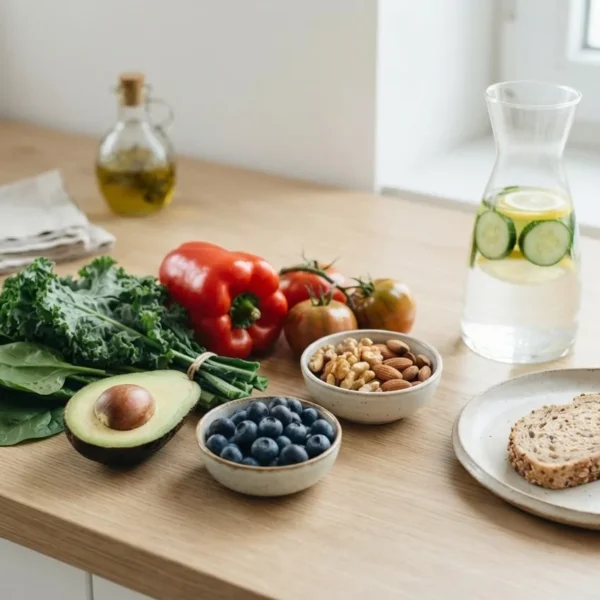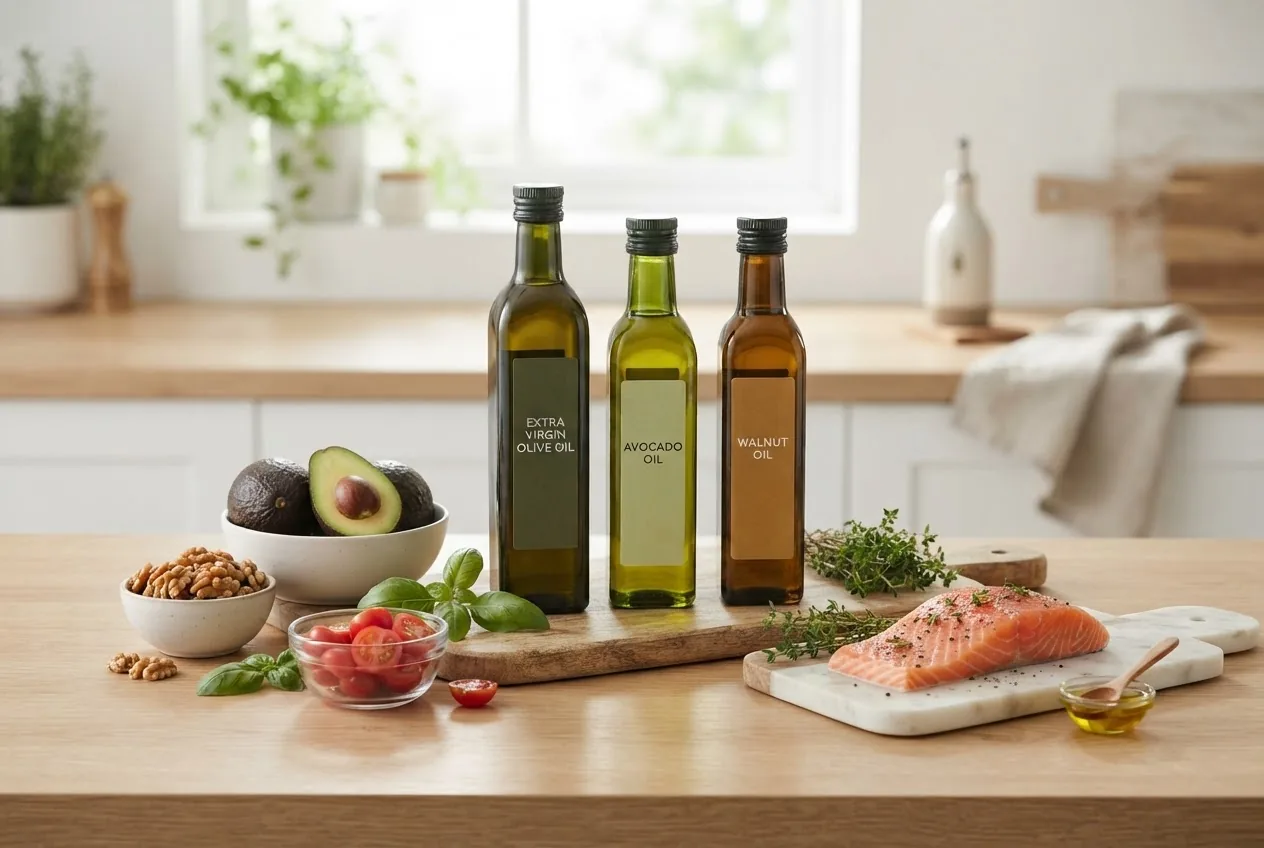
healthiest oil choices include extra-virgin olive oil, avocado oil, and certain high-oleic seed oils; they supply heart-healthy monounsaturated and polyunsaturated fats, antioxidants, and useful smoke-point ranges for varied cooking while supporting weight-loss-friendly meals when used in controlled portions.
Introduction to the Healthiest Oil
Answer: The most healthy oil for general use balances fatty-acid profile (more monounsaturated and omega-3 where possible), antioxidant content, and appropriate smoke point for the cooking method—examples are extra-virgin olive and avocado oil for most Texas kitchens.
Term: Healthy fats are types of dietary fats that support body functions and cardiovascular health, like monounsaturated and polyunsaturated fats.
This guide lists the top healthy cooking oils, compares their fatty-acid compositions (including omega-3 and omega-6), explains smoke points and extraction methods, and gives Texas-friendly meal tips for weight loss and lean-protein pairing. For context on dietary fats and weight loss patterns see healthy fats for weight loss.
Understanding Fatty Acids and Their Impact on Health
Answer: Fatty acids determine oil health effects: monounsaturated fats (MUFA) and polyunsaturated fats (PUFA) generally lower cardiovascular risk when replacing saturated and trans fats; omega-3 PUFAs are anti-inflammatory, while excess omega-6 without balance may promote inflammation.
Term: Monounsaturated fats are fats with one double bond in their chain, often linked to improved cholesterol profiles.
Term: Polyunsaturated fats are fats with multiple double bonds, including omega-3 and omega-6 essential fatty acids.
Term: Saturated fats are solid at room temperature and can raise LDL cholesterol when consumed in excess.
Term: Trans fats are industrially hydrogenated fats that increase heart disease risk.
- Monounsaturated fats (MUFA): improve HDL/LDL balance, stable for moderate heat.
- Polyunsaturated fats (PUFA): include omega-3 (anti-inflammatory) and omega-6 (essential but often excessive in Western diets).
- Saturated fats: higher LDL association; best limited in cooking oils.
- Trans fats: avoid entirely; banned in many food systems due to cardiovascular harm.
Fats are calorie-dense: 1 gram of fat provides about 9 kilocalories. For more on fat energy density and counting, see fat calorie content and consult the USDA nutrient databases for exact values (USDA).
Health organizations recommend replacing saturated and trans fats with MUFA and PUFA. According to a 2023 dietary policy summary from a government source, moderate fat intake (20–35% of calories) emphasizing MUFA/PUFA aligns with reduced cardiometabolic risk (source type: government dietary guidelines).
Understanding calorie context: fats are energy-dense and can derail weight loss when portions aren’t controlled; balancing oils with lean proteins and vegetables maintains satiety with controlled calories. For macro balance details see protein and fat calorie values.
Fatty acid definitions and health impact (stat block)
| Fat Type | Typical Oils | Health Impact Summary |
|---|---|---|
| Monounsaturated (MUFA) | Olive, avocado, high-oleic sunflower | Lowers LDL, may raise HDL; stable for medium heat. |
| Omega-3 (PUFA) | Flaxseed, walnut, some algae oils | Anti-inflammatory, supports brain and heart health; best consumed raw or low heat. |
| Omega-6 (PUFA) | Sunflower, corn, soy | Essential in moderation; excess may promote inflammation relative to omega-3 intake. |
| Saturated | Coconut, palm | Raises LDL in many studies; use sparingly for weight loss and heart goals. |
| Trans (avoid) | Partially hydrogenated oils | Increases cardiovascular risk; avoid in home cooking and processed foods. |
Balance matters: increasing MUFA/omega-3 while reducing saturated and trans fats benefits cardiovascular markers and inflammation markers, supported by randomized trials and meta-analyses (source type: peer-reviewed literature).
Top Healthy Cooking Oils and Their Benefits
Answer: The top healthiest oils for cooking and raw use are extra-virgin olive oil, avocado oil, flaxseed oil, walnut oil, canola (high-oleic), sesame oil, grapeseed (limited), sunflower (high-oleic), and coconut oil (sparingly); each has distinct fatty-acid profiles, antioxidants, and ideal culinary uses.
This numbered list examines each oil with a short profile, documented benefits, and recommended uses. For heart-specific choices see best cooking oil for heart health. For omega-3 sources, see best omega-3 food sources.
-
1. Extra-Virgin Olive Oil (EVOO)
Profile: High in monounsaturated fats (oleic acid), rich in polyphenol antioxidants; cold-pressed, unrefined varieties retain more bioactives.
Benefits: Multiple randomized and observational studies show EVOO reduces major cardiovascular events when part of a Mediterranean pattern (source type: peer-reviewed randomized trial). EVOO contains polyphenols that lower oxidative stress and inflammation.
Best cooking uses: Low-to-medium-heat sautéing, finishing, vinaigrettes, and marinades; ideal with chicken, fish, and salads. Use extra-virgin for dressings and medium-heat stovetop cooking.
-
2. Avocado Oil
Profile: High in MUFA, with a high smoke point in refined forms; available cold-pressed (unrefined) and refined.
Benefits: Supports favorable lipid profiles similar to olive oil; vitamin E content aids antioxidant defenses (source type: clinical nutrition studies).
Best cooking uses: High-heat grilling, roasting, frying (refined) and salad dressings or dips (unrefined). Great with grilled lean steak, chicken breast, or avocado-salsa toppings popular in Texas cuisine.
-
3. Flaxseed (Linseed) Oil
Profile: Very high in plant-based omega-3 fatty acids (alpha-linolenic acid, ALA); low smoke point.
Benefits: Anti-inflammatory ALA supports cardiovascular and metabolic markers when combined with other omega-3 sources; better as a raw supplement than for cooking (source type: peer-reviewed nutritional studies).
Best cooking uses: Raw use only: drizzle over salads, blended into smoothies, or mixed into cold sauces. Avoid heating flaxseed oil due to oxidation risk.
-
4. Walnut Oil
Profile: Good PUFA ratio including ALA; delicate flavor and low smoke point for raw preparations.
Benefits: Contributes plant omega-3s and polyphenols; may modestly improve lipid profiles when used raw (source type: small clinical trials).
Best cooking uses: Raw finishes, dressings, and baking at very low temperatures; pairs well with leafy salads and grilled fish.
-
5. Canola Oil (preferably high-oleic or cold-pressed)
Profile: Moderate MUFA and PUFA; modern canola varieties are lower in saturated fat and higher in MUFA.
Benefits: When used to replace saturated fats, canola oil improves cholesterol markers; cold-pressed retains more antioxidants (source type: systematic reviews).
Best cooking uses: All-purpose frying, baking, and sautéing; choose high-oleic or cold-pressed options for better stability and nutrition.
-
6. Sesame Oil
Profile: Balanced MUFA/PUFA, distinctive flavor, contains sesamol and sesamin antioxidants; available toasted (strong flavor) and refined (higher smoke point).
Benefits: Antioxidant lignans may protect lipids from oxidation and have modest anti-inflammatory effects (source type: peer-reviewed studies).
Best cooking uses: Finishing oil for stir-fries, dressings, and marinades; refined sesame oil can tolerate medium-high heat.
-
7. Grapeseed Oil
Profile: High in PUFA (omega-6) with light flavor; refined versions have higher smoke points.
Benefits: Contains vitamin E and phenolic compounds; balanced use is fine but avoid making it your primary oil because of high omega-6 content relative to omega-3 (source type: nutritional analyses).
Best cooking uses: High-heat cooking in refined form, and neutral-flavor frying or searing; pair with omega-3-rich foods to balance ratios.
-
8. Sunflower Oil (High-Oleic Variants)
Profile: High-oleic sunflower oil is rich in MUFA and more heat-stable than regular sunflower oil.
Benefits: High-oleic variants support better lipid profiles compared with traditional high omega-6 sunflower oils (source type: industry nutritional reports).
Best cooking uses: Frying, roasting, and high-heat applications when using high-oleic or refined versions.
-
9. Coconut Oil
Profile: High in saturated fats (medium-chain triglycerides, MCTs); available virgin (aromatic) and refined.
Benefits: MCTs may increase thermogenesis modestly, but saturated-fat content can raise LDL cholesterol in some people; use sparingly (source type: clinical nutrition reviews).
Best cooking uses: Baking and medium-heat frying for flavor; limit use for regular cooking if heart disease risk or weight loss are primary goals.
When choosing oils, prioritize unrefined, cold-pressed varieties for flavor and antioxidants when using raw or moderate heat; choose refined high-smoke-point versions for frying. Local Texas meals—like a grilled chicken fajita brushed with avocado oil or a mesquite-seared fish with EVOO finish—show how to pair oils with lean proteins for flavor and health.
Smoke Points and Best Cooking Uses for Each Oil
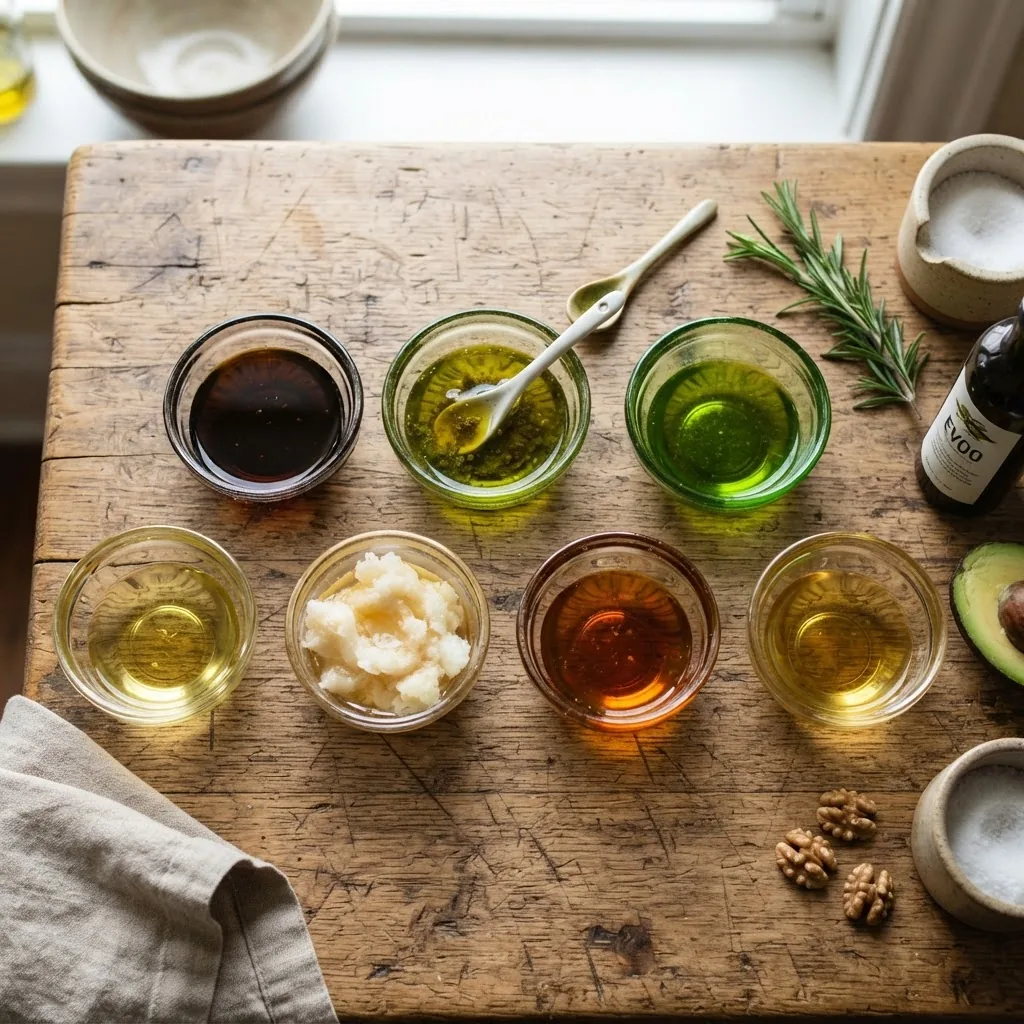
Answer: Smoke point is the temperature at which oil begins to smoke and degrade; choose oils whose smoke points match your cooking method to avoid oxidation and off-flavors—use refined avocado or high-oleic oils for high heat, EVOO for low-to-medium heat, and flax/walnut oils raw.
Term: Smoke point is the temperature where visible smoke appears and oil molecules break down, producing harmful compounds and free radicals.
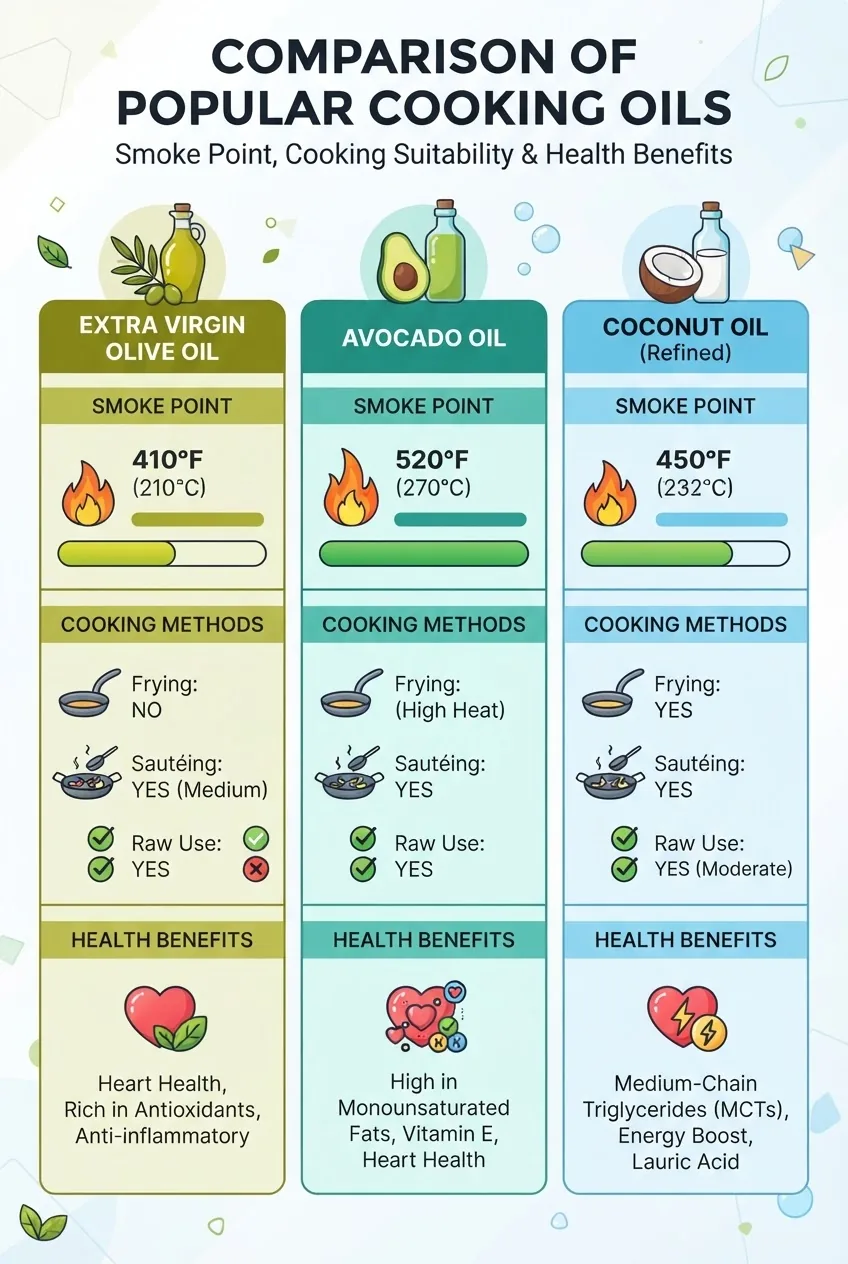
| Oil | Approx. Smoke Point (°F) | Recommended Uses |
|---|---|---|
| Extra-Virgin Olive Oil | 320–410 (varies by quality) | Dressings, low-medium sauté, finishing |
| Avocado Oil (refined) | 520 | High-heat frying, searing, roasting |
| Flaxseed Oil | ~225 | Raw use only |
| Walnut Oil | 320 | Dressings, low-heat baking |
| Canola Oil (refined) | 400 | All-purpose frying, baking |
| Sesame Oil (refined) | 410 | Stir-fry, finishing; toasted for flavor |
| Grapeseed Oil (refined) | 420 | High-heat frying, neutral-flavor cooking |
| High-Oleic Sunflower Oil | 450 | Frying, baking |
| Coconut Oil (refined) | 350 | Baking, medium-heat frying with coconut flavor |
Practical note: refined oils generally have higher smoke points but lower antioxidant content; if you sear steaks or fry chicken in Texas backyard cookouts, choose a refined high-oleic oil or refined avocado oil to reduce oxidative breakdown. EVOO is fine for pan sauces and medium-heat sautéing; always avoid overheating delicate oils like flaxseed or walnut.
How Choosing the Most Healthy Oil Supports Weight Loss and Lean Protein Meals
Answer: Selecting oils with MUFA/PUFA and moderate calories supports satiety, improves fat metabolism when paired with lean proteins, and can aid weight loss when intake is portion-controlled and total calories are managed.
Term: Fat metabolism refers to how the body breaks down and uses dietary fats for energy and storage.
Practical examples for Texas-style lean-protein meals:
- Grilled chicken breast (4–6 oz) brushed with 1 tsp refined avocado oil before grilling for moisture without excess calories.
- Salad of mixed greens, tomatoes, grilled shrimp with 1 tbsp EVOO + lemon as dressing for a high-protein, low-calorie dinner.
- Blackened fish seasoned and pan-seared with a spray of high-oleic sunflower oil to control portions during high-heat cooking.
Portion control: a standard serving of oil is about 1 tablespoon (~14 g, ~120 kcal). For weight loss, track oil portions and aim for 1–2 tablespoons per meal depending on energy needs and the role of other fats in the diet. According to a 2024 industry nutrition summary, mindful oil portions reduce excess caloric intake while maintaining satiety (source type: industry report).
Balance oil use with lean proteins and fiber-rich vegetables to improve thermic effect of food and satiety. For protein targets and how oil interacts with protein calories, consult daily protein intake and Protein rich food for weight loss.
Dietary strategies and examples:
- Swap butter for 1 tsp EVOO on whole-grain toast topped with scrambled egg whites for lower saturated fat and a MUFA boost.
- Use 1 tbsp flaxseed oil blended into a morning smoothie with protein powder to add ALA without cooking heat.
- When frying lean proteins, use measured refined high-oleic oil to minimize oxidation and total added calories.
For cutting-phase meal pairings with lean proteins, healthy oils act as flavor carriers and satiety enhancers; see examples of complementary items in foods for cutting and fat loss. Combining measured oil portions with protein-focused meals improves adherence and helps preserve lean mass during calorie reductions.
What to Avoid: Unhealthy Oils and Common Pitfalls
Answer: Avoid trans fats, partially hydrogenated oils, and repeatedly reused overheated oils; also limit oils with very high omega-6 relative to omega-3 if your diet lacks omega-3s.
Key warnings:
- Trans fats: linked to increased heart disease risk—avoid partially hydrogenated oils in packaged foods (source type: public health reports).
- Highly refined oils: lower antioxidants and potentially more prone to oxidation when reheated repeatedly.
- Excess omega-6: diets high in omega-6 relative to omega-3 can shift inflammatory balance; improve ratio by adding omega-3 sources like flax or walnuts or oily fish (see sibling on omega-3).
Label pitfalls: terms like “natural” or “light” are marketing—look for extraction method (cold-pressed or extra-virgin), packaging (dark glass), and specific varietal claims. According to a 2022 consumer labeling analysis, many products use ambiguous language that misleads buyers (source type: industry analysis).
Home-cooking risks: overheating oils past smoke points creates free radicals and acrylamide precursors; avoid reusing frying oil multiple times and discard oil showing rancid odor or off-flavors. Limit coconut oil if LDL elevation is a concern; replace with MUFA-rich oils for daily cooking.
Practical Tips for Selecting and Storing Healthy Cooking Oils
Answer: Choose oils labeled extra-virgin or cold-pressed for raw uses, high-oleic/refined for high-heat, prefer dark glass packaging, buy small quantities, and store in a cool, dark place to preserve quality.
- Buy the right type: select unrefined extra-virgin for dressings and cold use; refined high-oleic or avocado for frying.
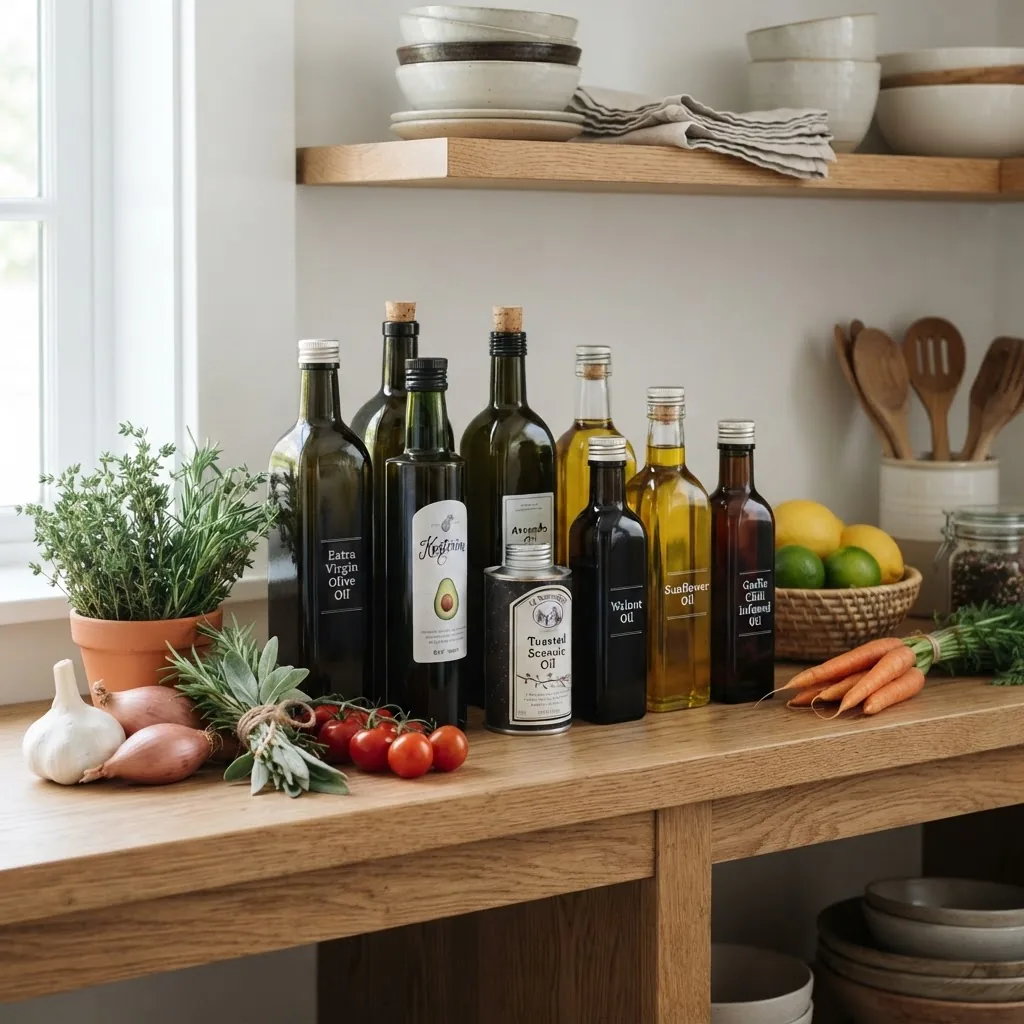
- Check packaging: prefer dark glass bottles to limit light exposure; avoid large clear plastic jugs for long-term storage.
- Look for extraction method: cold-pressed or expeller-pressed retain more antioxidants; refined versions have higher smoke points but fewer polyphenols.
- Purchase frequency: buy smaller bottles (3–6 months usage) to ensure freshness, especially for high-PUFA oils (flax, walnut).
- Storage: keep oils in a cool, dark pantry away from stove heat; refrigerate flaxseed and walnut oils and use within 60–90 days after opening.
- Sensory check: discard oils that smell sour, bitter, or paint-like—these indicate rancidity.
Conclusion and Summary: Choosing Your Healthiest Oil for a Balanced Diet
Answer: Choose oils that balance MUFA and PUFA, match smoke points to cooking methods, prefer unrefined oils for cold use, and control portions to support weight loss and cardiovascular health—EVOO and avocado oil are top versatile picks for most people in Texas.
Key takeaways:
- Prioritize extra-virgin olive oil and avocado oil for most needs.
- Use flaxseed and walnut oils raw for omega-3 boosts; avoid heating them.
- Choose refined high-oleic oils or refined avocado for high-heat cooking.
- Measure oils to control calories—1 tbsp ≈ 120 kcal.
- Pair oils with lean proteins and vegetables to support weight-loss plans; for meal templates check Protein rich food for weight loss.
Limitations and cautions: individual responses vary—monitor lipid panels if changing fat intake significantly and consult healthcare professionals for personalized advice. For official guidance, review the American Heart Association recommendations (American Heart Association) and USDA dietary guidance (USDA).
Call to action: Start by swapping one saturated-fat source for an MUFA-rich oil this week—try avocado oil for grilling and EVOO for salads—and track portion sizes to see the difference in satiety and cooking satisfaction.