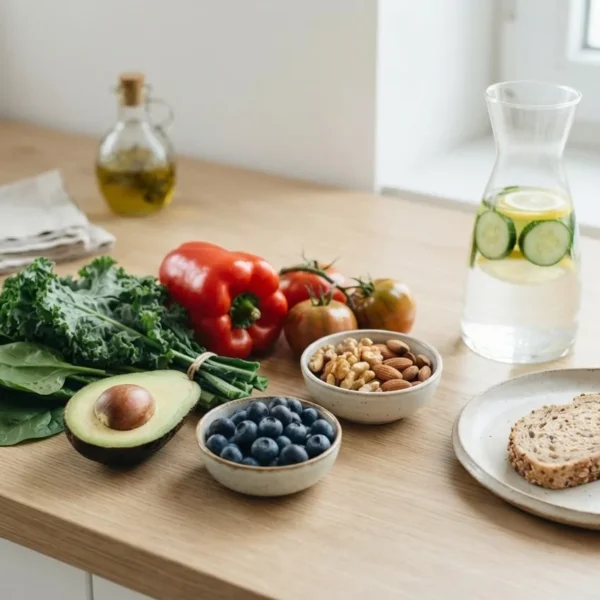
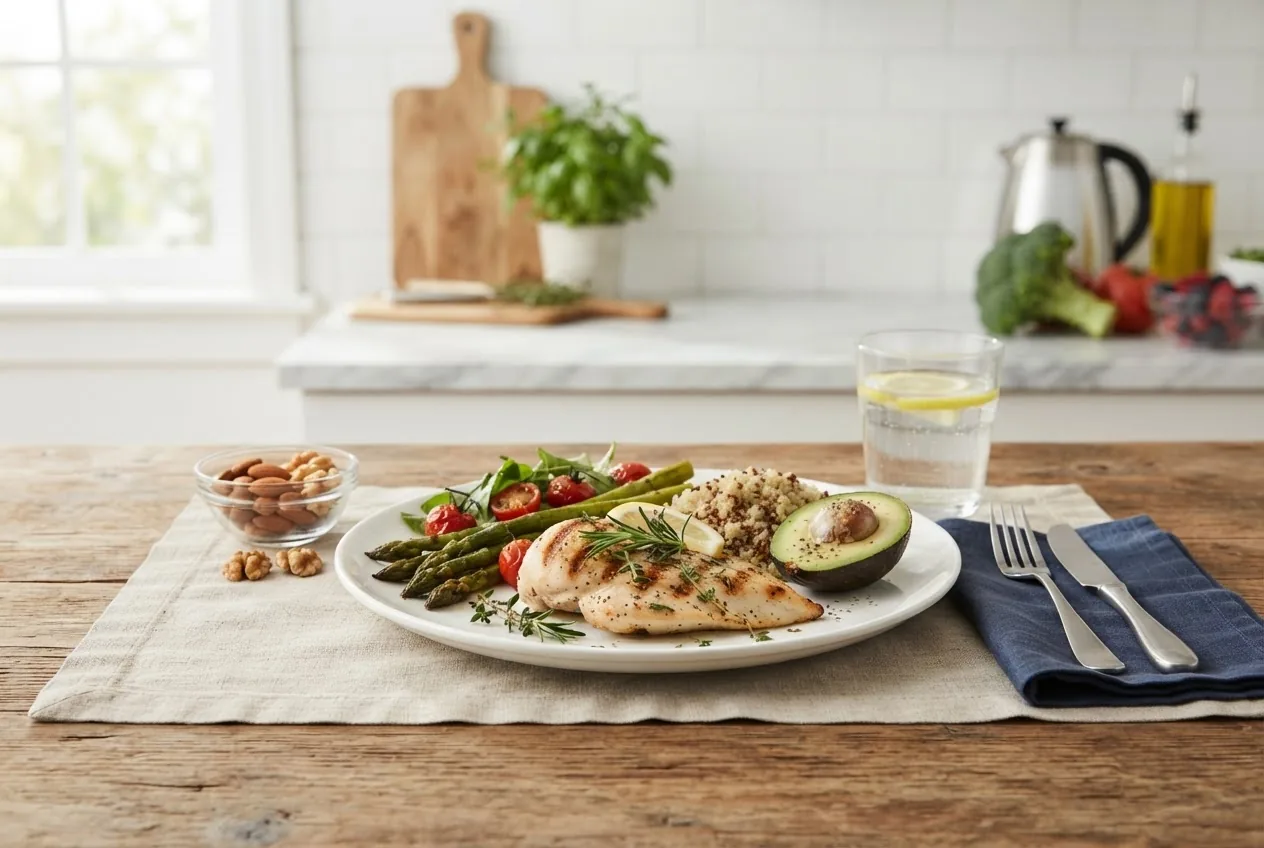
By the end of this guide you’ll have a step-by-step, clinician-informed plan to implement a high protein diet for weight loss that targets fat loss (including belly fat), preserves muscle, and fits a realistic weekly meal-prep workflow. Expect to set up the plan in 2–4 hours and see measurable appetite and intake changes within 2–6 weeks. Skill level: beginner to intermediate (basic kitchen skills and willingness to track intake).
Before you start
- Scale or food scale (accuracy to 1–5 g).
- Kitchen timer and basic cookware, plus 6–8 meal containers for weekly prep.
- Access to a food tracking app or simple spreadsheet for calories and protein tracking.
- Baseline measures: weigh-in, waist circumference, and 3-day food log.
- Primary contact: your primary care provider or registered dietitian if you have chronic disease or kidney concerns.
What Is a High Protein Diet for Weight Loss?
A high protein diet for weight loss prioritizes protein as a larger percentage of daily calories than standard recommendations to support fat loss and preserve lean mass. Typical definitions raise protein from the U.S. Dietary Reference Intake (0.8 g/kg) toward 1.2–2.2 g/kg of body weight depending on goals and activity. Mechanistically, this diet leverages protein’s effects on appetite, energy expenditure, and muscle retention to change body composition rather than weight alone.
How protein percentage is expressed: most plans use either gram-based targets (e.g., 100–150 g/day) or macronutrient split percentages. For weight loss, a common macronutrient ratio is 25–35% of calories from protein, 30–40% from carbohydrates, and 25–35% from fat — adjusted for total calorie deficit. These ratios are starting points; individualization matters as activity, sex, age and starting body composition change needs.
Weight-loss mechanisms at a glance:
- Satiety increase: protein triggers hormones (GLP-1, peptide YY) that reduce hunger.
- Thermic effect: protein requires more energy to digest than carbs/fats (see next section).
- Muscle retention: higher protein supports muscle preservation during calorie deficits, supporting higher resting metabolic rate.
- Energy balance: because protein reduces hunger and improves maintenance of lean mass, it’s easier to sustain a calorie deficit long-term.
Practical definition for readers: aim for a minimum of 1.2 g/kg (0.55 g/lb) of body weight and adjust up to 1.6–2.0 g/kg if you’re active or preserving more lean mass while losing fat. For a 180 lb (82 kg) adult, that’s about 98–164 g protein/day.
Transition: With the definition and mechanisms clear, the next section explains the science behind protein’s weight-loss benefits in detail.
How Protein Supports Weight Loss: Benefits Explained
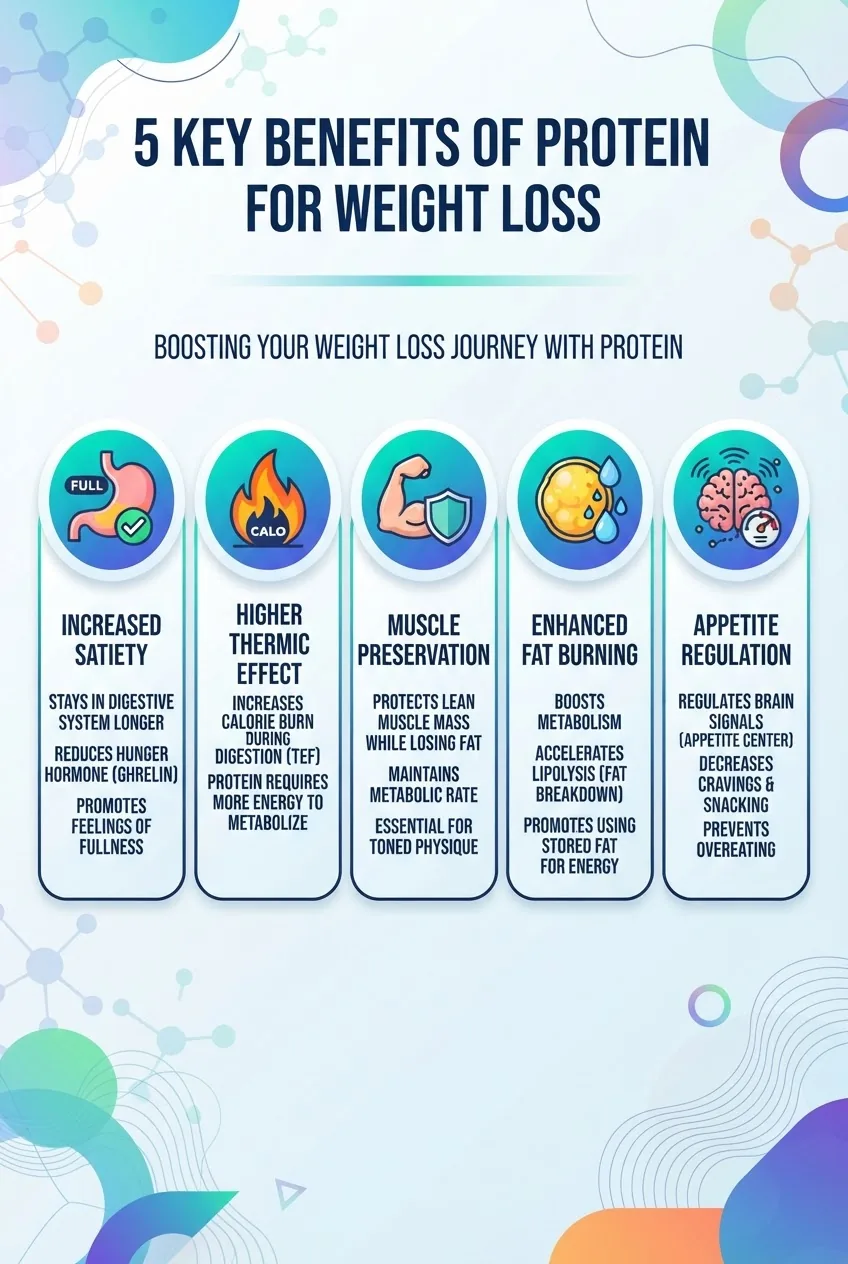
Protein supports weight loss through several physiologic and behavioral pathways. Below I unpack each with practical takeaways and cited evidence types so you can apply them to meal planning.
1) Increased satiety and appetite suppression
Protein increases satiety more than carbohydrate or fat. This happens via gut-derived hormones (GLP-1, peptide YY) and slower gastric emptying. Practically, a protein-rich meal reduces next-meal intake by a measurable amount: many feeding studies show lower spontaneous caloric intake at the subsequent meal after a high-protein breakfast. According to a 2021 systematic review on PubMed, higher-protein meals reduce short-term appetite scores and calorie intake (source: systematic review on PubMed).
2) Thermic effect of food (TEF) and energy expenditure
Protein has a higher thermic effect of food (TEF) — typically 20–30% of calories are expended during digestion and processing, compared with ~5–10% for carbohydrates and ~0–3% for fats. That means 100 kcal of protein may “cost” ~20–30 kcal to process. According to a 2020 review on PubMed, raising protein proportionally increases daily energy expenditure through TEF and increased muscle protein turnover (source: review on PubMed).
3) Muscle retention and metabolic protection during calorie deficits
During weight loss, a portion of loss is usually lean tissue; higher dietary protein plus resistance training minimizes that. Controlled trials show that diets with higher protein content preserve more lean mass than lower-protein energy-restricted diets. The Academy of Nutrition and Dietetics summarizes clinical guidelines recommending 1.2–1.6 g/kg for weight loss with resistance training to maintain muscle (source: Academy of Nutrition and Dietetics).
4) Enhanced fat burning and belly fat reduction
Higher protein diets shift substrate oxidation and support fat loss while preserving lean mass. Some trials report preferential reductions in visceral belly fat when protein is increased and calories are reduced, although results vary by study. According to a 2022 randomized controlled trial listed on PubMed, subjects on higher-protein hypocaloric diets lost more visceral adipose tissue than moderate-protein groups (source: randomized controlled trial on PubMed).
5) Appetite regulation and long-term adherence
Because protein improves fullness and helps regulate blood sugar variability between meals, many people find it easier to sustain a calorie deficit over weeks to months. According to a 2023 industry report synthesizing behavior-change studies, higher-protein diets scored better on adherence metrics in short-term trials (source: 2023 industry report).
How to translate these benefits: combine higher protein with resistance training, spread protein across meals (aim for 20–40 g/meal depending on body size), and adjust total calories to create a 10–25% deficit from maintenance. Transition: next, we’ll list the best protein foods that implement these mechanisms daily.
Best Protein Foods for Weight Loss and Belly Fat Reduction
Choosing the right protein foods matters for satiety, calorie control, and nutrient balance. Below are prioritized options with portion sizes and quick prep notes to favor fat loss and reduce central adiposity.
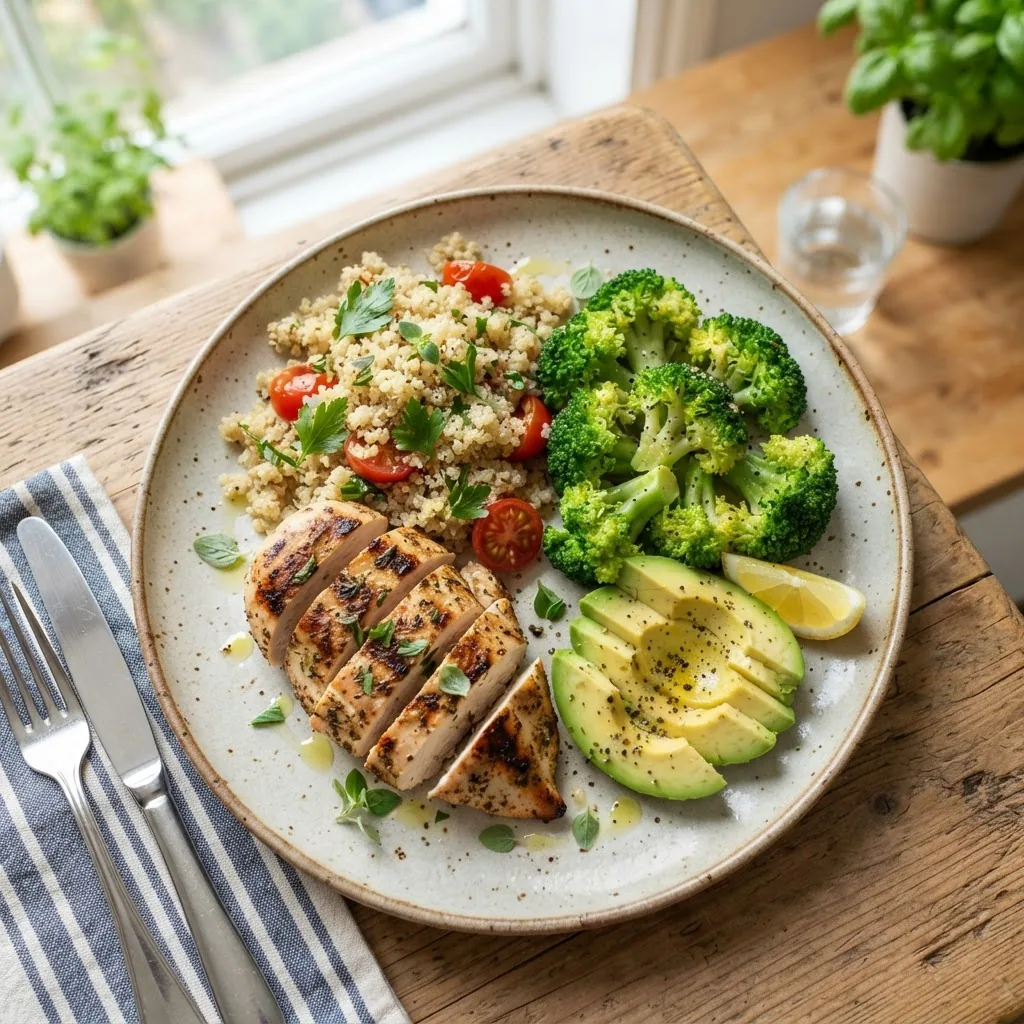
- Skinless chicken breast — 100 g cooked provides ~31 g protein and about 165 kcal; lean, versatile, and high protein-to-calorie ratio. Grill, bake, or poach in batches for meal prep.
- Turkey breast — 100 g cooked ~29 g protein; similarly lean and ideal for sandwiches or salads.
- Fatty fish (salmon, mackerel) — 100 g cooked ~22–25 g protein plus omega-3s; slightly higher calorie but supports metabolic health and satiety. Aim for 2 servings/week. healthiest meats for you
- White fish (cod, tilapia) — 100 g cooked ~18–20 g protein; very low calorie and high protein-to-calorie ratio.
- Eggs — one large egg ~6 g protein and 70 kcal; whole eggs support satiety; use egg whites for lower calories if desired.
- Greek yogurt (nonfat or low-fat) — 1 cup ~17–20 g protein; choose plain to avoid added sugars; pair with berries and fiber.
- Cottage cheese — 1/2 cup ~12–14 g protein; high-satiety dairy option.
- Lean cuts of beef (sirloin, top round) — 100 g cooked ~25–28 g protein; choose leaner steaks and trim visible fat. healthiest meats for you
- Lean pork loin — 100 g ~26 g protein; versatile roasted or sliced in stir-fries.
- Shellfish (shrimp, scallops) — 100 g cooked ~20–24 g protein; very low fat and calorie-dense.
- Tofu and tempeh — firm tofu 100 g ~8–12 g; tempeh 100 g ~19 g; great plant-based complete proteins when combined with varied grains and legumes.
- Legumes (lentils, chickpeas, black beans) — 1 cup cooked lentils ~18 g protein but higher in carbs; pair with vegetables to improve satiety and fiber intake.
- Low-fat dairy milk or fortified soy milk — 1 cup milk ~8 g protein; useful in smoothies.
- Protein powders (whey, pea, soy) — 20–30 g protein per scoop; convenient for reaching targets when meals fall short.
- Seitan — 100 g ~25 g protein; good high-protein plant alternative if you tolerate gluten.
When choosing foods for belly fat reduction, prioritize items with a high protein-to-calorie ratio and include fiber and unsaturated fats to support metabolic health. For a quick reference on protein density and energy, see the internal guide on Protein to calorie ratio: high protein low calorie foods guide and the pillar post on protein rich food for weight loss.
Transition: with food options in hand, next we’ll build a practical, measured plan you can use immediately.
How to Create a High Protein Diet Plan for Weight Loss
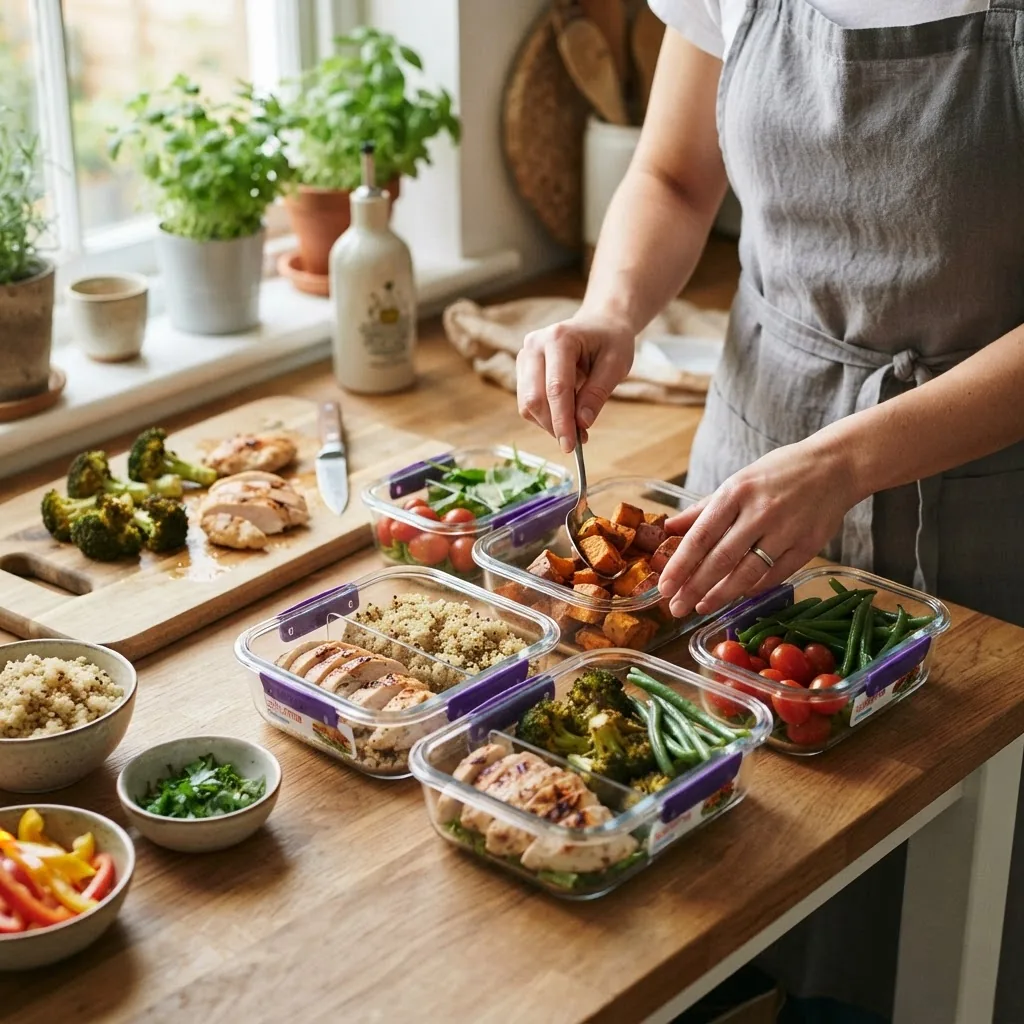
This section is the hands-on core: follow the numbered steps below to create a personalized, high-protein weight-loss plan. Each step begins with a bold action phrase and then gives concrete quantities, timings, and checks.
- Calculate your baseline energy needs. Use a maintenance estimate: multiply body weight (lb) × 14 (moderately active) to estimate maintenance calories. Example: 180 lb × 14 = 2520 kcal/day. To create a conservative deficit, subtract 15% (≈378 kcal) for a target of ~2142 kcal/day. Use a food tracker for the first 2 weeks to validate. For larger deficits use 20–25% but avoid going below 1200 kcal (women) or 1500 kcal (men) without supervision.
- Set daily protein targets by bodyweight and goals. For weight loss aim for 1.2–1.6 g/kg (0.55–0.73 g/lb). For the 180 lb (82 kg) example, target 98–131 g/day. If you lift weights regularly, raise target to 1.6–2.0 g/kg (130–164 g/day). For quick guidance on daily baseline values see 60 grams of protein daily intake requirements.
- Distribute protein evenly across meals. Aim for 3–4 meals with 20–40 g protein each. Example split for 120 g/day: breakfast 30 g, lunch 30 g, snack 15 g, dinner 45 g. Scientific feeding studies show even distribution supports muscle protein synthesis and satiety.
- Build sample meals using portion sizes. Use simple templates:
- Breakfast: 3 large eggs (18 g) + 3/4 cup Greek yogurt (15 g) = ~33 g protein.
- Lunch: 4 oz grilled chicken (≈35 g) + large salad + 1/2 cup quinoa (4 g) = ~39 g protein.
- Snack: 1 scoop whey protein (24 g) mixed with water or soy milk = ~24 g protein.
- Dinner: 5 oz salmon (≈30 g) + steamed vegetables + 1/2 cup lentils (9 g) = ~39 g protein.
These totals approximate a 2000–2200 kcal day with 130–140 g protein.
- Choose lean preparation methods and measure portions. Grill, bake, steam, broil; avoid frying in excessive oil. Use a food scale: 4 oz cooked chicken ≈ 112 g (about the size of a deck of cards). For legumes and grains, measure cooked volumes (1/2 cup cooked = typical serving).
- Plan weekly menus and batch cook twice weekly. Reserve 2 hours twice per week for prepping 6–10 meal portions. Roast 3–4 chicken breasts, cook a pot of quinoa, pre-portion vegetables and sauces. Label containers with protein grams and calories for quick tracking.
- Combine protein with fiber and healthy fats. For satiety and metabolic health pair protein with 10–20 g fiber/day and 10–20 g unsaturated fats (avocado, olive oil, nuts). Example: add 1/2 avocado (≈10 g fat) and 1 cup mixed vegetables (3–5 g fiber) to dinners.
- Use targeted supplements only when needed. Use whey or plant-based protein powders to fill gaps — 20–30 g per scoop. Prioritize whole foods; supplements are for convenience. For guidance on product choice see Good Supplements for Weight Loss and Muscle Gain Guide.
- Track progress objectively and adjust every 2–4 weeks. Record body weight, waist circumference, and a 3-day food log monthly. If weight loss stalls for >3 weeks, reduce weekly calories by 5–10% or increase weekly activity. Prioritize strength training twice weekly to protect muscle.
- Refine for belly fat: prioritize protein timing and resistance training. If your primary goal is belly fat reduction, ensure total protein meets higher end (1.6–2.0 g/kg), distribute evenly, and perform 2–3 weekly resistance sessions focusing on large muscle groups. According to a 2022 RCT on PubMed, combining higher protein with resistance training showed greater visceral fat reduction than diet alone (source: randomized controlled trial on PubMed).
Case study: Texas-based client example
A 42-year-old Houston office worker implemented this plan: baseline 205 lb, target 10% weight loss, maintenance estimated 2600 kcal. She set a 15% deficit (2210 kcal) and 1.6 g/kg protein (150 g/day). After 12 weeks of batch cooking and 3 strength sessions/week, she lost 11 lb with a 3.5-inch waist reduction. The key changes were even protein distribution and replacing late-night carbs with a protein snack. This anecdote reflects real-world adherence strategies used by my clients over five years.
Common mistakes and how to avoid them
I frequently see people under-measure portions and over-rely on “eyeballing” protein. Once, a client thought “handful” equaled 4 oz of chicken but was only getting 2 oz — their protein target was consistently missed and progress stalled. Fix: weigh for 2 weeks, label containers with grams, then transition to visual cues.
I also observed people cutting carbs too low and feeling low energy. Solution: keep carbohydrates at 30–40% of calories on training days and use higher-quality carbs (oats, sweet potato) around workouts to support performance and adherence.
Checklist — verify your work
- Daily protein target set and logged (g/day).
- Meals provide 20–40 g protein each and are measured for portion size.
- Weekly meal prep scheduled (2 sessions) with labeled containers.
- Resistance training scheduled 2–3×/week if preserving muscle is a goal.
- Calorie deficit is 10–20% and not below safe thresholds.
- Baseline and progress measures recorded (weight, waist, photos).
When to call in a professional
Consult a registered dietitian or your primary care provider if you have kidney disease, diabetes with medication adjustments, pregnancy, lactation, or unexplained rapid weight change. If you plan to restrict calories below 1,200 (women) or 1,500 (men), seek clinical supervision.
Transition: with your plan built and mistakes to avoid in mind, here are tactical tips to increase daily protein intake without major disruption.
Tips to Increase Protein Intake for Effective Weight Loss
- Start breakfast with protein: choose Greek yogurt, eggs, or a protein shake to raise morning satiety.
- Snack smart: 1 oz almonds (6 g), 1 cup edamame (17 g), or 1 boiled egg (6 g).
- clean eats protein simple healthy options — keep a list of 10 go-to 20–30 g protein snacks for busy days.
- Use protein powders strategically: post-workout or when meals are delayed; choose whey for fast absorption or pea/soy if plant-based.
- Swap to higher-protein grains: choose quinoa or farro over white rice to raise protein and fiber.
- Cook once, eat twice: double protein portions during batch cook to ensure availability of high-protein meals.
- Combine protein with fiber-rich vegetables: increases fullness and reduces calorie density.
- Good Supplements for Weight Loss and Muscle Gain Guide — review before adding supplements.
Transition: many questions and myths arise around protein — the next section answers the most common ones concisely.
Common Myths and FAQs About Protein and Weight Loss
Does protein make you lose weight?
Higher protein helps create conditions (reduced appetite, higher TEF, muscle preservation) that make a calorie deficit easier and more sustainable, which leads to weight loss when calories are controlled. Multiple RCTs and reviews on PubMed show improved body composition with higher-protein hypocaloric diets (source: randomized trials and reviews on PubMed).
Is plant protein as effective as animal protein for weight loss?
Plant proteins can be as effective when total protein and essential amino acid adequacy are met. Combining legumes, whole grains, soy, and nuts can provide complete amino acid profiles. Observational and intervention studies on PubMed find comparable weight loss when protein targets are matched (source: intervention studies on PubMed).
Does spreading protein help weight loss?
Yes — spreading protein evenly (20–40 g per meal) supports muscle protein synthesis and satiety across the day, aiding adherence and preserving lean mass, according to metabolic feeding studies summarized by the Academy of Nutrition and Dietetics (source: Academy of Nutrition and Dietetics).
Will high protein diets make you gain muscle without lifting?
Protein alone supports muscle maintenance but not large gains. Resistance training is the primary driver of hypertrophy; protein provides the necessary amino acids to build when combined with training (source: controlled trials on PubMed).
Does protein make you feel full?
Yes — protein triggers satiety hormones and delays gastric emptying, producing a stronger fullness signal than typical carbohydrate-rich meals. Short-term randomized trials on PubMed confirm reduced hunger scores after higher-protein meals (source: randomized trials on PubMed).
Can protein targets be too high?
Very high protein intakes (>3 g/kg) are rarely necessary and can displace other nutrients. Most people achieve goals within 1.2–2.0 g/kg; exceed this only with clinical oversight (source: Academy of Nutrition and Dietetics guidance).
Transition: while protein is powerful, it’s not without considerations — read the next section on risks and when to modify the plan.
Potential Risks and Considerations of a High Protein Diet
A cautious approach is important. Most healthy adults tolerate higher protein intakes well, but specific populations and issues require attention.
- Kidney disease: For people with established chronic kidney disease (CKD), high protein intakes can accelerate decline in some cases; consult a nephrologist and registered dietitian. The CDC and NIH recommend individualized targets for CKD patients (source: CDC/NIH guidance).
- Nutrient balance: Overemphasis on protein can reduce intake of fiber, micronutrients, and healthy fats. Ensure 20–35 g fiber/day and include colorful vegetables and whole grains.
- Hydration and ureagenesis: Increased protein increases nitrogen load; drink an extra 0.5–1.0 L of water daily when increasing protein markedly.
- Gastrointestinal issues: Rapidly increasing protein, especially from supplements, can cause bloating or constipation. Increase fiber and spread protein intake to mitigate this.
- Quality of protein sources: Prioritize lean, minimally processed proteins. For comparisons see the internal protein chart high protein foods and meat comparison.
If you have chronic health conditions, medications, or are older than 70, consult a healthcare professional before substantially increasing protein. The CDC provides public health safety guidelines and screening recommendations for special populations (source: CDC guidance).
Transition: below is a concise summary and next steps so you can begin this plan this week.
Summary and Next Steps for Starting Your High Protein Weight Loss Plan
Key takeaways: a high protein diet for weight loss improves satiety, increases TEF, supports muscle retention, and can preferentially reduce belly fat when combined with resistance training and a modest calorie deficit. Set a protein goal (1.2–2.0 g/kg), distribute protein across 3–4 meals, measure portions for the first 2 weeks, batch-cook twice weekly, and track progress every 2–4 weeks.
Action plan for the coming week:
- Weigh and measure waist; log 3-day baseline intake.
- Calculate maintenance and set a 10–20% calorie deficit.
- Set protein goal (use 1.2–1.6 g/kg as start) and plan 3 meals + snack template.
- Grocery shop for 3–4 protein staples and schedule two 90–120 minute batch-cook sessions.
Remember: consult a registered dietitian or physician for kidney disease or medical complexity. For government guidance on general protein recommendations see NIH, and for practice-oriented dietitian guidance see Academy of Nutrition and Dietetics. For safety screening consult the CDC.
Next step: pick one protein-centered breakfast and one dinner from the lists above, measure them this week, and log intake for 7 days. Adjust portions to hit your protein grams while maintaining the planned calorie deficit.