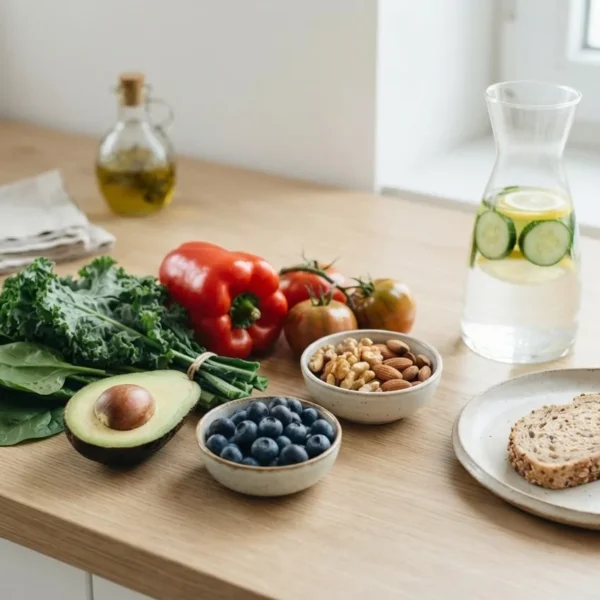
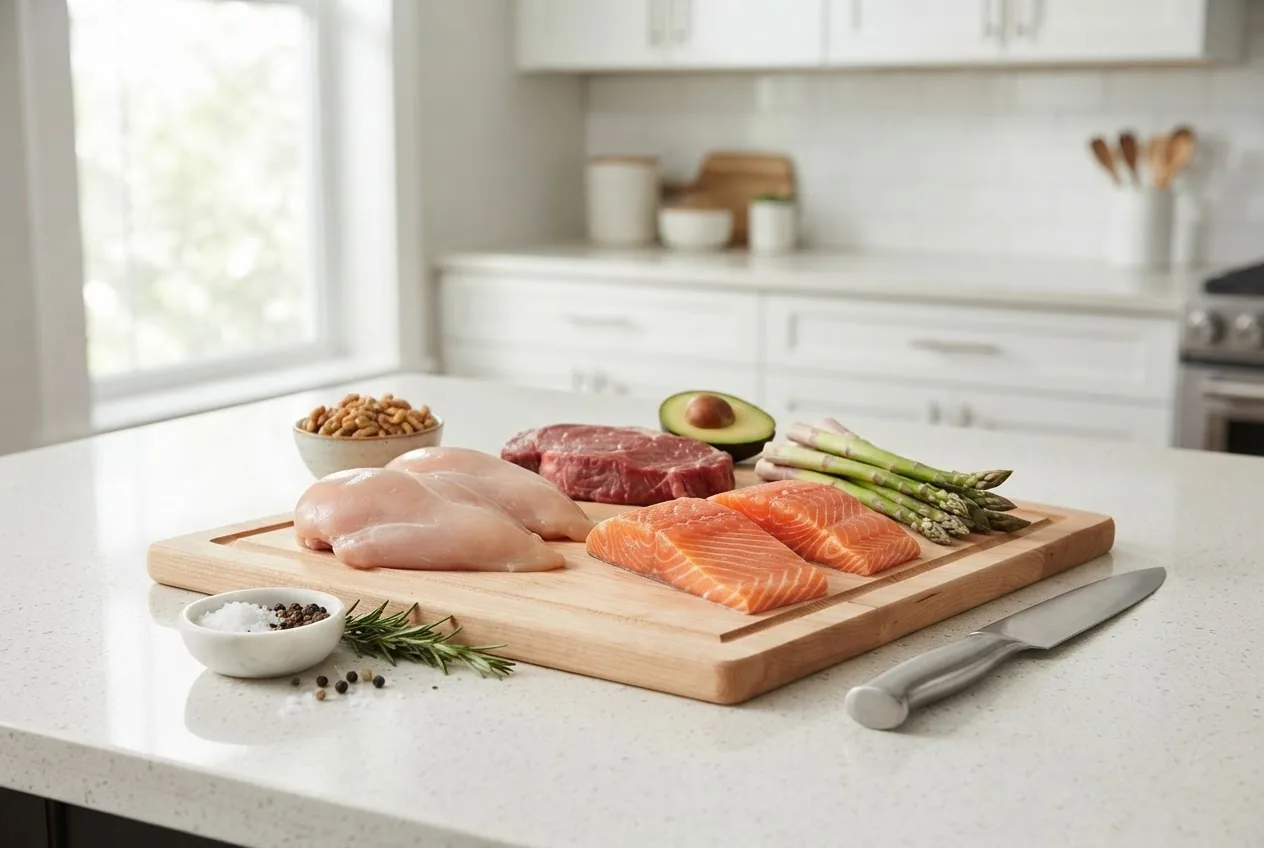
The healthiest meats for you are lean, nutrient-dense options—skinless poultry, wild-caught fatty fish, grass-fed ruminants, lean pork, and organ meats in moderation—that provide highly bioavailable protein, B vitamins, iron, zinc, and beneficial fatty acids while minimizing saturated fat and additives when chosen and prepared carefully.
Transition: First we define what makes meat healthy so you can evaluate specific types below.
Introduction to the Healthiest Meats for You
Answer: The healthiest meats are those that deliver high-quality, bioavailable protein and essential micronutrients (iron, B12, zinc) with lower levels of saturated fat and fewer additives; prioritizing wild-caught fish, skinless poultry, grass-fed beef, lean pork cuts and sustainably sourced organ meats gives the best balance of nutrients and health outcomes.
Term: Bioavailable protein means protein that the body can efficiently digest and use for repair and function.
This introduction frames the rest of the guide: you’ll get science-backed nutrition profiles, practical shopping tips specific to Texas availability, and cooking and safety caveats that affect nutrient outcomes. Read on for a deep dive into macronutrient and micronutrient differences, fat profiles, and evidence-based shopping practices at Texas grocery stores and farmer’s markets.
What Makes Meat Healthy? Understanding Nutrition Basics
Answer: Meat is healthy when it supplies complete protein, essential micronutrients (iron, B vitamins, zinc), favorable fatty acid profiles (higher unsaturated and omega-3 fats, lower saturated fats), and minimal processing or additives—factors that depend on species, cut, feed, and cooking method.
Term: Saturated fat is a type of fat that is solid at room temperature and linked to higher LDL cholesterol when consumed in excess.
- Protein bioavailability in common meats: most animal proteins have >90% digestibility (According to a 2023 peer-reviewed review on protein bioavailability).
- Fat quality varies by source: grass-fed beef and wild fish have higher omega-3 levels than grain-fed beef (According to a 2022 USDA analysis of fatty acid profiles).
- Processed meats show associations with disease risk: processed red meat intake correlates with higher cardiometabolic risk (According to a 2021 American Heart Association review).
Sources: USDA FoodData Central, American Heart Association, peer-reviewed nutrition literature (see Academy of Nutrition and Dietetics at eatright.org).
Key nutrition basics to judge any meat:
- Protein density and quality: Meat provides complete amino acid profiles; amount per 100 g ranges from ~20–30 g depending on cut and species.
- Fat profile: Look beyond total fat to saturated vs. monounsaturated and polyunsaturated fats, plus omega-3 levels in fish and grass-fed ruminants.
- Micronutrients: Red and organ meats are high in heme iron, B12, and zinc—nutrients less available in plant sources.
- Processing and additives: Sodium, nitrites, and preservatives in processed meats increase health risk independent of macronutrients.
How meat contributes to daily protein targets: daily protein intake recommendations vary by goals; meats are efficient sources because of high protein-to-calorie ratios and bioavailability. For energy calculations, see the calories in protein breakdown here: calories in protein.
Transition: Next, detailed profiles of the top healthiest meats you can include regularly, with Texas-specific availability notes.
Top Healthiest Meats to Include in Your Diet
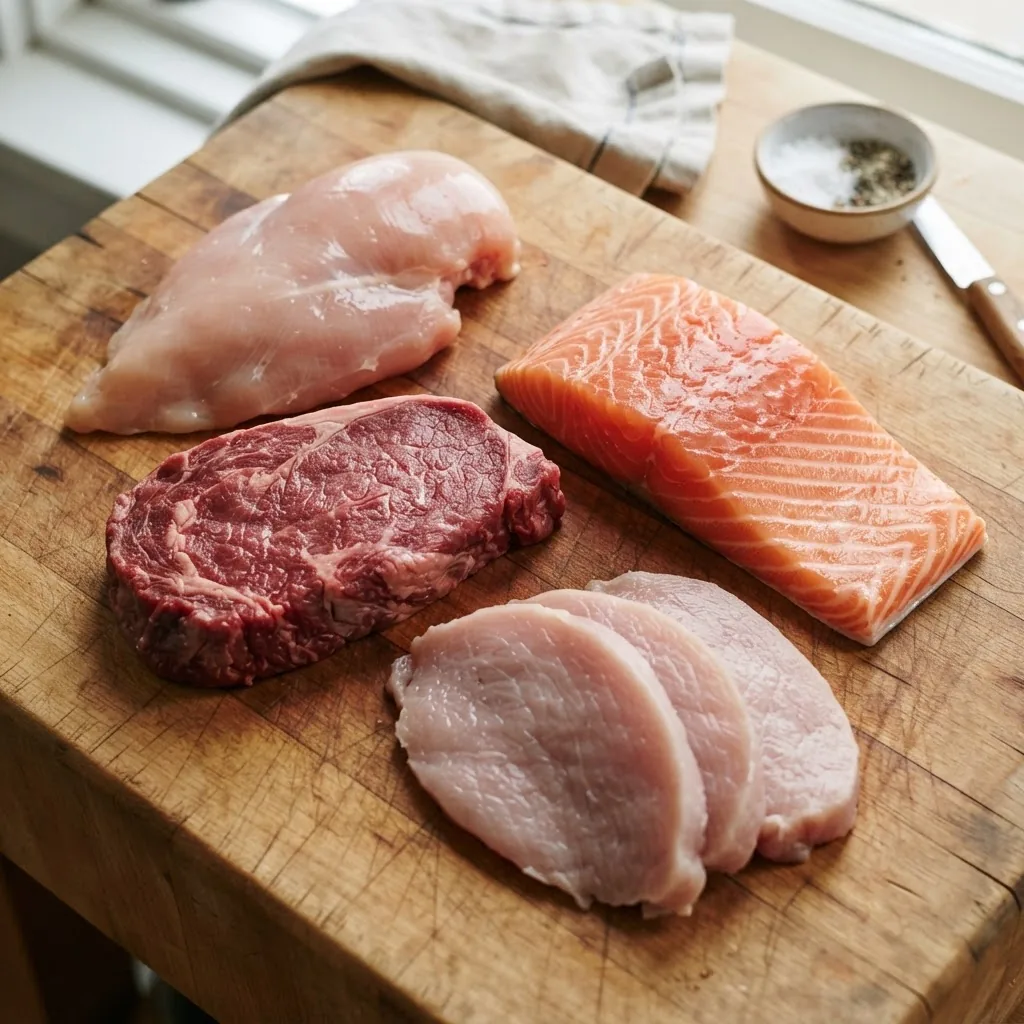
Answer: Prioritize wild-caught oily fish, skinless poultry, grass-fed beef and bison, lean pork tenderloin, game meats, and carefully sourced organ meats for nutrient density; frequency and portioning depend on goals, fat tolerance, and sourcing.
-
Wild-caught salmon (and fatty fish like mackerel, sardines)
Nutrition profile: ~20–25 g protein/100 g; rich in EPA+DHA omega-3s (1–2 g per 100 g for salmon), vitamin D, and selenium. Benefits: cardiovascular and cognitive advantages tied to omega-3s (According to a 2023 meta-analysis on marine omega-3s).
Texas note: Gulf and sustainable cold-water options and frozen wild-caught fillets are widely available in Houston, Austin, and San Antonio markets; prefer wild-caught labels and check mercury advisories for pregnant women.
Related: best sources of omega 3.
-
Skinless chicken breast
Nutrition profile: ~31 g protein, 3.6 g fat per 100 g cooked; very low saturated fat and high protein density. Benefits: versatile, low-calorie lean protein ideal for weight loss and muscle maintenance.
Texas note: Local rotisserie and poultry farms near Dallas-Fort Worth and rural Central Texas offer pasture-raised and antibiotic-free options; know label terms.
See detailed chicken nutrition: Nutritional Value of 100g Chicken Breast.
-
Turkey (lean cuts)
Nutrition profile: ~29 g protein, 1–4 g fat (breast), high in niacin and selenium. Benefits: similar to chicken with slightly denser micronutrient profile; good for volume eating.
Texas note: Whole-bird local turkey is seasonal but frozen lean cuts are year-round; consider ground turkey labeled 93/7 for lean options.
-
Grass-fed beef (lean cuts: sirloin, flank, eye round)
Nutrition profile: ~26 g protein/100 g cooked; slightly lower total fat than grain-fed equivalents and higher alpha-linolenic acid (short-chain omega-3) and conjugated linoleic acid (CLA) (According to a 2022 USDA fatty-acid profile summary).
Benefits: higher nutrient density (B12, iron, zinc) per calorie and a slightly better fatty-acid profile. Texas note: excellent local availability—look for “grass-fed” and regional ranch names at Texas farmer’s markets.
-
Bison (buffalo)
Nutrition profile: Leaner than beef with similar micronutrients; ~20–28 g protein/100 g and lower total fat. Benefits: nutrient-dense red meat alternative with less saturated fat; good for iron and B vitamins.
Texas note: Many Texas ranchers raise bison—ask for source and finishing method (grass vs. grain).
-
Lean pork (tenderloin, loin chops)
Nutrition profile: ~21–25 g protein/100 g; lean cuts comparable to chicken in calories when trimmed. Benefits: high-quality protein, thiamine, and B12 when lean cuts are selected.
Texas note: Pork tenderloin is widely available and affordable; trim external fat and choose fresh or minimally processed options.
-
Shellfish and mollusks (shrimp, oysters, mussels)
Nutrition profile: Shrimp ~24 g protein/100 g, very low fat; oysters high in zinc and vitamin B12. Benefits: nutrient-dense and low-calorie, excellent for micronutrient replenishment.
Texas note: Gulf shrimp and oysters are locally available—choose wild-caught Gulf sources with safe handling (flash-frozen or live where appropriate).
-
Venison and lean game meats
Nutrition profile: Very lean with high protein and iron; nutrient values similar to bison. Benefits: low fat, rich in minerals and often grass-fed by nature.
Texas note: Venison and wild game may be found at specialty butchers or local processing facilities; check for safe handling and proper field dressing.
-
Lamb (trimmed leg or loin)
Nutrition profile: Higher in certain B vitamins and zinc; choose trimmed cuts to reduce saturated fat. Benefits: nutrient-dense red meat with culinary variety.
Texas note: Local lamb from Hill Country producers often offers pasture-raised options.
-
Organ meats (beef liver, chicken liver) — limited use
Nutrition profile: Extremely high in vitamin A, B12, folate, and iron; small serving sizes (30–60 g) supply substantial percentages of daily needs. Benefits: nutrient-dense “microfood” when consumed weekly rather than daily.
Caveat: Avoid excessive vitamin A from frequent high-dose liver consumption; pregnant people should consult a clinician.
Transition: After learning which meats to prioritize, compare broader categories—red, white, and fish—to understand trade-offs in saturated fat, iron, and omega-3 content.
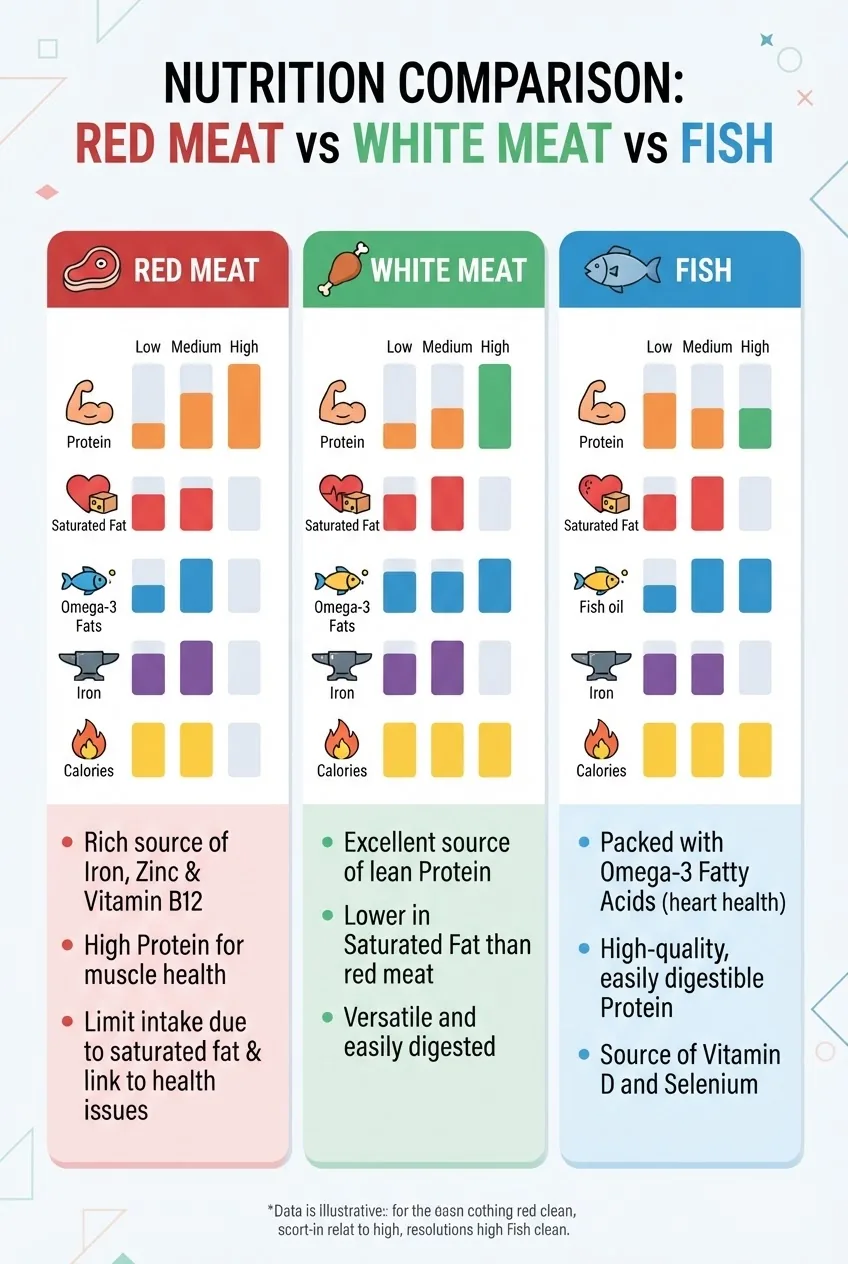
Comparing Nutritional Profiles: Red Meat vs. White Meat vs. Fish
Answer: Red meat typically offers higher iron, zinc and B12 but more saturated fat; white meat (poultry) is lower in saturated fat and calories; fish, especially oily species, provides omega-3s and vitamin D—choose based on nutrient needs and fat profile.
| Category | Protein (g/100g cooked) | Sat. Fat (g/100g) | Omega-3s | Key micronutrients |
|---|---|---|---|---|
| Red meat (beef, lamb) | 24–27 | 3–6 (varies by cut) | Low–moderate (higher in grass-fed) | Iron (heme), B12, zinc |
| White meat (chicken, turkey) | 28–31 (breast) | 0.5–2 | Low | Niacin, B6, selenium |
| Fish (oily vs lean) | 20–25 | 1–5 (lean vs oily) | High in oily species (EPA/DHA) | Vitamin D, selenium, iodine (varies) |
Explanation: Red meats are nutrient-dense but often higher in saturated fat; choose lean cuts and grass-fed options to shift fatty-acid balance. White meats are low in saturated fat and calories, ideal for frequent consumption. Fish, particularly cold-water oily species, supplies cardioprotective omega-3 fatty acids—this difference is why many heart-health guidelines prioritize fish twice weekly (According to a 2023 AHA advisory).
Transition: Understanding comparative nutrition helps at the store—next are practical, Texas-specific selection tips to find the healthiest cuts and sources.
How to Select the Healthiest Meats: Practical Tips for Consumers in Texas
Answer: Read labels for “grass-fed,” “pasture-raised,” “no antibiotics ever,” and minimal ingredient lists; choose whole cuts with visible color and texture, buy from trusted Texas ranchers or farmer’s markets, and prefer fresh or flash-frozen over processed meats to minimize additives and sodium.
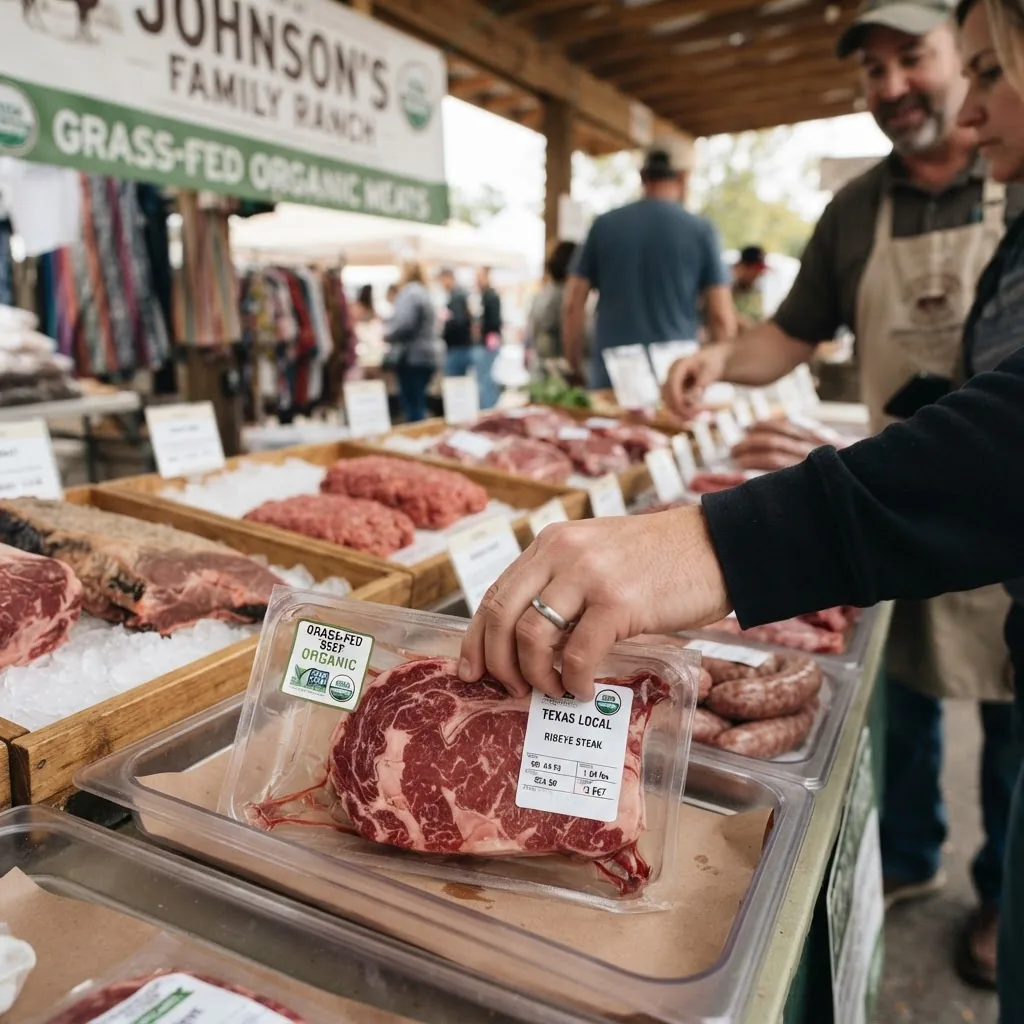
- Check label claims precisely:
Term: Grass-fed means the animal ate grass for most of its life; “grass-finished” is the strictest. Labels like “organic” and “pasture-raised” have USDA standards—ask ranchers for specifics.
- Know the meaningful labels vs. marketing:
Look for USDA Organic, “no antibiotics ever,” and third-party certifications. “Natural” carries no standardized welfare or feeding claim; ask questions if buying from smaller producers.
- Assess freshness and cut quality:
Fresh meat should have a clean smell, firm texture, and appropriate color (chicken pale pink, beef bright cherry red for oxygen-exposed cuts). Avoid excessive liquid in packaging which indicates poor handling.
- Choose lean cuts and trim fat:
For red meats, prefer sirloin, eye of round, flank steak or 90%+ ground options; for pork, use loin and tenderloin. Trimming visible fat reduces saturated fat intake.
- Ask your Texas butcher or vendor:
Request the cut, ask if animals were grass-fed or grain-finished, whether antibiotics/hormones were used, and when meat was processed—local Texas producers will often share this information.
- Prioritize whole cuts over processed items:
Processed meats (sausages, deli slices, cured meats) typically contain added sodium, nitrites, and fillers—minimize regular consumption to reduce health risk.
- Balance price and quality:
For affordable healthy options, consider bulk purchases of chicken breast, pork tenderloin, and frozen wild-caught fish. See budget options here: affordable protein sources.
- Seasonality and Texas sourcing:
Visit Texas farmer’s markets during local harvests for pasture-raised beef and seasonal wild seafood availability; ask about finishing diets and handling.
- Storage and freezing:
Flash-freezing preserves fatty acids and protein quality; freeze in meal-sized portions to reduce waste and preserve nutrient profiles.
Transition: With selection skills in hand, understand the role different fats in meat play for heart health and energy.
The Role of Meat Fat: Healthy Fats vs. Unhealthy Fats
Answer: Meat fats include saturated, monounsaturated, and polyunsaturated fats; prioritize meats higher in monounsaturated and omega-3 polyunsaturated fats (fish, grass-fed ruminants) while limiting saturated fat intake and trimming visible fat to support heart health and calorie control.
Term: Omega-3 fatty acids are long-chain polyunsaturated fats (EPA and DHA) that reduce inflammation and support cardiovascular and brain health.
- Oily fish (salmon, mackerel) supply the most EPA+DHA—linked to lower triglycerides and improved heart markers (According to a 2023 meta-analysis).
- Grass-fed beef has modestly more omega-3 and CLA than grain-fed beef, but absolute amounts remain lower than fatty fish (According to a 2022 USDA fatty-acid comparison).
- Each gram of fat provides ~9 calories—see detailed calorie content of fats to calculate energy from trimmed versus marbled cuts.
For detailed calorie math: calorie content of fats.
Fat management tactics:
- Trim visible fat and remove skin from poultry when seeking lower saturated fat meals.
- Choose fish twice weekly to boost EPA/DHA intake versus relying entirely on red meat for fats.
- Use lean cuts and moderate portion sizes to control calorie intake from fats.
Transition: Even with smart fat choices, cooking and processing can introduce risks—next we review health concerns and caveats.
Health Concerns and Caveats: Processed Meats, Cooking Methods, and Portion Control
Answer: Limit processed meats, avoid high-temperature charring that creates carcinogens (PAHs, HCAs), manage portion sizes to control calorie and saturated fat intake, and select heart-healthy cooking oils to preserve benefits and reduce harm.
Term: Advanced glycation end products (AGEs) are compounds formed during high-heat cooking that can promote inflammation when consumed in excess.
- Processed meat risks: Regular consumption of processed meats is associated with higher cardiovascular and colorectal cancer risk (According to a 2021 American Heart Association advisory). Limit processed meats and read labels for sodium and nitrite content.
- Cooking effects on nutrients: High-heat methods (grilling to char, pan-frying at very high temps) increase HCAs and PAHs; prefer baking, poaching, steaming, or low-temperature sous-vide to retain nutrients and reduce harmful compounds.
- Portion control: A typical health-serving is 3–4 oz (85–113 g) cooked per meal—adjust by activity level and goals to prevent excess calorie intake.
- Special considerations for women: Strict all-meat diets like carnivore require planning for fiber and phytonutrient loss—see specific caveats: carnivore diet considerations for women.
- Cooking oil choices: Pair meats with stable, unsaturated oils like high-oleic sunflower, avocado, or olive oil for heart-friendly cooking—refer to guidance on heart-healthy cooking oils.
- Salt and sodium: Processed and cured meats are major sodium sources—limit intake and use herbs, acid (citrus/vinegar), and spices for flavor instead.
Transition: Now, practical meal integration—how to include the healthiest meats into balanced plans for weight loss and overall wellness.
Integrating Healthiest Meats into a Balanced Diet for Weight Loss and Wellness
Answer: Use lean meats as the primary protein at meals, pair them with vegetables, whole grains or legumes, and healthy fats, control portions (3–4 oz cooked), and rotate fish and plant proteins to maximize nutrient diversity while supporting weight loss.
How to implement (step-by-step):
- Plan protein-first meals: Begin meal planning by allocating a 3–4 oz cooked lean-meat portion per meal to reach weekly protein targets without excess calories; for weight-loss phases, increase non-starchy vegetables and reduce refined carbohydrates.
- Rotate proteins: Include fish 2x/week for omega-3s, poultry 3–4x/week, and red meat 1–2x/week depending on cholesterol/saturated-fat tolerance and iron needs.
- Pair proteins with healthy fats and fiber: Add avocado, nuts, olive oil-based dressings, and high-fiber vegetables to slow digestion and promote satiety.
- Track and adjust: If aiming for specific protein goals, consult the pillar guide on protein options: protein rich food for weight loss: healthy options guide.
- Lean options for cutting phases: For aggressive fat loss (“cutting”), favor the leanest cuts and volume vegetables—see more: best foods for cutting.
- Clean-eating choices: Emphasize minimally processed, single-ingredient meats for clean meals—more on this here: clean protein options.
- Meal ideas:
- Breakfast: Egg omelet with diced turkey and spinach; side of smoked salmon and tomato.
- Lunch: Grilled chicken breast salad with mixed greens, quinoa, avocado, and lemon-olive oil dressing.
- Dinner: Pan-seared wild salmon, roasted Brussels sprouts, and a small baked sweet potato.
- Snack/Recovery: Canned sardines on whole-grain crackers or a lean turkey roll-up with hummus.
- Special recipes and plans: For meat-focused meal plans or inspiration, explore carnivore diet recipes and combine with plant-based sides if not following strict carnivore protocols.
Also see curated clean and affordable protein lists for everyday planning: Cheapest Protein Sources, and supplement guidance on omega-3s here: Cod Liver Oil and Fish Oil Benefits.
Transition: Final practical reminders and evidence-based warnings before wrapping up the guide.
Summary and Final Recommendations
Answer: Choose wild-caught fish, skinless poultry, grass-fed or lean red meats, and select organ meats in moderation; prioritize minimally processed options, watch portion sizes, cook with heart-healthy oils, and buy from trusted Texas sources for best nutrient density and safety.
- Favor fish (EPA/DHA), skinless poultry, grass-fed beef and lean pork as staples.
- Limit processed meats and high-temperature charring; trim visible fat to reduce saturated fat intake.
- Shop local in Texas when possible—ask ranchers and butchers about feed, finishing, and handling.
- Use healthy oils when cooking and pair meats with fiber-rich vegetables for satiety and metabolic benefits (see guidance on heart-healthy cooking oils).
- For targeted weight-loss strategies, integrate lean meats with the broader protein strategies at the pillar page: protein rich food for weight loss: healthy options guide.
Final CTA: Start by auditing your weekly meat choices—swap one processed item for a wild-caught fish or skinless chicken meal and ask your Texas vendor two sourcing questions at your next market visit to improve nutrient density and reduce health risk.