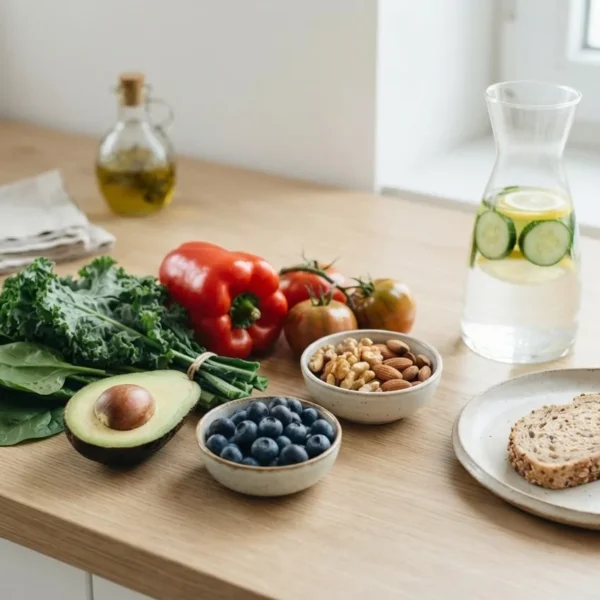

Good supplements for weight loss and muscle gain are evidence-backed products—like whey protein, creatine, omega-3s and green tea extract—that support calorie control, thermogenesis and muscle protein synthesis when combined with a calorie-aware diet and resistance training.
Introduction to Supplements for Weight Loss and Muscle Gain?
Answer: Supplements can accelerate fat loss and muscle hypertrophy by supporting appetite control, increasing metabolic rate, improving training performance, and enhancing recovery; they work best as adjuncts to a lean-protein and healthy-fats diet and consistent exercise plan.
Term: Muscle hypertrophy is the growth of muscle fibers through increased protein synthesis after resistance training; thermogenesis is the metabolic process that produces heat and increases energy expenditure.
Supplements are not substitutes for food: they supplement dietary intake and training. For cutting phases, pair targeted supplements with the best foods for fat loss and muscle tone to preserve lean mass while in a calorie deficit. Practical use favors evidence-backed, natural ingredients and clear dosing guidelines rather than proprietary blends with undisclosed amounts.
A simple rule: prioritize whole-food protein and healthy fats first, then layer supplements that demonstrably boost muscle protein synthesis, recovery, or mild thermogenesis. This approach maintains dietary synergy and reduces overlap with pillar content that already covers protein food sources.
How Supplements Support Weight Loss and Muscle Gain Simultaneously?
Answer: Supplements support both goals by increasing metabolic rate (burning more calories), enhancing muscle protein synthesis (building/retaining muscle), improving workout intensity and recovery, and reducing appetite or fat storage signals—creating an environment where fat loss and muscle gain can coexist.
Term: Muscle protein synthesis is the biological process of building new muscle proteins post-exercise, driven by amino acid availability and resistance training.
Mechanisms explained with examples:
- Metabolic rate and thermogenesis: Ingredients like green tea catechins and caffeine raise energy expenditure modestly—think of metabolism as a furnace where thermogenic compounds add controlled fuel to increase heat and calorie burn.
- Energy availability during workouts: Pre-workout protein or low-dose caffeine can raise training intensity, increasing calories burned and the stimulus for hypertrophy.
- Muscle repair and retention: Protein supplements and creatine directly support muscle protein synthesis and energy resynthesis (creatine phosphate), helping preserve or grow muscle while dieting.
Example scenario: a 12-week cutting plan that pairs a slight calorie deficit (250–500 kcal/day), resistance training 3–4x/week, whey protein to meet daily protein goals, creatine to maintain strength, and low-dose green tea extract for mild thermogenesis will usually preserve more muscle and reduce body fat compared with calorie restriction alone.
Evidence strength varies: some supplements (whey protein, creatine, omega-3s) have robust randomized controlled trials; others (garcinia cambogia, many proprietary fat burners) show mixed results. When available, rely on systematic reviews—see resources like NIH – Office of Dietary Supplements and indexed trials on PubMed for study summaries.
Top Natural Supplements for Weight Loss and Muscle Gain?
Answer: The best natural supplements for combined fat loss and muscle gain include protein powders (whey, casein, plant-based), creatine monohydrate, BCAAs/EAAs, green tea extract, fish oil (omega-3), sensible appetite suppressants like fiber and glucomannan, and targeted metabolism boosters like caffeine; each supports specific pathways without replacing diet or training.

-
Whey protein (fast-absorbing protein):
Benefits: Supplies essential amino acids for muscle protein synthesis, supports satiety, helps meet high-protein targets while in a calorie deficit. Usage: 20–30 g post-workout or to meet daily targets.
Evidence: Multiple RCTs and meta-analyses show whey increases lean mass and aids fat loss when combined with resistance training (see PubMed for trials).
-
Casein protein (slow-release):
Benefits: Slower amino acid release; useful at night to reduce muscle protein breakdown. Usage: 20–40 g before bed on training days.
-
Plant-based protein blends:
Benefits: Suitable for vegans; blends (pea + rice) provide complete amino acid profiles. Usage: 20–30 g per serving; ensure leucine content is adequate for MPS.
-
Creatine monohydrate:
Benefits: Increases intramuscular phosphocreatine stores to improve short-term power output, strength, and muscle volumization—helpful for maintaining/gaining muscle during calorie deficits. Usage: 3–5 g daily maintenance; optional 20 g/day loading for 5–7 days.
Evidence: Strong clinical evidence across populations supports safety and efficacy; consult NIH fact sheets for dosing and safety notes.
-
Branched-Chain Amino Acids (BCAAs) / Essential Amino Acids (EAAs):
Benefits: Leucine-rich BCAAs stimulate muscle protein synthesis; EAAs are superior because they provide all required amino acids. Usage: 5–10 g around workouts if whole-food protein is insufficient.
Term: BCAAs are three essential amino acids—leucine, isoleucine, valine—central to signaling MPS (muscle protein synthesis).
-
Green tea extract (EGCG) and caffeine:
Benefits: EGCG (epigallocatechin gallate) and caffeine increase thermogenesis and fat oxidation modestly and can improve alertness for training. Usage: 250–500 mg EGCG plus 50–200 mg caffeine, adjusted for tolerance.
Evidence: Systematic reviews show modest weight-loss effects when combined with lifestyle changes; monitor blood pressure and sleep.
-
Glucomannan (soluble fiber) and natural appetite suppressants:
Benefits: Promote fullness, reduce calorie intake; glucomannan (1–4 g/day) can aid weight loss when taken before meals with water.
-
Garcinia cambogia (hydroxycitric acid):
Benefits: Claimed to reduce appetite and inhibit fat synthesis; evidence is mixed and small effects are reported. Use cautiously and prioritize stronger-evidence options.
-
Fish oil / Omega-3 (EPA + DHA):
Benefits: Supports recovery, reduces inflammation, may aid body composition by improving muscle protein synthesis response to insulin and amino acids. Typical dose: 1,000–3,000 mg combined EPA+DHA daily.
See best omega-3 food sources for food alternatives.
-
Thermogenic blends (low-dose caffeine, green coffee, capsicum):
Benefits: Can increase energy expenditure and fat oxidation; prioritize single-ingredient products with transparent dosing and avoid high stimulant loads.
-
Multivitamin/mineral and zinc/magnesium for recovery:
Benefits: Corrects deficiencies that blunt recovery or testosterone production; zinc and magnesium can support male hormonal health when deficient.
-
Electrolyte and carbohydrate strategies for high-intensity training:
Benefits: Small carb intake during prolonged sessions can preserve performance and reduce muscle catabolism; use when necessary to maintain training quality.
Mini case study (typical male stack for 12-week recomposition):
- Daily: 3–5 g creatine monohydrate, 2 g fish oil (EPA+DHA), multivitamin.
- Per workout: 20–30 g whey protein post-workout; 5–7 g BCAAs/EAAs intra- or peri-workout if meals are distant.
- Morning or pre-training: 200 mg green tea extract (EGCG) + 100 mg caffeine for mild thermogenic effect and training focus.
- Meals: glucomannan 1 g before two main meals to aid satiety during cutting days.
Safety note: According to a 2023 NIH review of common supplements, verify purity and dosing and consult a healthcare professional before combining stimulants with medications or heart conditions (NIH).
Best Dietary Supplements for Men’s Weight Loss and Muscle Gain?
Answer: For men, prioritize creatine, whey or complete protein, omega-3s, vitamin D, zinc, and targeted metabolism support (caffeine, green tea extract); also consider testosterone-supporting micronutrients only when deficient and under clinician guidance.
Gender-specific considerations:
- Testosterone support: Zinc, vitamin D, and magnesium help correct deficiencies that can impair male metabolism and muscle gain; supplementation should follow blood testing and clinical advice.
- Creatine: Highly effective for men for strength and lean mass gains; standard 3–5 g/day maintenance works across age groups.
- Stimulant sensitivity: Men often tolerate moderate caffeine, but higher doses can raise BP—monitor response especially with thermogenic blends.
-
Creatine monohydrate (3–5 g/day):
Primary male benefits: preserves strength and lean mass during caloric deficits and increases power output for heavy lifts—facilitating greater hypertrophic stimulus.
-
Whey protein concentrate/isolate (20–30 g servings):
Supports muscle protein synthesis, satiety, and recovery; men with higher absolute protein needs benefit from concentrated protein to meet targets more easily.
-
Omega-3 (EPA+DHA, 1–3 g/day):
Helps recovery, reduces inflammation, and supports cardiovascular health during higher-intensity training and calorie restriction.
-
Zinc and vitamin D (when deficient):
Both nutrients support anabolic hormones; deficiency correction can improve energy, libido, and training capacity—check bloodwork before supplementing high doses.
Evidence: Clinical data demonstrate that deficiency correction improves testosterone in deficient men but does not raise levels above normal in eugonadal men (see PubMed studies).
-
Branched-chain amino acids / EAAs:
Useful when whole-food protein is insufficient around training; men with greater lean mass may find peri-workout EAAs helpful for MPS signaling.
-
Safe appetite control (fiber, 1–3 g glucomannan pre-meal):
Men often require larger meal volumes; soluble fiber helps reduce meal calories without sacrificing fullness.
-
Low-dose caffeine or caffeine+EGCG stacks:
Supports training intensity and mild thermogenesis—do not exceed 400 mg total caffeine/day unless supervised.
Safety guidance: According to a 2022 government advisory, men with hypertension should consult a clinician before regular high-dose stimulant use (FDA resource).
Practical male-focused stacking example:
- Morning: Vitamin D (if low) + 1 g fish oil; pre-workout: 100–200 mg caffeine if tolerated.
- Post-workout: 25–30 g whey protein + 3–5 g creatine.
- Evening: casein or no protein if daily targets met; zinc at night if bloodwork shows deficiency.
Real-user safety tips: Monitor sleep, blood pressure, and mood when using stimulants; if acne, hair loss, or hormonal alarm signs occur, stop and test hormones—supplements do not replace medical care.
Protein Supplements That Aid Muscle Growth and Fat Loss?
Answer: Whey, casein, and high-quality plant protein blends each aid muscle growth and fat loss by supplying essential amino acids for muscle protein synthesis, increasing satiety, and helping reach daily protein goals; timing around workouts optimizes results.
Term: Protein timing refers to consuming protein in strategic windows (pre-/post-workout, bedtime) to maximize muscle protein synthesis and recovery.
| Protein Type | Absorption | Best Use | Typical Dose |
|---|---|---|---|
| Whey isolate/concentrate | Fast | Post-workout, meal replacement | 20–30 g |
| Casein | Slow | Bedtime to reduce overnight breakdown | 20–40 g |
| Pea/Rice blends | Moderate | Vegan option; all-day intake | 25–40 g (ensure leucine content) |
Proteins differ by leucine content, digestion speed, and micronutrient profiles. For muscle synthesis, leucine triggers mTOR signaling—a biochemical cascade that initiates muscle protein synthesis—so choose proteins that deliver ~2.5–3 g leucine per serving for optimal post-workout MPS in most adults.
Practical timing walkthrough:
- Pre-workout (30–60 min): 10–20 g protein or 3–5 g EAAs if training fasted to limit catabolism.
- Post-workout (within 60 min): 20–40 g whey or equivalent to maximize acute MPS.
- Throughout the day: spread total protein to meet targets—see daily protein intake requirements for planning.
- Before bed: 20–40 g casein or mixed protein to reduce nocturnal muscle protein breakdown.
For diet planning, consider the caloric value of protein to balance macros while still hitting protein goals and calorie targets.
The Role of Fat and Fat Supplements in Lean Muscle Development?
Answer: Healthy fat supplements like fish oil and cod liver oil supply omega-3 fatty acids that reduce inflammation, support muscle recovery, and help hormonal balance—integral for lean muscle development; dietary fats also supply essential calories for energy and nutrient absorption.
Term: Omega-3s (EPA and DHA) are long-chain polyunsaturated fatty acids that modulate inflammation and cell signaling relevant to muscle repair and metabolic health.
Dietary fats function as hormonal precursors (e.g., sex hormones), fuel for low-intensity activity, and carriers for fat-soluble vitamins. Using fat supplements strategically helps maintain energy balance while keeping protein high for muscle retention.
Practical examples and internal references:
- For calorie tracking and understanding the calorie content of fats, note that each gram of fat contains ~9 kcal—plan fat supplement calories into daily totals.
- Complement supplements with dietary oils—review heart-healthy cooking oils and foods to support cardiovascular health while improving body composition.
- For omega-3 food choices, consult best omega-3 food sources as alternatives or complements to fish oil supplements.
Supplement examples:
- Fish oil / cod liver oil: 1–3 g combined EPA+DHA daily reduces exercise-induced inflammation and supports recovery efficiency; see Cod Liver Oil and Fish Oil Benefits for dosing nuances.
- MCT oil: Medium-chain triglycerides can provide quick energy with less storage tendency but are calorie-dense—use sparingly in cutting phases.
Safe and Effective Usage: Dosage, Timing, and Combining Supplements?
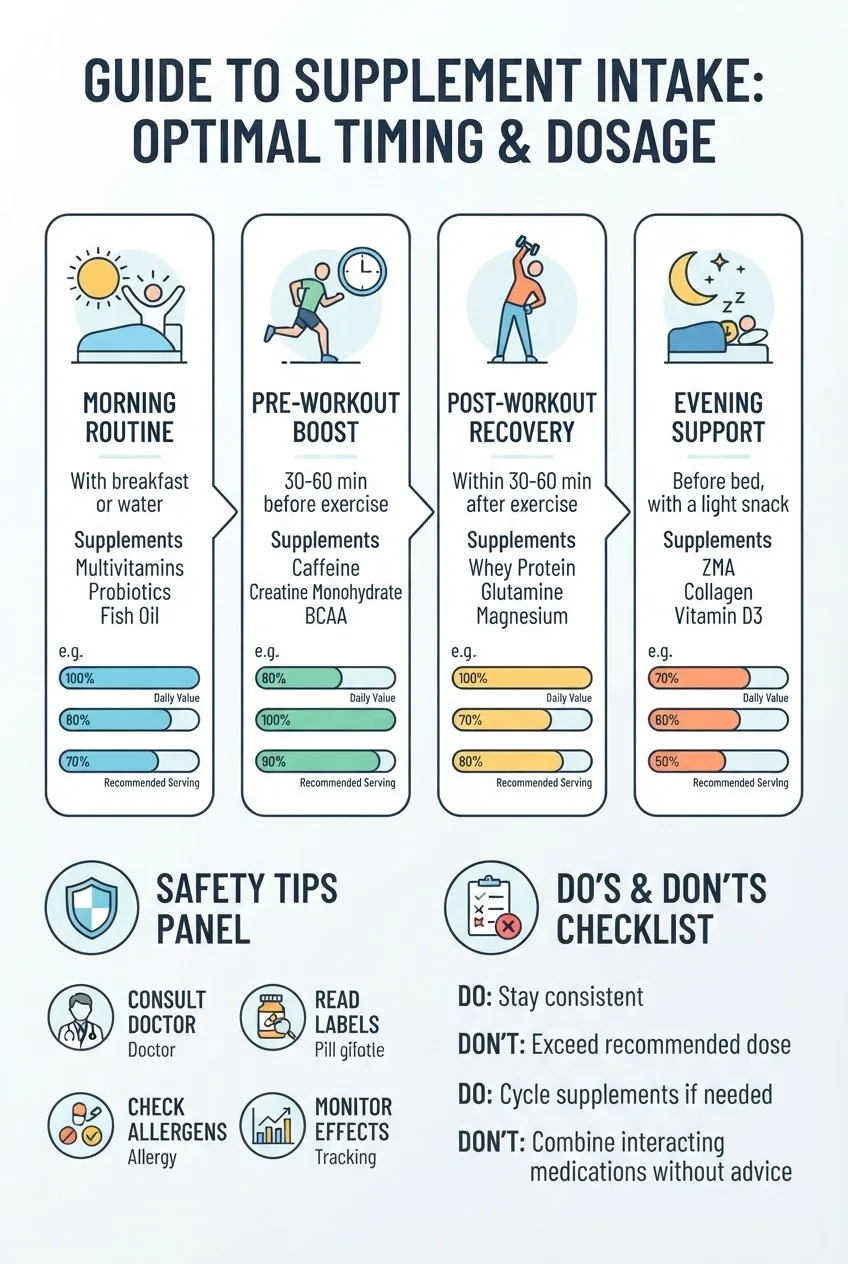
Answer: Safe and effective supplement use requires evidence-based dosing, strategic timing (pre/post-workout and before sleep), transparency in product ingredients, cycling stimulants, and checking interactions with medications or conditions; always start low and monitor response.
How-to steps for combining supplements:
- List daily goals: calories, protein target, training frequency—this sets which supplements are necessary.
- Prioritize evidence-backed basics: protein to meet targets, creatine 3–5 g daily, omega-3s 1–3 g/d.
- Time supplements for effect: caffeine/EGCG pre-workout for focus and thermogenesis; protein and creatine post-workout for MPS and creatine repletion; casein at night for overnight recovery.
- Stack safely: avoid multiple stimulant sources; if using caffeine, total daily intake should generally stay below 400 mg for healthy adults.
- Cycle stimulants: use for 8–12 weeks then reduce to prevent tolerance; use non-stimulant recovery weeks as needed.
Dosage and safety tips:
- Creatine: 3–5 g/day maintenance; hydration is essential.
- Whey: 20–40 g per serving; spread across the day to reach protein targets.
- Green tea extract: 250–500 mg EGCG/day and monitor liver symptoms (rare); avoid if taking hepatotoxic drugs.
- Glucomannan: 1 g before meals with a full glass of water to prevent choking hazard.
- Fish oil: 1,000–3,000 mg EPA+DHA/day; beware of anticoagulant interactions—consult a clinician if on blood thinners.
Safety and quality assurance:
- Buy third-party tested products (USP, NSF, Informed-Sport) and check batch certificates for purity and label accuracy.
- Consult authoritative guidance: NIH – Office of Dietary Supplements for fact sheets and FDA guidance on supplement warnings.
- Report adverse events to regulators and stop use if serious side effects occur.
Practical workout timing walkthrough (sample day):
- 30–60 min pre-workout: 100–200 mg caffeine or a low-stimulant pre-workout; hydrate and have 10–20 g protein if training fasted.
- During workout (if >60 min): small carb intake or EAAs to sustain intensity and limit catabolism.
- Within 60 min post-workout: 20–40 g whey protein + 3–5 g creatine to maximize MPS and replenish phosphocreatine stores.
- Evening: casein 20–40 g if overall daily protein is low; fish oil and micronutrients with meals for absorption.
Real-user considered side effects & mitigation:
- Stimulant overuse: insomnia, jitters, elevated BP—reduce dose or shift to earlier in day.
- GI upset from protein or creatine: split doses, take with food, or try micronized creatine or plant proteins with blends.
- Allergic responses: stop immediately and seek medical help.
When in doubt, seek bloodwork and clinical advice—especially for men considering testosterone-targeting regimens or those with cardiovascular disease, as recommended by government health agencies and clinical guidelines.
Common Mistakes and Myths About Weight Loss and Muscle Gain Supplements?
Answer: Common mistakes include relying on supplements as magic solutions, exceeding stimulant dosages, neglecting whole-food protein, ignoring product quality, and expecting rapid results without progressive training and calorie control.
Key myths and clarifications:
- Myth: “Fat burners” alone cause rapid fat loss. Reality: Thermogenics add modest effect; diet and exercise are primary drivers.
- Myth: More protein powder equals more muscle. Reality: Excess protein beyond needs won’t accelerate growth and adds calories.
- Myth: Creatine causes permanent weight gain. Reality: Creatine increases intracellular water and muscle mass when combined with training; weight is largely lean mass.
- Myth: BCAAs replace full protein. Reality: EAAs or whole protein are superior for sustained MPS.
Other common mistakes:
- Buying proprietary blends without disclosed ingredient amounts; choose transparent labels.
- Stacking multiple stimulants unknowingly (pre-workout + fat burner + caffeine pills).
- Ignoring contraindications with medications—consult a clinician.
- Expecting immediate body composition changes; real recomposition often takes months (typically 8–12 weeks to notice measurable changes with consistent nutrition and training).
Conclusion: Integrating Supplements into a Balanced Lean Protein and Healthy Fats Diet?
Answer: Integrate supplements as targeted tools—use protein powders to hit protein targets, creatine to sustain strength, omega-3s for recovery, and modest thermogenics for added calorie burn—while prioritizing whole-food lean proteins and healthy fats for long-term results.
Action steps for integration:
- Calculate daily protein and calorie needs, then choose supplements to fill gaps rather than replace foods; see the Protein Rich Food for Weight Loss: Healthy Options Guide for food-first strategies.
- Implement a basic, evidence-backed stack: whey protein, creatine 3–5 g, fish oil 1–3 g, and a modest caffeine/EGCG source if tolerated.
- Monitor outcomes every 4–8 weeks (strength, body composition, mood, sleep) and adjust dosing or remove low-impact supplements.
Limitations and final reminders: supplements are adjuncts—not replacements—for training and diet. According to a 2024 industry report, supplement label noncompliance remains a concern; prioritize third-party testing and clinician oversight for men with health issues (NIH, FDA). Start conservative, track responses, and pair supplements with progressive resistance training and a balanced diet rich in lean protein and healthy fats.