

Why is nutrition important?
Nutrition is important because it supplies the energy and nutrients your body needs to function, grow, repair tissue, and prevent disease; good nutrition improves daily performance, supports immune and mental health, and reduces long-term risk of chronic conditions such as heart disease, diabetes and some cancers.
Nutrition: the process by which organisms obtain, digest, absorb and use food substances to support growth, metabolism, repair and reproduction.
What does “healthy eating” mean and how does it relate to nutrition?
Healthy eating means choosing a variety of whole, minimally processed foods in balanced amounts to meet nutrient needs and energy requirements; it operationalizes nutrition by translating nutrient science into daily food choices that support health and function.
Healthy eating definition: selecting foods and patterns that provide essential nutrients, appropriate calories, and variety to maintain or improve health.
Healthy eating integrates macronutrients (carbohydrate, protein, fat), micronutrients (vitamins, minerals) and food-based principles such as portion control, fiber intake, hydration and limiting ultra-processed foods and added sugars. It is the behavioral expression of good nutrition: you can have adequate nutrients from fortified foods, supplements or medical feeding, but “healthy eating meaning” specifically refers to whole-food patterns that sustain long-term wellbeing.
What are macronutrients and why do they matter?
Macronutrients—carbohydrates, proteins and fats—are important because they provide the calories and structural building blocks the body needs for energy, tissue repair, hormone production and cellular function.
Macronutrients: nutrients required in gram quantities that supply energy (calories) and support structure and metabolic processes.
- Carbohydrates: primary energy source for the brain and muscles during moderate activity; include fiber and starches.
- Protein: supplies amino acids for tissue repair, enzymes, immune proteins and muscle maintenance.
- Fat: provides concentrated energy, essential fatty acids for cell membranes and fat-soluble vitamin absorption.
Practical targets vary by age, activity and goals: typical adult ranges are 45–65% calories from carbs, 10–35% from protein, and 20–35% from fat, but personalized plans adjust these. Prioritize whole-food sources: vegetables, fruits, whole grains, legumes, lean proteins, nuts, seeds and minimally processed oils.
What are micronutrients and why are they critical?
Micronutrients—vitamins and minerals—are critical because they enable biochemical reactions, protect cells, support immunity and regulate growth even though they are needed in small amounts.
Micronutrients: vitamins and minerals required in milligram or microgram quantities to support enzymatic reactions, structure and regulation.
- Vitamins: organic molecules (e.g., vitamin C, vitamin D, B vitamins) that act as coenzymes or antioxidants.
- Minerals: inorganic elements (e.g., iron, calcium, magnesium) necessary for structure, nerve function and oxygen transport.
Deficiencies cause predictable syndromes (e.g., iron deficiency anemia, vitamin D–related bone problems); excesses can be toxic (e.g., vitamin A). A varied diet usually meets micronutrient needs without routine supplementation except in specific life stages or medical conditions.
How does eating healthy affect your body short-term and long-term?
Eating healthy improves short-term outcomes such as energy, mood, sleep and digestion and long-term outcomes including reduced risk of chronic disease, preserved mobility, cognitive resilience and longer healthy lifespan.
Metabolism: the set of chemical reactions in the body that convert food into energy and building blocks.
Short-term effects include:
- Stable blood sugar and steady energy when meals include fiber and protein.
- Improved digestion and regularity from fiber-rich foods.
- Better mood and cognitive function from balanced meals and essential fatty acids.
- Fewer acute infections when micronutrient intake supports immune function.
Long-term benefits accumulate through sustained patterns:
- Lowered risk of heart disease, type 2 diabetes and certain cancers from diets rich in plant foods and low in processed meats and refined sugars.
- Maintenance of muscle mass and bone density with adequate protein, calcium and vitamin D, preserving independence with age.
- Improved metabolic flexibility—ability to adapt between food fuels—reducing chronic inflammation.
- Positive epigenetic and microbiome changes that support long-term health.
What are 20 specific benefits of healthy eating?
Here are 20 evidence-based benefits of healthy eating, each improving bodily systems, quality of life, or disease risk in measurable ways.
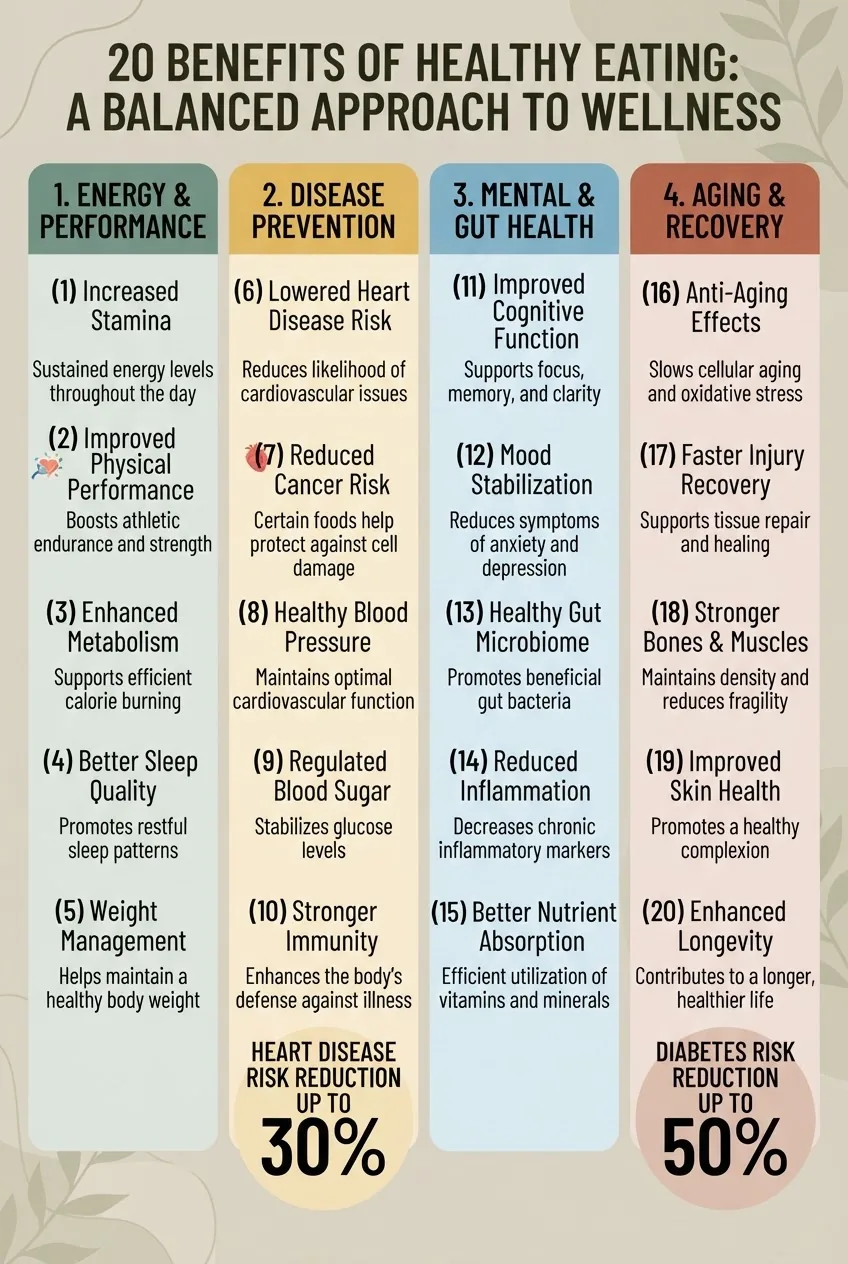
- More stable energy: balanced meals prevent blood sugar spikes and crashes.
- Improved concentration: steady glucose and omega-3s support cognitive focus.
- Better mood: adequate micronutrients and gut-supporting fiber relate to lower depression rates.
- Stronger immunity: vitamins A, C, D and zinc reduce infection susceptibility.
- Healthier weight management: nutrient-dense foods support satiety and controlled calories.
- Lower blood pressure: diets rich in potassium, magnesium and fiber help control hypertension.
- Improved cholesterol profile: soluble fiber and unsaturated fats reduce LDL cholesterol.
- Reduced diabetes risk: whole grains and fiber improve insulin sensitivity.
- Lower cancer risk: fruit, vegetable and whole-food patterns are linked to reduced incidence of several cancers.
- Better digestion: fiber and fermented foods promote regularity and microbiome diversity.
- Reduced inflammation: antioxidants and omega-3 fats lower chronic inflammatory markers.
- Faster recovery: sufficient protein and micronutrients support tissue repair after exercise or injury.
- Stronger bones: calcium, vitamin D and protein reduce fracture risk.
- Improved sleep quality: balanced meals and regulated blood sugar support more consistent sleep cycles.
- Healthier skin and hair: vitamins, minerals and essential fatty acids maintain tissue integrity.
- Better fertility and pregnancy outcomes: folate, iron and omega-3s lower risks in pregnancy.
- Enhanced athletic performance: optimized carbohydrate, protein and hydration for training and recovery.
- Longevity and reduced frailty: nutrient-dense diets associate with longer disease-free years.
- Lower medication burden: prevention and control of chronic disease reduce need for drug therapy.
- Improved quality of life: sustained functional ability, mood and independence for daily living.
Why is it important to eat a variety of foods?
Eating a variety of foods is important because different foods supply distinct nutrient profiles and bioactive compounds, and variety increases the chance of meeting all nutrient needs while promoting a diverse gut microbiome and reduced toxin exposure.
Nutrient density: the amount of vitamins, minerals and beneficial compounds per calorie in a food.
Variety prevents single-food dependence, which can lead to micronutrient gaps (e.g., relying only on cereal and milk can underdeliver certain minerals). Diverse plant intake provides different fibers and polyphenols that feed varied gut bacteria, improving digestion, immune modulation and even mood. Practically, aim for:
- Multiple colors of vegetables and fruits each week.
- Different protein sources—legumes, fish, poultry, dairy, nuts—to vary amino acid and micronutrient exposures.
- Whole grains and starchy vegetables rotated to supply minerals and resistant starches.
- Inclusion of fermented foods periodically for microbial variety.
Why is having a balanced diet important and what does a balanced plate look like?
A balanced diet is important because it delivers appropriate proportions of macronutrients and sufficient micronutrients to support daily energy needs, recovery and long-term health; a balanced plate typically contains vegetables, lean protein, whole grains, and healthy fats in sensible portions.
Balanced diet: an eating pattern that supplies adequate calories and nutrients in proportions aligned with health and activity goals.
Simple plate model (practical, not prescriptive):
- Half the plate: non-starchy vegetables and salad.
- Quarter plate: lean or plant-based protein (chicken, fish, tofu, beans).
- Quarter plate: whole grains or starchy vegetables (brown rice, quinoa, sweet potato).
- Small serving: healthy fats (olive oil, avocado, nuts) and a piece of fruit or dairy as needed.
This structure supports satiety, glycemic stability and nutrient balance; adjust portions for activity level, age, and medical needs.
How much does healthy eating cost compared to less healthy options?
Healthy eating can be affordable when planned—whole, seasonal foods and staples often cost less per nutrient than highly processed convenience foods, although fresh produce and lean proteins can raise weekly grocery bills unless shopped strategically.
| Option | Pros | Cons | Typical weekly cost range (USD) |
|---|---|---|---|
| Home-cooked whole-foods | High nutrient density, control over ingredients | Requires time and cooking skills | $65–$120 per person |
| Budget whole-foods (beans, oats, frozen veg) | Very cost-effective, long shelf life | Requires meal planning for variety | $35–$70 per person |
| Ready-made healthy meals | Convenient, portion-controlled | Higher per-meal cost | $90–$180 per person |
| Ultra-processed convenience foods | Very convenient, long shelf life | Lower nutrient density, higher added sugars/salt | $40–$90 per person |
Notes: costs vary by region (Texas varies between urban and rural), store choice, seasonal produce, and household size. Budget strategies include buying frozen produce, bulk grains, legumes, and using a weekly meal plan to reduce waste.
How does healthy diet affect weight, metabolism and body composition?
A healthy diet affects weight and body composition by aligning calorie intake with expenditure, prioritizing protein to preserve or build lean mass, and emphasizing fiber and whole foods that increase satiety and metabolic health.
Body composition: the relative amounts of fat mass and lean mass (muscle, bone, organs) in the body.
Key principles:
- Energy balance dictates weight change: calories in vs calories out matters for loss or gain.
- Macronutrient composition matters for composition: higher protein intake during weight loss preserves muscle, improving metabolic rate.
- Resistance training combined with adequate protein promotes lean mass gains.
- Whole-food patterns prevent metabolic dysfunction that can arise from frequent ultra-processed food consumption.
Use simple tracking (food logs, portion control, body measurements) and periodic reassessment rather than daily weight fluctuations to judge progress.
How do I start eating healthier today — step-by-step practical plan?
Start by assessing current habits, then apply three immediate changes: increase vegetables to half your plate, swap refined grains for whole grains, and add a protein source at each meal; build consistency with a weekly shopping and simple meal plan.
Stepwise plan:
- Audit three typical meals and snacks for patterns and problem foods.
- Set two small goals for the week (e.g., add one extra vegetable serving, drink water with meals).
- Create a one-week meal plan with repeatable lunches and two simple dinners.
- Shop with a list prioritizing whole foods: vegetables, frozen fruit/veg, whole grains, legumes, eggs, lean proteins, nuts.
- Batch-cook one or two components (grains, roasted vegetables, cooked beans) to reduce daily prep time.
- Track progress for 2–4 weeks and adjust based on energy, digestion and satisfaction.
For a broader program and meal templates, see the nutritionally complete plate guide and a short list of small behavior changes: Nutritionally Complete Meal Guide and 10 Ways to Eat Better.
What are common barriers to healthy eating and how can I overcome them?
Common barriers include time, cost, taste preferences, social settings and misinformation; overcome them by planning, prioritizing budget-friendly staples, learning quick recipes, establishing small habit changes and using credible guidance.
Barrier-specific tactics:
- Time: use batch cooking, one-pan meals and frozen vegetables to save prep time.
- Cost: buy in-season produce, shop bulk bins for grains/legumes, choose eggs and canned fish as affordable protein.
- Taste: experiment with herbs, citrus and simple sauces instead of added sugar or excess salt.
- Social situations: eat a small snack beforehand, choose balanced options at gatherings, communicate preferences.
- Misinformation: rely on local registered dietitians, government resources like the CDC, or credentialed nutrition sources rather than social media trends.
Practical resources: a healthy grocery checklist and weekly menu templates help bridge planning gaps—see Healthy Grocery List Guide and the 7-day menu example at 7 Day Diet Menu.
How does nutrition change across life stages — children, adults, pregnancy and older adults?
Nutrition needs change across life stages: children and teens require calories and nutrients for growth, pregnant people require increased folate, iron and calories, adults focus on maintenance and chronic disease prevention, and older adults need nutrient-dense foods and adequate protein to preserve muscle and bone.
RDA: Recommended Dietary Allowance, the average daily intake level sufficient to meet the nutrient requirements of most healthy people.
- Infants/children: prioritize breastmilk or formula for infants, introduce varied solids by 6 months; ensure adequate iron, calcium and vitamin D in growing children.
- Adolescents: higher calorie and protein needs with attention to calcium for bone accrual.
- Pregnancy and lactation: increased needs for folate (neural tube prevention), iron, iodine and overall energy; prenatal vitamins often recommended.
- Adults: focus on balanced macros, fiber, and micronutrients; monitor weight and metabolic indicators.
- Older adults: more nutrient-dense foods are needed because appetite and absorption may decline; maintain protein (≥1.0–1.2 g/kg/day for many seniors), calcium and vitamin D for bone health.
Individual recommendations should account for medical conditions and medication interactions; consult a registered dietitian for tailored plans, especially during pregnancy or managing chronic disease.
Do I need supplements, and when are they useful?
Supplements can be useful to fill specific documented nutrient gaps—such as vitamin D in low-sun regions, folic acid in pregnancy, or B12 in strict vegans—but they do not replace a varied whole-food diet and should be used based on testing or medical advice.
Supplement: a concentrated source of a nutrient (vitamin, mineral, amino acid) in pill, powder or liquid form intended to complement the diet.
Common, evidence-based uses:
- Vitamin D for people with low blood levels or limited sun exposure.
- Folate (folic acid) before and during early pregnancy to prevent neural tube defects.
- Iron only when deficiency is confirmed or for heavy menstrual bleeding.
- B12 for older adults or strict vegetarians/vegans at risk of deficiency.
- Calcium for individuals unable to meet needs through diet, under clinician guidance.
Avoid routine high-dose supplementation without testing; excess fat-soluble vitamins and some minerals can be harmful. For personalized advice, consult a registered dietitian or physician and consider the Best Supplements Guide for context: Best Supplements Guide.
How can I tell if I have good nutrition — signs and tests?
Good nutrition shows as steady energy, healthy weight trends, normal labs (complete blood count, metabolic panel, vitamin D, iron, B12 as indicated), healthy skin and hair, regular digestion, and appropriate physical performance; professional testing confirms hidden deficiencies.
Signs of adequate nutrition:
- Consistent energy and alertness across the day.
- Stable weight or expected changes aligned with goals.
- Regular bowel function and minimal digestive complaints.
- Healthy skin, hair and nail condition.
- Good recovery from exercise and fewer infections.
Clinical tests to consider:
- Basic metabolic panel and lipid profile for metabolic health.
- Complete blood count and ferritin for iron status.
- 25-hydroxyvitamin D level where deficiency is suspected.
- Serum B12 and folate if dietary patterns suggest risk.
- Thyroid function if symptoms suggest metabolic issues.
Work with your clinician to interpret tests because single values can be influenced by acute illness, inflammation or medication.
How to design a balanced meal plan — example day and weekly framework?
Design a balanced meal plan by allocating about 40–50% of calories to carbohydrates (mostly whole grains, fruits, vegetables), 20–25% to protein, and 25–35% to healthy fats while meeting fiber and micronutrient needs; below is a concrete sample day and a flexible 7-day framework.
Sample balanced day:
- Breakfast: Greek yogurt with mixed berries, 2 tbsp chopped nuts and rolled oats.
- Snack: Apple and 1 tbsp peanut butter.
- Lunch: Mixed salad (spinach, cherry tomatoes, cucumber), 4–6 oz grilled salmon, 1/2 cup quinoa, olive oil vinaigrette.
- Snack: Carrot sticks and hummus.
- Dinner: Stir-fry with tofu, broccoli, bell peppers, brown rice and a small avocado slice.
Weekly framework tips:
- Plan two breakfasts you rotate (e.g., oatmeal and eggs + toast).
- Cook 2–3 proteins in bulk (chicken, beans, tofu) for easy lunches.
- Include at least one fish or plant-protein centered meal twice weekly for omega-3s.
- Reserve one night for a quick vegetable-forward dinner and one for leftovers or a flexible choice.
For sample menus and calorie-specific templates, consult the 7-day diet menu resource: 7 Day Diet Menu.
What foods are especially important and why are healthy foods important?
Healthy foods are important because they provide concentrated nutrients, fiber, and phytochemicals that support metabolic health, immunity and chronic disease prevention; prioritize vegetables, fruits, whole grains, legumes, nuts, seeds, lean proteins and fatty fish.
Priority foods and why:
- Leafy greens: high in vitamins A, C, K and minerals for bone and immune health.
- Cruciferous vegetables: contain compounds linked to reduced cancer risk.
- Berries: antioxidants and fiber that support vascular and brain health.
- Whole grains: fiber, B vitamins and minerals supporting glycemic control.
- Legumes: plant protein, fiber and mineral density for sustained energy and satiety.
- Nuts and seeds: healthy fats and micronutrients for heart and brain function.
- Fatty fish: omega-3 fatty acids for inflammation control and cognitive health.
- Fermented foods: probiotics that support gut microbiome diversity and digestion.
How does hydration fit into nutrition and how much water should I drink?
Hydration is integral to nutrition because water carries nutrients, participates in metabolic reactions, regulates temperature and supports digestion; general guidance is about 2–3 liters per day for most adults, adjusted for activity, climate and health status.
Hydration: the state of having adequate body water to support physiological processes.
Practical guidance:
- Use thirst as a primary guide but increase intake with exercise, heat, pregnancy or breastfeeding.
- Include water-rich foods (soups, fruits, vegetables) to contribute to daily fluid needs.
- Monitor urine color—pale straw indicates adequate hydration; dark amber suggests low intake.
How can healthy nutrition reduce disease risk and healthcare costs?
Healthy nutrition reduces disease risk by improving blood pressure, lipids and glucose regulation and lowering inflammation; these effects decrease the incidence and progression of chronic diseases, which in turn lowers long-term healthcare utilization and medication needs.
Mechanisms and outcomes:
- Reduced LDL cholesterol and blood pressure lower atherosclerotic disease and heart attack risk.
- Improved insulin sensitivity prevents or delays type 2 diabetes onset.
- Anti-inflammatory foods reduce risk factors associated with chronic conditions and some cancers.
- Weight control reduces joint disease, sleep apnea and medication dependence.
At the population level, diet-related interventions are ranked among the most cost-effective preventive measures by public health organizations because they avert expensive downstream treatments and hospitalizations. For authoritative prevention guidance visit the CDC nutrition resources: CDC Nutrition.
How to read food labels to improve nutrition choices?
Read food labels by checking serving size first, then compare calories, added sugars, saturated fat and sodium; prioritize items with fewer ingredients, whole-food sources and higher fiber and protein per serving.
Label reading steps:
- Confirm serving size and number of servings per package.
- Scan for calories per serving and assess for alignment with your goals.
- Limit added sugars, saturated fat and sodium; choose lower values for frequent foods.
- Look for whole-food ingredients at the top of the list and minimal additives.
- Note fiber and protein to evaluate satiety potential.
How does food quality and processing level affect health?
Food quality and processing affect nutrient density, satiety and exposure to additives; ultraprocessed foods often contain high amounts of added sugars, refined grains and additives linked to weight gain and metabolic risk compared with minimally processed whole foods.
Ultraprocessed: foods subject to multiple industrial processes and typically containing additives, flavorings, emulsifiers, and high levels of added sugar, salt or fat.
Choose minimally processed options when possible: whole fruits, vegetables, whole grains, legumes, minimally processed dairy, and unprocessed meats. When convenience is necessary, prefer minimally processed convenience items (e.g., pre-washed greens, frozen vegetables without sauces) over highly processed ready meals.
How to balance nutrition with dietary preferences, allergies or cultural diets?
Balance nutrition with preferences or restrictions by identifying nutrient risks associated with the diet, choosing fortified or alternative food sources to meet those needs, and applying culturally appropriate whole-food choices to satisfy both tradition and nutrient adequacy.
Approach:
- Map typical daily foods and identify nutrients that may be low (e.g., vitamin B12 in strict vegan diets).
- Find culturally acceptable alternatives rich in the needed nutrients (e.g., legumes, tempeh, fortified plant milks).
- Work with a dietitian to craft a plan that respects culture while meeting RDAs.
What are measurable goals and timelines for nutrition changes?
Measurable short-term goals include increasing vegetable servings to three a day or replacing refined grains with whole grains for four weeks; timelines usually show energy and digestion improvements within 1–2 weeks, measurable lab changes in 6–12 weeks, and chronic disease risk reduction over months to years.
Example timeline:
- 1–2 weeks: improved energy, digestion and reduced bloating from fiber and hydration changes.
- 4–8 weeks: weight change and improved mood or sleep patterns.
- 8–12 weeks: better lipid and glucose values on lab tests with consistent dietary adherence.
- 6+ months: meaningful reductions in blood pressure, medication needs or sustained weight loss when combined with activity.
What practical examples show how eating healthy improves daily life?
Practical examples: switching from sugary breakfasts to protein-plus-fiber breakfasts stabilizes mid-morning focus; replacing soda with water plus fruit reduces daily calories and dental acid exposure; adding a daily salad increases vegetable intake and lowers afternoon snacking.
Worked example — swap comparison:
| Typical choice | Healthy swap | Expected immediate effect |
|---|---|---|
| Bagel with cream cheese | Whole-grain toast with avocado and egg | More protein and fiber, improved satiety, steadier energy |
| Soda (12 oz) | Sparkling water with lemon | Calories reduced, fewer sugar-driven energy crashes |
How to maintain healthy eating habits long-term?
Maintain healthy eating long-term by creating repeatable systems: weekly planning, regular grocery patterns, modest flexible rules (80/20), social support, and occasional reassessment to keep the plan realistic and enjoyable.
Systems that sustain habits:
- Weekly meal plan with two repeatable breakfasts and simple lunches.
- Grocery shopping routine and pantry staples to prevent impulse buys.
- Meal prepping a few components to reduce decision fatigue.
- Allowing flexible indulgences to avoid deprivation and improve adherence.
- Periodic goals (monthly re-evaluation) and small challenges for motivation.
What professional resources can help improve my nutrition?
Professional resources include registered dietitians for individualized plans, primary care clinicians for medical testing and monitoring, and reputable public health agencies for evidence-based guidelines; use credentialed professionals for complex or medical nutrition needs.
Find help:
- Registered dietitian (RD/RDN) for personalized meal plans and chronic disease management.
- Primary care provider for labs and medication interactions.
- Nationwide resources like the CDC for population-level advice and basic nutrition science (CDC Nutrition).
Quick checklist: What should I do this week to improve nutrition?
This week: plan three dinners that include vegetables and a lean protein, swap refined bread for whole grains at two meals, add one fruit serving daily, and prep one grain and one vegetable to speed meals.
- Set two simple, measurable goals (e.g., 2 extra veg servings/day).
- Create a shopping list focused on whole foods and staples.
- Prepare one component (grain or protein) for three meals.
- Track adherence and energy daily to evaluate changes.
For grocery lists and shopping templates tailored to budget and convenience visit the healthy grocery guide: Healthy Grocery List Guide.
Frequently Asked Questions
Why is nutrition important for weight loss and muscle gain?
Nutrition directs energy balance and supplies the protein and micronutrients necessary to build and preserve muscle while losing fat; adequate protein, a modest calorie deficit for loss, and resistance training produce the best composition results within weeks to months.
What are the immediate benefits of switching to a healthier diet?
Immediate benefits include steadier energy levels, improved digestion, reduced bloating, better sleep for many people and clearer cognitive focus—all often noticeable within 1–14 days after changing meal composition and hydration.
How many servings of fruits and vegetables should I eat daily?
A practical target is at least 5 servings of fruits and vegetables daily, aiming for a variety of colors; half your plate as vegetables at main meals helps meet fiber, vitamin and mineral requirements without counting exact portions.
Is organic or conventional produce significantly better for nutrition?
Nutritionally, organic and conventional produce are similar for most vitamins and minerals; choosing the option that increases your produce intake is more important than strictly buying organic, though organic may lower pesticide residue exposure.
Can I get all nutrients from plant-based diets?
Yes, most nutrients can be obtained from well-planned plant-based diets, but attention is required for vitamin B12, vitamin D, iron, calcium and omega-3s; fortified foods or targeted supplements may be necessary for some individuals.
How long until lab tests reflect dietary changes?
Some lab markers (blood glucose, triglycerides) can shift within weeks, while others (vitamin D, lipid profile) generally show clearer change after 8–12 weeks of consistent dietary modification and supplementation when used.
What are simple swaps to reduce added sugar?
Swap sugary drinks for water or sparkling water with fruit, replace sugary snacks with whole fruit or nuts, and choose unsweetened dairy or plant milks; gradually reduce sugar to retrain taste preferences over 2–6 weeks.
When should I consult a professional about my nutrition?
Consult a registered dietitian or your clinician when you have medical conditions (diabetes, kidney disease), are pregnant, experience unexplained weight changes, persistent digestive symptoms, or before starting high-dose supplements or restrictive diets.