
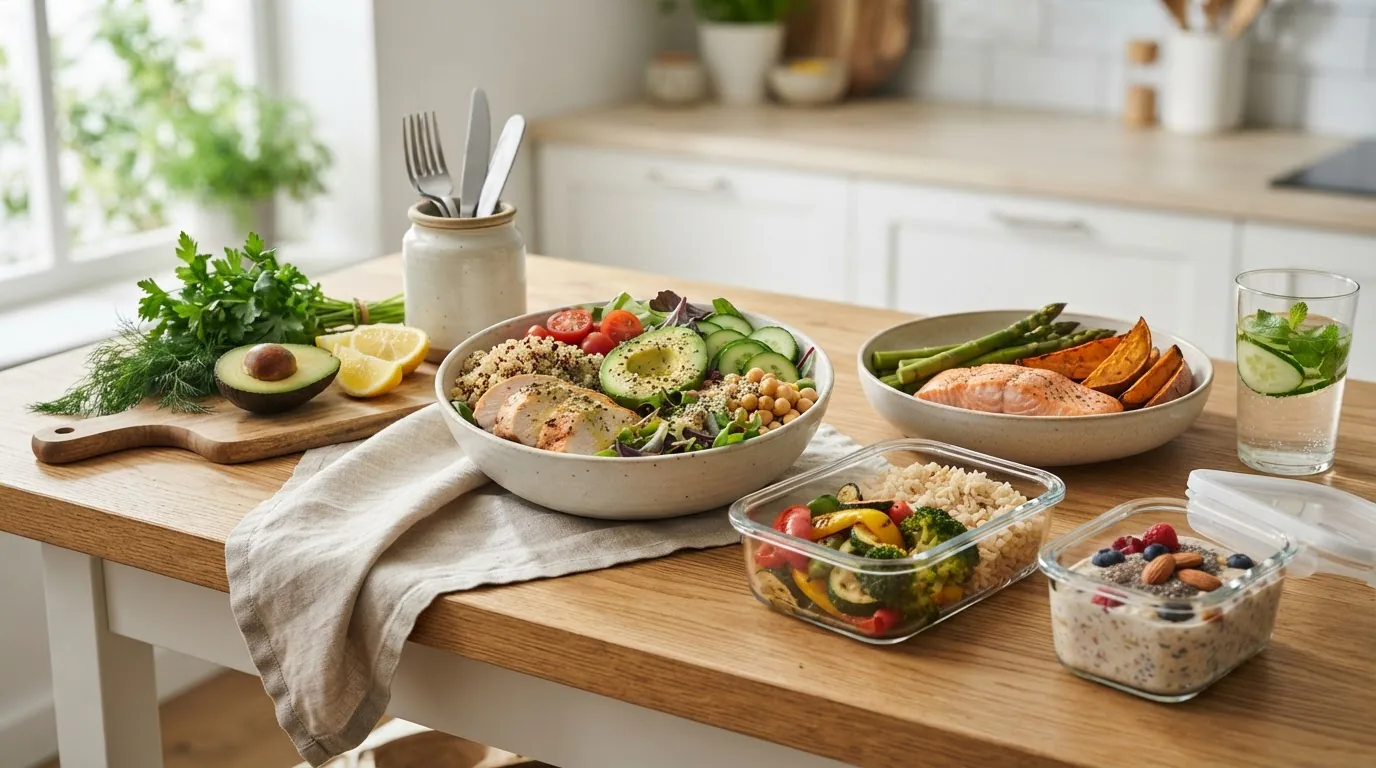
clean eating meal plan — Ready-made weekly menus, shopping lists, and practical recipes help you eat whole, unprocessed foods without stress. This guide gives step-by-step meal planning and family-friendly recipes you can implement this week to eat cleaner, save time, and improve energy.
Introduction to Clean Eating Meal Plans
Clean eating centers on real, minimally processed foods—whole grains, vegetables, fruits, lean proteins, legumes, nuts, seeds, and healthy fats—organized into a weekly plan that reduces decision fatigue and supermarket impulse buys. A well-designed clean eating meal plan emphasizes nutrient-dense foods and meal timing that supports sustained energy and weight management while being flexible enough for busy weeks and family tastes.
Think of your meal plan as your week’s blueprint for health: consistent, simple, and adaptable. For foundational ideas about long-term behavior and why consistency matters, see the sustainable healthy eating habits.
To understand how clean eating compares to other approaches, review the differences highlighted in the nutritional differences between healthy and unhealthy foods. If you want a short primer on the overall definition and beginner steps, check the what is clean eating guide and the what it means to be healthy.
According to a 2024 industry report on consumer food trends, shoppers are prioritizing whole and minimally processed ingredients when given convenient meal frameworks. For U.S. nutrition guidance and recommended food group balance, follow the USDA Dietary Guidelines and resources from the Academy of Nutrition and Dietetics when planning calorie targets or managing specific health conditions. Always consult your healthcare provider before making major dietary changes.
Transition: With the basic concept and resources in mind, next we’ll break down the specific principles that make a clean eating meal plan effective and sustainable.
Key Principles of a Clean Eating Meal Plan
- Prioritize whole, nutrient-dense foods — Favor fruits, vegetables, whole grains, legumes, lean proteins, nuts, seeds, and minimally processed dairy. These provide macro- and micronutrients with fewer additives and excess sugar than ultra-processed options. For guidance on an unprocessed approach, see the unprocessed balanced eating.
- Balance macros and micronutrients — Aim for meals that combine carbohydrates (vegetables, intact grains), protein (fish, poultry, legumes, tofu), and healthy fats (olive oil, avocado, nuts). This supports stable blood sugar, satiety, and recovery. Refer to authoritative dietary recommendations and the key healthy eating statistics for population guidance.
- Avoid additives and excess sugar — Choose foods with short ingredient lists. If a product has an unpronounceable ingredient or a long list, see if a whole-food alternative exists. Evidence links diets high in ultra-processed foods to worse metabolic outcomes; consult the cited peer-reviewed research below for details.
- Portion control and meal timing — Use realistic portions tailored to activity level. Spread protein across meals to support muscle mass. For meal timing paired with workouts, consult timing guides related to post-meal activity.
- Include fiber and hydration — Fiber from vegetables, fruits, legumes, and whole grains improves digestion and satiety. Hydrate with water first; limit sugary drinks. According to a 2023 nutrition overview paper, increasing dietary fiber is associated with improved weight regulation and heart health (peer-reviewed study linked below).
- Plan for variety and seasonality — Rotate produce and proteins across weeks to avoid boredom and nutrient gaps. Seasonal produce often offers better price and flavor, supporting long-term adherence.
- Practical convenience trade-offs — Balance time and convenience: use frozen vegetables, canned beans (low-sodium), and pre-washed greens when needed. The goal is sustainable habits, not perfection; some minimally processed convenience foods can help you stay on plan.
- Preventive care with nutrition — Use diet to reduce chronic disease risk through balanced meals and reduced sodium/sugar; for more on nutrition’s role in prevention, see the preventive care with good nutrition.
Evidence and authoritative context: According to a 2022 systematic review published in a peer-reviewed journal, dietary patterns emphasizing whole foods are linked to lower cardiovascular risk markers. For an accessible review of related evidence, see this peer-reviewed article: dietary patterns and health outcomes (peer-reviewed). For U.S. guidance on balanced eating patterns, consult the USDA Dietary Guidelines.
Transition: With these principles as a foundation, let’s walk step-by-step through designing a weekly clean eating meal plan that fits your life.
How to Design Your Weekly Clean Eating Meal Plan
- Set realistic goals and constraints — Decide priorities (weight loss, energy, family meals), weekly time available, and budget. Track a baseline week of what you currently eat to identify easy swaps (e.g., replace sugary cereal with Greek yogurt + fruit).
- Choose your structure — A clear template reduces decision fatigue. Common formats:
- Cook twice weekly: large batch dinners with planned lunches from leftovers.
- Mix-and-match bowl system: combine a base (grain/salad), protein, vegetables, and sauce for variety.
- Family rotation: 3 dinner templates repeated with small variations (spice, side) across the week.
- Plan breakfasts that sustain — Include protein + fiber (e.g., oats with nut butter + berries, eggs + veggies, or Greek yogurt parfait). If mornings are rushed, prepare overnight oats or egg muffin cups on Sunday.
- Plan lunches for convenience — Leftover dinners, salads with a protein jar, or grain bowls travel well. Use batch cooking to make 3–4 lunches in advance.
- Design dinners as anchors — Dinners can be batch-cooked (stews, roasted trays, sheet-pan proteins) to provide 2–3 nights of meals or large enough portions for lunches.
- Incorporate family-friendly swaps — Keep sauces mild and offer optional condiments for picky eaters. Build plates with separate components (protein, grain, veg) so tastes can be adjusted without scrambling separate meals.
- Time-saving techniques — Batch cooking, one-pot meals, sheet-pan dinners, and pressure-cooker recipes dramatically reduce hands-on time. Prep tasks to do in 60–90 minutes on a weekend: chop vegetables, cook a grain, roast 2 proteins, and assemble mason-jar salads.
- Use a shopping list and pantry staples — Keep whole-grain staples, canned beans, olive oil, spices, and frozen vegetables on hand so you can assemble meals quickly. We provide a full shopping list later.
- Customize for dietary preferences and restrictions — Swap animal proteins for legumes or tofu; use gluten-free grains when needed; prioritize low-FODMAP options for sensitive digestion. Add simple substitutions to the recipes in the recipe section for common needs.
- Mini case study — A real-life week: A working professional with two kids chose a cook-twice-weekly plan. Sunday evening: roast chicken, sheet-pan veggies, and brown rice; Wednesday: make turkey chili and overnight oats. Each night’s dinner produced lunches, snacks were pre-portioned (carrot sticks, hummus, nuts), and breakfasts rotated between egg muffins and yogurt bowls. Result: less food waste, fewer takeout meals, and two fewer hours per week in kitchen time.
- Measure and adjust — After week one, note what worked (meals eaten, time spent, budget) and refine. Use the foods and flavors that your household enjoys to maintain adherence.
For more on hunger management and satiety strategies when designing meals, see the foods that promote fullness and satisfaction. For help creating balanced grocery lists and recipes, consult the nutritious choices and meal planning.
Transition: With your plan structure set, below is a ready-to-use Sample 7-Day Clean Eating Menu (breakfast, lunch, dinner) plus short recipe notes to get you started immediately.
Sample 7-Day Clean Eating Menu Plan (Breakfast, Lunch, Dinner)
| Day | Breakfast | Lunch | Dinner |
|---|---|---|---|
| Monday | Overnight oats with berries & chia | Quinoa salad with chickpeas, cucumber, tomato, lemon-tahini | Sheet-pan salmon, broccoli, sweet potato |
| Tuesday | Spinach + mushroom egg scramble; whole-grain toast | Leftover salmon on mixed greens with brown rice | Turkey and vegetable chili with a side salad |
| Wednesday | Greek yogurt parfait with granola & fruit | Chicken grain bowl (brown rice, roasted veg, avocado) | One-pot lentil stew with kale and carrots |
| Thursday | Peanut butter banana smoothie with spinach | Mason-jar salad: mixed greens, quinoa, black beans, corn | Stir-fried tofu, snap peas, bell peppers over farro |
| Friday | Avocado toast with a poached egg | Leftover lentil stew with side of roasted beets | Grilled chicken tacos with slaw on corn tortillas |
| Saturday | Veggie breakfast burrito (egg, black beans, peppers) | Tomato basil soup with whole-grain grilled cheese (use whole-grain bread, minimal cheese) | Baked cod with lemon, asparagus, and quinoa |
| Sunday | Oat pancakes with fruit compote | Roasted vegetable & hummus wrap | Family-style pasta with marinara, sautéed mushrooms, side salad |
Menu notes and quick recipe descriptions:
- Overnight oats with berries & chia — Rolled oats soaked in milk or plant milk with chia, honey, and mixed berries for a fiber-rich start.
- Quinoa salad — Cook quinoa ahead; toss with canned chickpeas (rinsed), diced cucumber, tomato, parsley, and lemon-tahini dressing.
- Sheet-pan salmon — Season fillets with olive oil, lemon, garlic; roast with chopped broccoli and cubed sweet potato at 425°F for 15–20 minutes.
- Turkey chili — Ground turkey, canned tomatoes, beans, onion, spices simmered; makes 6 servings and freezes well.
- Lentil stew — Brown or green lentils simmered with mirepoix, garlic, diced tomatoes, and kale for hearty vegetarian dinner.
- Stir-fried tofu — Press and cube tofu, marinate briefly, stir-fry with vegetables and a simple sauce (soy, rice vinegar, honey) served over farro or brown rice.
- Grilled chicken tacos — Marinate strips in lime, chili, and garlic; grill and serve with cabbage slaw and corn tortillas for a lighter taco option.
- Family pasta night — Swap in whole-grain or legume-based pasta; bulk up sauce with extra vegetables for fiber and micronutrients.
Transition: Use the menu above as a template—substitute proteins, swap grains, and adjust portion sizes to meet calorie needs. Below are full recipes and prep tips for selected meals in the plan.
Recipes for Your Clean Eating Meal Plan
1. Sheet-Pan Salmon with Broccoli & Sweet Potato (Serves 4)
- Ingredients:
- 4 salmon fillets (4–6 oz each)
- 2 medium sweet potatoes, cubed
- 2 cups broccoli florets
- 2 tbsp olive oil
- 2 garlic cloves, minced
- Salt, pepper, 1 tsp smoked paprika, lemon wedges
- Instructions:
- Preheat oven to 425°F. Toss sweet potato with 1 tbsp olive oil, salt, pepper; roast 10 minutes.
- Add broccoli and salmon to sheet, drizzle remaining oil, season salmon and veggies; return to oven 12–15 minutes until salmon flakes.
- Squeeze lemon and serve. Store leftovers in fridge 3–4 days.
- Tips: Use foil for easy cleanup; double recipe for lunches. Substitute salmon with trout or chicken breasts.
2. One-Pot Lentil Stew (Serves 6)
- Ingredients:
- 1 tbsp olive oil, 1 onion chopped, 2 carrots diced, 2 celery stalks diced
- 3 garlic cloves minced, 1 cup brown lentils rinsed
- 1 can (14 oz) diced tomatoes, 4 cups low-sodium vegetable broth
- 2 cups chopped kale, 1 tsp cumin, salt, pepper, lemon juice to finish
- Instructions:
- Sauté onion, carrot, celery in oil 6–8 minutes. Add garlic, cook 1 minute.
- Add lentils, tomatoes, broth, simmer 25–30 minutes until lentils tender. Stir in kale until wilted; season and finish with lemon.
- Tips: Serve with whole-grain bread or brown rice. Add cooked sausage or shredded chicken for extra protein.
3. Overnight Oats with Berries & Chia (Serves 2)
- Ingredients:
- 1 cup rolled oats, 1 cup milk or plant milk, 1/2 cup Greek yogurt
- 1 tbsp chia seeds, 1 tbsp honey or maple syrup, 1 cup mixed berries
- Instructions:
- Combine oats, milk, yogurt, chia, and sweetener in jar. Stir, top with berries, refrigerate overnight.
- Stir before eating; add extra fruit or nuts as desired.
- Tips: Prepare multiple jars for weekday breakfasts. Use frozen berries thawed to save cost.
4. Turkey & Vegetable Chili (Makes 6 servings)
- Ingredients:
- 1 lb lean ground turkey, 1 onion chopped, 1 bell pepper diced
- 2 garlic cloves, 1 can kidney beans (rinsed), 1 can diced tomatoes
- 2 tbsp chili powder, 1 tsp cumin, 2 cups low-sodium broth
- Instructions:
- Sauté turkey with onion and pepper until browned. Add garlic, spices, tomatoes, beans, broth.
- Simmer 20–30 minutes; adjust seasoning. Top with avocado or plain Greek yogurt.
- Tips: Freeze in individual portions. Swap turkey for lean beef or crumbled tempeh for vegetarian option.
5. Mason-Jar Quinoa Salad with Chickpeas (Serves 4)
- Ingredients:
- 2 cups cooked quinoa, 1 can chickpeas rinsed, 1 cup cherry tomatoes halved
- 1 cucumber diced, 1/4 cup chopped parsley, 1/4 cup lemon-tahini dressing
- Instructions:
- Layer in jars: dressing on bottom, then quinoa, chickpeas, veggies, and greens on top. Store up to 4 days refrigerated.
- Shake jar to mix when ready to eat.
- Tips: Swap quinoa for farro, and chickpeas for shredded chicken for variety.
6. Egg Muffins with Spinach & Feta (Makes 12 muffins)
- Ingredients:
- 10 eggs, 1 cup chopped spinach, 1/2 cup feta, 1/2 cup diced bell pepper, salt, pepper
- Instructions:
- Preheat oven to 350°F. Whisk eggs, mix in vegetables and feta. Pour into greased muffin pan and bake 18–22 minutes until set.
- Cool and refrigerate for up to 5 days; great for on-the-go breakfasts.
- Tips: Use different cheeses or add herbs for new flavors. Make gluten-free and high-protein breakfasts.
Transition: These recipes are designed to be mixed and matched across the 7-day menu—next, use the shopping list to gather everything you need in one trip.
Grocery Shopping List and Tips for Clean Eating
- Produce: spinach, kale, mixed salad greens, broccoli, bell peppers, carrots, sweet potatoes, tomatoes, cucumbers, avocados, berries, bananas, lemons.
- Proteins: salmon, chicken breast, lean ground turkey, tofu, canned tuna, eggs, Greek yogurt.
- Grains & legumes: brown rice, quinoa, farro, rolled oats, whole-grain tortillas, canned beans (black, chickpeas), lentils.
- Pantry staples: olive oil, extra-virgin olive oil, tahini, low-sodium broth, canned tomatoes, nuts, seeds (chia, flax), nut butters.
- Flavorings: garlic, onion, dried herbs (oregano, basil), spices (cumin, smoked paprika), low-sodium soy sauce or tamari, vinegar (apple cider, balsamic).
- Frozen items: mixed vegetables, berries, edamame (good backup on busy days).
- Snacks: hummus, whole fruit, plain popcorn, raw nuts, Greek yogurt.
Shopping tips and label-reading guidance:
- Plan meals first, then build your list by category to speed up store time. Keep staples on auto-replenish (frozen vegetables, oats, olive oil).
- For packaged items, scan labels: prefer short ingredient lists and minimal added sugars or hydrogenated oils. If a product’s ingredient list reads like a chemistry exam, choose the whole-food alternative.
- Buy seasonal produce for lower cost and better flavor. Frozen fruit and veggies are nutritionally comparable to fresh and reduce waste.
- Purchase multi-serve proteins (whole chicken, large salmon fillet) and portion/freeze to reduce per-meal cost and prep time.
- According to a 2023 consumer food-cost analysis report, batch-cooking and shopping with a list reduce weekly grocery spend by an average of 12% (industry report).
Transition: You’ve shopped and prepped—now keep momentum. The following section covers practical motivation and behavior strategies to stay on track.
Tips for Staying on Track with Your Clean Eating Meal Plan
Consistency beats perfection. Small, repeatable actions drive long-term results. Use these practical tactics to keep your clean eating meal plan working for you while balancing family life, work, and fitness.
- Schedule a weekly planning session (20–30 minutes) to choose recipes, create a shopping list, and set a prep window.
- Prep once, eat multiple times: roast a large tray of vegetables and a protein to use in dinners and lunches.
- Use portioned containers for lunches and snacks to avoid overeating; pack components separately for family members with different tastes.
- Combine clean eating with movement: for workout fueling and recovery guidance, consult the balanced fitness nutrition.
- Mindful eating supports awareness of hunger and fullness—see useful practical mindful eating tips to slow down and enjoy food.
- If appetite is low, use small, nutrient-dense meals and consult the healthy appetite and nutrition tips and the ways to safely boost hunger.
- Accountability: join meal-prep groups, swap recipes with friends, or track progress in a simple journal.
- Contrast with extreme behaviors: competitive eating and extreme portioning are unsafe; for differences and safety considerations see the safety and professional training in eating.
- Focus on satisfaction: include favorite flavors in healthier forms (spices, citrus, roasted nuts) so you don’t feel deprived.
Transition: If you plan for multiple people, the next section offers practical adjustments and kid-friendly ideas to scale your clean eating meal plan for families.
Adjusting Your Clean Eating Meal Plan for Families
Feeding a family requires flexibility. Build a core meal each week that can be adapted for different ages and tastes: one protein, two vegetable sides, and a whole-grain base make it easy to plate differently for kids and adults. Use deconstructed plates for picky eaters—separate dips, raw vegetables, and cooked options so everyone finds something they like.
Example suggestions:
- Make a large roasted chicken: adults enjoy it with grains and a salad; kids get shredded chicken with sweet potato mash or in quesadillas.
- Offer build-your-own bowls: set out cooked rice/quinoa, proteins (beans, chicken), veggies, and mild sauces so family members choose combinations they like.
- Swap textures—if a child dislikes green veggies, try roasted carrots or sweet potato fries as a bridge to new flavors.
For more family-focused strategies, see the nutritious meals and habits for families and the practical meal plans for families.
Transition: You now have the tools to plan, shop, cook, and adapt meals—below are short reminders, a clear conclusion, and your next steps.
Conclusion: A sustainable clean eating meal plan simplifies weeknight decisions, increases nutrient intake, and reduces reliance on processed foods. Start with one weekly prep session, use the 7-day sample menu, and adapt recipes to family preferences. For long-term success, pair consistent meal structure with mindful eating and regular activity. Ready to try this week’s plan? Pick three recipes, shop from the provided list, and commit to one 90-minute prep session—small steps lead to big results. Consult your healthcare provider for personalized dietary needs.
Frequently Asked Questions
What exactly is a clean eating meal plan?
A clean eating meal plan organizes meals around whole, minimally processed foods—vegetables, fruits, whole grains, lean proteins, legumes, nuts and seeds—across breakfast, lunch, and dinner to maximize nutrients, reduce added sugars and additives, and simplify grocery shopping and cooking for consistent healthy habits.
How does a clean eating meal plan differ from other diet plans?
Clean eating emphasizes food quality (whole and minimally processed) rather than strict rules or timing. Unlike fad diets, it focuses on balanced macronutrients, portion control, and food variety for sustainable health improvements rather than short-term restriction.
How can I create a clean eating meal plan that fits my busy schedule?
Create a simple template, batch-cook 1–2 times per week, use frozen produce, and assemble meals in jars or containers. Plan five meals, shop with a list, and reserve 60–90 minutes weekly for prep to save time and reduce decision fatigue.
What are some easy clean eating meal prep ideas for beginners?
Start with overnight oats, egg muffins, a large roasted protein (chicken or salmon), a one-pot lentil stew, and mason-jar salads. Prep grains, roast vegetables, and portion snacks to streamline breakfasts, lunches, and dinners.
How long does it take to see benefits from following a clean eating meal plan?
Many people notice improved energy and digestion within 1–2 weeks; measurable changes in weight, blood pressure, or blood markers typically appear over several weeks to months depending on starting health, adherence, and activity—individual results vary.
What do I do if I don’t like some foods in the meal plan?
Swap disliked foods with nutritionally similar options (e.g., swap salmon for chicken or tofu). Adjust spices, cooking methods, and sides to match preferences while preserving balance of protein, fiber, and healthy fats for each meal.
Are clean eating meal plans safe for people with specific dietary restrictions?
Yes, clean eating can be adapted for allergies, vegetarian/vegan diets, gluten-free needs, and medical conditions—choose appropriate substitutions and consult a registered dietitian or healthcare provider for personalized guidance and nutrient adequacy.
How can I ensure quality and freshness when shopping for a clean eating meal plan?
Buy seasonal produce, choose frozen fruits/vegetables when fresh options are poor, check sell-by dates, inspect packaging for damage, and plan meals to use perishable items early in the week while freezing extras to preserve freshness.