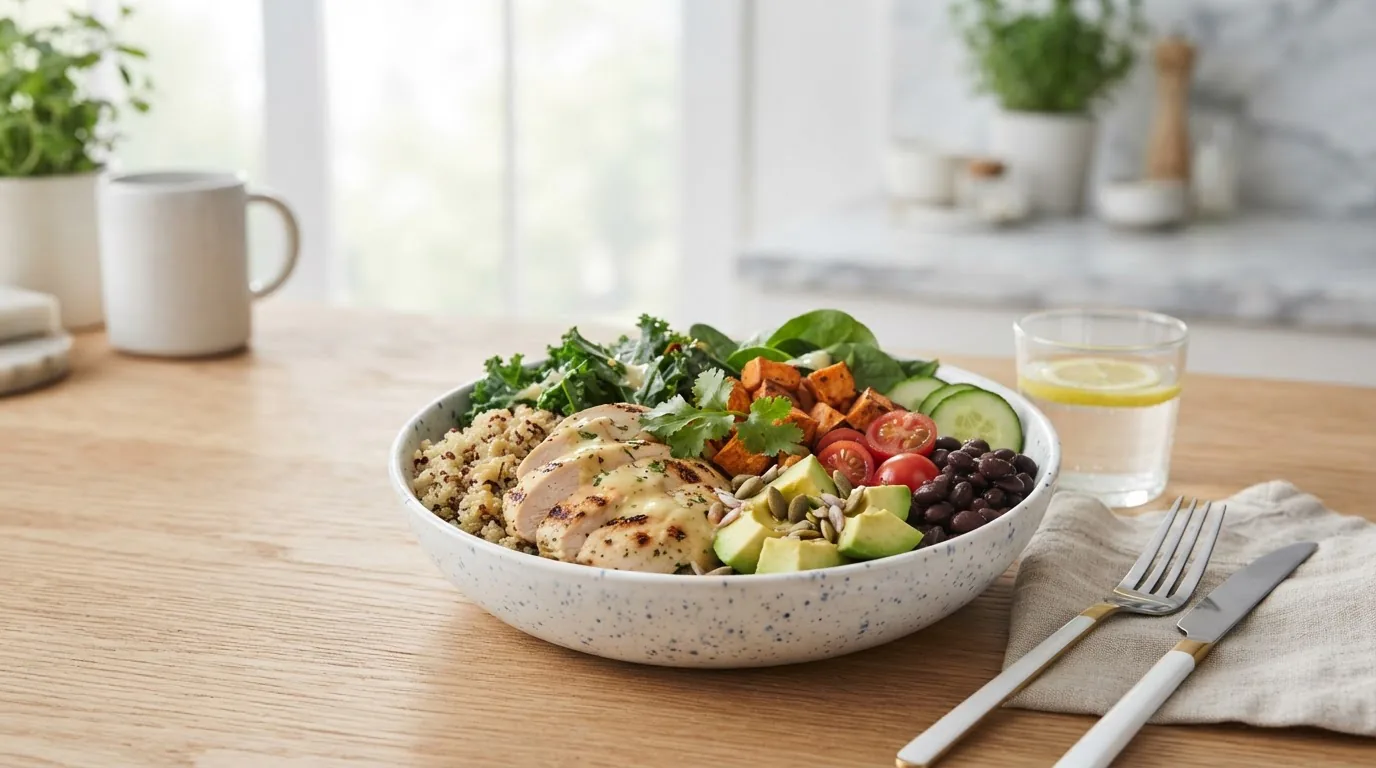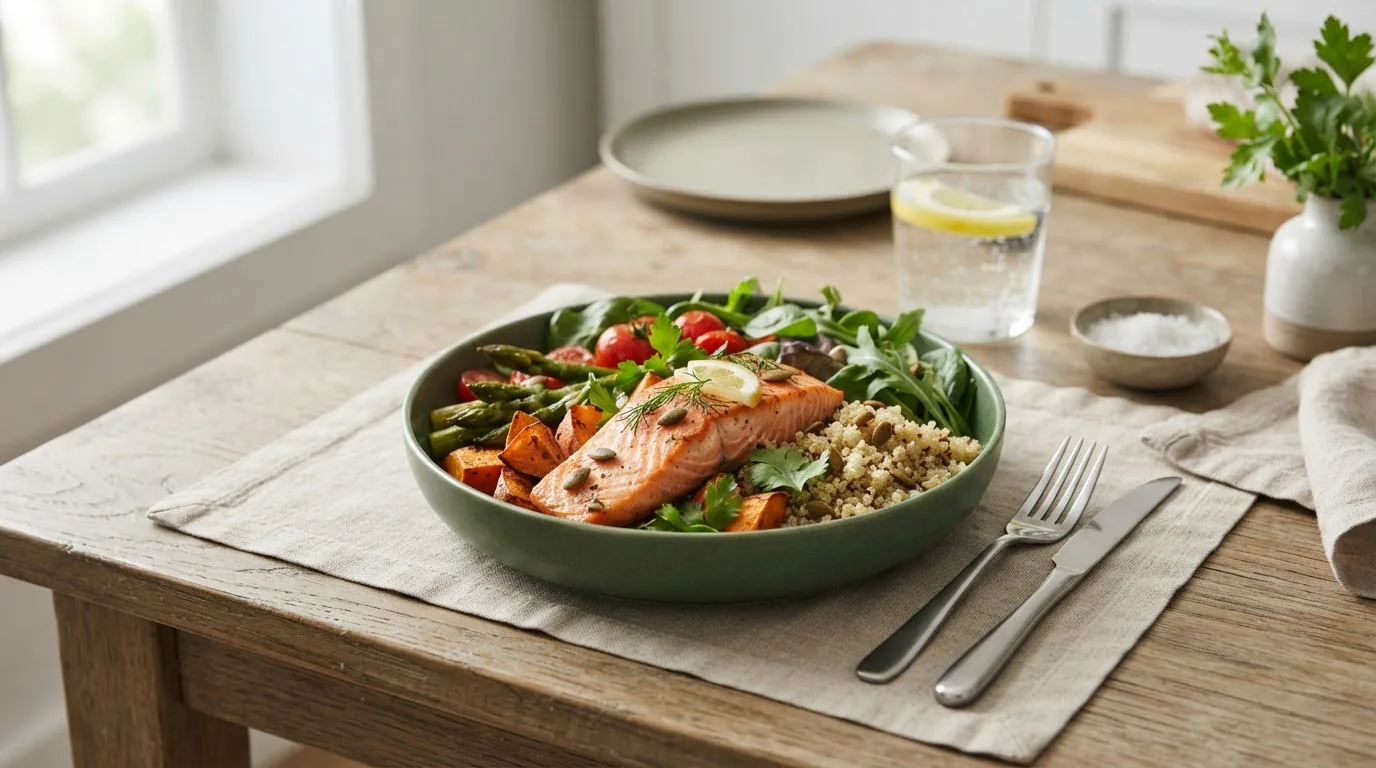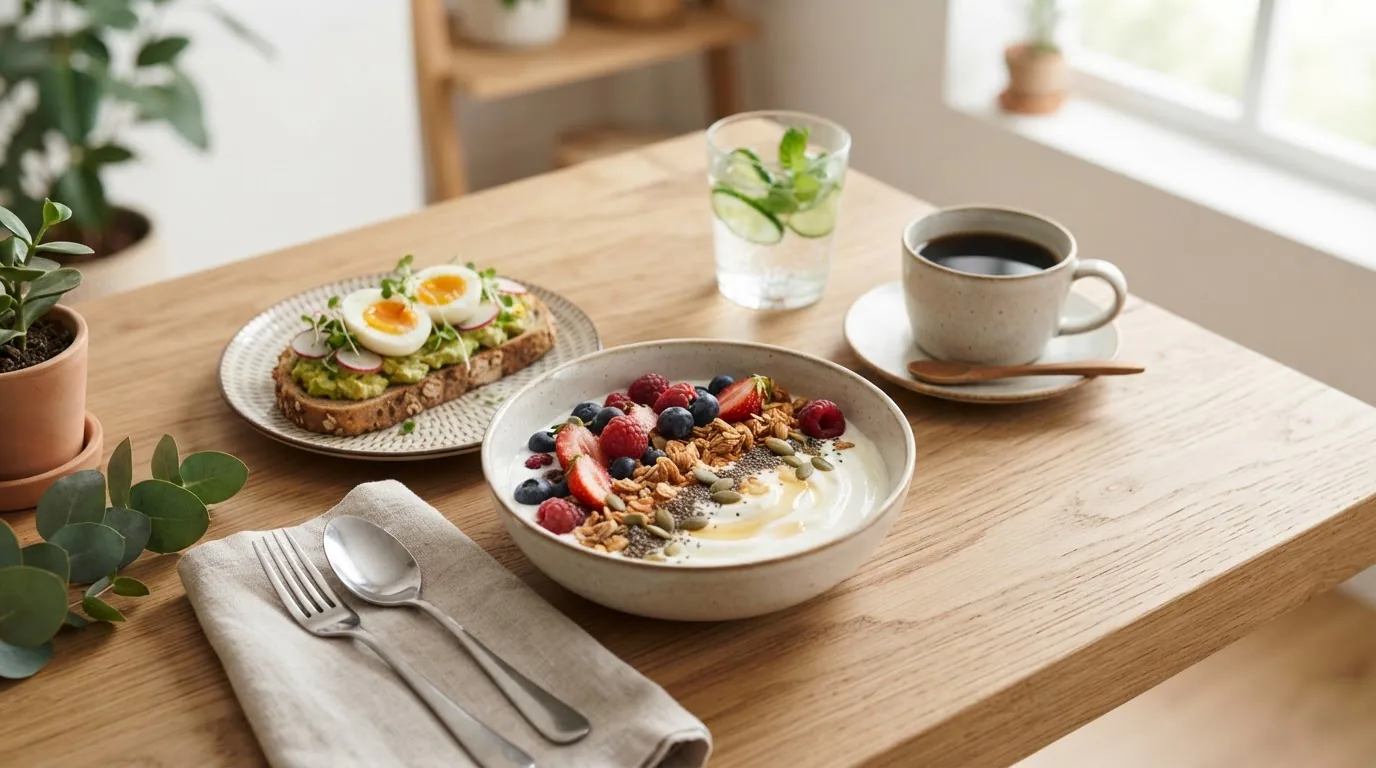

What is clean eating? At its core, clean eating is a simple approach: choose mostly whole, minimally processed foods and reduce added sugars, refined grains, and industrial additives. This guide breaks the basics down into clear principles and step-by-step actions so beginners can start eating clean without overwhelm.
What Is Clean Eating? Definition and Principles
Clean eating is a flexible, food-first approach that prioritizes foods in or close to their natural state. It’s not a strict diet with rigid rules; instead, it’s a way of choosing foods that are minimally processed, nutrient-dense, and prepared simply. Key principles include selecting whole, seasonal ingredients, reading labels to avoid unnecessary additives, and cooking more meals at home.
Definitions to know:
- Whole foods: Foods that are unprocessed or minimally processed—fruits, vegetables, whole grains, nuts, seeds, legumes, eggs, fresh dairy, and fresh meats or fish.
- Processed foods: Items altered from their original form for safety or convenience—e.g., canned vegetables with added salt, deli meats, or frozen dinners with preservatives.
- Ultra-processed foods: Industrial formulations with little resemblance to whole foods, often high in sugar, unhealthy fats, salt, and additives.
Core principles of a clean diet:
- Favor whole, unrefined foods over packaged and ultra-processed options.
- Cook more at home to control ingredients and portions.
- Read labels: avoid long ingredient lists, artificial colors, high-fructose corn syrup, and trans fats.
- Choose variety and balance—vegetables, fruits, whole grains, lean proteins, healthy fats.
- Focus on quality over perfection—small, consistent improvements beat extremes.
How clean eating differs from simply “eating healthy”: clean eating emphasizes how foods are processed and prepared, not just calorie count. For a side-by-side look at nutritional contrasts, see the guide on nutritional differences in diets.
Practical examples:
- Swap potato chips for oven-roasted chickpeas or lightly salted air-popped popcorn.
- Replace sugary breakfast cereal with steel-cut oats topped with berries and nuts.
- Choose plain yogurt and add fresh fruit instead of flavored varieties with added sugar.
Because “clean eating” isn’t governed by a single authority, individuals adapt it to personal needs—considering culture, budget, allergies, and health goals—while keeping the guiding idea: more whole foods, fewer industrial ingredients.
Transition: Now that the definition and core principles are clear, let’s review the measurable benefits beginners often experience when they adopt clean eating habits.
The Benefits of Clean Eating for Beginners
Many beginners report practical benefits from emphasizing whole foods and cutting back on ultra-processed items. Below are common outcomes supported by nutrition evidence and public-health guidance.
Improved energy and stable blood sugar: Eating meals with fiber, protein, and healthy fats stabilizes blood sugar and reduces mid-day energy crashes. According to a 2024 industry report, diets higher in whole foods were associated with fewer reported energy dips among adults.
Weight management: Choosing minimally processed foods tends to reduce excess calorie intake because these foods are more filling and less calorie-dense. A systematic review of dietary patterns (example resources on PubMed) links higher intake of ultra-processed foods to weight gain over time.
Digestive health: High-fiber whole grains, legumes, vegetables, and fruits support regularity and a diverse gut microbiome. The USDA and public health organizations recommend fiber-rich choices as part of a healthy pattern (USDA Dietary Guidelines).
Reduced inflammation and chronic disease risk: Diets centered on whole foods supply antioxidants, omega-3 fats, and phytonutrients that can lower chronic inflammation markers. According to research summarized by nutrition experts at the Academy of Nutrition and Dietetics, dietary patterns emphasizing plant foods correlate with lower risk of heart disease.
Better nutrient intake: Minimally processed foods provide vitamins, minerals, and beneficial compounds often lost during heavy processing—helping close common nutrient gaps seen in US diets.
Psychological benefits: Cooking at home and making deliberate food choices can increase mindful eating, reduce stress about food decisions, and improve appreciation for meals.
Evidence caveats and data sources: Many studies are observational and show associations rather than causation. When citing population-level trends, reference matters: “According to a 2024 industry report…” or “According to a 2023 systematic review published in a peer-reviewed journal…”—both help place claims in context. For baseline dietary guidance, reference the USDA Dietary Guidelines and professional nutrition organizations.
Additional data and statistics that support these benefits can be found in the key dietary statistics resource for those who want the numbers behind the claims.
Transition: Understanding benefits helps motivate change; next we’ll compare clean eating to other popular diets so you can see where it overlaps and where it stands apart.
Clean Eating Diet vs Other Popular Diets
| Approach | Primary focus | Flexibility | Typical pros | Common cons |
|---|---|---|---|---|
| Clean eating (clean diet) | Whole, minimally processed foods | High — adapts to preferences | Balanced nutrition, sustainable habits | Vague rules; “clean” can be interpreted rigidly |
| Paleo | Foods presumed available to Paleolithic humans (no grains, legumes, dairy) | Moderate — excludes certain food groups | Emphasizes whole foods | May limit whole-grain and legume benefits |
| Whole30 | 30-day elimination of sugar, alcohol, grains, legumes, dairy | Low — short-term strict reset | Clear elimination for sensitivity testing | Very restrictive; not intended as long-term |
| Keto | Very low-carb, high-fat to induce ketosis | Moderate — macronutrient-focused | Rapid weight/fat loss for some | Restrictive, can limit fruit/whole grain intake |
| Vegan | Plant-only foods (no animal products) | High — but requires planning | Lower saturated fat intake, environmental benefits | Needs attention to B12, iron, and protein sources |
Explanatory notes:
- Clean eating is a philosophy rather than a prescriptive plan. It shares features with paleo and Whole30—favoring whole foods—but is more flexible and can easily include grains, legumes, and dairy depending on personal choices.
- Compared with restrictive diets like keto or Whole30, clean eating is more sustainable for many people because it focuses on quality and gradual change rather than eliminating entire macronutrient classes.
- People following vegan diets can also follow clean eating principles by choosing whole plant foods instead of processed meat alternatives and refined grains.
Choosing the best approach depends on goals, medical history, and personal preferences. If you need tailored guidance, consult a registered dietitian or healthcare provider.
Transition: If you’re ready to try clean eating, the next section gives a clear, step-by-step plan to start now—no extreme rules, just practical steps.
How to Start Eating Clean: Simple Steps for Beginners
- Set one small, specific goal. Begin with one change—e.g., “I will eat two vegetable servings at dinner” or “I’ll swap soda for sparkling water with lemon three times per week.” Small wins build momentum.
- Do a pantry clean-out. Remove or relocate obviously ultra-processed items (sugary cereals, packaged pastries, soda, boxed meals). Keep a small “sometimes” shelf if you don’t want to discard everything. practical steps to healthy eating
- Learn food swaps. Replace refined grains with whole grains (white rice → brown rice or quinoa), sugary spreads with mashed banana or nut butter, and cream-based dressings with yogurt-based or olive oil–vinegar mixes. A quick pantry walkthrough: toss expired processed snacks, re-order staples—oats, canned beans (low-sodium), whole-grain pasta, canned tomatoes, frozen vegetables, nuts, and seeds.
- Shop the perimeter—but plan. Most grocery stores place fresh produce, meat, dairy around the perimeter. Use a shopping list and avoid aisles that tempt impulse ultra-processed buys. Block 30–45 minutes for a weekly shop and aim to leave with at least half your cart as produce.
- Master 5 easy recipes. Learn five simple meals you can prepare quickly: oatmeal with fruit, sheet-pan roasted vegetables with chicken, salmon with brown rice and steamed greens, simple lentil soup, and a veggie-loaded omelet. Repeat them until they feel effortless.
- Focus on plate balance. Aim for half the plate vegetables and fruits, one-quarter lean protein, one-quarter whole grains or starchy vegetables, and a small portion of healthy fats. This keeps meals filling and nutritious.
- Label reading routine. When buying packaged foods, check the ingredient list: fewer ingredients and recognizable names are better. Watch for hidden sugars (maltodextrin, dextrin, syrups), hydrogenated oils, and long preservative lists.
- Batch cook or meal-prep weekly. Spend one block of time (90–120 minutes) preparing proteins, grains, and a few roasted vegetables. Store in clear containers so clean meals are grab-and-go rather than relying on convenience foods.
- Practice flexible moderation. Clean eating is not about perfection. Allow occasional treats. A “mostly clean” approach—80% whole foods, 20% flexibility—often delivers sustainable results.
- Track progress and adjust. Keep a simple food diary for two weeks to identify patterns, energy levels, and problem foods. Reassess goals monthly and add one new clean habit every 2–4 weeks.
Helpful resources: For practical weekly menus and recipes that fit a clean eating approach, see the weekly clean eating meal plans and recipes.
Case study (real-world example): Sarah, a 34-year-old teacher, wanted more energy and fewer afternoon sugar cravings. She set one goal: add a vegetable to every lunch for two weeks and replace soda with water. After adopting two simple batch-cook recipes and following the pantry swap list above, she reported better focus at work and a 5-pound weight loss over three months. Her small, consistent changes—rather than a full diet overhaul—created sustainable results she maintained for a year.
Transition: With basic steps under your belt, you’ll need to know exactly which foods to include and which to limit—next section provides clear include vs avoid guidance with examples.
Foods to Include and Avoid on a Clean Diet
Below is a practical two-column guide: what to include on a clean eating plan and what to avoid. For satiety-focused choices, see the guide on foods that promote satiety.
| Include | Avoid |
|---|---|
|
|
Detailed examples and tips:
- Vegetables: Aim for color variety—dark leafy greens, orange and red produce, cruciferous vegetables for fiber and phytochemicals.
- Fruits: Prefer whole fruit over fruit juices to retain fiber and avoid concentrated sugars.
- Whole grains: Look for “100% whole grain” on labels and fiber content of at least 3–5 g per serving.
- Proteins: Include fatty fish (salmon, sardines) twice weekly for omega-3s. Beans and lentils are excellent plant proteins and fiber sources.
- Snacks: Choose whole-food snacks—an apple with almond butter, plain Greek yogurt and berries, raw nuts (portion-controlled).
Hidden pitfalls to watch for:
- “Low-fat” items that replace fat with sugar—always check the sugar content.
- “Natural” or “made with real fruit” claims that still include added sugars and syrups.
- Packaged granola and protein bars that are highly processed with added sweeteners.
For hands-on guidance to put these recommendations into daily practice, consult the practical steps to healthy eating and explore satiety-focused food lists at foods that promote satiety.
Transition: Next, find quick tips and “eating secrets” that make clean eating easier and more enjoyable.
Clean Eating Simplified: Easy Tips and Eating Secrets
“Cleaning eating” (a common typo) is simply clean eating simplified—small practical habits that stack into big changes. Below are easy-to-adopt tips and tricks used by beginners and families alike.
- Batch roast vegetables on the weekend for quick lunches and dinner sides.
- Keep a “healthy snack drawer” stocked with portioned nuts, air-popped popcorn, and cut veggies with hummus.
- Make smoothies with whole fruit, a handful of greens, protein (Greek yogurt or protein powder), and a fat source (nut butter) for meal or snack replacements.
- Use the “plate method” to portion meals quickly: half veggies, quarter protein, quarter grain/starch.
- When dining out, request sauces and dressings on the side and add a side salad or extra vegetables.
- Flavour with herbs, citrus, and vinegar rather than heavy sauces to highlight natural food tastes.
- Prep versatile staples—grains, roasted veggies, cooked beans—so assembling meals takes under 10 minutes.
- Learn to read the first three ingredients on packaged foods; these make up most of the product.
- Adopt a “no-food-shame” mindset—occasional treats are allowed and help avoid binge cycles.
- Rotate new recipes monthly to avoid boredom and broaden nutrient exposure.
Family-friendly approaches: Keep breakfasts simple (overnight oats, whole-grain toast with nut butter), involve kids in meal prep, and offer fruits and vegetables as the snack default. For structured family support and menu ideas, check out family-friendly meal plans.
Time-saving hacks:
- Use a slow cooker or instant pot for soups and stews that make multiple meals.
- Portion single-serve lunches into reusable containers for the week.
- Set two nights a week as “leftover nights” to reduce waste and meal fatigue.
Transition: Creating new tips is helpful, but lasting change depends on consistency—next section covers how to eat clean regularly.
Maintaining Consistency: How to Eat Clean Regularly
Consistency comes from systems more than willpower. Here are practical steps to make clean eating a regular part of life, even when schedules are busy.
- Design weekly routines. Schedule a shopping day, a batch-cooking session, and specific meal times. Routines reduce decision fatigue and make healthy choices default.
- Use simple habit stacking. Anchor a new habit to an existing one—e.g., after morning coffee, pack a fruit for your bag. Over time, small stacks create durable behavior change.
- Plan for setbacks. Busy weeks or social events will happen. Prepare an “emergency” box with healthy, shelf-stable options (nuts, canned tuna, whole-grain crackers) to avoid reaching for ultra-processed convenience foods.
- Track habits, not calories. Use a checklist of clean-eating actions—did you include a vegetable at lunch?—to focus on behaviors instead of restricting intake.
- Link nutrition to activity. Combine clean eating with movement for better results and motivation. For guidance on integrating food and exercise, see balanced fitness nutrition.
- Boost healthy appetite if needed. Some people find it hard to eat enough whole foods early on—smoothies, calorie-dense nuts, and adding olive oil or nut butter can help. For targeted tips, see boost healthy appetite.
- Stay accountable. Use a friend, family member, or app to check in weekly on goals. Accountability increases follow-through.
- Celebrate small wins. Recognize progress—more energy, fewer cravings, or a new favorite recipe. Positive reinforcement fuels long-term consistency.
Motivational advice: Think of clean eating as creating a home environment that supports good choices. Systems—meal planning, shopping lists, and batch cooking—make clean meals more accessible than convenience options.
Transition: Adapting clean eating to the American food environment and budget requires specific strategies—next section provides region-specific advice.
Clean Eating for Americans: Adapting to Local Food Environment
Clean eating in the US means working with the available food system: grocery stores, farmers’ markets, food assistance programs, and cultural foods. Here are practical tips to make clean eating accessible, affordable, and sustainable in American contexts.
Budget-friendly shopping strategies:
- Buy seasonal produce—often cheaper and fresher—and freeze extras for later.
- Choose frozen fruits and vegetables: nutritionally similar to fresh and less expensive with less waste.
- Buy whole grains and dried beans in bulk to save money per serving.
- Use store brands for staples—many have simpler ingredient lists at lower cost.
Make the most of local resources:
- Shop at farmers’ markets near closing time when vendors often discount produce.
- Use SNAP/EBT options where available—many markets accept benefits and some offer matching programs for fruits and vegetables.
- Community-supported agriculture (CSA) boxes can provide seasonal produce at reasonable cost if you plan to use everything in the box.
Sustainable choices:
- Prioritize plant-forward meals to reduce environmental impact and cost—beans, lentils, and seasonal vegetables are nutrient-dense and affordable.
- Choose sustainably caught fish where possible and rotate plant proteins to limit ecological strain.
Cultural and regional adaptation: Clean eating should honor cultural food traditions. Swap processed items for traditional whole-food versions—such as preparing homemade salsas, stews, or grain bowls using the staples of your cuisine.
For Americans balancing family life and budgets, practical meal templates, shopping lists, and recipes are available in family-centered guides and meal-plan resources on the site.
Transition: Despite benefits and simple strategies, many myths persist—next section addresses common misconceptions so beginners can separate fact from fiction.
Common Myths and Misconceptions About Clean Eating
Below are common myths and evidence-based facts to clear confusion and reduce anxiety around clean eating.
Myth: Clean eating means eating only organic food.
Fact: Organic can be part of clean eating, but it’s not required. The priority is whole, minimally processed foods. Organic often reduces pesticide exposure but can be costlier; choose organic for high-residue produce if budget allows.
Myth: Clean eating is a weight-loss diet.
Fact: Clean eating emphasizes food quality and can help with weight management, but it’s not a weight-loss guarantee. Calorie balance and overall lifestyle matter. Sustainable habits are the key to long-term results.
Myth: You can’t eat out while eating clean.
Fact: Many restaurants offer grilled proteins, vegetable-forward sides, and salads. Ask for dressings on the side, avoid fried options, and choose whole-food-based entrees.
Myth: Clean eating is more expensive for everyone.
Fact: It can be cost-effective with planning—frozen produce, bulk grains, legumes, and seasonal shopping reduce costs. Simple recipes and batch cooking lower per-meal prices compared to convenience foods.
Myth: Clean eating is always nutritionally adequate.
Fact: While clean eating can meet nutrient needs, poorly planned versions may miss nutrients (e.g., B12 in plant-only patterns). Personalization and attention to variety are essential. For disease prevention and clinical context, see preventive care through nutrition.
Myth: Clean eating is the same as highly restrictive cleanses or detox diets.
Fact: Clean eating focuses on long-term habits and whole foods, not short-term detoxes that often lack scientific support and can be nutritionally unbalanced.
Myth: Clean eating is incompatible with competitive eating or extreme sports diets.
Fact: Clean eating emphasizes nutrient quality; competitive eating practices are a separate niche focused on performance and safety. For safety-related differences, read about competitive eating safety.
Evidence notes: Many myths arise from marketing and oversimplified claims. Peer-reviewed research and guidance from professional bodies help separate marketing from evidence—search PubMed for systematic reviews and the USDA for dietary guidelines.
Transition: Below are concise, practical FAQs to answer common beginner questions quickly.
Conclusion
Clean eating is a flexible, sustainable approach centered on whole, minimally processed foods, practical cooking, and balanced plates. Beginners benefit most from small, consistent changes—pantry swaps, simple meal prep, and plate balance—rather than perfection. Use the resources linked throughout this guide to build sustainable healthy eating habits and explore meal plans, family guidance, and nutrition tools to make clean eating a lasting part of your lifestyle. Ready to start? Pick one small goal today—swap one processed snack for a whole-food alternative—and build from there.
Frequently Asked Questions
What is clean eating and how does it differ from other diets?
Clean eating focuses on choosing whole, minimally processed foods and limiting additives, rather than strict rules. It differs from diets like keto or Whole30 by being more flexible and centered on food quality, not specific macronutrient or elimination rules.
How can I start eating clean if I’m new to healthy eating?
Begin with one small habit: add a vegetable to each lunch, swap soda for water, or batch-cook simple meals. Do a pantry clean-out, learn five easy recipes, and use weekly shopping lists to make clean choices easier.
What foods should I avoid on a clean eating diet?
Avoid ultra-processed foods with long ingredient lists, sugary drinks, packaged pastries, products with trans fats, and items high in added sugars and artificial additives. Favor whole fruits, vegetables, whole grains, lean proteins, and healthy fats instead.
What are some easy tips to eat healthier consistently every day?
Batch cook staples, use a shopping list, practice the plate method (half veggies), keep healthy snacks on hand, read labels for short ingredient lists, and allow occasional treats to maintain balance and adherence.
How long does it typically take to see benefits from clean eating?
Many people notice improved energy and digestion within 1–4 weeks; measurable weight or biomarker changes often appear in 6–12 weeks, depending on starting habits and consistency. Individual results vary based on lifestyle and health.
What are common mistakes beginners make with clean eating?
Common mistakes include aiming for perfection, cutting entire food groups unnecessarily, relying on “clean” processed foods, and neglecting calorie needs or nutrient variety. Start gradual and prioritize balanced meals to avoid these pitfalls.
Is clean eating safe for people with dietary restrictions or allergies?
Yes—clean eating can be adapted for allergies, medical conditions, and cultural diets by focusing on whole-food alternatives and consulting a registered dietitian for tailored substitutions and nutritional adequacy.
Which foods offer the best nutrition for clean eating on a budget?
Budget-friendly clean options include frozen vegetables and fruits, dried beans and lentils, canned tomatoes, oats, brown rice, eggs, and seasonal produce. Buying in bulk and planning meals can reduce costs further.