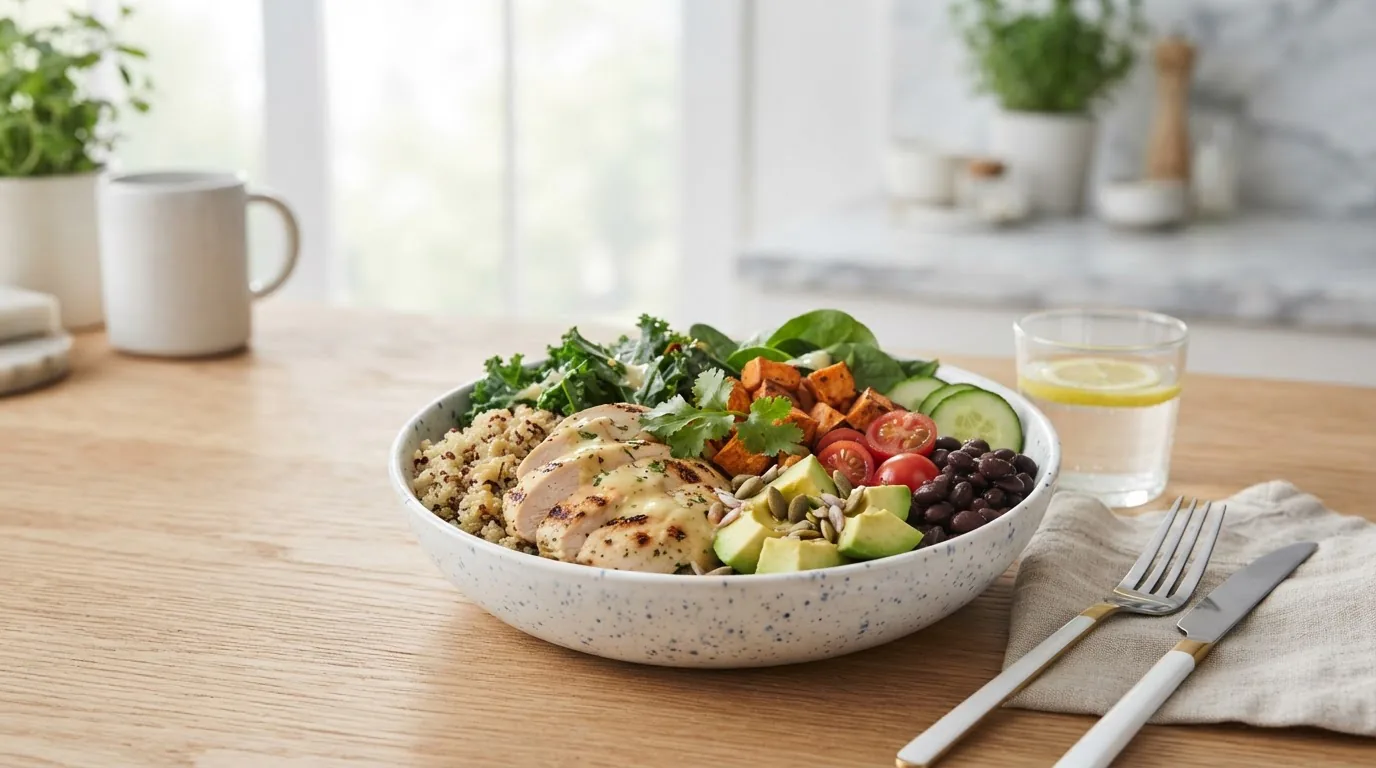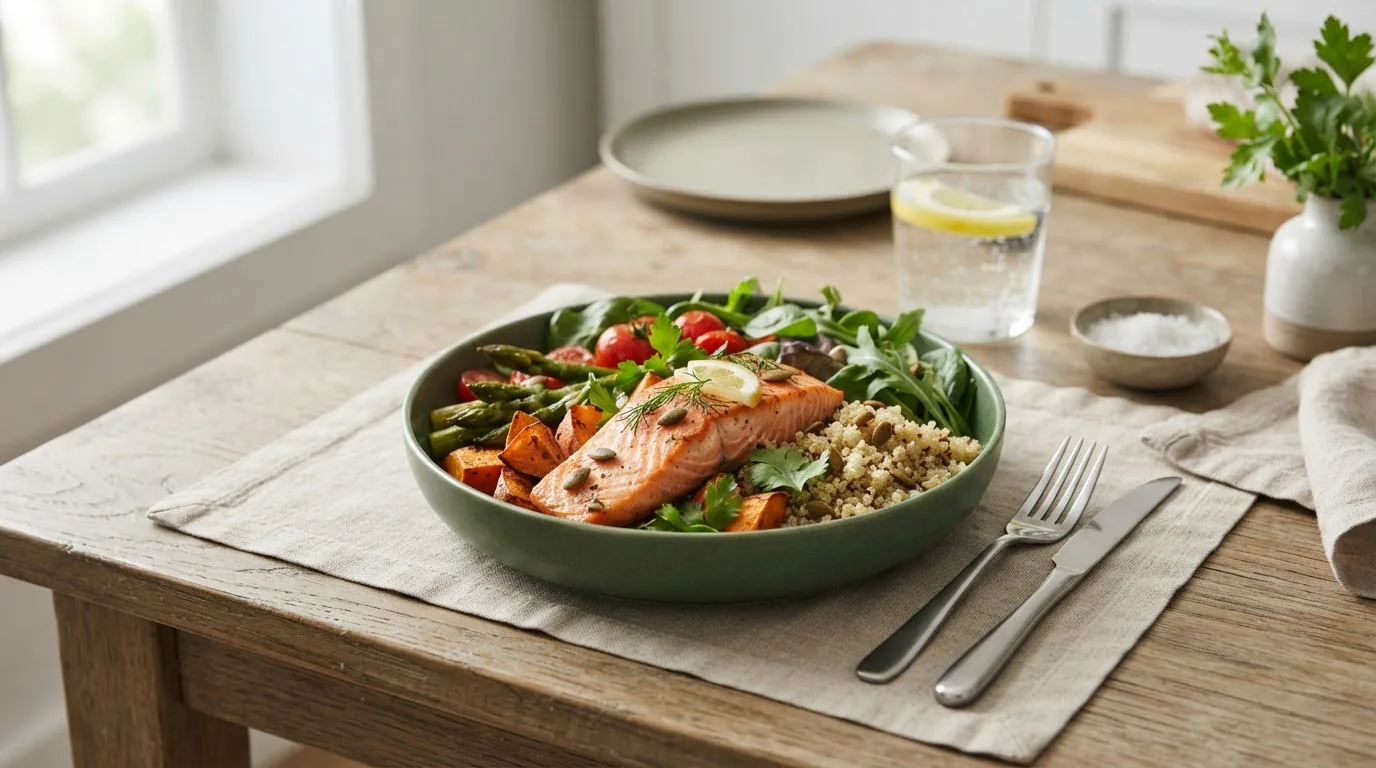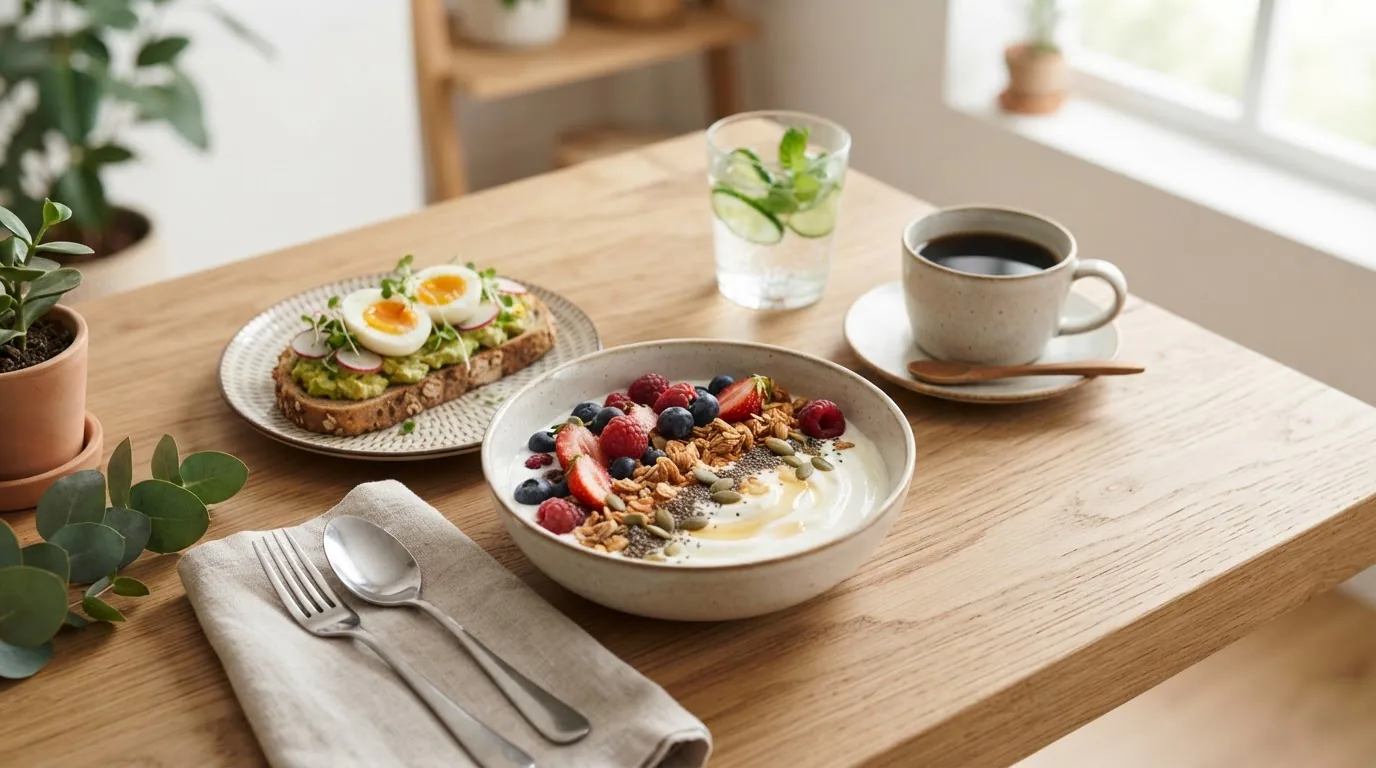

Clean living meal plan—a practical, sustainable roadmap to eating mostly unprocessed, nutrient-dense foods—can change how you feel day-to-day. This guide shows you exactly how to build balanced breakfast, lunch, and dinner routines, plus portion control, substitutions, and realistic meal-prep strategies so clean eating becomes a long-term habit.
What Is a Clean Living Meal Plan?
A clean eating plan is a structured approach that prioritizes whole, minimally processed foods—vegetables, fruits, whole grains, lean proteins, nuts, seeds, legumes, and healthy oils—while minimizing or eliminating ultra-processed products, added refined sugars, and artificial additives. A clean diet plan isn’t a single rigid regimen; it’s a set of guiding principles you use to create daily menus and shopping lists that support health, energy, and recovery.
Core ideas behind a clean food menu plan include food quality, nutrient density, and predictable meal structure. Quality focuses on foods in or close to their natural state (for example, whole oats versus instant flavored oatmeal). Nutrient density means prioritizing calories that deliver vitamins, minerals, fiber, and beneficial phytonutrients (e.g., leafy greens, berries, oily fish). Meal structure emphasizes balanced plates across breakfast, lunch, and dinner so you consistently supply your body with protein, complex carbohydrates, healthy fats, and fiber.
Examples of components you’ll see repeatedly in a clean menu: steel-cut oats; plain Greek yogurt; mixed vegetables roasted with olive oil; quinoa and lentils; wild-caught fish or skinless poultry; whole fruits; and unsalted nuts. A true unprocessed food diet plan may still include home-made dairy or whole-grain breads made without industrial additives—what matters is the ingredient transparency and minimal processing.
The difference between a clean meal plan and other diets is emphasis: many diets emphasize macronutrient ratios, timing, or calorie counting. Clean living layers those metrics over a foundational rule—choose foods that are as close to their natural state as possible. That approach makes it easier to meet micronutrient needs and reduces exposure to excess sodium, added sugars, and industrial fats.
How this looks in practice: plan a week’s worth of breakfasts that rotate whole-grain porridge, omelets with vegetables, and smoothies with plain protein and fruit; lunches built around a lean protein and a grain/vegetable foundation; and dinners composed of colorful vegetables, a small starchy side, and a lean protein source. This consistency makes grocery shopping, cooking, and portion control straightforward.
Transition: With those definitions set, let’s examine the concrete benefits you can expect when you follow a clean living meal plan.
Benefits of Following a Clean Living Meal Plan
- Improved nutrient intake: Clean menus increase micronutrient and fiber intake by favoring fruits, vegetables, whole grains, legumes, and lean protein over refined items, which supports overall health and vitality.
- Better digestion: Higher dietary fiber and fewer artificial additives often lead to improved bowel regularity and reduced gastrointestinal discomfort.
- Stable energy levels: Prioritizing complex carbohydrates and lean protein helps avoid blood-sugar spikes and crashes common with sugary, processed snacks.
- Weight management support: Because clean meals tend to be more satiating per calorie (fiber + protein), they help control appetite and reduce overeating—useful for weight control even without added exercise. See weight management without exercise.
- Reduced inflammation markers: Diets rich in whole plant foods and omega-3 sources are associated with lower inflammatory markers in clinical studies; for evidence-based context, review research from medical institutions like the Harvard School of Public Health. Harvard School of Public Health nutrition resource.
- Chronic condition prevention: Clean eating patterns support cardiovascular and metabolic health by lowering sodium, refined sugar, and industrial trans-fat intake—valuable for preventive nutrition for chronic conditions.
- Better food literacy and confidence: Building skills in reading ingredient lists and preparing whole foods increases long-term independence and dietary resilience.
- Economic clarity over time: While some unprocessed foods can cost more per unit, thoughtful planning and batch cooking often reduce waste and lower overall food spend.
- Measurable public-health trends: According to a 2024 industry report, consumers who reduced ultra-processed food intake reported measurable improvements in self-reported energy and digestion within four weeks—these trends align with national dietary guidance and research findings (see authoritative links below).
For statistical and dietary context, review key healthy eating statistics and clinical advice from registered dietitians to match claims to evidence.
Transition: Understanding the benefits motivates change—but to implement sustainable change you need clear principles. The next section outlines the operational rules of a clean living meal plan.
Key Principles of a Clean Living Meal Plan
Applying a no processed food diet menu to daily life means following a set of practical principles, not chasing perfection. Below are stepwise rules and illustrative examples to help you build a realistic, balanced plan.
-
Prioritize whole foods first.
Rule: Make whole fruits, vegetables, legumes, whole grains, lean proteins, and minimally processed dairy the core of every meal. Example: swap flavored instant oatmeal for plain steel-cut oats topped with fresh berries and a tablespoon of chopped nuts.
-
Balance macros intentionally.
Rule: Every meal should include a source of lean protein, complex carbohydrate, and healthy fat. Example plate: 3–4 oz grilled salmon (protein + fat), 1/2 cup cooked quinoa (complex carbs), 1 cup mixed greens dressed with olive oil (fiber + healthy fat).
For a deeper guide to macronutrient planning, see resources about making nutritious food choices.
-
Emphasize nutrient density over calories.
Rule: When choosing between two options, pick the one with more vitamins, minerals, fiber, or beneficial fats per serving. Example: roasted sweet potato over a processed microwave meal for richer vitamin A, fiber, and slower-release carbs.
-
Choose lean foods to manage calories and satiety.
Rule: Include lean proteins—skinless poultry, fish, legumes, low-fat dairy—and plant proteins to reduce saturated fat while preserving fullness. Example swaps: ground turkey instead of fatty beef; lentil bolognese instead of sausage sauce.
-
Use simple substitution strategies.
Rule: Replace common processed items with whole-food versions. Swap soda for sparkling water with citrus, potato chips for roasted chickpeas, packaged granola for toasted oats with seeds. This keeps flavor and texture variety while removing additives.
-
Mind portions, not deprivation.
Rule: Portion control helps maintain energy balance. Use your hand as a guide: palm-sized protein, cupped hand of carbs, fist of vegetables, thumb of fats. Also see specific portion control tips.
-
Plan for variety and micronutrient breadth.
Rule: Rotate different colored vegetables, grains, and proteins across the week to reduce nutrient gaps and food boredom. Example: aim for at least one dark leafy green, one orange vegetable, one cruciferous vegetable, one whole grain, and one legume each week.
-
Keep processing minimal when cooking.
Rule: Use basic methods—roast, steam, sauté, slow-braise—without heavy sauces or premade seasonings that add sugar, sodium, and preservatives. Make your own dressings with olive oil, lemon, and herbs.
-
Adapt for accessibility, budget, and lifestyle.
Rule: Frozen vegetables, canned beans (no-salt varieties), and bulk whole grains can be both unprocessed and affordable. Cheap proteins like eggs and legumes are nutrient-dense staples for clean menus.
-
Respect individual needs and professional guidance.
Rule: Tailor macro ratios and meal frequency to age, activity level, and medical conditions. Registered dietitians recommend personalization—see the Academy’s best-practice guidance and consult a clinician for persistent issues. Academy of Nutrition and Dietetics.
Additional context: explore the nutritional differences between clean and processed foods to understand why whole-food choices systematically outperform ultra-processed options in nutrient delivery.
Transition: Now that you have the rules, let’s build balanced meals for each day part so you can consistently meet macro and micronutrient goals.
How to Plan Balanced Meals for Breakfast, Lunch, and Dinner
Consistent meal structure is the backbone of a reliable clean eating menu. The goal for each meal: include lean protein, complex carbohydrates, healthy fats, and fiber-rich vegetables or fruit. Think of building your plate like managing a balanced budget—allocate portions for protein (savings), carbohydrates (daily expenses), fats (insurance), and vegetables (investment).
Step 1 — Determine your meal frequency
Decide how many meals and snacks fit your schedule—three square meals with one snack, or five smaller meals—based on your energy needs and lifestyle. For guidance on scheduling and frequency, see healthy meal frequency.
Step 2 — Build a sample plate model
Use these sample plate models as templates you can adapt daily.
- Breakfast plate model: 1/3 lean protein (eggs, Greek yogurt), 1/3 complex carbohydrate (steel-cut oats, whole-grain toast), 1/3 fruits/vegetables (berries, sautéed spinach), plus a thumb-sized fat (1 tbsp nut butter or olive oil in cooking).
- Lunch plate model: 1/3 lean protein (grilled chicken breast, tofu), 1/3 whole grains or starchy veg (brown rice, sweet potato), 1/3 vegetables (large salad or roasted veg), plus 1–2 tbsp dressing/dressing fats.
- Dinner plate model: 1/3 lean protein (baked fish, lean pork loin), 1/3 non-starchy vegetables (steamed broccoli, mixed greens), 1/3 small starch or legume (quinoa, lentils), with 1–2 tsp cooking fat for flavor.
Step 3 — Portion guidance
Portion cues simplify adherence without weighing food:
- Protein: palm-sized portion per meal (3–4 oz for most adults; adjust for activity).
- Carbs: cupped hand for whole grains or starchy vegetables (1/2–1 cup cooked).
- Vegetables: aim for two fists per meal (1–2 cups cooked, or 2–4 cups raw salad).
- Fats: thumb-sized portion of high-calorie fats (1–2 tbsp oil, 1 oz nuts).
For more detailed tools and visual cues, refer to balanced portion plans and portion control tips.
Step 4 — Lean protein choices and swaps
Lean proteins keep meals filling without excess saturated fat. Include:
- Fish: salmon, cod, trout
- Poultry: skinless chicken/turkey
- Plant proteins: lentils, chickpeas, tofu, tempeh
- Eggs and low-fat dairy
Swap ideas: use shredded chicken or canned wild salmon for quick salads; rinse canned beans to reduce sodium; make a bulk lentil stew for several lunches.
Step 5 — Complex carbs and fiber sources
Favor whole grains and starchy vegetables over refined flours: oats, brown rice, quinoa, barley, sweet potato. These supply fiber and micronutrients and pair well with proteins to stabilize blood sugar. Combining protein with fiber-rich carbs supports fullness—see foods that promote fullness and satiety.
Step 6 — Healthy fats for flavor and absorption
Include modest amounts of monounsaturated and polyunsaturated fats: extra-virgin olive oil, avocado, oily fish, walnuts, chia seeds. Fats enhance absorption of fat-soluble vitamins from vegetables and increase satiety.
Step 7 — Snack and mini-meal rules
Smart snacks combine protein + fiber or healthy fat + fiber to maintain energy. Examples: apple slices with almond butter, Greek yogurt with berries, hummus with carrot sticks. Snacks are optional—match them to hunger and activity level.
Sample meal templates
- Breakfast: Veggie omelet (2 eggs, spinach, bell pepper), 1 slice whole-grain toast, 1 small orange.
- Lunch: Mason jar salad with quinoa, grilled chicken, mixed greens, cherry tomatoes, olive oil & lemon dressing.
- Dinner: Baked cod, roasted Brussels sprouts, 1/2 cup brown rice, side salad.
Meal timing and workouts: allow 1–3 hours after a larger meal before intense workouts; smaller pre-workout snacks can be consumed 30–60 minutes beforehand. See meal timing and workouts for specifics.
Activity and active lifestyles: if you exercise regularly, increase carbohydrate portions before and after workouts and add small protein-rich snacks to support recovery. For structured fitness-nutrition advice, see balanced nutrition for active lifestyles.
Frequency and appetite: most adults do well on three meals and one to two snacks; adapt based on hunger signals and energy requirements. For guidance on meal frequency, consult healthy meal frequency.
Transition: With meal building blocks and portion rules in hand, the next section focuses on practical meal prep and a basic clean eating menu you can batch-cook and reuse.
Building a Basic Clean Eating Menu and Food Prep Tips
Successful clean eating is logistical as much as it is nutritional. A simple weekly menu template plus targeted meal-prep techniques will save time and reduce decision fatigue.
Start with a short master grocery list of staples you’ll use across meals: brown rice/quinoa, oats, canned or dry beans, eggs, plain yogurt, seasonal produce, mixed greens, frozen vegetables, skinless poultry or fish, olive oil, nuts/seeds, lemons, garlic, and basic herbs/spices.
- Plan a rotating core menu: choose 3 breakfasts, 4 lunches, and 4 dinners you can rotate—this reduces the shopping list and increases repeatability.
- Batch-cook proteins and grains: roast a tray of chicken breasts, cook a large pot of lentils, and prepare a tub of brown rice or quinoa. Portion and refrigerate/freezer-pack for the week.
- Prep vegetables: chop salad mixes, roast a sheet pan of mixed vegetables, and blanch greens for quick reheating.
- Freeze portions: Freeze single-serving portions of soups, stews, and grain bowls for busy nights; frozen meals made from whole foods retain nutrients and are cost-effective.
- Simple recipes: Make straightforward staples—lentil chili, baked salmon with lemon, overnight oats with chia, vegetable frittatas—then vary dressings and herbs to keep flavors fresh.
- Grocery strategy: buy seasonal produce, use frozen vegetables to reduce waste, and compare unit prices for bulk grains and legumes to maximize savings.
- Labeling system: label containers with contents and date; use FIFO (first in, first out) to minimize food waste.
- Portable options: mason-jar salads, cooled grain bowls in insulated containers, and hard-boiled eggs make clean eating transportable for work or school.
Family and student contexts: adapt meals to household needs with simple changes—double a kid-friendly batch of baked chicken and pair with mashed sweet potato and steamed peas. For nutritious meal habits for families and meal strategies for busy students, scale portion sizes and presentation to match preferences.
practical clean eating meal plans for families
Keep meals visually appealing—color and texture matter. For plating and photography tips that increase meal satisfaction, see visual presentation of healthy meals.
Meal prep techniques by time available:
- 30–60 minutes weekly: Roast two sheet pans of protein + vegetables, cook one pot of grains, portion into containers.
- 90+ minutes weekly: Make two soups/stews, a tray of roasted root vegetables, and a batch of overnight oats; freeze half of the stews for later.
- Daily 10–15 minutes: Assemble salads, dress vegetables, toast grains, and plate portions from your prepped storage.
Grocery list checklist (one-week basics):
- Proteins: 4–6 oz chicken per meal, 2–3 cans of beans, 4–6 eggs, 2 fillets of fish
- Grains: oats, brown rice, quinoa
- Produce: kale/spinach, carrots, bell peppers, onions, garlic, apples, berries
- Dairy/alternatives: plain yogurt, milk or fortified plant milk
- Pantry: olive oil, nuts, seeds, canned tomatoes, low-sodium broth, herbs/spices
For family meal planning tips and inclusive recipes, check additional guidance at nutritious meal habits for families and scaling techniques in practical clean eating meal plans for families.
meal strategies for busy students
Transition: A conceptual weekly framework helps you apply these prep tips across days—see the sample 7-day framework next.
Sample 7-Day Clean Living Meal Plan Framework (Conceptual Outline)
This conceptual table provides daily meal options and snack ideas across a week without detailed recipes—ideal for customizing to taste and portion needs. It echoes the idea of a 30-day clean eating meal plan concept (mention only) you can expand into a monthly rotation.
| Day | Breakfast Options | Lunch Options | Dinner Options | Snack Ideas |
|---|---|---|---|---|
| Monday | Overnight oats with berries & chia | Grilled chicken + quinoa salad | Baked salmon, roasted broccoli, sweet potato | Apple + almond butter |
| Tuesday | Veggie omelet, whole-grain toast | Lentil soup + mixed greens | Turkey stir-fry with brown rice | Greek yogurt + walnuts |
| Wednesday | Smoothie: spinach, banana, protein | Mason jar salad with chickpeas | Grilled shrimp, quinoa, asparagus | Carrot sticks + hummus |
| Thursday | Steel-cut oats, cinnamon, chopped pear | Roast vegetable & farro bowl | Baked cod, sautéed greens, brown rice | Handful of mixed nuts |
| Friday | Greek yogurt parfait with seeds | Quinoa + black bean bowl | Chicken & vegetable kebabs with salad | Fresh berries |
| Saturday | Poached eggs, spinach, whole-grain toast | Leftover grain bowl + raw veg | Vegetable chili with avocado | Rice cakes + nut butter |
| Sunday | Banana pancakes (oat-based), berries | Smoked salmon salad with greens | Roast chicken, roasted root veg, greens | Celery + hummus |