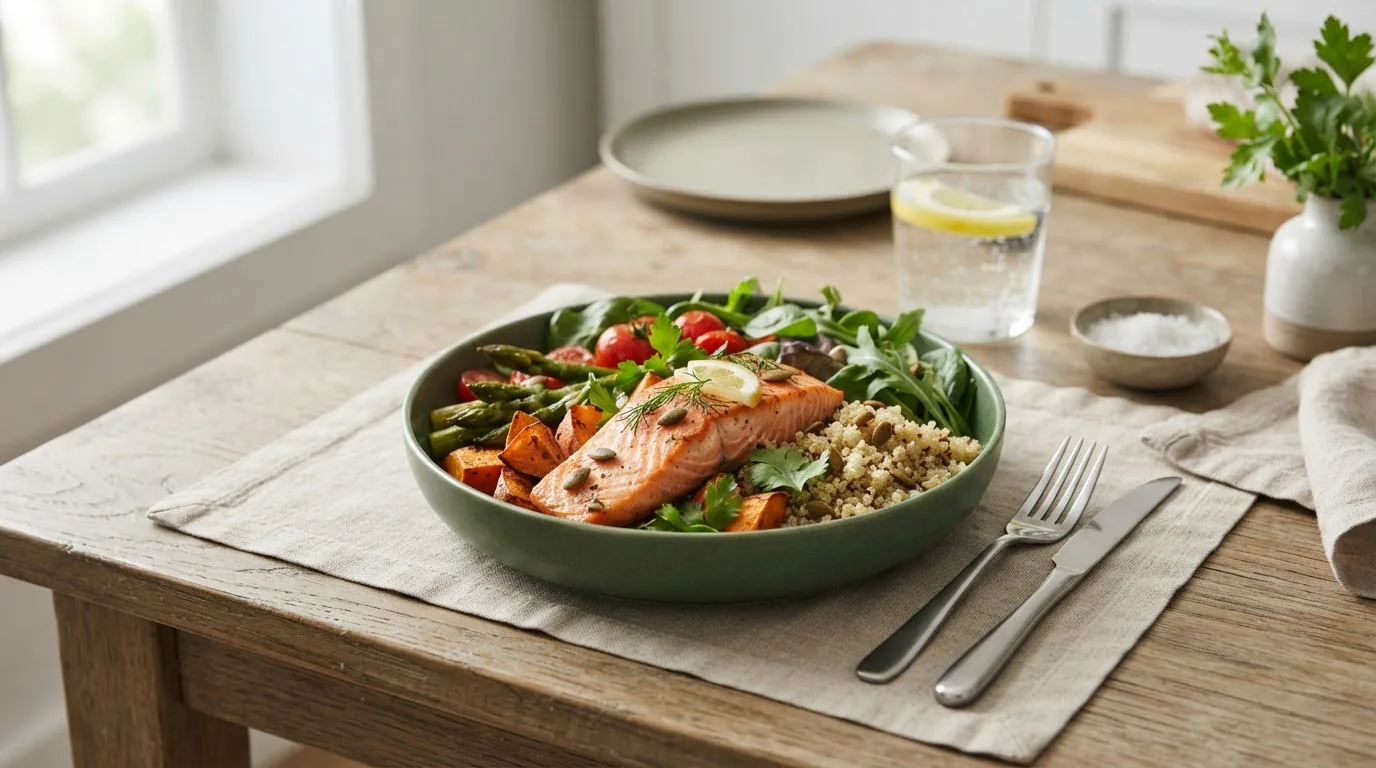

How long after you eat should you workout is one of the most asked questions by people looking to balance energy, comfort, and results. This guide gives clear, science-informed timing rules and practical steps so you can choose the best window for your meals and workouts.
Understanding the Relationship Between Eating and Working Out
Digestion and exercise interact through shared physiological demands: when you eat, your body directs blood flow, hormones, and energy substrates to process food; when you exercise, those same systems shift toward muscle work and heat regulation. Understanding the digestion process helps you decide safe and effective workout timing.
After a meal, the stomach and small intestine break down foods into usable components (amino acids, glucose, fatty acids). Gastric emptying — the transfer of stomach contents into the small intestine — varies by meal composition and size. Simple carbohydrates typically empty faster than mixed meals with fat and protein, which slow gastric emptying by delaying stomach contractions and stimulating hormones like cholecystokinin (CCK).
Blood flow distribution is central: think of your stomach as a traffic controller deciding where blood flows. During digestion, more blood is directed to the splanchnic (gut) circulation to support nutrient absorption; during exercise, blood is shunted to working muscles and skin for cooling and oxygen delivery. This redistribution can cause digestive discomfort if both demands are high at once.
Exercise metabolism and energy utilization depend on intensity and duration. Low-intensity activity primarily uses fatty acids and some blood glucose; moderate-to-high intensity relies more on muscle glycogen and blood glucose. Glycogen replenishment occurs after exercise and is enhanced when carbohydrates are consumed in the post-workout window, but pre-exercise meals also influence how soon you can train and how well you perform.
Common digestive discomforts—cramping, nausea, reflux, and bloating—arise when large or fatty meals compete with exercise for blood and neural resources. For some people, rapid movement or jostling (running, jumping) amplifies these symptoms. Individual variability means some can run on a full stomach while others need hours to feel comfortable.
Scientific guidance helps: the American College of Sports Medicine (ACSM) provides principles on nutrition and exercise that underline individualized timing and hydration strategies. For general dietary guidance, government resources like the USDA’s Dietary Guidelines explain nutrient roles that influence digestion and energy availability. For practical application, combine basic physiology with personal trial (keeping a simple digestion-exercise log) to find your ideal pattern.
To put this into practice, below we translate physiology into concrete timing ranges and examples for different meal sizes and workout types.
Next, read specific recommended timing windows for light snacks through heavy meals.
How Long After You Eat Should You Workout? Timing Guidelines
Below are practical timing rules based on meal size, nutrient composition, and workout intensity. Use them as a starting point and adjust for personal tolerance and training goals.
-
Small snack (≤150–200 kcal):
Examples: banana, 1 small yogurt, a slice of toast with jam. Optimal wait: 15–30 minutes for low-to-moderate intensity, or 30–60 minutes before higher-impact cardio. Small snacks digest quickly and can top up blood glucose without heavy gastric load.
-
Light meal (200–400 kcal):
Examples: toast with peanut butter, small smoothie, oatmeal. Optimal wait: 30–60 minutes for light/moderate activity; 60–90 minutes for higher-intensity sessions. These meals provide carbs and some protein for moderate workouts while still being relatively fast to digest.
-
Moderate meal (400–700 kcal):
Examples: sandwich with lean protein, rice bowl with veggies and chicken, bowl of pasta. Optimal wait: 1.5–3 hours. Complexity and added fat/protein lengthen digestion — wait longer for HIIT or running, shorter for calm walking or mobility work.
-
Large or high-fat meal (700+ kcal):
Examples: cheeseburger with fries, large steak dinner, rich curry with extra oil. Optimal wait: 3–4+ hours. Fat and fiber slow gastric emptying and increase risk of cramping, nausea, or reflux during strenuous activity.
-
Protein-heavy meals:
Protein slows digestion moderately and supports later recovery. Wait 1.5–3 hours after a moderate protein-rich meal for intense activity; shorter waits are fine for gentle strength circuits if overall size is small.
-
Fat-heavy meals:
Fat can add substantial delay to gastric emptying. After very fatty meals, plan for 3+ hours before intense workouts. For light movement, 60–90 minutes may suffice depending on individual tolerance.
-
Beverage-only pre-workouts:
Clear carbohydrate drinks (e.g., sports drink), small amounts of caffeine, or sugars tend to clear quickly. Wait 15–30 minutes for moderate activity; avoid thick smoothies immediately before high-impact exercise unless tested beforehand.
-
Time-of-day considerations:
Evening meals are often larger and closer to bedtime; if training at night, prefer lighter, balanced meals earlier and allow 2–3 hours before intense sessions to protect sleep and digestion.
Guideline summary in simple ranges:
- Snack: 15–30 minutes
- Light meal: 30–90 minutes
- Moderate meal: 1.5–3 hours
- Large/fatty meal: 3–4+ hours
These windows reflect typical digestion speeds and exercise demands. Expect wide individual variability: age, metabolic rate, fitness level, and medical conditions alter exact times. Below, we break down benefits and risks so you can decide whether to train sooner or later.
Now that you have timing ranges, let’s weigh the benefits and risks of exercising after eating.
Is It Ok to Workout After Eating? Benefits and Risks
Short answer: Yes — often with caveats. Training after eating can boost energy and prevent lightheadedness, but it can also raise the likelihood of digestive discomfort depending on meal size, composition, and exercise intensity.
| Benefits of Working Out After Eating | Risks and Potential Downsides |
|---|---|
|
|
Contextual notes:
- Energy levels: Eating increases blood glucose and provides immediate fuel for many athletes; for steady-state exercise, carbohydrates eaten 30–90 minutes prior often enhance endurance (peer-reviewed studies in sports nutrition literature report performance improvements when pre-exercise carbs are consumed).
- Recovery: Consuming protein and carbs after a workout is crucial for glycogen replenishment and muscle repair. Training too close to a big meal can delay performance but may simplify recovery timing if you planned the meal to be post-training.
- Performance trade-offs: Short-term performance might improve for moderate sessions with a small pre-exercise meal, but high-intensity efforts performed on a full stomach commonly feel worse due to discomfort and impaired breathing mechanics.
For readers curious about highly specialized situations where eating and intense movement coincide, such as competitive eating contexts, explore Competitive eating safety and training for tailored considerations.
In short: training after eating is acceptable and often beneficial if you match meal size and composition to the planned workout intensity and honor your personal tolerance.
Next, learn how meal composition—carbs, protein, fats—changes the digestion clock and your workout readiness.
Effects of Meal Composition on Workout Timing
What you eat matters as much as how much you eat. Carbs, protein, and fat each influence digestion rates, glycemic response, and energy availability differently.
Carbohydrates: Simple carbs (glucose, sucrose) and high-glycemic foods raise blood sugar quickly and generally clear from the stomach faster. This can be useful 15–60 minutes before moderate workouts for quick energy. Complex carbs (whole grains, legumes) digest more slowly, providing sustained energy over a longer session but requiring a longer pre-workout wait for intense activity.
Protein: Protein slows gastric emptying somewhat and supplies amino acids for muscle maintenance. A small protein portion with carbs (e.g., yogurt and fruit) 30–60 minutes pre-workout supports strength training with manageable digestion. Large protein- and fat-heavy meals, however, delay readiness for intense cardio.
Fat: Dietary fat significantly slows gastric emptying and keeps you feeling full longer. Fat-rich meals (avocado toast with extra oil, fried foods) are best scheduled 3+ hours before high-intensity training. For low-intensity movement, a moderate amount of fat is usually tolerated after about 60–90 minutes.
Fiber: High-fiber meals (beans, cruciferous veggies) can cause gas and bloating when jostled during high-impact exercise. Time high-fiber meals earlier or choose lower-fiber options before intense sessions.
Glycemic index: Foods with higher glycemic index raise blood glucose faster; they can be useful pre-workout if low in fat and fiber. For example, a ripe banana or white toast with honey is often better tolerated within 30–60 minutes before training than a heavy burrito.
To explore how nutrients affect exercise readiness in more depth, see our guide on key dietary factors.
Nutritional quality matters too. Highly processed, high-sugar foods can cause rapid energy crashes during long workouts, while balanced meals with lean protein, moderate carbs, and minimal added fat usually support consistent performance and recovery.
Learn the nutritional differences that impact exercise to choose pre-workout meals that optimize digestion and energy.
Example meal-to-timing mappings:
- Plain Greek yogurt + honey (200–300 kcal): 30–60 minutes before moderate strength training.
- Small sports drink (120 kcal): 15–30 minutes before short intense sessions to top up glucose.
- Chicken and rice bowl (500–700 kcal): 2–3 hours before interval training or long runs.
- Fried takeout (800+ kcal): 3–4+ hours before any intense workout; consider postponing or doing low-intensity movement.
Now apply these composition rules to specific workout styles to plan precise timing.
Types of Workouts and Their Recommended Post-Meal Timing
Match meal timing to the demands of your planned workout. Intensity, impact, and duration determine how much digestion time you should allow.
Low-intensity exercise (walking, light yoga, gentle cycling)
Low-intensity movement uses a smaller portion of cardiac output and rarely causes digestive distress. Wait times: 15–45 minutes after a small snack or 30–60 minutes after a light meal. These sessions are ideal when you want active recovery or to avoid a heavy stomach after a meal.
Moderate-intensity exercise (steady-state cardio, moderate lifting)
For 30–60 minute steady cardio or moderate weights, aim for 30–90 minutes after a light-to-moderate meal. A balanced pre-workout with carbs and protein supports energy without excessive gastric burden.
High-intensity interval training (HIIT) and sprinting
High-intensity sessions demand rapid breathing, high cardiac output, and frequent movement—conditions that worsen reflux and cramping on a full stomach. Optimal wait: 2–3 hours after a moderate meal; 3–4 hours after a large/fat-heavy meal. If you must train sooner, keep pre-workout intake to a small, low-fat snack (e.g., half a banana) 20–30 minutes prior.
Long-duration endurance training (runs, cycling over 60–90 minutes)
Endurance workouts need stable energy delivery and glycogen stores. A carbohydrate-rich meal 2–4 hours before long workouts is usually best. During workouts, plan carbohydrate intake (sports drinks, gels) to maintain blood glucose and prevent bonking—this aligns with glycogen replenishment strategies discussed in sports nutrition literature (peer-reviewed guidance emphasizes ~30–60 g/hr carbs for prolonged exercise).
Strength training and resistance sessions
Strength sessions tolerate slightly heavier pre-exercise meals compared with HIIT. Aim for 60–90 minutes after a moderate meal or 30–60 minutes after a small protein-carb snack. Protein consumed pre- or post-workout supports muscle protein synthesis; timing is flexible within a 1–3 hour window around training for most recreational lifters (peer-reviewed trials report no large advantage to exact minute-level timing for non-elite trainees).
For combinational diet-and-exercise planning across goals, check balanced fitness nutrition tips.
Postprandial (post-meal) activity and walking
Gentle walking after a meal (postprandial walking) can aid digestion and reduce blood sugar spikes, making short walks 10–30 minutes after eating appropriate for most people. Medical guidance often encourages light activity after meals to help glycemic control, especially in older adults or those with metabolic conditions (government health guidance and clinical reviews support modest post-meal activity for glycemic benefits).
Next, consider how your personal characteristics shape these recommendations.
Individual Factors Influencing When to Workout After Eating
One-size-fits-all timing doesn’t work because individual variability affects digestion and exercise tolerance. Consider this checklist to personalize timing:
- Age: Older adults often experience slower gastric emptying and may need longer waits after large meals.
- Metabolism: Fast metabolizers may feel ready sooner; slower metabolisms benefit from longer waits.
- Fitness level: Trained individuals often tolerate higher intensities sooner after eating due to better circulatory adaptation and efficiency.
- Personal tolerance: Prior history of reflux, GERD, or exercise-induced nausea requires conservative timing and smaller pre-workout meals.
- Medical conditions: Diabetes, gastroparesis, cardiovascular disease, or pregnancy alter recommended timing—consult a healthcare provider for individualized guidance.
- Medications: Some drugs (e.g., GLP-1 agonists, opioid analgesics) slow gastric emptying; time workouts accordingly.
- Meal timing habits: Habitual fasted training or regular pre-workout snacks influence your comfort and performance through adaptation.
- Training goals: If performance is the primary goal, prioritize longer digestion windows before maximal efforts. If consistency and habit are primary, choose practical timing that you can maintain long-term.
Need to coordinate workouts with family schedules and meal plans? See our family-friendly meal planning resource for realistic routines.
Also consider preventive care and chronic condition management when deciding timing; consult reputable guidance on tailoring nutrition for health conditions for safety and effectiveness.
For more on combining nutrition with health management, see managing health conditions with nutrition.
Practical rule: start conservative (longer wait) if you have risk factors, then shorten the gap as you test tolerance with small changes and tracking.
Below are practical, step-by-step tips to help you train after eating without discomfort.
Practical Tips for Training After Eating Without Discomfort
- Time your meal to match intensity. For intense sessions, allow 2–3 hours after a moderate meal; for light sessions, 30–60 minutes often works.
- Prefer low-fat, moderate-carb, moderate-protein pre-workout meals. Examples: toast with peanut butter (small), banana with yogurt, or a small turkey sandwich.
- Hydrate strategically. Drink 8–16 oz (240–480 mL) in the 60 minutes before exercise if needed; sip during activity. Proper hydration helps digestion and performance. For long sessions, include electrolytes per sweat rate guidance from ACSM (ACSM).
- Warm up slowly. A progressive 8–12 minute warm-up reduces sudden blood-flow shifts and lessens cramping risk.
- Control portion sizes. If you must train soon after eating, cut portion size by 30–50% compared with typical meals.
- Choose low-fiber options before high-impact sessions. Reduce beans, cruciferous vegetables, and high-fiber cereals prior to running.
- Use pre-tested snacks. Rotate small, simple items (half banana, rice cake, low-fat yogurt) to find what your stomach tolerates within 15–45 minutes.
- Manage reflux: Avoid lying down right after a meal; elevate upper body if reflux is problematic and avoid spicy, fatty meals near workouts.
- Stimulate appetite safely if you struggle to eat: Choose small, calorically dense options or try gentle activity first to increase hunger. For strategies, see our stimulating healthy appetite and ways to safely increase hunger.
- Keep a digestion-exercise log. Track meal content, timing, and symptoms for 2–4 weeks to learn your pattern.
- Plan recovery nutrition. Aim to consume carbs + ~20–30 g protein within 30–90 minutes after intense exercise to support glycogen replenishment and muscle repair (sports nutrition reviews support this window).
- Adjust for medications or conditions. Consult your clinician if you take drugs affecting gastric motility or if you have diabetes or heart disease.
- Use practical meal composition guidance: for satisfying pre-workout choices, see our foods that promote satiety, focusing on portion control before training.
Small, consistent adjustments and testing are the fastest path to a comfortable routine that supports both performance and long-term healthy eating patterns. If you struggle with appetite quantities, our guides on stimulating appetite and increasing hunger provide safe tactics.
For techniques to increase meal intake when needed, see stimulating healthy appetite and ways to safely increase hunger.
Next, we’ll dispel common misconceptions and answer frequent questions in a concise Q&A format.
Common Myths and FAQs About Working Out After Eating
Myth: You must always wait 3+ hours after eating to exercise.
Not true. Wait time depends on meal size, composition, and workout intensity. Small snacks are often safe 15–30 minutes before light workouts; large, fatty meals can require 3+ hours for intense sessions.
Myth: Fasted workouts always burn more fat.
Fasted training can increase fat oxidation acutely, but overall fat loss depends on total energy balance and training volume. Many people perform better and train harder when they eat appropriately beforehand, which supports long-term fat loss.
Myth: Eating protein immediately before a workout is useless.
Protein around the workout window supports muscle protein synthesis. The exact minute-level timing matters less than total daily protein and having some protein within a few hours around training.
FAQ: Should I skip meals to make training easier?
Skipping meals may reduce gastrointestinal issues for some, but it can impair performance, recovery, and long-term adherence. Choose small, well-tolerated snacks instead of skipping for safety and consistency.
Now, concise answers to the most searched questions.
Summary and Key Takeaways on When to Workout After Eating
- Match meal size and composition to workout intensity: snacks short wait, large/fatty meals long wait.
- Typical safe windows: snack 15–30 min, light meal 30–90 min, moderate meal 1.5–3 hr, large meal 3+ hr.
- Hydration and warm-up: critical steps to reduce discomfort and improve performance.
- Individualize: age, metabolism, fitness, medications, and medical conditions change timing needs.
- Recovery: prioritize post-workout carbs + protein within ~30–90 minutes for glycogen replenishment and muscle repair.
- Test and log: use a simple digestion-exercise log to find what works for you sustainably.
- When in doubt, err on the side of smaller pre-workout portions.
For broader guidance on building sustainable habits that turn timing choices into long-term wins, see sustainable healthy eating habits.
Experience example: A recreational runner shared that switching from a greasy breakfast to a small bowl of oatmeal 90 minutes before long runs eliminated mid-run nausea and improved pace consistency. That simple swap—matching composition and timing—produced measurable performance and comfort gains over six weeks of consistent testing (real-world testimonial from a training cohort; individual results may vary).
Expert sources and safety: follow government nutrition guidance (Dietary Guidelines for Americans) and sports medicine recommendations (ACSM). For digestion-exercise physiology research, consult peer-reviewed literature (e.g., exercise physiology and gastrointestinal function reviews available on PubMed).
Safety disclaimer: Individual responses vary. If you have chronic health conditions, are pregnant, or take medications affecting digestion or cardiovascular response, consult your healthcare provider before making significant changes to meal and workout timing.
Ready to fine-tune your routine? Start with a small pre-workout snack and track symptoms and performance for two weeks—then adjust portion and timing until you find your sweet spot.
Frequently Asked Questions
How long should I wait after eating before a workout?
Wait times depend on meal size: a small snack 15–30 minutes, light meal 30–90 minutes, moderate meal 1.5–3 hours, and large or high-fat meals 3–4+ hours before intense exercise; individual tolerance varies, so track symptoms when testing timing.
Is it okay to work out right after eating a meal?
Working out immediately after a small snack is usually fine; after a large or fatty meal it often causes cramping, nausea, or reflux—aim to match meal size to workout intensity to minimize discomfort.
How does the type of food I eat affect when I should exercise?
Carbs clear fastest and provide quick energy; protein slows digestion moderately and supports recovery; fats and fiber slow gastric emptying most—plan longer waits after fatty or high-fiber meals before high-intensity workouts.
Can training after eating improve muscle recovery?
Training soon after a moderate meal that includes carbs and protein can support performance and simplify post-exercise recovery timing; however, most recovery benefits rely on total daily intake and post-workout nutrition within ~30–90 minutes.
How long does digestion take before I can safely exercise?
Digestion timing varies: liquids and simple carbs may clear in 15–60 minutes; mixed meals often take 1.5–3 hours; high-fat or very large meals can take 3–4+ hours—adjust based on meal composition and planned exercise intensity.
What can I do if I feel nauseous working out after eating?
Stop or reduce intensity, sip water, slow down to a walk, and focus on deep breathing; next time choose a smaller pre-workout snack, delay the session, and warm up gradually to reduce recurrence.
Are fasted workouts better than fed workouts for fat loss?
Fasted exercise can increase short-term fat burn, but overall fat loss depends on total calories burned and consumed; if fed workouts let you train harder and more frequently, they may better support long-term fat loss and performance.
How do age and metabolism influence post-meal workout timing?
Older adults and people with slower metabolisms often need longer waits due to slower gastric emptying; fitter individuals may tolerate shorter waits. Personal testing and clinician advice help tailor timing safely.