healthy snack choices can boost energy, steady blood sugar, and keep you satisfied between meals — without breaking your budget. This guide shares easy, affordable nutritious snacks and practical meal tips so you can snack smarter every day.
What Are Healthy Snacks? Overview and Benefits
Healthy snacks are compact, nutrient-dense foods or small mini-meals eaten between main meals to satisfy hunger, provide energy, and help meet daily nutrient needs. A healthful snack typically balances macronutrients — protein, fiber-rich carbohydrates, and healthy fats — and includes vitamins and minerals from whole foods.
- Steadier energy: Snacks with protein and fiber slow digestion and reduce mid-day energy crashes.
- Improved appetite control: Balanced snacks help reduce overeating at the next meal.
- Better blood sugar management: Combining carbs with protein or fat lowers glucose spikes.
- Micronutrient top-ups: Snacks like fruit, yogurt, or nuts contribute vitamins and minerals that might be missing from meals.
- Convenience and habit support: Planning healthy snacks supports consistent eating patterns and overall dietary quality.
Understanding these benefits helps you choose from a wide range of nutritious snack foods and good choices for snacks that fit your lifestyle and budget. For readers who want broader recipe ideas and nutrient breakdowns, check the full recipe resource below before moving into quick snack ideas.
Yummiest Healthy Recipes Guide with Nutrition Facts and Tips
Transitioning from what healthy snacks are, the next section offers dozens of easy, quick options you can make at home in under 10 minutes.
Easy Healthy Snack Ideas You Can Make at Home
These numbered, practical snack ideas focus on convenience, affordability, and nutrition. Each item lists prep time and why it’s a nutritious choice. Many examples are real-life, budget-friendly snacks you can prepare in under 10 minutes.
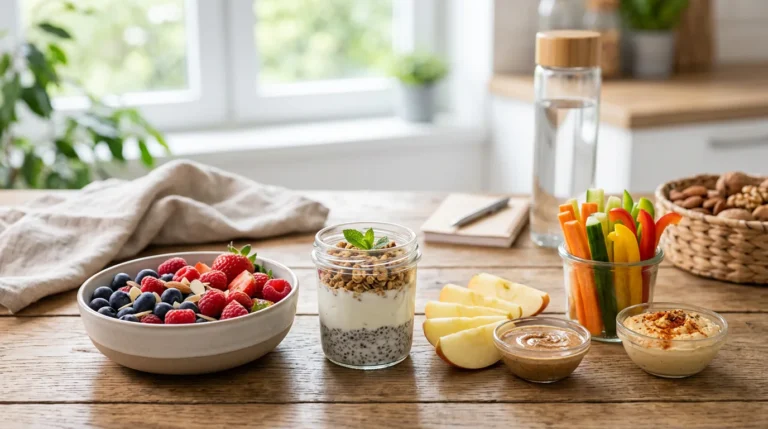
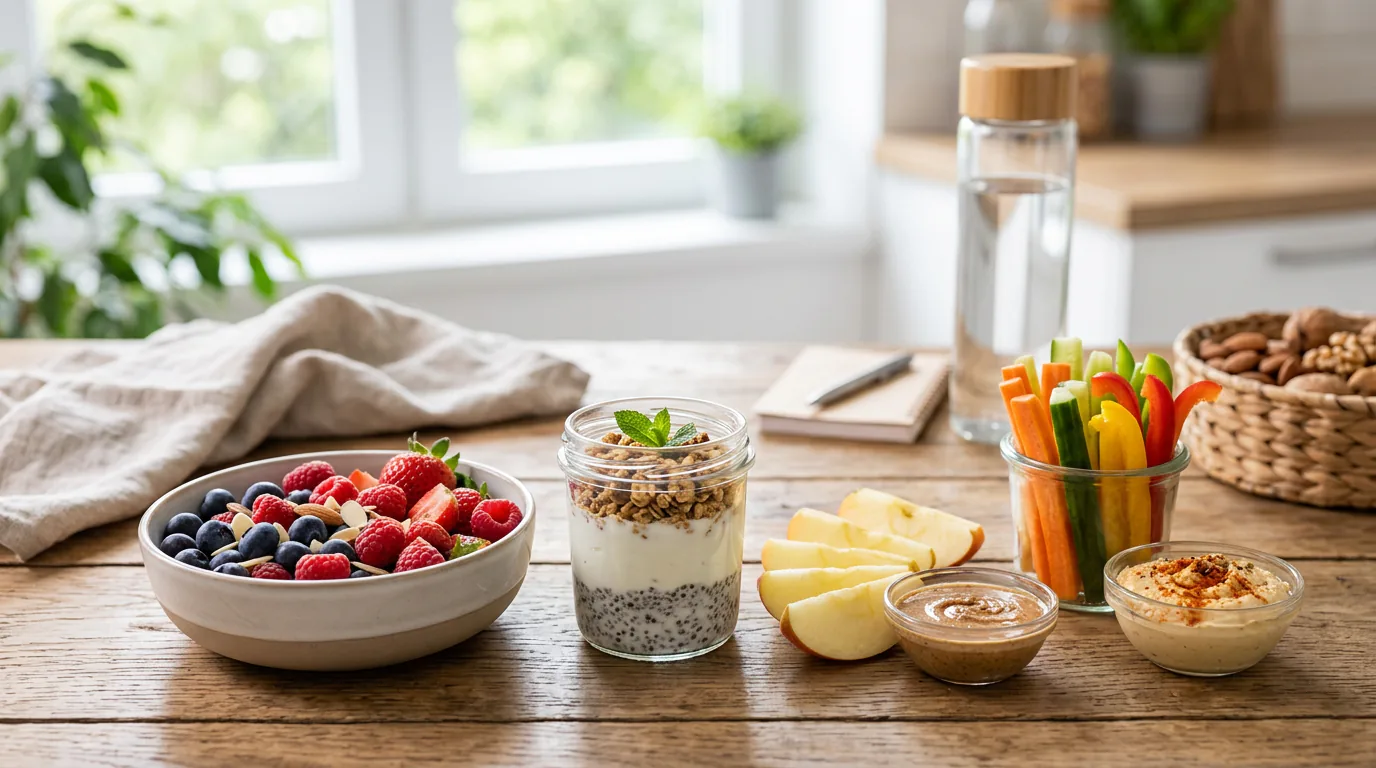
- Greek yogurt + frozen berries — Prep: 2 minutes. Why: ~12–15 g protein (6 oz yogurt) and fiber from berries; probiotics and calcium support gut and bone health. Use plain, low-sugar yogurt and top with a sprinkle of oats for crunch.
- Apple slices + peanut butter — Prep: 3 minutes. Why: Fiber and vitamin C from apple, 7–8 g protein and healthy fat from 1–2 tbsp peanut butter. Balance provides satiety and steady blood sugar.
- Hummus + carrot and cucumber sticks — Prep: 5 minutes. Why: Chickpea-based hummus offers plant protein and fiber; raw veg adds vitamins and low-calorie volume. Great as a diet snack or light mini-meal.
- Hard-boiled eggs + whole-grain crackers — Prep: eggs boiled ahead (6–8 min); assemble 2 minutes. Why: High-protein snack (6–7 g per egg) with slow-digesting carbs from whole-grain crackers.
- Cottage cheese + pineapple or cherry tomatoes — Prep: 2 minutes. Why: Cottage cheese is high in protein (11–14 g per half-cup) and calcium; pair with fruit or tomatoes for fiber and vitamin C.
- Banana + almond butter — Prep: 1 minute. Why: Potassium and quick carbs from banana paired with healthy fats and 3–4 g protein from almond butter make this a portable, satisfying snack.
- Trail mix (nuts, seeds, dried fruit) — Prep: 2 minutes to portion. Why: High in healthy fats, some protein, and fiber; portion control is essential (1/4 cup typical serving). Keep portions pre-packed to avoid overeating.
- Edamame (shelled) with sea salt — Prep: 3–5 minutes if frozen and microwaved. Why: ~8–10 g protein per 1/2 cup and fiber — a great plant-based snack option for adults seeking protein-rich snacks.
- Rice cake + tuna salad — Prep: 5 minutes using canned tuna mixed with Greek yogurt. Why: Tuna provides lean protein and omega-3s; rice cake adds low-calorie crunch for a low-calorie snack option.
- Oatmeal energy jar — Prep: 5 minutes (overnight variant 6+ hours). Why: Rolled oats provide soluble fiber, stabilize blood sugar, and pair well with nut butter and seeds to add protein and healthy fats.
- Avocado on whole-grain toast — Prep: 4 minutes. Why: Avocado supplies monounsaturated fat and fiber; whole-grain toast adds fiber and complex carbs for a balanced, filling choice.
-
Veggie omelet muffins (make-ahead) — Prep: 25 minutes to bake 12, but reheat in 30 seconds. Why: High-protein, portable, and great for batch prep; each muffin ~4–6 g protein depending on recipe.
vegetarian meal inspiration -
Warm spiced pear + ricotta — Prep: 5 minutes to slice and top; microwave 30 seconds if desired. Why: Comforting, seasonal, offers calcium and natural sweetness for those wanting cozy snacks.
cozy and healthy snack recipes - Chia pudding (make-ahead) — Prep: 5 minutes active, set overnight. Why: High in fiber and omega-3 ALA; portion-controlled and customizable with fruit or spices.
- Roasted chickpeas — Prep: 5 minutes active, 20–30 minutes roast. Why: Crunchy, shelf-stable (if made ahead), high in plant protein and fiber — a nutritious alternative to chips.
- Protein smoothie (milk or plant milk, protein powder, spinach, frozen fruit) — Prep: 3 minutes. Why: Quick, portable, and customizable to meet protein needs; aim for 15–20 g protein for a filling snack.
These ideas show how easy healthy snacks can be integrated into daily life. Next, we’ll look at affordable store-bought options when time or kitchen access is limited.
Affordable Healthy Snacks to Buy at the Grocery Store
When shopping, prioritize items that deliver protein, fiber, and minimal added sugar. Below is a categorized comparison of common grocery-store snack picks by price range and nutrition value to help you shop smart.
| Snack | Estimated Cost per Serving | Nutrients (typical) | Why Buy |
|---|---|---|---|
| Bananas | $0.25–$0.40 | ~105 kcal, 27 g carbs, 3 g fiber, potassium | Very cheap, portable, natural sweetness and energy |
| Plain Greek yogurt (single-serve) | $0.90–$1.50 | ~100–150 kcal, 10–15 g protein, calcium, probiotics | High protein, ready-to-eat, good satiety |
| Canned tuna (pouch) | $0.80–$1.50 | ~20–25 g protein per can, low fat | Affordable lean protein, shelf-stable |
| Carrot & celery sticks (bagged) | $0.50–$1.00 | Low calorie, fiber, vitamin A | Convenient low-calorie veg for dipping |
| Roasted peanuts (bulk) | $0.30–$0.60 (1 oz) | ~7 g protein, 14 g fat, fiber | Cheap, shelf-stable, nutrient-dense — portion control needed |
| Whole-grain crackers | $0.25–$0.50 | ~100–120 kcal, 2–3 g fiber | Good paired with protein like cheese or hummus |
| Frozen edamame | $0.60–$1.20 | ~8–10 g protein per 1/2 cup, fiber | Frozen convenience, high plant-protein value |
| String cheese or cheese sticks | $0.50–$1.00 | ~6–8 g protein per stick, calcium | Portable dairy protein source |
| Hummus (single-serve tubs) | $0.70–$1.50 | ~2–4 g protein per serving, healthy fats | Great with veg, better than high-sugar dips |
| Oats (bulk) | $0.10–$0.20 per serving | ~150 kcal, 4–6 g protein, 4 g fiber per 1/2 cup dry | Versatile, cheap, makes quick oat jars and energy bites |
Grocery shopping is a budget treasure hunt: compare unit prices, buy in bulk where sensible, and look for store brands on staples like oats, canned tuna, frozen veg, and nuts.
For readers balancing snack budgets with dinner planning, pairing affordable snacks with inexpensive dinners can stretch your food budget further. See related budget-friendly dinners here:
budget-friendly dinner recipes
how to eat healthy on a budget
Next, we’ll cover how adults can choose snacks that balance nutrition and satisfaction.
Healthy Snacks for Adults: Balancing Nutrition and Satisfaction
Adults often need snacks that support energy, cognitive focus, and long-term health. Focus on macronutrient balance: protein for muscle and satiety, fiber for digestion and fullness, and healthy fats for brain function and flavor. Micronutrients (vitamins and minerals) from whole-food snacks add value beyond calories.
Practical adult snack combos and nutrient data examples:
- Cheese stick + pear: ~10–12 g protein, fiber and vitamin C — balanced for satiety and micronutrients.
- Small turkey roll-up with avocado: ~12–15 g protein depending on meat, healthy fats from avocado — ideal for post-workout hunger or mid-afternoon crash.
- Greek yogurt parfait (6 oz yogurt, 1/4 cup granola, berries): ~12–20 g protein, depending on yogurt, plus fiber — a filling snack that also serves as a light mini-meal.
When choosing between convenience and nutrition, consider trade-offs: ready-made snack bars may be convenient but can be high in added sugar and low in protein; whole-food options often provide better nutrient-per-dollar value. Mentioning dietary frameworks helps: USDA MyPlate recommends including vegetables, fruits, grains, protein, and dairy in daily intake — snacks can be mini-MyPlate moments by combining components (e.g., fruit + protein + dairy).
For adults aiming to increase protein in snacks, complement high-protein snacks with meals. For fuller protein-focused meal ideas, pair snack habits with high-protein chicken recipes for dinner:
Transitioning to routine planning, the next section explains practical ways to incorporate these snacks into your daily meals and habits, including a short case-study style example.
How to Incorporate Healthy Snacks into Your Meals and Daily Routine
Turning snacks from afterthoughts into deliberate nutritional tools requires timing, pairing, and planning. Below are step-by-step how-to strategies, timing suggestions, and snack-meal pairing examples. This section includes a short case study showing a weekday plan that balances satiety, nutrients, and budget.
Step-by-step snack routine
- Plan two snack moments per day: a mid-morning and a mid-afternoon slot to prevent extreme hunger.
- Always include protein + fiber or fat in each snack (e.g., cheese + apple) to prolong fullness.
- Prep portions in advance: pre-portion nuts, cut veg, and pack yogurt to grab and go.
- Use snacks to bridge to meals, not replace them: if a snack is large, adjust meal portions accordingly.
Timing and portion tips
- Mid-morning snack: choose ~150–250 kcal with protein (e.g., Greek yogurt + fruit).
- Mid-afternoon snack: focus on sustained energy (e.g., hummus + veg or small trail mix portion).
- Avoid large late-night snacks; if needed, choose a light, protein-focused option like cottage cheese.
- Portion-control trick: use small containers or measured bags to prevent mindless overeating.
Snack-meal pairing ideas
- Pair a fiber-and-protein snack before a workout (banana + almond butter) to fuel exercise.
- Have a protein-rich snack after intense activity (tuna on a rice cake) to support muscle recovery.
- If you plan lighter dinners, use a more substantial snack earlier (protein smoothie) to keep overall calories adequate.
Weekday case study: A balanced snack-meal day
Meet Alex, who wants steady energy on a busy weekday. Breakfast at 7:30 AM includes oats and fruit. Mid-morning (10:30 AM): Greek yogurt with berries (~150 kcal, 12–15 g protein). Lunch at 12:30 PM: salad with beans and quinoa. Mid-afternoon (3:30 PM): apple slices with 1 tbsp peanut butter (~200 kcal, 4–6 g protein). Dinner at 7 PM: grilled chicken and veg.
This pattern shows snacks acting as “mini meal fuel” to prevent overeating, support focus, and maintain nutrient intake across the day. To connect snack routine to broader meal prep, see the Easy Lunch Meal Prep Guide and use snack timing to smooth energy until dinner.
For readers who use meal prep to save time and ensure balanced dinners, pair snack planning with these broader meal strategies:
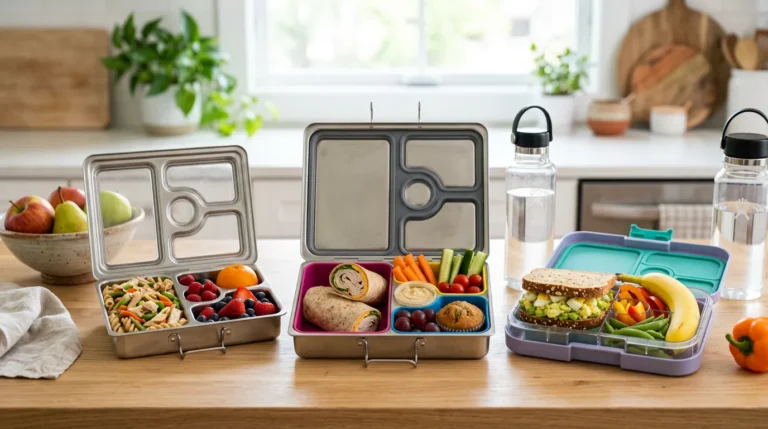
- Use snack portions in your weekly lunch boxes to avoid extra purchases.
- If you prepare protein-forward dinners, you can plan lighter protein snacks earlier in the day; explore meal prep ideas for protein-packed meals for batch cooking tips.
- When you want simple balanced evening meals that complement your snacks, see healthy dinner ideas for dinner inspiration.
Next, learn storage and prep tricks that save time and money when working with snacks.
Tips for Storing and Preparing Healthy Snacks to Save Time and Money
Smart storage and prep reduce waste, save money, and make healthy snacking automatic. Below are practical tips and quick techniques.
- Batch prep basics: Chop vegetables, hard-boil eggs, and portion nuts at the start of the week to a grab-and-go state. Use clear containers so snacks are visible and easier to choose.
- Freezer-friendly snacks: Freeze single-serving smoothie bags, extra cooked beans, or homemade energy bars. For freezer strategies, consider freezer meal prep techniques to extend shelf life and convenience.
- Safe storage times: Store cut fruit and veg in airtight containers and consume within 3–5 days for best quality. Dairy-based dips last 3–4 days refrigerated.
- Cost-saving buys: Purchase nuts, oats, and seeds in bulk; freeze portioned per-serving packs to avoid spoilage and control portions.
- Labeling and rotation: Use date labels and rotate older snacks to the front so nothing gets wasted.
- Portion solutions: Use small jars or reusable snack bags to pre-portion trail mix and nuts to avoid overeating.
- Shopping walkthrough: Start with produce and protein aisles, compare unit prices, and choose store-brand staples for the best value. Keep a running grocery list focused on staples that double as snack ingredients (eggs, yogurt, canned beans, oats, frozen fruit).
Effective storage and prep make healthy, affordable snacks accessible and reduce last-minute poor choices. The strategies above are consistent with practical meal planning principles in broader budget guides like how to eat healthy on a budget.
Next, common FAQs about healthy snacks are answered concisely below.
Frequently Asked Questions
What exactly counts as a healthy snack?
A healthy snack is a small portion of food that supplies nutrients like protein, fiber, healthy fats, vitamins, or minerals while limiting added sugars and excess sodium. Aim for combos (protein + fiber or fat) — for example, Greek yogurt with fruit or hummus with vegetable sticks.
How do healthy snacks compare to regular snacks in terms of nutrition?
Healthy snacks provide more protein, fiber, vitamins, and healthy fats per calorie and usually less added sugar and saturated fat than typical processed snacks like chips or candy. They support satiety and nutrient needs rather than offering empty calories.
What are some easy healthy snacks I can prepare quickly at home?
Quick options include Greek yogurt with berries, apple slices with peanut butter, hummus with carrot sticks, hard-boiled eggs, and a banana with almond butter — most require under 5 minutes to assemble and balance protein and fiber.
How can I choose affordable healthy snacks without sacrificing quality?
Buy staples in bulk (oats, nuts, canned tuna), choose seasonal fruit and frozen vegetables, compare unit prices for store brands, and prep portions at home to avoid pricier single-serve versions.
How long can I store prepared healthy snacks safely?
Store prepped cut vegetables and fruit in airtight containers 3–5 days refrigerated; dairy-based snacks like yogurt mixes 3–4 days; cooked protein (eggs, chicken) 3–4 days; always follow safe-handling and use-by guidelines.
What should I do if I crave unhealthy snacks often?
Address cravings by keeping healthier substitutes on hand (e.g., air-popped popcorn, dark chocolate in small portions), ensuring meals include protein and fiber, and waiting 10–15 minutes before giving in to assess true hunger.
Are store-bought healthy snacks always better than homemade ones?
Not always. Store-bought snacks offer convenience but can contain added sugar or sodium. Homemade snacks usually offer better control over ingredients and cost, though quality store options like plain Greek yogurt or frozen edamame are nutritious and convenient.
How do I incorporate healthy snacks into a balanced diet plan?
Use snacks to fill nutrient gaps, choose portions that complement meals, include protein and fiber, and schedule two predictable snack times daily to prevent extreme hunger and support consistent energy through the day.
Authoritative resources referenced: USDA, CDC, Academy of Nutrition and Dietetics.
Key takeaways: Choose snacks that combine protein and fiber or healthy fat, plan two small snacks daily to prevent energy dips, prep portions to save time and money, and shop smart with unit prices and bulk staples. Start with one new snack habit this week and build from there — try a mid-afternoon Greek yogurt with fruit tomorrow to feel the difference.