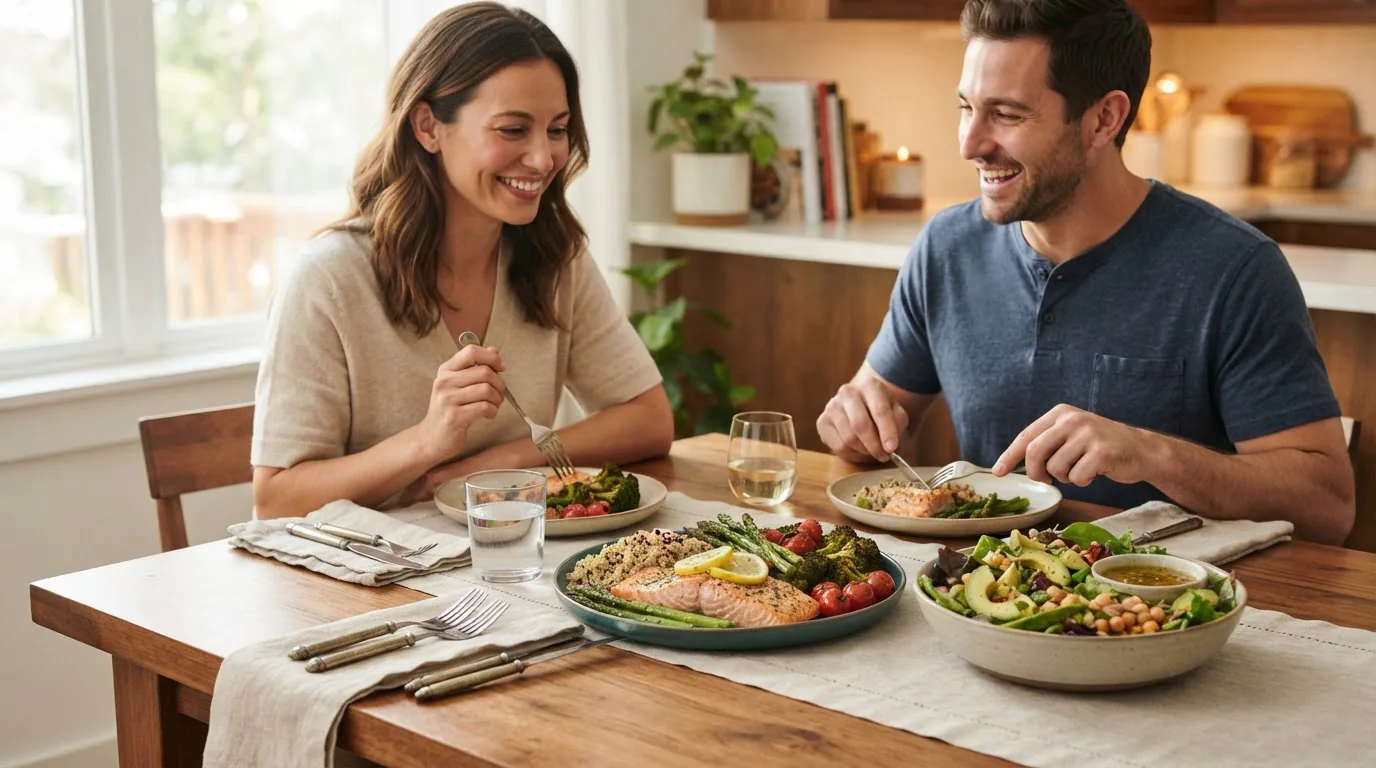
healthy dinner ideas that are simple, quick, and genuinely nutritious can change weeknight routines—no fuss, no special pantry required. This guide gives practical recipes, meal-planning strategies, and hands-on tips so you can put healthy meals on the table tonight.
Introduction to Healthy Dinner Ideas
Healthy dinners matter because they often round out our daily nutrition and set the tone for sleep, recovery and the next day’s energy. When you’re searching for easy healthy dinners or wondering what to eat for dinner healthy, the goal is consistency—meals you can repeat and adapt without stress. This guide focuses on simple healthy dinner ideas that are approachable for busy Americans, families, singles, and those balancing budgets and preferences.
Benefits of prioritizing healthy dinners include better appetite control, more balanced macronutrients at the end of the day, and improved long-term heart and metabolic health. Practical options often combine vegetables and whole grains, lean protein sources, and healthy fats, while keeping cooking time short. Throughout this guide you’ll find quick healthy dinner recipes, time-saving dinner ideas, and family-friendly suggestions so you can answer “what to have for dinner tonight healthy” with confidence.
Expect recipes and strategies that are flexible—swappable proteins and grains, easy substitutions for dietary restrictions, and calorie-conscious meals for weight management or simple portion control. Whether you need healthy dinners fast or want simple healthy dinner recipes for two, the approach here is variety, balance, and real-life kitchen practicality.
Transitioning into the next section, we’ll define exactly what makes a dinner “healthy” so you have a clear framework for evaluating meals and recipes.
What Defines a Healthy Dinner?
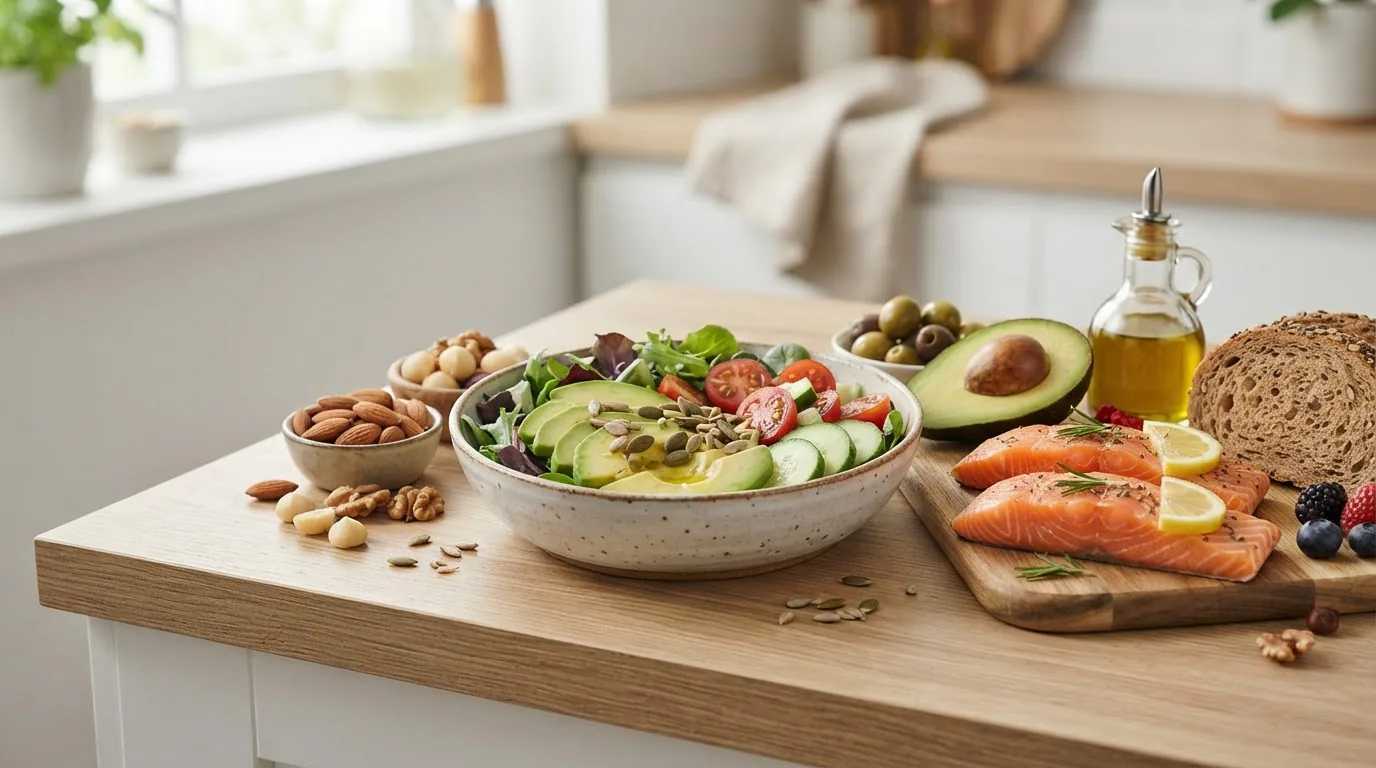
A healthy dinner meets nutrition goals without creating extra cooking complexity. At its core, a balanced dinner blends macronutrients, includes micronutrient-rich vegetables, and fits appropriate portion sizes for your goals. Think of your plate as a simple template: vegetables + lean protein + whole grains (or starchy vegetable) + a small amount of healthy fats.
Key elements:
- Balanced nutrition: A mix of carbohydrates, protein and fats tailored to activity level and goals.
- Portion control: Serving sizes that align with needs—larger for active adults, smaller for calorie-conscious meals.
- Vegetables and whole grains: Fiber and micronutrients for satiety and gut health.
- Lean protein sources: Poultry, fish, legumes, tofu, or modest portions of lean red meat.
- Healthy fats: Olive oil, avocado, nuts, seeds—small amounts enhance absorption of fat-soluble vitamins.
Below is a quick stat block showing general nutritional goals for a single dinner portion aimed at the average adult seeking balanced nutrition:
Nutritional goals for a healthy dinner (single portion):
- Calories: 400–700 kcal (adjust by activity level and goals)
- Protein: 20–35 g
- Carbohydrates: 35–75 g (focus on whole grains and vegetables)
- Fat: 10–25 g (primarily unsaturated)
- Fiber: 6–12 g
- Sodium: aim to keep under 800–1,000 mg per meal for heart-conscious plans
According to the 2024 USDA Dietary Guidelines (source type: government guidance), a plate rich in vegetables and whole grains, with lean protein and moderate fats, supports overall health. For heart-healthy recommendations, refer to advice from the American Heart Association (source type: non-profit cardiac authority) emphasizing vegetables, whole grains, and limits on saturated fat and sodium.
Portion guidance: a practical visual method—half the plate vegetables, a quarter protein, a quarter whole grains or starchy vegetable—helps maintain portion sizes without a scale. This balances macros while keeping calories in a reasonable range for most adults. For more detailed nutrition facts and tasty recipes that pair with this guidance, see our Yummiest Healthy Recipes Guide with Nutrition Facts and Tips.
Notes on calorie-conscious meals: If you follow a calorie target (e.g., 1,800–2,200 kcal/day for many adults), aim for dinners in the 400–700 kcal range depending on other meals. For specialized metrics and portion control techniques, the Academy of Nutrition and Dietetics (source type: professional association) provides practical guidance on serving sizes and nutrient distribution.
Dietary restrictions: A healthy dinner can be gluten-free, dairy-free, vegetarian, or low-carb—what matters is nutrient density and balance. In later sections we’ll provide substitutions to adapt recipes for common restrictions. Before making major changes for medical conditions, consult a registered dietitian or healthcare provider.
Transition: With a clear framework for what makes a dinner healthy, next up are quick, actionable dinner ideas you can make on hectic weeknights.
Quick and Easy Healthy Dinner Ideas for Busy Weeknights
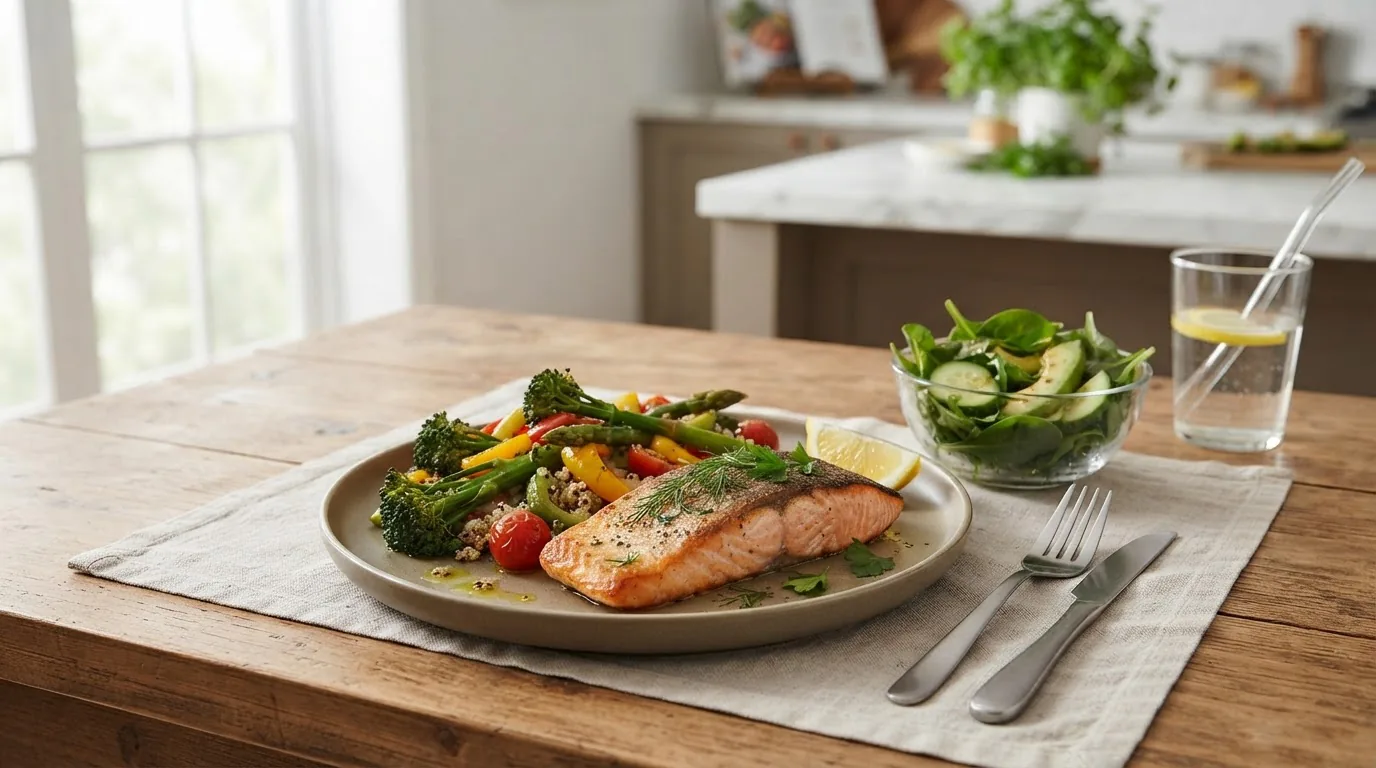
- One-pan roasted salmon with vegetables — Season salmon fillets, toss seasonal vegetables (broccoli, bell peppers, cherry tomatoes) with olive oil and lemon, and roast together at 425°F for 12–15 minutes. Minimal cleanup, high in omega-3s and protein.
- Stir-fry with mixed vegetables and tofu or shrimp — Use pre-cut veggies and a simple sauce (soy sauce, garlic, ginger, a splash of rice vinegar). Serve over quick-cooking brown rice or cauliflower rice for a lower-carb option.
- Sheet-pan fajita bowls — Sliced peppers, onions, black beans, and lean protein (lean beef strips, shrimp, or tempeh) roasted with fajita seasoning. Portion over whole-grain tortilla chips, quinoa, or salads.
- Whole-grain pasta with spinach and white beans — Cook pasta, toss with olive oil, garlic, canned white beans, baby spinach, and lemon zest. Ready in 20 minutes with plant-based protein and fiber.
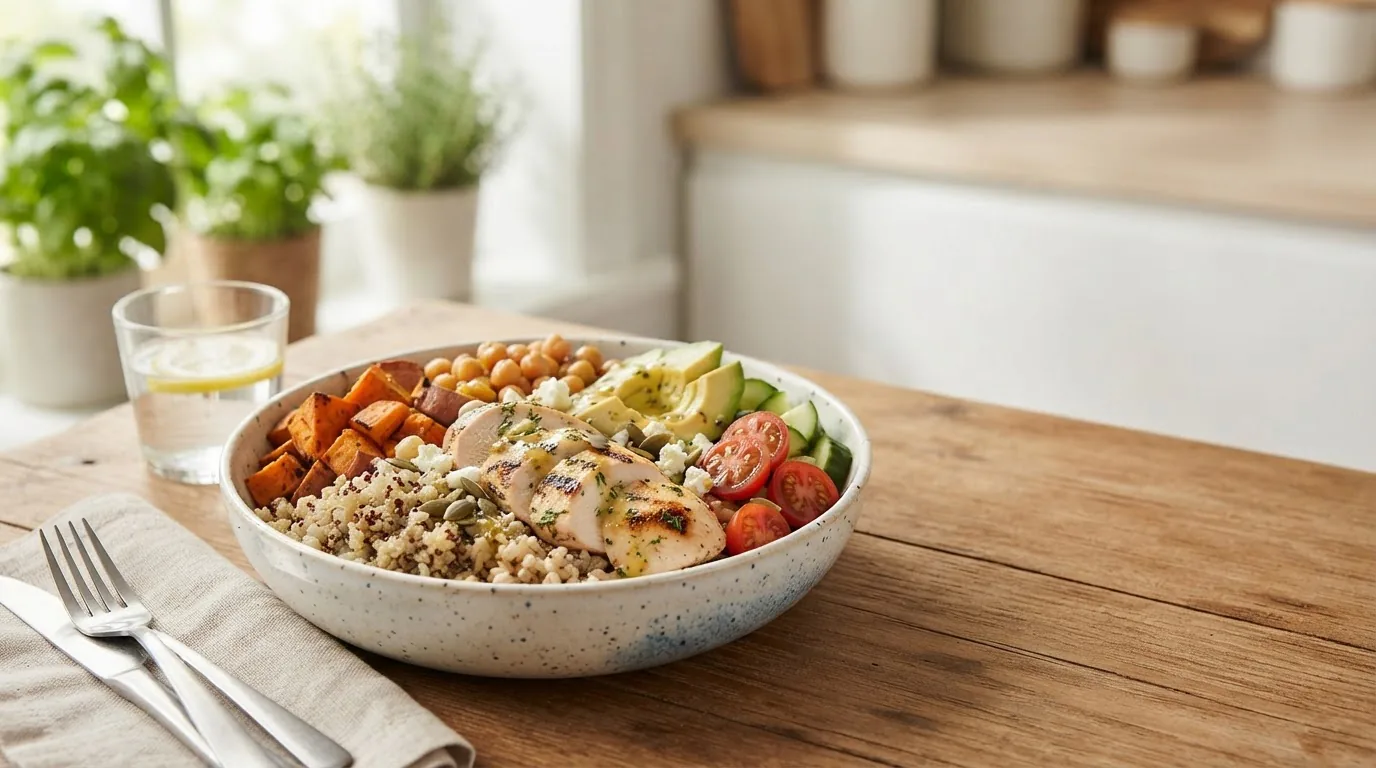
- Fast Buddha bowls — Pre-cooked quinoa, roasted sweet potato cubes, chickpeas, greens, and tahini drizzle. Assemble from leftovers for a balanced, colorful dinner.
- Quick turkey or lentil chili — Brown lean turkey or simmer lentils with canned tomatoes, beans, and spices. Make a big batch for leftovers; top with avocado for healthy fats.
- Egg-and-veg scramble with whole-grain toast — Scramble eggs or egg whites with spinach, tomatoes, and mushrooms. Serve with whole-grain bread for a protein-rich, fast meal.
- Salad with warm grain and sliced chicken or chickpeas — Start with mixed greens, add a cup of cooked farro or barley, roasted veggies, and your protein. Dress with lemon-olive oil vinaigrette.
- Quick fish tacos — Use white fish like cod, pan-seared and topped with cabbage slaw and salsa on corn tortillas. Lean protein, small portion of carbs, and lots of veggies.
- Sautéed shrimp with garlic and lemon over zucchini noodles — High-protein, low-carb, and ready in 15 minutes. Add a side salad for extra volume and fiber.
- Vegetable and bean soup — Use low-sodium broth, canned tomatoes, mixed beans and frozen veggies for a fast soup that stretches budget and time.
- Grain-free Buddha-style lettuce wraps — Fill bibb lettuce with a mix of leftover roasted vegetables, beans, and a dollop of hummus or avocado.
- Slow-cooker vegetable curry — Combine chickpeas, canned tomatoes, coconut milk, and curry paste in the morning for a no-hassle dinner; serve with brown rice.
- Quick skillet gnocchi with roasted cherry tomatoes and basil — Pan-sear store-bought whole-grain or cauliflower gnocchi for a crisp exterior; toss with tomatoes and fresh herbs.
- Toasted grain bowl with canned salmon — Mix canned salmon with Greek yogurt or mashed avocado, add diced cucumber and serve over toasted farro for speed and pantry-friendly convenience.
Seasonal and comfort variations: For seasonal comfort during cold months, swap in recipes from our Cold Weather Meals Guide to find warming, quick healthy dinner recipes adapted for winter produce and cravings.
Time-saving notes: Keep frozen vegetables, canned beans, and pre-washed salad greens on hand; they dramatically cut prep time for healthy dinners fast. Batch-cook grains on weekends, or use a rice cooker/instant pot for hands-off results. These small habits let you prepare easy and healthy dinner recipes even on late evenings.
Transition: If simple ideas aren’t enough, strategic meal prep makes healthy dinners predictable and easy; read on for straightforward make-ahead approaches.
Simple and Nutritious Meal Prep Strategies for Healthy Dinners
Meal prep doesn’t have to be an all-day weekend ordeal. Use practical steps to build meals quickly across the week, focusing on versatility and minimizing waste.
- Start with themes — Assign themes to weeknights like “Stir-fry Monday” or “Soup Wednesday” to simplify shopping and cooking decisions.
- Batch-cook staples — Make a large pot of brown rice, quinoa, or roasted sweet potatoes. Store in the fridge for 3–4 days to use in bowls, salads, and sides.
- Prep proteins ahead — Roast a tray of seasoned chickpeas, bake a couple of chicken breasts, or cook tofu to add to dinners. For protein-packed meal inspiration, see our Chicken Meal Prep Ideas Guide and the Easy Lunch Meal Prep Guide for complementary strategies.
- Use freezer-friendly dinners — Soups, chilis and casseroles freeze well. Label containers with date and reheating instructions to make healthy dinners available on busy nights.
- Prep mix-and-match components — Chop vegetables, make dressings and sauces, and portion snacks. Combine components at dinner time for quick assembly.
- Plan three dinners, repeat twice — Choose three balanced meals you enjoy and rotate them to reduce decision fatigue and grocery complexity.
- Smart storage and reheating — Use shallow containers for rapid cooling and airtight lids to maintain freshness. Reheat with a splash of water or broth to retain moisture in grains and proteins.
- Weekend 60-minute prep session — Spend one hour roasting a tray of mixed vegetables, cooking a grain, and prepping a protein; these components create 3–4 dinners when combined differently.
Practical examples:
- Example A: Roast a tray of mixed veggies + cook quinoa + pan-sear salmon = 3 different dinners when combined with varied sauces (tahini, chimichurri, lemon-herb).
- Example B: Make a big lentil chili for 2 nights and freeze half as a ready meal for a hectic evening.
- Example C: Batch-cook shredded chicken and freeze in 1–2 cup portions for tacos, salads, and grain bowls.
Make-ahead tips for different schedules: If you have minimal fridge space, focus on canned beans, quick-cooking grains, and fresh produce with longer shelf life (carrots, cabbage). For larger families, batch cooking and using an extra deep freezer can be a game-changer.
For more make-ahead lunch ideas that translate well to dinner assembly and complement your dinner prep, check out the Easy Lunch Meal Prep Guide.
Need more protein-focused prep? Our Chicken Meal Prep Ideas Guide offers ideas for batch-cooking protein to speed weeknight assembly.
Transition: Now that you know how to prep efficiently, here are curated recipe ideas organized by dietary preferences to help you vary meals and meet specific needs.
Healthy Dinner Recipes for Different Dietary Preferences
This section lists adaptable recipe ideas for vegetarian/vegan, low-carb/high-protein, and gluten-free/dairy-free preferences. Each subsection includes 3–4 practical recipes with brief descriptions and substitution options.
Vegetarian and Vegan Dinner Ideas
For meatless dinner ideas that still deliver protein and satisfaction, focus on plant-based proteins, legumes, and heartier grains.
5 Quick Vegetarian Dinner Recipes for Two
- Chickpea and vegetable curry — Simmer chickpeas with canned tomatoes, spinach, and spices; serve over brown rice. Easy, pantry-friendly, and high in fiber.
- Lentil tacos — Spiced lentils with taco toppings in corn tortillas. Add avocado for healthy fats and extra creaminess.
- Roasted vegetable quinoa bowl — Oven-roasted seasonal veggies, quinoa, pumpkin seeds, and lemon-tahini dressing for a satisfying grain bowl.
- Smashed white bean and kale pasta — Whole-grain pasta tossed with a smashed white bean paste, garlic, lemon, and wilted kale for plant protein and greens.
Substitution tips: Replace dairy yogurt dressings with coconut or soy yogurt for vegan options. Use nutritional yeast for a savory, cheesy flavor without dairy. For quick protein, canned beans and lentils are fast and budget-friendly.
Low-Carb and High-Protein Dinner Ideas
Low-carb meals often prioritize lean protein sources and non-starchy vegetables. High-protein dinners help with satiety and muscle recovery.
Healthy Chicken Breast Recipes Guide
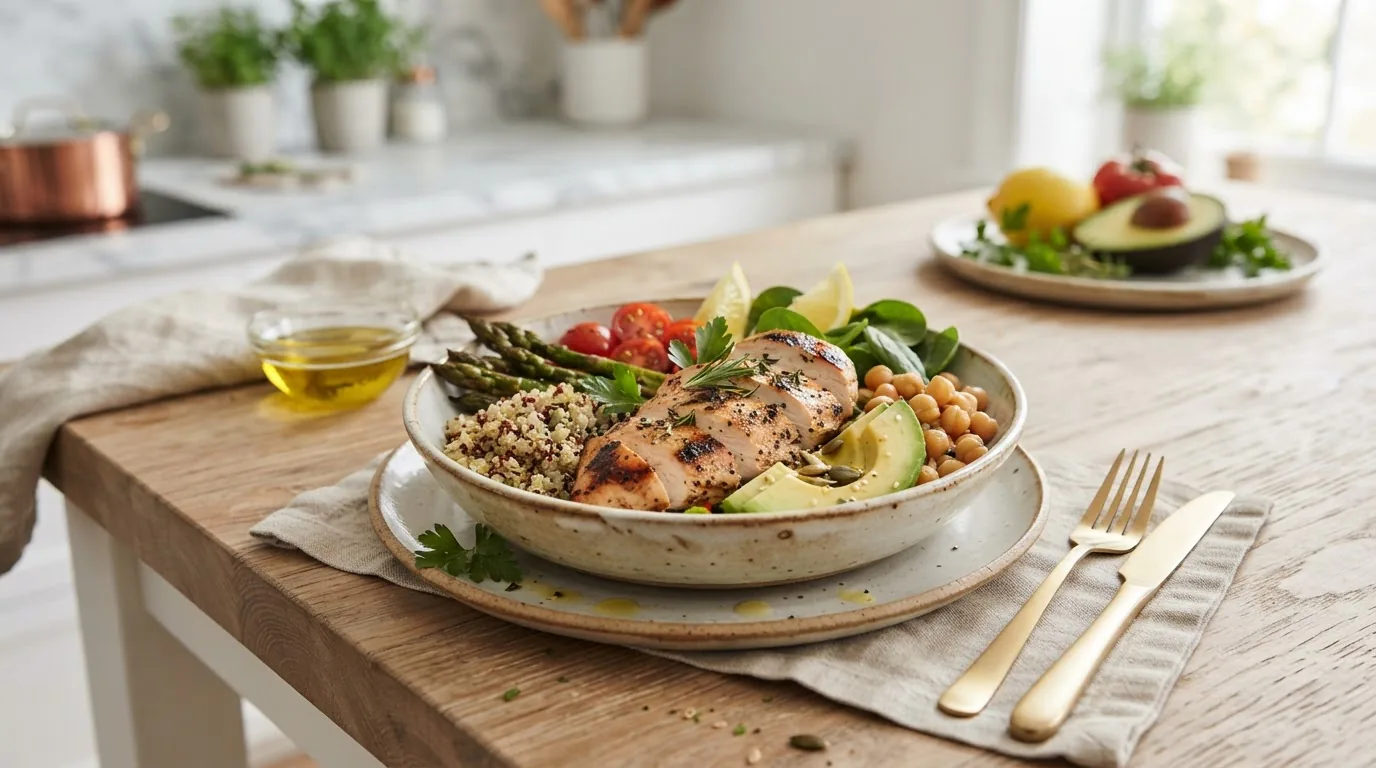
- Grilled chicken and asparagus — Marinated chicken breast with grilled asparagus and a side salad. Lean, simple, and quick to cook.
- Seared tuna steak with lemon-garlic green beans — High in protein and omega-3s, ready in under 15 minutes.
- Turkey-stuffed bell peppers (low-carb) — Ground turkey with riced cauliflower and herbs baked in bell peppers for a low-carb casserole feel.
- Eggplant lasagna with ricotta substitute — Use sliced eggplant in place of noodles and a cottage cheese or tofu ricotta for high-protein, lower-carb comfort food.
Trade-offs explained: Low-carb dinners can reduce total calories and improve short-term blood glucose control for some people, but ensure you include enough fiber-rich vegetables and a healthy fat source. For additional high-protein chicken recipes and ideas, explore our Healthy Chicken Breast Recipes Guide for more inspiration.
Gluten-Free and Dairy-Free Dinner Ideas
Allergen-friendly dinners can still be flavorful and balanced. Focus on naturally gluten-free grains (quinoa, rice) and dairy alternatives.
- Quinoa bowl with roasted salmon and avocado — Naturally gluten-free; swap salmon for chickpeas for a dairy-free vegetarian option.
- Stir-fry with tamari (gluten-free soy sauce) — Use tamari and coconut aminos to keep sauces gluten-free; include tofu or shrimp for protein.
- Stuffed portobello mushrooms — Fill with a mixture of chopped veggies, gluten-free breadcrumbs, and dairy-free cheese or mashed avocado.
- Creamy coconut lentil dhal — Red lentils cooked with coconut milk and spices; served with brown rice for a warming, dairy-free meal.
Substitution notes: For dairy-free swaps, use plain soy or coconut yogurt and dairy-free cheeses. For gluten-free flours and pastas, choose certified gluten-free brands to avoid cross-contamination.
Transition: Variety keeps healthy eating sustainable; next we’ll cover budget-friendly approaches so healthy dinners remain affordable.
Budget-Friendly Healthy Dinner Ideas
Eating healthy on a budget is achievable with strategic ingredient choices and simple recipes. Here are affordable options and tips to stretch your grocery dollars without sacrificing nutrition.
- Bean-and-rice bowls — Use dried beans or canned low-sodium beans with brown rice, salsa, and a small avocado for a fiber-rich, low-cost meal.
- Vegetable frittata — Eggs are inexpensive protein; toss in leftover veggies and bake for a large, re-heatable dish.
- Stir-fried frozen vegetables with tofu — Frozen veg is economical and nutrient-dense; pair with tofu and a splash of soy sauce for a quick dinner.
- Pasta with tomato and white beans — Canned beans and tomato sauce make a filling, inexpensive sauce over whole-grain pasta.
- Hearty vegetable soup with barley — A pot of soup stretches across multiple meals and freezes well for future busy nights.
- Oven-baked sheet-pan chicken thighs with potatoes and carrots — Chicken thighs are cheaper than breasts and flavorful; roast with root vegetables for complete meals.
- Shakshuka — Canned tomatoes, spices, and eggs create a rich, inexpensive dinner served with whole-grain toast.
Money-saving shopping strategies:
- Buy seasonal produce and local sales
- Choose whole staples (rice, oats, dried beans) over convenience items
- Use frozen fruits and vegetables when fresh is pricey
- Plan meals around weekly grocery store deals and sales
- Cook larger batches and freeze portions to reduce waste
If you often cook for two or want cost-per-serving estimates, see the Healthy Dinner Recipes for Two: Meal Ideas and Cost Guide for tailored advice.
Cost example: A large pot of vegetable lentil soup (6 servings) made with dried lentils, carrots, onion, canned tomatoes, and broth can cost under $1.50–$2.50 per serving (source type: cost-estimate based on grocery averages), showing how budget-friendly healthy dinners can be.
Transition: To make cooking simple and enjoyable—regardless of budget—employ a few practical tips that streamline the process and boost flavor.
Tips for Making Healthy Dinner Cooking Simple and Enjoyable
Cooking should be sustainable and pleasant, not another stressor. Use these actionable tips to simplify healthy dinner routines and make them more enjoyable.
- Keep a go-to sauce list — A few staple sauces (vinaigrette, tahini-lemon, tomato-based) transform leftovers into fresh meals.
- Use time-saving kitchen tools — Instant Pot, sheet pans, a sharp chef’s knife, and a good non-stick skillet reduce hands-on time. Small, inexpensive gadgets like a microplane or garlic press speed prep.
- Flavor enhancements — Fresh herbs, citrus zest, and toasted seeds add big flavor with little effort.
- Practice mise en place — Arrange ingredients before cooking to cut active time and reduce mistakes.
- Make leftovers intentional — Plan for next-day lunches or repurpose dinner into a new dish (e.g., roasted veggies into a grain bowl).
- Mindful eating strategies — Eat without screens, chew slowly, and notice satiety cues to enjoy dinner more and avoid overeating.
- Cook with family or friends — Turning dinner prep into social time reduces stress and helps pass skills to others.
- Keep a short recipe rotation — 10 reliable recipes rotated weekly reduce decision fatigue and make shopping easier.
Simple flavor hacks: Toast spices in the pan for 30–60 seconds before adding other ingredients to deepen flavor. Add a splash of acid (vinegar or lemon) at the end to brighten dishes. Use a pinch of salt strategically—season each component to build layered taste.
Storage and leftovers: Store cooked grains and proteins in portion-sized containers so reheating is fast. Label containers with prep dates and reheating recommendations to avoid confusion and waste.
Transition: To help you implement these ideas right away, here is a ready-to-use weekly dinner plan that balances nutrition, variety, and simplicity.
Sample Weekly Healthy Dinner Plan
Below is a 7-day dinner plan designed for variety, simplicity, and balanced nutrition. Swap proteins or grains based on preference and dietary needs.
| Day | Dish | Notes |
|---|---|---|
| Monday | One-pan roasted salmon with broccoli and quinoa | Omega-3s, quick roast; quinoa batch-cooked Sunday |
| Tuesday | Stir-fry with tofu, snap peas, and brown rice | Use pre-cut veggies and tamari for fast sauce |
| Wednesday | Turkey and white bean chili | Cook double and freeze half for later |
| Thursday | Whole-grain pasta with spinach and white beans | 20-minute meal; add salad for extra veg |
| Friday | Sheet-pan fajita bowls (peppers, onions, black beans) | Assemble in bowls with salsa and avocado |
| Saturday | Grilled chicken thighs, roasted sweet potatoes, green salad | Family-style and budget-friendly |
| Sunday | Vegetable and lentil soup with whole-grain bread | Comforting, makes great leftovers |
Tips to customize the plan: Switch proteins for vegetarian options, swap grains for lower-carb alternatives, or portion sizes based on energy needs. This plan aims for balanced nutrition across the week while minimizing mid-week cooking stress.
Transition: You’re now equipped with recipes, prep plans, budget tips, and flavor tricks—here are final takeaways and encouragement to start cooking healthy dinners consistently.
Conclusion and Encouragement to Start Cooking Healthy Dinners
Healthy dinners are achievable with simple rules: balance vegetables, lean proteins, whole grains, and healthy fats while keeping portion sizes aligned with your goals. Start with a small set of reliable recipes, batch-cook staples, and use easy substitutions for dietary needs. Practical tools and a short weekly plan reduce decision fatigue and keep meals enjoyable.
Small changes—like prepping grains ahead, using frozen vegetables, or mastering two quick sauces—compound quickly into consistent healthy dinners. If you have unique medical or dietary needs, consult a healthcare provider or registered dietitian for personalized guidance. According to a 2024 industry report on meal-prep behaviors (source type: market research), people who plan even one dinner per week are more likely to eat balanced meals regularly.
Try one recipe from this guide tonight, and build momentum from there. Start small, prioritize flavor, and adapt ingredients to make healthy meals for dinner a sustainable habit. Ready to cook? Use the sample weekly plan above and tweak it to match your schedule.
Frequently Asked Questions
What are healthy dinner ideas that are quick to prepare?
Quick healthy dinner ideas include one-pan roasted fish and vegetables, stir-fries with tofu or shrimp, whole-grain pasta with beans and greens, and egg-and-veg scrambles. Use frozen vegetables, canned beans, and pre-cooked grains to cut prep time to 15–30 minutes.
How do healthy dinners differ from other meals during the day?
Healthy dinners typically focus on satiety and balanced macros—lean protein, vegetables, and whole grains—while being lighter than higher-calorie weekend meals. Dinners often aim to support sleep and recovery with moderate carbs and healthy fats rather than the higher energy needs of breakfast or lunch.
What can I eat for dinner healthy if I am short on time?
When short on time, choose a protein (canned tuna, rotisserie chicken, tofu), a quick-cook grain or salad base, and frozen or pre-washed vegetables. Assemble a bowl or salad, dress with olive oil and lemon, and you’ll have a balanced dinner in 10–20 minutes.
How to prepare healthy dishes for beginners?
Start with simple templates: roast a protein and a tray of vegetables, make a grain bowl, or cook a one-pot soup. Learn a few basic techniques (roasting, sautéing, boiling) and keep a short recipe rotation to build confidence and reduce decision fatigue.
What are some simple healthy dinner recipes for two?
Simple recipes for two include sheet-pan salmon with asparagus, lentil tacos, vegetable frittata, and grilled chicken with roasted potatoes. Scale recipes down or follow our Healthy Dinner Recipes for Two guide for portion and cost adjustments.
How much does it cost to make healthy dinners on a budget?
Budget-friendly healthy dinners can average $1.50–$5.00 per serving depending on ingredients and region. Using dried beans, seasonal produce, frozen vegetables, and batch-cooked grains keeps costs low while maintaining nutrition.
What to do if I don’t like vegetables in my healthy dinners?
If you dislike vegetables, start by hiding them in sauces, soups, or blended into smoothies and purees; roast them to concentrate sweetness; or finely chop and mix them into grains, eggs, and casseroles to increase intake gradually.
How can I be sure the dinner I’m cooking is truly healthy?
Ensure balanced nutrition by including a serving of vegetables, a lean protein portion (20–35 g), a whole-grain or starchy vegetable, and a small portion of healthy fats. Use the half-plate vegetables rule and consult trusted guidelines for specific needs.