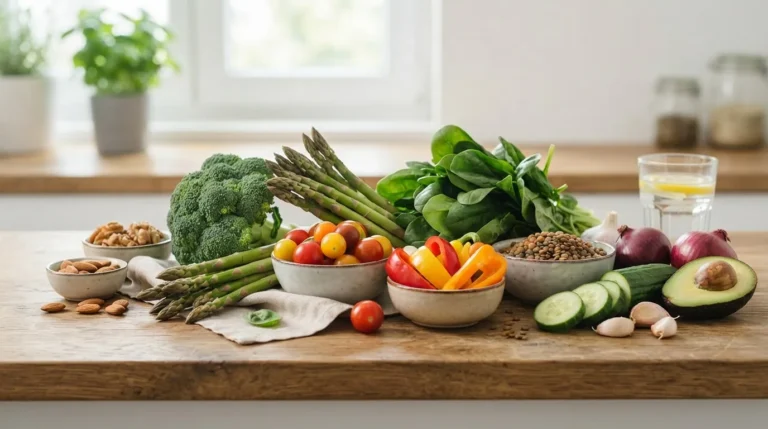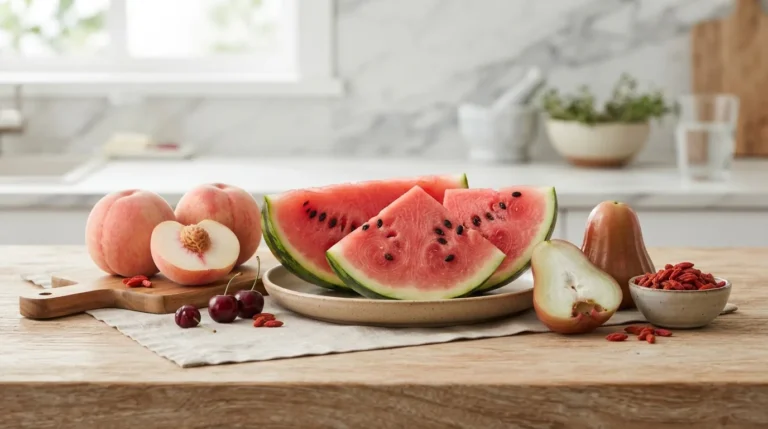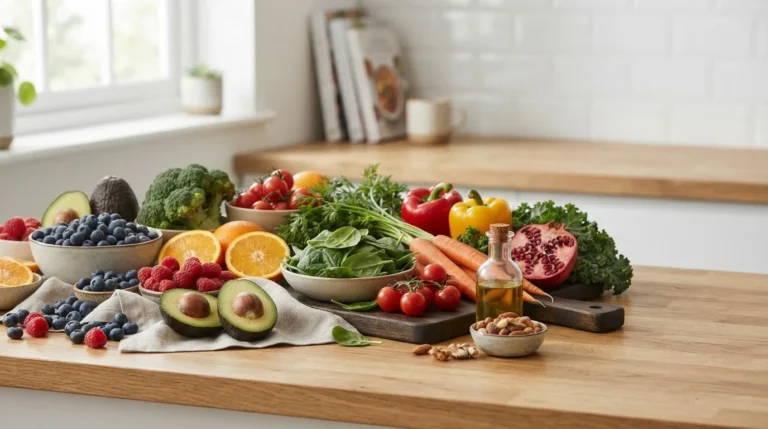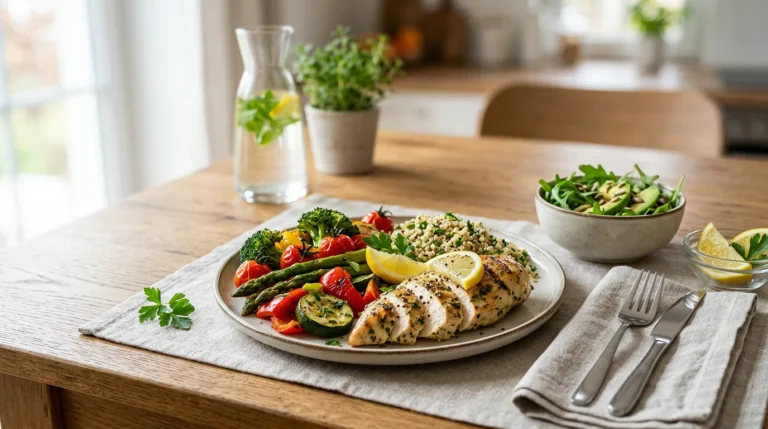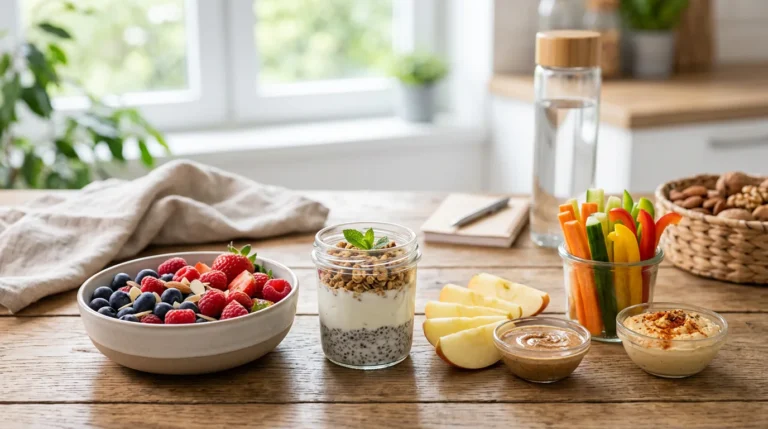
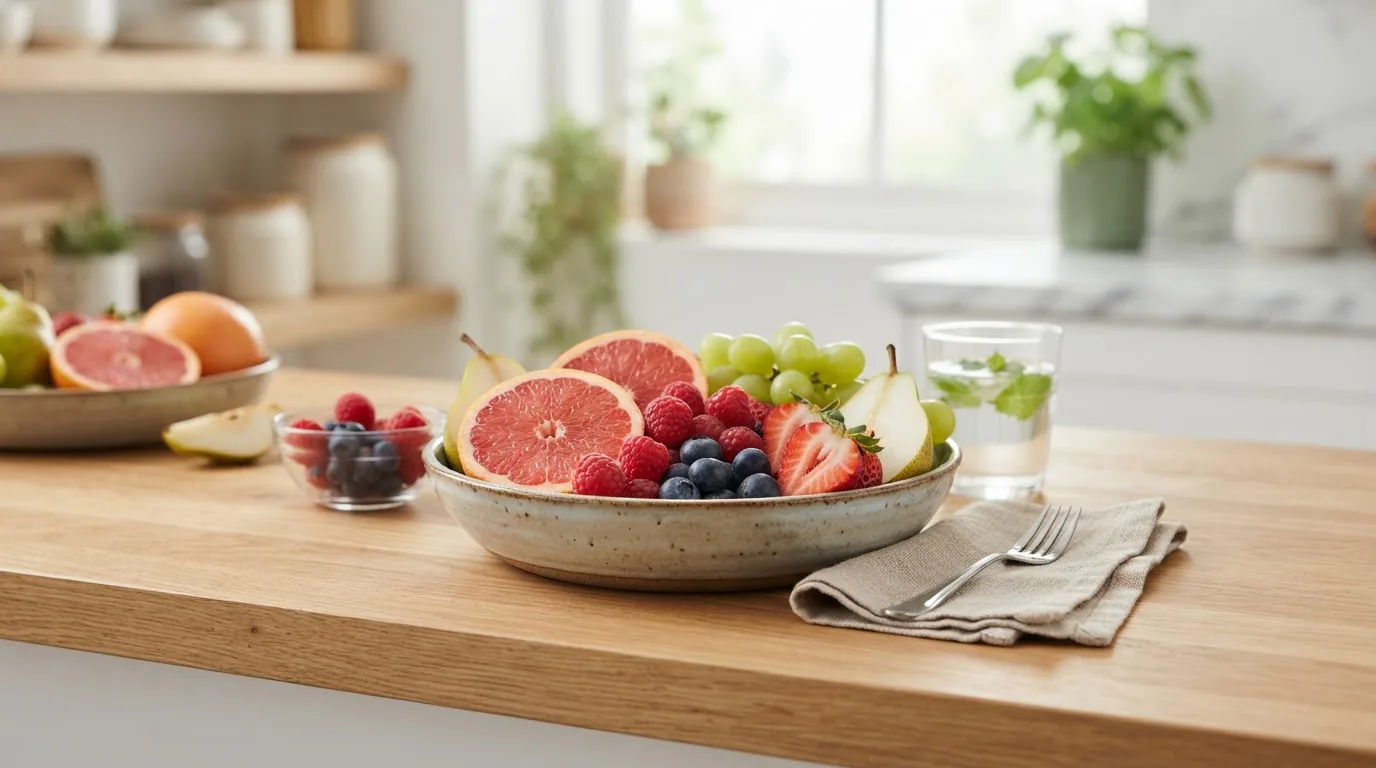
Best fruits for weight loss combine low calorie density, high fiber and water content, and strong nutrient profiles to help you eat less while feeling satisfied. This guide explains which fruits work best, why they help burn fat indirectly, and how to use them strategically in a sustainable diet.
Introduction to Best Fruits for Weight Loss
The role of fruit in a weight loss plan is often misunderstood: fruits contain natural sugars, yet many are powerful allies for reducing calorie intake, increasing satiety, and delivering essential nutrients that support metabolism. This guide focuses on the science-backed, practical aspects of choosing and using fruits specifically to help lose weight—focusing on filling, low-calorie options rather than only raw calorie counting.
Fruits act differently from other fat burning foods because their primary benefit is promoting fullness (satiety) through fiber and water, providing micronutrients that keep hunger hormones balanced, and offering phytochemicals that may modestly influence metabolism. Expect clear, evidence-led explanations, nutrient data tied to authoritative sources, and meal-by-meal ideas so you can apply the recommendations immediately.
For a broader primer on produce benefits, see the pillar on fresh fruits and vegetables benefits.
Transition: Next we’ll look at the physiological and nutritional reasons fruits can be powerful tools for weight loss, with cited evidence and practical metrics.
Why Choose Fruits for Weight Loss?
Fruits are attractive for weight loss because many are what nutritionists call caloric bypass foods: they occupy stomach volume and satisfy appetite while delivering fewer calories per bite than many processed snacks. Three physiological mechanisms explain this benefit: low calorie density, dietary fiber that prolongs fullness, and high water content that increases gastric distension.
Low calorie density: Many fruits have very low calories per 100 g versus processed foods. According to the 2024 USDA FoodData Central (food nutrient database), common fruits such as apples and berries provide roughly 40–100 kcal per typical serving—far lower than calorie-dense snacks.
Dietary fiber in fruits slows gastric emptying, blunts post-meal glucose spikes, and helps maintain steady blood sugar, which reduces subsequent hunger. Soluble fibers (pectin in apples and pears, for example) form gels that expand in the stomach and increase perceived fullness.
Water content increases food volume without adding calories: watermelon and cantaloupe can be more filling per calorie than denser options. High-water fruits act like “volumetric” foods; research summarized in multiple controlled trials suggests that replacing higher-calorie snacks with water-rich fruits tends to reduce overall daily energy intake (according to peer-reviewed meta-analyses listed in scientific databases).
Glycemic index and weight loss: The glycemic index (GI) measures how quickly a food raises blood glucose. Lower-GI fruits (most berries, apples, pears) produce gentler glucose and insulin responses, which helps control appetite. For specific GI values, consult trusted resources such as the University of Sydney Glycemic Index database (glycemic index database).
Fat-burning claims: No fruit is a magic “fat burner” on its own. However, some fruits contain bioactive compounds—polyphenols, anthocyanins, flavonoids—that support metabolic health, fat oxidation, or inflammation reduction. For example, anthocyanins in berries have been associated with improved metabolic markers in experimental studies. These effects are modest and work best alongside calorie control and activity.
Nutrient density: Fruits provide vitamins, minerals and antioxidants without many calories. Micronutrients such as vitamin C, potassium and folate support energy metabolism and recovery from exercise. For nutrient comparisons and detailed micronutrient data use the USDA FoodData Central (2024) (USDA FoodData Central).
Evidence summary: Randomized trials and observational studies generally find that increasing fruit and vegetable intake is associated with lower long-term weight gain and modest weight loss when fruits replace calorically dense foods. For an entry point to peer-reviewed evidence, search meta-analyses on PubMed (fruit consumption weight loss meta-analysis).
Transition: With the mechanisms in mind, the next section lists the top fruits you can rely on for fullness, nutrients and low-calorie intake.
Top 10 Best Fruits for Weight Loss (Detailed List)
-
1. Apple (medium, ~182 g)
Nutritional highlights: According to the 2024 USDA FoodData Central, one medium apple (~182 g) contains about 95 kcal and 4.4 g fiber. Apples are high in pectin, a soluble fiber that expands in the gut and slows digestion.
Why it helps: Apples are a classic caloric bypass food: they occupy volume, require chewing (which slows eating pace), and the fiber/pectin combination supports fullness for hours. The low GI (~36–40 on many tables) helps avoid large insulin spikes.
How to use: Eat a whole apple as a midafternoon snack, or add chopped apple to plain Greek yogurt to increase meal volume with modest calories.
-
2. Strawberries (1 cup, whole, ~152 g)
Nutritional highlights: 1 cup of whole strawberries contains about 49 kcal and ~3.0 g fiber (2024 USDA FoodData Central).
Why it helps: Strawberries have high water and fiber relative to calories, plus anthocyanins—phytochemicals linked to improved metabolic signaling in short-term studies. Their sweetness can satisfy sugar cravings with very few calories.
How to use: Blend with water and ice or add to oatmeal to increase sweetness without added sugar. Pair with a protein-rich food to prolong satiety.
-
3. Blueberries (1 cup, ~148 g)
Nutritional highlights: 1 cup fresh blueberries ≈ 84 kcal, ~3.6 g fiber (2024 USDA FoodData Central).
Why it helps: Blueberries are nutrient-dense, rich in anthocyanins and antioxidants, and have a moderate GI. They’re effective at improving perceived satiety when added to low-calorie meals.
How to use: Add a small serving to morning cereal or smoothies; the antioxidant load supports recovery when you increase physical activity during weight loss.
-
4. Grapefruit (half, ~123 g)
Nutritional highlights: Half a grapefruit ≈ 52 kcal and ~2 g fiber (2024 USDA FoodData Central).
Why it helps: Grapefruit is high in water and low in calories. Some short-term randomized trials have found small reductions in body weight when grapefruit was included, possibly due to increased satiety and reduced meal intake. Note: grapefruit interacts with several medications—consult a clinician if you take prescriptions.
How to use: Have half a grapefruit before breakfast or as part of a plate to reduce overall morning calorie intake.
-
5. Pear (medium, ~178 g)
Nutritional highlights: A medium pear ≈ 101 kcal and ~5.5 g fiber (2024 USDA FoodData Central).
Why it helps: Pears are fiber powerhouses among common fruits—the high soluble and insoluble fiber mix slows digestion and promotes longer fullness than many other fruit choices.
How to use: Slice onto leafy salads for extra bulk, or combine with a small handful of nuts for a satiating mini-meal.
See related vitamin-rich fruits and vegetables benefits for micronutrient context.
-
6. Orange (medium, ~131 g)
Nutritional highlights: One medium orange ≈ 62 kcal and ~3.1 g fiber (2024 USDA FoodData Central).
Why it helps: Oranges are high in vitamin C and fiber; they’re filling and portable. The fiber slows sugar absorption and the high water content increases volume per calorie.
How to use: Use as a post-workout snack with a protein source to replenish glycogen and keep hunger in check.
-
7. Kiwi (1 medium, ~76 g)
Nutritional highlights: One medium kiwi ≈ 42 kcal and ~2.1 g fiber (2024 USDA FoodData Central).
Why it helps: Kiwi is high in fiber and vitamin C, low in calories, and provides enzymes that aid digestion. It’s also low-to-moderate GI, making it a good choice to maintain steady blood sugar.
How to use: Add kiwi to yogurt bowls or eat alone as a 40–60 kcal snack that feels satisfying.
-
8. Peach (medium, ~150 g)
Nutritional highlights: One medium peach ≈ 59 kcal and ~2.3 g fiber (2024 USDA FoodData Central).
Why it helps: Peaches have a pleasant texture, moderate fiber, and high water content; their sweetness helps replace caloric desserts with low-calorie satisfaction.
How to use: Grill peaches for a dessert paired with low-fat ricotta or cottage cheese for protein balance.
-
9. Cantaloupe and Honeydew Melon (1 cup diced, ~160 g)
Nutritional highlights: 1 cup cantaloupe ≈ 53 kcal and ~1.6 g fiber; honeydew ≈ 61 kcal per cup (2024 USDA FoodData Central).
Why it helps: Melons are among the most hydrating fruits per calorie. Their high water content increases stomach volume and satiety while keeping calorie intake low.
How to use: Use as a large-volume snack, in fruit salads, or frozen as a frozen fruit “pop” to satisfy sweet cravings without excess calories.
-
10. Papaya (1 cup, ~145 g)
Nutritional highlights: 1 cup papaya ≈ 55 kcal and ~2.5 g fiber (2024 USDA FoodData Central).
Why it helps: Papaya is nutrient-dense relative to calories, provides digestive enzymes, and is low GI. It’s a filling tropical option that supports volume eating.
How to use: Serve papaya with lime and a little chili as a flavorful low-calorie snack or add to smoothies for tropical flavor without heavy calories.
For deeper carbohydrate and glycemic details, see the fruit carbohydrate content and glycemic index resource.
Across these fruits, the shared weight-loss advantages are low calorie density, digestible and insoluble fiber, high water content, and micronutrients that support metabolic health. Use USDA FoodData Central (2024) as a benchline for portion calories and fiber values.
Transition: After choosing your fruits, practical strategies matter—next are easy, effective ways to include them without accidentally increasing calories.
How to Incorporate Weight Loss Fruits into Daily Diet
Designing meals around fruits for weight loss requires portion control, pairing choices, and timing. The objective: maximize fullness per calorie and avoid replacing healthy protein or fiber sources with fruit alone.
1. Portion control and serving size
Know standard servings: a medium fruit (apple, orange, pear) or 1 cup berries counts as one serving. Track portions briefly using USDA values—this helps you fit fruit calories into a daily calorie target. For dose-sensitive diets (e.g., cutting), aim for 2–3 fruit servings per day distributed across meals and snacks.
For detailed intake limits and risk guidance, consult the practical fruit intake guide and risks.
2. Combine fruit with protein and healthy fats
Pair fruit with a protein source (Greek yogurt, cottage cheese, a boiled egg) or a small amount of healthy fat (nuts, seeds) to slow digestion and extend satiety. For example, strawberries with 150 g plain Greek yogurt or an apple with 1 tbsp almond butter creates a more sustained fullness than fruit alone.
3. Use fruits as meal enhancers, not calorie placeholders
Add fruit to salads, breakfasts, or salsas to increase volume and taste without large calorie additions. Replace calorie-dense dressings or sugary toppings with a serving of berries or sliced peach to satisfy sweet cravings.
4. Snack strategy and timing
Use fruit as an early-afternoon snack to prevent overeating at dinner. Because many fruits contain simple sugars, avoid large fruit-only snacks immediately before sleep if you’re sensitive to blood sugar fluctuations.
5. Swap, don’t add
For weight loss, fruits work best when they substitute for higher-calorie items—swap a muffin for a fruit-and-yogurt bowl, not add fruit on top of an already-calorie-heavy meal.
6. Prep and portability
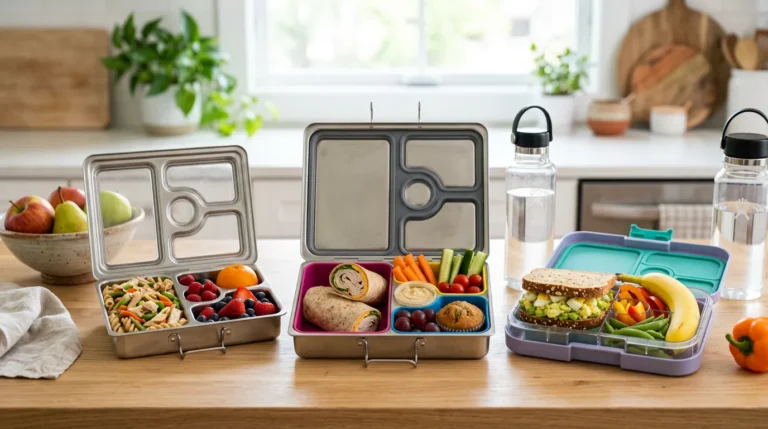
Pre-wash and portion fruits into single-serve containers to avoid overeating. Frozen berries and sliced melon are great for blending into smoothies where you can control added ingredients.
7. Tactics for low-carb or cutting phases
In low-carb or cutting diets you may need to limit higher-carb fruits (bananas, grapes). Focus on berries, apples, and citrus, which provide lower net carbs per serving. If you’re strictly tracking carbs, follow a carb-counting chart like in the fruit carbohydrate content and glycemic index resource.
8. Real-world walkthrough (case example)
Case: A 35-year-old office worker aiming to lose 10 lb replaced an afternoon pastry (~350 kcal) with a 150 g bowl of mixed berries (≈ 60–80 kcal) and 150 g low-fat Greek yogurt (≈ 100 kcal). Using USDA calorie values (2024) they cut ~170 kcal per day on that single swap, which over several weeks supported steady weight loss when combined with a slight calorie deficit and 30 minutes of walking most days.
Transition: Fruits are powerful but are not substitutes for vegetables. The next section compares fruits and vegetables for weight loss, showing where each shines.
Comparison: Fruits vs. Vegetables for Weight Loss
| Attribute | Typical Fruits | Typical Vegetables |
|---|---|---|
| Calorie density (kcal/100 g) | ~30–100 kcal (berries, melons lower; bananas higher) | ~10–50 kcal (leafy greens very low; starchy veg higher) |
| Water content | High in many (melon, berries, citrus) | Very high in many (cucumbers, lettuce, zucchini) |
| Fiber | Moderate to high (apples, pears, berries) | Often high (broccoli, carrots, Brussels sprouts) |
| Micronutrients | High in vitamin C, potassium, folate | High in vitamin A precursors, fiber, minerals |
| Satiation per calorie | High for water-rich, fibrous fruits | Very high—vegetables generally top fruits for volumetric eating |
| Ease of overconsumption | Possible with dried fruit/juiced forms | Harder—vegetables are lower calorie and more filling |
Both fruits and vegetables are “weight reducing fruits and vegetables” when used to replace calorie-dense items. Vegetables generally win for lowest calorie density and versatility in savory meals; fruits win for sweet satisfaction and convenience as snacks. For examples of low-calorie vegetable choices and how they compare, check guides such as calorie content of cabbage and seasonal planting options in the spring vegetables growing guide.
Transition: Understanding myths and facts helps avoid common pitfalls when using fruits for weight loss.
Myths and Facts About Fruits and Weight Loss
Many myths circulate about fruits—here are the most common, followed by evidence-based corrections.
-
Myth: “Fruit sugar causes weight gain more than any other sugar.”
Fact: Whole fruits contain fiber and water that moderate sugar absorption; when eaten as part of a calorie-controlled diet, whole fruit does not inherently cause weight gain. Excess calories from any source cause weight gain (supported by energy balance models and nutrition research databases). -
Myth: “Juicing fruits is the same as eating whole fruit.”
Fact: Juicing removes much of the fiber, concentrating sugars and calories and reducing satiety—juices are easier to overconsume and less effective for weight loss than whole fruits (see peer-reviewed studies). -
Myth: “All fruits are equal for weight loss.”
Fact: Fruits differ in calorie density, fiber, and GI. Berries and apples provide more satiety per calorie than high-sugar fruits like dates or dried fruits. -
Myth: “Eating fruit at night makes you gain weight.”
Fact: Total daily calories and activity determine weight change; meal timing has smaller effects. Choose fruit timing that helps you control overall intake. -
Myth: “Low-carb diets forbid all fruit.”
Fact: Many fruits (berries, small portions of apples/oranges) can fit into low-carb plans if you count carbs. See carbohydrate charts for precise net carbs.
Evidence-based caveats and tips:
- Whole fruits over juices: Always choose whole fruit for fiber and satiety.
- Dried fruits: High in calories by weight—treat them as calorie-dense treats rather than bulk snacks.
- Medication interactions: Grapefruit can interact with some drugs—consult your clinician.
Transition: To amplify fruit benefits, pair them with other fat-burning foods and vegetables that complement weight loss efforts.
Additional Fat Burning Foods to Complement Fruits
Fruits work best as part of a whole-foods approach. Add these complementary items to enhance satiety, metabolic support, and fat-loss-friendly meals:
- Lean proteins (chicken breast, fish, tofu): increase the thermic effect of food and maintain muscle during weight loss.
- Legumes (lentils, chickpeas): high in protein and fiber—very filling per calorie.
- Whole grains in controlled portions (oats, quinoa): low-to-moderate GI and fiber to support fullness.
- nutritional benefits of avocado: while avocados are calorie-dense, their monounsaturated fats and fiber enhance satiety and can reduce overeating when used in moderation.
- celery nutrition and weight loss benefits: very low calorie and useful for volume eating paired with a protein or small fat portion.
- Spices and tea (green tea, chili peppers): may modestly increase metabolic rate via thermogenic effects; evidence is mixed but supportive as adjuncts.
- Nuts and seeds in small amounts: supply healthy fats and protein to prolong satiety—use 1 small handful to avoid excess calories.
Transition: A short summary of core takeaways follows to help you put these ideas into action sustainably.
Conclusion: Sustainable Weight Loss Through Fruit-Focused Diets
Fruits are among the best tools for sustainable weight loss when chosen and used wisely. Prioritize high-fiber, water-rich options like apples, berries, pears and melons, pair fruits with protein and healthy fats, and use fruit as a swap for calorie-dense foods rather than an addition. Rely on authoritative nutrient data such as the 2024 USDA FoodData Central when tracking portions, and consult peer-reviewed reviews for deeper evidence on fruit intake and body weight.
Start small: replace one high-calorie snack per day with a fruit-plus-protein option and watch how satiety and overall calorie intake change over two weeks. For ongoing guidance and structured meal plans, consider exploring the site’s broader resources and a registered dietitian for personalized advice.
Frequently Asked Questions
What fruits are considered the best for weight loss?
The best fruits for weight loss are low-calorie, high-fiber, and water-rich choices such as apples, berries, pears, grapefruit, cantaloupe, and kiwi; these promote fullness and provide nutrients with fewer calories per serving (according to USDA FoodData Central, 2024).
Are fruits better than vegetables for losing weight?
Vegetables generally have lower calorie density and higher volume per calorie, making them slightly superior for weight loss, while fruits excel at satisfying sweet cravings and provide portable, nutrient-dense snack options.
How do fruits help burn fat and reduce weight?
Fruits aid weight loss indirectly by increasing satiety through fiber and water, lowering overall calorie intake when they replace higher-calorie foods, and supplying micronutrients and phytochemicals that support metabolic health (evidence from clinical trials and reviews).
Can I eat fruit on a low-carb or cutting diet?
Yes—choose lower-carb fruits like berries, apples and citrus and track portions; avoid concentrated forms (dried fruit, juices) and use carb-counting charts for precise intake during cutting phases.
How many servings of fruit should I eat daily for weight loss?
Aim for 2–3 servings of whole fruit daily as part of a calorie-controlled plan; distribute them across meals and pair with protein or healthy fats to maximize satiety and prevent overeating.
What if I don’t feel full after eating fruit while dieting?
If fruit alone doesn’t satisfy you, combine it with a protein source or small amount of healthy fat (e.g., Greek yogurt, cottage cheese, nuts) to slow digestion and extend fullness between meals.
Are all fruits equally good for weight loss, or do some cause weight gain?
Some fruits are more calorie-dense (bananas, grapes, dried fruit) and easier to overconsume; whole, water- and fiber-rich fruits are better for weight control—portion and context (replacement vs. addition) determine impact.
How can I ensure the fruit I buy is fresh and high quality for dieting?
Choose firm, unbruised produce, check for vibrant color and aroma, buy seasonal fruit when possible, store appropriately (refrigerate berries, keep bananas at room temperature), and use within suggested shelf-life to retain nutrients and flavor.