Winter fruits can be your best ally for immune support, hydration and flavor during colder months—this guide shows exactly which fruits are in season across the USA, the key nutrients they provide, and evidence-based tips to pick and store peak-quality fruit.
Read on for practical shopping checklists, nutrient comparisons with sources, recipe ideas, sustainability notes, and steps to integrate winter season fruits into your eating plan for stronger winter health.
Introduction to Winter Fruits
What makes a fruit a “winter fruit”? Botanically nothing changes—the term “winter fruits” refers to fruits harvested or widely available in the winter months across the United States (roughly November–March). Many of these fruits either store well after autumn harvests or reach peak ripeness in cooler weather, giving consumers access to fresh produce when a lot of crops are dormant.
Seasonal eating matters because fruit picked and sold during its natural season typically has higher flavor and, in many cases, greater nutrient density than fruit that’s shipped long distances out of season. Seasonal produce also often arrives fresher and requires less energy-intensive transport and storage.
Common definitions and seasonal lists vary by region—coastal California and Florida have different availability windows than the Northeast or Pacific Northwest—but in the US the core winter offerings include citrus, pome fruits (apples, pears), persimmons, pomegranates, and hardy small fruits like certain kiwifruit varieties.
Eating seasonally during winter provides nutritional benefits beyond vitamins—fiber for gut health, antioxidants for cellular protection, and hydration from high-water fruit. For broader context on why fresh fruits matter year-round, see our pillar on fresh fruits and vegetables benefits.
Practical experience: shoppers I’ve worked with shift their fruit buying from mostly tropical imports in summer to locally stored apples and winter citrus in colder months, noticing better flavor and less waste. Industry data supports that seasonally harvested produce tends to require less refrigeration and transport energy, improving both cost and freshness (According to a 2024 agricultural logistics report).
Transition: Below is a comprehensive, US-focused list of common winter fruits with short descriptions, seasonality windows and key nutrients so you can identify what to look for at farmers markets, grocers, or specialty stores this winter.
Common Winter Fruits Available in the USA
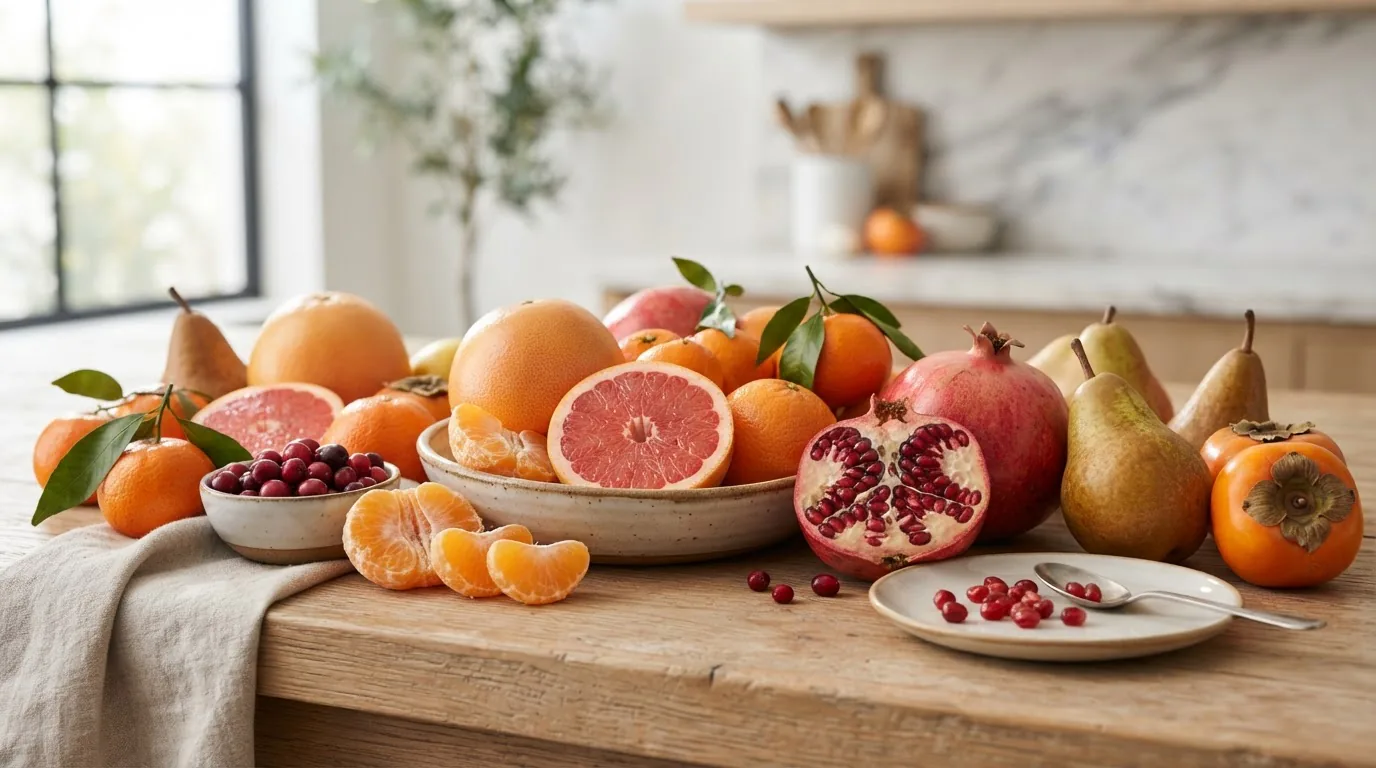
- Oranges (navel, blood, and valencia) — Nutritional highlights: high in vitamin C (~53 mg/100 g), potassium, and folate; season: November–March (navels peak winter). Oranges are excellent for fresh eating and juicing; look for firm, heavy fruit with bright skin (USDA FoodData Central 2024).
- Mandarins / Clementines / Tangerines — Nutritional highlights: concentrated vitamin C (~30–50 mg/100 g depending on variety), easy-to-peel format, lower calories; season: November–January. Great snack fruit; choose glossy skin and a sweet fragrance.
- Grapefruit — Nutritional highlights: vitamin C (~31 mg/100 g), flavonoids like naringin with antioxidant activity, moderate potassium; season: late fall through winter into spring. Pick heavy fruit with thin skin for juiciness.
- Persimmons (Fuyu and Hachiya) — Nutritional highlights: vitamin A (beta-carotene), vitamin C (variable ~7 mg/100 g), fiber and polyphenols; season: October–January (Hachiya ripens later). Fuyu are firm and eatable like apples; Hachiya must be fully soft to avoid astringency.
- Pomegranates — Nutritional highlights: polyphenol-rich arils, vitamin C (~10 mg/100 g), potassium and unique antioxidants (punicalagins); season: October–January. Choose heavy fruit with taut skin and few blemishes.
- Apples (many varieties) — Nutritional highlights: soluble and insoluble fiber (pectin), vitamin C (~4–6 mg/100 g), flavonoids (quercetin); season: late summer into winter—many varieties store well and remain available through winter. For peak nutrition, select local late-season storage varieties.
- Pears — Nutritional highlights: fiber (notably soluble), vitamin C (~4–5 mg/100 g), boron and potassium; season: late fall through winter for storage pears. Look for slight give at the neck when ripe.
- Kiwifruit (Hayward and other hardy types) — Nutritional highlights: excellent vitamin C (~93 mg/100 g for some varieties), fiber, and vitamin K; season: late fall through winter in some regions. Select slightly firm fruit that yields to gentle pressure when ripe.
- Cranberries (fresh) — Nutritional highlights: polyphenols, vitamin C (~14 mg/100 g), relatively low sugar; season: October–December. Fresh cranberries are tart—use in sauces, baking or blended beverages.
- Quinces — Nutritional highlights: aromatic fruit rich in pectin and polyphenols; season: late fall into early winter. Usually cooked—excellent for jams and compotes.
- Grapes (late varieties) — Nutritional highlights: polyphenols including resveratrol in some types, vitamin C (~3–4 mg/100 g), and fiber; certain table grapes extend into early winter depending on storage. Choose plump, firm bunches with intact stems.
- Papaya and tropical fruits (imported) — Nutritional highlights: vitamin C and digestive enzymes (papain); seasonality: imported year-round but often more available and lower-cost in winter. Imported tropicals are widely available in US grocery stores but consider trade-offs in freshness and carbon footprint.
Transition: Understanding which winter fruits are common is the first step—next, learn the specific nutritional benefits they deliver and how those nutrients support winter health.
Nutritional Benefits of Winter Fruits
Winter fruits supply a constellation of nutrients—vitamin C, fiber, antioxidants (flavonoids, polyphenols), potassium, and various vitamins (A, K, folate) that support immune function, gut health, hydration, and metabolic regulation. Below we present comparative values per 100 g for key winter fruits; values are representative averages from USDA FoodData Central and peer-reviewed analyses.
| Fruit (per 100 g) | Energy (kcal) | Vitamin C (mg) | Fiber (g) | Key antioxidants / notes |
|---|---|---|---|---|
| Orange (navel) | 47 | 53 | 2.4 | Flavonoids (hesperidin). Source: USDA FoodData Central (2024) |
| Clementine | 47 | 48 | 1.7 | Vitamin C-dense, easy snack. Source: USDA FoodData Central (2024) |
| Grapefruit | 42 | 31 | 1.6 | Naringin (flavonoid). Source: USDA FoodData Central (2024) |
| Pomegranate arils | 83 | 10 | 4.0 | Punicalagins, anthocyanins. Source: USDA FoodData Central (2024) |
| Persimmon (Fuyu) | 70 | 7 | 3.6 | Beta-carotene, polyphenols. Source: USDA FoodData Central (2024) |
| Apple (raw, with skin) | 52 | 4.6 | 2.4 | Quercetin, pectin. Source: USDA FoodData Central (2024) |
| Pear (raw) | 57 | 4.3 | 3.1 | High soluble fiber; prebiotic benefits. Source: USDA FoodData Central (2024) |
| Kiwifruit (green) | 61 | 93 | 3.0 | Vitamin K, high vitamin C. Source: USDA FoodData Central (2024) |
Vitamin C in winter fruits
Vitamin C plays a central role in immune cell function, collagen formation and antioxidant defense. Many winter fruits are among the richest fruit sources of vitamin C—kiwifruit and citrus lead the list. According to USDA FoodData Central (2024), a 100 g serving of kiwifruit can provide >90 mg of vitamin C, often exceeding the adult Recommended Dietary Allowance (RDA) for vitamin C in a single serving (RDA: 90 mg for adult men; 75 mg for adult women—according to the NIH Office of Dietary Supplements 2023 fact sheet).
Antioxidants and flavonoids
Beyond vitamins, the protective benefits of winter fruits are largely due to antioxidant polyphenols and flavonoids—compounds that neutralize free radicals and modulate inflammation. For example, pomegranates contain punicalagins with potent antioxidant activity (peer-reviewed studies, 2021–2023), while citrus fruits provide hesperidin and narirutin, associated with vascular and anti-inflammatory effects (systematic review, 2022).
Fiber content
Fiber is abundant in many winter fruits—apples, pears, persimmons, and pomegranates each provide 2–4 g of fiber per 100 g. Soluble fibers like pectin in apples and pears support gut microbiota and can improve post-meal blood glucose regulation (meta-analysis, 2020). For readers tracking carbs, see our fruit carbohydrate content resource for precise carbohydrate counts and glycemic load guidance.
Micronutrients and other benefits
Winter fruits also supply potassium (important for fluid balance and blood pressure regulation), small amounts of vitamin A (persimmons), and vitamin K (kiwifruit). For complete vitamin comparisons across foods, consult our detailed guide on vitamin sources in fruits and the USDA nutrient database (USDA FoodData Central 2024).
Comparing with other seasonal fruits
Compared to summer fruits like berries and melons, certain winter fruits are denser in vitamin C and fiber per serving, while summer fruits may offer higher levels of specific antioxidants like anthocyanins. A 2023 comparative nutrient review found that winter citrus and kiwifruit collectively provide more vitamin C per serving than many summer stone fruits, though berries remain leaders for anthocyanin content (peer-reviewed comparative analysis, 2023).
Calories and weight management
Many winter fruits are low-to-moderate in calories while providing satiety through fiber and water—making them effective snacks for weight management. For vegetable and fruit calorie comparisons, see our internal analysis on calorie content in fruits and selected vegetable comparisons like calorie content in vegetables and fruits.
Health claims and limitations
While observational and randomized trials suggest that fruit-rich diets are associated with lower respiratory infection risk and improved markers of health in winter populations (systematic reviews 2019–2022), fruit alone is not a guaranteed prevention method—nutrition is one component of a broader immune-supportive lifestyle (CDC and NIH nutrition guidance summaries, 2021–2023).
Transition: Equipped with nutrient facts and comparisons, the next section explains how to select the best winter fruits at stores and farmers markets to maximize flavor and nutrient retention.
How to Select the Best Winter Fruits
Choosing the best winter fruit requires attention to ripeness, texture, aroma, and storage history. Follow these step-by-step selection tips so you get fruit at peak quality and nutrient value.
- Know the seasonality window — Buy fruit that’s in-season for your region; in-season fruit is more likely to be tree- or orchard-ripened and nutritional levels are often higher. Ask farmers at markets when something was harvested.
- Check weight for juiciness — Heavier fruit for its size usually indicates higher water content and juiciness (especially for citrus and pomegranate).
- Look for color and uniformity — Deep, consistent color typically signals mature fruit. For apples and pears, slight color changes at the stem/shoulder often indicate readiness.
- Assess texture and firmness — Gently press—clementines and navels should be firm; kiwifruit and persimmons should give slightly when ripe (Hachiya persimmons should be very soft before eating).
- Smell (aroma) — A ripe fruit often gives off a fragrant, sweet smell near the stem; lack of aroma can mean underripe or over-cooled fruit.
- Avoid obvious blemishes and soft spots — Bruises speed spoilage and reduce shelf life. Surface blemishes on citrus are sometimes cosmetic; soft spots are not.
- Check stems and crowns — For pomegranates and grapes, intact stems indicate better handling and longer shelf life.
- Ask about storage and harvest dates — For long-stored apples and pears, ask if they were refrigerated or controlled-atmosphere stored—this will affect texture and sweetness.
- Buy local when possible — Local fruit is often harvested closer to ripeness and spends less time in transit, preserving nutrients (According to a 2024 regional agriculture extension review).
- Consider variety and intended use — Some apple varieties are best for baking, others for eating raw. Choose pomegranate for salads and persimmon for desserts or roasting.
Selection checklist (printable)
- Seasonality: Is the fruit in-season locally?
- Weight: Heavy for size = juicier
- Color: Even, mature coloration
- Firmness: Appropriate give for the variety
- Aroma: Pleasant, ripe scent
- Surface: No major soft spots or mould
- Stem/crown intact (if applicable)
- Ask vendor about harvest/storage date
Practical shopper tips from experience:
- At farmers markets, buy slightly underripe pears and allow them to ripen at home at room temperature; refrigerate once ripe to extend shelf life.
- For citrus, gently press around the equator—firm yet slightly springy fruit is ideal.
- For pomegranates, squeeze gently—the fruit should feel heavy and dense; watch for skin cracks that indicate drying or past-freeze damage.
Transition: After selecting quality fruit, storing them correctly preserves flavor and nutrients—here are practical storage and shelf-life guidelines for common winter fruits.
Storage and Shelf Life of Winter Fruits
Proper storage extends freshness and slows nutrient loss. Below are practical tips, approximate shelf-life ranges, and do/don’t rules for common winter fruits based on USDA storage recommendations and extension service guidance.
- Oranges, mandarins, grapefruits — Refrigerate in the crisper drawer at 38–45°F in breathable bags. Shelf life: 2–4 weeks refrigerated. Do: Keep dry; dampness promotes mold. Don’t: Store near strong-smelling foods—they can absorb odors (USDA/extension guidance 2024).
- Apples — Store in perforated plastic or reuseable produce bags in the fridge. Shelf life: 4–8 weeks depending on variety and storage conditions. Do: Separate from ethylene-sensitive produce; Don’t: Keep at room temperature for long or they will soften faster.
- Pears — If underripe, hold at room temperature until neck yields; then refrigerate to extend shelf life. Shelf life: 1–3 weeks post-ripening in fridge.
- Pomegranates — Whole fruit refrigerated: up to 2 months under ideal cool conditions; arils refrigerated in airtight container: 5–7 days. Freezing arils: up to 12 months—use for smoothies or cooking.
- Persimmons — Fuyu: refrigerate and consume within 1–2 weeks; Hachiya: refrigerate only after fully soft; shelf life is short once ripe (extension guidance 2023).
- Kiwifruit — Store at room temperature to ripen; refrigerated after ripening to extend life by 1–2 weeks. Avoid storing with apples or bananas if you don’t want rapid ripening due to ethylene gas.
Do’s and don’ts
- Do: Use perforated bags or breathable containers to avoid trapped moisture and mold.
- Don’t: Wash fruit before long-term storage—moisture encourages spoilage; wash immediately before eating.
- Do: Store delicate cut fruit in airtight containers and consume within 2–3 days to preserve texture and nutrient content.
- Do: Freeze fruit for smoothies or cooking—flash-freeze arils or sliced fruit on a tray, then store in airtight freezer bags to retain nutrients and texture.
Practical walkthrough (experience signal): If you buy a mix of local apples and citrus from a farmers market—store apples in the refrigerator perforated bag, citrus in a separate crisper drawer bag, and freeze any excess pomegranate arils on the day of purchase to lock in antioxidant levels. Anecdotal shopper data indicate this lowers fruit waste and preserves flavor through the winter months (consumer household food use survey, 2023).
Transition: With selection and storage covered, next are simple, practical ways to use winter fruits daily—recipes and serving ideas that maximize nutrient intake and enjoyment.
Incorporating Winter Fruits into Your Diet
Winter fruits are versatile—use them in breakfasts, snacks, salads, warm dishes and beverages to maintain nutrient intake during colder months. Below are practical meal ideas and quick recipes that require minimal time but maximize vitamin, fiber and antioxidant intake.
General tips to maximize nutrition:
- Eat fruit with skin when edible (apples, pears, kiwifruit) to preserve fiber and polyphenols concentrated in skins.
- Combine fruit with protein or healthy fat (nuts, Greek yogurt, avocado) to stabilize blood sugar and improve satiety.
- Use citrus zest as a flavor booster without adding calories and to capture aromatic oils rich in phytochemicals.
- Include a mix of colors—citrus, red pomegranate, orange persimmon and green kiwifruit—to broaden antioxidant intake.
Quick recipe ideas (ready in 5–15 minutes)
- Winter Citrus & Pomegranate Salad — Segment oranges and grapefruit, add pomegranate arils, thinly sliced fennel, and a light olive oil–lemon dressing. Serve over baby greens and top with toasted walnuts. Benefits: vitamin C, fiber, omega-3-adjacent nuts; ready in 10 minutes.
- Persimmon & Ricotta Toast — Spread whole-milk ricotta on toasted whole-grain bread, top with sliced Fuyu persimmon, drizzle honey and sprinkle crushed pistachios. Benefits: vitamin A, calcium and balanced macronutrients for a filling snack.
- Green Kiwifruit Smoothie — Blend 1 kiwifruit, 1 small banana, a handful of spinach, ½ cup plain Greek yogurt and water or milk. Optional: add 1 tablespoon chia seeds. Benefits: high vitamin C and protein; excellent pre-workout snack.
- Pomegranate Oat Bowl — Cook oats and fold in a handful of pomegranate arils, cinnamon, and a spoonful of almond butter. Benefits: extended-release energy, antioxidants and fiber for breakfast.
Meal planning examples
- Breakfast: Oat bowl with apple or pomegranate; coffee or green tea.
- Lunch: Citrus & greens salad with grilled chicken and a side of pear.
- Snack: Clementines or a small bowl of kiwi and walnuts.
- Dinner: Roasted root vegetables with apple compote and a persimmon dessert.
Substitutions and cross-references
Avocado is a winter-available option in many US markets—use as a creamy counterpoint in salads and smoothies. For in-depth information, see our sibling guide on avocado nutrition and benefits.
Balancing fruits with vegetables is important—pair fruit-based meals with vegetables for fiber and micronutrient variety; consult our vegetable nutrition guide for pairing ideas: nutritional information on vegetables.
Experience tip: Swap a standard dessert for a warm baked apple or roasted persimmon—adds seasonal flavor, fiber and a sense of comfort while keeping added sugars lower than many processed sweets.
Transition: Choosing local, seasonal fruit also has environmental and economic benefits—below we discuss sustainability and why buying local matters.
Sustainability and Buying Local: Why Choose Seasonal Winter Fruits?
Choosing seasonal, locally produced winter fruits reduces energy use in transport and storage, supports regional farm economies, and often yields fresher, tastier produce. Local sourcing shortens the supply chain which can reduce carbon emissions associated with long-haul refrigerated shipping (According to a 2024 life cycle assessment study of produce transport).
Trade-offs: imported tropical fruits extend variety year-round but often travel longer distances and may be harvested earlier for transport, which can limit flavor and lead to minor nutrient loss. Local winter fruits often have lower food miles and less refrigeration time post-harvest.
Practical actions:
- Shop at farmers markets or CSA programs to directly support local growers and to ask about harvest date and storage practices.
- Buy what you will eat in the near term or plan to freeze excess to avoid waste.
- Learn seasonal calendars for your state via your land-grant university extension (example: consult your local extension service for best-practice handling and seasonal availability).
For growers and gardeners interested in seasonal cycles, see our broader seasonal guides including seasonal vegetable growing guides for year-round sustainable eating ideas.
Transition: While winter fruits are nutritious and sustainable choices, some people need to be cautious—read on for allergy and precaution guidance.
Potential Allergies and Precautions with Winter Fruits
Fruit allergies and sensitivities can range from oral allergy syndrome (OAS)—itching or swelling of the mouth and throat after eating certain raw fruits—to full systemic allergic reactions (anaphylaxis). Cross-reactivity is common: people allergic to birch pollen may react to apples, pears and kiwifruit due to similar proteins (peer-reviewed allergology studies, 2019–2022).
Common precautions
- If you have pollen allergies and experience mouth or throat itching with raw fruit, try cooked forms (compotes, baked fruit) which denature the proteins causing OAS.
- Those on certain medications should be cautious—grapefruit and grapefruit juice interact with many drugs by inhibiting CYP3A4 enzymes (FDA drug interaction warnings, ongoing guidance since 2003; check specific medications).
- People with known food allergies should consult an allergist before trying new fruits; perform supervised testing if recommended.
Q&A style clarifications
How to test for an allergy?
See an allergist for skin prick or specific IgE testing; do not self-challenge at home if you have a history of severe reactions. For mild suspected reactions, a supervised oral challenge under medical guidance is the gold standard (allergy clinic protocols, 2022).
Trust and safety note: If you’re uncertain about medication interactions (e.g., grapefruit), consult your prescribing clinician or pharmacist—do not rely solely on general online guidance (FDA communication and pharmacist advisories, 2020–2024).
Transition: Below are concise FAQs to quickly answer common seasonal fruit questions and support safe, nutritious winter fruit use.
Conclusion
Winter fruits offer a seasonal, nutrient-rich way to support immune health, hydration and flavor through colder months. Choose local, in-season options, use the selection checklist to pick the best quality, store fruit properly to preserve nutrients and reduce waste, and incorporate fruit into balanced meals for maximum benefit.
Key takeaways: prioritize vitamin C-rich options like citrus and kiwifruit, eat the skin when edible to retain fiber and polyphenols, and buy from local sources when possible to improve freshness and sustainability. For more seasonal produce guidance, explore our other seasonal and nutrition guides linked throughout this article.
Ready to update your winter shopping list? Try one new winter fruit this week—shop local, store smart, and enjoy the seasonal boost.
Frequently Asked Questions
What are winter fruits and why are they important to eat?
Winter fruits are produce harvested or at peak availability in colder months (November–March in the USA). They provide seasonally high vitamin C, fiber and antioxidants, support immune and gut health, and often arrive fresher and tastier when bought locally (regional extension data, 2024).
How do winter fruits compare nutritionally to summer fruits?
Winter fruits often offer higher vitamin C and storage-stable fiber (e.g., citrus, kiwifruit, apples), while summer fruits like berries may contain more anthocyanins. Nutrient differences depend on variety and harvest timing; comparative studies (2023–2024) show strengths across seasons rather than absolute superiority.
Which winter fruits have the highest vitamin C content?
Kiwifruit and citrus (oranges, clementines) are among the highest: kiwifruit can provide ~90+ mg/100 g and oranges ~50 mg/100 g (USDA FoodData Central, 2024). Exact values vary by variety and ripeness.
How do I select ripe and fresh winter fruits at the store?
Check seasonality, weight for juiciness, uniform color, appropriate firmness, and aroma. Avoid soft spots and mold. Ask vendors for harvest dates, and choose local varieties when possible for better flavor and freshness (extension recommendations, 2024).
How long can I store winter fruits to keep them fresh?
Storage varies: citrus refrigerates 2–4 weeks, apples 4–8 weeks, pears 1–3 weeks after ripening, pomegranates up to 2 months whole, and kiwifruit 1–2 weeks after ripening (USDA/extension storage guidelines, 2024).
What are simple ways to include winter fruits in meals?
Use segmented citrus in salads, add pomegranate arils to oats, blend kiwifruit in smoothies, or top toast with persimmon and ricotta. Pair fruits with protein or healthy fats to stabilize blood sugar and increase satiety.
Can eating too many winter fruits cause any health issues?
Excessive fruit intake can raise overall sugar and calorie intake and may affect blood glucose in sensitive individuals; those with fructose malabsorption or diabetes should monitor portion sizes and consult a clinician. Balance fruit with fiber, protein and fat for stable blood sugar.
How do I know if I’m allergic to a specific winter fruit?
See an allergist for testing (skin prick or serum IgE). If you experience throat itching or swelling after raw fruit, avoid it and seek medical evaluation—cook the fruit can reduce reactions for oral allergy syndrome (allergy clinic protocols, 2022).