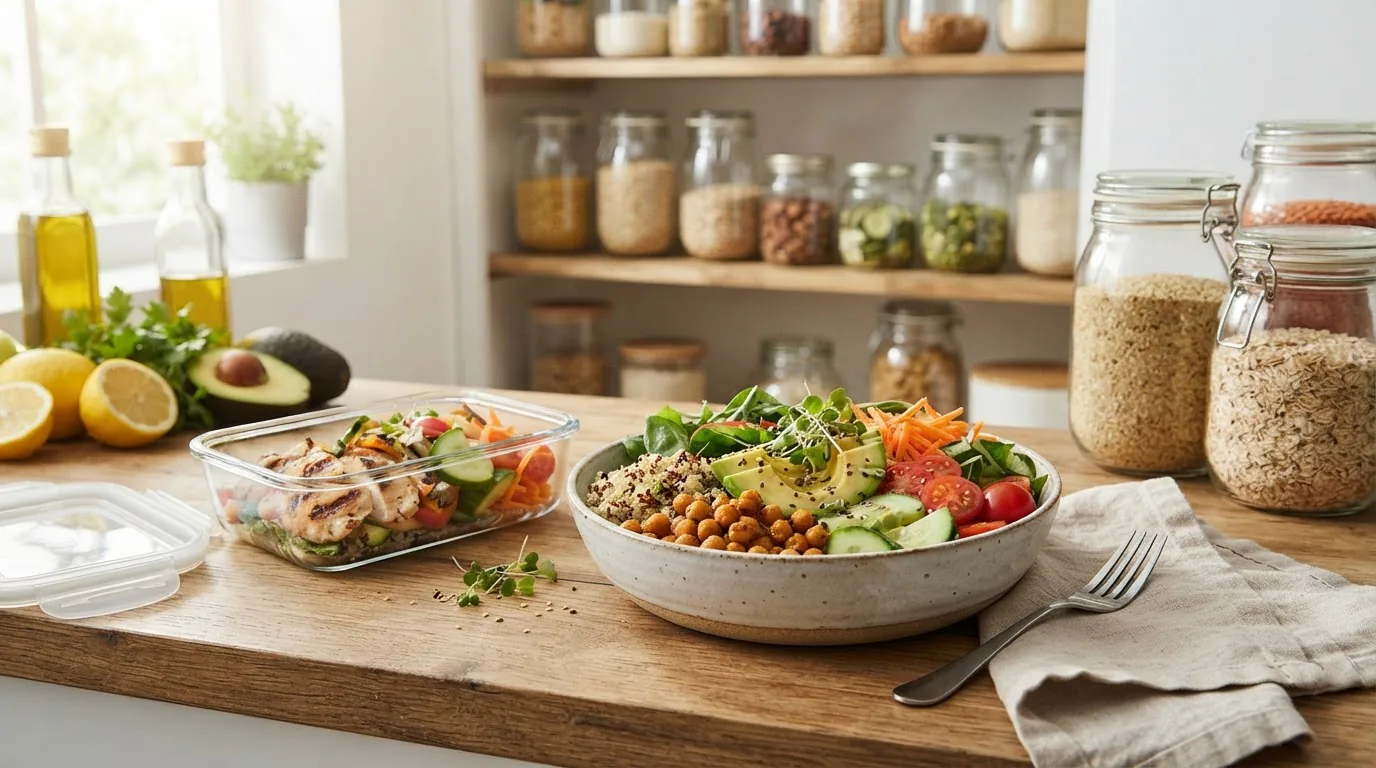

What is included in a varied diet? A varied diet is a colorful, nutrient-rich mix of foods across the major food groups chosen over days and weeks to meet macro- and micronutrient needs. This guide explains exactly which foods and nutrients to include, why variety matters biologically, and how to put variety into practice in the U.S.
Introduction to What Is Included in a Varied Diet
A varied diet means deliberately choosing many different foods from the full spectrum of food groups—fruits, vegetables, grains, protein sources, dairy or fortified alternatives and healthy fats—over time so you’re not relying on a small set of items. Variety in diet supports nutritional diversity, reduces the risk of nutrient shortfalls, and supplies a wider range of phytochemicals and fiber that work together to support health.
At its core, a varied diet balances three interrelated ideas: nutrient adequacy (getting recommended amounts of essential nutrients), sensory variety (flavors and textures that sustain appetite without overeating), and cultural relevance (foods you enjoy and can access). Think of it like a painter’s palette: using many colors lets you create richer, more resilient results than repeating the same shade.
Understanding basic diet definitions helps anchor the concept: “diet” can mean what you typically eat, while “variety” describes the breadth within that pattern. A varied diet is not the same as a restrictive or prescriptive diet plan; it’s a strategy to build nutrient resilience and long-term eating satisfaction.
Transitioning into the next section, we’ll break down the core components you should include in a varied diet and give concrete food examples for each group so you can visualize and adopt this approach in everyday meals.
Core Components of a Varied Diet
A varied diet intentionally includes multiple types of foods across the main nutrient categories. Below are the core components, with key foods to rotate through regularly. For visual helpers, see balanced diet visual charts that make serving-size and food-group relationships clear.
Include the following core nutrient categories in rotation:
- Macronutrients: carbohydrates, proteins, fats—these supply energy, structure, and metabolic function.
- Micronutrients: vitamins and minerals required in smaller amounts but essential for biochemical processes.
- Dietary fiber: soluble and insoluble fibers that support gut health, blood sugar control and satiety.
- Phytochemicals and antioxidants: plant compounds (flavonoids, carotenoids, polyphenols) that reduce oxidative stress and inflammation.
- Hydration: water, mineral-rich beverages, and hydrating foods.
Below are listed food-group examples and ideas to rotate through weekly. Aim to include multiple subtypes within each group (e.g., two different vegetables daily, alternating beans/legumes and lean meats across meals).
macronutrient balance with variety considerations: Rotating carbohydrate types (starchy vegetables, whole grains, legumes), protein sources (plant + animal), and fat profiles (monounsaturated, polyunsaturated, omega-3s) helps meet both energy and nutrient needs without monotony.
macronutrient balance with variety
Fruits and Vegetables
Fruits and vegetables are central to variety because they supply vitamins, antioxidants and phytonutrients with relatively low calories. Rotate color, texture and preparation to maximize exposure to different micronutrients—leafy greens for vitamin K, orange produce for beta-carotene, berries for polyphenols, cruciferous vegetables for glucosinolates.
Examples to cycle through:
- Berries (blueberries, strawberries): vitamin C, anthocyanins.
- Dark leafy greens (spinach, kale): vitamin K, folate, iron (non-heme).
- Crucifers (broccoli, Brussels sprouts): fiber, glucosinolates.
- Orange vegetables (sweet potato, carrots): beta-carotene (vitamin A precursor).
- Citrus (oranges, grapefruits): vitamin C and flavonoids.
- Alliums (garlic, onions): sulfur compounds with antimicrobial properties.
For more on micronutrient distribution across plant foods and printable references, check the vitamin content in varied diet resource.
vitamin content in varied diet
Whole Grains and Starches
Whole grains and starchy vegetables supply complex carbohydrates, fiber, and B vitamins. Choosing different grains and starchy foods across meals improves fiber types and micronutrient profiles—important for blood sugar regulation and sustained energy.
Subcategories and examples:
- Whole grains: brown rice, quinoa, oats, barley, bulgur, whole-wheat pasta.
- Ancient grains and pseudocereals: amaranth, millet, buckwheat, teff.
- Starchy vegetables and tubers: sweet potatoes, regular potatoes, winter squash, corn.
- Legumes as starch+protein: lentils, chickpeas, black beans (also increase fiber and micronutrients).
For people following controlled-carb approaches, incorporating variety can align with consistent carbohydrate intake plans by swapping grain types and measuring portions while preserving nutrient diversity.
consistent carbohydrate intake plans
Protein Sources
Protein sources include both animal and plant-based options. Varying proteins improves amino acid profiles, lowers exposure to contaminants from a single source, and adds different micronutrients (e.g., iron from red meat vs. folate from legumes).
Categorized examples:
- Animal proteins: lean poultry, fish (fatty fish like salmon for omega-3s), lean beef, pork, eggs.
- Seafood varieties: shellfish (shrimp, mussels), oily fish (mackerel, sardines), and white fish for lower fat.
- Plant proteins: legumes (lentils, chickpeas, black beans), tofu and tempeh, edamame.
- Nuts and seeds: almonds, walnuts (omega-3 ALA), chia, flax, pumpkin seeds—good for fats and minerals.
- Dairy proteins: yogurt, cheese (also source of calcium and protein).
Dairy and Dairy Alternatives
Dairy and dairy alternatives provide calcium, vitamin D (often fortified), iodine and protein. Rotate between regular and fortified alternatives to maintain nutrient coverage, especially for those with lactose intolerance.
Examples:
- Milk, yogurt, cheese (choose low-fat or full-fat depending on individual needs).
- Fortified plant milks (soy, almond, oat) for calcium and vitamin D when fortified.
- Fermented dairy (kefir, plain yogurt) contributes probiotics and protein.
Transition: Understanding these food groups sets the stage for why variety drives measurable health benefits, which we’ll detail next with research-backed evidence and practical implications.
Importance of Variety in Diet — Nutritional and Health Benefits
Including a wide range of foods is more than culinary interest—it has clear nutritional and physiological benefits. A varied diet increases the probability of meeting Recommended Dietary Allowances (RDAs) for vitamins and minerals, supplies diverse fibers and prebiotics for gut health, and offers a broad spectrum of phytochemicals that act synergistically to reduce chronic disease risk.
According to a 2025 USDA Dietary Guidelines summary, rotating food choices across food groups improves nutrient adequacy and supports healthy eating patterns for most Americans (USDA Dietary Guidelines).
Key evidence-backed benefits:
- Nutrient adequacy: Variety increases the chance of meeting RDAs across vitamins and minerals, lowering deficiency risk. According to a 2023 nutrition research review, dietary diversity scores correlate with higher micronutrient intake (source type: peer-reviewed study).
- Immune support: A mix of vitamins A, C, D, zinc and phytonutrients from different foods supports immune cell function (source type: NIH review).
- Gut microbiome diversity: Consuming different fibers and plant compounds promotes a diverse microbiota linked to better metabolic and immune outcomes (source type: scientific review).
- Chronic disease prevention: Diets with higher diversity of whole plant foods are associated with lower risk of type 2 diabetes, cardiovascular disease and some cancers (source type: cohort study data summarized in nutrition consensus reports).
- Nutrient synergy: Some nutrients enhance the absorption or activity of others (e.g., vitamin C improves non-heme iron absorption; dietary fat enhances fat-soluble vitamin uptake).
Example: rotating salmon (omega-3s), spinach (iron and folate), and oranges (vitamin C) across meals supports cardiovascular health and iron status through complementary nutrient actions.
Practical research highlights:
- A 2022 clinical trial showed that increasing fruit and vegetable variety over 12 weeks improved markers of oxidative stress and inflammatory biomarkers in middle-aged adults (source type: randomized controlled trial).
- A 2021 cohort analysis found that higher food-group diversity was associated with lower all-cause mortality over a decade (source type: longitudinal cohort study).
Variety also guards against sensory-specific satiety—when you eat the same food repeatedly, enjoyment and adherence decline; rotating flavors and textures helps maintain appetite for nutrient-dense foods without overconsumption of any single item.
For energy maintenance and metabolic balance, see how energy food and balanced nutrition interact with variety to sustain performance and daily functioning.
energy food and balanced nutrition
Transition: Next, you’ll get a practical, step-by-step plan to introduce variety into daily and weekly meals, with concrete tools and rotation strategies you can use immediately.
How to Achieve Variety in Your Daily and Weekly Meals
- Map your weekly plate mix. Build a simple template: 2+ vegetable types at lunch and dinner, one fruit at breakfast and a different fruit as a snack, one whole grain per meal, and rotating protein sources across dinners. Use a meal planning worksheet to visualize rotation.
meal planning worksheet - Set a “two new items” rule. Each week, add two new foods or preparation methods to your shopping list—different fish, a new whole grain, an unfamiliar vegetable—to expand your palate and nutrient intake.
- Practice food rotation across colors and families. Aim to include at least three different vegetable colors per day (e.g., green, orange, purple) and rotate legumes, nuts, seeds and animal proteins across the week.
- Use a grain-and-legume swap strategy. Swap brown rice for quinoa, lentils for chickpeas, or barley for bulgur to vary fiber types and micronutrients while keeping meal structure familiar.
- Apply portion variety concept. Vary portion sizes moderately to change nutrient density: larger vegetable portions, moderate grains, lean protein sized to hunger and activity.
- Snack strategically. Make snacks mini-rotations: Greek yogurt with berries one day, carrot sticks and hummus the next, a small handful of mixed nuts later—each supplies different nutrient ratios.
- Cook once, eat twice—with a twist. Prepare a large batch of a base (grains or roasted vegetables) and remix it for later meals: add different proteins, herbs and sauces for variety without extra cooking time.
- Season and texture plan. Rotate herbs, spices, and textures—crunchy seeds, creamy avocado, tangy citrus—to sustain interest and improve adherence to healthy choices.
- Shop seasonally and culturally. Buy seasonal produce and try recipes from different cuisines to access diverse plant species and preparation techniques—this also supports local food systems and flavor variety.
- Build a weekly template for protein diversity. Example week:
- Monday: plant-forward (lentil soup, mixed salad)
- Tuesday: poultry (grilled chicken, roasted vegetables)
- Wednesday: seafood (baked salmon, quinoa, greens)
- Thursday: vegetarian (tofu stir-fry, brown rice)
- Friday: mixed (beans + small lean steak or fish)
- Weekend: experiment with cultural recipes or new grains
This kind of rotation fulfills amino acid variety and micronutrient spread while staying flexible.
- Monitor and adapt for special needs. If you have allergies, intolerances or medical conditions, substitute safely (e.g., fortified plant milks for dairy). Consult a registered dietitian or clinician for tailored adjustments.
- Combine convenience with variety. Use frozen produce, canned beans (low sodium), and pre-washed greens to simplify adding diverse items with minimal prep time.
- Track progress qualitatively. Keep a simple weekly log noting new foods tried and mood/energy changes—this supports habit reinforcement and highlights beneficial changes.
- Integrate occasional indulgence mindfully. Allowing culturally meaningful or favorite foods in moderation prevents deprivation and supports long-term dietary variety without guilt.
- Use portion and plate strategies. Pair larger veggie portions with modest grains and protein to increase food-group variety on each plate, which improves satiety and nutrient density.
- When accurate portioning matters: For readers using calorie-targeted plans, consider how variety fits with calorie-specific meal planning—rotate low-calorie, nutrient-dense choices to maximize vitamins while maintaining targets.
calorie-specific meal planning
Transition: These steps are practical, but they should align with national guidance and recommended intake levels—see the next section for official dietary requirements and how they support variety.
Dietary Requirements and Guidelines Supporting a Varied Diet
Official frameworks encourage variety as the foundation of healthy eating patterns. The Dietary Guidelines for Americans and meal requirements recommend consuming a variety of vegetables, fruits, grains (with at least half being whole grains), dairy or fortified alternatives, protein foods, and oils while limiting added sugars, saturated fats and sodium. According to the 2025 USDA Dietary Guidelines summary, emphasizing variety across and within food groups is key to meeting nutrient needs across life stages (USDA Dietary Guidelines).
Dietary Guidelines for Americans and meal requirements
The U.S. Institute of Medicine’s RDAs and Dietary Reference Intakes (DRIs) provide specific micronutrient targets that variety helps achieve. For example, RDAs for vitamin C, vitamin D, calcium, iron and fiber depend on age, sex and life stage. According to a 2024 NIH Office of Dietary Supplements overview, varied food sources are the most reliable way to meet these RDAs for the general population (NIH Office of Dietary Supplements).
Practical guideline applications:
- Adults: aim for a mix of vegetables and fruits to meet recommended cup-equivalents per day; target at least three ounce-equivalents of whole grains daily (guideline ranges vary by energy needs).
- Children and adolescents: encourage exposure to varied tastes early to support long-term acceptance and nutrient sufficiency.
- Older adults: emphasize protein variety, calcium and vitamin D sources and fiber to support muscle mass, bone health and gastrointestinal regularity.
For evidence-based professional guidance on medical nutrition therapy and position statements, consult resources from the Academy of Nutrition and Dietetics which emphasize individualized planning while supporting broad food-group variety.
Limitations and individualized considerations: Official guidelines provide population-level recommendations; individual needs differ based on health status, medications, allergies and dietary preferences. Seek personalized counseling from a registered dietitian or your healthcare provider to align variety with clinical requirements.
Transition: Despite clear benefits and guidance, many people face barriers and misconceptions about dietary variety—next we address common challenges and how to overcome them.
Common Challenges and Misconceptions About Variety in Diet
Q: Won’t variety cause overconsumption or higher calorie intake?
Variety can increase intake of energy-dense foods if not guided by portion control, but a well-designed varied diet emphasizes low-energy, nutrient-dense options (vegetables, whole grains, lean proteins), which can improve satiety and reduce overeating when portions are mindful.
Q: I have food allergies—can I still get variety?
Yes. Variety can be achieved within safe choices by rotating tolerated foods across food groups, using fortified alternatives, and focusing on diverse plant-based foods and single-ingredient preparations. Work with an allergist or dietitian for safe expansion strategies.
Q: Isn’t eating the same “healthy” foods enough?
Relying on a small set of “healthy” foods risks micronutrient gaps and reduces exposure to beneficial phytochemicals. Nutrient synergy and different fiber types from varied foods provide broader health protection than repetition alone.
Q: Is variety only about food types, not preparation?
Preparation matters—cooking methods change nutrient bioavailability (e.g., fat increases carotenoid absorption) and flavor profiles. Rotating both foods and preparation methods enhances nutrient uptake and long-term adherence.
Q: Does variety mean following many diets at once?
No. Variety refers to mixed food choices within your overall pattern. It’s compatible with different eating frameworks (Mediterranean, plant-forward, moderate-carb) by applying diversity principles within each approach.
Transition: Cultural context and seasonality offer powerful, enjoyable ways to increase variety—let’s explore how to use them effectively.
Incorporating Cultural and Seasonal Food Variety for Optimal Nutrition
Cultural foods provide nutrient-dense recipes and unique plant species that contribute to dietary diversity. Embracing ethnic cuisines expands the variety of grains, vegetables, legumes, herbs and spices you consume. Seasonal eating—choosing produce at peak harvest—enhances flavor and often nutrient density while supporting local agriculture and cost savings.
Examples and tips:
- Try rotating weeknight meals across cuisines: Mexican (black beans, corn, peppers), Mediterranean (olive oil, legumes, tomatoes), East Asian (tofu, bok choy, seaweed), West African (yams, lentils, peanut-based sauces).
- Shop a seasonal produce list: spring greens and berries, summer stone fruits and tomatoes, fall squashes and apples, winter citrus and crucifers.
- Use cultural preservation methods (fermentation, pickling) to increase shelf life and probiotic exposure—e.g., kimchi, sauerkraut, kefir.
- Address accessibility: frozen and canned options (low-sodium, no-sugar-added) maintain variety year-round at lower cost.
Case example: A family adds one culturally inspired meal per week—such as a lentil-based Indian dal or a West African peanut stew—each introduces new legumes, spices and micronutrients without disrupting family preferences.
Transition: Before we close, here are the final takeaways and practical action steps to begin increasing variety in your meals today.
Conclusion and Key Takeaways on What Is Included in a Varied Diet
A varied diet intentionally rotates foods across the major food groups—fruits, vegetables, whole grains, varied protein sources, dairy or fortified alternatives and healthy fats—while prioritizing whole over processed foods. Variety improves nutrient adequacy, supports immune and gut health, reduces chronic disease risk and sustains long-term eating satisfaction.
Actionable tips:
- Start small: add two new foods or methods each week.
- Use a weekly plate template emphasizing multiple vegetable colors and rotating proteins.
- Leverage seasonal produce and cultural recipes for diversity and enjoyment.
- Consult a registered dietitian for personalized adjustments, especially for allergies or medical needs.
Discover more about wider nutritional standards at Dietary Guidelines for Americans and meal requirements and apply these variety principles to create sustainable, nutrient-rich eating patterns that fit your life.
Dietary Guidelines for Americans and meal requirements
Ready to broaden your plate? Start by listing three new foods to try this week and pick a simple recipe that combines them with familiar staples—small changes build lasting dietary diversity.
Frequently Asked Questions
What is included in a varied diet?
A varied diet includes multiple foods across fruits, vegetables, whole grains, proteins (animal and plant), dairy or fortified alternatives, healthy fats and water, rotated across days and weeks to meet macronutrient and micronutrient needs and provide diverse phytochemicals and fiber.
How does variety in diet improve overall health?
Dietary variety increases micronutrient adequacy, supports a diverse gut microbiome, supplies complementary phytochemicals and improves immune, metabolic and cardiovascular health according to cohort and clinical research summaries.
How can I easily add more variety to my meals each day?
Add two new foods weekly, rotate vegetable colors, switch grains and proteins across meals, use frozen/canned options, and employ a simple meal planning worksheet to track and schedule variety without extra cooking time.
What are common mistakes when trying to eat a varied diet?
Common mistakes include overemphasizing processed “variety,” neglecting portion control, introducing allergenic foods without guidance, and failing to rotate preparation methods that enhance nutrient absorption.
How long does it take to see health benefits from increasing diet variety?
Some improvements in energy and digestion can appear within weeks; measurable changes in biomarkers (inflammation, oxidative stress) are often reported within 8–12 weeks in clinical studies, though long-term disease risk reductions take years of consistent patterning.
Can a varied diet help with managing food allergies or sensitivities?
Yes—by rotating safe, tolerated foods across groups and using fortified alternatives, individuals can maintain nutrient adequacy; coordinate with an allergist or dietitian to expand variety safely and avoid cross-reactivity.
How do I ensure quality and safety when increasing food variety?
Choose whole over highly processed foods, prioritize proper food handling and storage, pick low-sodium/canned options when needed, and follow local advisories for seafood and produce safety to maintain nutritional benefits and reduce risks.
What is the difference between a balanced diet and a varied diet?
A balanced diet meets recommended macronutrient ratios and energy needs; a varied diet emphasizes rotating food types across and within groups to ensure broad micronutrient and phytochemical exposure—both concepts work together for optimal nutrition.