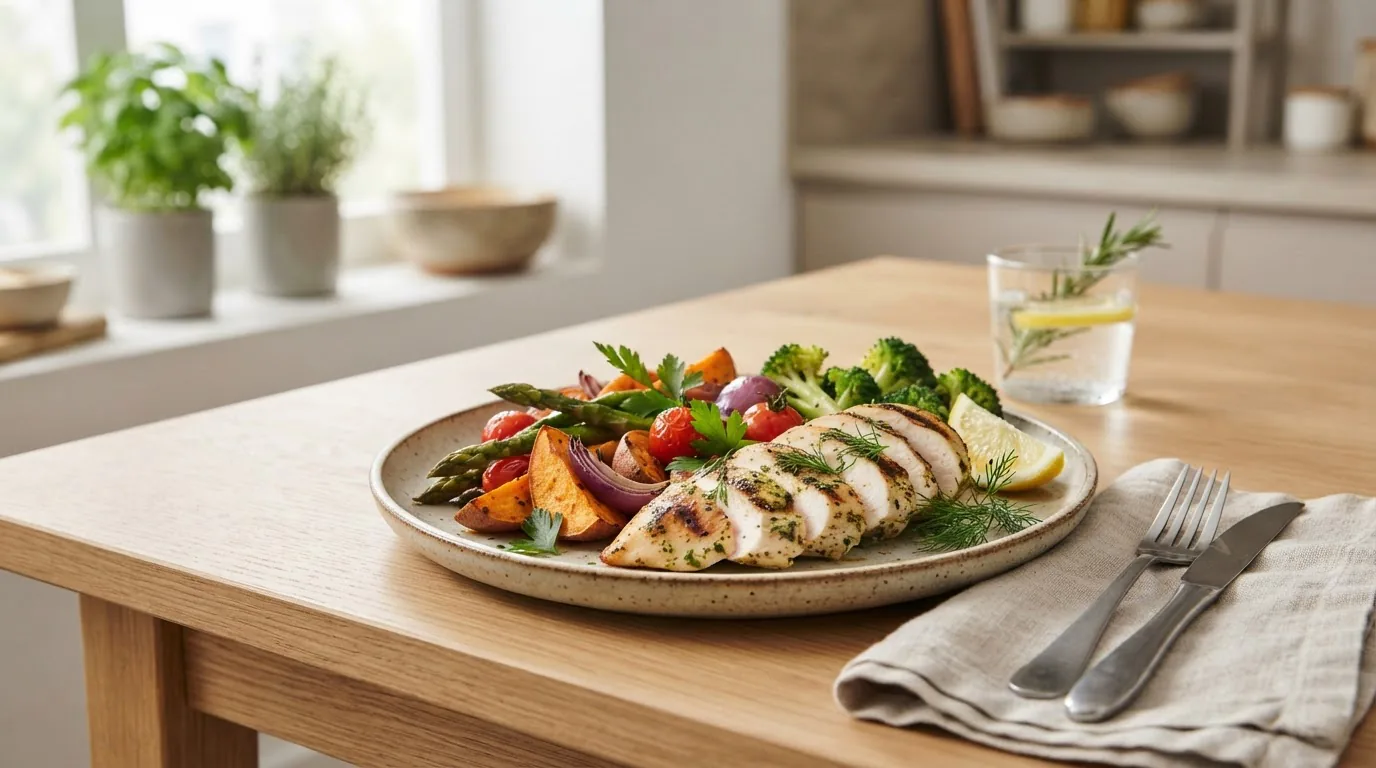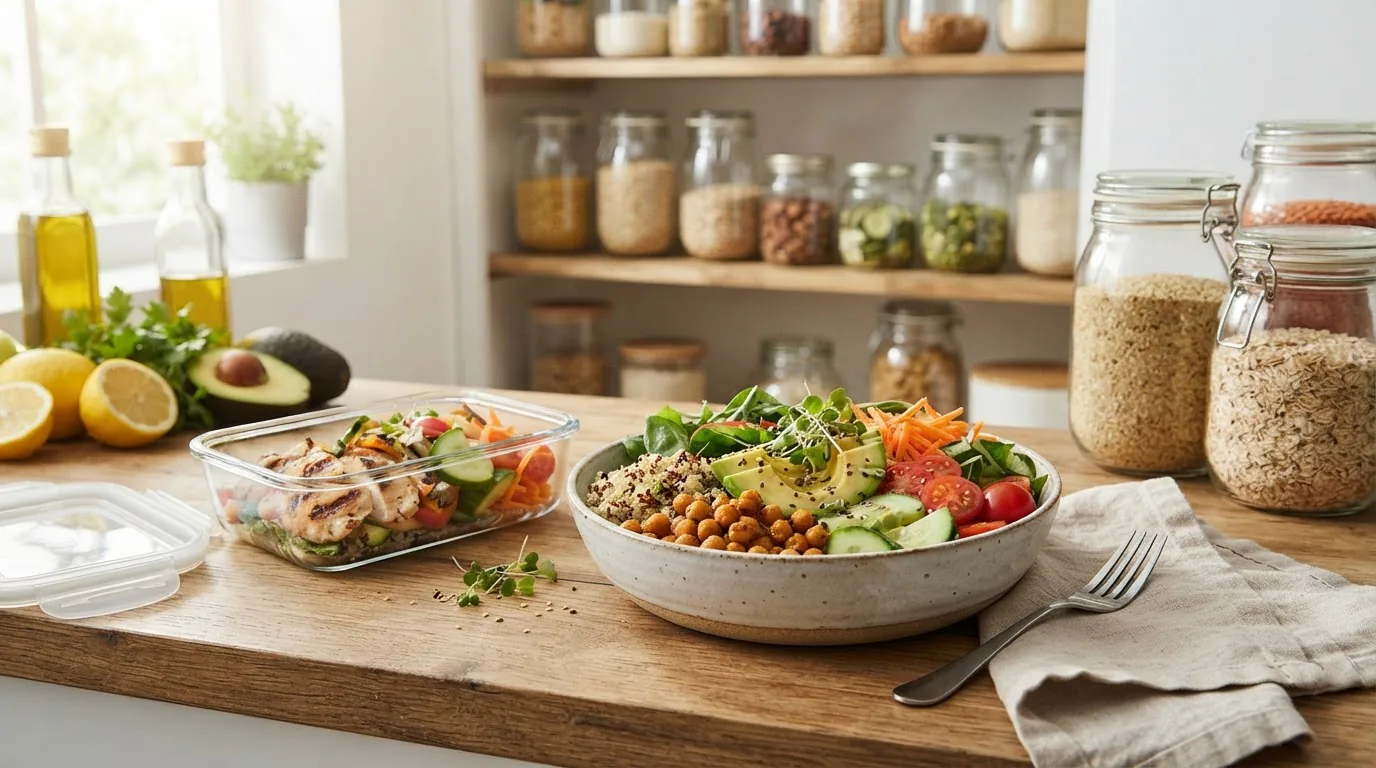
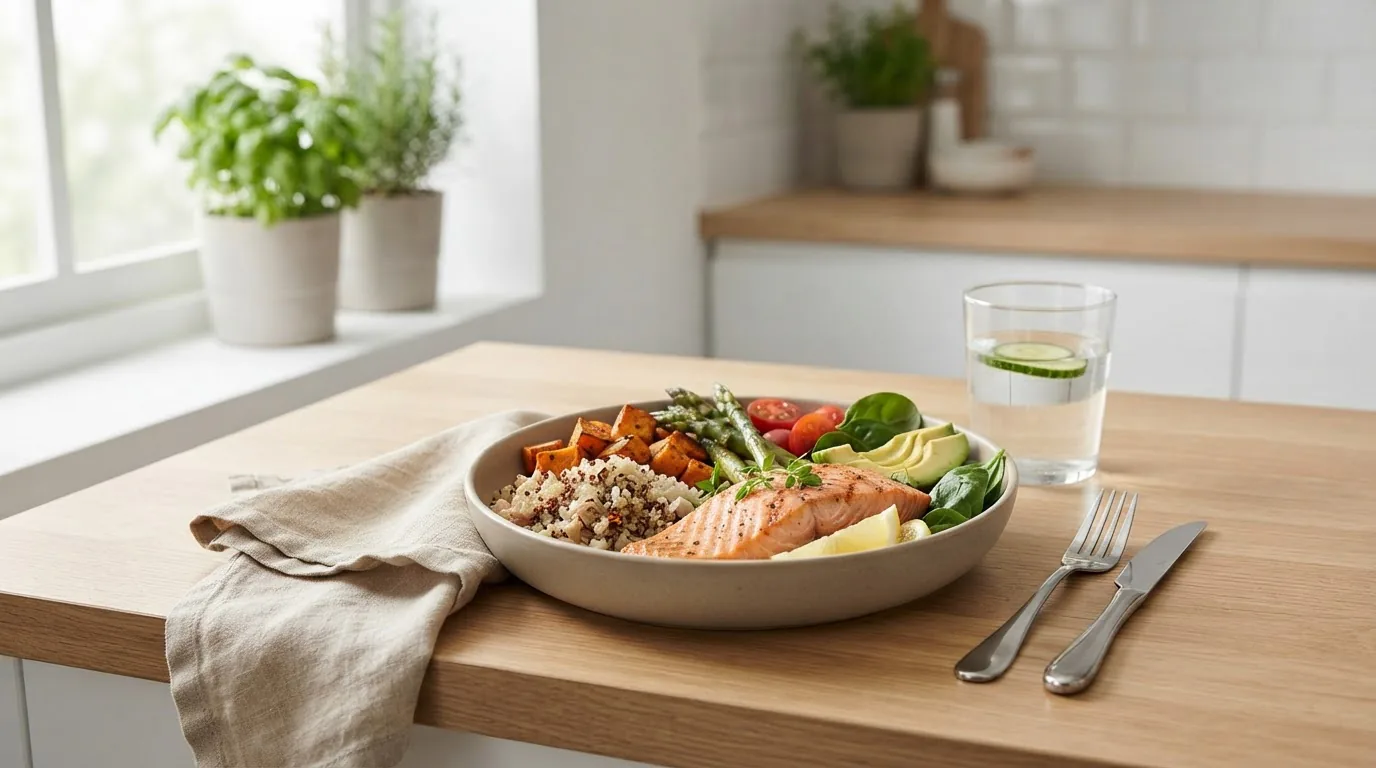
1400 calorie meal plan strategies give you a clear, balanced roadmap to reach weight-management goals while prioritizing nutrition and satiety. This guide explains calorie counting, nutrient targets, meal timing, and practical menus you can follow and adapt for daily life.
Introduction to a 1400 Calorie Meal Plan
A 1400 calorie meal plan is a structured daily intake target designed to create a calorie-controlled eating pattern that supports gradual weight loss or weight maintenance for many adults. Calories are units of energy; a plan at 1,400 kcal/day creates an energy budget that can result in weight loss when it produces a modest calorie deficit compared with an individual’s total daily energy expenditure.
This guide focuses on balanced nutrition principles — ensuring adequate protein, fiber, vitamins, and minerals within 1,400 calories — so you don’t sacrifice nutrient density for calorie restriction. Throughout you’ll find practical portion-control tips, meal timing strategies to manage hunger, and varied menu ideas representative of typical U.S. food patterns.
Before changing your diet, consult a healthcare provider, especially if you have medical conditions, are pregnant, breastfeeding, or have a history of disordered eating. A tailored plan often yields better long-term adherence than a one-size-fits-all approach.
Transition: Next we’ll detail the exact nutrition requirements that make a 1400 calorie diet balanced and sustainable.
Nutritional Requirements for a Balanced 1400 Calorie Diet
Designing a balanced 1400 calorie diet means meeting macronutrient goals (carbohydrates, proteins, fats), ensuring micronutrient adequacy (vitamins and minerals), and prioritizing nutrient-dense foods. Reference frameworks include the Dietary Reference Intakes (DRIs) and the Acceptable Macronutrient Distribution Ranges (AMDR), which guide safe and effective splits for most adults.
Key nutrition targets for a 1,400 kcal day should prioritize:
- High-quality protein to support muscle mass and satiety
- Fiber-rich carbohydrates for fullness and gut health
- Healthy fats for absorption of fat-soluble vitamins and hormone balance
- Varied fruits and vegetables to meet micronutrient needs
RDA and nutrient examples for a general adult (illustrative):
- Protein: Aim for ~0.8–1.2 g/kg body weight (e.g., ~60–90 g/day for many adults) — adjusts with activity.
- Fiber: Target 25–30 g/day from whole foods to support digestion and satiety.
- Calcium: 1,000–1,200 mg/day depending on age/sex (DRI-based estimates).
- Iron: 8 mg/day for adult men, 18 mg/day for premenopausal women (DRI ranges).
- Vitamin D: 600–800 IU/day typical DRI range; supplementation may be needed if low sun exposure.
When listing numeric recommendations above, follow established authorities: healthy food vitamin chart and vitamin requirements. For foundational principles on nutrient requirements, see the pillar: Balanced Nutrition Guide and Meal Requirements for Health.
Use nutrient density as your north star: prioritize foods that deliver vitamins, minerals, fiber, and protein per calorie (e.g., beans, lean poultry, seafood, low-fat dairy or fortified alternatives, whole grains, and a wide rainbow of vegetables and fruits).
Practical nutrient checks for a 1,400 kcal plan:
- Include a lean protein source at each main meal (20–30 g/meal target) to preserve lean mass and curb appetite.
- Distribute carbohydrates across meals, favoring whole grains, legumes, fruit, and starchy vegetables for fiber and steady energy.
- Limit added sugars and ultra-processed foods to keep calories available for nutrient-rich choices.
- Include a small source of healthy fat (e.g., olive oil, avocado, nuts) to aid vitamin absorption and satiety.
Caloric density planning: choose foods low in caloric density (non-starchy vegetables, broth-based soups) to increase volume without excess calories. Foods higher in caloric density (deep-fried foods, high-fat sweets) are fine in small amounts but will consume a large share of a 1,400 kcal budget.
External authoritative resources for guidelines and recommendations: USDA nutrition guidelines, Academy of Nutrition and Dietetics resources, and CDC dietary & weight management information.
Transition: With those nutrient goals in mind, below is a clear macronutrient framework you can use inside 1,400 calories.
Macronutrient Breakdown and Recommended Ratios
- Carbohydrates — 40–50% of calories
Explanation: For a 1,400 kcal plan, carbs at 40–50% yield ~140–175 g/day. Prioritize complex carbs (whole grains, legumes, starchy vegetables) and fiber-rich fruit and vegetables to support energy, digestion, and blood sugar stability. Carbohydrates provide quick energy and should be timed around activity for best performance.
For consistent carbohydrate strategies see consistent carbohydrate diet guide.
- Protein — 20–30% of calories
Explanation: This translates to ~70–105 g/day for 1,400 calories. Protein supports muscle maintenance, thermogenesis (calorie burning during digestion), and satiety. Aim for complete proteins (eggs, dairy, lean meats, fish) and combine plant proteins (beans + grains) for variety. Higher protein at the upper end is useful if you’re active or resistance training.
Need tools? Use the macronutrient requirements and macro meal planner to map portions.
- Fats — 25–35% of calories
Explanation: At 25–35%, fats provide ~39–54 g/day. Emphasize monounsaturated and polyunsaturated fats (olive oil, nuts, seeds, fatty fish). Limit trans fats and excessive saturated fat. Fats are calorie-dense (9 kcal/g) so portion control matters; include small servings for flavor and nutrient absorption.
Trade-offs and tailoring: shifting the macro split affects fullness and energy. Higher protein increases satiety and thermic effect; a slightly lower carb plan can reduce insulin variability for some people. Any adjustments should preserve fiber and micronutrient targets. Transition: next we’ll cover how to schedule these calories across the day to support energy and hunger control.
Meal Timing and Frequency for Optimal Energy and Satiety
Meal timing refers to when you eat; frequency refers to how often. For a 1,400 kcal plan, the goal is even calorie distribution and regular protein-containing meals to stabilize blood sugar and control appetite. Meal timing should align with your lifestyle, sleep schedule, and activity level.
- Distribute calories across 3 main meals and 1–2 snacks to avoid large energy dips; typical split: breakfast 300–350 kcal, lunch 400–450 kcal, dinner 450–500 kcal, snacks 75–150 kcal each.
- Include protein at each meal to maximize satiety and muscle support (20–30 g per main meal).
- Time a carbohydrate-containing meal or snack around workouts to fuel performance and recovery.
- Practice mindful eating: pause 20 minutes during meals to assess fullness and prevent overeating.
Bulleted tips for meal timing and frequency:
- Eat breakfast within 1–2 hours of waking if it helps reduce mid-morning hunger; otherwise, a flexible approach is fine.
- Keep snacks portable and protein-rich (Greek yogurt, a small handful of nuts with fruit) to bridge long gaps between meals.
- For evening hunger, choose a light, protein-forward snack (cottage cheese with berries) rather than large, calorie-dense desserts.
- Hydrate before meals — thirst can be mistaken for hunger; plain water or sparkling water is calorie-free volume.
- Aim for consistent meal times to train appetite cues and reduce impulsive eating.
Transition: Now you’ll see a detailed, practical sample menu built to these principles, with estimated calories and macros for each meal and snack.
Sample 1400 Calorie Menu Plan
This sample daily menu follows the balanced macronutrient ranges described above, offering variety, cultural relevance, and practical swaps. Portions are approximate; use a kitchen scale or measuring tools while you’re learning portions. For printable visuals and chart support, see balanced diet images and printable nutrition charts, and for weekly planning templates visit meal planner printable guide and weekly menu requirements.
| Meal | Food & Portion | Calories | Protein (g) | Carbs (g) | Fat (g) |
|---|---|---|---|---|---|
| Breakfast | Greek yogurt (6 oz) + 1/3 cup granola + 1/2 cup berries + 1 tsp honey | 350 | 20 | 40 | 10 |
| Morning Snack | Apple + 12 almonds | 150 | 4 | 20 | 8 |
| Lunch | Grilled chicken salad: 4 oz chicken, 3 cups mixed greens, 1/2 cup chickpeas, 1 tbsp olive oil, vinegar, 1/2 cup quinoa | 420 | 36 | 40 | 14 |
| Afternoon Snack | Baby carrots (1 cup) + 2 tbsp hummus | 120 | 3 | 12 | 7 |
| Dinner | Baked salmon 4 oz + 1 cup roasted broccoli + 3/4 cup sweet potato | 360 | 28 | 35 | 12 |
| Daily Total | 1,400 kcal | 91 g | 147 g | 51 g |
Notes and substitutions:
- Swap dairy yogurt for fortified soy yogurt to keep protein and add vitamin D and calcium if dairy-free.
- Replace salmon with 4 oz firm tofu + 1 tsp sesame oil for a plant-based dinner with similar calories and macros.
- If you prefer ethnic flavors, the same macro targets can be met using lean turkey tacos on corn tortillas, a side salad, and salsa (adjust portions).
- For lower-carb days, reduce granola and quinoa portions and increase non-starchy vegetables; for higher-carb needs, add 1/4–1/2 cup cooked rice or an extra piece of fruit.
Portion-control tips aligned with the plan:
- Visualize protein: palm-sized portions (~3–4 oz) at meals.
- Carbs: 1/2 to 1 cupped fist for starchy carbs per meal (quinoa, rice, potatoes).
- Fats: a thumb-sized portion of oils or a small handful of nuts (about 1 ounce).
Transition: Understanding which foods to prioritize—or limit—helps you sustain this menu pattern over weeks and months.
Foods to Include and Foods to Limit on a 1400 Calorie Diet
Balancing food choices around nutrient density makes a 1,400 kcal plan easier to follow and more healthful. Below is a side-by-side comparison of recommended foods and those to limit.
| Include (Nutrient-dense) | Limit (Higher-calorie, lower-nutrient) |
|---|---|
| Non-starchy vegetables (leafy greens, cruciferous vegetables) | Sugary drinks, soda, sweetened coffees |
| Lean proteins (chicken breast, fish, legumes, tofu) | Fried foods and fast-food combos |
| Whole grains (oats, quinoa, brown rice) | Refined grains and pastries |
| Fruits (whole, not juiced) | Fruit juices and sweetened dried fruit in large amounts |
| Healthy fats in moderation (olive oil, avocados, nuts, seeds) | High-sugar desserts and candy |
| Low-fat dairy or fortified alternatives | Full-fat cheese in large portions and cream-based sauces |
| Legumes and high-fiber foods | High-sodium processed snacks |
For guidance on diet diversity principles, explore varied diet guide and requirements. For updated food-group recommendations, see new food pyramid and dietary requirements.
Caloric density note: To stay within 1,400 calories, prioritize foods with low-to-moderate caloric density and high volume (vegetables, broth-based soups, salads) to increase fullness per calorie.
Transition: Practical strategies help you consistently choose the right foods and navigate common obstacles while staying on a 1,400 calorie target.
Practical Tips for Sticking to a 1400 Calorie Diet Plan
Adherence is the strongest predictor of success. Below are actionable tips, a short anonymized success example, and a weekly meal-prep case study to show how to operationalize a 1,400 calorie plan.
- Plan and prep: Batch-cook proteins, chop vegetables, and pre-portion snacks for grab-and-go convenience. Use a printable worksheet to track portions and calories. healthy diet worksheet and printable meal requirements.
- Track simply: Use apps like MyFitnessPal or Cronometer to learn portions and monitor macros; focus on trends rather than obsessing over every gram.
- Mindful swaps: Swap refined grains for whole grains, choose fruit for dessert, and use herbs/spices to add flavor without calories.
- Volume and fiber: Start meals with a salad or broth-based soup to reduce intake at the main course.
- Routine and rituals: Create consistent meal times and a non-food reward system to reinforce progress.
- Prep for social situations: Eat a protein-rich snack before dining out, review menus ahead of time, and choose grilled or roasted options with vegetables.
- Weigh and measure at first: Use a food scale for 2–4 weeks to learn accurate portions; after that, eyeballing becomes more accurate.
- Hydration: Drink water throughout the day; a full glass before meals can reduce overeating.
Anonymized success example:
“A 38-year-old woman (anonymous) followed a 1,400 calorie plan with three balanced meals and two small snacks, tracked intake on a calorie app, and increased protein to ~25% of calories. Over 12 weeks she lost an average of 1 lb/week while improving energy and sleep.”
Case study walkthrough — one-week meal prep (anonymized):
- Sunday: Cook 3 lbs of boneless chicken, roast a sheet pan of mixed vegetables, cook 3 cups quinoa, portion into 5 meal containers (lunches + dinners). Pack 7 snack portions of nuts and fruit. Use the app to set targets and scan food labels.
- Daily routine: Breakfasts are assembled quickly (overnight oats or Greek yogurt parfait), lunches from pre-portioned containers, evening meal cooked in 10–20 minutes from prepped ingredients.
- Tracking: Use a spreadsheet or the printable worksheet to log hunger, energy, and deviations; review weekly to adjust portions or meal composition.
Tools and apps: MyFitnessPal and Cronometer are popular for calorie and nutrient tracking; set realistic macro targets (protein priority), and use the recipe builder to calculate homemade dishes.
Overcoming common challenges:
- Hunger late at night — plan a protein-rich snack earlier in the evening (e.g., 1/2 cup cottage cheese with cinnamon).
- Social eating — focus on portion control, pick lean proteins and vegetable sides, and limit high-calorie alcoholic drinks.
- Plateaus — reassess portion accuracy and physical activity; small changes in exercise or reducing liquid calories can restart progress.
Transition: If you need to tune the 1,400 calorie plan for your specific circumstances (activity level, age, health), here are common adjustment scenarios and suggestions.
Adjusting the 1400 Calorie Meal Plan for Different Needs
A 1,400 kcal plan suits many adults but may need modification based on activity, gender, age, medical conditions, or goals. Adjust gradually and prioritize nutrient adequacy when lowering calories further or increasing intake for higher activity.
- Higher activity levels: Add 100–400 kcal/day depending on intensity, prioritizing extra carbs and protein for performance and recovery.
- Older adults: Maintain protein at the upper end (1.0–1.2 g/kg) to protect muscle mass; consider more frequent small meals if appetite is low.
- Men vs. women: Men typically require higher daily calories; a 1,400 kcal target may be more appropriate for smaller men or those aiming for weight loss. Use the 1,200 kcal guide for stricter deficits only under supervision. 1200 calorie meal plan guide and nutrition requirements.
- Medical conditions: For diabetes, work with a clinician on carbohydrate distribution and medication timing; for kidney disease, protein and mineral targets may differ — consult a renal dietitian.
- Pregnancy or breastfeeding: 1,400 kcal is usually too low; additional calories and tailored nutrient support are necessary — seek individualized care.
Gradual calorie changes are safer: increase or decrease by ~100–200 kcal and monitor energy, sleep, and weight trends over 2–4 weeks. Also reassess micronutrient intake when adjusting calories to avoid deficiencies.
Transition: The following section answers common reader questions about safety, results, and variety on a 1,400 calorie plan.
Frequently Asked Questions
Below are concise answers to common questions about a 1,400 calorie meal plan to address safety, timeline for results, variety, and sustainability.
A 1400 calorie meal plan is a daily eating pattern that provides approximately 1,400 kilocalories focused on balanced macros and nutrient-dense foods. It’s generally suitable for smaller or moderately active adults aiming for gradual weight loss or weight maintenance; consult a clinician to confirm suitability for your needs. Compared to 1,200 kcal, a 1,400 kcal plan offers more flexibility and often better nutrient adequacy; compared to 1,600 kcal, it is a slightly larger deficit that may yield faster weight loss but can be harder to sustain—adjust based on activity and hunger cues. Choose a macro split like 40–50% carbs, 20–30% protein, 25–35% fat. Convert percentages to grams (carbs/protein = 4 kcal/g, fat = 9 kcal/g) and tailor protein to body weight (0.8–1.2 g/kg), adjusting for activity level. Batch-cook proteins and grains, portion meals into containers, pre-cut vegetables, and pack snacks. Use a tracking app or printable worksheet to log portions and calories, and rotate recipes to prevent boredom. Individual results vary, but many see steady weight loss of about 0.5–2 pounds per week when in a moderate deficit. Monitor trends over several weeks and adjust for plateaus or energy changes. Increase protein and fiber at meals, add a protein-rich snack, review portion accuracy, ensure hydration and sleep, and consider a small calorie increase (100–200 kcal) if low energy persists. A 1,400 kcal plan can be safe and adequate for many adults when it includes varied, nutrient-dense foods and meets protein, fiber, vitamin, and mineral needs; seek medical advice if you have health conditions or special nutrient requirements. Rotate protein sources (fish, poultry, legumes), vary whole grains and vegetables, use herbs/spices for new flavors, and plan themed nights (Mediterranean, Mexican, Asian) to keep meals interesting without adding excess calories.
Frequently Asked Questions
What is a 1400 calorie meal plan and who is it suitable for?
How does a 1400 calorie diet compare to a 1200 or 1600 calorie diet?
How do I calculate the right macronutrient balance within 1400 calories?
How can I meal prep effectively for a 1400 calorie diet plan?
How long does it typically take to see results on a 1400 calorie diet?
What should I do if I feel hungry or low energy on a 1400 calorie meal plan?
Is a 1400 calorie diet safe and nutritionally adequate?
How can I ensure variety while staying within 1400 calories daily?