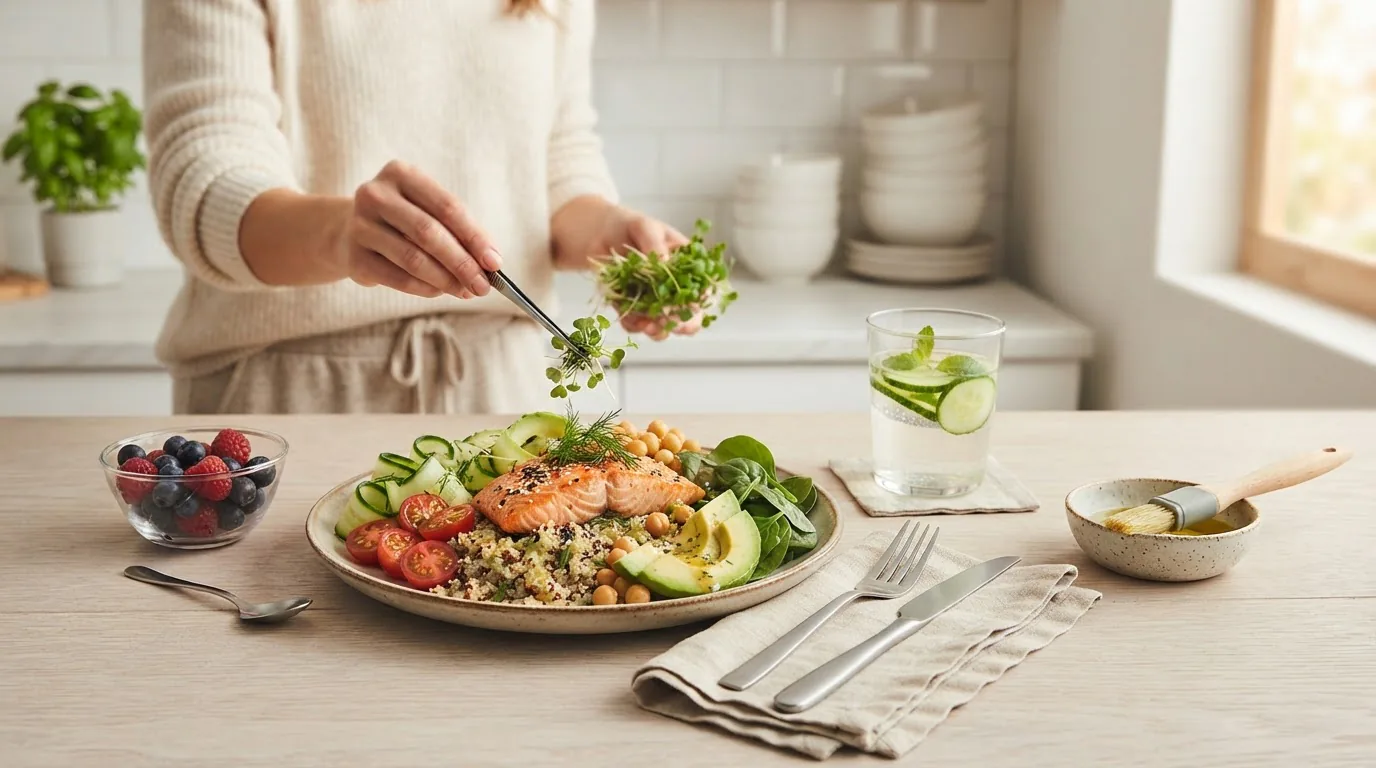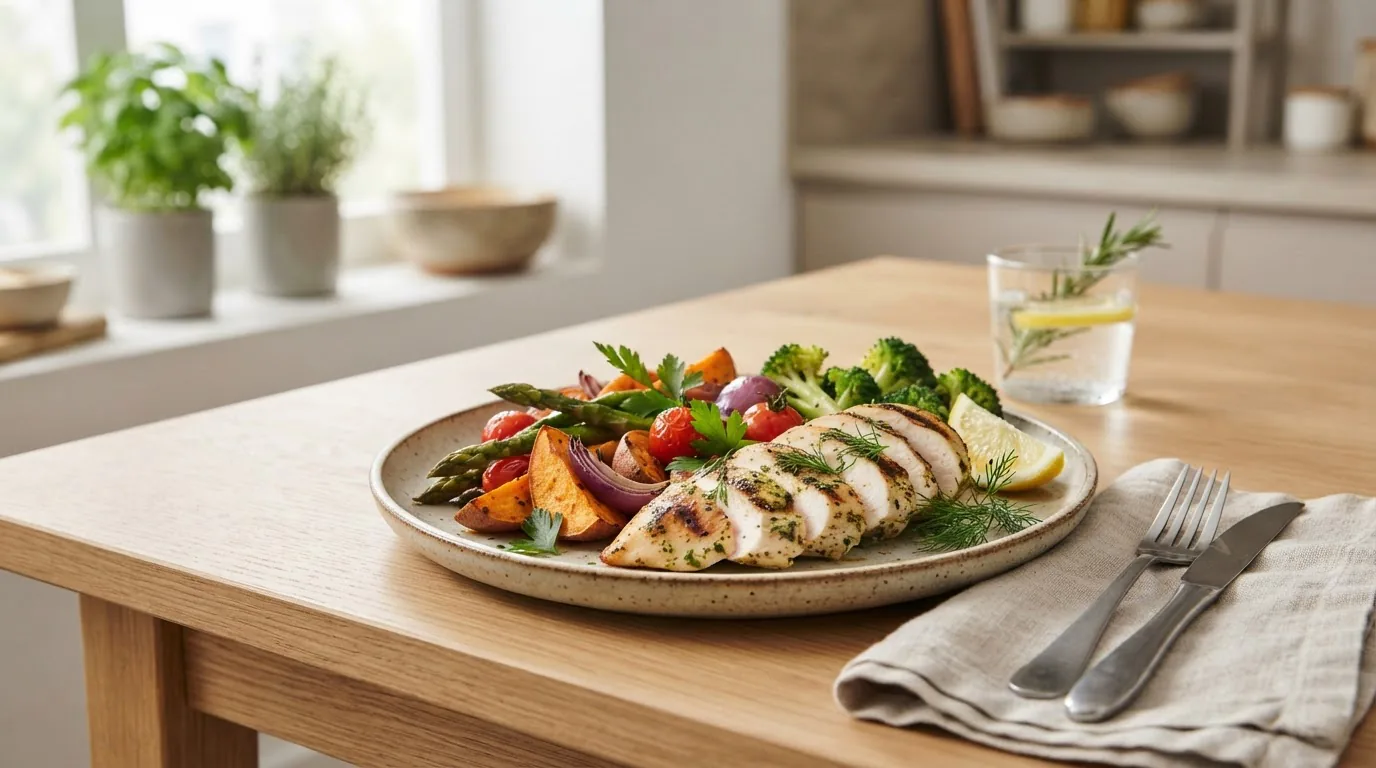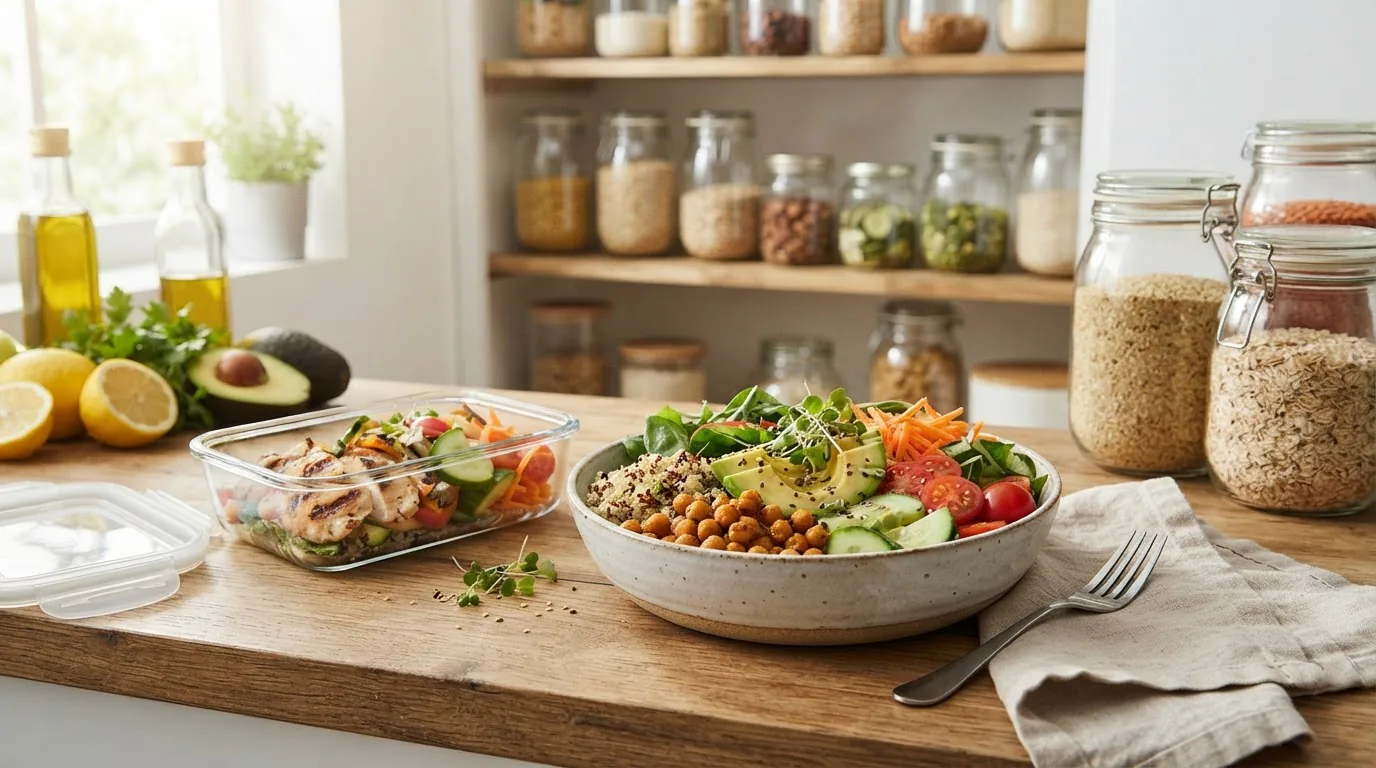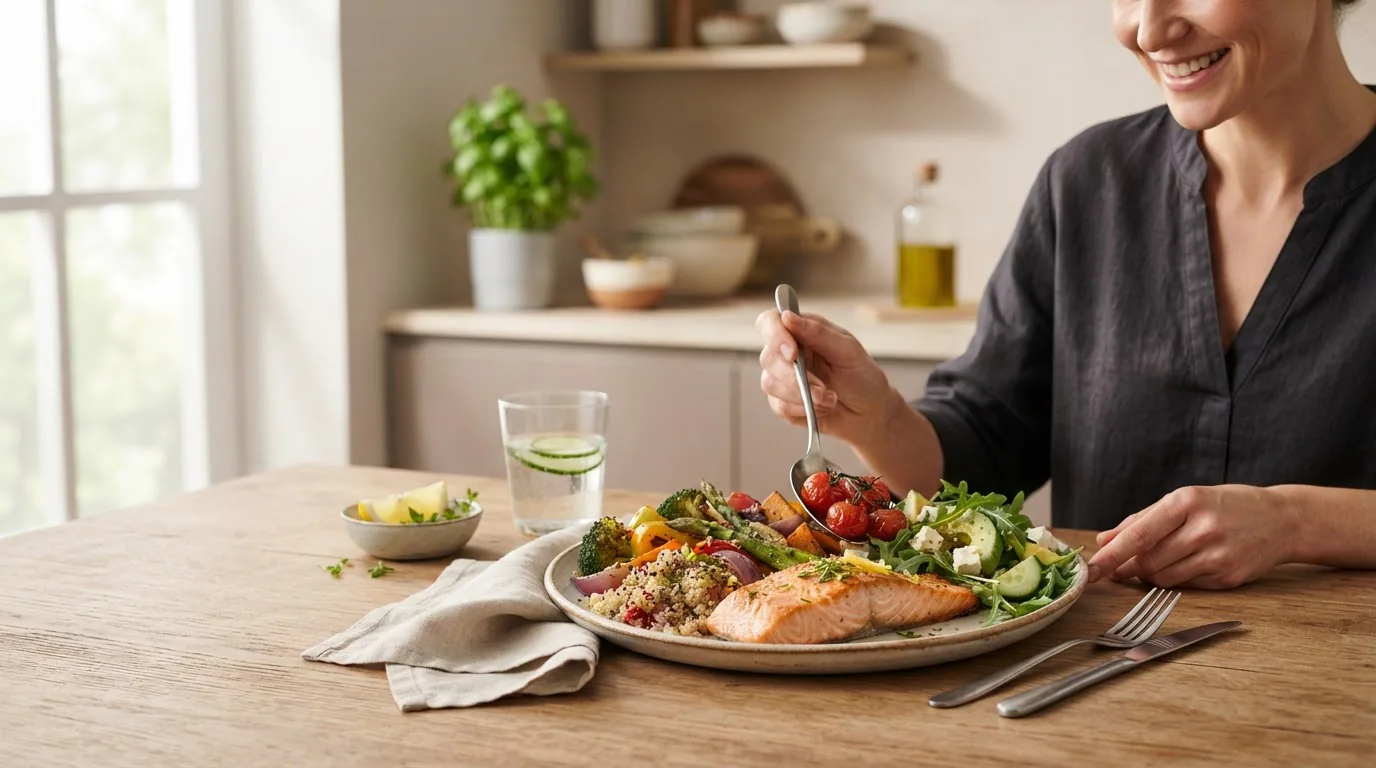
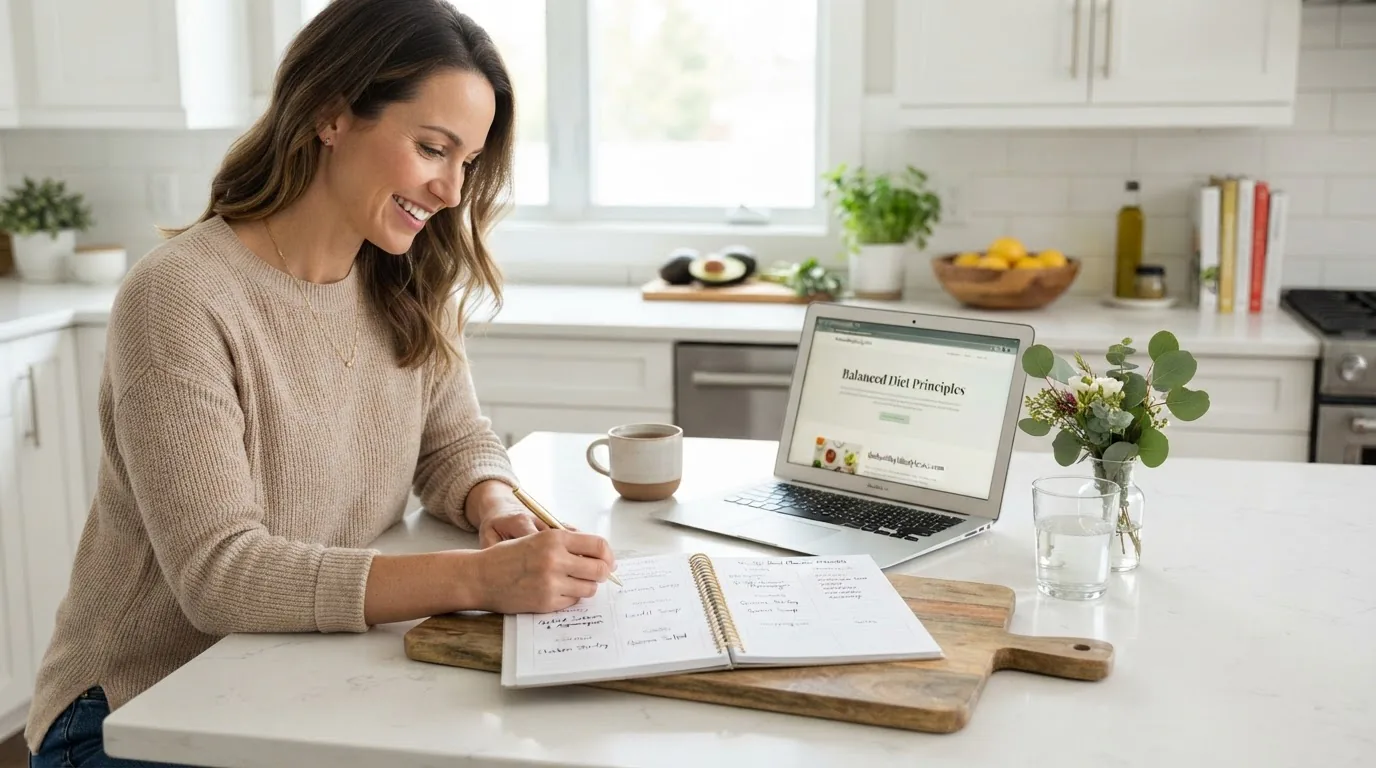
meal planner printable tools are the fastest way to turn good intentions into organized, healthy eating. This guide combines free printables with practical weekly menu requirements so you can streamline meal prep, reduce waste, and build a balanced weekly eating plan you’ll actually follow.
Introduction to Meal Planner Printables and Their Benefits
Using a meal planner printable makes planning your week’s food easier, more consistent, and measurable. A physical or printable template helps you map meals, schedule prep tasks, and align your grocery list with a planned menu so you waste less food and save time. Meal planning benefits include improved time management, reduced food waste, and more consistent balanced eating that supports long-term health goals.
When people use printables regularly they report fewer takeout meals, better portion control, and clearer grocery budgets. According to a 2022 review from the Academy of Nutrition and Dietetics, structured meal planning is associated with improved diet quality and more consistent fruit-and-vegetable intake.
Printables come in many formats—simple weekly food planners, daily eating plan templates, and detailed meal prep planners—and they are especially effective when paired with a clear understanding of balanced diet principles. For foundational context on the word “diet” and what requirements mean in planning, see diet definition and requirements.
Below we’ll walk through types of printables, the key elements of effective weekly planners, step-by-step use of templates to create a balanced weekly menu, and several free printable PDFs and templates you can start using today.
Transition: Now that you know why printables help, let’s define what they are and how the main types differ.
What is a Meal Planner Printable? Overview and Types
A meal planner printable is a downloadable or printable worksheet designed to capture meals, snacks, shopping needs, and prep tasks for a day or week. They range from minimalist one-page weekly eating plan templates to multi-page meal prep planners that track recipes, portions, and freezer inventory. Printables are typically delivered as PDFs you can print, fill digitally, or edit in basic software.
Common types of meal planner printables include:
- Weekly eating plan template — One-page overview for breakfast, lunch, dinner, and snacks for seven days.
- Daily eating plan template — Hourly or meal-slot view for calorie distribution and nutrient timing on a single day.
- Weekly food planner — Includes meal slots plus a grocery shopping list and meal prep schedule.
- Meal prep planner — Focuses on batch cooking, cook day tasks, portioning, and storage labels.
- Weekly dinner planner — Dinner-focused template for families or busy households who pre-plan evening meals.
- Recipe index or planned menu sheet — A place to note favorite recipes tied to planned meals and portion counts.
Below is a quick comparison table to help you decide which printable fits your workflow.
| Template Type | Best For | Key Features |
|---|---|---|
| Weekly eating plan template | Simple weekly overviews | 7-day meal slots, basic grocery list |
| Daily eating plan template | Calorie or timing-focused days | Meal timing, calorie targets, snack slots |
| Meal prep planner | Batch cooking and freezer management | Cook day tasks, portion labels, storage notes |
| Weekly dinner planner | Families & weekday dinners | Evening recipes, prep time, kid-friendly notes |
Each template can be customized: add columns for macronutrients, swap portions for shared-family vs. individual meals, or include allergy notes. Next, we’ll break down the components you should include in any weekly food planner to keep meals balanced and practical.
Transition: With template types clear, learn what makes a weekly food planner truly effective.
Key Components of an Effective Weekly Food Planner
-
Meal slots for each day
Explanation: At minimum include breakfast, lunch, dinner, and one to two snack slots. Having consistent slots encourages structured eating and supports meal frequency goals. -
Planned menu details
Explanation: For each meal note the main protein, grain or starch, vegetables/fruits, and healthy fat. This reduces decisions at mealtime and ensures balanced plates across the week. -
Portion control cues
Explanation: Use serving-size notes (e.g., 3–4 oz cooked protein, 1/2–1 cup grains) or plate fractions to keep portions consistent. Link to portion resources like a portion and serving size guide for specifics. -
Nutritional balance column
Explanation: Track macronutrient focus (protein, carbohydrate, fat) and a quick color code for vegetables/fruits. This helps ensure variety and avoids repeating the same food groups too often. -
Grocery shopping list integration
Explanation: A weekly grocery column segmented by produce, protein, pantry, and frozen items makes shopping faster and reduces extra trips. Include quantities tied to planned servings. -
Meal prep scheduling
Explanation: Block out cook-day tasks (chop, roast, batch-cook, assemble jars) and a quick timeline. Planning when you’ll prep reduces evening stress and helps preserve freshness. -
Leftover and rotation notes
Explanation: Indicate which meals are intentionally leftovers or can be repurposed (e.g., roasted veggies into a grain bowl). Healthy meal variety and rotation prevents menu fatigue. -
Allergy/special-diet flags
Explanation: Note food restrictions or swaps for family members. This ensures your weekly food planner is inclusive and reduces last-minute substitutions. -
Prep yield and storage instructions
Explanation: For batch-cooked items, write how many servings the batch yields and storage method (fridge 3–4 days, freezer up to 3 months). Labeling speeds reheating and portion control. -
Easy-swap healthy substitutions
Explanation: Include a short list of healthy substitutions (e.g., Greek yogurt for sour cream, spiralized veg for pasta) so you can adapt recipes quickly without derailing nutrition goals.
Real-world tip: For families, assign a meal owner per night (who cooks/plans) to spread responsibility and keep the planned menu realistic for family schedules.
Transition: With components defined, here’s a step-by-step on using a printable to build a balanced weekly menu.
How to Use a Meal Planner Printable to Create a Balanced Weekly Menu
This section walks through practical steps for turning a blank printable into a balanced weekly eating plan. Use the steps below with any weekly food planner or meal prep planner, and adapt to calorie goals, dietary needs, or family size.
-
Set the week’s goals
Step: Decide the primary goal—weight maintenance, muscle gain, more vegetables, lower sodium, or budget-friendly meals. Goals determine portion sizes, recipe choices, and grocery budget. -
Assess what you already have
Step: Quick pantry/fridge scan prevents duplicate purchases. Note staples (rice, beans, frozen veg) on the printable’s pantry column. -
Choose the backbone meals
Step: Pick two to three cooked proteins or base recipes you can stretch into multiple meals (e.g., grilled chicken, baked tofu, lentil chili). -
Distribute protein across meals
Step: Spread protein sources through the day to support satiety and muscle protein synthesis. For most adults, include 15–30 g of protein per main meal; adjust to individual needs.
Example: Monday lunch = 4 oz grilled chicken (approx. 28 g protein); snack = 1/2 cup Greek yogurt (approx. 10–12 g protein).
Reference: For a calorie- or portion-specific plan see 1400 calorie meal plan guide. -
Add whole grains and vegetables
Step: Aim for at least half your plate as vegetables or fruits at lunch and dinner. Include complex carbs (e.g., quinoa, brown rice, whole-wheat pasta) as planned portions — typically 1/2 to 1 cup cooked per serving depending on energy needs. -
Plan snacks and timing
Step: Use the printable’s snack slots to include nutrient-dense choices that stabilize blood sugar—nuts, fruit with nut butter, or hummus and veg. Match snack timing to activity levels (pre/post exercise).
See energy-focused options in energetic diet plan guide. -
Calculate rough calorie distribution
Step: Use a simple split—20–25% calories at breakfast, 25–35% at lunch, 30–40% at dinner, and the remainder across snacks. For calorie-specific planning, reference the 1400 calorie meal plan guide as an example. -
Create the shopping list from the printable
Step: Convert each meal’s ingredient list into grouped grocery items. Prioritize fresh items for early-week meals and frozen or canned for later in the week to preserve quality. -
Schedule meal prep tasks
Step: On your printable’s prep schedule, block a 60–120 minute cook session (e.g., Sunday afternoon) to batch-cook proteins, wash/chop produce, and portion meals. Add quick tasks mid-week if needed. -
Label portions and set storage rules
Step: Use containers labeled with meal name, date cooked, and servings. Note fridge vs. freezer storage and reheating instructions. -
Review and adjust mid-week
Step: Use an “update” area on your printable to note what worked, what didn’t, and swap in a quick meal if plans change.
Illustrative example — a filled Monday from a weekly food planner:
- Breakfast: Oatmeal (1/2 cup oats) with 1 tbsp almond butter + 1/2 cup berries (approx. 350 kcal)
- Snack: Greek yogurt (1/2 cup) + 1 small apple
- Lunch: Grain bowl — 3 oz roasted chicken, 1/2 cup quinoa, 1 cup mixed greens, 1 tbsp olive oil vinaigrette
- Snack: Carrot sticks + 2 tbsp hummus
- Dinner: Baked salmon (4 oz), 1 cup roasted broccoli, 3/4 cup baked sweet potato
Walkthrough of filling a meal prep planner template (experience signal): start by listing recipes for the week, estimate servings needed, write prep tasks (cook quinoa, roast veg), and assign labels (Mon-Lunch, Tue-Dinner). When done, you’ll have a grocery list, a cook-day timeline, and portioned meals ready to reheat.
Transition: Ready-made printables speed this work—here are free PDFs and templates you can download and start using immediately.
Free Printable Meal Planner PDFs and Weekly Dinner Planner Templates You Can Use
Below are 4 free resource examples with brief descriptions and usage tips. Each works well as a starting point and can be customized to your portions and dietary needs. For visual nutrition aids that pair with printables, see printable nutrition charts.
- Simple Weekly Meal Planner PDF (one-page) — Description: A printable one-page weekly grid for breakfast, lunch, dinner, and two snacks. Usage tip: Use colored pens to mark protein, veg, and grain to ensure balance at a glance.
-
Meal Prep Planner & Grocery List Combo (two-page) — Description: Includes a cook-day task list, batch-cook yields, and a grocery checklist grouped by store section. Usage tip: Print two copies—one for home and one to take to the store.
healthy diet worksheet printables - Weekly Dinner Planner Template (family-focused) — Description: Evening meals only with prep times and kid-friendly swap suggestions. Usage tip: Fill in one week at a time and collect family feedback for rotation.
- Customizable Daily Eating Plan Template — Description: Hour-by-hour or meal-slot format that allows calorie counts and macronutrient notes. Usage tip: Pair with a digital calorie tracker or use the printable to record actual intake for accountability.
All of the above types are widely available as free printable PDFs from community health blogs, dietitians, and public resources. Combine these templates with printable nutrition charts or a vitamin chart guide to cross-check micronutrient distribution.
Transition: Even with great templates, planners can fail — here are common problems and fixes.
Common Challenges in Weekly Meal Planning and How to Overcome Them
- Time constraints — Solution: Start with a 30-minute planning session and one 60–90 minute batch-cook day. Use the meal prep planner to divide tasks across the week.
- Variety fatigue — Solution: Rotate recipes on a 3–4 week cycle, add a “theme night” (e.g., Taco Tuesday), and use planned menu notes to swap proteins or grains easily.
- Budget limits — Solution: Plan meals around seasonal produce, use legumes and whole grains as cost-effective protein-carbohydrate bases, and incorporate one “budget night” using pantry staples.
- Portion mismanagement — Solution: Use portion control cues on your printable and invest in a food scale or measuring cups for the first few weeks to calibrate portions.
- Last-minute schedule changes — Solution: Build two quick backup meals into the weekly planner (e.g., frozen veggie stir-fry, canned beans with grain) and mark them as “flex” options.
- Meal boredom — Solution: Use the healthy meal variety and rotation rule: swap one ingredient per recipe (different grain, spice, or sauce) to create a different flavor profile without extra work.
User anecdote (experience signal): “After printing a weekly food planner and scheduling one Sunday prep session, I reduced takeout by 70% and had more energy during the week,” — Jane, 34, working parent.
Transition: Overcoming these challenges works best when your planner aligns with nutritional standards—here’s how to incorporate those requirements.
Incorporating Nutritional Requirements and Balanced Diet Principles into Your Planner
Design your meal planner printable around evidence-based nutrition principles. According to the 2025 USDA Dietary Guidelines, a healthy eating pattern emphasizes a variety of vegetables, fruits, whole grains, lean proteins, and healthy fats while limiting added sugars, saturated fats, and sodium. 2025 USDA Dietary Guidelines
Begin by mapping food groups across the week so you meet macronutrient and micronutrient needs without obsessing over each meal. Below are practical ways to fold balanced diet principles into a weekly plan, plus links to deeper resources.
1. Use a color-coded food group matrix
Create a section on your printable that charts colors or symbols for vegetables, fruits, grains, protein, and dairy/alternatives. Aim for at least 3–5 cups of vegetables and 1.5–2 cups of fruit daily for most adults, distributed across meals (adjust per individual needs).
2. Balance macronutrients over the day and week
Macronutrients (protein, carbohydrates, fats) are easiest to manage by setting simple targets: protein at each main meal (15–30 g), healthy fats (1–2 tbsp), and carbohydrates from whole-food sources. For detailed macronutrient planning, refer to the macro meal planner guide.
3. Include micronutrient checks
While you don’t need to track every vitamin daily, ensure varied vegetables, fruits, nuts, seeds, dairy/fortified alternatives, and whole grains across the week to cover common micronutrient needs. For targeted micronutrient planning use the vitamin chart guide.
4. Portion control with practical tools
Use plate models (half-plate veg, quarter-plate protein, quarter-plate grains) and measuring cues. For specific serving sizes and guidance see portion and serving size guide.
5. Plan for special dietary patterns
If you follow a controlled-carb approach, integrate the CCHO diet guide recommendations directly into your printable. For broader variety examples, consult the varied diet guide and requirements.
6. Consider updated plate and pyramid guidance
The new food pyramid guide and similar visuals can be pasted beside your printable to help visualize portions and food-group ratios.
7. Track weekly nutrient goals rather than daily perfection
A weekly approach reduces stress and allows for natural variation while still meeting dietary guidelines. According to a 2022 review from the Academy of Nutrition and Dietetics, planning across multiple days supports better adherence to dietary recommendations and long-term habits.
Practical example: Build a week where each day includes at least: 1 lean protein serving at two meals, 2–3 servings of vegetables across lunch and dinner, whole grains at one meal, and healthy fats added across meals. Use your printable to tick off each day’s targets.
Disclaimer and trust signal: Individual caloric and nutrient needs vary by age, sex, activity level, and health conditions. Consult a registered dietitian or healthcare provider to personalize these recommendations (this guide does not replace individualized medical or nutrition advice).
Transition: Once your planner includes nutrition principles, efficient prep keeps it workable—next are practical meal prep tips.
Tips for Efficient Meal Prep Using Your Meal Planner Printable
-
Batch cooking (batch like ingredients)
How-to: Roast several proteins and vegetables at once to mix-and-match across meals. Store in clear containers labeled by date and meal. -
Labeling and portioning
How-to: Use masking tape and a permanent marker or printable labels that include reheating instructions and portion counts. -
Storage tips
How-to: Cool cooked food within two hours, refrigerate meals for up to 3–4 days, and freeze portions for up to 3 months. Use freezer-safe containers and vacuum seals if possible. -
Prep time optimization
How-to: Group tasks by appliance (oven, stove, blender). Chop all vegetables first, then roast and move to the next step to minimize setup time. -
Freezer meal strategy
How-to: Double recipes and freeze half for later. Use a “use-by” date and rotate older meals to the front of the freezer. -
Quick reheat and assembly
How-to: Keep dressings and crunchy elements separate until serving. Reheat proteins and grains, then add fresh or reheated vegetables last. -
Weekly audit
How-to: At week’s end, note which meals were eaten and which weren’t—adjust portions or swap recipes accordingly on future printables.
Transition: Ready to act? A short real-world plan and encouragement follow.
Conclusion and Encouragement to Start Using Meal Planner Printables
Start with one free printable and commit to a single planning session this week. Use a simple weekly eating plan template to list breakfasts, lunches, dinners, snacks, and a grocery list. Over time, your printed routines become a tested system that reduces decision fatigue, saves money, and supports consistent healthy habits.
Experience signal summary: Many users report better diet adherence and time savings within two weeks of regular planning. For deeper nutrition principles that support these choices, visit the balanced nutrition guide and meal requirements for health.
Final CTA: Download a free weekly planner, schedule a prep session, and build one week of balanced meals—small consistency creates large benefits for health, time, and budget.
Frequently Asked Questions
What is a meal planner printable and how can it help me?
A meal planner printable is a downloadable worksheet for scheduling meals, snacks, and grocery lists. It reduces decision fatigue, cuts food waste, streamlines shopping, and helps you follow balanced eating patterns by making portions and nutrient targets visible and actionable each week.
How does a weekly food planner differ from a daily eating plan template?
A weekly food planner maps meals for seven days, integrates grocery lists and prep tasks, and supports meal rotation; a daily eating plan template focuses on one day’s timing, calorie distribution, and nutrient timing for more precise intake control.
How do I create a balanced weekly menu using a meal prep planner?
Set weekly goals, list staple proteins, distribute vegetables and whole grains across meals, assign snack choices, schedule one cook-day for batch tasks, and convert meals into a categorized grocery list—adjust portions to energy needs.
What are the benefits of using a free printable meal planner PDF?
Free printable meal planners offer structure without cost: they simplify planning, reduce impulse purchases, prioritize nutrition variety, support portion control, and make meal prep and grocery shopping faster and more predictable.
How much time should I allocate weekly to meal planning with these templates?
Allocate 20–45 minutes for planning and shopping prep plus one 60–120 minute batch-cook session per week; smaller households may need less time. Start small and scale as you build a system that fits your schedule.
What if I struggle to stick to the planned menu in my meal planner?
Include two flexible backup meals, schedule mid-week quick-prep sessions, reduce plan complexity, and track what you swapped—use those notes to adjust future planners to realistic preferences and time constraints.
Are printable meal planners secure and private to use or share?
Printables themselves are private physical or locally saved PDF files. Avoid sharing personal health data in public templates and remove identifiable details before sharing; digital storage should use password-protected files if sensitive.
How can I customize a weekly dinner planner to fit special dietary needs?
Flag restricted ingredients, list approved substitutes, adjust portion cues for calorie or macronutrient targets, and use template columns for allergy notes or alternative protein sources to ensure every dinner fits dietary requirements.