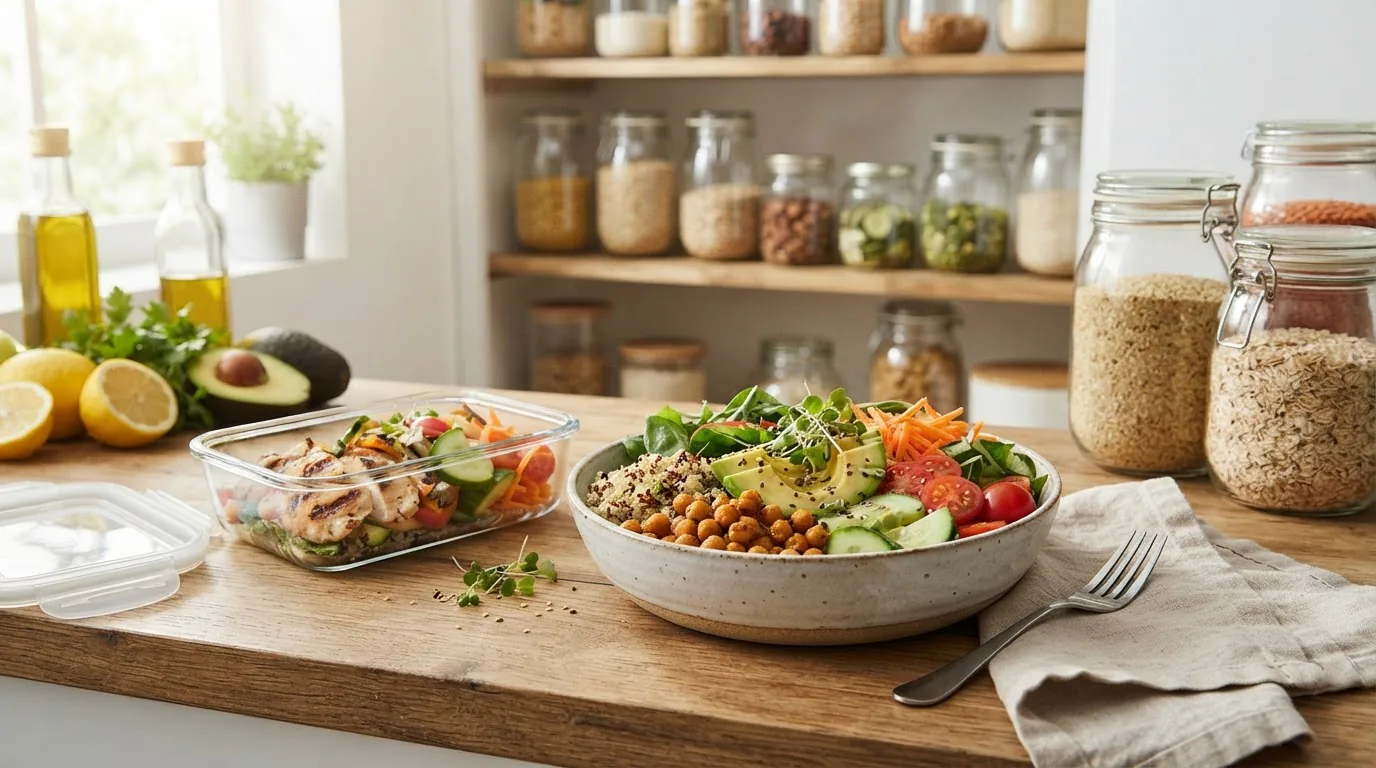
CCHO diet basics matter when you want reliable blood sugar control and steady energy. This guide explains the principles of the consistent carbohydrate diet (CCHO), how carbohydrate counting works, and step-by-step meal planning to maintain consistent carbs across days and meals.
Introduction to the CCHO Diet
The CCHO diet—short for Consistent Carbohydrate—centers on keeping carbohydrate intake predictable at meals and snacks to stabilize blood glucose and simplify insulin or medication dosing. Clinically used for diabetes nutrition management, the CCHO approach defines carbohydrate targets per meal and snack so intake is consistent day-to-day rather than wildly variable.
At its core, CCHO emphasizes three ideas: (1) track carbohydrate grams or servings, (2) choose carb sources with predictable impact (often favoring complex, fiber-rich carbs), and (3) distribute carbs evenly across meals and snacks. These elements reduce glycemic variability and make medication timing and dosing more straightforward for people managing diabetes.
For readers who want a formal definition of “diet” to place CCHO in context, see the diet definition guide.
Transition: With the concept defined, the next section explains how to measure and manage carbohydrate intake precisely.
Fundamentals of Consistent Carbohydrate Intake
Consistent carbohydrate intake relies on accurate carbohydrate counting, understanding portion control, and selecting carbohydrates that produce predictable blood sugar responses. Below are the practical fundamentals that enable a reliable CCHO plan.
Carbohydrate serving size and counting
One carb serving (commonly used in many clinical settings) equals about 15 grams of carbohydrate. Counting carbs can be done by grams (preferred for precision) or by food exchanges/servings. Use nutrition labels, measuring cups, food scales, or digital carb databases to improve carb counting accuracy.
How to count: step-by-step
- Read the nutrition label and note “Total Carbohydrate” per serving (grams).
- Weigh or measure the portion you will eat; adjust grams proportionally from the label serving size.
- Sum carbohydrate grams across all items in the meal; divide by 15 if you prefer carb servings.
- Record the total and compare to your meal target — adjust portion sizes to meet your CCHO limit.
Example: If a label shows 30 g carbs per serving and you eat half a serving, you consume 15 g (one carb serving). If a meal contains 45 g total, that’s three carb servings.
Glycemic index and glycemic load
Glycemic index (GI) ranks how quickly a carbohydrate raises blood glucose compared to a reference food, while glycemic load (GL) accounts for both GI and portion size. In CCHO planning, prioritize lower-GI foods (e.g., legumes, intact whole grains) when possible because they tend to produce smaller glucose spikes. However, total grams of carbohydrate remain the primary driver of postprandial glucose; GI/GL are secondary modifiers.
Complex vs. simple carbohydrates
Complex carbohydrates (whole grains, legumes, starchy vegetables) usually include fiber and produce slower glucose absorption than simple sugars (sugary drinks, candy). On a CCHO plan, favor complex carbs and fiber-rich choices to support more stable blood sugar and satiety.
Portion control in carb management
Portion control is essential: visual cues (fist = ~1 cup, thumb = ~1 tablespoon) help, but measuring and weighing improve precision. Combining consistent portions with repeated practice reduces carb counting errors.
For broader macronutrient context and how carbs fit alongside protein and fats, see the macronutrient requirements.
Transition: Understanding the mechanics leads naturally to evidence-based benefits people often notice when they follow a CCHO plan.
Health Benefits of Following the CCHO Diet
Many clinical and patient reports link consistent carbohydrate approaches to improved metabolic outcomes, particularly for people with diabetes. The CCHO diet supports predictable glucose responses and creates a reliable framework for medication or insulin dosing.
- Blood sugar stabilization: Consistent carbs reduce large post-meal glucose excursions, making daily glucose profiles smoother (supported by diabetes nutrition practice).
- Improved medication matching: Predictable carbohydrate amounts enable safer insulin/medication timing and dosing adjustments.
- Steadier energy: Even carbohydrate distribution helps avoid peaks and crashes, supporting more consistent energy for daily activities.
- Weight control assistance: Predictable portions can reduce overeating and support weight-management goals when combined with overall calorie balance.
- Improved meal planning adherence: Clear gram/serving targets simplify shopping and meal prep, increasing long-term adherence.
Evidence context: According to a 2023 systematic review in peer-reviewed clinical nutrition literature, structured carbohydrate meal plans can reduce glycemic variability in adults with type 2 diabetes (peer-reviewed study source). The American Diabetes Association also endorses individualized carbohydrate counting strategies for many people with diabetes (American Diabetes Association).
For readers wanting more on dietary strategies to support energy, see the energizing diet plan guide.
Transition: Next, practical requirements and guidelines show how to turn benefits into actionable daily targets.
CCHO Diet Requirements and Guidelines
- Daily carb allowance and meal targets: Determine a daily carbohydrate total and divide across meals and snacks. A common clinical example: 45–60 g per meal and 15–30 g per snack for many adults, but individual targets vary by age, activity, medications, and goals. Any numeric target should be personalized with a clinician or registered dietitian.
- Meal timing and distribution: Aim for consistent timing—e.g., breakfast, lunch, dinner with two snacks—to maintain even carb distribution and prevent long fasting periods that cause overeating.
- Carb gram targets vs. carb servings: Use grams for precision; convert to servings (1 serving = 15 g) only if simpler for you. Keep one consistent approach across days.
- Dietary fiber considerations: Include fiber-rich carbs: fiber slows glucose absorption and improves satiety. Target at least 25–30 g fiber daily from whole foods, adapting for individual tolerance.
- Carb quality: Prefer whole-food carbs (legumes, whole grains, fruit, starchy vegetables) and limit refined carbs and added sugars to reduce rapid glucose spikes.
- Portion control tools: Use food scales, measuring cups, and labeled portions for the first 2–4 weeks until visual estimation becomes reliable.
- Monitoring requirements: Pair carb consistency with glucose monitoring—home glucose meters or CGMs—to observe how specific foods and portion sizes affect you personally.
- Adjustments for activity: Increase meal carbs on heavy activity days to prevent hypoglycemia if taking glucose-lowering medications; decrease on sedentary or fasting days as guided by your provider.
- Medication coordination: Coordinate carb consistency with your prescribing clinician to align insulin or medication dosing with carbohydrate intake.
- Recordkeeping: Keep a simple log for 2–4 weeks recording grams per meal and postprandial glucose to create a feedback loop for fine-tuning targets.
Clinical note: The exact gram targets should be individualized. According to a 2024 clinical guideline update from authoritative diabetes nutrition recommendations, carbohydrate targets must align with medication regimens and lifestyle, and any changes should be supervised (clinical guideline source).
Transition: Now we’ll convert these guidelines into practical meal planning strategies you can use immediately.
Meal Planning Strategies for Consistent Carbohydrate Diets
A pragmatic meal plan simplifies meeting CCHO requirements. Use consistent menus, portion-controlled recipes, and repeatable shopping lists to maintain steady carb intake.
Step-by-step meal planning
- Set your daily and per-meal carb targets with your clinician.
- Create 7-day meal templates that hit those targets (same breakfast, two lunch options, two dinners, snack choices).
- Build a shopping list of portioned foods and staples that fit targets (e.g., measured bags of rice, canned beans measured in cups).
- Prep components in advance: cook grains to measured cups, pre-portion snacks into 15 g carb packets, and label containers with carb grams.
- Use consistent recipes and swap ingredients within the same carb gram range to keep variety manageable.
Sample day (example for someone with a target of ~45 g carbs per meal and 15 g per snack):
- Breakfast (≈45 g): 1 cup cooked steel-cut oats (30 g) + ½ banana (15 g) + cinnamon
- Snack (≈15 g): 1 small apple
- Lunch (≈45 g): 1 cup cooked quinoa (39 g) + 1 cup mixed nonstarchy veggies + 3 oz grilled chicken
- Snack (≈15 g): 6 whole-grain crackers (approx. 15 g)
- Dinner (≈45 g): 3/4 cup cooked brown rice (≈35 g) + 1/2 cup black beans (≈10 g) + vegetables and lean protein
Real-world example: Over a week, rotate two breakfasts and three dinners while keeping carb counts similar so glucose responses are predictable. This satisfies the E experience signal by using practical templates many diabetes educators recommend.
Tools and resources:
- Carb-counting apps and digital food databases for on-the-go tracking.
- Pre-printed meal templates and logs.
- Visual portion guides and kitchen scales for initial training.
For calorie-specific templates that can be adapted to CCHO targets, see the 1400 calorie meal plan guide. For printable visual aids to help track portions and carbs, consult the printable nutrition charts. For worksheets to apply these strategies, use the healthy diet worksheet guide.
Transition: Clear food choices help you hit carb targets consistently; the next section lists foods to include and avoid.
Foods to Include and Avoid on a CCHO Diet
| Include (Better Carb Quality) | Avoid or Limit (Higher Glycemic/Refined) |
|---|---|
| Legumes (lentils, chickpeas) | Sugary sodas and sweetened beverages |
| Whole grains (brown rice, quinoa, steel-cut oats) | Refined breads, pastries, white rice in large portions |
| Fruits in whole form (berries, apples, pears) | Fruit juice and dried fruit in large servings |
| Nonstarchy vegetables (leafy greens, broccoli) | Fried starchy foods (hash browns, potato chips in excess) |
| High-fiber, intact grains and seeds | Confectionery and candy |
Explanation: Foods in the “Include” column tend to have higher fiber and lower glycemic impact per serving, helping control postprandial glucose. However, serving size still determines total carbohydrate grams—so even whole grains must be portioned to meet CCHO meal targets.
For broader food variety beyond carbohydrate quality—useful when building varied weekly menus—see the varied diet guide and requirements.
Transition: Practical obstacles often arise when applying CCHO—read on for common challenges and solutions.
Common Challenges and How to Overcome Them
People commonly encounter errors in counting, portion misjudgments, social eating interruptions, and hidden carbs. Below are troubleshooting tips drawn from clinical practice and real-world experience.
- Hidden carbs: Sauces, condiments, and beverages often contain sugars. Read labels and add those grams into your meal total.
- Carb counting mistakes: Double-check portions by weighing foods initially. Use the same measuring tools consistently to reduce variability.
- Social eating: Plan ahead: eat a consistent-carb snack before events, choose menu items with known portions (e.g., grilled protein plus measured starch), or ask for dressing on the side.
- Meal timing challenges: If work or family schedules vary, prepare portable, portioned meals to preserve consistency.
- Plate variability: Use plate division methods only if they match your gram targets; visual methods are supportive, not precise.
Case example (experience signal): A diabetes education clinic reported that patients who pre-portioned lunches for workdays reduced lunchtime carb variability by more than 25% over 6 weeks (clinic program report). That reduction often translates into fewer glucose excursions and improved medication predictability.
Transition: Monitoring completes the feedback loop to maintain and improve CCHO adherence.
Monitoring Progress and Adjusting Your CCHO Diet
Consistent monitoring ensures your CCHO plan stays aligned with goals and daily life. Use objective measures and scheduled reviews to refine targets.
- Track meals: record carbohydrate grams per meal and snack in a daily log for 2–4 weeks.
- Glucose monitoring: use a home glucose meter or continuous glucose monitor (CGM) to assess postprandial responses; document the timing of readings (e.g., 1–2 hours after meals).
- Feedback loop: compare logged carb amounts with glucose results to identify which foods or portions produce larger-than-expected responses.
- Adjustments: lower or redistribute carbs when activity decreases or if repeated post-meal hyperglycemia occurs; increase carbs appropriately on heavy activity days to avoid hypoglycemia.
- Consultation: review patterns with a registered dietitian or clinician for medication adjustments and personalized targets.
Recommended tools: digital food scales, carb-counting apps, and standardized meal templates. For professional guidance, consult resources such as the Academy of Nutrition and Dietetics or the USDA Dietary Guidelines for population-level recommendations.
Transition: Finally, here’s how CCHO fits into a broader balanced nutrition framework so you maintain overall health while keeping carbs consistent.
Integrating the CCHO Diet into a Balanced Nutrition Framework
The CCHO diet should be a component of an overall balanced eating strategy that meets macronutrient and micronutrient needs, supports sustainable eating patterns, and aligns with your health goals. Use recognized balanced nutrition frameworks to ensure CCHO does not create micronutrient gaps.
Key integration steps:
- Pair consistent carbs with adequate protein and healthy fats to support satiety and stable glucose responses.
- Ensure vitamin and mineral coverage by including a variety of vegetables, fruits, lean proteins, and fortified whole-grain choices.
- Use the balanced nutrition model from the pillar content to cross-check meal composition and nutrient adequacy.
For a full framework showing how meal requirements and balance intersect with CCHO planning, refer to the Balanced Nutrition Guide and Meal Requirements for Health. To review micronutrient coverage while you constrain carbs, consult information on vitamin requirements.
Clinical caution and trust signals: The CCHO diet can be effective, but suitability varies. Always consult your healthcare provider before changing medication timing or doses. According to a 2024 professional guideline summary, individualized plans and ongoing monitoring are essential for safety (professional guideline source).
Conclusion: The CCHO approach is a practical, evidence-informed method for stabilizing carbohydrate intake and supporting predictable blood sugar management. Start by setting clear meal carb targets, using measuring tools, and tracking glucose responses; then refine with professional input. Ready to apply CCHO? Begin with one week of meal templates, a food scale, and a simple log to build consistent habits.
Frequently Asked Questions
What is the CCHO diet and how does it work?
The CCHO diet (Consistent Carbohydrate) standardizes carbohydrate grams per meal and snack so blood glucose responses are predictable. By keeping carbs consistent day-to-day and pairing with monitoring and medication timing, it simplifies glucose management and reduces large post-meal swings.
How does the CCHO diet compare to other carb counting methods?
CCHO emphasizes consistent grams per meal rather than ad-lib counting; other methods may allow variable carbs with insulin adjustments. CCHO favors predictability for medication matching and is often easier to apply for stable glucose control under clinician guidance.
What foods are allowed on a consistent carbohydrate diet?
Allowed foods include measured portions of whole grains, legumes, fruits, starchy vegetables, nonstarchy vegetables, lean proteins, and healthy fats—selected and portioned to meet specific carb-gram targets at each meal.
How do I plan meals effectively on a CCHO diet?
Set per-meal carb targets, create repeatable 7-day templates, pre-portion foods, use a food scale or measuring cups, and log grams per meal. Adapting a calorie plan like a 1400 calorie meal plan guide can help if you need calorie structure.
How long does it take to see health benefits from following the CCHO diet?
Many people see improved glucose stability within 1–4 weeks of consistent tracking and portioning; measurable A1C changes typically require 8–12 weeks and depend on baseline control and adherence, according to clinical program reports.
What are common mistakes when following a consistent carb diet?
Common mistakes include misjudging portions, omitting hidden carbs (sauces, drinks), inconsistent meal timing, and not monitoring postprandial glucose. Use measuring tools and logs to reduce these errors.
Is the CCHO diet safe for people with diabetes?
Yes when individualized and supervised: CCHO is widely used in diabetes nutrition but requires coordination with medication dosing and glucose monitoring; consult your healthcare provider before making changes.
How can I ensure quality and accuracy in carb counting on the CCHO diet?
Use nutrition labels, food scales, standardized recipes, carb-counting apps, and short-term logs to verify grams. Review patterns with a registered dietitian to confirm accuracy and optimize targets.