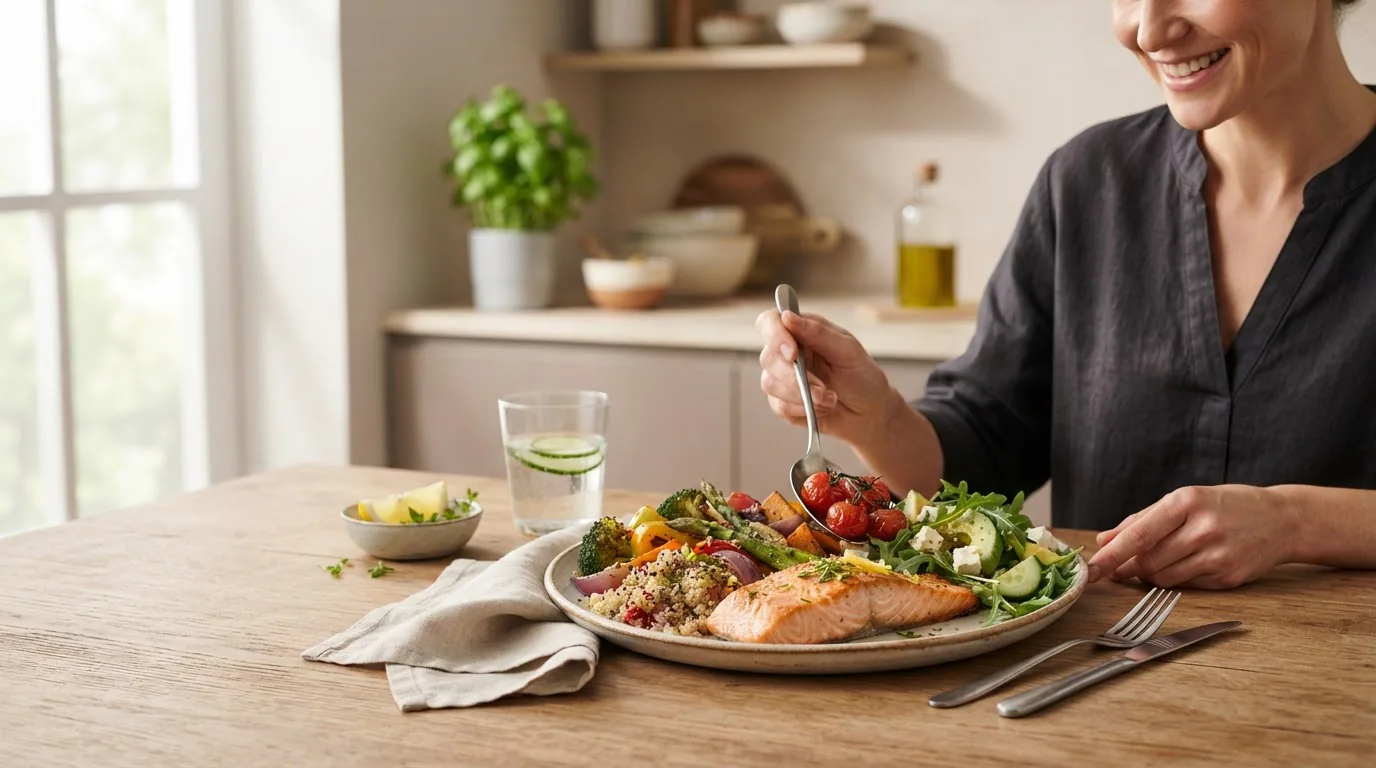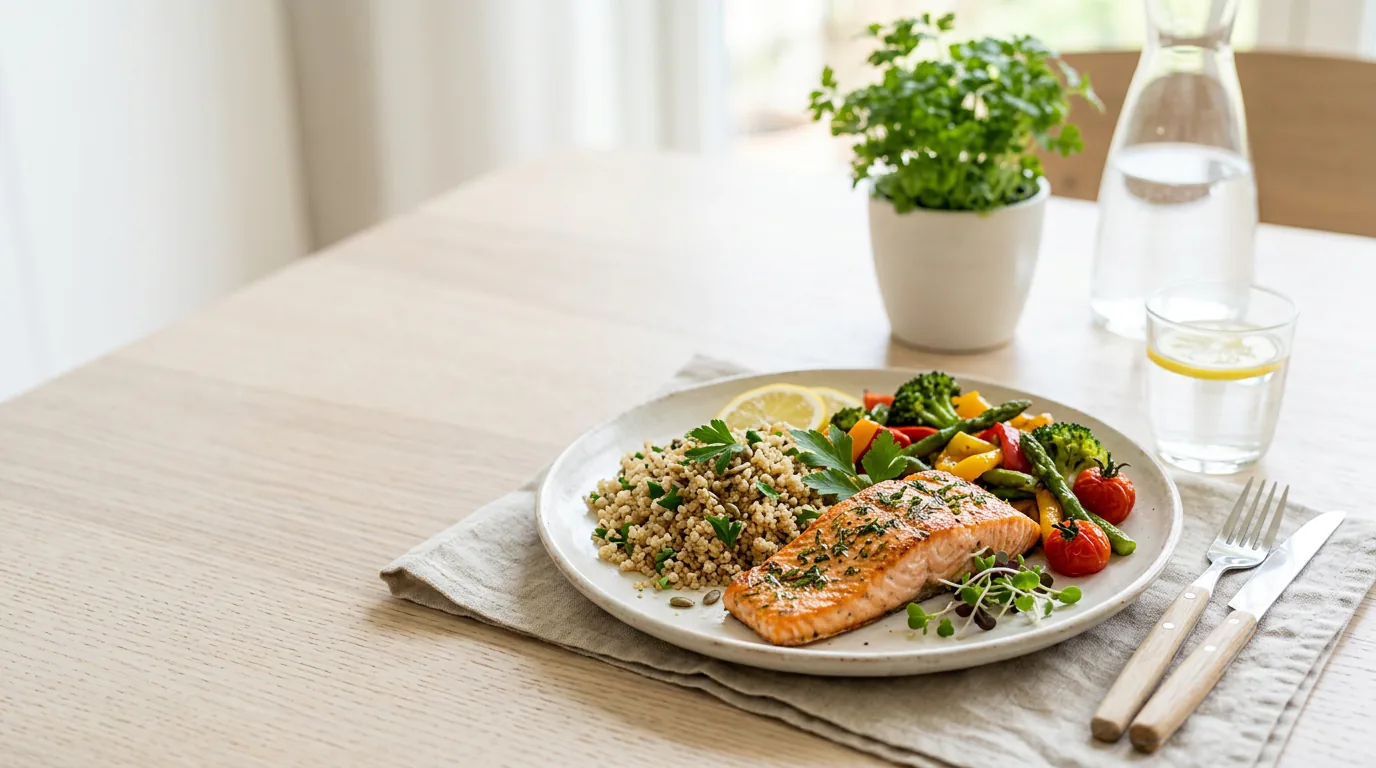
Portion and serving size shape everyday eating: the amount on your plate affects nutrition quality, hunger cues, and weight. This guide gives practical measurement methods, USDA-based serving recommendations for each food group, and clear portion-control tips so you can estimate how many ounces to eat per meal and balance meals without obsessing over calories.
Introduction to Portion and Serving Size
The terms portion size and serving size are used interchangeably in conversation, but they mean different things. A serving size is a standardized amount defined for nutrition labeling or dietary guidance; a portion is the amount you actually choose to eat. Understanding both is the first step to balanced eating and portion control.
Serving sizes come from reference frameworks—like the USDA MyPlate or Dietary Reference Intakes (DRIs)—so they’re useful for comparing foods and planning meals. Portions, however, vary widely by culture, restaurant, and packaging. When portions expand, energy intake often increases without people realizing it: according to a 2022 public health analysis, average portion sizes in restaurants increased by up to 30% over recent decades (peer-reviewed meta-analysis).
This introduction will explain the basics, common misconceptions, and why we focus on portion control as a practical tool rather than a strict dieting rule. Expect clear, household-measure methods for measuring food, quick visual cues, and a short case example showing portion adjustment for a hypothetical person trying to lose weight while keeping nutrient balance.
Case example (brief): Sam, a 35-year-old moderately active office worker, reduced typical dinner portions of rice and pasta by half and added an extra cup of non-starchy vegetables. Over 8 weeks, with consistent portion control and unchanged activity, Sam lost 6 pounds—illustrating how modest portion shifts can improve energy balance. (Scenario created for illustration.)
For a concise explanation of diet-related terms and definitions, see diet definition guide and requirements.
Transition: Now that you understand why portions matter, the next section shows the key differences between serving sizes and portion sizes—and how to use nutrition labels and practical examples to interpret both accurately.
Understanding Serving Sizes vs. Portion Sizes
| Concept | Definition | Why it matters | Example |
|---|---|---|---|
| Serving size | Standardized amount used on nutrition labels or by dietary guidelines. | Enables comparison of nutrient content and planning based on USDA/DRI standards. | 1 cup cooked rice = 1 serving (as defined on many labels and USDA tables). |
| Portion size | The actual amount you eat at one time. | Determines real calorie and nutrient intake; often differs from the serving size. | A restaurant bowl of rice = 2–3 servings (portion larger than label serving). |
| Label serving vs. package | Nutrition labels list serving size and servings per container. | Helps calculate total intake if you consume more than one serving. | Snack bag lists 2.5 servings; you may eat the whole bag (2.5x nutrients listed). |
Explanation: The table shows that a standard serving size is a reference used by health agencies and food manufacturers, whereas a portion size is subjective and flexible. Nutrition labels use serving sizes so consumers can compare foods quickly—read the label to see the serving size and multiply by how many servings you actually eat.
Practical examples of variability: coffee chain muffins (1 portion can equal 2–3 standard servings), restaurant entrées (often 2–4 servings), and packaged snacks (labels may understate realistic portion consumption). To protect diet quality, learn how many standard servings are in common portions and use household measures to convert them.
Transition: With that distinction clear, let’s review recommended serving sizes for each major food group so you can apply standardized servings when planning meals or reading labels.
Recommended Serving Sizes for Major Food Groups
This section lists common food serving sizes reflecting USDA MyPlate-style guidance and typical label definitions. Use these as practical references when building meals or checking nutrition facts. Remember: these are examples for general adult guidance; individual needs vary by age, sex, and activity level.
Fruits
- Standard serving examples:
- 1 medium whole fruit (apple, banana, orange) ≈ 1 serving
- 1/2 cup fresh, frozen, or canned fruit ≈ 1 serving
- 1/4 cup dried fruit ≈ 1 serving
- 1/2 cup 100% fruit juice ≈ 1 serving (limit juice, fiber reduced)
- Visual cue: a serving of fruit ≈ a tennis ball for whole fruit, or a small fist for 1 cup chopped fruit.
- Nutrition notes: Fruit servings provide fiber, potassium, vitamin C, and natural sugars—prioritize whole over juice for fiber and satiety.
- For printable images, see balanced diet images guide and printable nutrition charts.
Vegetables
- Standard serving examples:
- 1 cup raw leafy greens (spinach, lettuce) ≈ 1 serving
- 1/2 cup cooked or raw non-leafy vegetables (broccoli, carrots) ≈ 1 serving
- 1/2 cup vegetable juice ≈ 1 serving (prefer whole veg)
- Visual cue: 1 serving ≈ a cupped handful (non-leafy) or a baseball for 1 cup cooked vegetables.
- Nutrition notes: Emphasize a variety of colors to meet vitamin and mineral needs—see healthy food vitamin coverage below.
- Complement nutrient guidance with the healthy food vitamin chart guide and vitamin requirements.
Grains
- Standard serving examples (grain-rich foods):
- 1 slice of bread ≈ 1 serving
- 1/2 cup cooked rice, pasta, or cereal ≈ 1 serving
- 1 ounce dry cereal ≈ 1 serving (check label)
- Visual cue: 1 serving of cooked grains ≈ a light fist or 1/2 cup measuring cup.
- Nutrition notes: Make at least half your grains whole grains to boost fiber, B vitamins, and minerals. For carb-specific planning, see the CCHO diet guide for consistent carb plans.
Protein Foods
- Standard serving examples:
- 3 ounces cooked lean meat, poultry, or fish ≈ 1 serving (about the size of a deck of cards)
- 1 large egg ≈ 1 serving
- 1/4 cup cooked beans or 1/2 cup tofu ≈ 1 serving (legumes count as protein and vegetable)
- 1 tablespoon peanut butter ≈ 1 serving
- Visual cue: 3 oz protein ≈ deck of cards; 1 oz nuts ≈ a small handful.
- Nutrition notes: Rotate plant and animal proteins for nutrient variety and sustainability. For a quick reference to high-protein foods, consult the internal guide on protein-rich choices.
- For protein charts, see Highest Protein Foods Chart Guide and Protein Requirements.
Dairy and Dairy Alternatives
- Standard serving examples:
- 1 cup (8 fl oz) milk or fortified plant milk ≈ 1 serving
- 1 cup yogurt ≈ 1 serving
- 1.5 ounces natural cheese or 2 ounces processed cheese ≈ 1 serving
- Visual cue: 1 cup ≈ a large coffee mug or measuring cup.
- Nutrition notes: Choose low-fat or fat-free dairy for saturated fat control if recommended; fortified plant milks can supply calcium and vitamin D.
- For variety recommendations that complement serving sizes, check the varied diet guide and requirements.
Oils, Fats, and Discretionary Calories
- Standard serving examples:
- 1 teaspoon oil or margarine ≈ 1 serving
- 1 tablespoon mayonnaise or salad dressing ≈ 1–2 servings depending on density
- Visual cue: 1 teaspoon ≈ the size of the tip of your thumb to the first joint.
- Nutrition notes: These are energy-dense—small portions cover needs for fat-soluble vitamins and essential fats without overdoing calories.
Transition: With serving-size examples across food groups, the next section shows how many servings of each group most adults should aim for daily, using USDA-based recommendations and adaptable ranges for different needs.
How Many Servings of Each Food Group Should You Eat Per Day?
Daily serving recommendations vary with age, sex, and activity level. Below are generalized USDA-based ranges for adults. Use these guidelines as a framework and adapt based on energy needs, preferences, and medical advice. For a full framework on meal requirements and balanced planning, consult the balanced nutrition guide and meal requirements.
- Fruits: Aim for 1.5–2 cups per day.
Explanation: USDA 2024 guidance suggests most adults target around 1.5–2 cups of fruit daily, favoring whole fruits for fiber. Active adults or those with higher energy needs may trend toward the upper end.
- Vegetables: Aim for 2–3 cups per day.
Explanation: A variety across subgroups (dark green, red/orange, legumes, starchy, other) helps meet micronutrient needs. According to the 2024 USDA Dietary Guidelines, most adults should prioritize at least 2.5 cups with more for higher energy needs (government resource).
- Grains: Aim for 5–8 ounce-equivalents per day, with at least half whole grains.
Explanation: One ounce-equivalent can be 1 slice bread or 1/2 cup cooked rice/pasta. For a 2,000-calorie diet, 6 ounce-equivalents is typical; adjust up or down by 1–2 oz based on activity.
- Protein Foods: Aim for 5–6.5 ounce-equivalents per day.
Explanation: Includes lean meats, poultry, seafood, eggs, nuts, seeds, soy products, and legumes. For a 2,000-calorie diet, 5.5 oz-equivalents is often recommended. Increase for athletes or decrease for lower-energy plans.
- Dairy: Aim for 3 cup-equivalents per day (or fortified alternatives).
Explanation: One cup-equivalent = 1 cup milk or yogurt, 1.5–2 oz cheese. This supports calcium and vitamin D intake when consumes dairy or fortified alternatives.
- Oils: About 5–7 teaspoons per day, including oils from foods.
Explanation: Oils are included for essential fatty acids and vitamin absorption; count oils from cooking and dressings. Limit saturated and trans fats per health guidance.
Caveats: These are general adult recommendations based on USDA-style frameworks and Dietary Reference Intakes. According to a 2024 USDA Dietary Guidelines summary, exact portions depend on individual caloric needs (government guidance). For tailored calorie-specific portioning, see the 1400 calorie meal plan guide and nutrition requirements (if you need a lower-calorie example).
Transition: After setting daily target servings, the next practical section covers how to measure, monitor, and control portions both at home and when dining out—using everyday tools and visual cues.
Measuring and Controlling Portion Sizes at Home and Eating Out
Accurate portion measurement doesn’t require a food scale or complex tools. Use the following step-by-step methods and practical tips to estimate portions, test them at home, and make better choices when eating out.
Step-by-step: Measure portions at home using household items
- Get basic tools: measuring cups and spoons, liquid measuring cup, food scale (optional but precise), and storage containers for portioning leftovers.
- Use standard measures: 1 cup = 8 fl oz; 1 ounce = 28 grams (useful if you have a scale); 3 ounces cooked meat ≈ deck-of-cards visual.
- Practice with staples: Cook 1 cup of rice and divide into 1/2-cup portions; weigh a 3-oz cooked chicken breast on a scale to memorize the deck-of-cards size.
- Portion beverages: measure juice and milk—use a measuring cup to note the 8 fl oz cup measure, then replicate with your regular glass to judge volume visually.
Household visual portion cues:
- Protein (3 oz) ≈ deck of cards or palm of hand (excluding fingers)
- Vegetables (1 cup cooked) ≈ baseball or cupped hand
- Fruit (1 medium) ≈ tennis ball
- Grains (1/2 cup cooked) ≈ light fist or half a measuring cup
- Oils (1 tsp) ≈ tip of your thumb to first joint
How to portion-control while cooking and storing
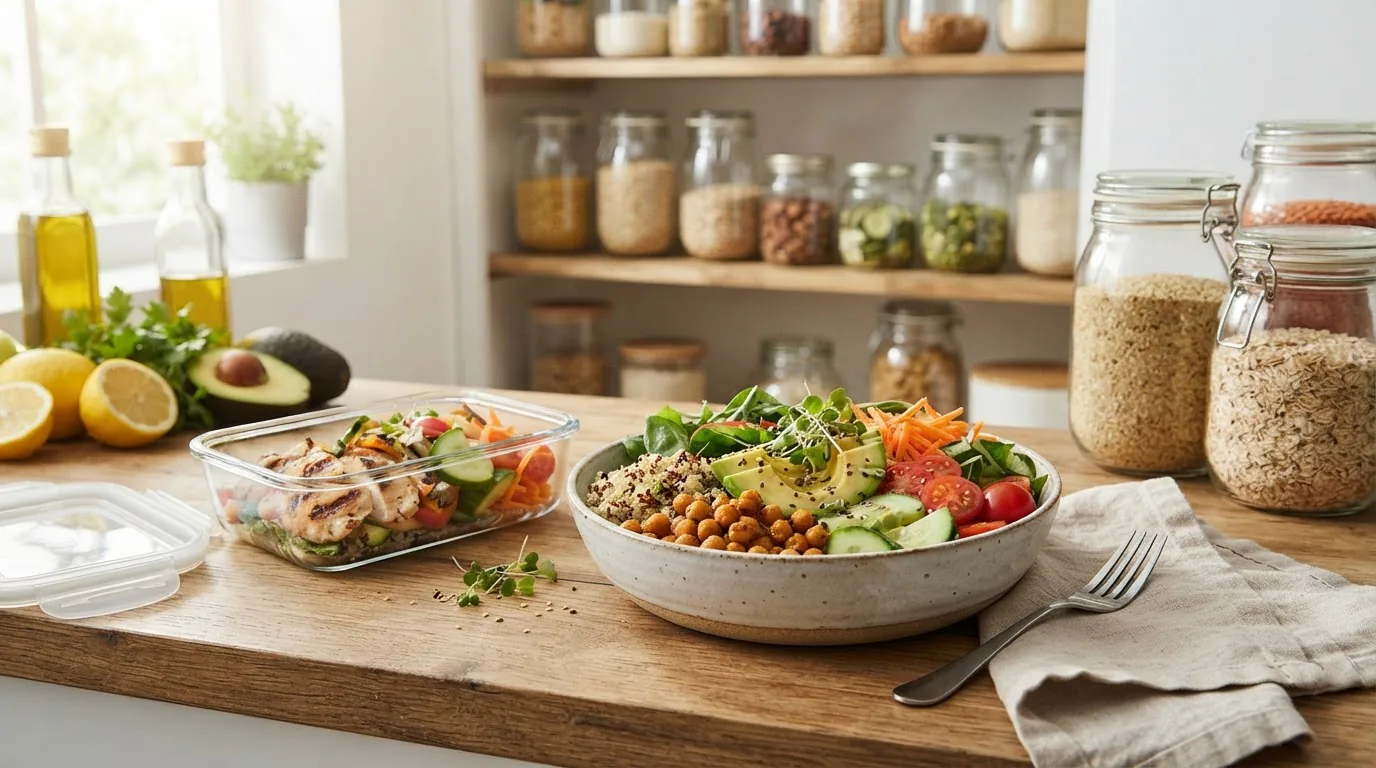
- Cook in bulk, then divide into measured portions into containers for quick grab-and-go meals.
- Plate food in the kitchen, not at the table—serving from a central pot increases overeating.
- Use smaller plates (9–10 inches) and bowls to naturally reduce portions without sacrificing satisfaction.
- Use the healthy diet worksheet guide and printable meal requirements to track portions and plan portions ahead.
Practical tips for eating out
- Split entrées with a dining partner or immediately box half to take home—many restaurant portions are 2–4 standard servings.
- Order appetizers or share sides to increase vegetable intake and reduce main portion size.
- Ask for sauces and dressings on the side to control oil and sugar portions.
- Choose grilled, steamed, or roasted preparations instead of fried to keep portions lower in added fat.
- According to a 2021 CDC review of restaurant portion sizes, portion control strategies (sharing, boxing half) are effective in reducing immediate calorie intake.
Portion control eating plan template (simple)
- Breakfast: 1 serving grain + 1 serving fruit + 1 serving protein (e.g., oatmeal 1/2 cup + banana + 1 egg)
- Lunch: 2 servings vegetables + 1 serving grain + 1 serving protein
- Snack: 1 serving fruit or 1 oz nuts
- Dinner: 2 servings vegetables + 1 serving grain + 1 serving protein + 1 tsp oil
For weekly planning and ready-to-use templates, refer to the meal planner printable guide and weekly menu requirements.
Transition: The next section connects portion control with weight-loss strategies and healthy-eating approaches, highlighting how to adjust portions for different goals.
Portion Size Guidelines for Weight Loss and Healthy Eating
Portion control is a cornerstone of many weight-loss strategies because reducing portion sizes often reduces total calorie intake without eliminating food groups. This section gives evidence-based steps, a portion plate method, and specific guidelines tailored to different goals—loss, maintenance, or higher energy needs.
Guideline 1 — Start with the portion plate method
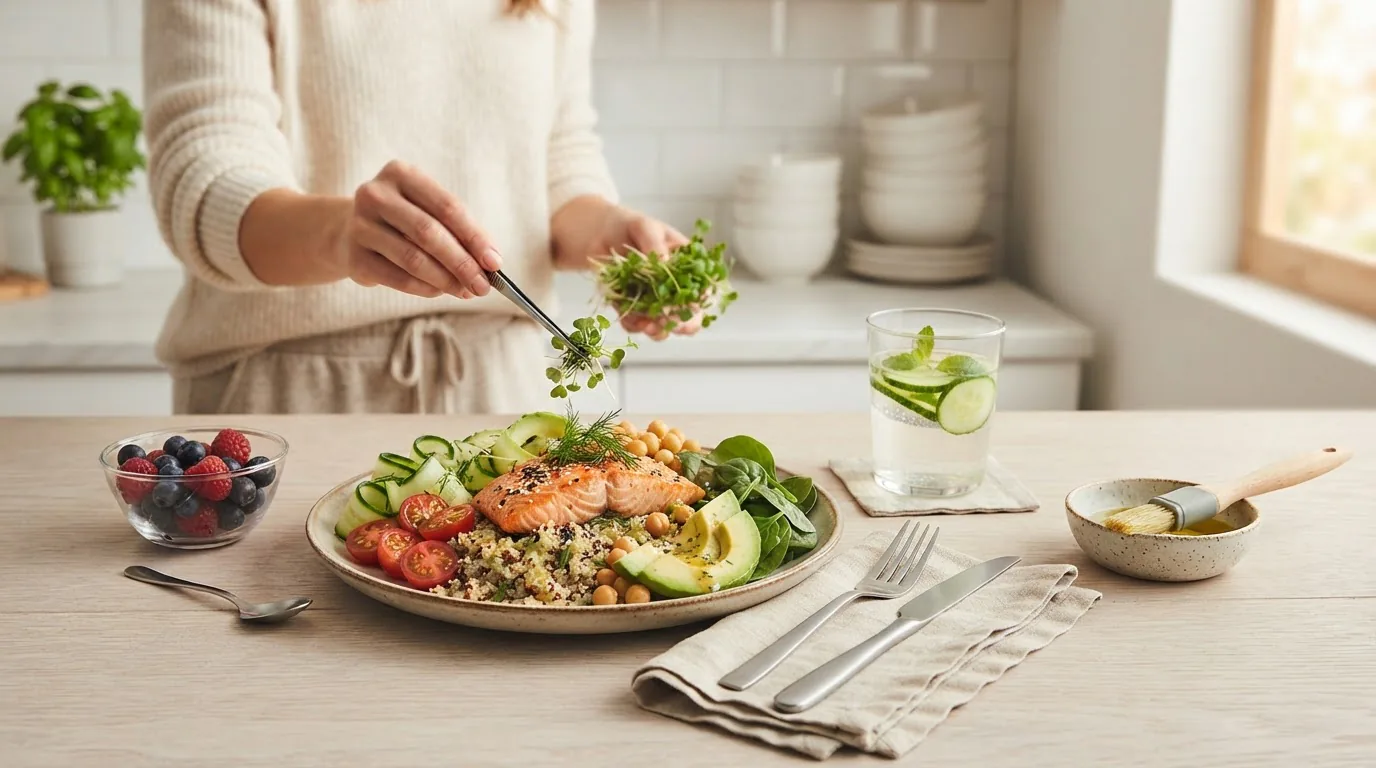
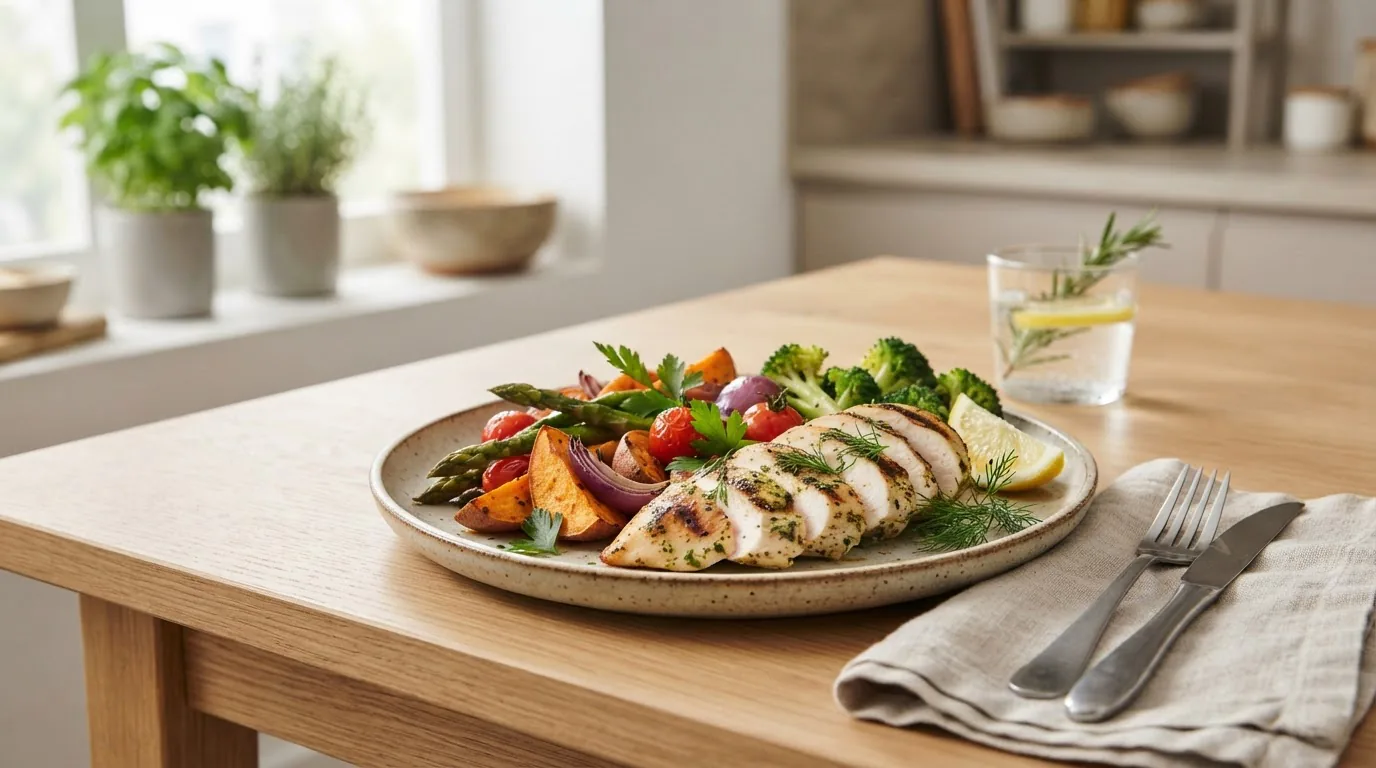
- Fill half your plate with non-starchy vegetables (leafy greens, broccoli, peppers).
- Allocate one-quarter of the plate to lean protein (3–4 oz cooked portion).
- Reserve one-quarter for whole grains or starchy vegetables (1/2–3/4 cup cooked).
- Add a small serving of dairy or dairy alternative if desired (1 cup milk or 1/2 cup yogurt) and a small amount of healthy fat (1 tsp oil or 1/8 avocado).
Guideline 2 — How many ounces of food should I eat per meal?
There is no single ounce target for all because needs vary. A practical framework: for a moderately active adult aiming for weight maintenance on a ~2,000-calorie diet, meals might total 12–16 ounces of food weight (including water-rich vegetables). For weight loss or lower-calorie plans, aim for 10–12 ounces per meal emphasizing vegetables for volume. According to a 2023 dietary behavior study, emphasizing vegetable volume increased satiety while lowering calorie density (peer-reviewed trial).
Guideline 3 — Portion size guide for weight loss (numbered actionable steps)
- Reduce high-calorie, low-volume foods by 25% first (sugary drinks, fried foods, dense snacks).
- Add at least one cup of non-starchy vegetables to one meal per day to boost volume and fiber.
- Swap refined grains for whole grains to increase fiber and satiety.
- Use hand-portioning: palm = protein, fist = vegetable or grain portion, cupped hand = carb snack, thumb = fat portion.
- Track portions for two weeks using a simple food log to build awareness, then reduce portions where patterns show excess intake.
For guidance aligning portion control with calorie targets, see the 1400 calorie meal plan guide and nutrition requirements.
Guideline 4 — Balance macronutrients for satisfaction
Include adequate protein each meal (3–4 oz cooked) to support satiety and muscle maintenance. For those managing macronutrient ratios closely, consult the macro meal planner guide and macronutrient requirements for targeted portioning by protein, carbohydrate, and fat.
Active individuals who require higher energy should consult the energetic diet plan and energy food requirements to adapt portions while maintaining performance and recovery.
Additional tips:
- Time meals so hunger is moderate—not starving—to reduce impulsive large portions.
- Drink water before meals to promote fullness with fewer calories.
- Use slower eating and mindful techniques—set utensils down between bites and aim for 20–30 minutes per meal.
- Consult a registered dietitian for personalized portion control diet plans if you have medical conditions or specific weight goals—per the Academy of Nutrition and Dietetics, one-on-one counseling yields better adherence (professional practice guidance).
Transition: Finally, we’ll address common questions readers have about practical portion uncertainties, weighing options, label accuracy, and error recovery.
Common Questions About Portion and Serving Sizes
Below are concise, evidence-based answers to frequent practical questions about portion measurement, labeling, and managing mistakes so you can apply lessons from the guide quickly.
Question: How do portion sizes affect diet quality?
Large portions of energy-dense foods increase calorie intake and can displace nutrient-dense choices. Smaller, balanced portions increase the likelihood of meeting vitamins, minerals, and fiber needs without excess calories (reviewed public health evidence).
Question: Should I always use a food scale?
A food scale gives the most accurate measurement but isn’t required. Visual cues, measuring cups/spoons, and practicing with common portions work for most people. Use a scale periodically to calibrate your visual estimates.
Question: How do I handle large portions at social events?
Strategize before you go: eat a small protein-rich snack, choose vegetable-heavy options, and avoid repeated trips to buffets. Sharing dishes and focusing on conversation can reduce grazing.
Transition: The closing section summarizes key takeaways and offers next steps for continued portion control learning and resources.
Conclusion and Practical Takeaways
Summary: Understanding the distinction between portion size and serving size empowers practical, flexible eating. Use USDA-based serving-size references, simple visual cues (deck of cards, tennis ball, fist), and household measures to estimate amounts. For weight loss, prioritize the portion plate method and moderate high-calorie foods; for maintenance, adjust grain and protein ounce-equivalents to match activity.
Action steps:
- Measure one typical meal this week using cups or a scale to benchmark portions.
- Apply the plate method at one meal per day for two weeks and compare hunger and satisfaction.
- Use the linked printable worksheets and images to plan meals and monitor servings.
For broader meal planning and balanced nutrition frameworks, explore the balanced nutrition guide and meal requirements. If you have specific medical needs or want tailored portion control strategies, consult a registered dietitian or healthcare provider.
Authoritative resources: USDA MyPlate and Dietary Guidelines, CDC portion control resources, and Academy of Nutrition and Dietetics provide evidence-based recommendations and tools.
Frequently Asked Questions
What is the difference between a portion and a serving size?
A serving size is a standardized measurement used for nutrition labels and dietary guidance; a portion is the actual amount you eat. Serving sizes allow comparison; portions determine your true calorie and nutrient intake. Adjust portions to match recommended servings for balanced eating.
How many servings of each food group should I eat per day?
General USDA-based targets: fruits 1.5–2 cups, vegetables 2–3 cups, grains 5–8 ounce-equivalents (half whole grains), protein 5–6.5 ounce-equivalents, dairy ~3 cup-equivalents. Adjust by age, sex, and activity level.
How do I measure portion sizes without a food scale?
Use household measures and visuals: 1 cup = fist, 1/2 cup = cupped hand, 3 oz protein = palm/deck of cards, 1 tsp oil = thumb tip. Measure once with cups or a scale to learn visual equivalents for future estimates.
What are the recommended portion sizes for weight loss?
For weight loss, reduce energy-dense portions by ~25%, use the plate method (½ vegetables, ¼ lean protein, ¼ whole grains), keep protein at 3–4 oz/meal, and emphasize non-starchy vegetables to increase volume and satiety.
How many ounces of food should I eat per meal?
There’s no single ounce target; a practical range is 10–16 ounces of food weight per meal depending on goals. Aim ~10–12 oz for calorie reduction and 12–16 oz for maintenance, focusing volume on vegetables for satiety.
What should I do if I accidentally eat larger portions than recommended?
If you overeat once, return to your regular pattern at the next meal—avoid compensatory extremes. Increase movement if desired and adjust subsequent portions slightly to re-balance energy intake without skipping meals.
Are serving sizes on nutrition labels accurate for portion control?
Serving sizes are standardized references and accurate for comparing products, but labels may list multiple servings per package. Always check “servings per container” and multiply nutrients by the number of servings you actually consume.
How can portion control improve my overall diet quality?
Portion control helps limit energy-dense, low-nutrient foods and frees up calories for nutrient-rich choices like vegetables, lean proteins, and whole grains—improving fiber, vitamins, and mineral intake while managing weight.