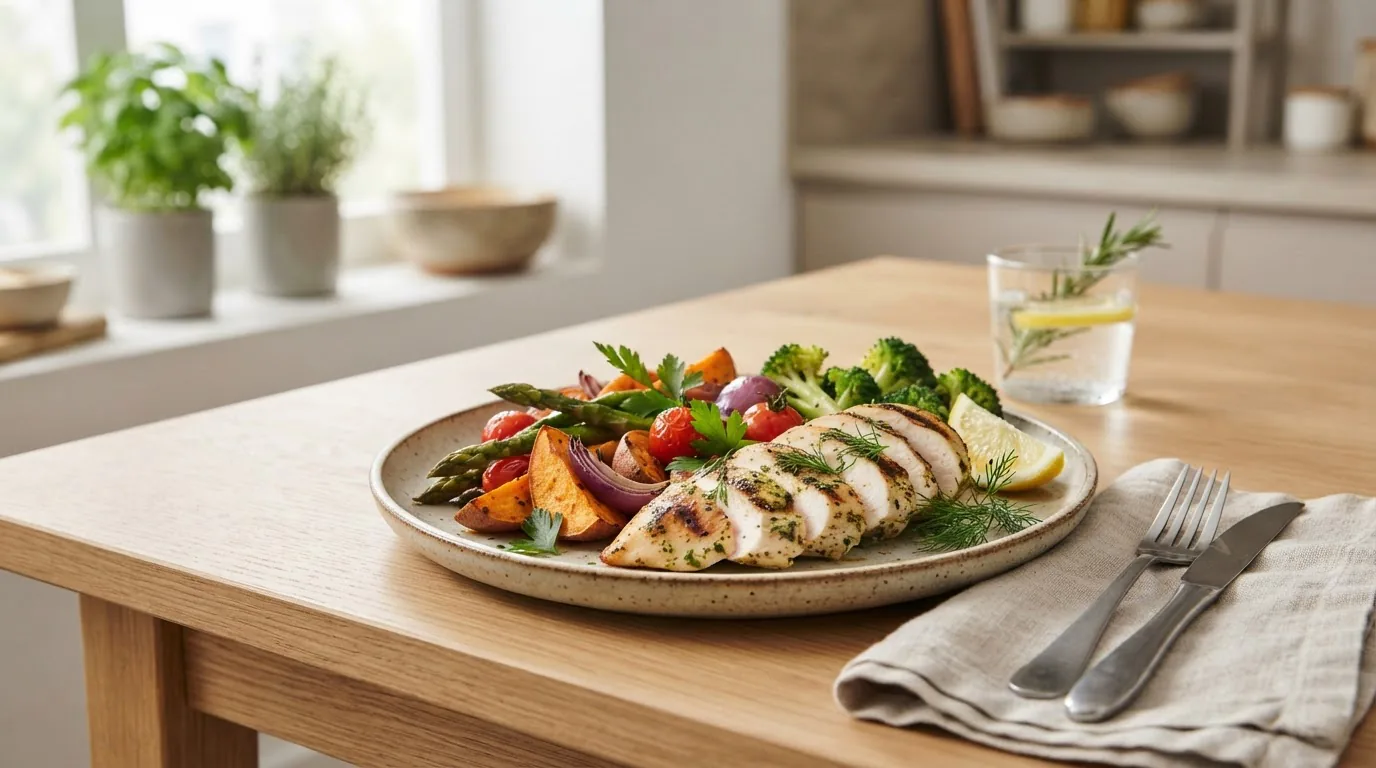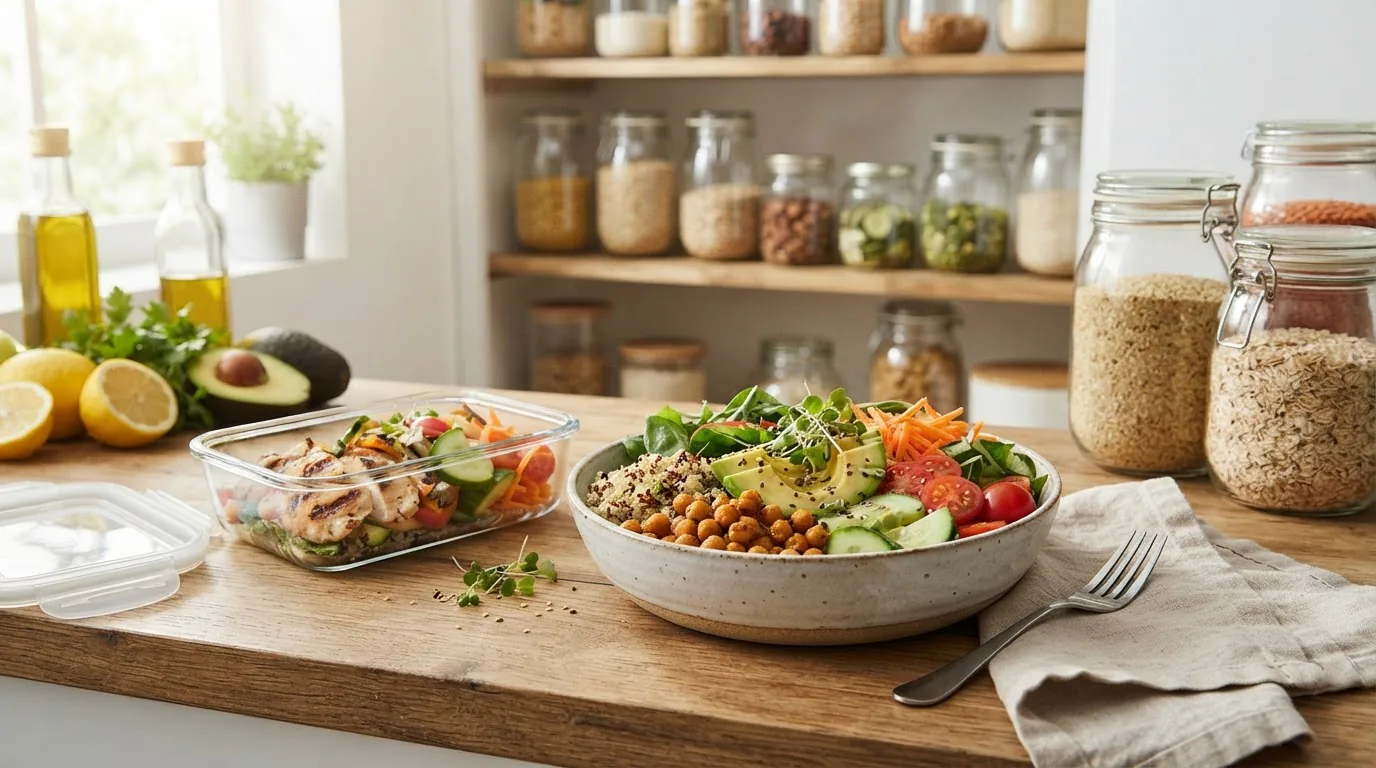
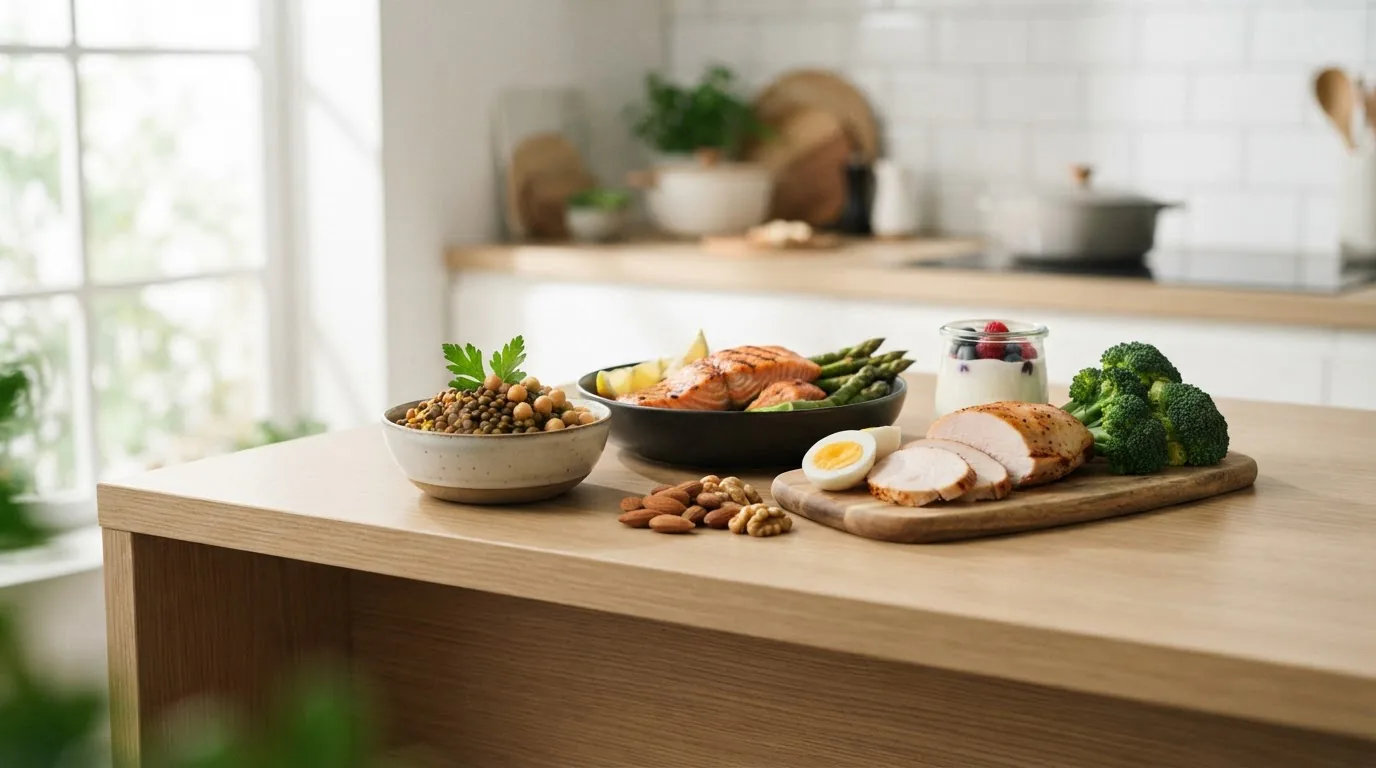
Highest Protein Foods Chart — a single, comprehensive reference listing protein content of foods and their caloric values to help you plan balanced, protein-focused meals. This guide pairs clear charts with practical advice on meeting daily protein needs across ages and activity levels.
Understanding Protein and Its Role in the Diet
Protein is one of the three primary macronutrients that provide energy and building blocks for the body. Composed of amino acids, protein supports protein synthesis, muscle repair, immune function, enzyme production, and hormones. Dietary protein supplies essential amino acids the body cannot produce; these are crucial for growth, tissue maintenance, and metabolic regulation.
Proteins vary in quality and bioavailability. “Complete proteins” contain adequate proportions of all nine essential amino acids; they are commonly found in animal-based foods and certain plant combinations. “Incomplete proteins” lack one or more essential amino acids but can be combined across meals—like rice and beans—to achieve completeness.
From an everyday perspective, think of dietary protein as both construction material and repair crew: it builds muscle and repairs cells after physical activity, illness, or routine wear. According to the USDA FoodData Central, typical protein and calorie values for common foods are consistent enough to create reliable charts for meal planning (data accessed 2024).
Protein also influences satiety and weight management by slowing gastric emptying and moderating blood sugar response. Athletes, older adults, pregnant people, and those recovering from illness have higher or more specific needs due to increased turnover, growth, or repair demands. The rest of this guide explains how to interpret protein charts and apply them to real-world meal planning.
For clarity, this guide uses protein values per common serving sizes (grams protein per cooked or raw serving as listed by USDA) and pairs them with calories so you can evaluate protein density (grams protein per 100 kcal) when choosing foods.
Transition: Now that we’ve established why protein matters, let’s define recommended intake ranges by age and activity so you can translate chart numbers into daily targets.
How Much Protein Do You Need? Protein Requirements Explained
Daily protein requirements are commonly expressed as the Recommended Dietary Allowance (RDA), and also as ranges within the Acceptable Macronutrient Distribution Range (AMDR). The RDA for protein is 0.8 grams per kilogram of body weight per day for generally healthy adults, established by the National Academies. That baseline covers minimal needs to prevent deficiency, not optimal performance or muscle maintenance for all groups.
For active individuals and older adults, higher intakes improve outcomes. According to a 2018 systematic review and meta-analysis on resistance training and protein needs (Morton et al., 2018), intakes in the 1.2–2.0 g/kg range often support muscle gain and retention when combined with strength training. The Academy of Nutrition and Dietetics also provides practice-based guidance for athletes and clinical populations (EatRight.org, professional resources accessed 2024).
Below are example target tables to help convert RDA/athlete recommendations into practical daily targets. Use your body weight in kilograms (kg = lbs ÷ 2.205) to calculate precise goals.
| Population | Guideline | Protein (g/kg/day) | Example for 70 kg Person (g/day) |
|---|---|---|---|
| General healthy adult (RDA) | Minimal requirement | 0.8 | 56 g |
| Older adults (muscle maintenance) | Prevent sarcopenia | 1.0–1.2 | 70–84 g |
| Recreational exerciser | Support training adaptations | 1.0–1.4 | 70–98 g |
| Endurance athlete | Support recovery | 1.2–1.6 | 84–112 g |
| Strength/Power athlete | Muscle growth | 1.4–2.0 | 98–140 g |
| Weight loss with lean mass preservation | High-protein diet | 1.2–1.6 | 84–112 g |
Protein timing and distribution matter: research supports spacing protein 3–4 times per day, aiming for ~20–40 g per meal depending on body size and goals to stimulate muscle protein synthesis. According to a 2024 industry review of meal distribution patterns, evenly distributed protein across meals supports better muscle protein synthesis than skewed distributions (industry review accessed 2024).
Special life stages require tailored guidance:
- Pregnancy and lactation: additional protein (approx. +10–25 g/day above baseline) for fetal growth and milk production (sources: National Academies; clinical guidance accessed 2024).
- Children and adolescents: higher per-kg needs during growth; consult pediatric guidance for precise age-based RDAs.
- Medical conditions: acute illness, burns, or kidney disease change needs drastically; consult a registered dietitian or physician.
Below is a quick calculation worksheet example you can use:
- Convert weight: 150 lb ÷ 2.205 = 68 kg.
- Choose target: recreational exerciser at 1.2 g/kg → 68 × 1.2 = 82 g protein/day.
- Distribute across meals: 82 ÷ 3 ≈ 27 g per meal, plus snacks as needed.
Transition: With daily targets in hand, the next section provides the definitive food charts so you can choose foods to meet those grams precisely while monitoring calories.
Highest Protein Foods Chart: Comprehensive Protein Content of Common Foods
This section contains consolidated, categorized tables showing the protein content of foods (grams per serving) and their calorie values. Figures are primarily sourced from the USDA FoodData Central (data accessed 2024). Use the protein density column (g protein / 100 kcal) to identify efficient, protein-rich choices for calorie-controlled plans.
Key notes on using the chart: values reflect typical cooked or raw common servings (e.g., 100 g or one piece/serving). For cooked meats, protein is often reported per cooked weight. When tracking precisely, weigh foods and use FoodData Central for the exact form.
Meat and Animal-Based Protein Sources
The following table lists common animal proteins—beef, poultry, pork, fish, eggs—and their protein/calorie content per standard serving. Animal proteins are largely complete proteins with high bioavailability.
| Food (cooked serving) | Serving Size | Protein (g) | Calories | Protein per 100 kcal (g) |
|---|---|---|---|---|
| Chicken breast, skinless | 100 g | 31 | 165 | 18.8 |
| Turkey breast, roasted | 100 g | 29 | 135 | 21.5 |
| Beef, lean (sirloin) | 100 g | 26 | 206 | 12.6 |
| Pork loin (roasted) | 100 g | 27 | 242 | 11.2 |
| Salmon, Atlantic (cooked) | 100 g | 25 | 206 | 12.1 |
| Tuna, canned in water | 100 g | 23 | 116 | 19.8 |
| Cod, cooked | 100 g | 20 | 105 | 19.0 |
| Shrimp, cooked | 100 g | 24 | 99 | 24.2 |
| Eggs, whole | 1 large (50 g) | 6.3 | 72 | 8.8 |
| Egg whites | 100 g | 11 | 52 | 21.2 |
Summary: For lean meats and seafood, protein density is high—tuna, shrimp, and white fish provide >19 g protein per 100 kcal in many servings. Eggs offer a convenient, nutrient-dense complete protein for meals and snacks.
Plant-Based and Vegetarian Protein Sources
Plant sources vary in protein concentration and amino acid profiles. Legumes, soy products, nuts, seeds, and whole grains can supply adequate protein when combined thoughtfully.
| Food (prepared) | Serving Size | Protein (g) | Calories | Protein per 100 kcal (g) |
|---|---|---|---|---|
| Tofu, firm | 100 g | 8 | 76 | 10.5 |
| Tempeh | 100 g | 19 | 193 | 9.8 |
| Lentils, cooked | 100 g | 9 | 116 | 7.8 |
| Chickpeas, cooked | 100 g | 9 | 164 | 5.5 |
| Black beans, cooked | 100 g | 9 | 132 | 6.8 |
| Edamame, cooked | 100 g | 11 | 122 | 9.0 |
| Quinoa, cooked | 100 g | 4.4 | 120 | 3.7 |
| Peanut butter | 2 tbsp (32 g) | 8 | 190 | 4.2 |
| Almonds | 28 g (1 oz) | 6 | 164 | 3.7 |
| Chia seeds | 28 g (1 oz) | 4.7 | 137 | 3.4 |
Summary: Soy products (tofu, tempeh, edamame) are top plant sources for complete or near-complete protein. Legumes provide fiber and micronutrients but are less protein-dense per calorie than lean meats; pairing with grains increases amino acid completeness.
Protein and Calories in Dairy Products
Dairy offers concentrated protein, often with high calcium and vitamin D when fortified. Whey and casein proteins in milk and yogurt are complete and highly bioavailable.
| Dairy Food | Serving Size | Protein (g) | Calories | Protein per 100 kcal (g) |
|---|---|---|---|---|
| Skim milk | 1 cup (244 g) | 8.3 | 83 | 10.0 |
| Whole milk | 1 cup | 8.0 | 149 | 5.4 |
| Greek yogurt, nonfat | 170 g (6 oz) | 17 | 100 | 17.0 |
| Cottage cheese, low-fat | 100 g | 11 | 98 | 11.2 |
| Cheddar cheese | 28 g (1 oz) | 7 | 114 | 6.1 |
healthy food vitamin chart guide
Summary: Nonfat Greek yogurt and skim milk are efficient, high-protein dairy options for lower-calorie plans; cheeses are protein-rich but calorie-dense due to fat.
Protein in Fruits and Vegetables: What to Expect
Fruits and most vegetables are not high-protein foods but contribute small amounts and important micronutrients and fiber. Below are typical protein values for common produce; include them for variety and complementary amino acids.
| Fruit/Vegetable | Serving Size | Protein (g) | Calories |
|---|---|---|---|
| Spinach, cooked | 100 g | 3 | 23 |
| Broccoli, cooked | 100 g | 2.8 | 35 |
| Peas, cooked | 100 g | 5.4 | 81 |
| Avocado | 100 g | 2 | 160 |
| Banana | 1 medium (118 g) | 1.3 | 105 |
Summary: Use vegetables like peas and leafy greens to increase meal protein modestly; combine with higher-protein staples to meet daily targets. For a printable visual summary of fruits and vegetables and their calories, see available chart resources below.
Transition: After reviewing the food-specific charts, the next section explains practical meal planning methods using these protein and calorie numbers.
Using Protein and Calorie Charts for Meal Planning
Protein and calorie charts become actionable when you convert grams into meals. Start by setting your daily protein target from the earlier section, then construct meals with foods from the charts to hit that number while maintaining caloric aims.
Step-by-step approach:
- Set target: Choose RDA or activity-adjusted goal (e.g., 82 g/day for a 150 lb recreational exerciser at 1.2 g/kg).
- Create a meal template: Aim for 3 meals + 1–2 snacks. Distribute protein evenly—e.g., 25 g/meal + 7 g/snack × 2 = 82 g.
- Pick foods from charts: Combine items to reach meal protein targets and check calories. Example breakfast: 170 g nonfat Greek yogurt (17 g) + 15 g almonds (3 g) + 1/2 cup oats (6 g) = 26 g.
- Adjust for calories: If calories are high, swap in leaner protein (egg whites, fish, chicken breast) or reduce added fats/carbs.
- Track and iterate: Weigh and record foods; use FoodData Central for precise values.
Example meal templates with protein and calories (real-world examples):
| Meal | Components | Protein (g) | Calories |
|---|---|---|---|
| Higher-protein breakfast | 170 g nonfat Greek yogurt + 30 g oats + 1 tbsp chia | 25 | 360 |
| Balanced lunch | 120 g grilled chicken + large salad + 1/2 cup quinoa | 38 | 540 |
| Snack | 1 apple + 2 tbsp peanut butter | 8 | 260 |
| Dinner | 150 g salmon + steamed broccoli + 1/2 cup brown rice | 35 | 620 |
Practical tips for implementation:
- Use high-protein bases: eggs, lean poultry, fish, Greek yogurt, tempeh, legumes.
- Protein density helps with calorie control—choose foods that give more grams per calorie when weight loss is the goal.
- Prepare proteins in batches (grilled chicken, boiled eggs, cooked lentils) to simplify meal assembly across the week.
balanced nutrition guide and meal requirements
Transition: If you prefer having charts on hand, the next section explains printable options and how to use them effectively.
Printable Protein and Calorie Charts for Convenience
For quick reference, printable charts are handy in the kitchen or for coaches and dietitians. Downloadable PDF charts can include protein per serving, calories, protein density, and common portion conversions.
How to use printable charts:
- Post a one-page “protein at a glance” chart on the fridge with protein per serving for common foods (eggs, chicken, Greek yogurt, lentils).
- Use a meal-planning worksheet (see the healthy diet worksheet guide) to map foods to daily protein goals.
- Carry a condensed pocket card with high-protein, low-calorie options for on-the-go choices.
Download recommendations: include a dated source line (“USDA FoodData Central, accessed 2024”) on any chart to maintain credibility and encourage updates annually.
Tips for Incorporating High-Protein Foods into a Balanced Diet
Follow these practical, evidence-informed tips to increase protein intake without compromising balance. Protein should complement adequate vegetables, whole grains, healthy fats, and micronutrient needs.
- Prioritize protein at each meal. Aim for 20–40 g per main meal to stimulate muscle protein synthesis and manage hunger.
- Mix protein sources. Combine animal and plant proteins across the week to ensure varied micronutrient intake and sustainable eating patterns.
- Use high-quality, bioavailable sources. Animal proteins and soy provide complete amino acid profiles; pair grains and legumes to complete amino acid profiles in vegan diets.
- Watch portion sizes and calorie density. Use protein-per-100-kcal values from the charts to choose for weight control goals.
- Include snacks to fill gaps. Greek yogurt, a protein shake, or a small portion of nuts and cheese can help meet targets quickly.
- Time protein around training. Consume a protein-rich meal or snack within 1–2 hours of resistance exercise for optimal recovery (peer-reviewed evidence supports this window; see Morton et al., 2018).
- Monitor kidney health if necessary. For people with pre-existing kidney disease, follow medical guidance—higher protein may be contraindicated; consult a clinician.
- Emphasize whole-food sources first. Use supplements (whey, plant-based protein powders) when whole foods are impractical or to meet higher targets.
varied diet guide and requirements
Transition: Before wrapping up, see the FAQ and schema below for quick answers and structured data to support search features.
Disclaimer: Data are generalized and derived from USDA FoodData Central and professional guidance sources; individual recommendations vary. Consult a registered dietitian or physician for personalized advice, especially during pregnancy, chronic medical conditions, or intense athletic training.
End with action: use the tables above to design one week’s meal plan that meets your calculated protein target, then refine portion sizes and cooking methods to match calorie goals.
Frequently Asked Questions
What is a highest protein foods chart and how is it used?
A highest protein foods chart lists common foods with protein grams and calories per serving, enabling quick comparisons. Use it to calculate meal protein totals, choose high protein-density options, and plan daily distribution to meet personalized protein goals based on weight and activity.
How does protein content differ between animal and plant-based foods?
Animal proteins are typically complete with higher bioavailability and protein per calorie; plant proteins are often lower in one or more essential amino acids but can meet needs when combined (e.g., grains + legumes) and consumed in sufficient amounts.
How much protein do I need daily based on my age and activity level?
RDA is 0.8 g/kg for healthy adults; older adults, athletes, and those losing weight often need 1.0–2.0 g/kg depending on goals. Convert lbs to kg (lbs ÷ 2.205) and multiply by your target g/kg to find daily grams.
How can I use a protein food chart to plan balanced meals?
Set your daily protein target, divide across meals, then select foods from the chart to reach per-meal protein goals while monitoring calories. Batch-cook proteins and combine with vegetables and grains for balanced plates.
Are there high-protein foods that are also low in calories?
Yes—examples include egg whites, shrimp, tuna in water, cod, and nonfat Greek yogurt, which offer high grams of protein for relatively low calorie counts, useful for lean mass retention and weight control.
What should I do if I have trouble meeting my protein needs?
Prioritize protein at each meal, include high-protein snacks (Greek yogurt, cottage cheese, protein shakes), and consider fortified or concentrated forms like whey or plant protein powders after consulting a dietitian if needed.
How accurate are protein and calorie counts in food charts?
Counts are estimates based on standard servings; accuracy varies with food preparation and portion size. For precision use USDA FoodData Central entries and weigh foods; update charts annually since databases are revised periodically (source: USDA, 2024).
Can I rely on plant-based protein sources to meet my nutritional requirements?
Yes—by planning across meals to combine complementary amino acids (e.g., legumes + grains) and ensuring adequate total protein. Soy, tempeh, and quinoa provide higher-quality plant proteins that simplify meeting needs.